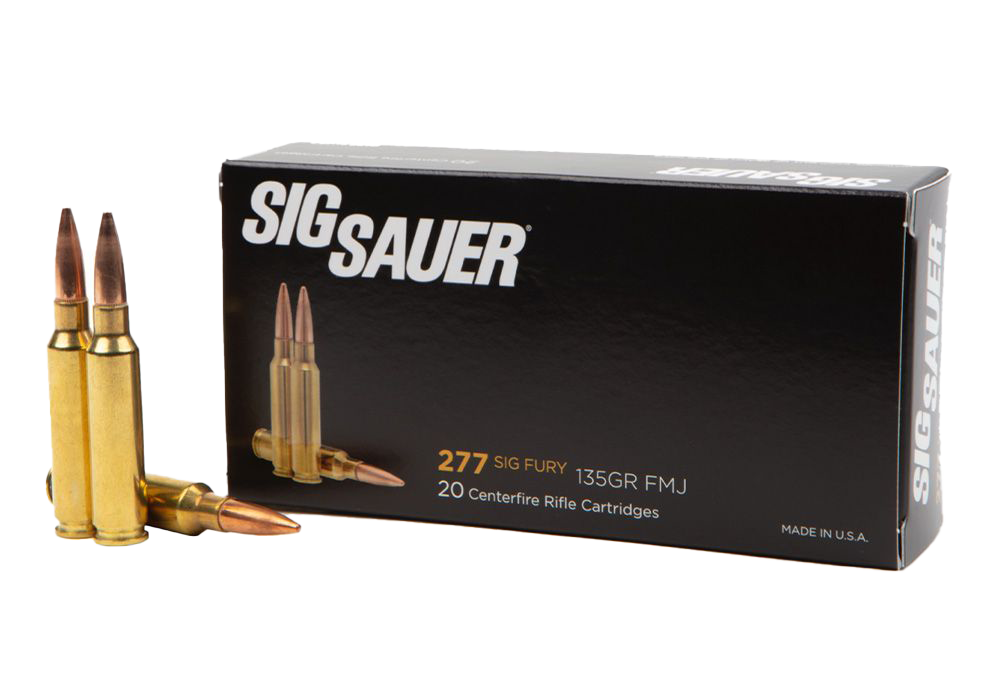
Rifle brass is the metallic cartridge case used in rifle ammunition, providing the body that holds the primer, propellant, and bullet together in a complete cartridge. For shoppers looking for ammunition components rather than loaded rounds, the distinction matters: an empty brass case is not ready-to-fire ammunition. Most cartridge brass is a copper-and-zinc alloy selected for its combination of strength, corrosion resistance, and the ability to expand and recover slightly under firing pressure. That balance helps the case seal against the chamber during firing and supports extraction afterward. Its familiar gold color is recognizable, but appearance alone says little about compatibility or condition. The important characteristics are the cartridge designation, case design, dimensions, and manufacturing specifications. Many rifle cases have a bottleneck profile, with a wider body tapering through a shoulder to a narrower neck, while other rifle cartridges use different shapes. Each design belongs to a particular cartridge specification, so similar-looking cases should never be treated as interchangeable. Rifle brass appeals to experienced handloaders, target shooters, hunters, and collectors of ammunition components, although each may value different qualities. A target shooter may prioritize uniformity across a group of cases, while a hunter may focus on dependable components suited to an established firearm and ammunition setup. Someone maintaining supplies for several rifles may place the greatest value on clear identification and keeping each cartridge type separate. Across those uses, careful selection starts with the exact chambering of the firearm, not a rough visual match or a familiar cartridge-family name. Brass is one part of a larger ammunition system, and its suitability depends on that complete context. Product descriptions should identify what the cases are, their stated condition, and any relevant component specifications. Those details provide a more useful basis for comparison than color, shine, or the assumption that all rifle brass performs the same way.
Fit is the central consideration when choosing rifle cartridge cases. The designation on a firearm, the information in its manual, and the specifications stated for the brass should agree; a similar name or shared bullet diameter does not establish compatibility. Case construction also varies in ways that are not obvious from a photograph. The head, rim, body, shoulder, neck, and primer pocket all serve distinct purposes, and differences between cartridge designs can affect whether a case belongs in a particular application. Primer pocket specifications are another detail to confirm in the product information rather than infer from the size of the case. Condition deserves equally close attention. New and previously fired brass represent different starting points, and neither a bright finish nor an intact-looking exterior is a guarantee of suitability. Previously fired cases can have an uncertain history, including exposure to different firearms, handling, and storage conditions. New cases still require the evaluation and preparation specified by the component manufacturer and established technical references before use. Reloading requires appropriate training, equipment, and published data; a product listing cannot substitute for those resources. For shoppers comparing rifle brass, consistency of identification and a clear description of condition help establish realistic expectations. Keeping components grouped by their stated cartridge designation and known history also makes organization easier when several rifles share space in the same cabinet or range routine. Imagine two labeled containers on a bench holding cases with nearly identical profiles: readable markings and accurate records matter far more than remembering which container was used last. A cartridge-specific collection such as Hunting Season 300 BLK Brass offers a narrower place to browse, but the same principle applies throughout the category: choose according to verified specifications for the intended firearm and use. The best match is not simply the case that looks closest; it is the one whose documented characteristics align with the application.
Care and storage help preserve rifle brass and keep its condition easier to assess. Brass resists some forms of corrosion well, but moisture, salts, chemical residue, and rough handling can still affect it. Clean, dry storage in clearly labeled containers helps protect cases from contamination and prevents different cartridge types from becoming mixed together. Original packaging can be useful when it retains the manufacturer’s identification and lot information. In a shared workspace, separate compartments and legible labels reduce the confusion that can arise when loose cases collect beside tools, empty ammunition boxes, and range equipment. Cleaning should follow the recommendations appropriate to the cases and any equipment involved; a polished surface is a cosmetic result, not proof that the brass is sound. Cracks, significant corrosion, distortion, or other questionable conditions warrant evaluation rather than an assumption that a case remains suitable. Durability has limits, and there is no universal number of times every rifle case can be reused safely. Its history, construction, firearm, and conditions of use all matter. Cases with an unknown background deserve particular caution, even when their exterior looks ordinary. For frequent range visitors, an orderly storage system can be as valuable as the containers themselves: separate spaces for different cartridge designations, retained labels, and records that remain with the components. Hunters and recreational shooters benefit from the same discipline, especially when equipment is shared among family members or several rifles are used for different purposes. Rifle brass can also be a practical gift for an experienced handloader, provided the recipient’s exact cartridge requirements and preferences are known beforehand. Guessing based on the appearance of a rifle or the name of a favorite shooting activity is not enough. Whether selected for a familiar range routine, a hunting rifle, or a carefully organized component collection, rifle brass rewards attention to the fundamentals: suitable material, verified fit, documented condition, sensible care, and realistic expectations about service life. Those considerations keep the focus on what matters beyond the brass-colored finish—choosing the correct component and preserving the information needed to use it responsibly.