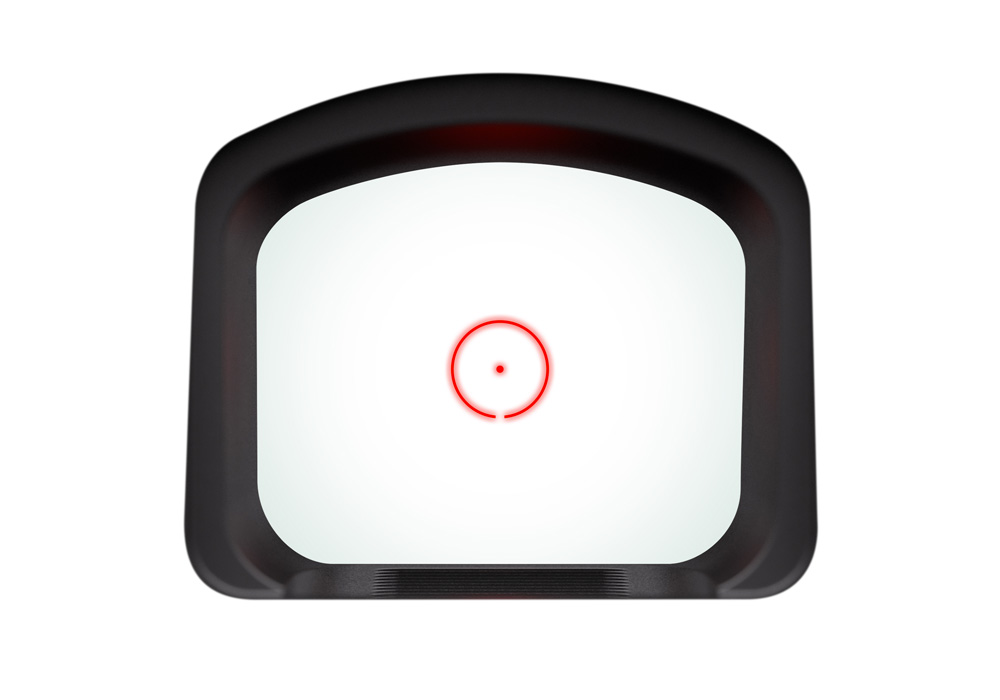
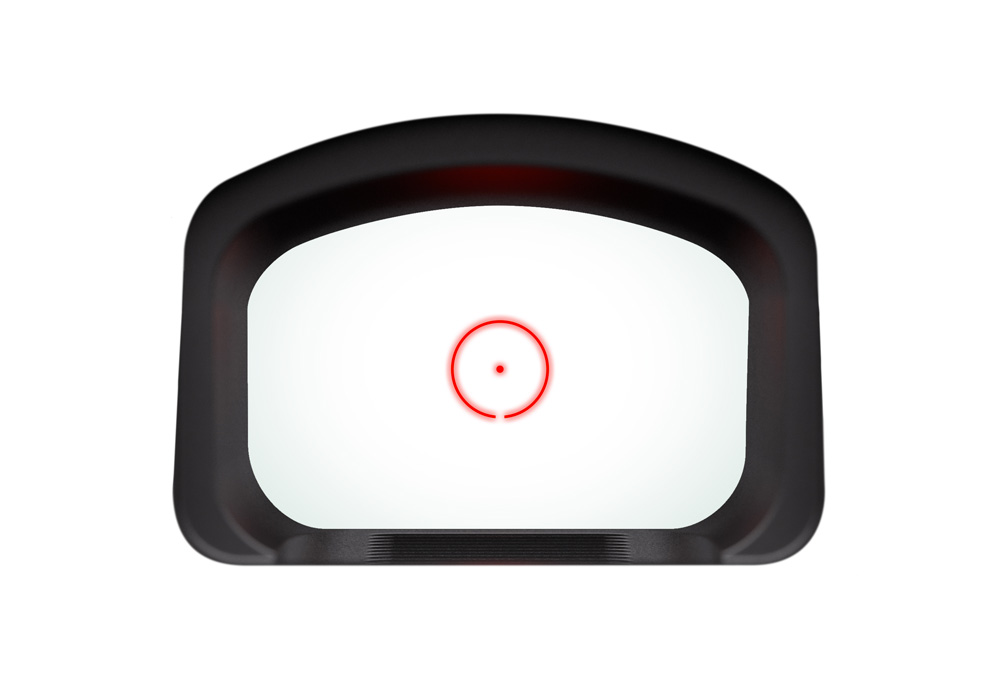
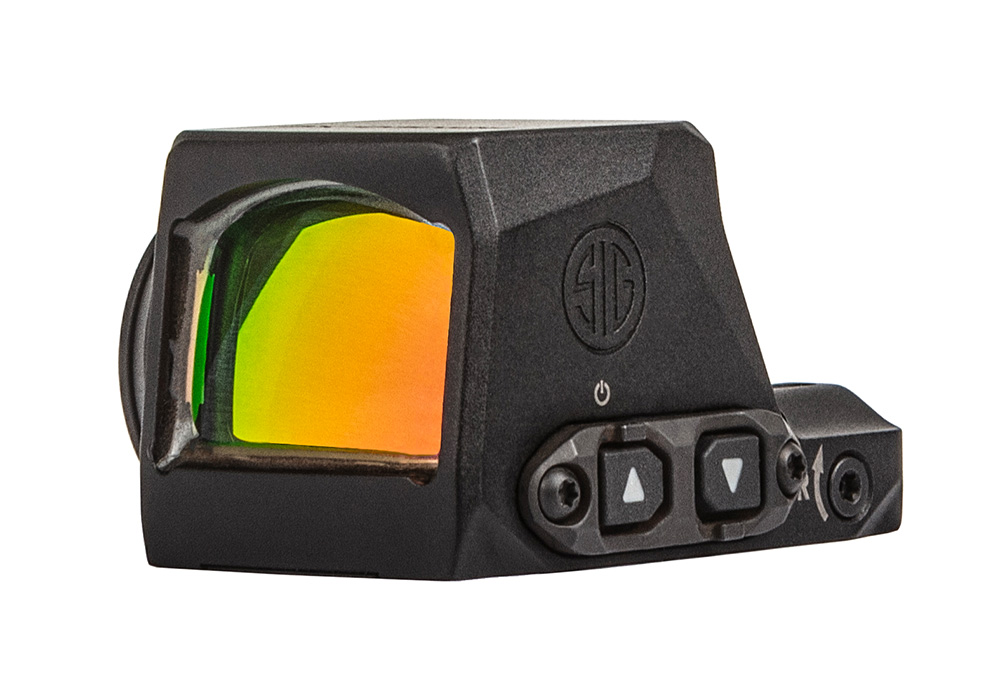
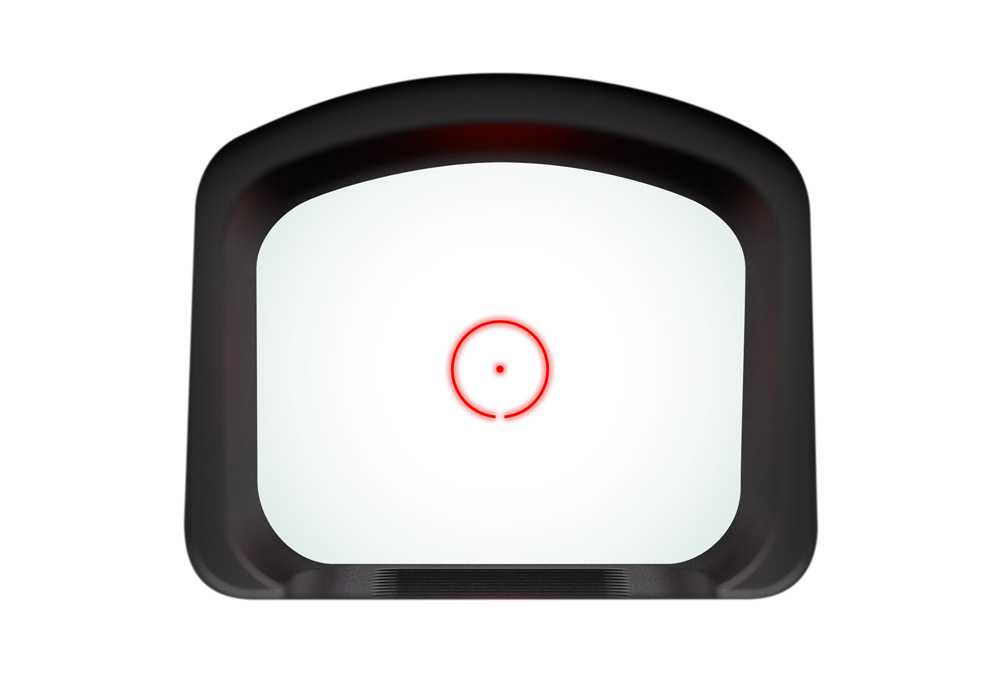
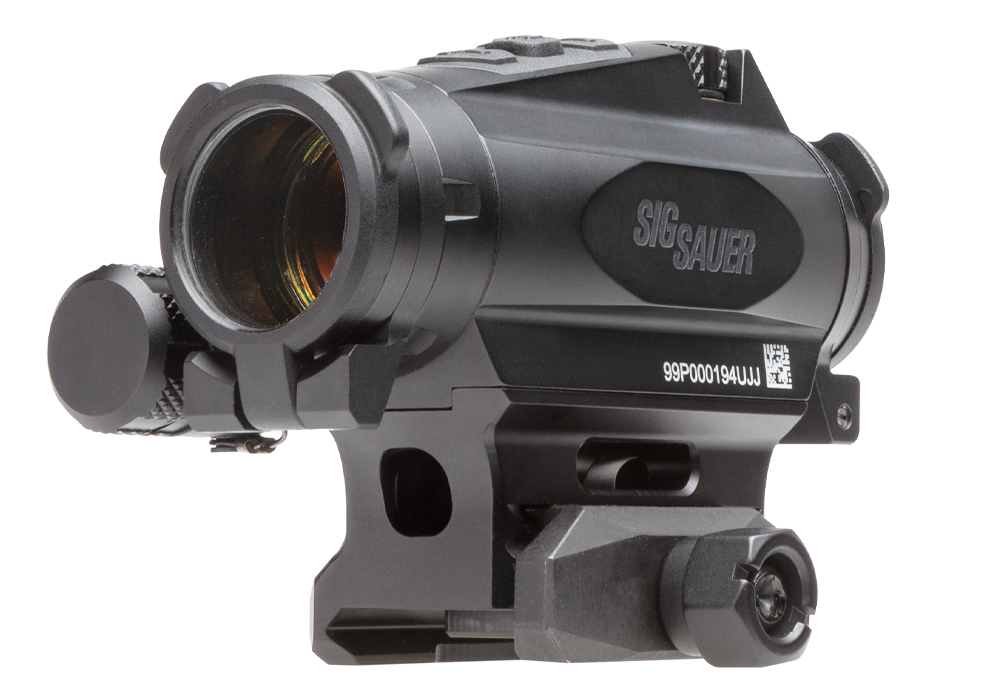
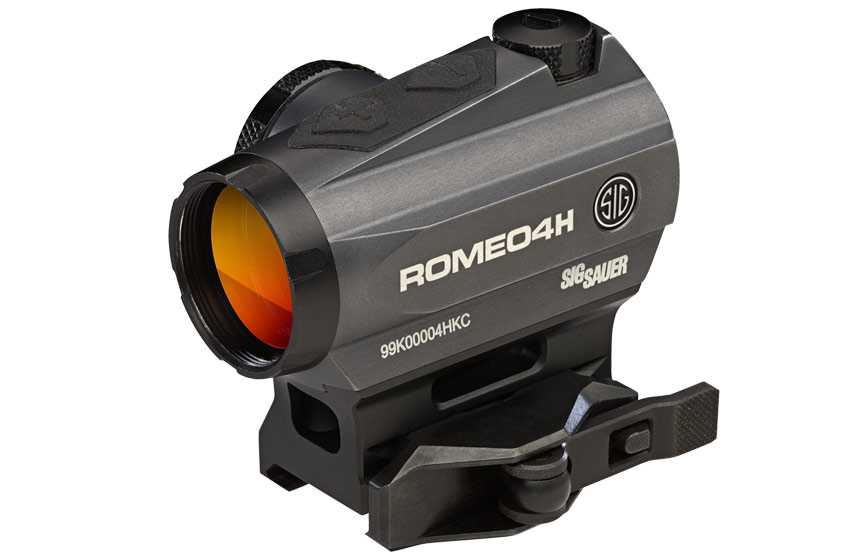
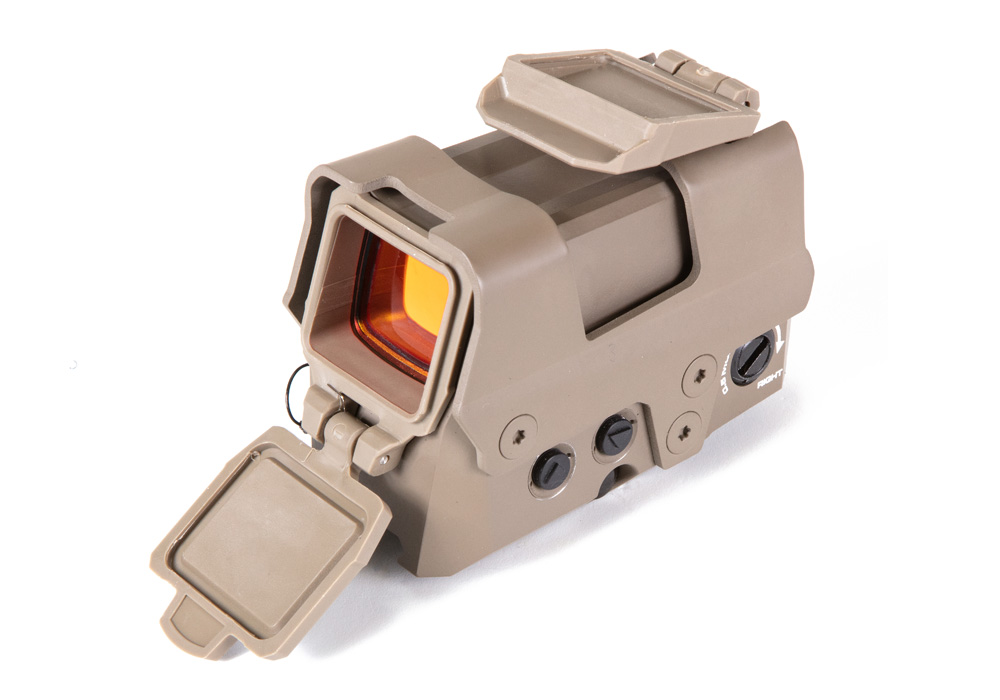
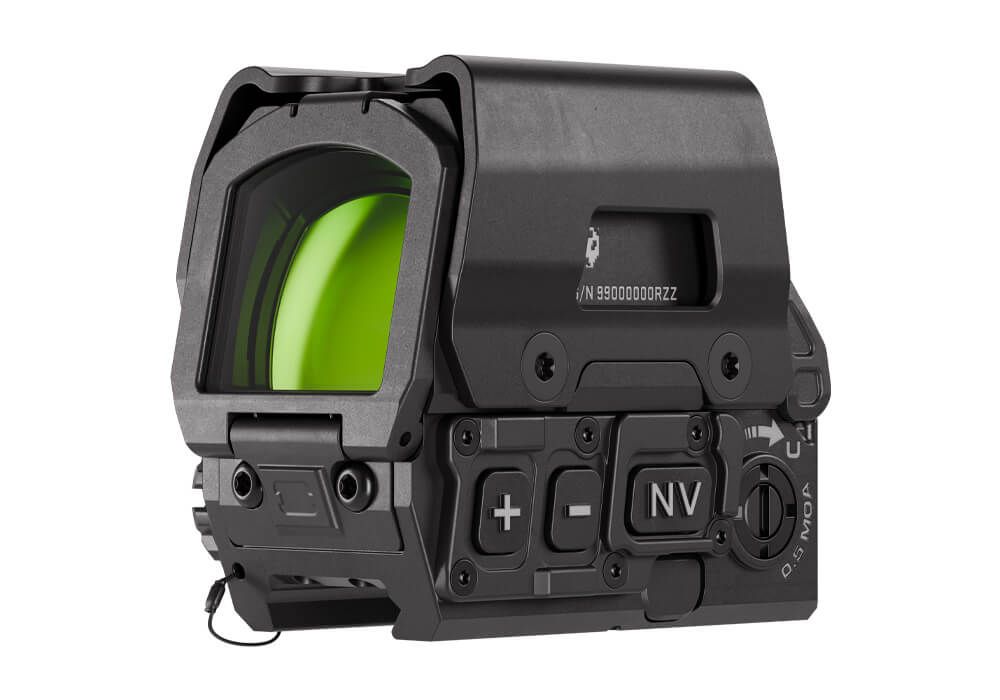
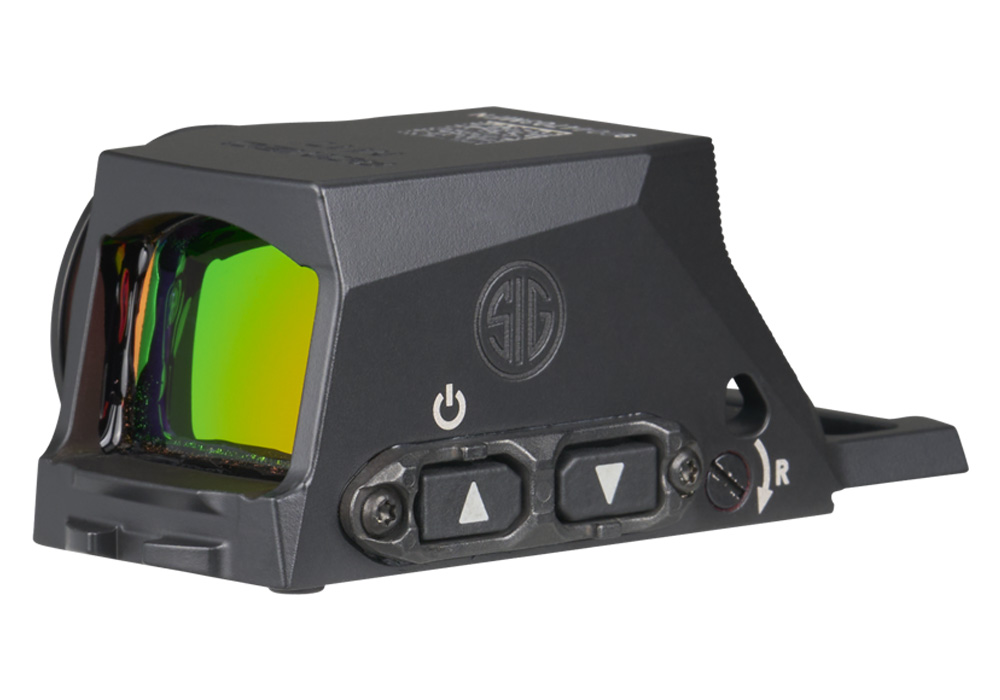
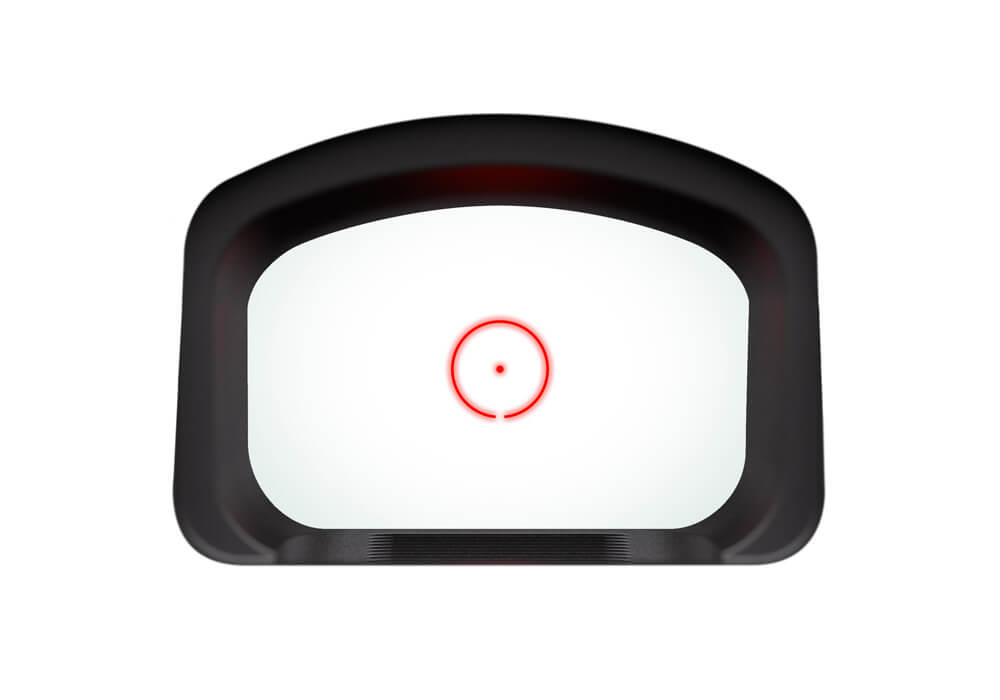
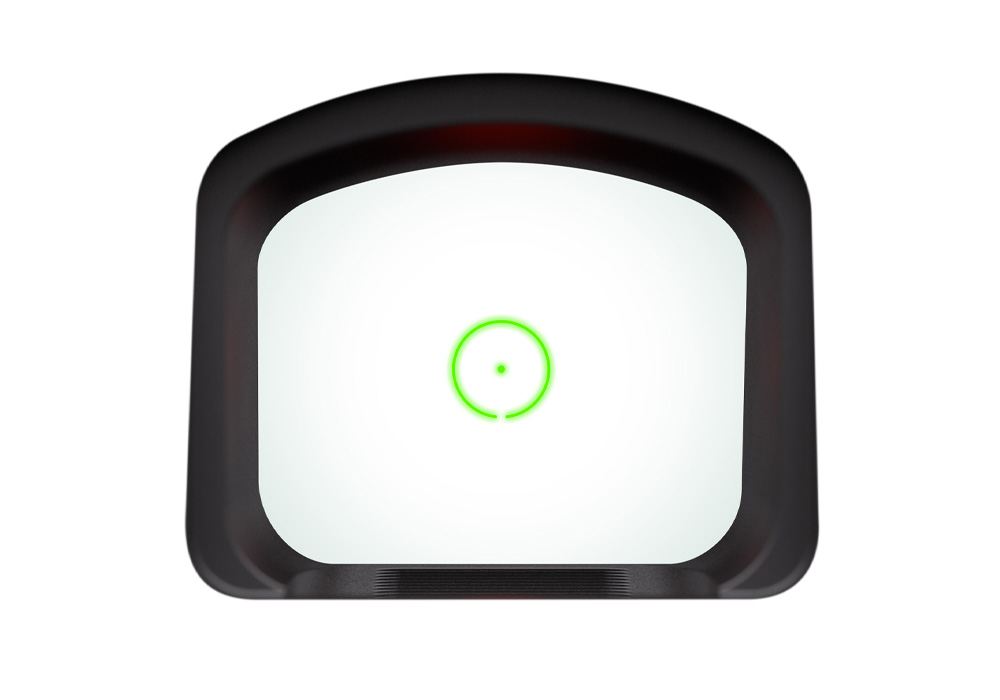
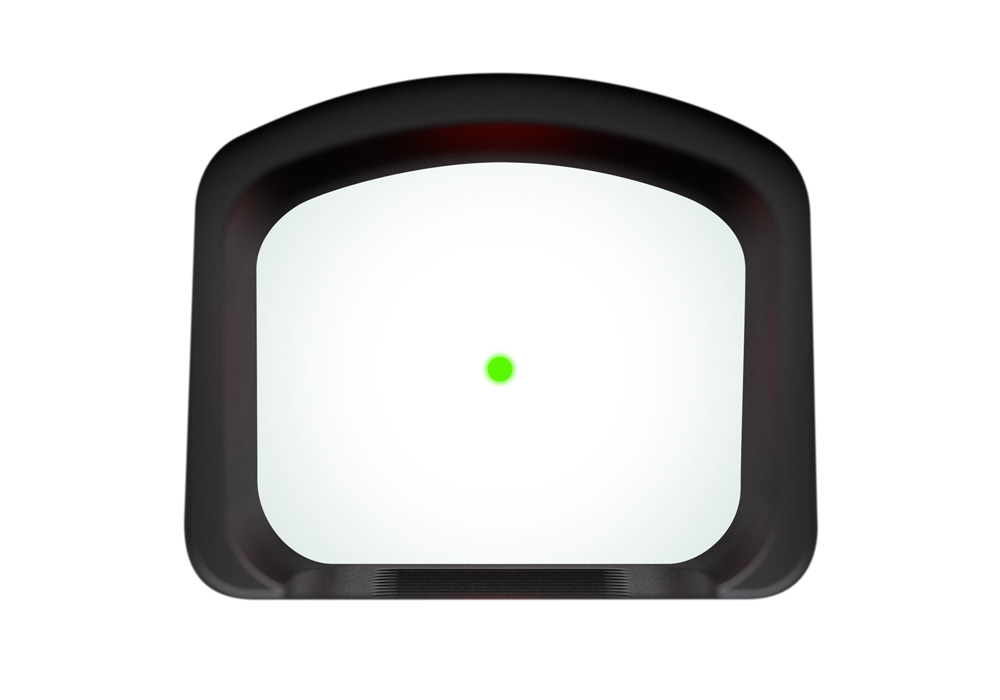
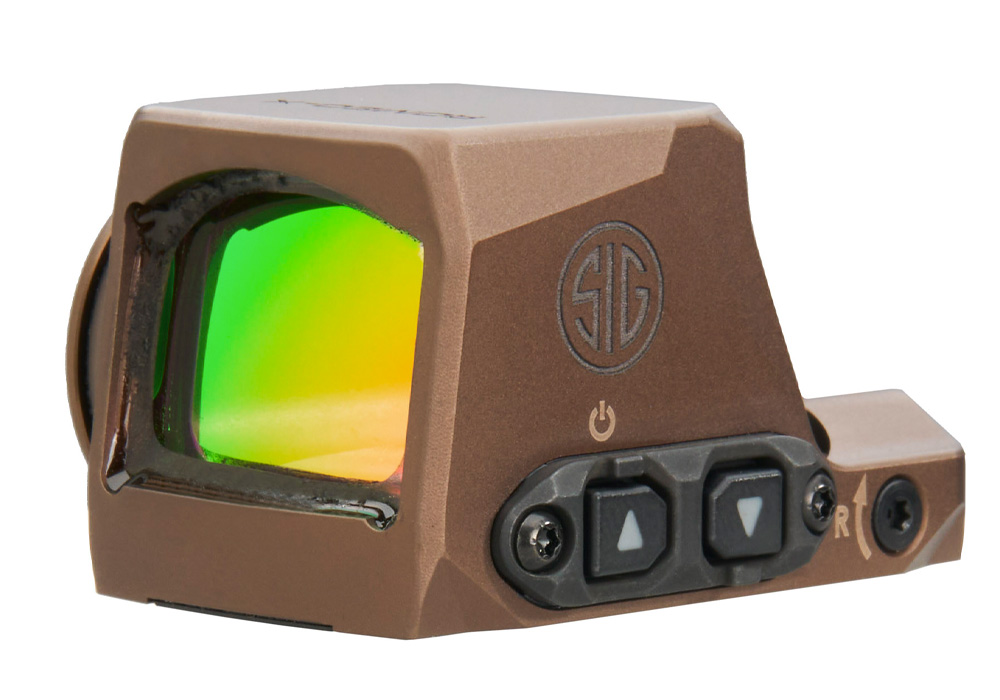
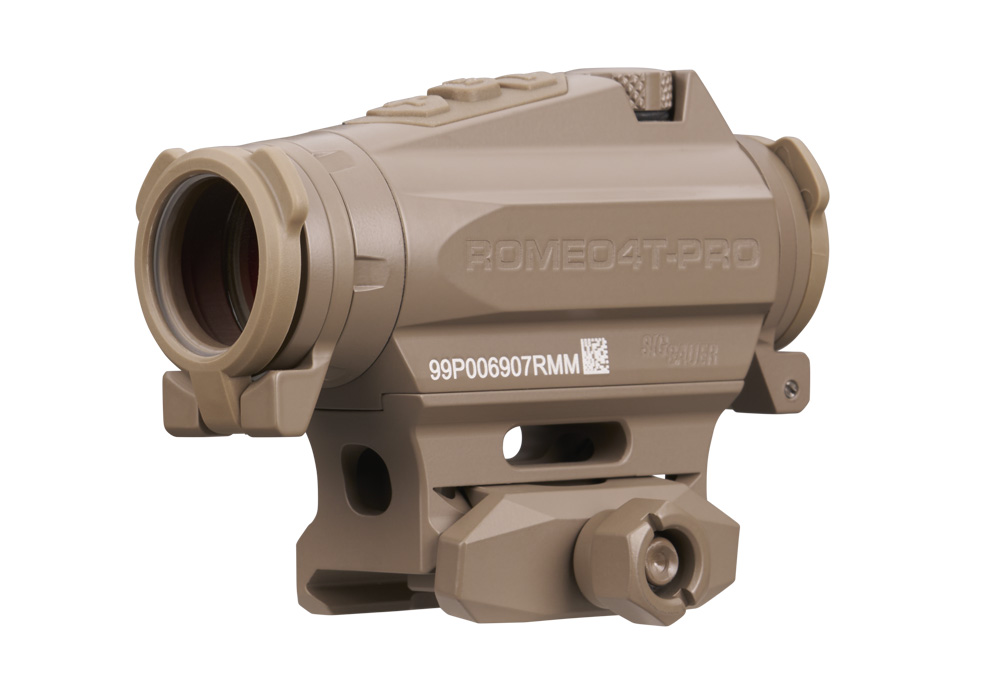
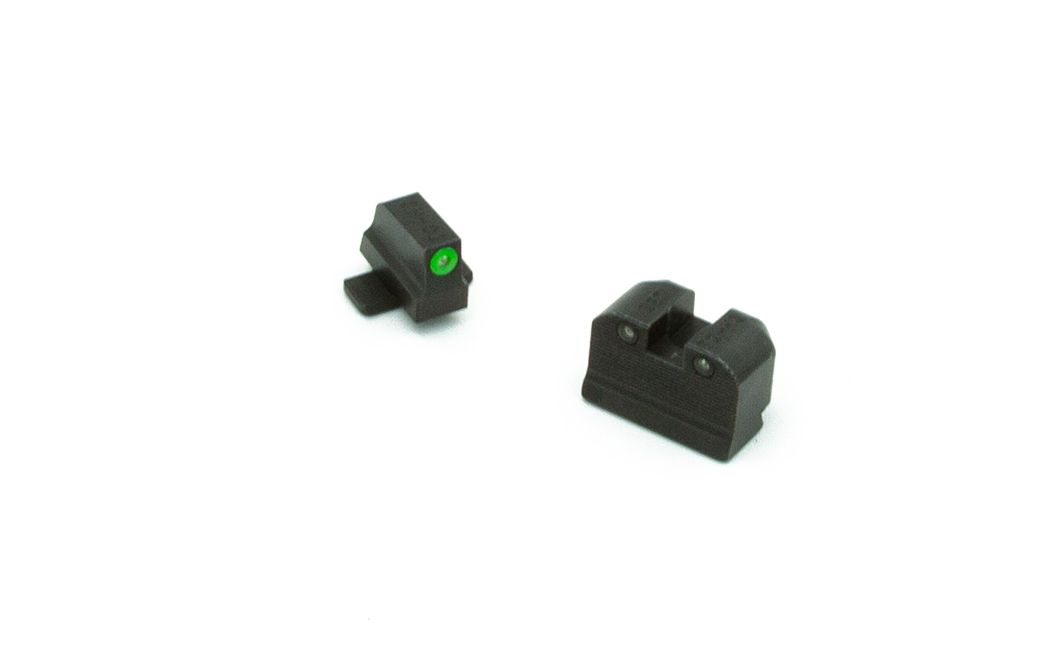
Circle dot reticle optics combine two aiming references in one sight picture: a fine central dot for a precise point of aim and a larger illuminated ring that helps the eye locate the reticle quickly. That combination gives shooters a useful balance between speed and refinement. When a target appears suddenly, the outer circle acts like a visual frame that is easier to pick up than a small isolated dot, particularly when the firearm is moving, the shooting position is less than perfect, or the background contains shadows and visual clutter. Once the optic is aligned, the center dot provides a more exact reference for deliberate shots at greater distances. This makes circle dot reticle optics a popular choice for a range of applications, including defensive firearms, competition setups, training platforms, and recreational range use. Reticle dimensions vary, with some designs using a broad outer ring for rapid close-range engagement and a fine center dot that supports more careful aiming farther downrange. The right balance depends on the firearm, the intended distance, and the shooter’s vision. A larger ring can be especially helpful during fast transitions between targets or when reacquiring the sight after recoil, while a smaller ring may leave more of the target visible through the window. Shooters who already prefer the simplicity of a single illuminated point may also appreciate comparing these designs with traditional Dot Reticle Optics before choosing a sight picture. Each style has its own rhythm: a circle dot often feels like a bright visual anchor that draws the eye into the center, while a single dot offers a cleaner, less crowded view.
Mounting platform should be one of the first considerations when selecting circle dot reticle optics. A pistol-mounted optic typically calls for a compact housing, a window sized for the slide, and a footprint that matches the chosen mounting system or adapter plate. A rifle or carbine optic may allow a larger viewing window, a different mounting height, and a reticle designed for shooting from multiple positions. Compatibility extends beyond physical fit. Consider the height of the optic in relation to the firearm’s sights, the position of the controls, the available adjustment range, and whether the optic can withstand the movement and recoil associated with the platform. For a defensive setup, straightforward controls, dependable illumination, and a design that supports rapid presentation are often priorities. Competition shooters may place greater emphasis on window size, reticle brightness, adjustment precision, and the ability to track the sight while moving between closely spaced targets. For general range shooting, ease of zeroing and a clear, comfortable sight picture can matter more than specialized features. Reticle brightness deserves close attention in every case. The illumination should be bright enough to stand out against the environment without blooming into an oversized blur, and it should remain visible across the lighting conditions in which the firearm will be used. Automatic brightness settings can be convenient when moving between shade and sunlight, while manual controls give the shooter direct authority over the sight picture. Battery access, battery life, motion activation, automatic shutoff, and any backup illumination system are also practical details. An optic that looks excellent on a bright outdoor range may require a different setting inside a dim room or beneath a covered firing line. Taking time to test the reticle against dark and light backgrounds can reveal whether the circle remains distinct and whether the center dot stays crisp enough for careful aiming. Shooters with astigmatism or changing vision may see an illuminated reticle differently, so viewing the optic in person, if possible, is valuable before making a purchase.
Circle dot reticle optics can suit experienced shooters who want a fast, familiar reference as well as newer shooters who are learning to establish a consistent presentation. The outer ring can provide an immediate visual cue during practice, helping the shooter recognize when the firearm is aligned without searching for a tiny point in the window. With repetition, that cue can become part of a smooth presentation: the sight rises into view, the ring appears, and the center dot settles where the shot is intended to land. The design can also be useful when practicing transitions between multiple targets, shooting from supported or unconventional positions, and working at varied distances. At close range, the outer ring may serve as a quick gross-aiming reference; at longer range, the center dot encourages a more measured hold. That flexibility does not eliminate the need for fundamentals. Proper grip, a consistent cheek weld or presentation, trigger control, confirmation of zero, and safe handling remain essential. A large ring may occupy more of the window than a single dot, and some shooters find that it can make the sight picture feel busy or encourage them to rush. Others find that the ring reduces the time spent searching for the reticle, especially after recoil or during movement. Comparing these trade-offs at the range is the most reliable way to determine what feels natural. As the weather shifts through the cooler months, optics are also likely to encounter changing temperatures, damp air, gloves, and reduced daylight. Look for clear glass, durable construction, accessible controls, and a housing suited to the conditions in which the firearm will be stored and used. Circle dot reticle optics can make a thoughtful gift for a shooter who has recently added a compatible pistol or rifle, is preparing for a competition season, or is refining a training setup, provided the recipient’s mounting pattern and platform requirements are confirmed first. A quality optic is a personal choice, and the most useful selection is the one that fits the firearm securely, presents a reticle the shooter can see clearly, and supports confident, repeatable practice.