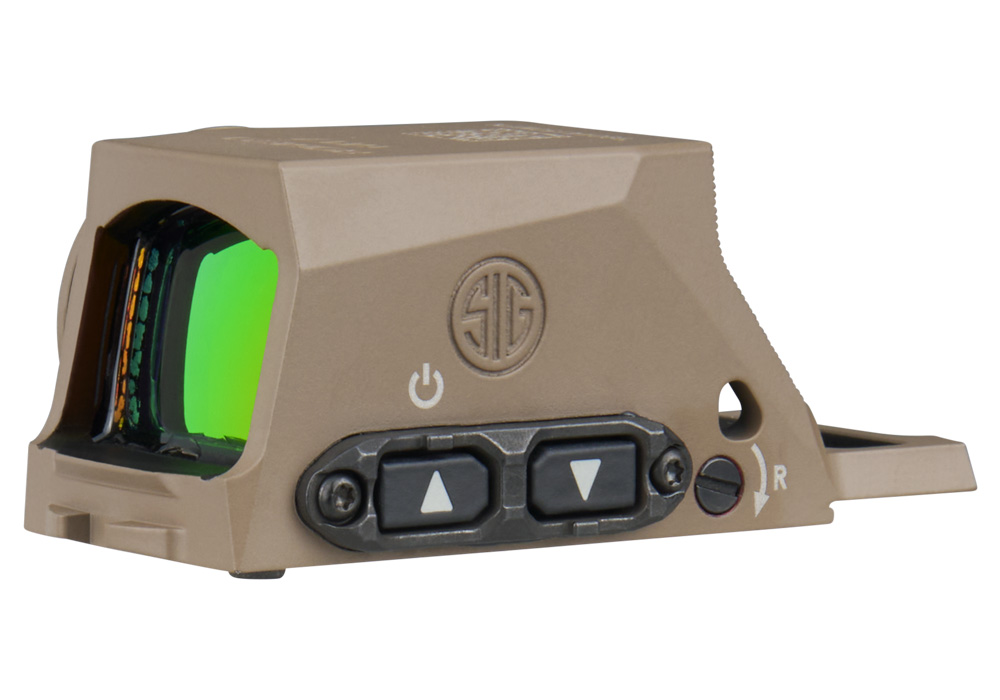
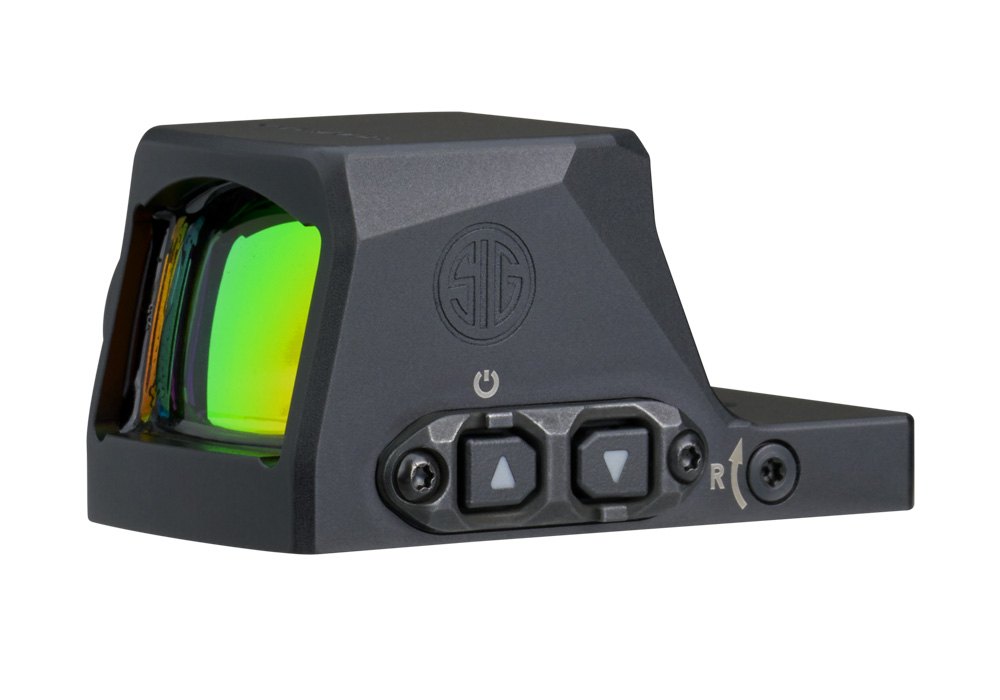
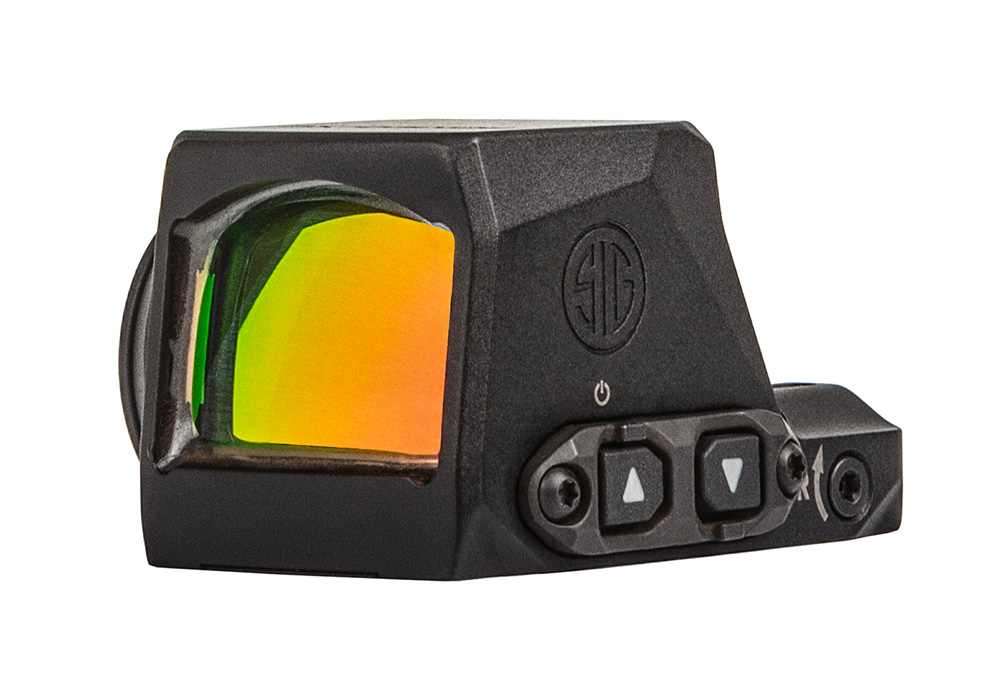
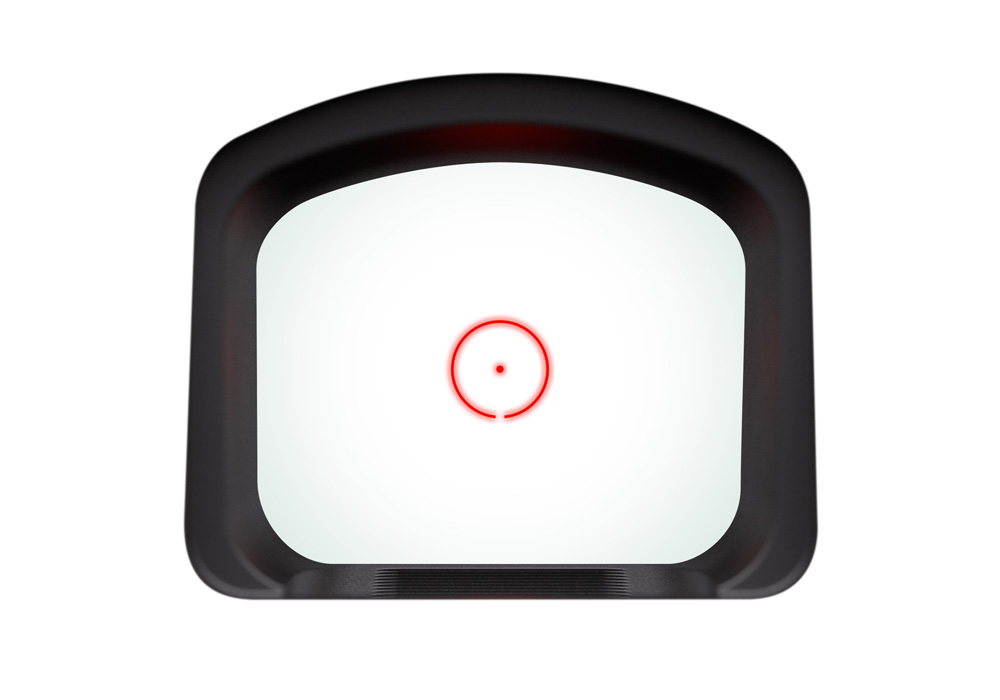
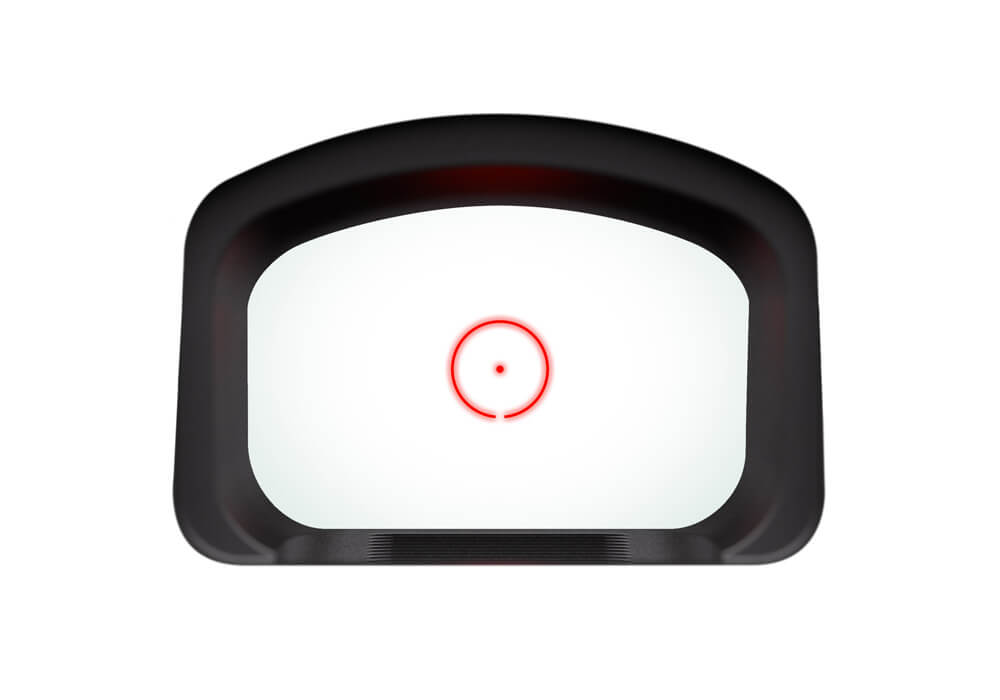
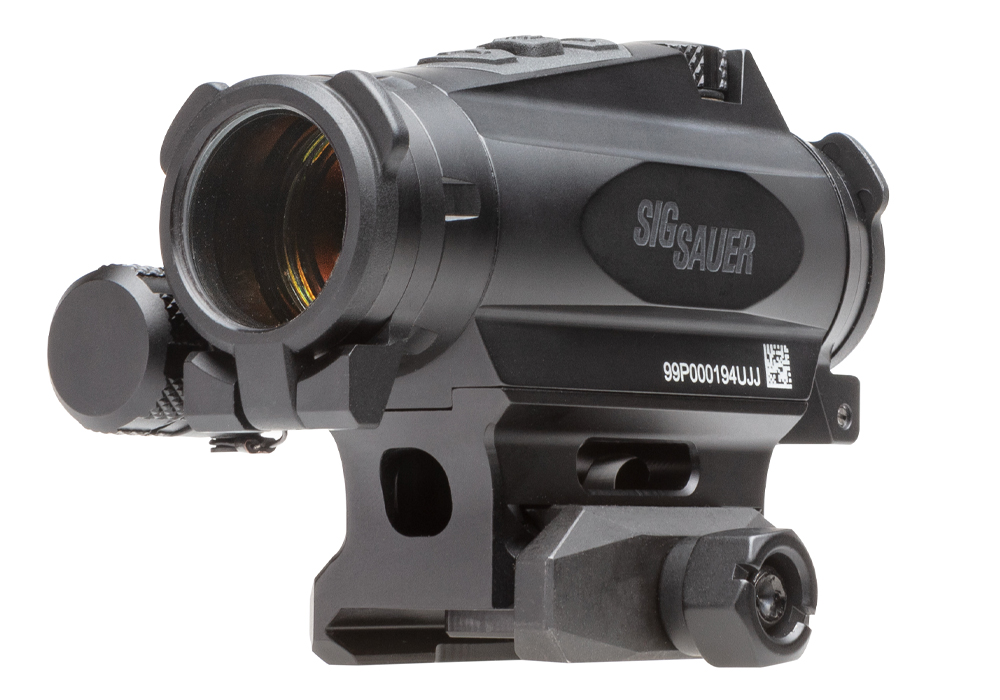
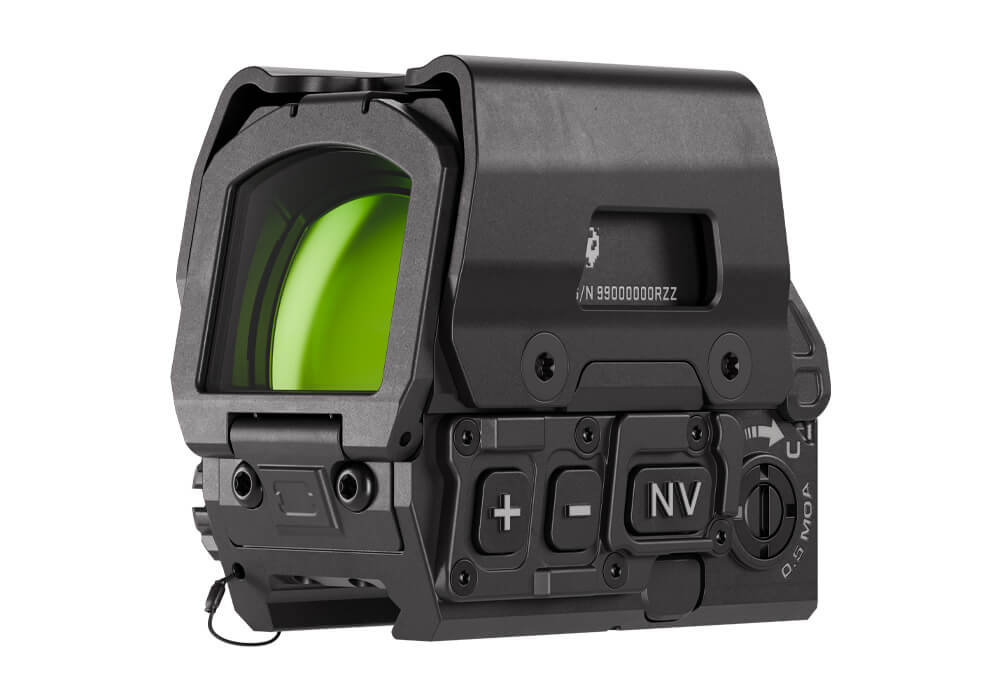
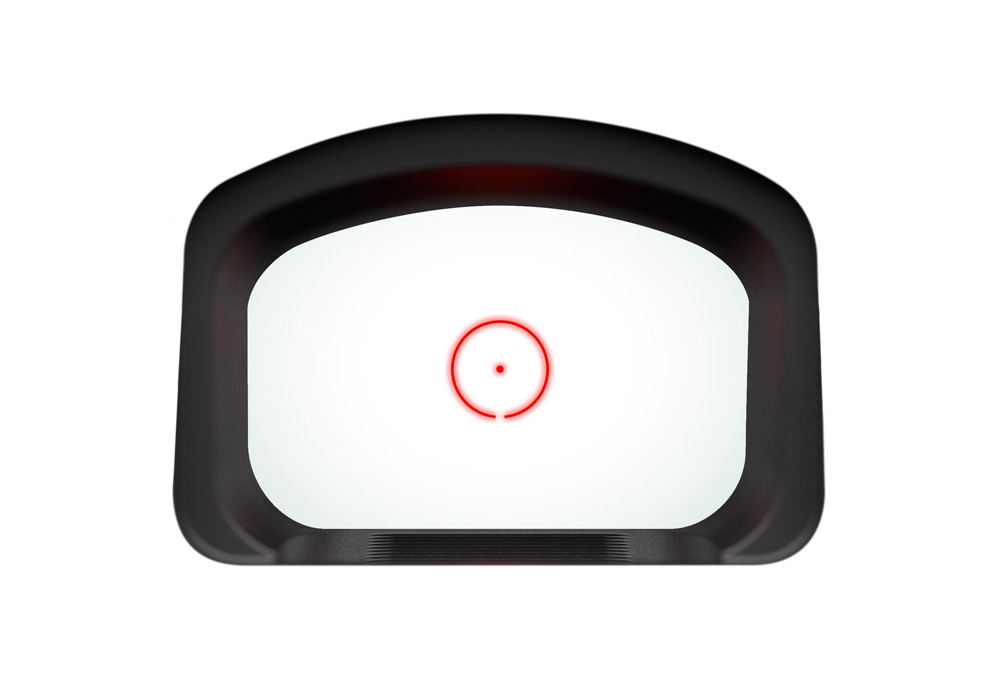
Circle dot reticle pistol sights combine a small central aiming dot with a larger surrounding ring, giving shooters two visual references within one illuminated display. The center dot provides a precise aiming point, while the outer circle can make the reticle easier to locate during a normal handgun presentation and easier to recognize as the sight picture returns after recoil. These sights generally use a reflex optical system: the reticle appears in the viewing window rather than being projected onto the target like a laser. That distinction allows the aiming reference to remain visible against many different backgrounds without placing a visible mark on the target itself. Reticle dimensions are commonly expressed in minutes of angle, or MOA, an angular measurement that describes how much of the target the illuminated pattern covers at a given distance. A 2 MOA center dot paired with a 32 MOA circle is one example of this arrangement, although dimensions vary by sight. A smaller center dot covers less target area, while a larger ring creates a more noticeable visual reference. Neither feature guarantees faster or more accurate shooting; comfort with the display, a consistent presentation, and regular practice still matter. Some sights offer selectable reticles, allowing a circle-dot pattern, a dot alone, or another configuration, but those choices are not universal. For a recreational shooter working with paper targets, the ring may feel easy to pick up against a broad scoring area. Someone concentrating on a small bullseye may prefer a less busy view. Reticle color and brightness also affect the experience. Excessive brightness can make the illuminated pattern appear larger or less sharply defined, while insufficient brightness can make it difficult to distinguish against a bright background. Eyesight and corrective lenses influence how crisp the pattern appears, so a reticle that looks clean to one person may look less distinct to another. The useful balance is a visible outer reference and a center dot that remains easy to distinguish without overwhelming the target.
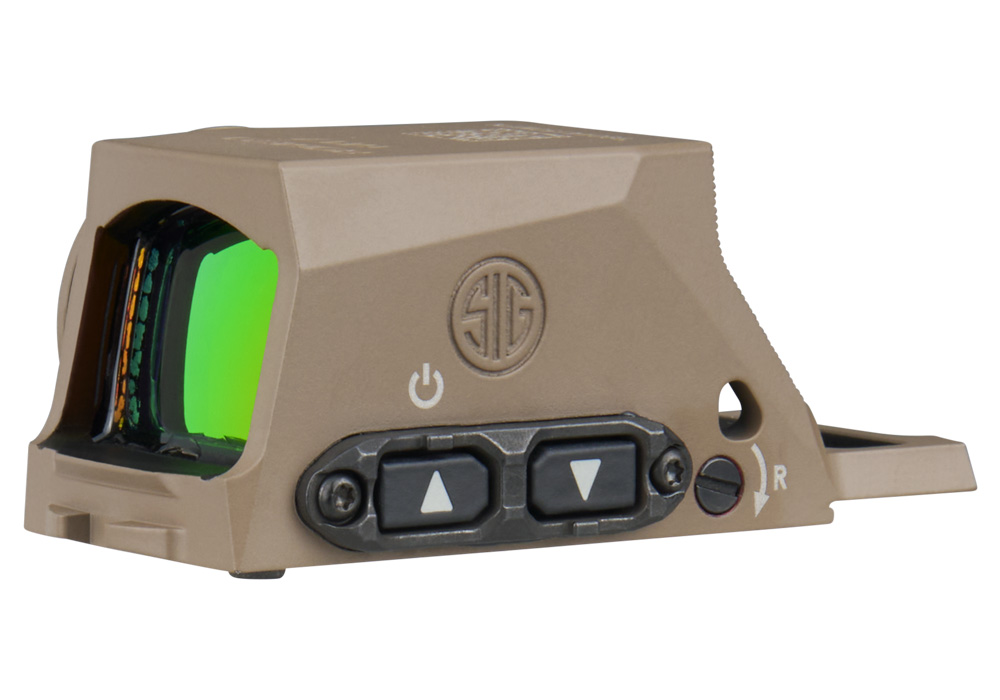
Fit is just as important as the reticle pattern when comparing circle dot pistol sights. An optics-ready handgun does not necessarily accept every sight, and similar-looking mounting patterns can have different dimensions, screw requirements, or support surfaces. Compatibility depends on the handgun’s slide interface, the optic’s mounting footprint, and any approved adapter plate involved. Manufacturer compatibility information and a qualified gunsmith can help resolve uncertainties before an accessory is selected. Housing size, viewing-window dimensions, and overall height also shape the experience. A larger window can offer more visual space, while a compact housing may better suit a smaller handgun or an existing carry setup. Holster clearance deserves particular attention, since an optic can change the space required around the slide even when the handgun itself fits the holster. The relationship between the optic and existing iron sights varies as well; a visible backup sight picture should not be assumed simply because both systems are present. Many pistol optics use metal housings, often aluminum, to balance strength with manageable weight. Housing design, lens protection, finish, and mounting support all contribute to durability, so material alone does not tell the entire story. Open-emitter designs leave the light source more exposed, while enclosed-emitter designs shield it within a housing. An enclosure can help protect the emitter from dust, lint, and perspiration, although the exterior lens surfaces still require care. Lens coatings may reduce reflections or improve transmission, and a slight tint does not automatically indicate a defect. Water-resistance claims and testing standards should be evaluated individually rather than treated as interchangeable. Battery placement is another practical distinction: some designs provide access without removing the optic, while others require removal for replacement. That difference can affect maintenance convenience and whether the sight’s zero needs to be checked afterward. Adjustable brightness, automatic brightness control, and motion-responsive illumination are useful features to compare, but their operation and limitations differ across designs. A clearly described feature set is more meaningful than assuming every circle-dot sight offers the same controls or protection.
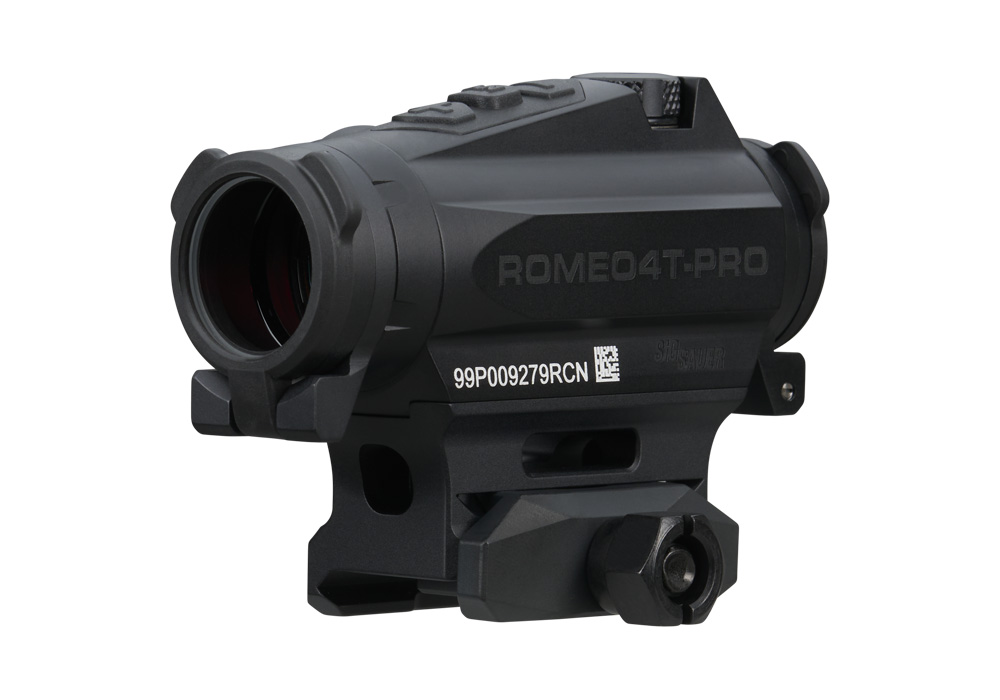
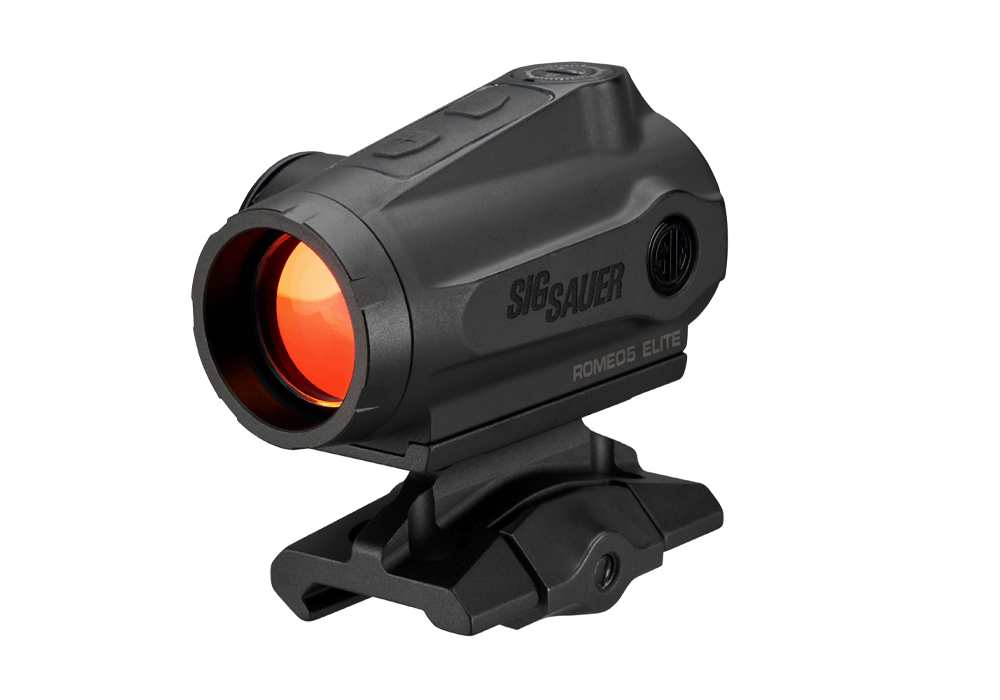
Long-term satisfaction with circle dot reticle pistol sights depends on matching their features to the way the handgun is actually used. A frequent range visitor may place particular value on a generous window, straightforward brightness controls, and convenient battery access. A competitive shooter may prefer selectable reticles and a display that stays visually distinct against varied target backgrounds. For lawful personal-protection use, secure fit, dependable operation, holster compatibility, and a familiar sight picture are especially relevant. Across these settings, the outer ring serves as a visual reference rather than a substitute for fundamentals, and no reticle can compensate for an incompatible mount or an optic that has not been properly checked. An established sight-in process and periodic verification help confirm that the aiming reference still corresponds to the handgun’s point of impact. Care should follow the optic manufacturer’s recommendations, particularly for coated lenses, cleaning solutions, battery replacement, and mounting inspections. Dust or grit is best addressed without rubbing it across the glass, and a suitable lens cloth helps preserve optical surfaces. Abrasive materials, harsh household cleaners, and unnecessary handling of the lens can diminish clarity. After repeated range use or extended carry, inspection can reveal obscured glass, worn controls, or other changes that deserve attention. Protective covers can help keep exposed lenses clean during appropriate storage or transport, but they do not replace routine checks. For gifting, a pistol optic is most suitable for an experienced recipient whose handgun compatibility and reticle preferences are already known; guessing at the footprint or preferred display can turn a thoughtful accessory into an unsuitable match. Circle dot reticle pistol sights sit within the broader family of Circle Dot Reticle Optics, with handgun versions emphasizing compact dimensions and mounting systems suited to pistol slides. The strongest match brings together a clear aiming pattern, compatible hardware, durable construction, and maintenance requirements that fit the owner’s routine. Those details matter more than a reticle’s appearance alone, whether the sight is intended for regular target practice, organized competition, or responsible everyday use.