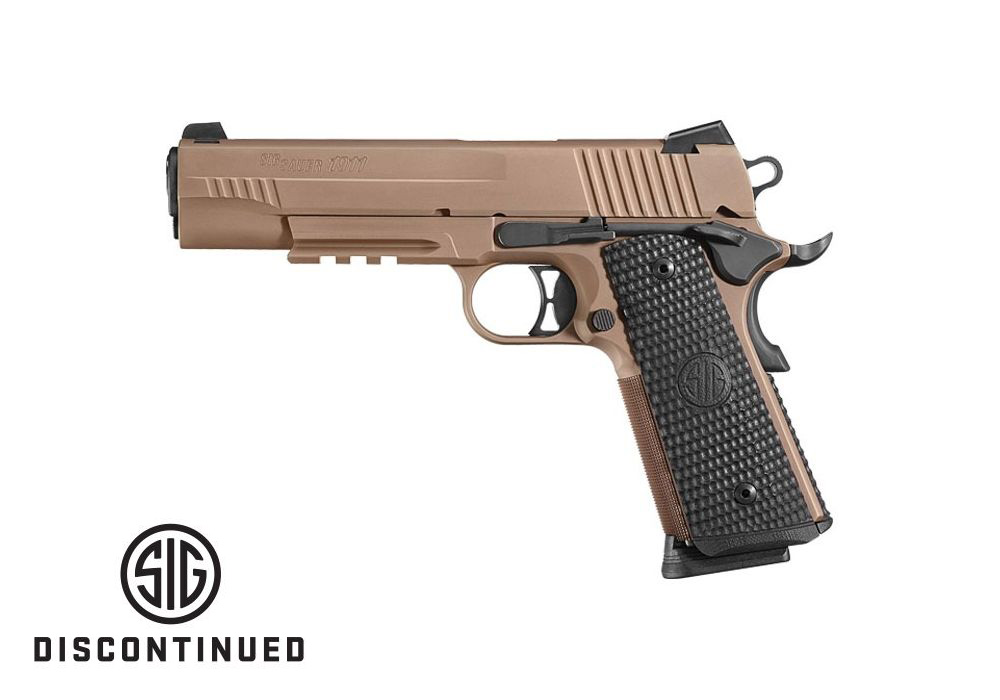
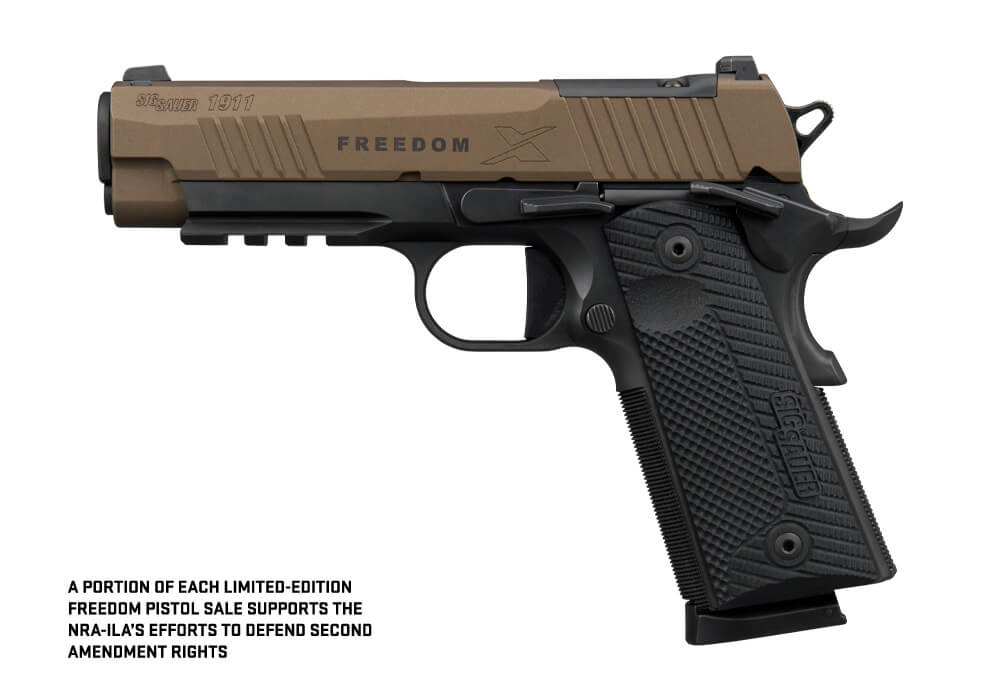
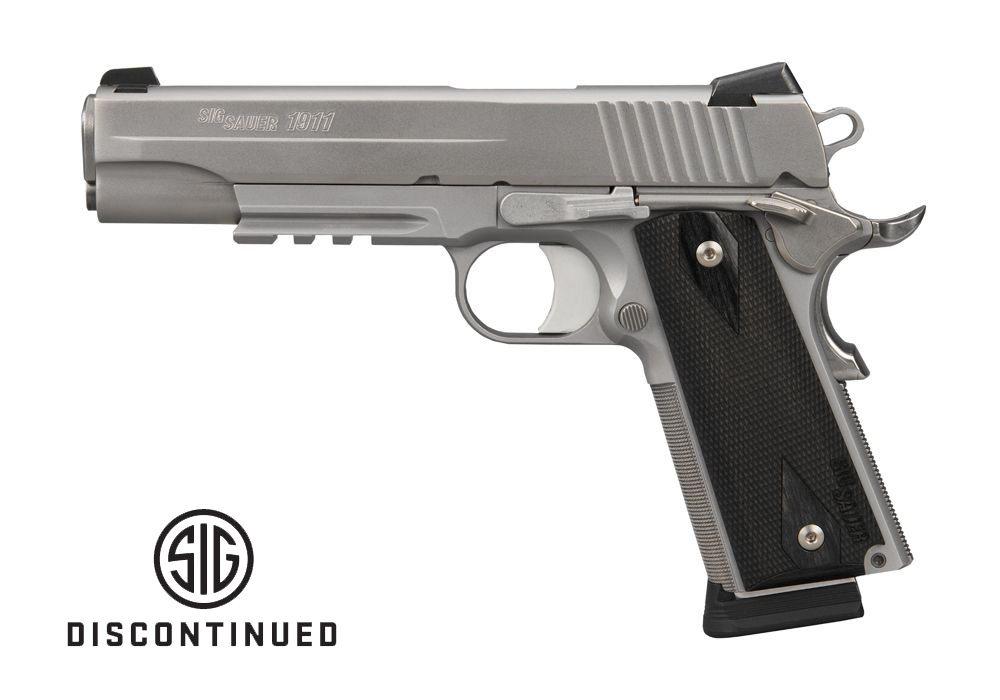
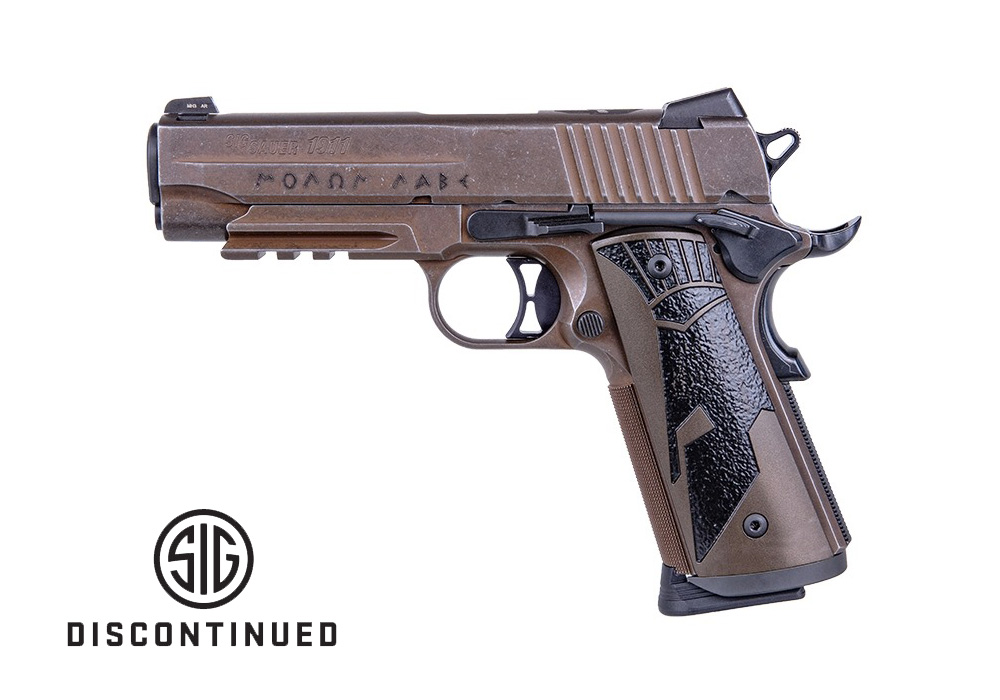
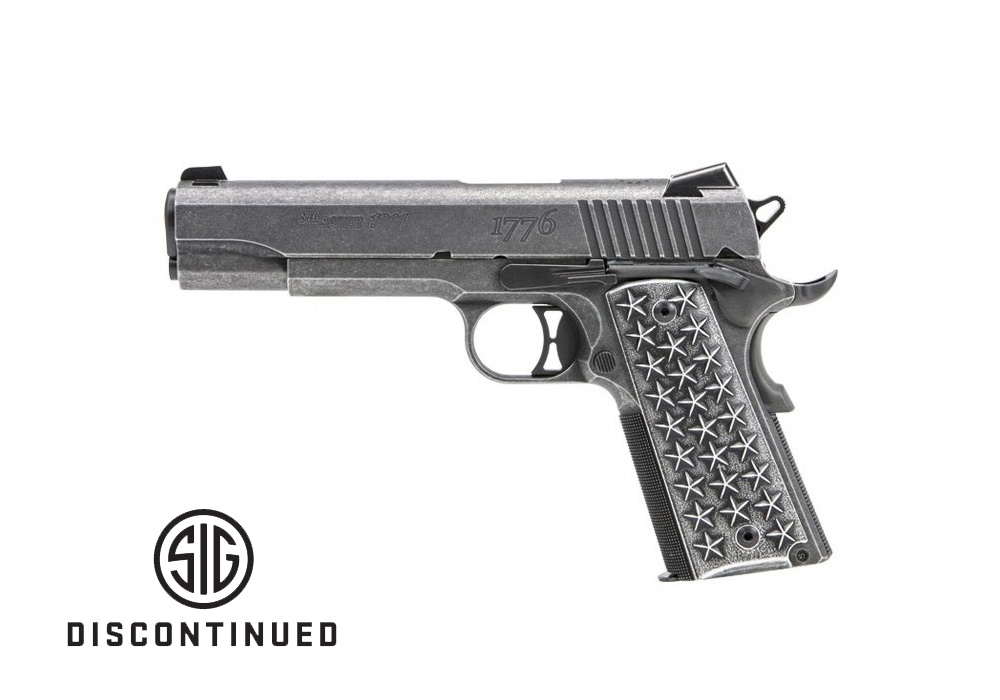
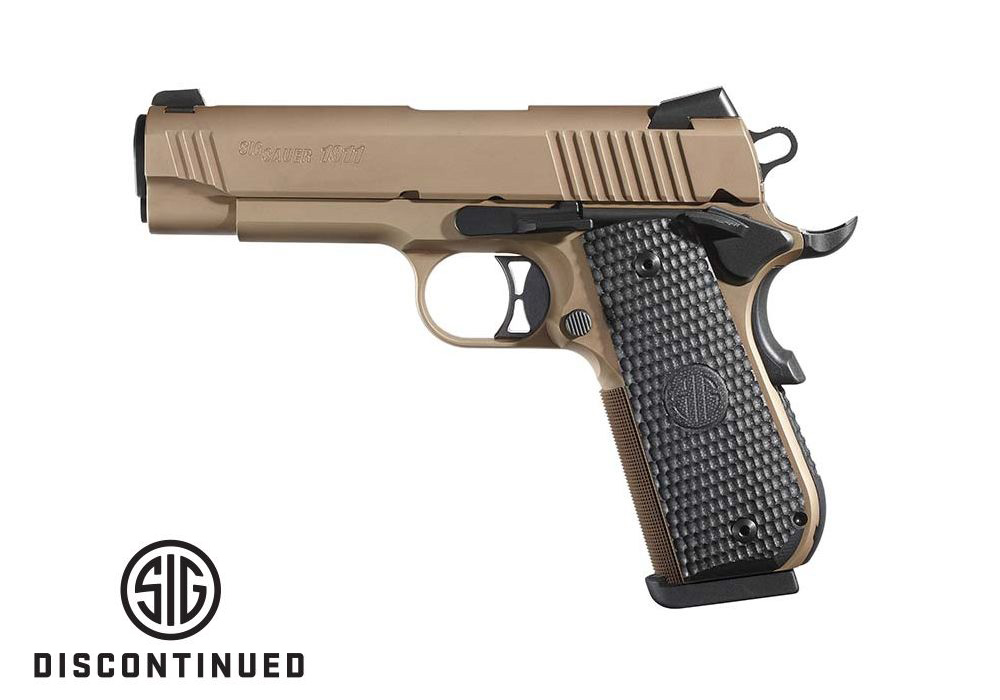
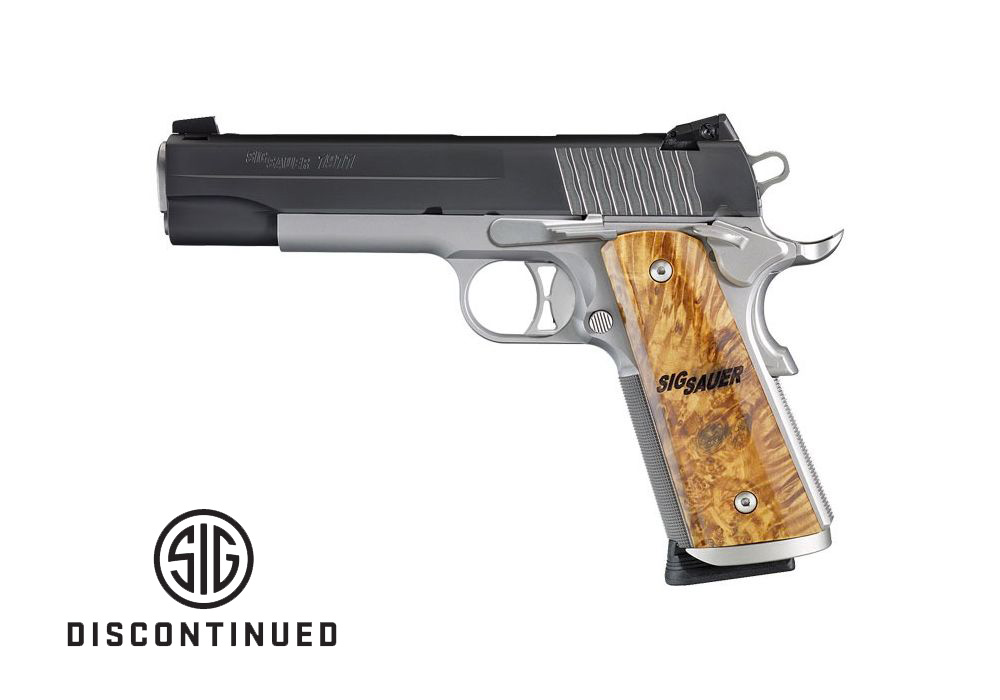
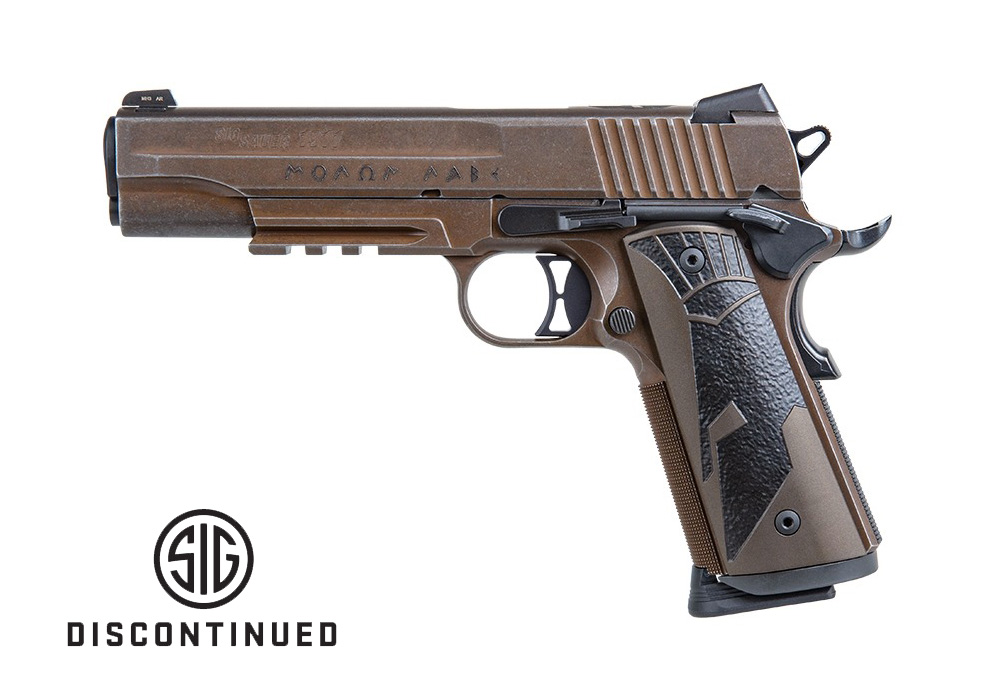
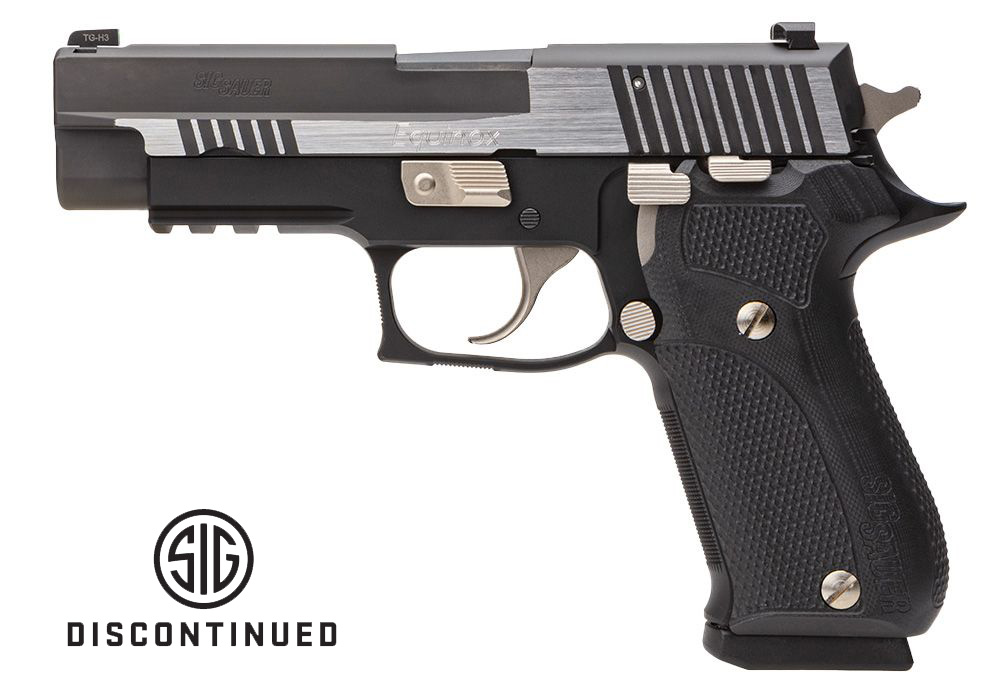
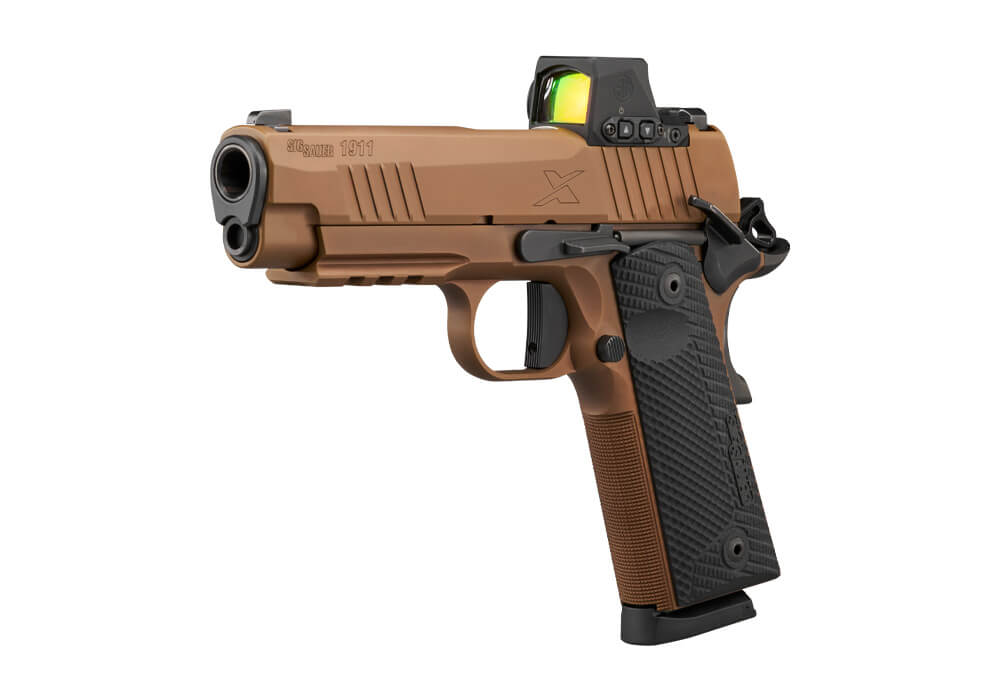
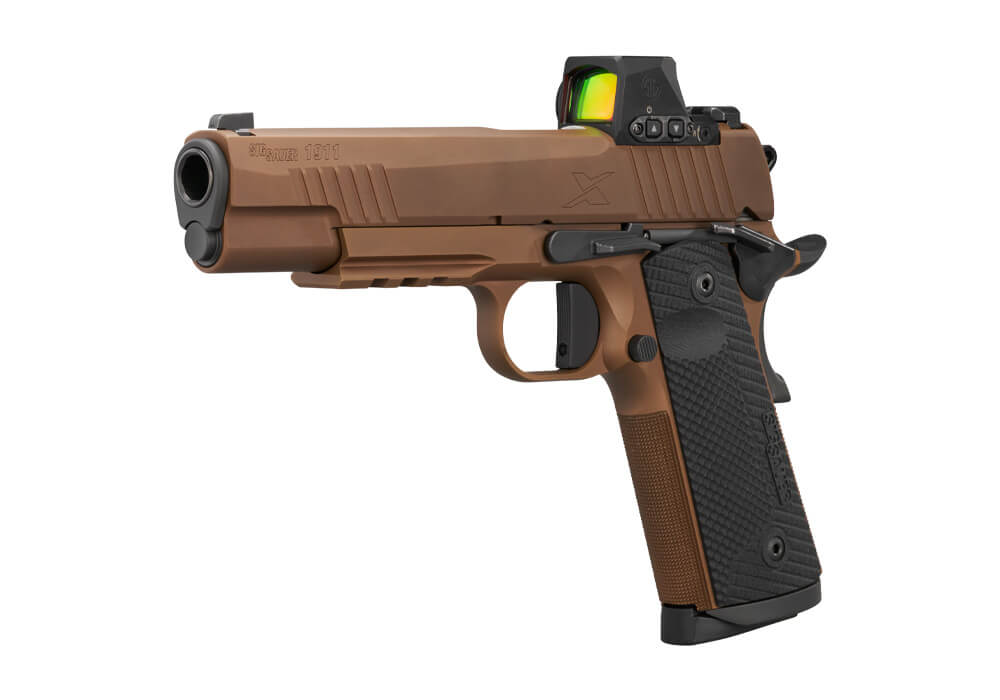
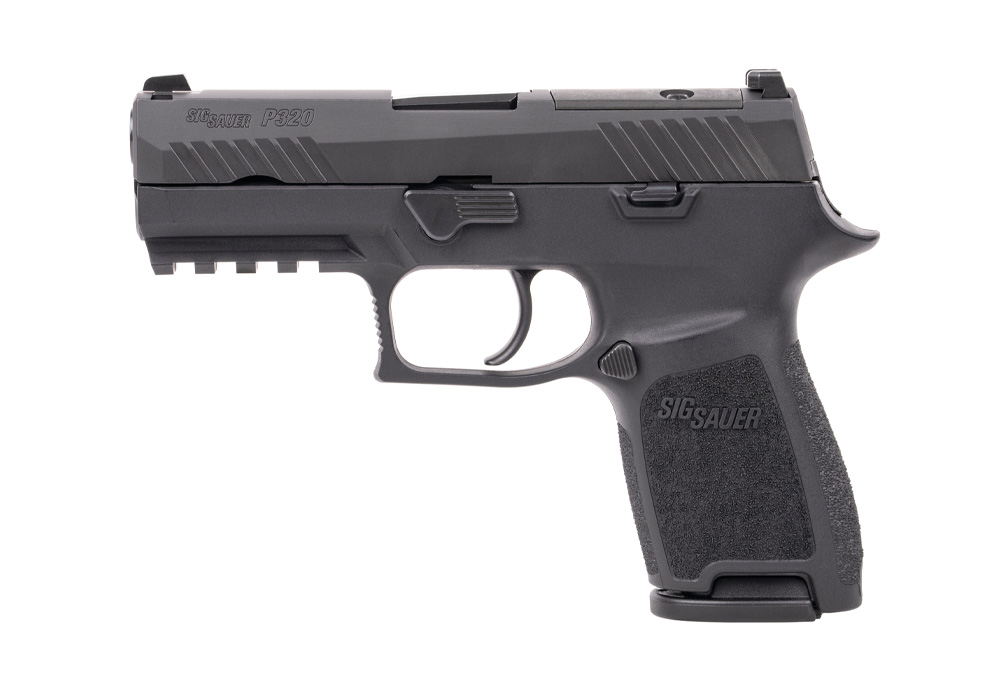
Classic Design 45 ACP Pistols bring together a distinctive blend of heritage, balance, and practical range performance. Built around the familiar profile of early 20th-century service pistols, these .45 ACP semi-automatic handguns often feature substantial metal frames, broad slides, external hammers, and grip angles that feel natural in the hand. Their appeal extends beyond appearance. The .45 ACP cartridge has long been valued for its manageable report, steady push, and established place in defensive and competitive shooting history. A full-size pistol with a longer barrel and generous sight radius can feel especially settled during slow-fire practice, while a shorter configuration may offer easier handling for shooters who prefer a more compact form. Classic styling can also include checkered or textured grip panels, fixed or adjustable sights, traditional thumb safeties, and clean slide markings that echo the service pistols that shaped generations of firearms design. For shoppers comparing 45 ACP Semi Automatic Pistols, the most useful starting point is the intended role: relaxed range sessions, a carefully curated collection, structured training, or a defensive firearm selected with professional instruction and local legal requirements in mind. Each purpose can point toward a different balance of size, weight, controls, sight arrangement, finish, and trigger feel. A steel-frame pistol may feel reassuringly stable as the slide cycles, though its heft is worth considering for transport and extended practice. Lighter construction can reduce the burden during storage or carry, but may produce a sharper perceived impulse. Handling several unloaded options at a properly supervised retailer or range often reveals details that photographs cannot, including how the grip fills the palm, whether the controls are easy to reach, and how naturally the sights align.
Classic .45 ACP pistols are often selected by experienced shooters who appreciate deliberate operation and a strong connection to firearms history. They can also suit a newer owner who values a substantial grip, visible controls, and a shooting platform that encourages careful fundamentals, provided that owner receives hands-on instruction before live-fire practice. The best choice depends on more than a familiar silhouette. Examine the trigger system, thumb-safety arrangement, grip texture, sight profile, barrel length, overall weight, and the fit of the slide to the frame. A traditional single-action design may offer a crisp trigger press, but it also requires a clear understanding of safe handling procedures and the specific carry condition recommended by the manufacturer and a qualified instructor. Some classic-pattern pistols include modern refinements such as improved front and rear sights, an accessory rail, extended controls, beveled edges, corrosion-resistant finishes, or enhanced grip panels. These updates can preserve the character of a classic design while supporting more comfortable practice and faster sight acquisition. Ammunition selection deserves equal attention. Use only factory-new ammunition that matches the markings on the firearm and follows the owner’s manual, then confirm reliability through supervised range testing before relying on a particular load. Keep a simple record of the ammunition used, cleaning intervals, and any maintenance observations; that habit can turn routine practice into a clear picture of how the pistol performs over time. A quality holster, eye and ear protection, secure locking device, and purpose-built range bag round out the setup. For someone receiving a pistol as a gift, a safer and more considerate approach is often a gift certificate, training session, or accessories selected after the recipient confirms preferences and legal eligibility. Firearm transfers should always follow applicable federal, state, and local rules, including any required licensed-dealer process.
Ownership of a classic .45 ACP pistol is best supported by consistent habits. Store the firearm unloaded in a locked container when it is not under the direct control of an authorized user, keep ammunition secured separately when appropriate, and limit access to trained adults. Before every handling session, keep the muzzle pointed in a safe direction, keep the trigger finger outside the trigger guard until the sights are on the intended target, and identify the target and what lies beyond it. At the range, classic pistols reward a measured pace: establish a firm two-handed grip, allow the sights to settle, press the trigger smoothly, and observe the result before preparing for the next shot. The deeper report of .45 ACP and the steady movement of a full-size slide can create a memorable rhythm, especially during cool-weather range visits when metal surfaces feel crisp and the air carries sound across the bays. Regular cleaning according to the owner’s manual helps protect moving parts and preserves reliable function, while periodic inspection by a qualified gunsmith can address worn springs, damaged grips, or unusual wear. Collectors may value period-inspired markings, traditional finishes, and historically familiar proportions; recreational shooters may place greater importance on sight visibility, grip comfort, and easy maintenance. Whatever the priority, classic design remains appealing because it combines recognizable lines with a purposeful shooting experience. Careful comparison, responsible training, secure storage, and thoughtful maintenance help ensure that a .45 ACP pistol serves as more than an attractive object—it becomes a dependable part of a disciplined, safety-focused routine.