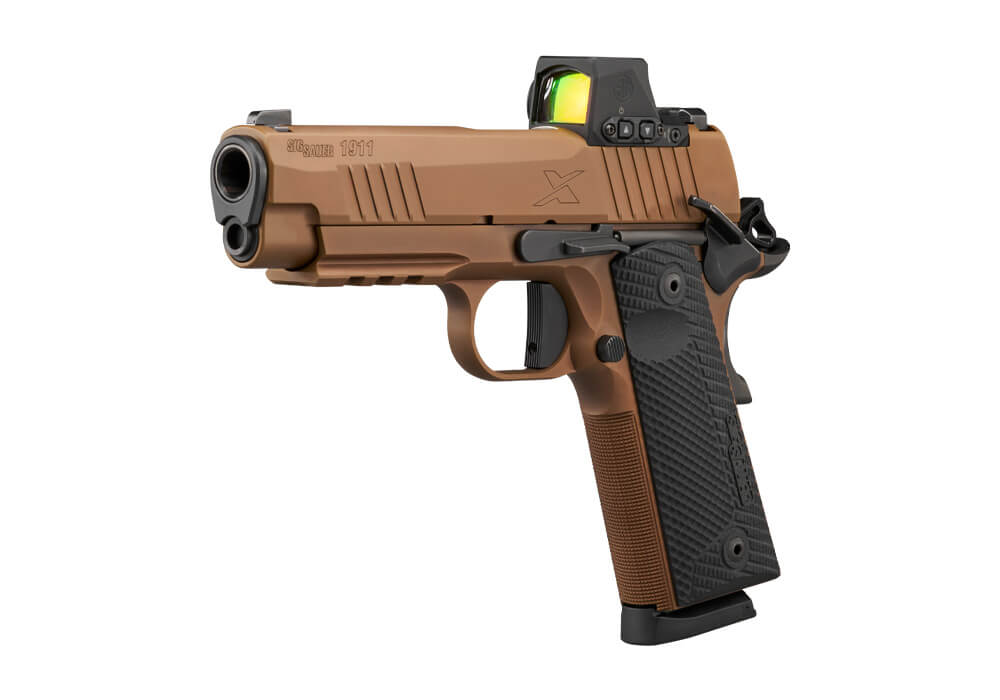
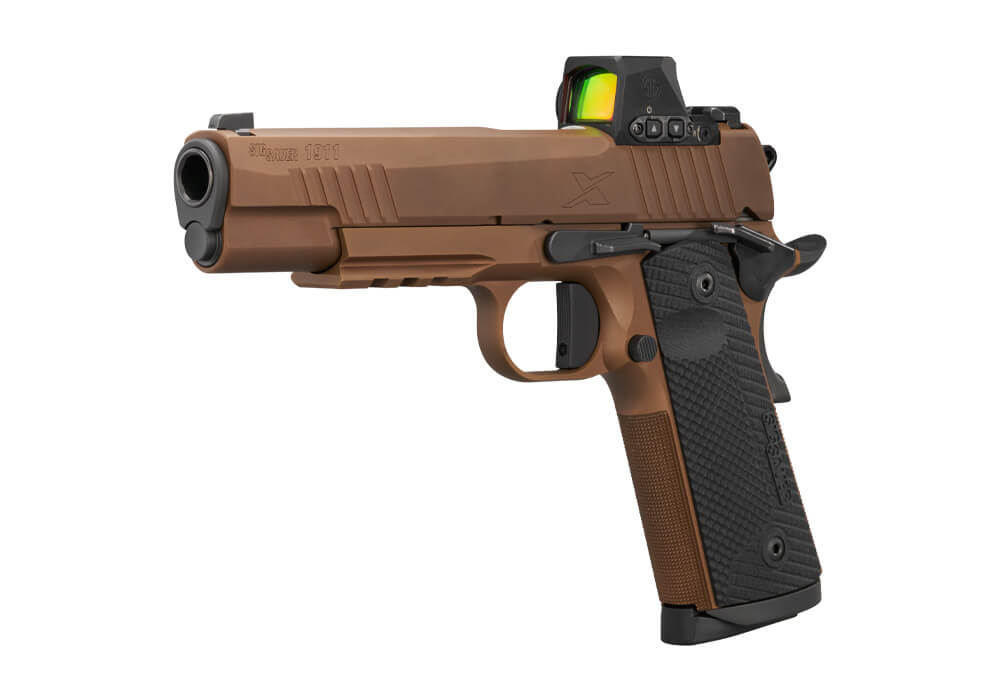
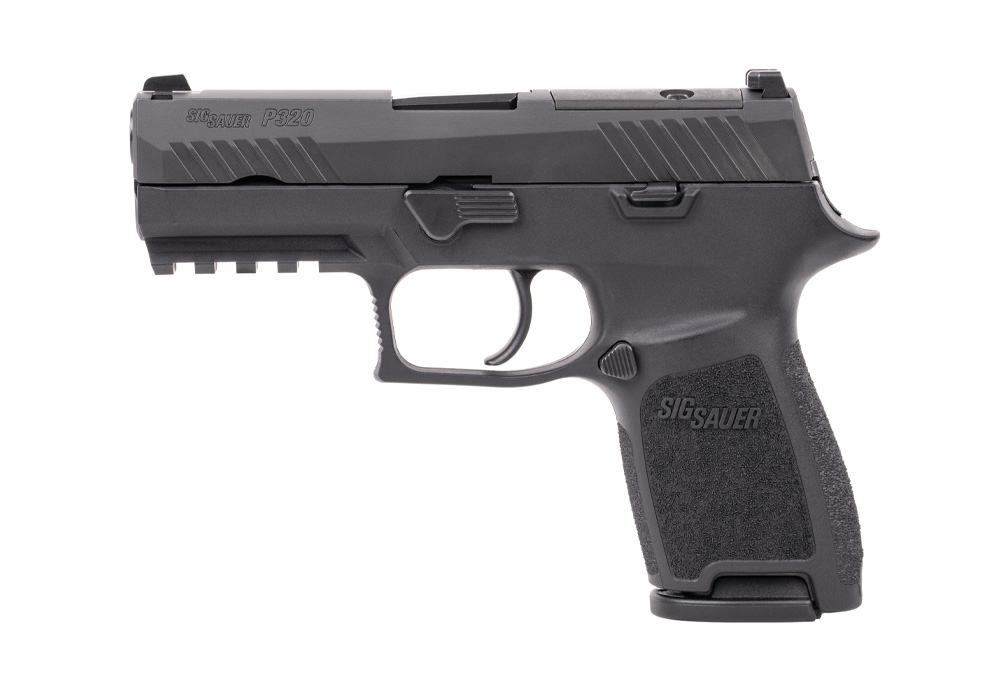
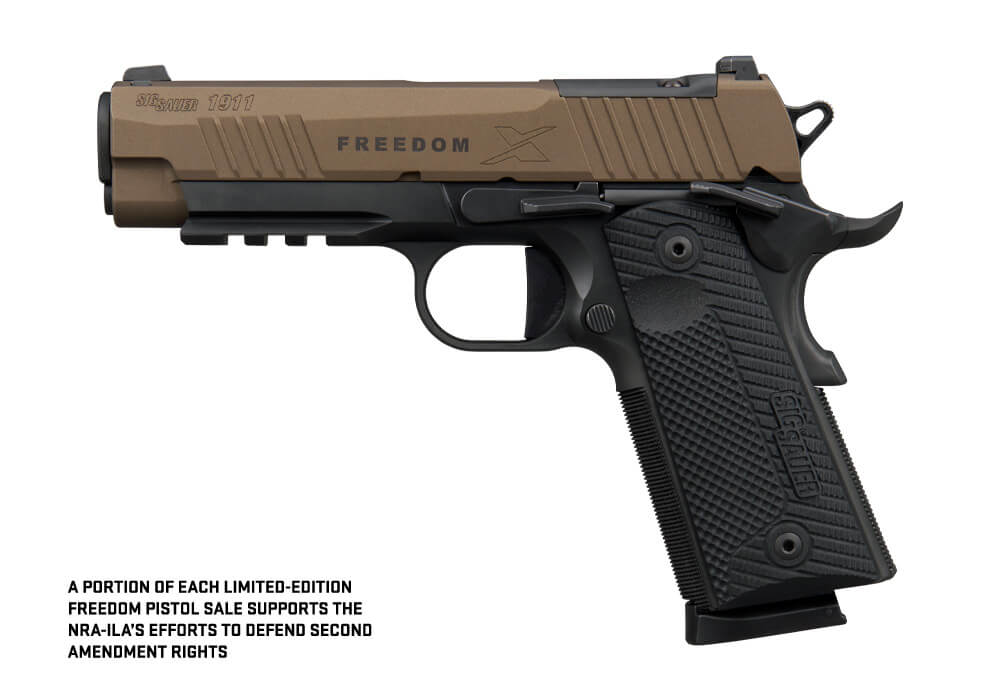
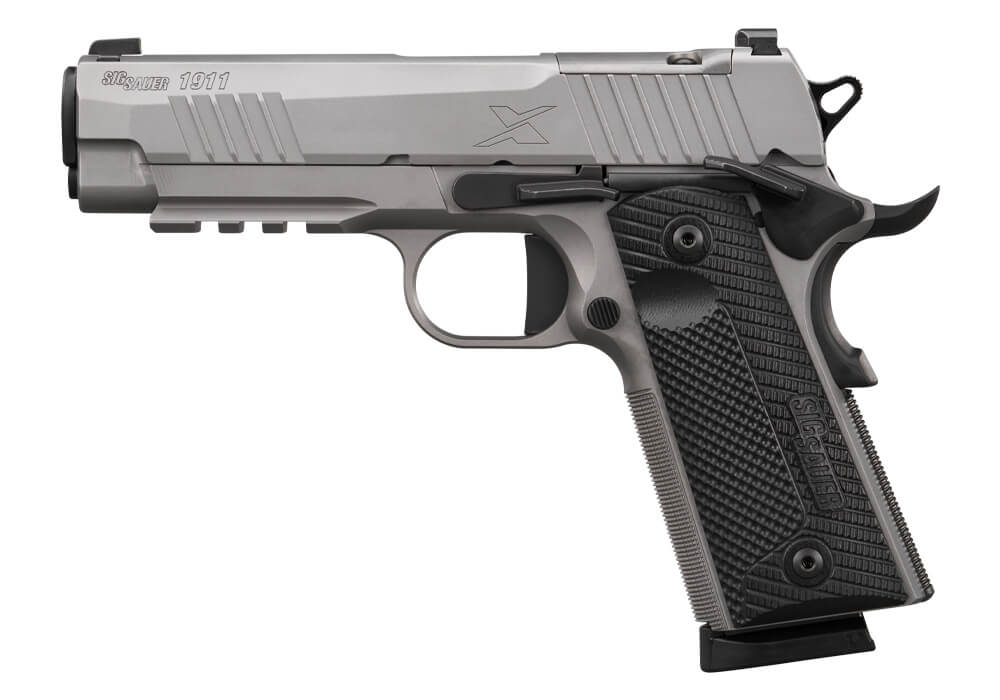
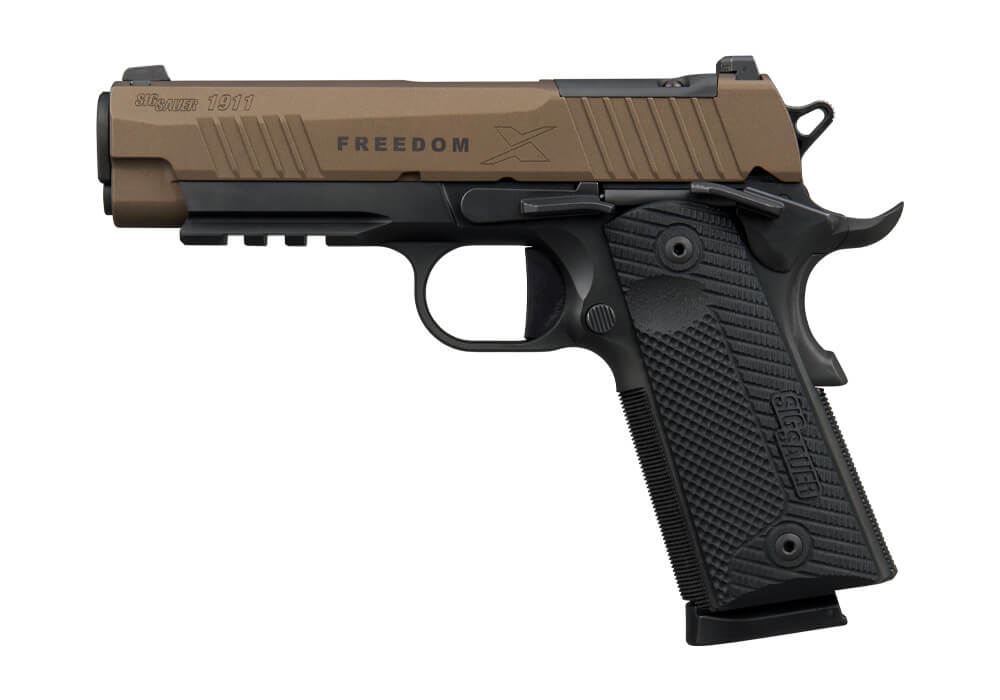
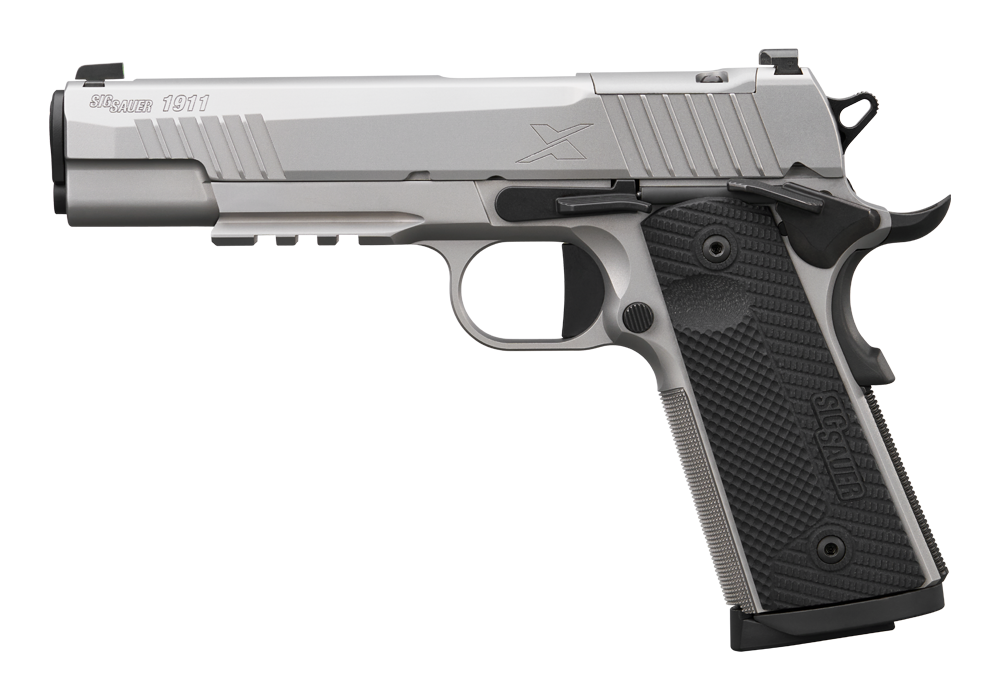
Modern design .45 ACP pistols bring together the familiar character of the .45 ACP cartridge with features intended for today’s shooters. These handguns may include durable polymer or metal frames, improved grip textures, accessory rails, optics-ready slides, ambidextrous controls, and refined sighting systems that support both traditional practice and newer aiming setups. Some models use a single-action trigger, while others offer double-action/single-action operation or a consistent striker-fired trigger, giving buyers several distinct approaches to handling and training. Magazine options can range from standard to extended capacity, and the right choice depends on local regulations, intended use, concealment needs, and personal comfort. A compact profile may be easier to carry under a cover garment, while a full-size frame can provide a longer sight radius, a more substantial grip, and improved control during extended range sessions. The .45 ACP cartridge is known for its broad, heavy projectile and manageable operating pressure, but it also produces a firm push that makes grip technique and follow-up shots especially important. A well-shaped backstrap, carefully placed texturing, and a balanced frame can make a meaningful difference when a shooter is working through slow-fire drills or practicing controlled pairs. During the warmer months, many owners spend more time outdoors at established ranges, where an accessory rail can accommodate a light for authorized training applications and an optics-ready slide can allow a properly selected red-dot sight. As the weather turns cooler, the same features can remain useful for structured practice, professional duty, or home-defense preparation, provided the owner follows all applicable laws and maintains a consistent safety routine.
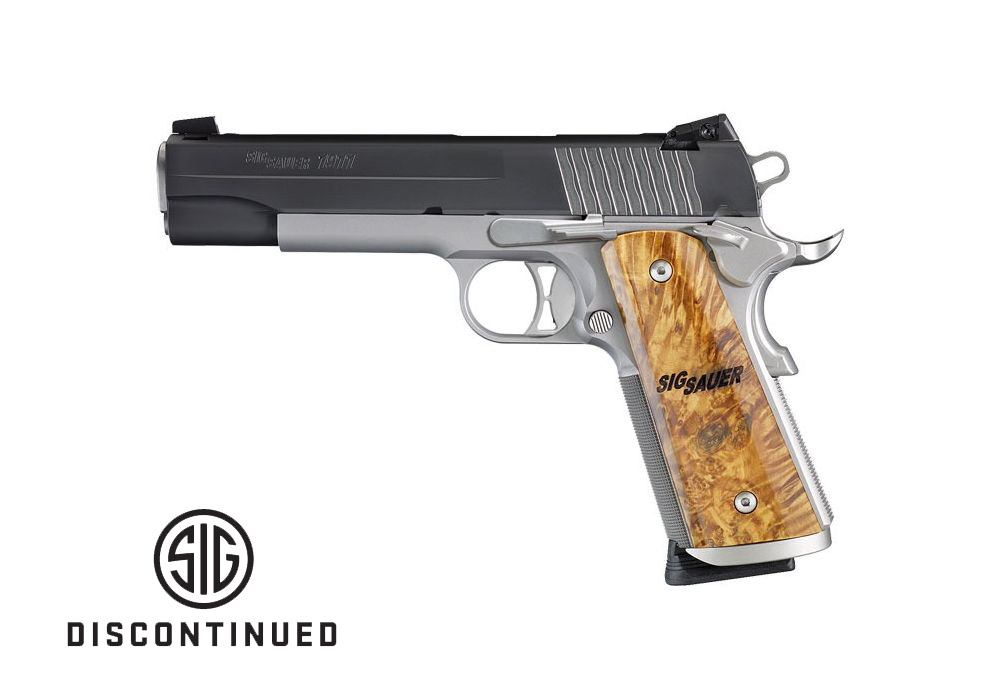
Choosing among modern design 45 ACP pistols begins with identifying how the firearm will be used and what type of operating system best suits the shooter. A polymer-framed pistol is often valued for its resistance to weather, lower maintenance demands, and practical balance, while a metal-framed design may offer a steadier feel in the hand and a classic sense of heft. Full-size models generally provide more room for a secure grip and may be a natural fit for range work, duty use, or competition divisions where size is less restrictive. More compact options can be appealing for experienced, properly licensed carriers who prioritize a smaller footprint, although reduced dimensions may also mean a shorter sight radius, a sharper perceived impulse, and less room for the support hand. Optics-ready configurations offer a direct path to modern red-dot aiming systems, but buyers should confirm the included mounting system, compatible footprint, sight height, and whether the chosen optic allows the existing sights to remain useful as a backup. Accessory rails, threaded barrels, suppressor-height sights, and ambidextrous controls may be valuable for specialized applications, yet each added feature should serve a clear purpose rather than simply adding complexity. Before purchase, review state and local requirements, magazine restrictions, storage obligations, transfer procedures, and any rules governing transport or carry. A secure locking container, separate ammunition storage where appropriate, and a reliable training plan are essential parts of responsible ownership. For someone looking to mark a milestone or give a firearm-related gift, the most thoughtful approach is usually a gift card, range experience, or professional training session rather than selecting a handgun for another person without confirming their legal eligibility, preferences, and safe-storage plans. Experienced shooters exploring a refined alternative may also appreciate the distinctive finish, enhanced controls, and carefully tuned handling found among Luxury 45 ACP Pistols.
A modern .45 ACP pistol should feel predictable and secure from the first time it is handled. Buyers can compare grip circumference, trigger reach, slide serrations, magazine release placement, and the ease of locking the slide open without forcing an awkward hand position. Shooters with smaller hands may prefer interchangeable grip panels or backstraps that bring the controls closer, while others may value a broader grip that fills the palm and spreads recoil over a larger contact area. Controls that can be operated from either side may be especially useful for left-handed users, training partners, or anyone who wants additional flexibility during practice. Sight selection also deserves attention: bright iron sights can be quick to acquire in changing light, while a properly installed optic can help with precise aiming at distance, particularly for shooters who have difficulty focusing on a front sight. Reliability is influenced by more than the name on the slide; ammunition quality, magazines, lubrication, maintenance, and the shooter’s grip all play a role. After purchase, a careful owner should read the manual, verify the pistol is unloaded before inspection, practice safe loading and unloading procedures, and test the firearm with the specific ammunition and magazines intended for regular use at a lawful range. A basic session might begin with slow groups at close distance, followed by deliberate work on presentation, sight tracking, and controlled follow-up shots. That gradual process builds confidence more effectively than chasing speed. Keep the muzzle pointed in a safe direction, keep the trigger finger indexed until the sights are on target and a decision to fire has been made, and always identify the target and what lies beyond it. Whether selected for range enjoyment, competition, professional responsibilities, or lawful personal protection, modern design 45 ACP pistols reward a deliberate fit-and-function approach. The best choice is the one that the owner can operate safely, maintain consistently, store responsibly, and practice with regularly through changing seasons and real-world conditions.