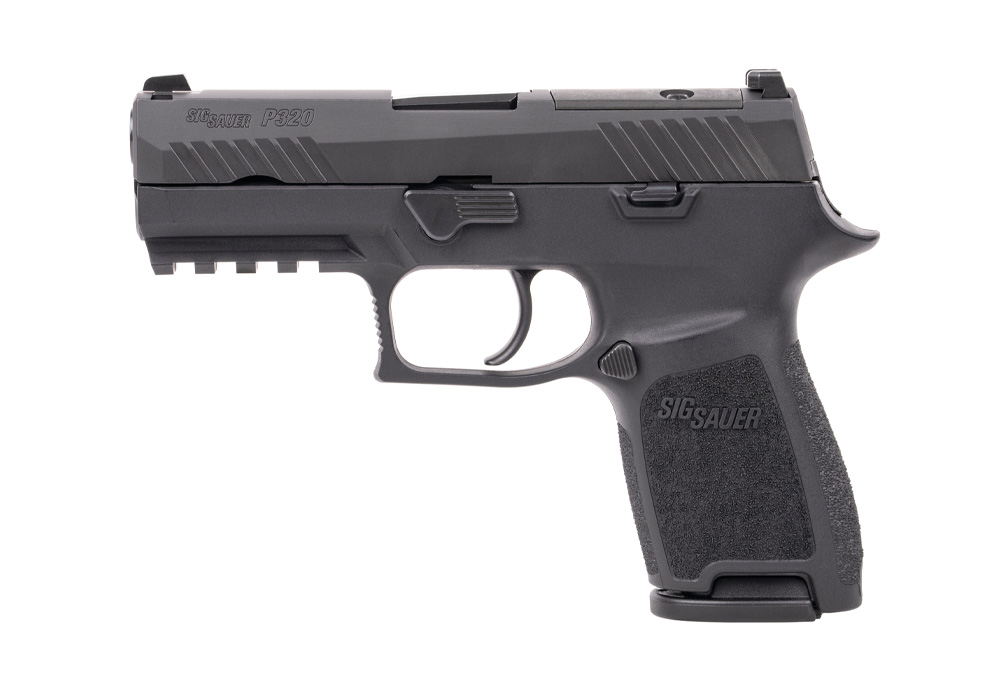
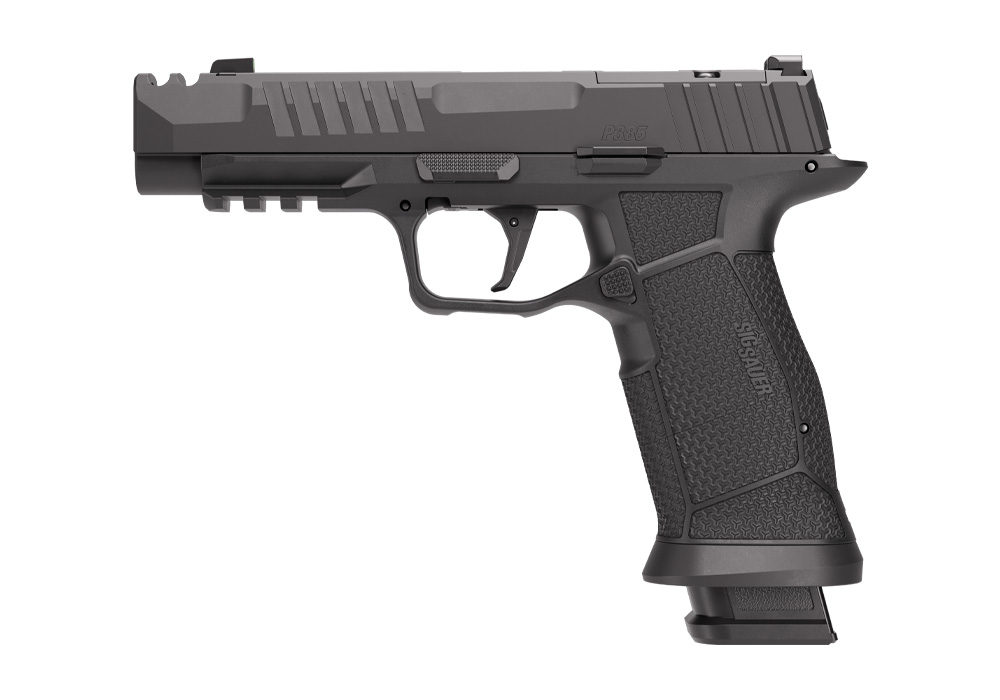
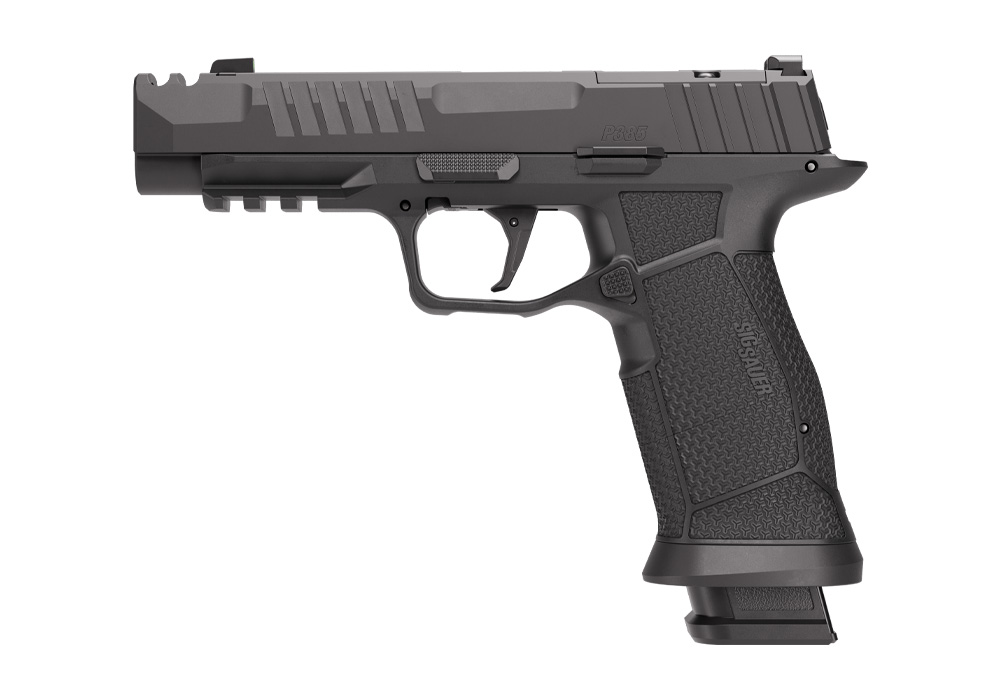
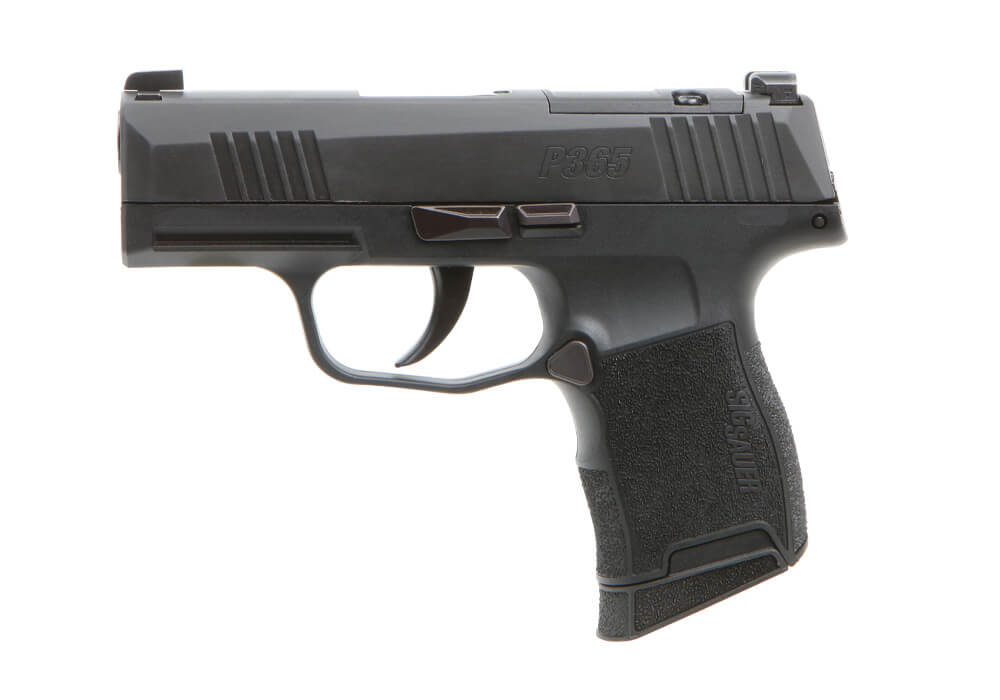
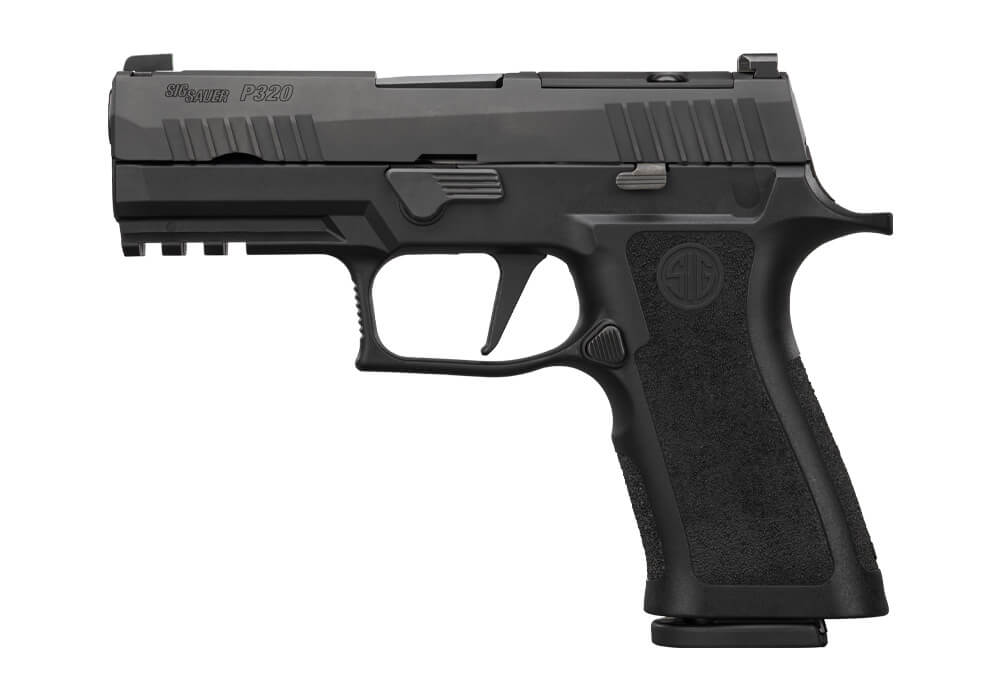
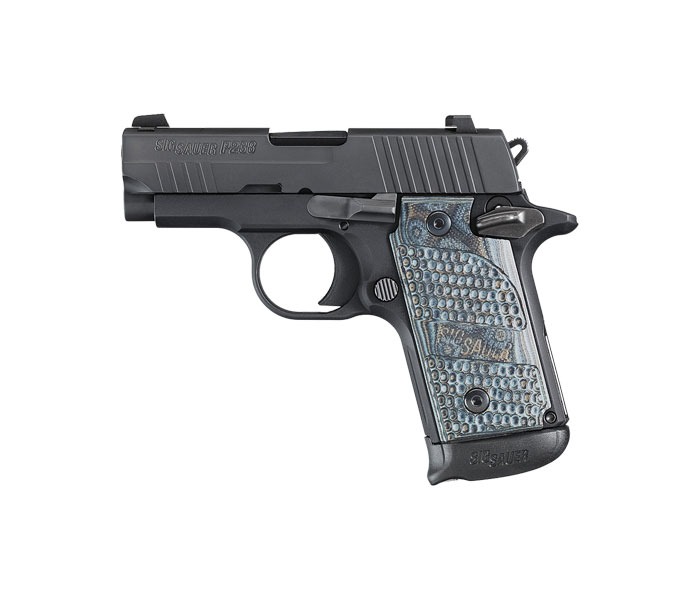
Compact pistols for all hand sizes are selected with fit, control, and practical operation in mind. A compact frame can offer a useful balance between a full-size pistol and a smaller pocket-oriented design, but “compact” does not mean every model will feel the same in every hand. The most important starting point is grip circumference and shape. Shooters with smaller hands often benefit from a slim grip, a short trigger reach, and controls that can be operated without shifting the firing grip. Shooters with larger hands may prefer a fuller palm swell, a longer grip, or an extended magazine that gives the pinky a secure place to rest. The goal is a natural hold in which the pistol sits high and comfortably in the hand, the index finger reaches the trigger without stretching, and the wrist remains straight rather than bent inward. Texture also matters. A grip should provide traction during practice and everyday handling without creating distracting pressure points during a longer range session. Interchangeable backstraps, grip modules, or other fit-adjustment features can make one compact pistol more adaptable across hand sizes, allowing the user to scale the grip to suit different palms and preferences. Standard magazines may support a more discreet profile, while extended magazines can add grip length for larger hands and provide a more secure purchase. Any magazine or grip configuration should be checked for reliable function and comfortable control before it becomes part of a regular carry or training setup.
Controls and operating effort deserve the same attention as grip dimensions. A compact pistol should allow the user to reach the magazine release, slide stop, and any manual safety without loosening the grip or relying on awkward finger movement. Trigger reach is particularly important: with the pistol unloaded and pointed in a safe direction, the index finger should rest naturally on the trigger face while the rest of the hand maintains a firm, balanced hold. Slide manipulation is another consideration, especially for shooters with limited hand strength, smaller hands, or reduced mobility. Serrations that are easy to grasp, a slide spring that can be managed with consistent technique, and an overall design that does not require excessive force can make loading and unloading more approachable. Recoil is influenced by the pistol’s size, weight, ammunition, grip geometry, and the shooter’s technique. A compact model that feels easy to conceal may produce more noticeable movement than a larger pistol, so practical comfort should be judged through supervised handling and live-fire practice rather than dimensions alone. Before purchase, handle unloaded options at a licensed retailer or try comparable models at a properly supervised range when available. Practice drawing the pistol from a safe holster, establishing a two-handed grip, operating the controls, and presenting the sights without rushing. Shooters should also confirm that the chosen model fits an appropriate holster, supports secure storage, and can be maintained confidently. For those comparing compact designs intended for discreet everyday use, the options in Compact Pistols for Shorts Carry can provide additional context around profile, comfort, and carry-related considerations.
These pistols may suit experienced owners seeking a more manageable alternative to a full-size handgun, new shooters building foundational skills, or households looking for a balanced option for range practice and lawful defensive use. They can also be considered as a gift for a responsible adult who has expressed a clear interest in firearm ownership, although a firearm should never be given without the recipient’s knowledge, consent, and ability to meet all applicable legal requirements. A gift card, training course, range session, secure storage solution, or professional fitting appointment may be a better choice when the recipient’s preferences are not known. Every owner should understand local laws governing purchase, possession, transportation, storage, and concealed carry, and should complete appropriate safety training before handling or carrying a firearm. Safe storage is essential in every season: use a quality lockbox, cable lock, or secured safe that prevents unauthorized access while allowing the owner to retrieve the pistol responsibly when needed. Ammunition should be stored separately when appropriate, and children, visitors, and other unauthorized users should never have access to the firearm. Regular practice during the cooler months can help reinforce safe loading, unloading, grip, sight alignment, and malfunction-clearance habits in a controlled environment. Compact pistols for all hand sizes are best chosen as complete systems rather than by appearance alone. Consider the grip, trigger reach, slide resistance, controls, sights, magazine options, holster compatibility, recoil comfort, and the user’s ability to train consistently. A well-fitting pistol should feel secure without being forced into the hand, operate smoothly without unnecessary strain, and encourage deliberate, repeatable handling every time it is picked up.