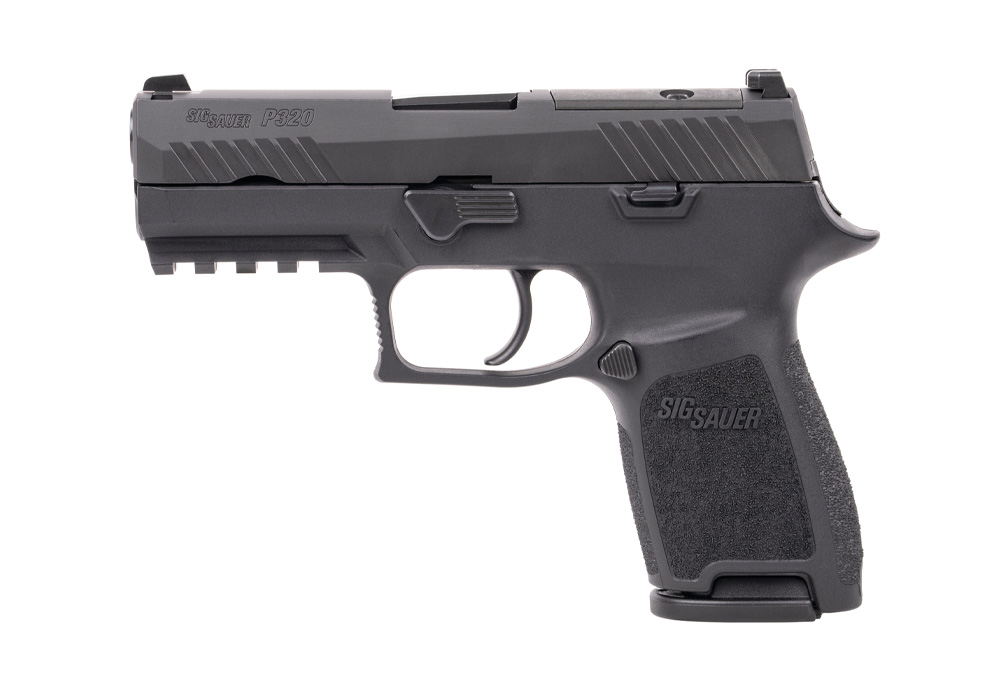
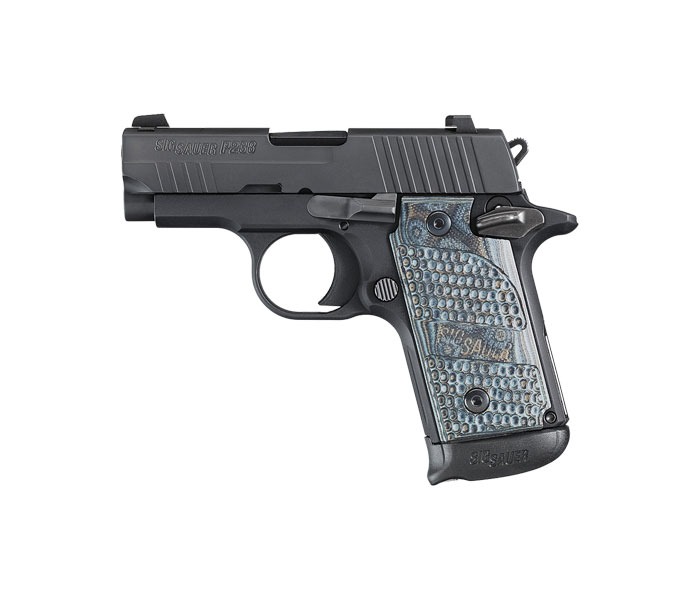
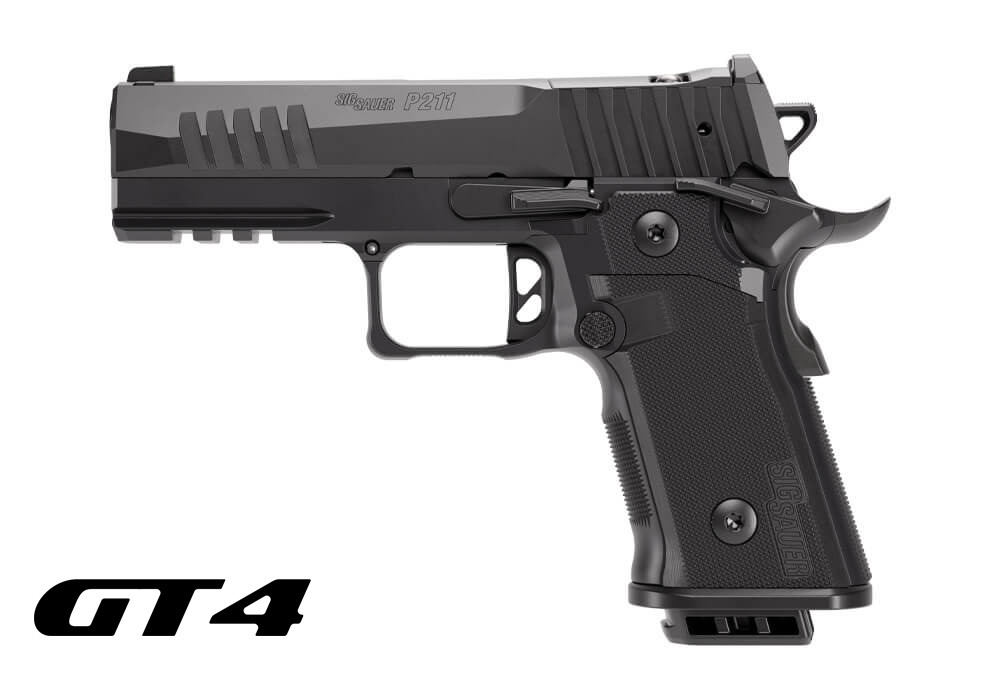
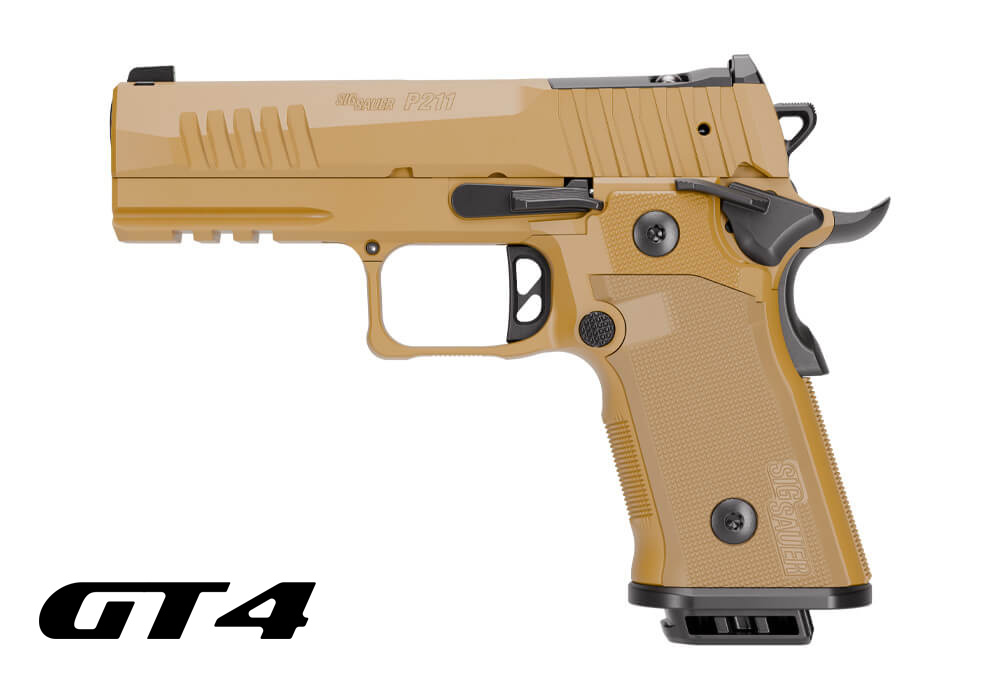
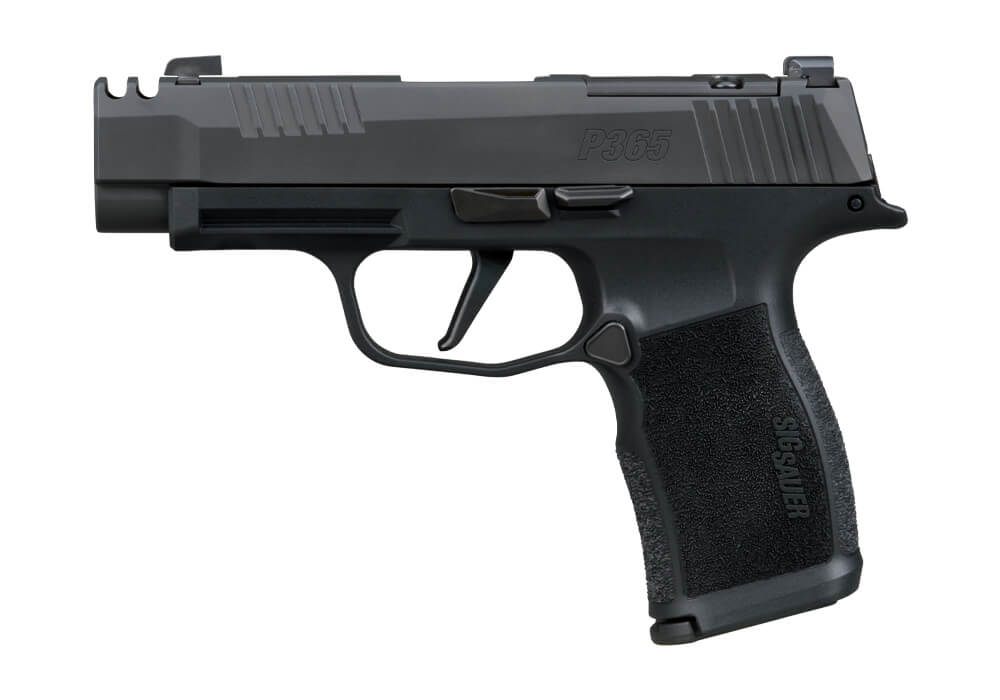
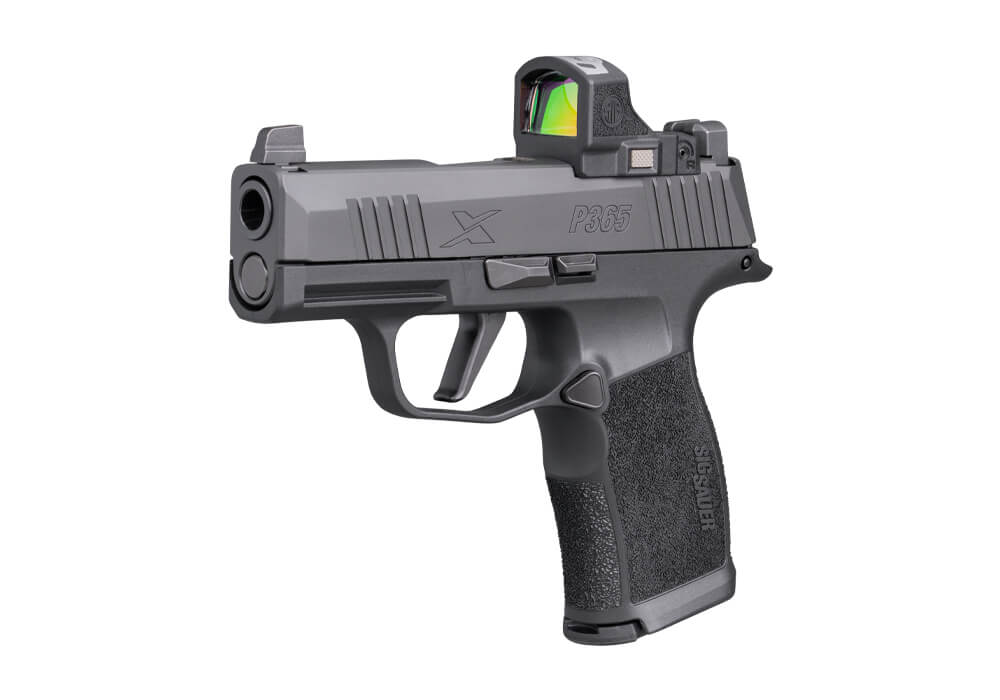
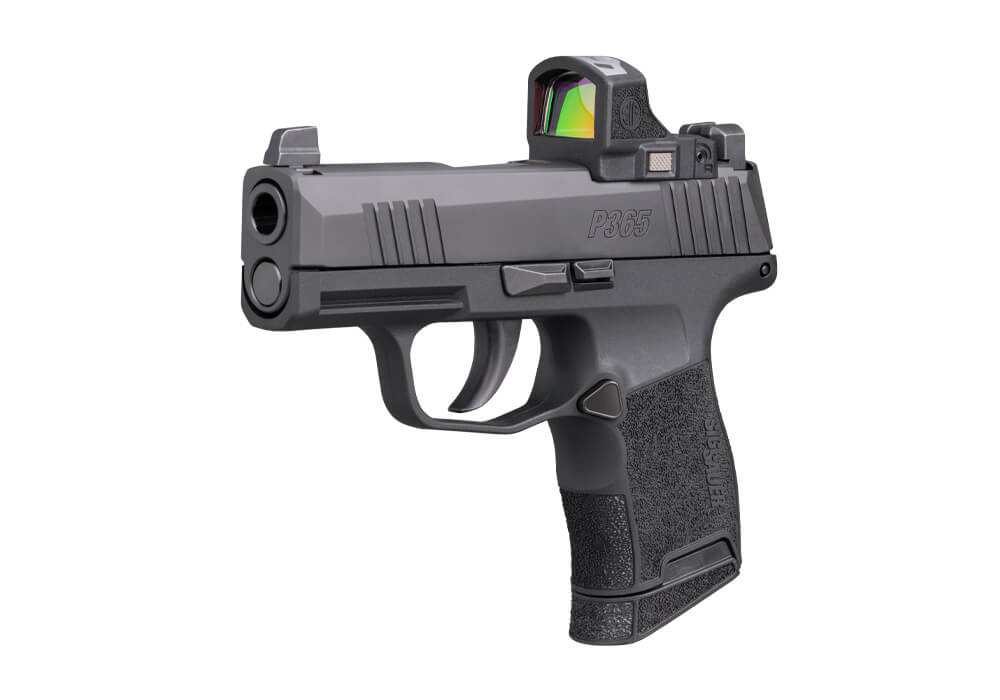
Compact pistols for shorts carry are designed around a simple, practical balance: a firearm should be easy to carry discreetly without making lightweight clothing uncomfortable, yet substantial enough to provide dependable handling and a secure grip. Shorts come in many forms, from athletic styles with elastic waistbands to cargo shorts with deeper pockets and tailored designs with belt loops, so the best choice depends on both the pistol and the way it will be carried. Slim, lightweight semi-automatic pistols are often selected for pocket or waistband carry because they add less bulk and are less likely to pull down on drawstring or stretch fabric. Small revolvers can also be considered when a simple manual of arms and compact profile are priorities, although their shape, weight, and cylinder width may feel different in a pocket. Common chamberings in this category include .380 ACP, .32 ACP, and compact 9mm options, each with its own balance of recoil, size, ammunition availability, and ease of control. A smaller caliber is not automatically the right answer for every person; the most suitable choice is one that the shooter can safely operate, comfortably practice with, and consistently place on target. Before selecting a compact pistol for shorts carry, consider grip texture, sight visibility, slide or cylinder manipulation, magazine release access, and whether the controls can be managed confidently with the dominant and support hands. A pistol that disappears beneath a lightweight shirt but feels difficult to load, rack, or keep steady may not be the most practical option. For additional ways to compare dimensions, grip proportions, and frame styles, browse Compact Pistols for All Hand Sizes.
The carry method is just as important as the pistol itself. Pocket carry requires a purpose-built pocket holster that fully covers the trigger guard, keeps the firearm oriented consistently, and helps prevent the pistol from shifting as the wearer walks, sits, or gets in and out of a vehicle. Nothing else should share that pocket, including keys, coins, a phone, or a folding tool. In athletic shorts, an enclosed belly band or a purpose-designed waistband holster may offer a more stable alternative than relying on a loose pocket, particularly when the waistband has limited structure. Cargo shorts can accommodate a pocket holster more easily, but a deep pocket does not replace proper retention and trigger protection. Tailored shorts with belt loops may work well with an inside-the-waistband setup and a sturdy belt, though the added rigidity can change the way the pistol sits against the body. During the cooler months, layers such as an untucked overshirt or light jacket can make waistband carry more comfortable, while warm-weather clothing places greater emphasis on thin profiles, smooth edges, and a secure fit. Whichever method is chosen, the firearm should remain covered, retained, and protected from contact with the trigger. Practice should begin with an unloaded firearm in a safe environment, focusing on establishing a consistent grip, confirming that clothing and gear do not interfere with the holster, and safely returning the pistol to its holster without rushing. Regular live-fire practice can reveal whether recoil, sights, or grip dimensions make a particular compact pistol difficult to control. A comfortable carry setup should stay in place during ordinary movement—not swing, sag, print excessively, or require repeated adjustment throughout the day.
Compact pistols for shorts carry may appeal to licensed individuals who want a discreet option for personal protection, people who spend time walking or traveling in casual clothing, or experienced owners looking for a lighter alternative to a larger handgun. They can also be considered as a gift for a spouse, adult family member, or trusted friend, but firearms should never be given casually or without confirming the recipient’s interest, legal eligibility, training, and ability to store and carry the firearm responsibly. In many situations, the most thoughtful gift is a contribution toward professional instruction, a properly fitted holster, secure storage, or range time rather than an unexpected firearm. Buyers should review all applicable federal, state, and local laws before purchasing, transferring, transporting, or carrying a handgun, including rules governing permits, reciprocity, magazine restrictions, private transfers, and storage. Safe ownership includes keeping the pistol inaccessible to unauthorized users, using a lockbox or other secure storage when it is not under the owner’s direct control, and maintaining a routine for inspection, cleaning, and function checks according to the manufacturer’s instructions. It is also worth handling several frame sizes before making a decision; a compact pistol should feel natural in the hand, with enough grip area to control recoil without creating unnecessary printing beneath shorts and a shirt. The right choice is rarely determined by weight alone. Fit, reliability, safe carry equipment, responsible training, and compliance with local law all contribute to a setup that feels as dependable during a quiet walk as it does during a trip to the range.