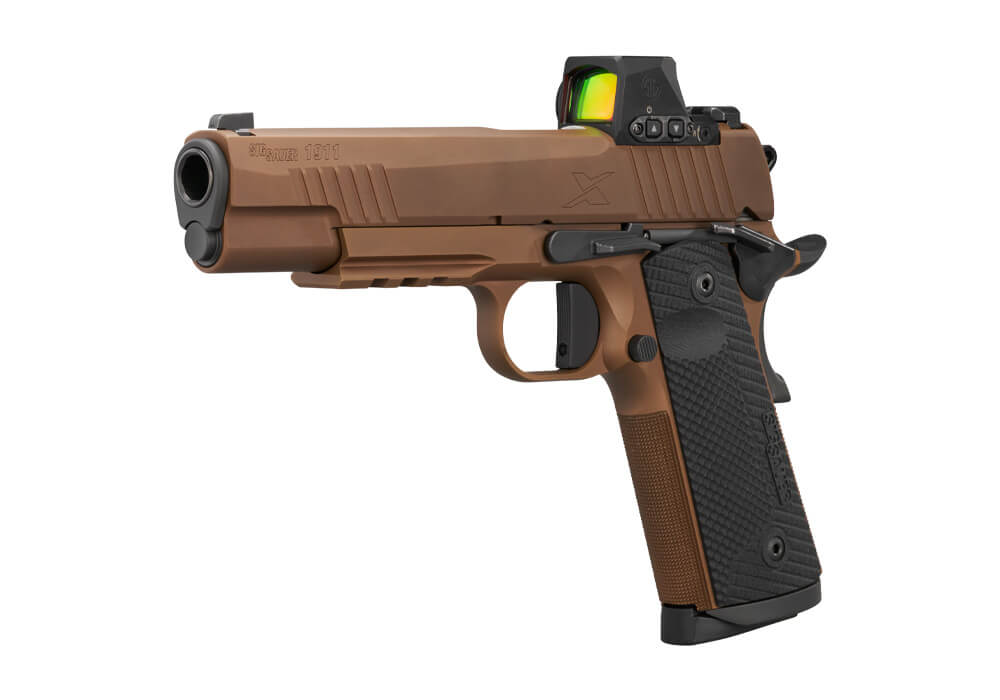
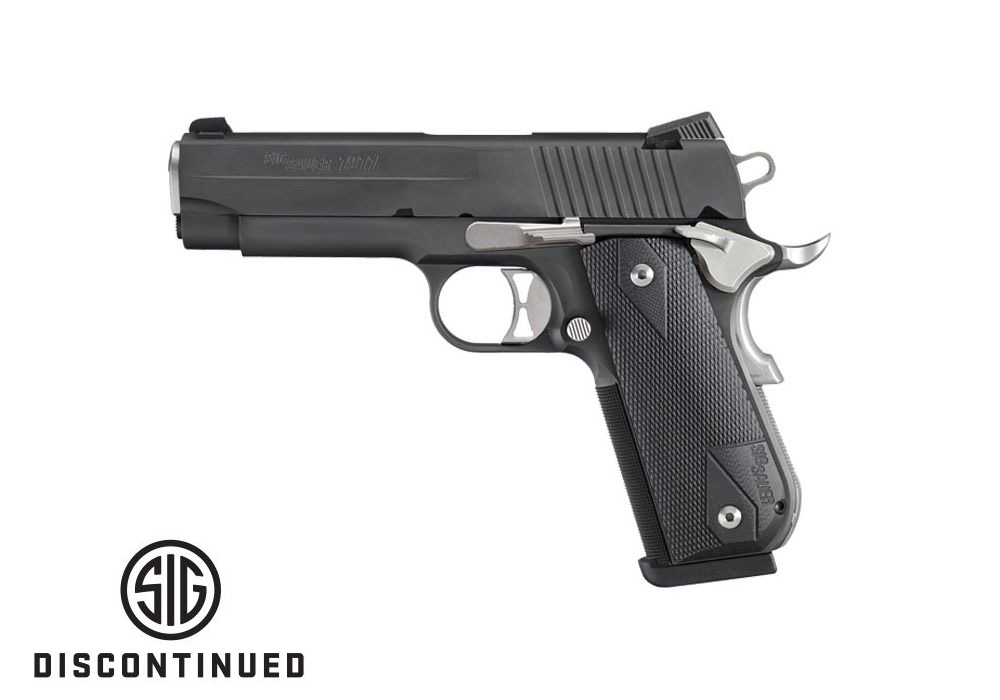
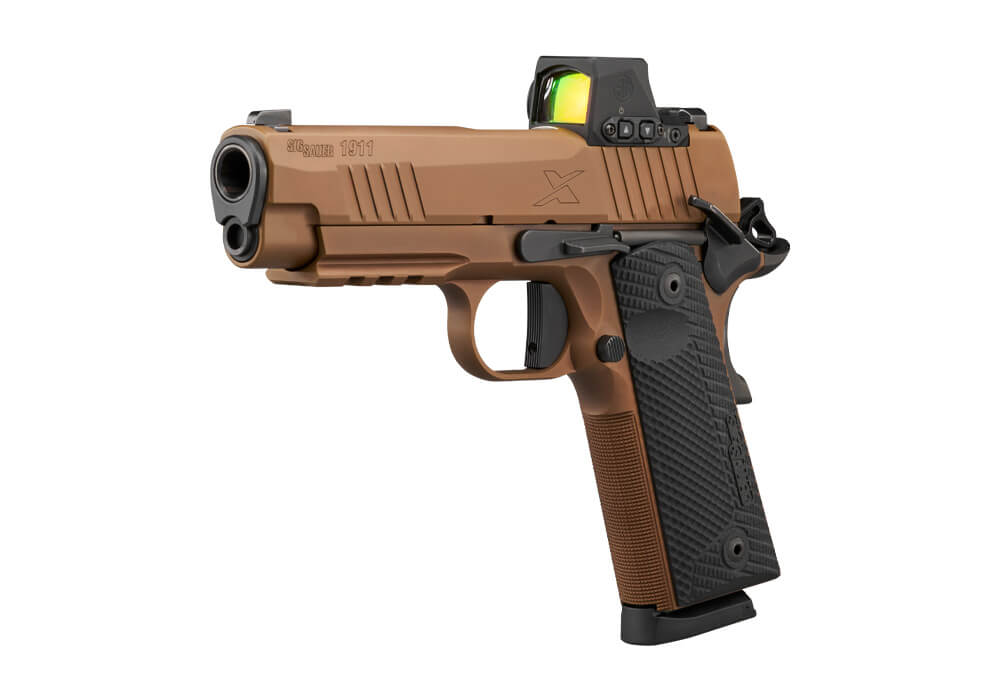
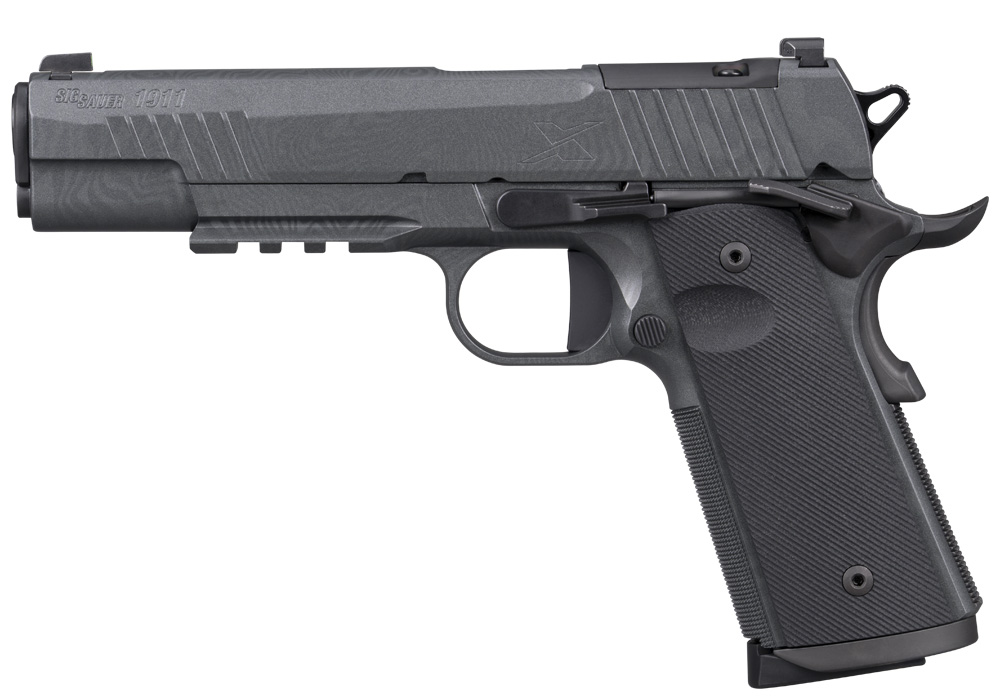
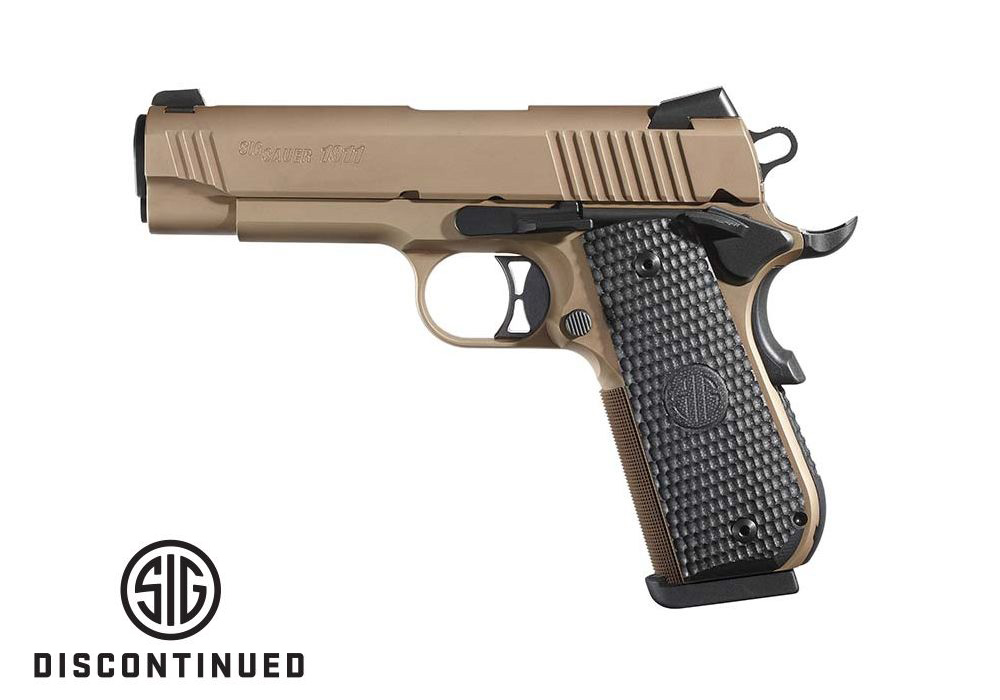
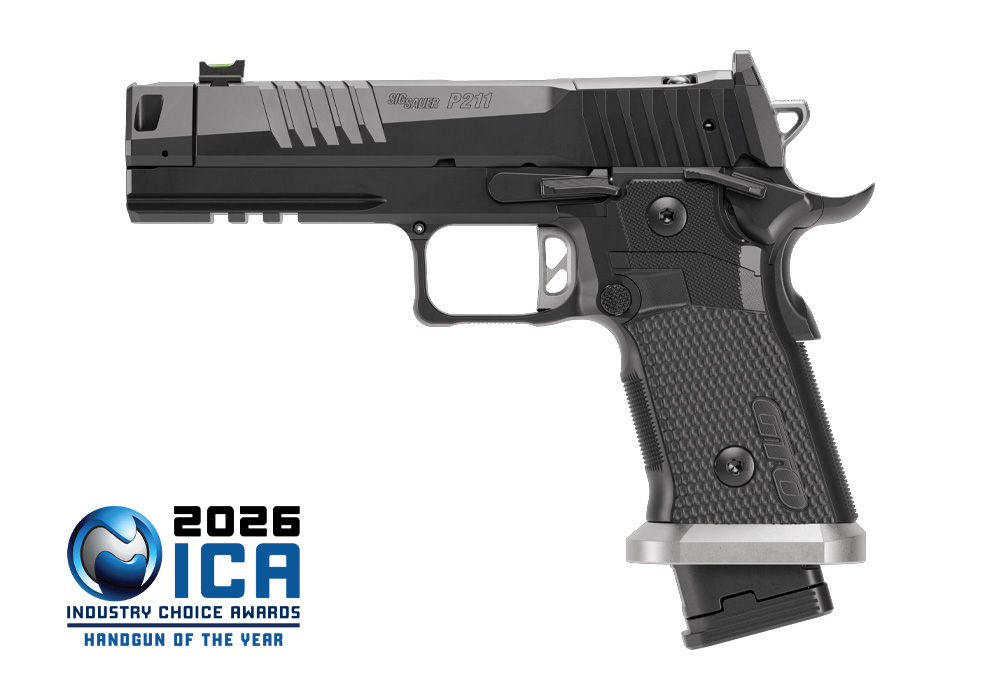
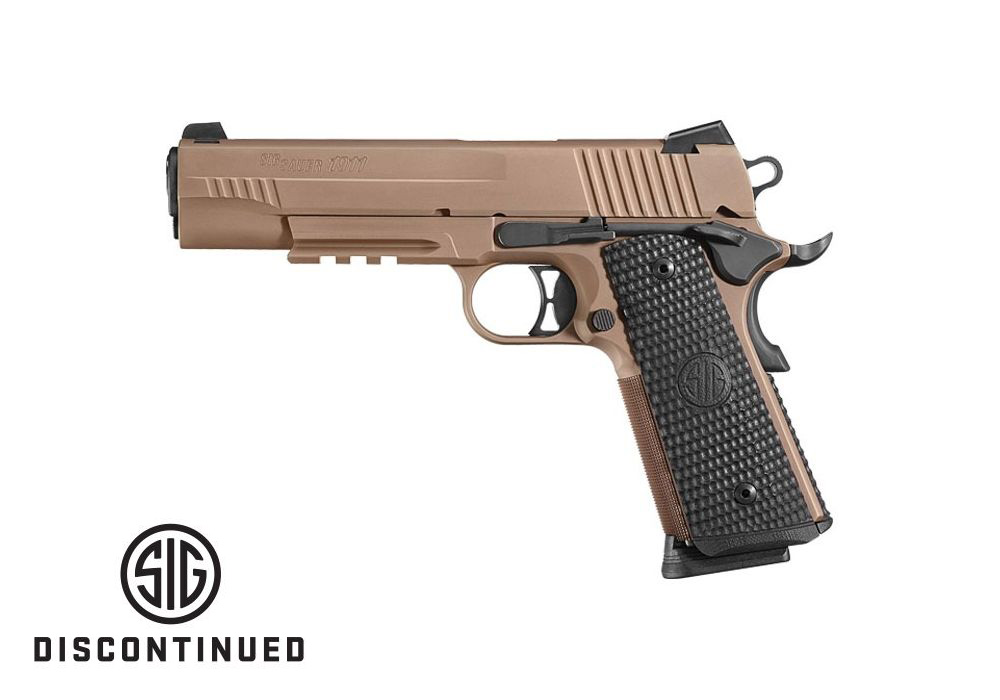
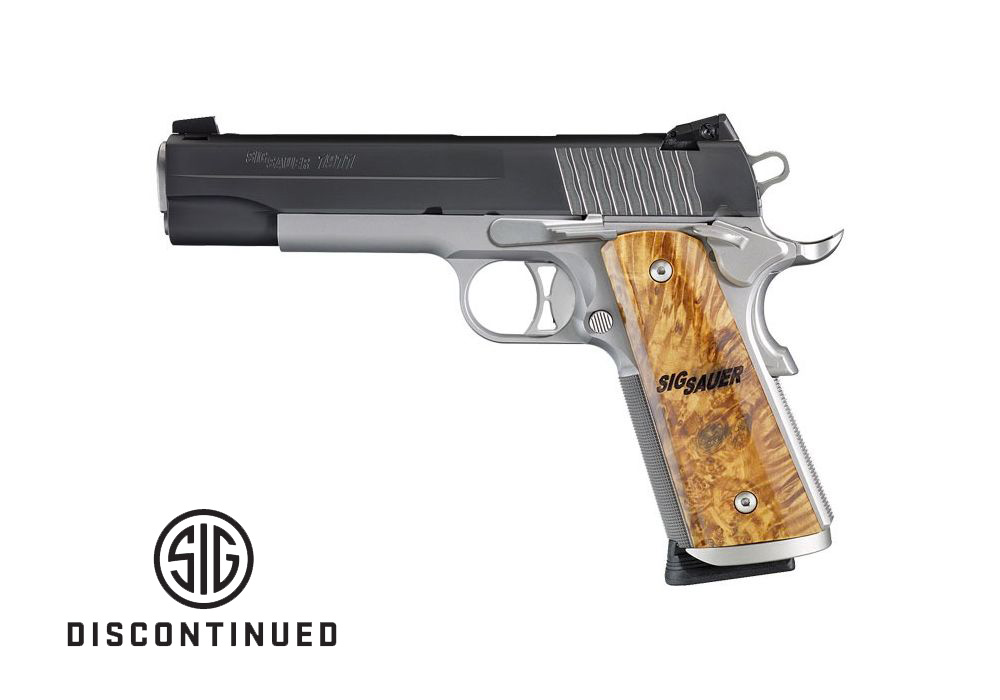
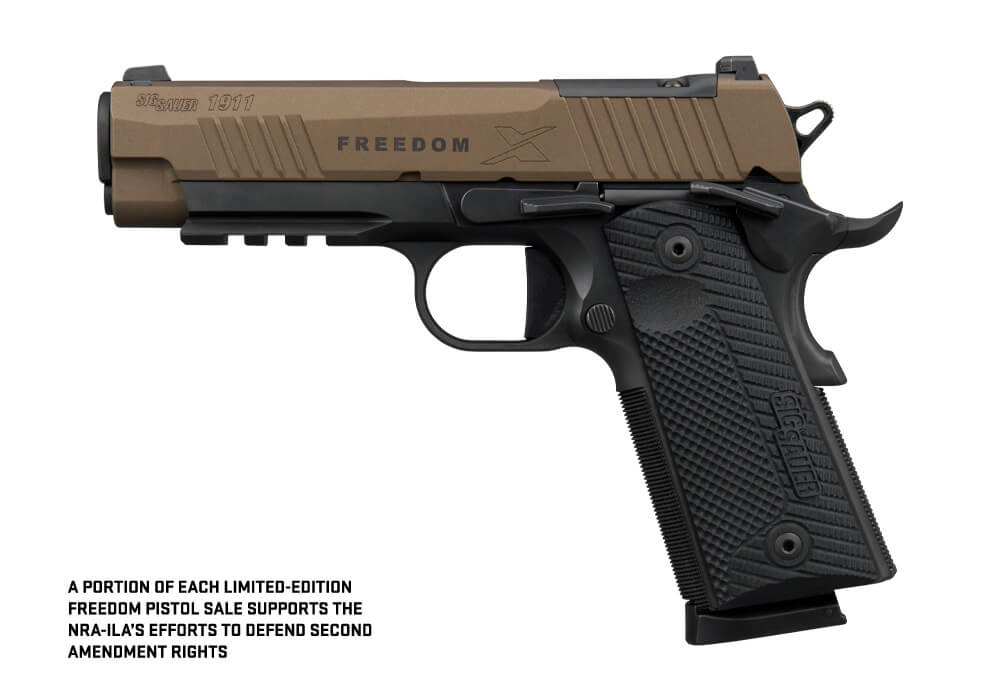
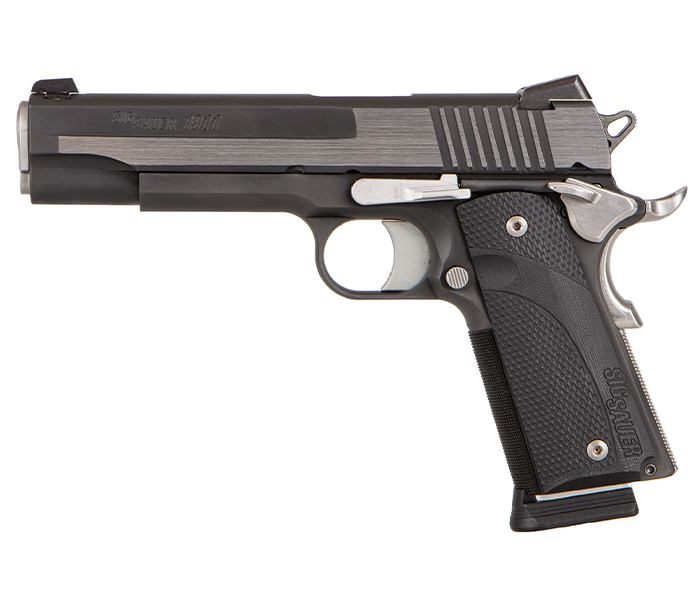
Compact 1911 pistols for concealed carry bring the familiar single-action platform into a smaller footprint, typically through a shorter barrel, a reduced grip length, or a combination of both. The appeal is straightforward: a relatively slim profile, recognizable controls, and a grip shape that many shooters find natural in the hand. Traditional single-stack configurations can sit close to the body, although overall comfort depends on the pistol’s dimensions, the holster, and the person wearing it. Compact versions commonly have barrels measuring approximately 3 to 4.25 inches, compared with the 5-inch barrel associated with a full-size 1911. Those measurements describe only part of the fit. Grip length often has a greater effect on how noticeably a handgun outlines through clothing, while slide length influences how the holstered pistol feels when seated. A shorter grip can be easier to conceal beneath an untucked shirt, but it may leave less room for the little finger. A slightly longer grip provides more contact with the hand, with a corresponding increase in overall height. Some configurations pair a shorter frame with a longer slide, giving this category more variety than the word “compact” suggests. Common chamberings include 9mm and .45 ACP, with differences in recoil feel, ammunition dimensions, and magazine configuration. Neither chambering guarantees a particular shooting experience; pistol weight, grip geometry, ammunition, and the individual shooter all contribute. Shortening the platform also changes sight radius and balance, so a smaller pistol should not be assumed to handle exactly like its full-size counterpart. For someone already comfortable with the 1911 platform, compact proportions can preserve much of its familiar character while reducing the space it occupies on a belt. The Concealed Carry 1911 category reflects this balance between recognizable design and practical dimensions for lawful everyday carry. These pistols are relevant to experienced owners seeking a smaller companion to a full-size handgun, as well as newer owners prepared to build familiarity through qualified instruction and regular practice.
Materials and fit have a lasting influence on how a compact 1911 feels beyond the first few minutes in the hand. An aluminum-alloy frame can reduce overall weight, which becomes noticeable over a full day of wear. A steel frame generally adds weight, and some shooters prefer that more substantial feel during range practice. Neither material is automatically the better choice: a lighter pistol may be more comfortable on the belt, while a heavier one may feel steadier in the hand. Stainless steel components and protective finishes can help resist corrosion, but neither eliminates the need for care after contact with perspiration, skin oils, or moisture. The areas that touch the hand deserve equal attention. Front-strap texture, grip panels, the beavertail, and the shape of the mainspring housing all affect how securely and comfortably the pistol settles into the palm. Aggressive texture can feel reassuring during practice yet become abrasive against bare skin during extended wear. Smoother surfaces may be comfortable against the body but feel different when hands are damp. Grip-panel thickness also changes the reach to the trigger and controls; a narrow-looking pistol is not necessarily an ideal fit for every hand. With the firearm safely handled under appropriate supervision, a useful fit assessment considers whether the controls are accessible without an awkward shift in the grasp. Compact dimensions can place those controls closer together, making individual hand size especially relevant. Low-profile sights and smoothly contoured exterior edges can reduce interference with clothing and holster materials, while a clearly visible sight picture remains important for routine range use. Sight features should be understood in context rather than treated as a substitute for training. Finish quality is also about more than appearance: even coverage, comfortable edges, and grip panels that sit securely against the frame contribute to everyday satisfaction. A compact carry pistol spends considerable time resting against clothing, moving with its owner, and entering or leaving a holster, so durable surfaces and well-fitted components matter long after the initial impression.
Daily practicality depends on the complete carry arrangement rather than the pistol alone. A holster intended for the exact firearm configuration should securely retain the handgun, fully cover the trigger guard, and remain stable during ordinary movement. Barrel length, slide shape, sights, and any accessory provisions can affect compatibility, so a general “1911” designation does not establish a correct fit. A supportive belt and a comfortable holster can make a meaningful difference during familiar situations such as sitting at a desk, fastening a seat belt, or bending to tie a shoe. These details help explain why the smallest or lightest option is not always the most comfortable one. Compact 1911 pistols also benefit from consistent, model-specific care. Shorter-slide configurations can have different recoil-spring requirements and service intervals than full-size versions, making the owner’s manual the appropriate reference for cleaning, lubrication, inspection, and replacement parts. Magazine condition matters as well: damaged feed lips, worn springs, or an incorrect magazine can affect function regardless of the pistol’s exterior condition. Ammunition must match the firearm’s marked chambering and the manufacturer’s requirements. Routine range practice provides an opportunity to become familiar with the pistol’s controls and confirm that the intended ammunition and magazines function properly, without assuming that a familiar appearance means identical operation. The manual thumb safety, grip safety, and other features should be understood according to the instructions for the particular firearm. Qualified instruction is especially valuable for owners moving from another handgun design. When not carried or in supervised use, the pistol belongs in secure storage that prevents unauthorized access, with storage practices consistent with applicable law and the manufacturer’s directions. The strongest long-term fit is a compact 1911 that suits the owner’s hands, supports regular practice, and works comfortably within a responsible carry routine. Its appeal rests not simply on reduced dimensions, but on the combination of familiar ergonomics, appropriate materials, dependable upkeep, and thoughtful integration into everyday life.