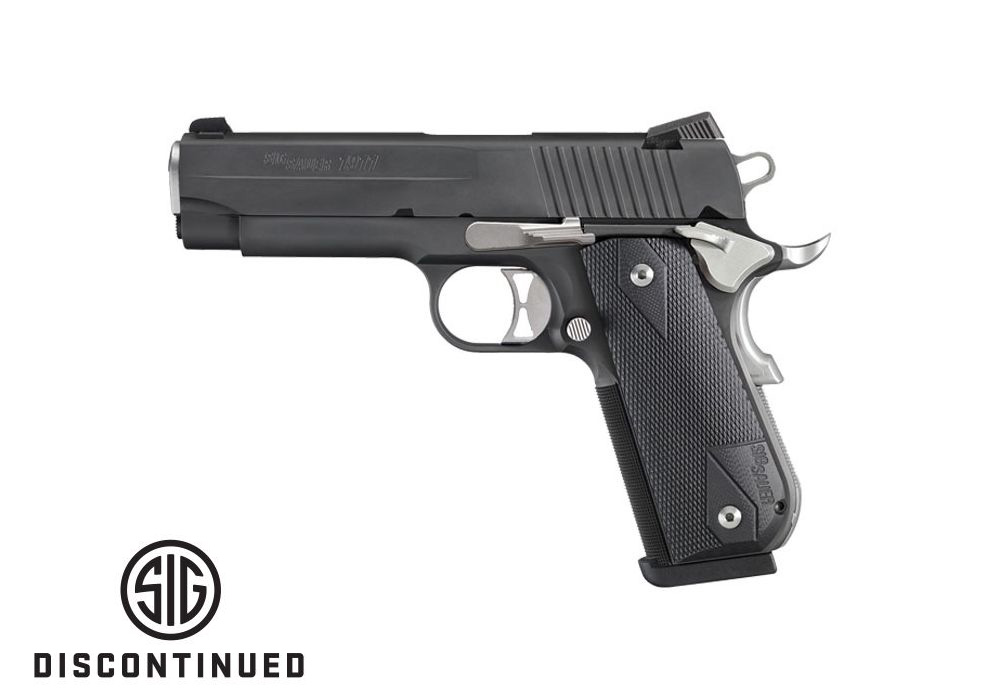
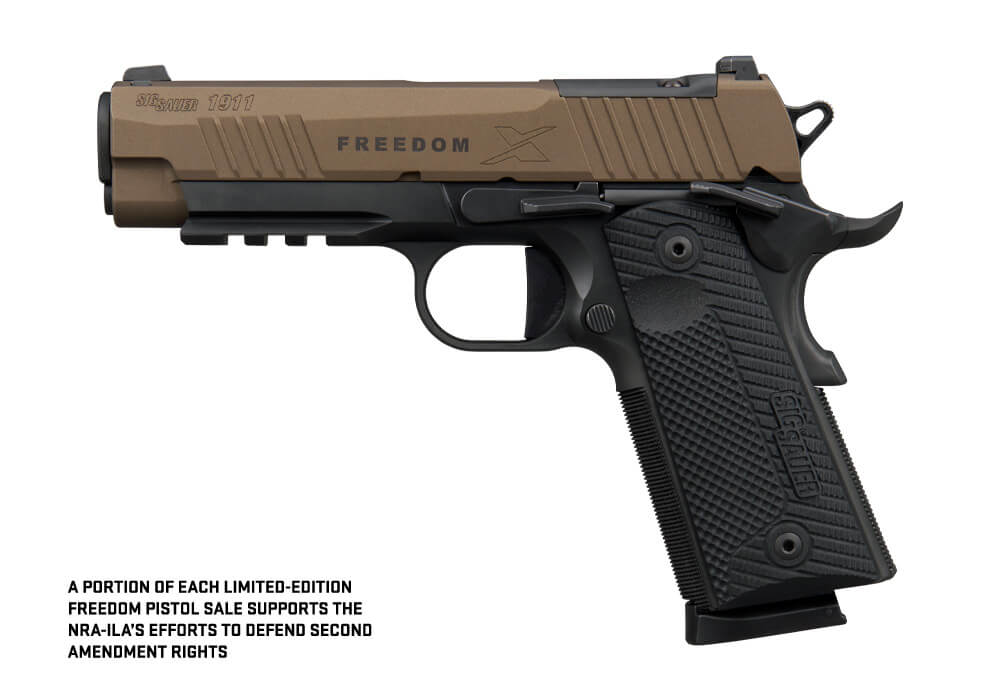
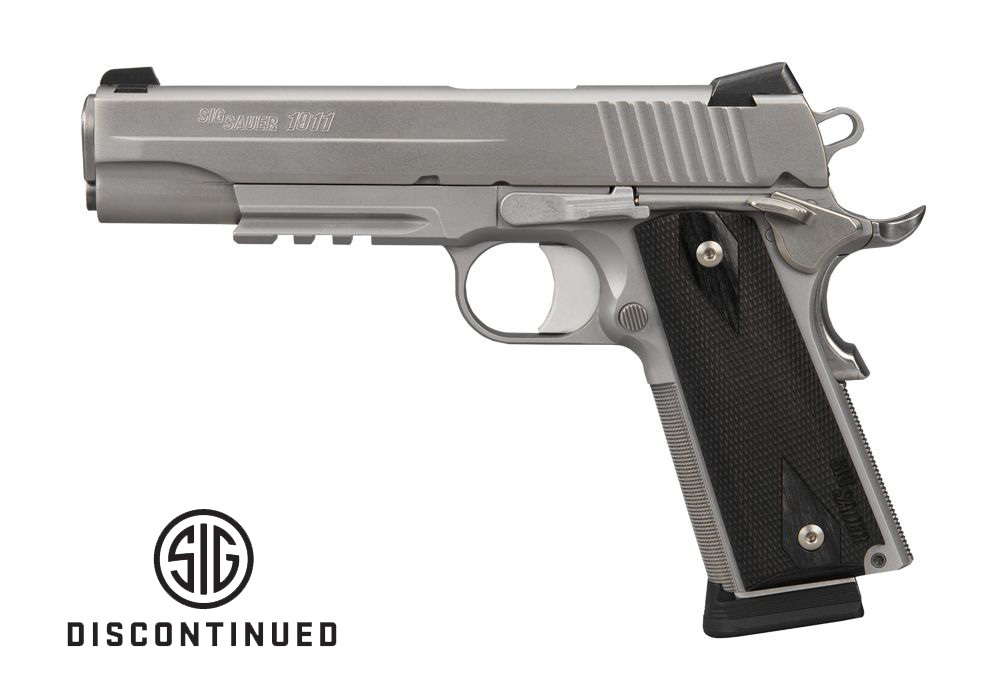
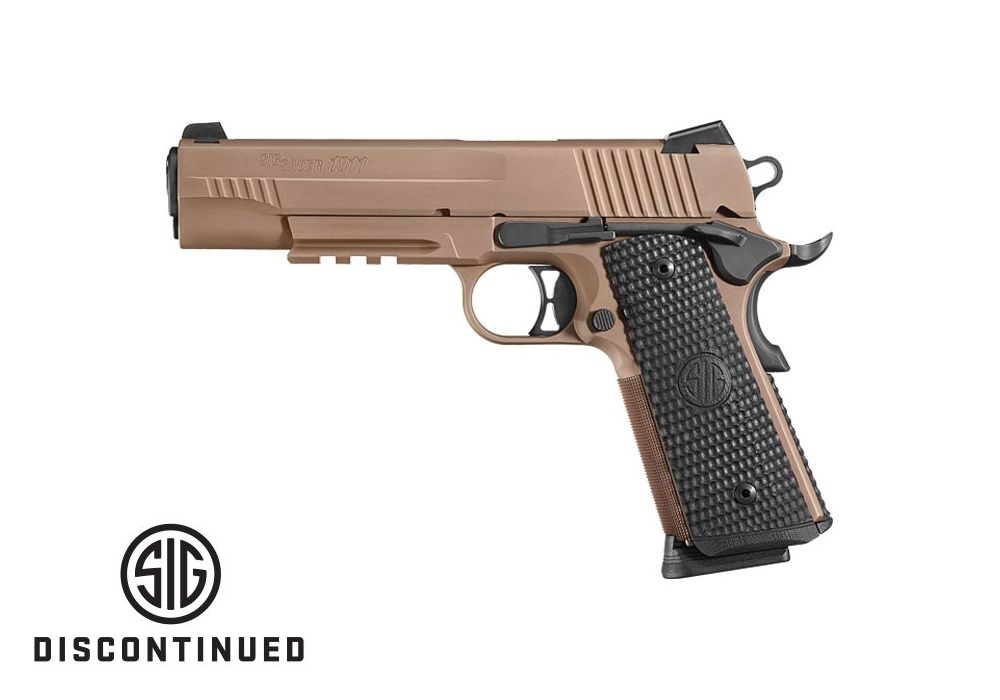
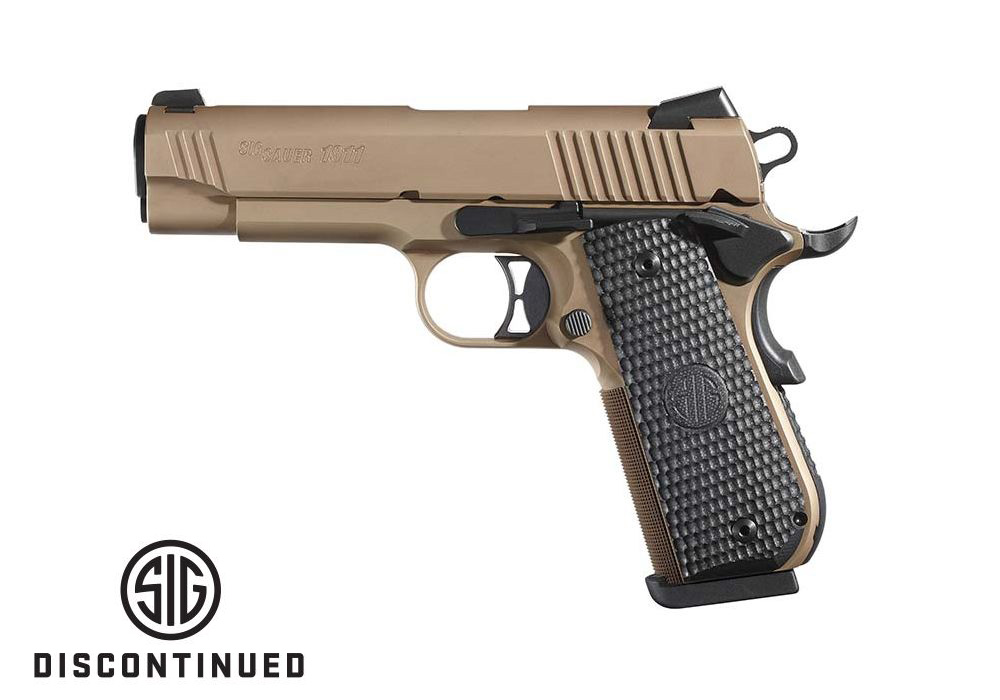
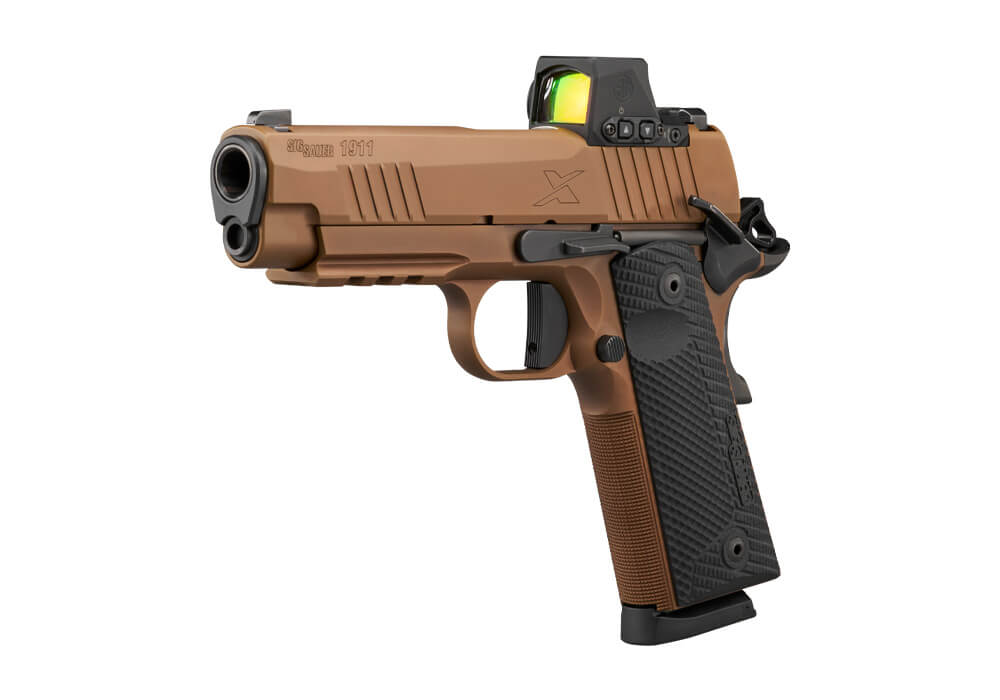
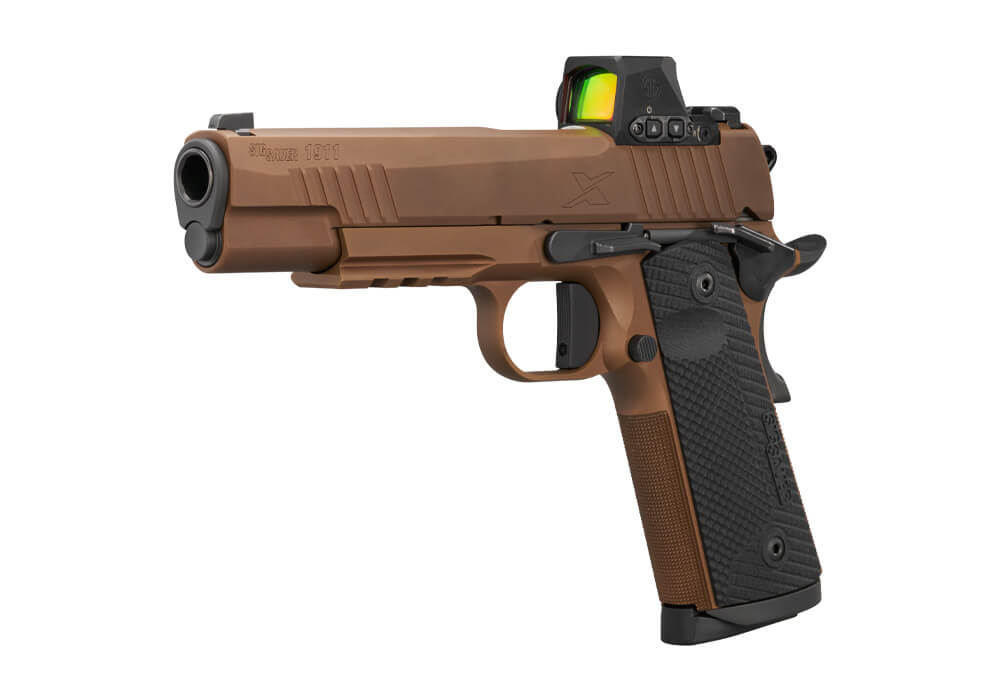
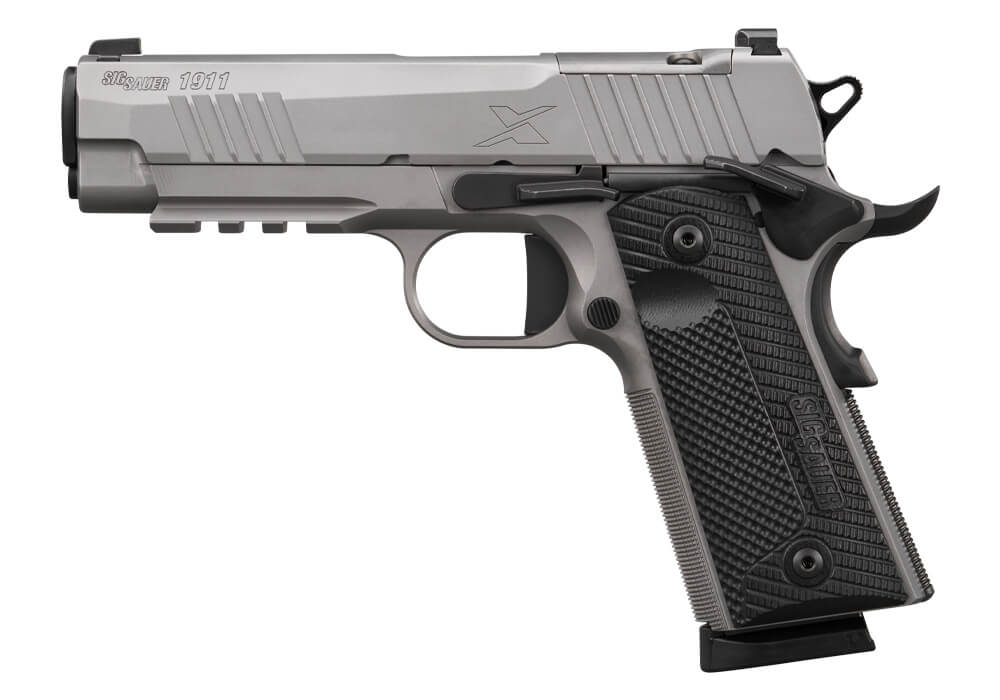
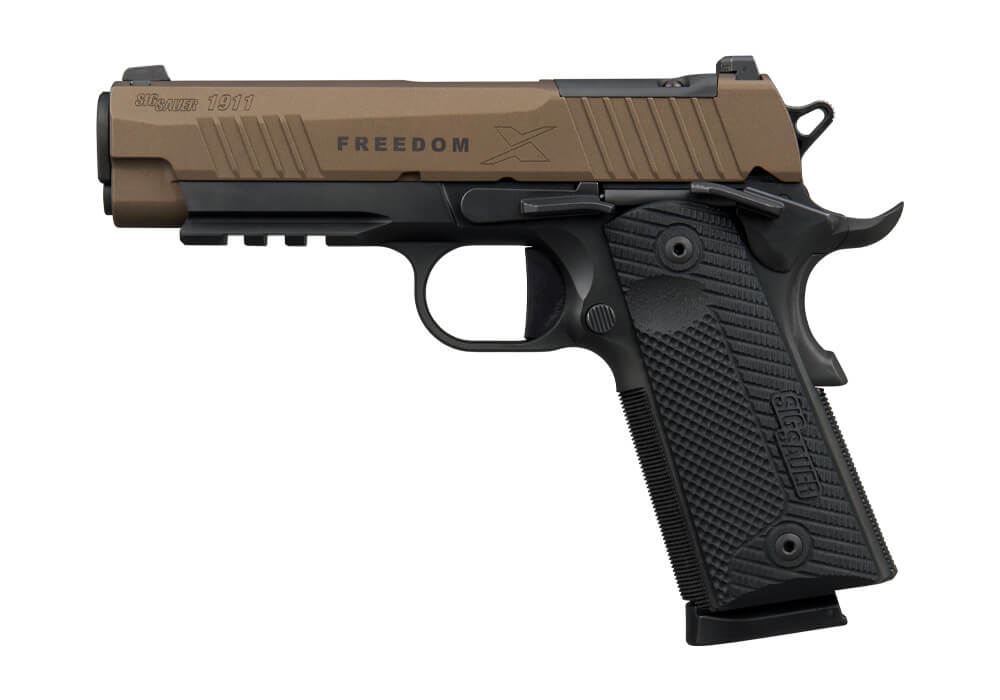
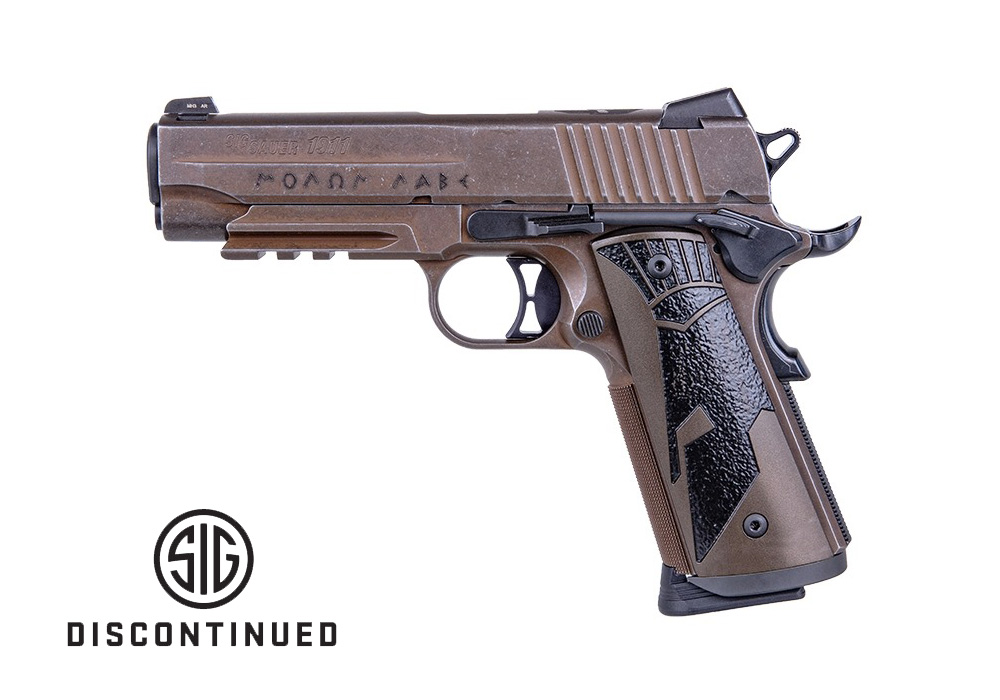
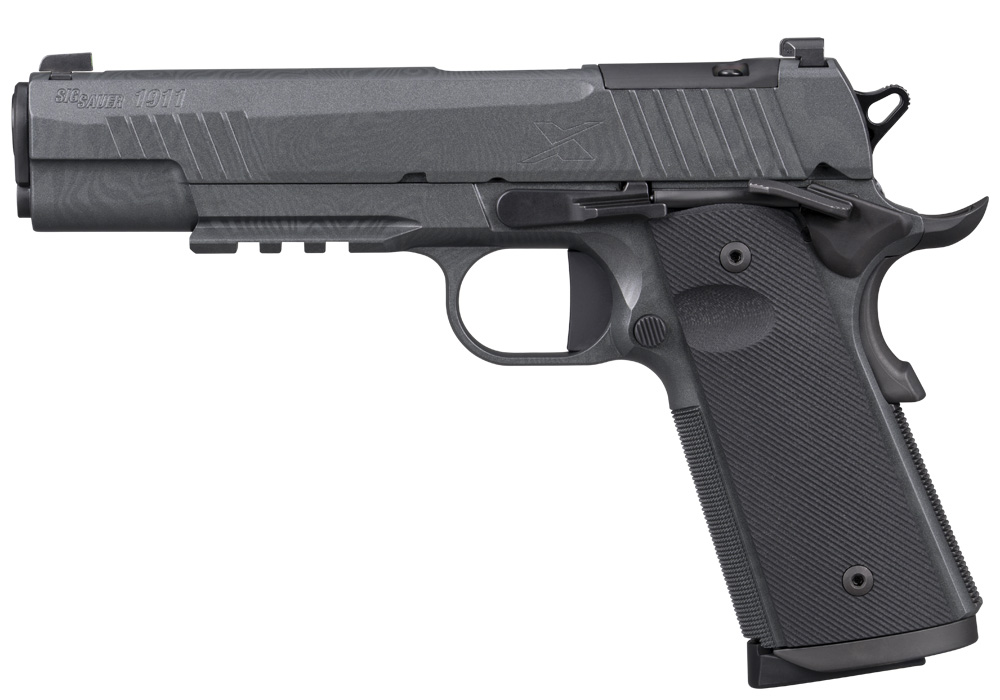
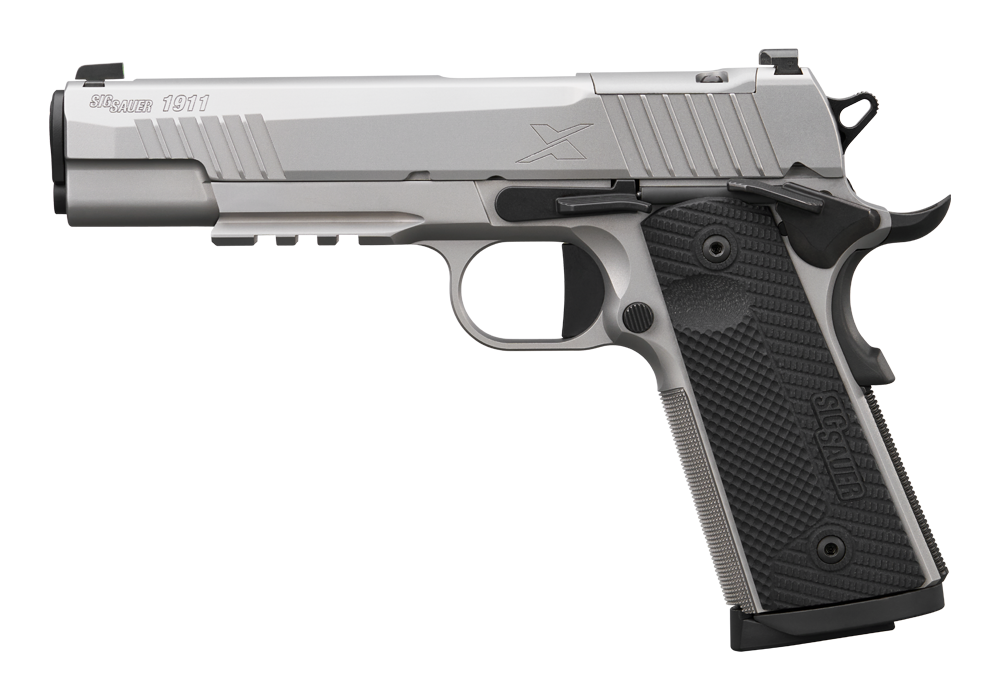
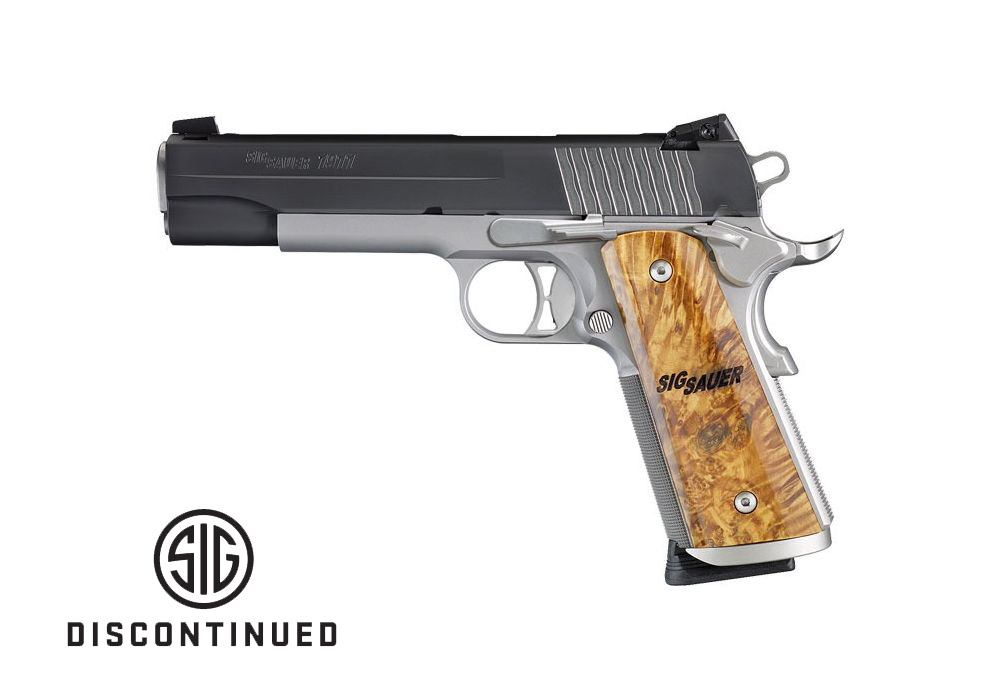
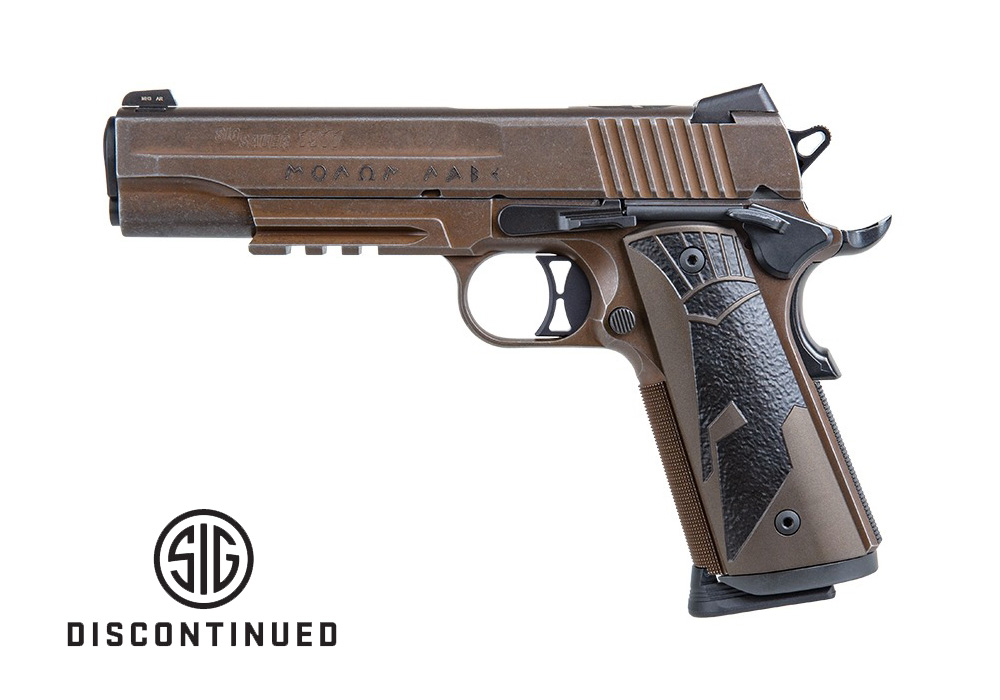
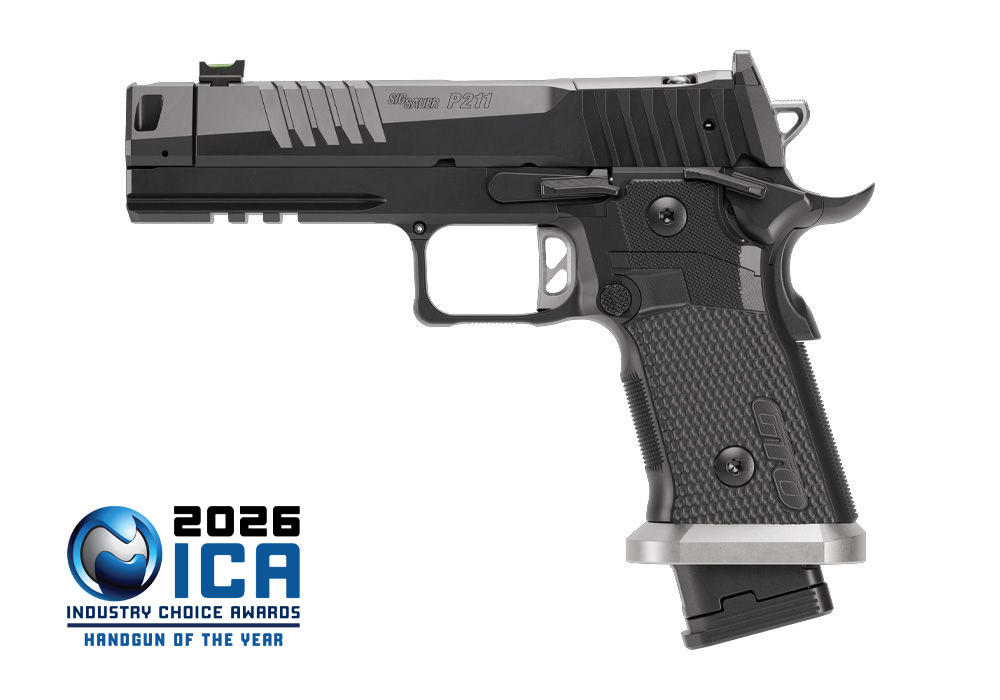
A concealed carry 1911 brings together a slim, familiar profile, a refined single-action trigger, and the distinctive handling characteristics that have made the platform a lasting choice for personal protection. Its single-stack design sits relatively close to the body, which can help reduce printing beneath a cover garment, while the straight-sided frame offers a natural grip for many shooters. A 1911 is also typically heavier than a comparable polymer-framed pistol, especially when built with a steel frame, and that weight can be noticeable during a full day on the belt. For some carriers, however, the added weight helps reduce muzzle movement and makes the pistol feel steady in the hand. Models with longer slides and full-length grips may provide a longer sight radius and a familiar balance, while shorter configurations can make concealment more comfortable under a jacket, overshirt, or untucked casual layer. The right choice depends on how the pistol fits the individual, the clothing worn throughout the cooler months, and the amount of practice available before carrying. Standard-capacity magazines commonly hold fewer cartridges than many modern double-stack designs, so magazine selection, dependable equipment, and consistent training deserve careful consideration. A concealed carry 1911 should be selected for secure function, comfortable carry, and confident operation rather than appearance alone. Grip shape, thumb-safety placement, sights, frame size, finish, and overall weight all influence how naturally the pistol draws, points, and returns to the target. Buyers should also verify applicable federal, state, and local laws, including rules for permits, transport, storage, prohibited locations, and the use of force.
A proper holster is an essential part of a concealed carry 1911 setup. Look for a rigid Inside-the-Waistband design or another purpose-built option that fully covers the trigger guard, retains the firearm securely, and supports the weight without collapsing when the pistol is drawn. The holster should be matched to the exact model and configuration, including slide length, safety features, sights, and any mounted accessories. Cant and ride height affect both comfort and the path of the draw, while a sturdy belt can make a meaningful difference by keeping the holster stable as the wearer walks, sits, bends, or moves through a busy day. Browse the available Concealed Carry Holster options with these details in mind, and give equal attention to safe storage when the firearm is not being carried. Many 1911 owners carry with a round chambered, the hammer back, and the manual thumb safety engaged—a condition commonly known as “cocked and locked”—because the platform is designed to be ready in this configuration when used with a properly fitted holster. That method requires dedicated practice. The carrier should be able to establish a secure grip, disengage the thumb safety during the presentation, and keep the trigger finger indexed along the frame until the sights are on the intended target and a decision to fire has been made. The grip safety, manual safety, and crisp single-action trigger are important elements of the design, but none replaces safe handling, secure holster coverage, or regular instruction. Practice should begin with an unloaded firearm and follow the owner’s manual, then progress under qualified supervision with a focus on drawing, reholstering, reloads, malfunction procedures, and safe movement. During the cooler seasons, layered clothing can add concealment while also introducing draw considerations: coats, sweaters, scarves, and heavier shirts must be cleared without entangling the firearm or covering the trigger area.
Concealed carry 1911 products can suit experienced carriers who value the platform’s narrow grip and precise trigger, as well as new owners who are prepared to commit to learning its manual safety and single-action operating system. They may also be practical gifts for a responsible adult who already owns a compatible 1911 and has expressed a need for a better holster, spare magazines, a sturdy belt, eye and ear protection, or a secure storage solution. Fit and compatibility matter, so gift buyers should confirm the exact firearm dimensions and configuration before selecting equipment. A holster that works with one barrel length, sight profile, or accessory setup may not fit another, and a magazine should match the pistol’s specifications rather than relying on appearance. Routine maintenance is another important consideration. 1911 pistols benefit from regular inspection, cleaning, and appropriate lubrication, particularly around the slide rails, barrel, and other contact points identified in the owner’s manual. Dirt, lint, and excess lubricant can collect during daily carry, especially when the firearm is worn beneath layered clothing, so checking the pistol and holster after extended use helps keep the system ready and comfortable. Ammunition should be selected from reputable sources and stored properly, with function testing performed according to safe range practices before relying on a particular load for carry. A concealed carry 1911 is best treated as part of a complete system that includes the firearm, holster, belt, magazines, clothing, training, maintenance, and responsible storage. With thoughtful selection and consistent practice, the platform’s slim profile, natural ergonomics, and precise trigger can provide a dependable, familiar option for lawful concealed carry through changing routines and cooler weather.