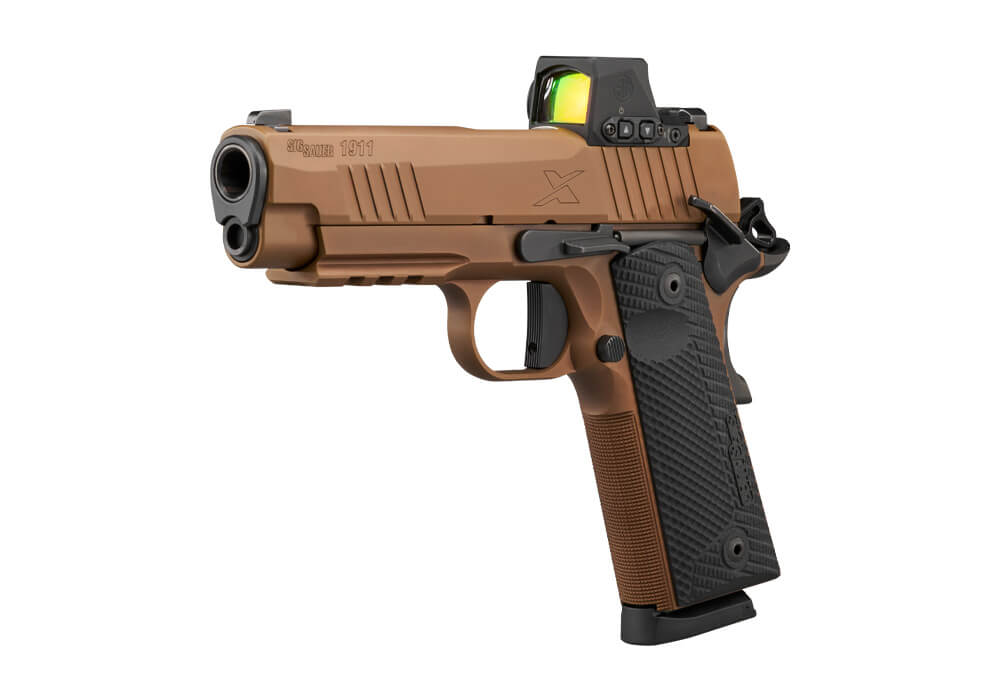
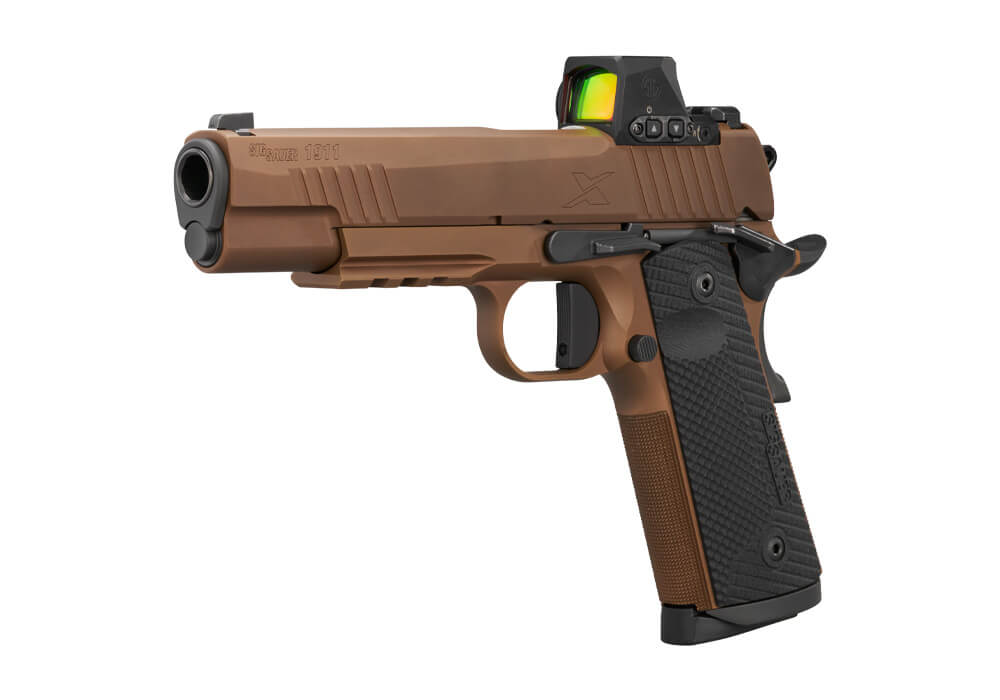
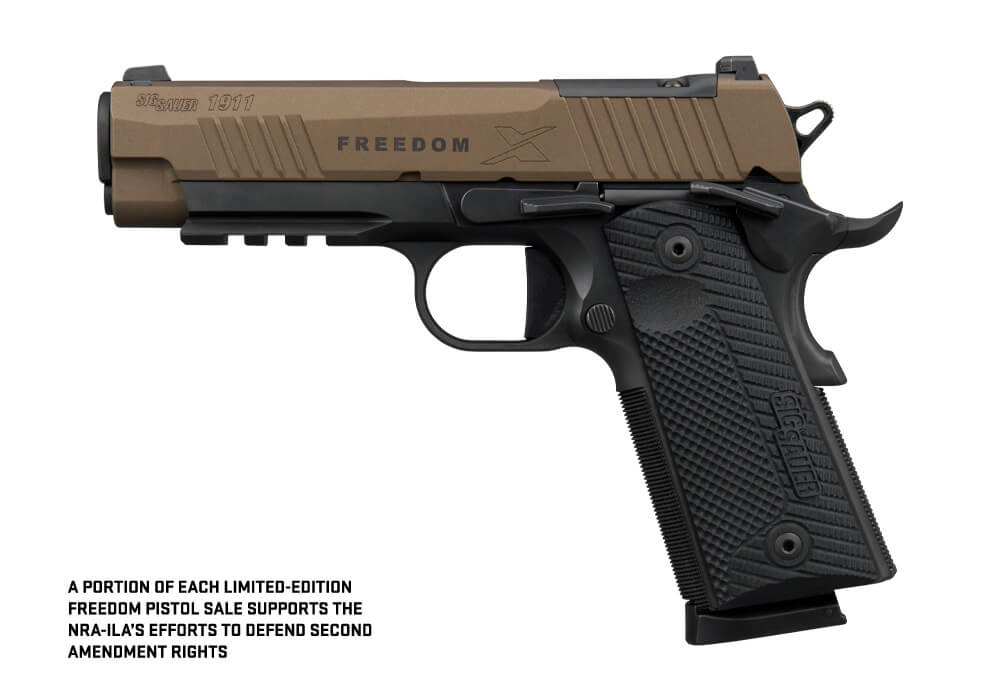
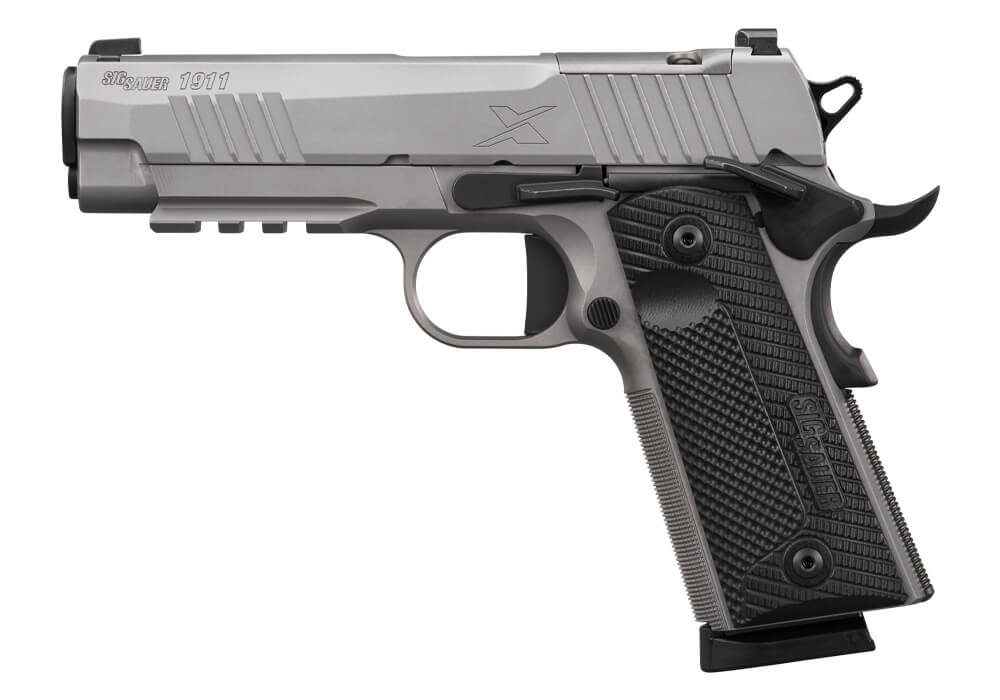
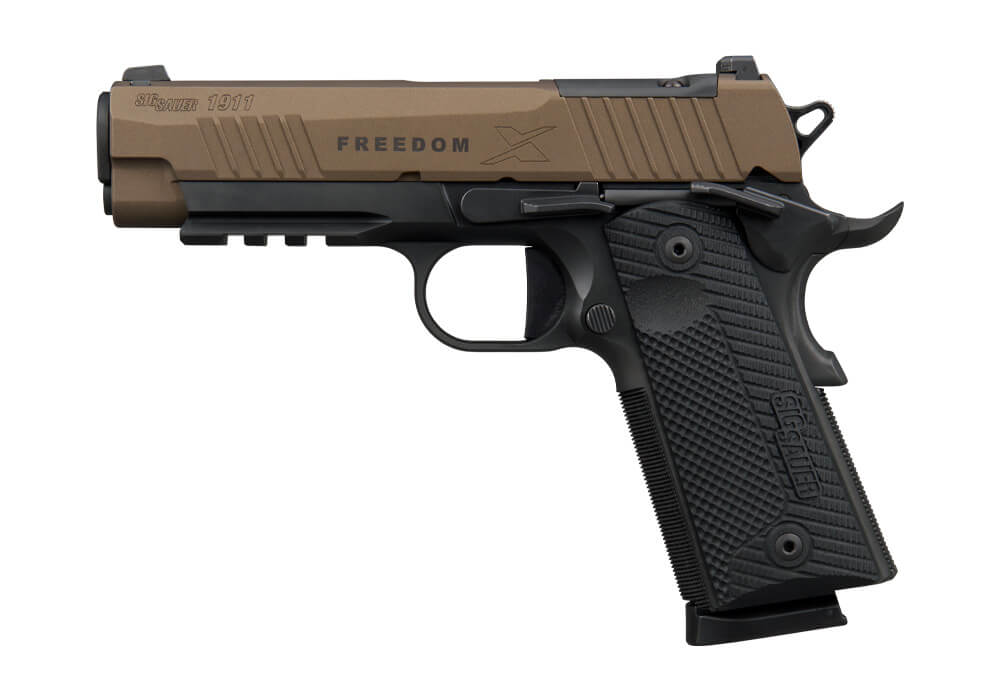
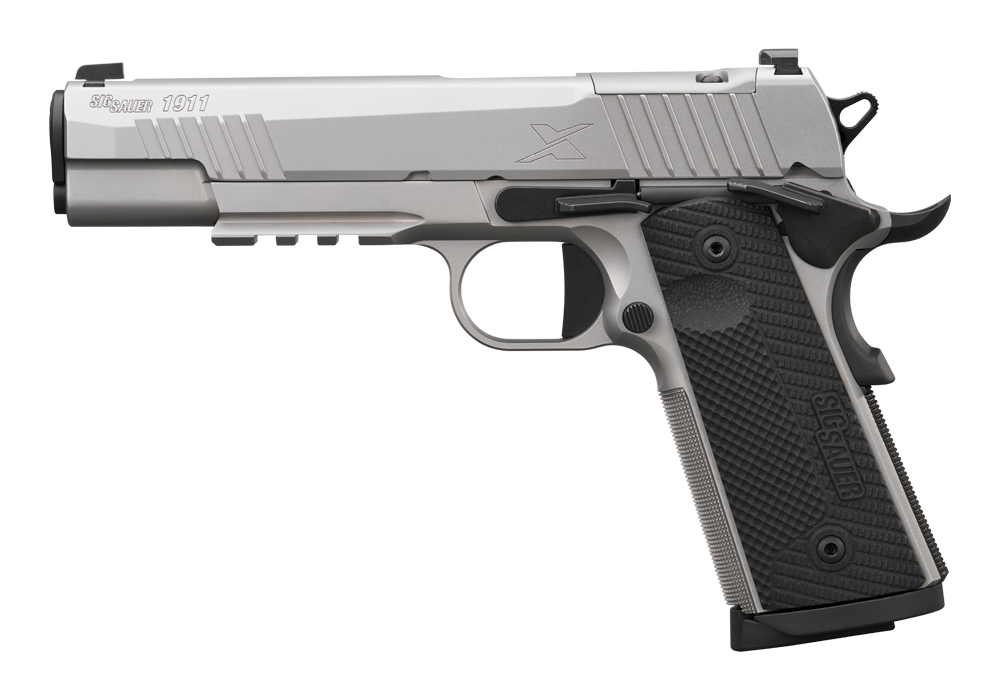
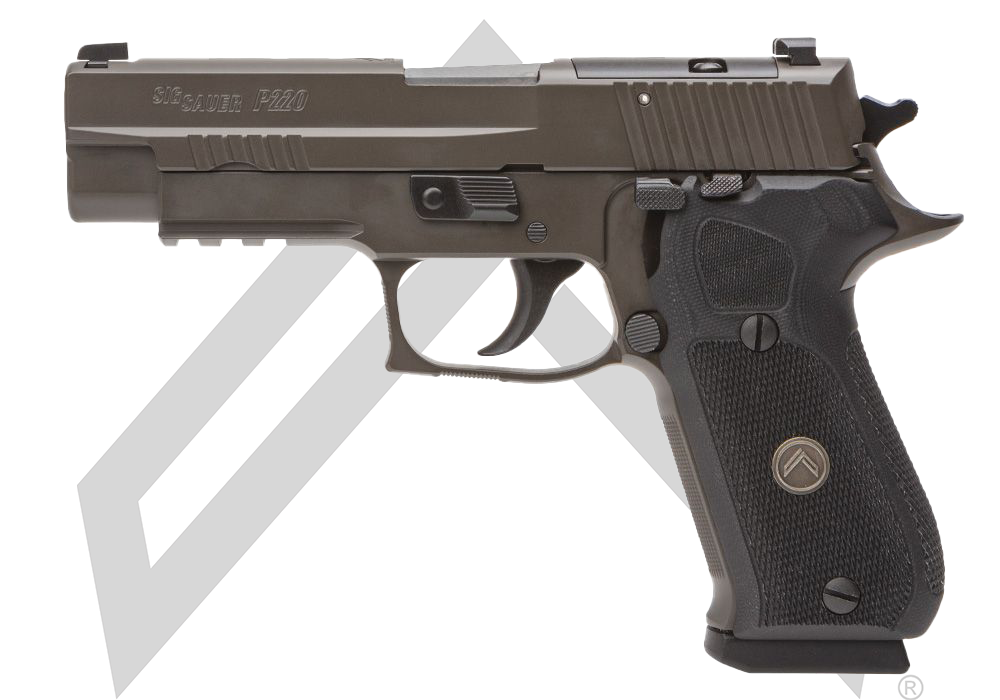
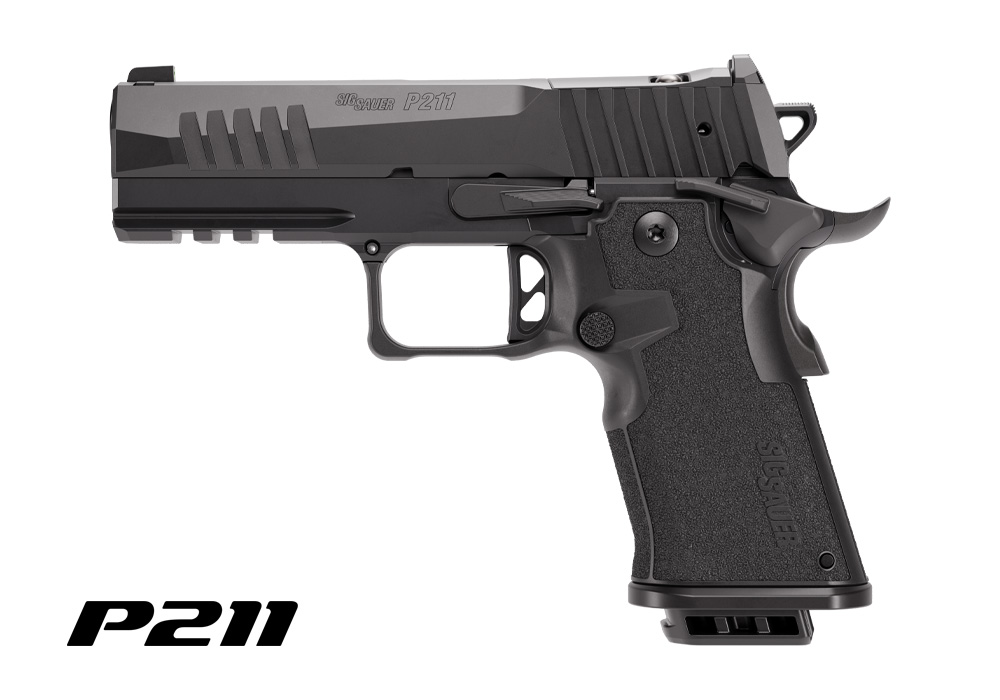
Concealed carry .45 ACP pistols appeal to responsible carriers who want a compact handgun chambered for a full-size defensive cartridge. The .45 ACP has a long history of service use and remains popular for its substantial bullet diameter, manageable operating pressure, and broad selection of defensive ammunition. In a concealed-carry format, the goal is to balance that cartridge with a pistol that is comfortable to carry, practical to operate, and easy to keep under control. Compact and subcompact .45 ACP pistols commonly feature barrels in the neighborhood of three to four inches, shortened grips, slim slides, and lightweight frames that reduce printing beneath a cover garment. A single-stack or slim-profile design may feel especially natural for carriers with smaller hands, while a slightly wider double-stack grip can provide additional ammunition and a fuller purchase. Short-grip officer-style and compact 1911-inspired pistols offer another path, pairing a familiar manual of arms with a reduced overall footprint. Polymer frames generally keep weight down and resist the everyday wear associated with a holster, while metal frames can provide a steady, planted feel during recoil. The best choice depends on how the pistol fits the hand, how securely it can be controlled, and whether its dimensions work with the carrier’s clothing and routine. A firearm that disappears beneath a light overshirt during warmer weather may require a different holster or wardrobe adjustment during cooler months, when layered clothing can make access more complicated. Reviewing the broader selection of 45 ACP Semi Automatic Pistols can help shoppers compare compact carry profiles with larger formats intended for range use, home protection, or a more substantial daily setup.
Selecting a concealed carry .45 ACP pistol involves more than comparing barrel length or listed weight. Grip circumference, trigger reach, slide serrations, sight design, controls, and the location of the magazine release all influence how confidently the pistol can be handled. A short grip may conceal well beneath a T-shirt or jacket, but a grip that leaves the little finger unsupported can make practice sessions less comfortable. A longer grip may offer better control and a faster presentation, yet it can be more noticeable beneath clothing. Recoil is also shaped by the pistol’s weight, grip texture, spring system, and ammunition selection. The lightest option on the display shelf is not automatically the easiest to carry or shoot well. A careful buyer should handle an unloaded pistol where permitted, check whether the trigger can be reached without shifting the hand, and confirm that the sights are visible and aligned naturally. Capacity should be considered alongside grip size, spare magazine availability, and the carrier’s ability to perform a reload under stress; standard and extended capacity magazines can serve different needs, but a longer magazine may change how the pistol conceals. Carry method matters just as much. Inside-the-waistband carry is widely used for its balance of concealment and access, while appendix, strong-side, pocket, shoulder, and outside-the-waistband arrangements each place different demands on clothing, holster design, and body shape. A rigid holster designed for the specific pistol should fully protect the trigger guard, hold the firearm securely, and remain stable during ordinary movement such as climbing stairs, getting into a vehicle, or bending to pick up a child. Comfort is not a minor detail: a pistol that is left at home because it rubs, shifts, or feels awkward cannot serve its intended role.
These firearms are best suited to lawful adults who are prepared to take ownership of safe handling, secure storage, training, and ongoing practice. Before purchasing or carrying, shoppers should confirm all federal, state, and local requirements, including eligibility, permits or licenses where applicable, transport rules, magazine restrictions, and location-based carry limitations. Professional instruction is valuable for both new and experienced owners, particularly when learning safe loading and unloading, drawing from concealment, malfunction procedures, and decision-making under pressure. Practice should begin with an unloaded firearm and proceed at a properly supervised range using approved equipment. The .45 ACP cartridge can produce noticeable recoil and muzzle blast, so hearing and eye protection are essential, and new shooters may benefit from starting with slow, deliberate drills before working toward greater speed. Ammunition should be selected according to the pistol manufacturer’s specifications, and reliability should be confirmed with the chosen defensive load through responsible range testing. Routine inspection, cleaning, lubrication, and replacement of worn magazines or springs help support dependable operation. Secure storage is equally important: a locked handgun safe, lockbox, or other appropriate device can prevent unauthorized access while keeping the pistol available to an authorized user when needed. A concealed carry .45 ACP pistol may be a meaningful gift for a spouse, parent, or adult family member who has already expressed a serious interest in lawful ownership, but it should never be presented as a surprise without confirming eligibility, preferences, and applicable transfer requirements. Thoughtful selection pairs the firearm with professional training, a properly fitted holster, secure storage, suitable eye and ear protection, and enough practice ammunition to build safe, consistent habits. During the cooler months, when coats and layered garments become part of everyday clothing, carriers should practice drawing with the exact outer layers they expect to wear and ensure that a covering garment cannot snag the firearm or interfere with access. With realistic preparation and disciplined handling, the right compact .45 ACP pistol can become a practical part of a responsible concealed-carry routine.