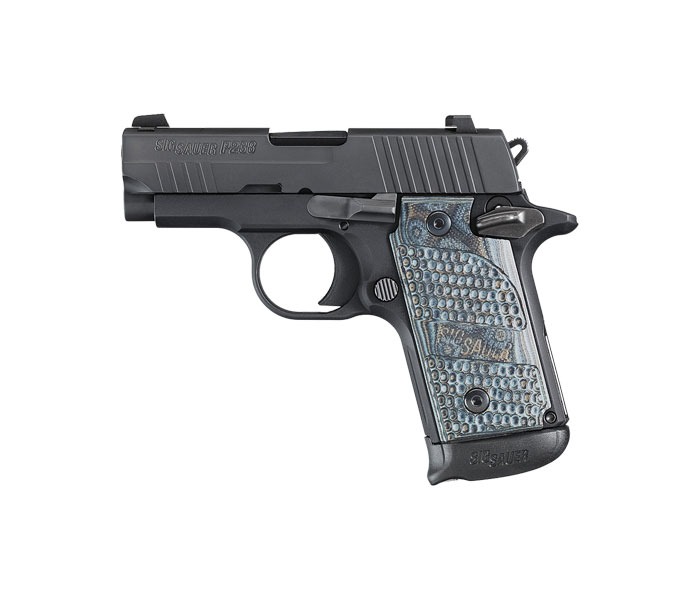
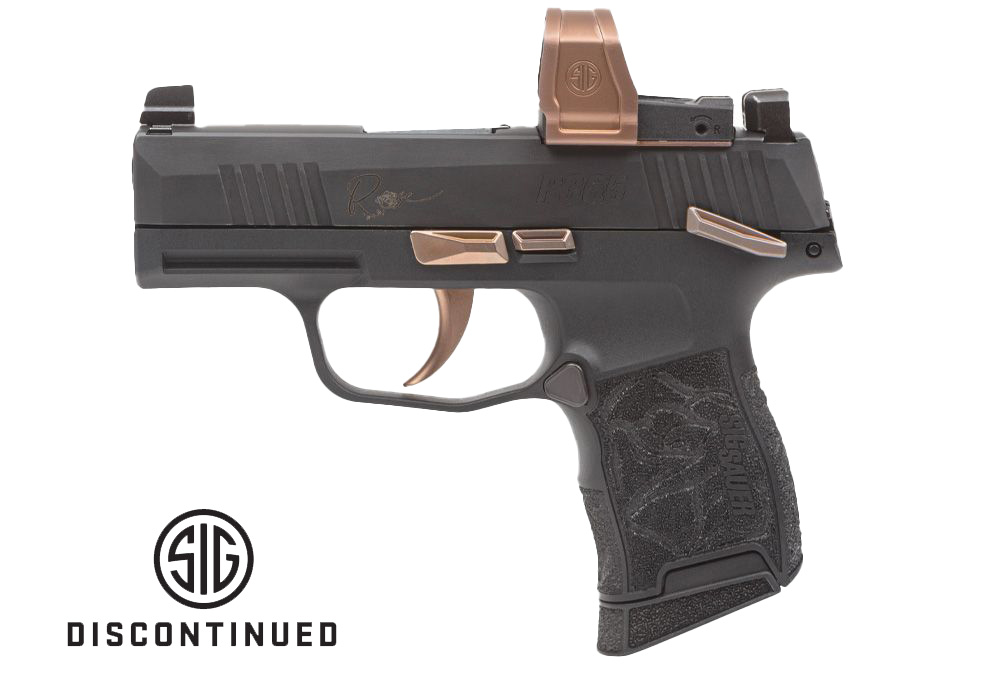
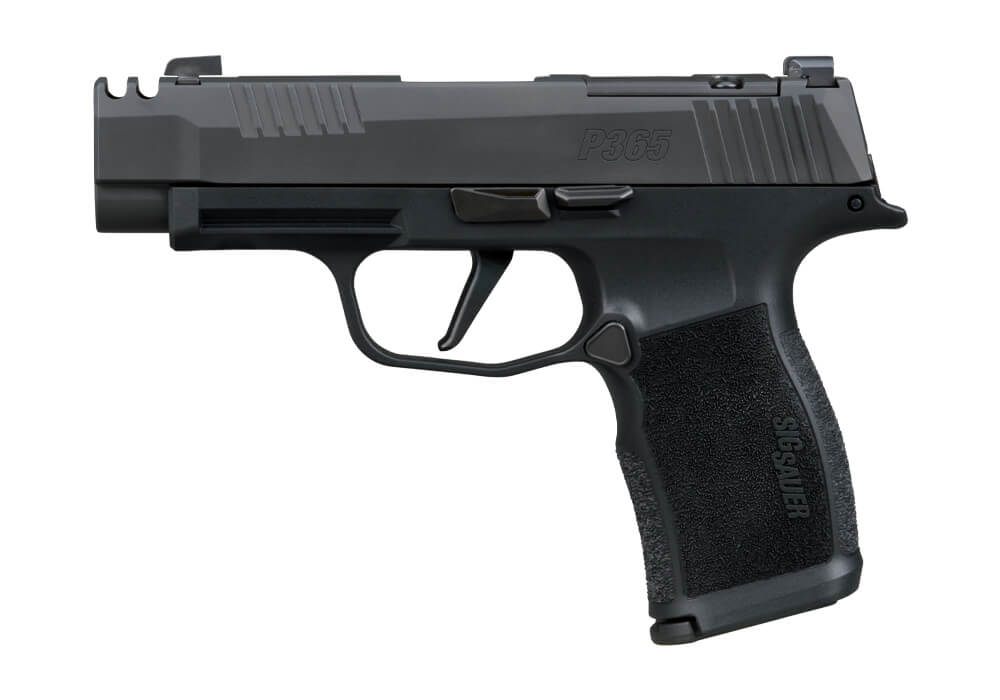
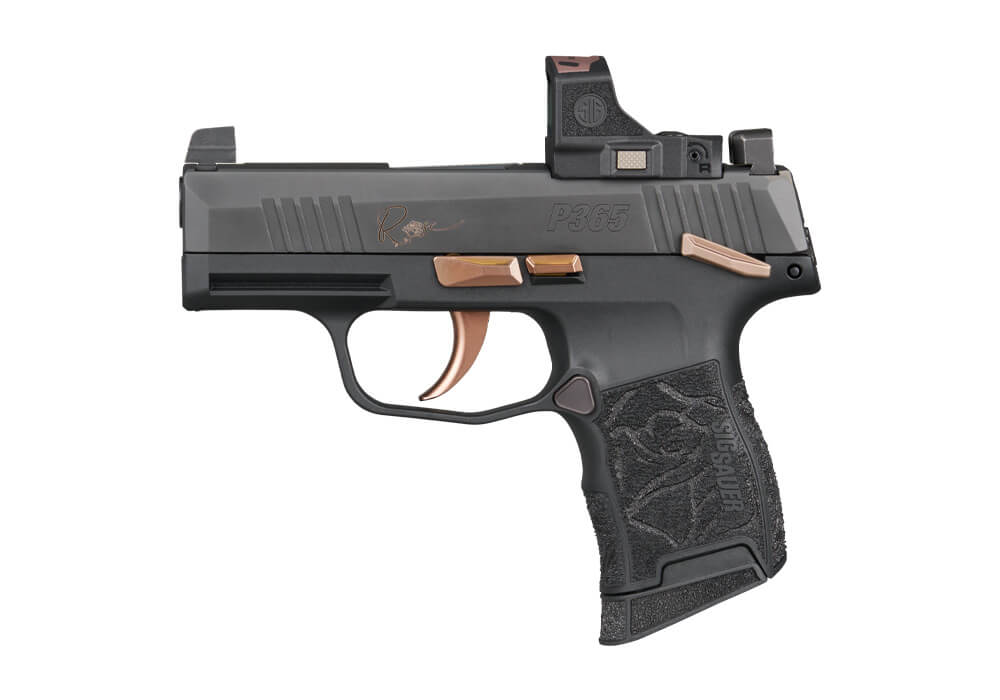
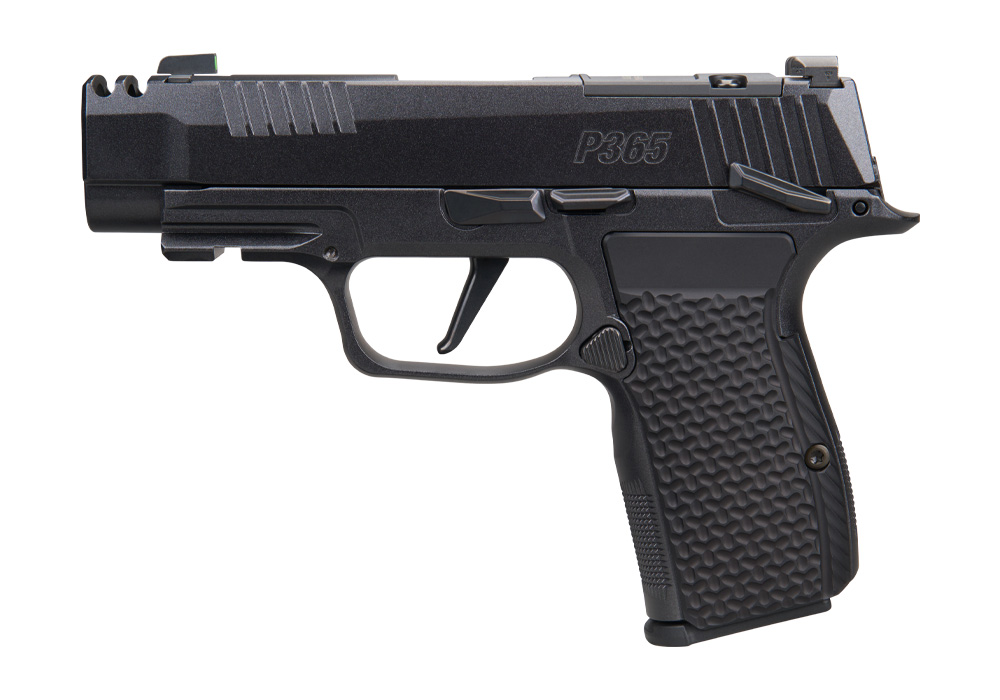
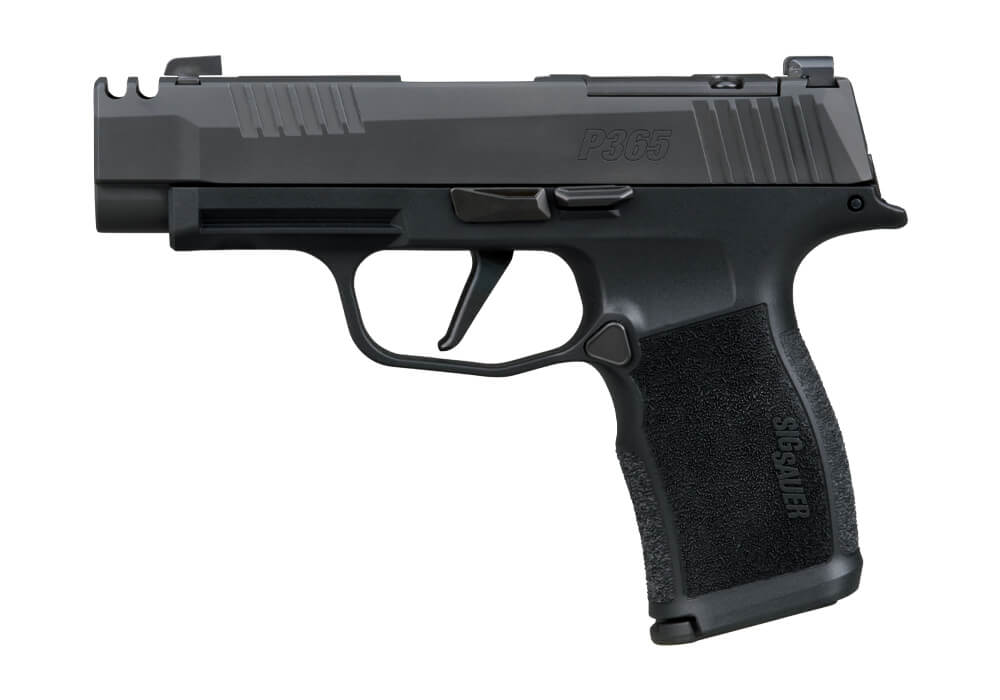
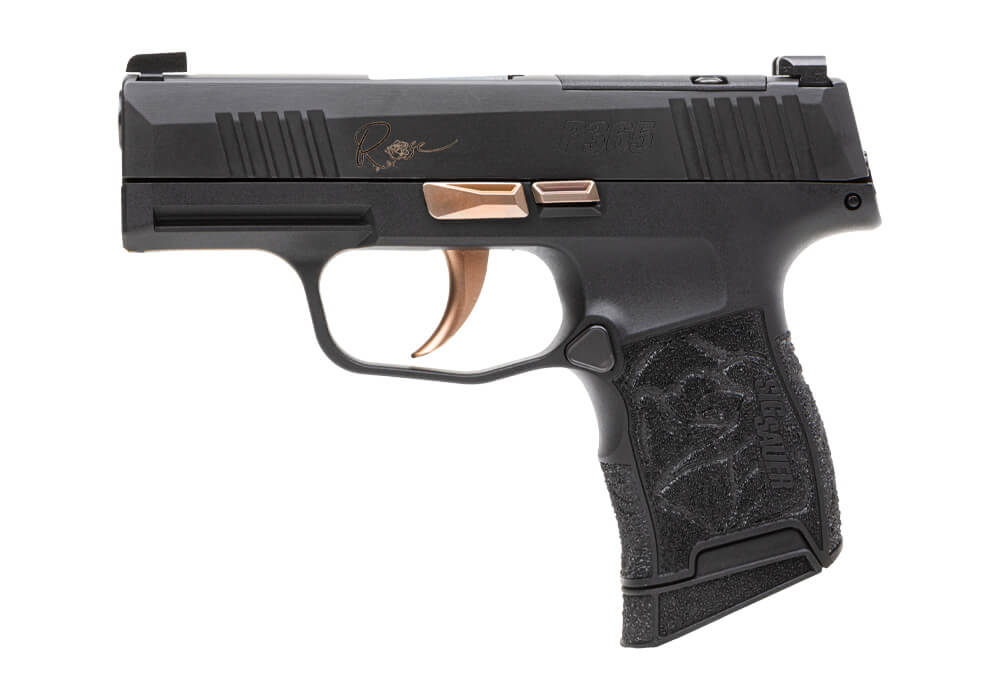
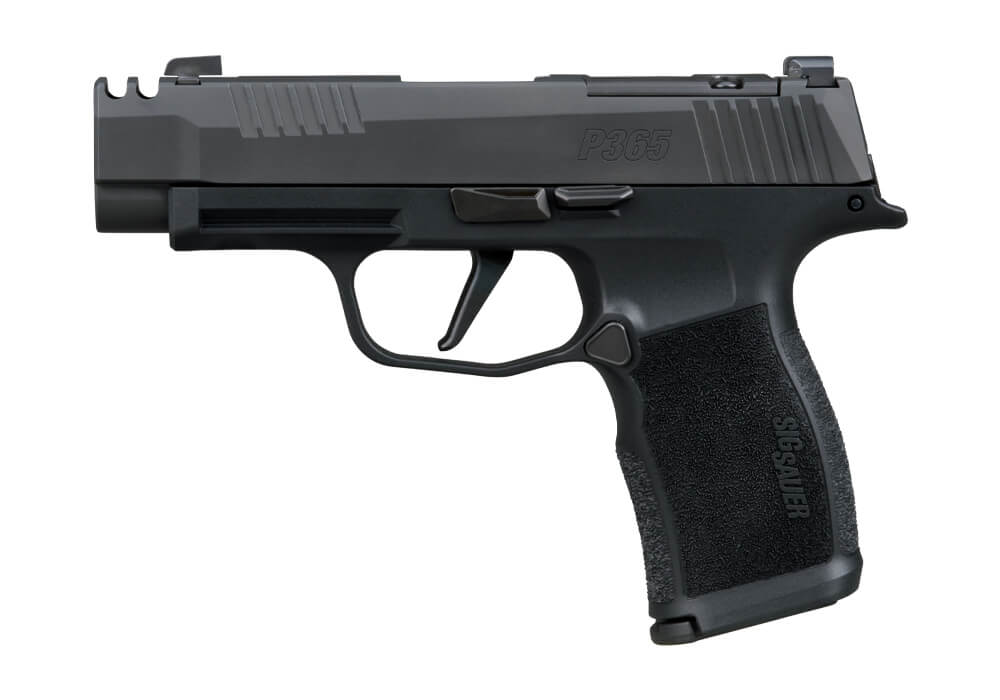
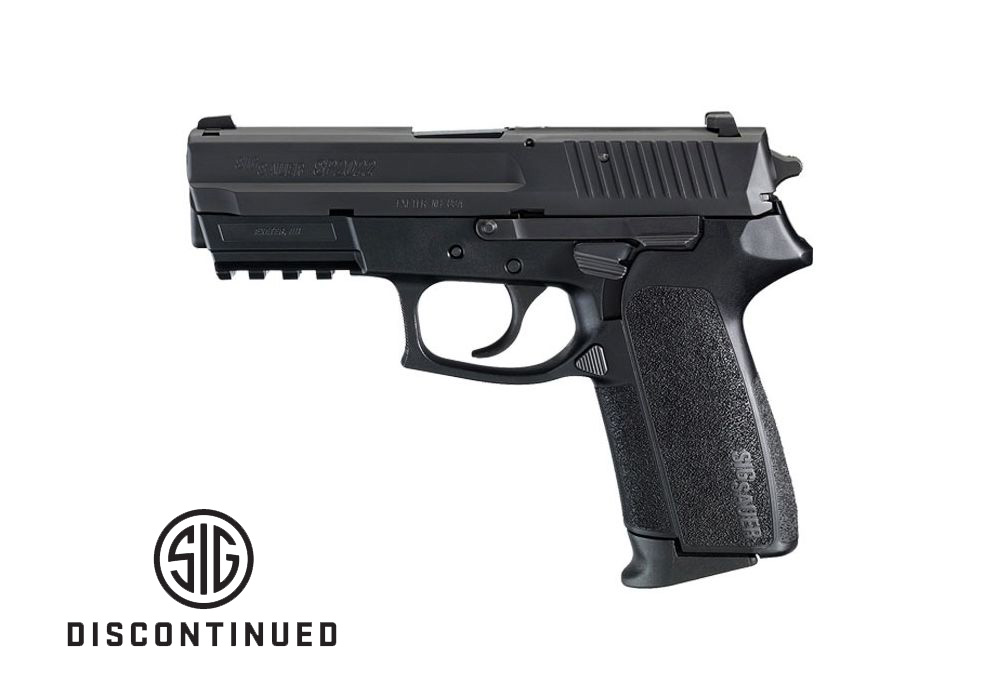
.380 caliber concealed carry pistols are compact handguns chambered for .380 ACP, a cartridge commonly associated with slim profiles, modest overall weight, and everyday carry. Their appeal lies in a practical balance: dimensions that work with a suitable concealment holster, controls that remain accessible within a small frame, and handling characteristics that suit the individual shooter. Within this category, size alone does not tell the whole story. A particularly light pistol can feel sharper in recoil than a slightly larger handgun using the same cartridge, while a longer grip may provide more support without adding much width. Barrel length, frame construction, operating system, and loaded weight all influence how a pistol feels in the hand and during supervised range practice. For someone who spends much of the day seated, overall length and the shape of the grip can matter as much as weight; for someone with smaller hands, trigger reach and grip circumference may be more noticeable. These are personal fit considerations rather than universal advantages of one configuration. The best-fitting option allows a secure grasp and access to the controls without awkward stretching or repeated repositioning. The .380 ACP designation also deserves attention: it identifies a particular cartridge, not a general family of interchangeable ammunition. Other cartridges with similar names or bullet diameters are not substitutes, and the chamber marking and owner’s manual establish the correct ammunition specification. As a product category, .380 ACP concealed carry handguns often interest adults seeking a compact personal-protection firearm where lawful, experienced owners who prefer smaller dimensions, and newer owners evaluating fit with help from a qualified instructor. A small pistol is not automatically an easier pistol to operate, however. Slide resistance, control placement, recoil feel, and the amount of grip surface all deserve consideration alongside the measurements on a specification sheet.
Materials and construction help distinguish how these pistols feel over time. Polymer frames can reduce overall weight, aluminum-alloy frames offer another balance of weight and rigidity, and steel components provide strength in areas subject to repeated mechanical stress. The exact combination varies by design, so material names are most useful when considered alongside dimensions, finish, and maintenance requirements. A metal frame may give a compact handgun a more substantial feel, while a textured polymer grip may offer useful traction without separate grip panels. Neither approach guarantees a better fit for every hand. Grip texture should provide purchase without becoming uncomfortable against the body or abrasive against clothing, and the edges around controls should feel finished rather than sharp. At a hands-on evaluation with a qualified retailer or instructor, differences that seem minor on paper often become clear: whether the little finger has support, whether the trigger is comfortably within reach, and whether the slide can be manipulated without excessive strain. Sights also influence usability. Their size, contrast, and visibility affect how readily the sight picture can be recognized, especially on a handgun with limited space between the front and rear sights. Trigger systems and manual controls vary across the category, making familiarity with the particular design essential. A familiar control layout can be valuable, but it does not replace instruction or practice. Magazine dimensions also affect grip length, and a longer magazine may change both hand support and the overall outline of the pistol. For shoppers comparing chamberings, Concealed Carry 45 ACP Pistols offers a related category to consider, with differences in firearm dimensions, weight, and recoil that depend on the individual design. Caliber is one part of that comparison, not a substitute for evaluating the complete handgun. Across either category, comfort and confidence are better grounded in correct fit, understood controls, and consistent practice than in assumptions based on cartridge size.
Everyday ownership also involves the relationship between the pistol, its holster, and a responsible care routine. A holster should be intended for the exact handgun configuration, fully cover the trigger guard, and retain the firearm securely. Compatibility extends beyond a general size description: changes in sights or other fitted components can affect whether a holster fits correctly. For lawful concealed carry, comfort while sitting, walking, and moving through ordinary daily activities matters, but comfort should never come at the expense of trigger protection or secure retention. Any fit assessment should follow the firearm and holster manufacturers’ safety instructions, with guidance from a qualified professional when needed. A carry pistol also encounters lint, skin oils, and perspiration, even when it spends little time at the range. Protective finishes help resist wear and corrosion, but no finish eliminates the need for inspection and care. Cleaning and lubrication should follow the owner’s manual, using suitable supplies and the specified amounts rather than assuming more lubricant offers more protection. Grip surfaces, sights, magazines, and accessible exterior areas benefit from routine attention, while unfamiliar wear, damaged parts, or changes in operation call for evaluation by a qualified gunsmith or the manufacturer. Ammunition should remain clean and in sound condition, and any compatibility restrictions in the manual should guide its use. Durable construction supports long-term ownership, but reliability also depends on appropriate maintenance and familiarity with the firearm. Regular practice at an authorized range gives owners a setting to understand handling and confirm that the pistol remains suitable for their needs. Secure storage is equally important whenever the firearm is not under an authorized adult’s control, particularly in homes with children or visitors. Storage arrangements should prevent unauthorized access and comply with applicable laws. For adults considering a .380 concealed carry pistol, the lasting value of the category is not simply its compact size. It is the opportunity to find a handgun whose dimensions, materials, controls, and care requirements fit a responsible ownership routine, supported by training, safe handling, and a clear understanding of local carry requirements.