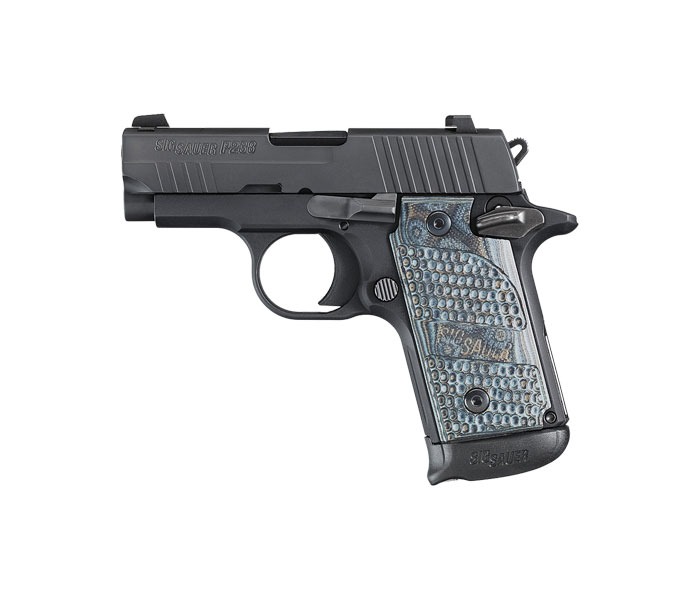
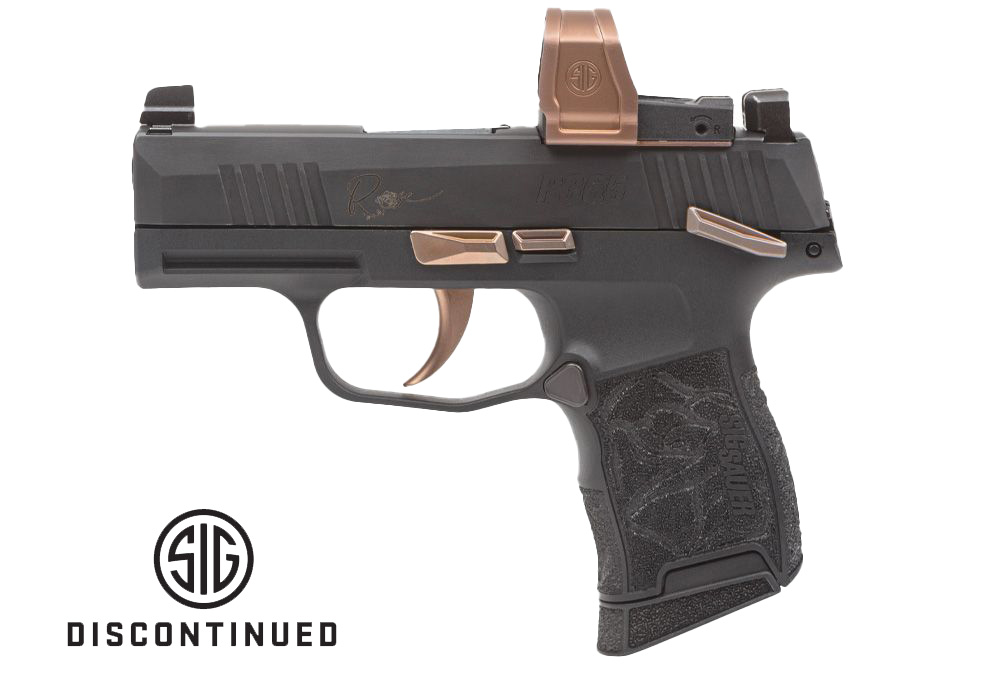
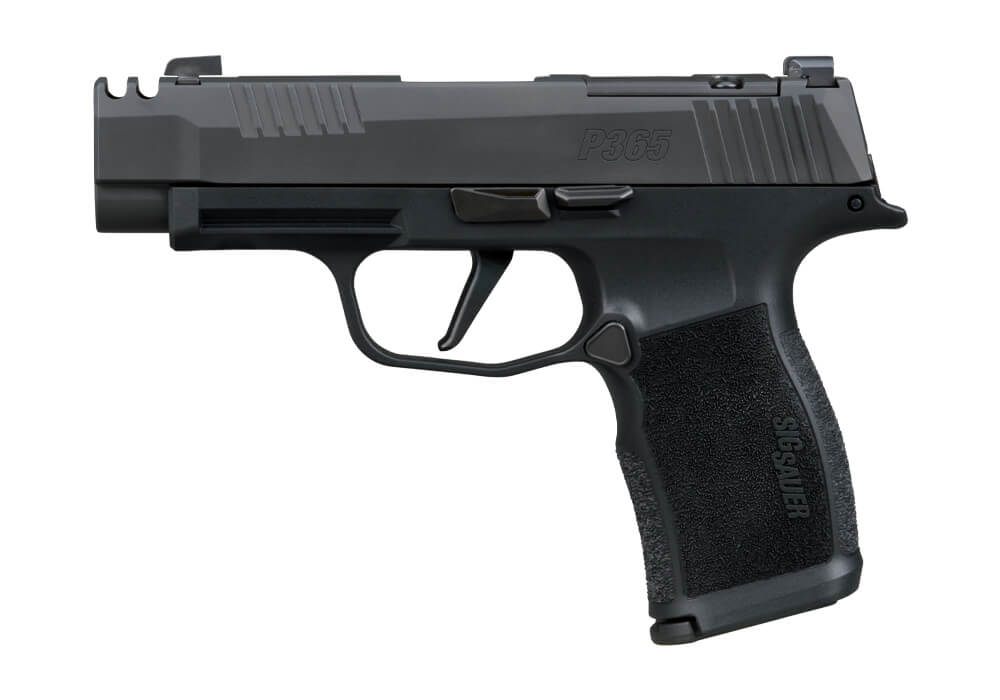
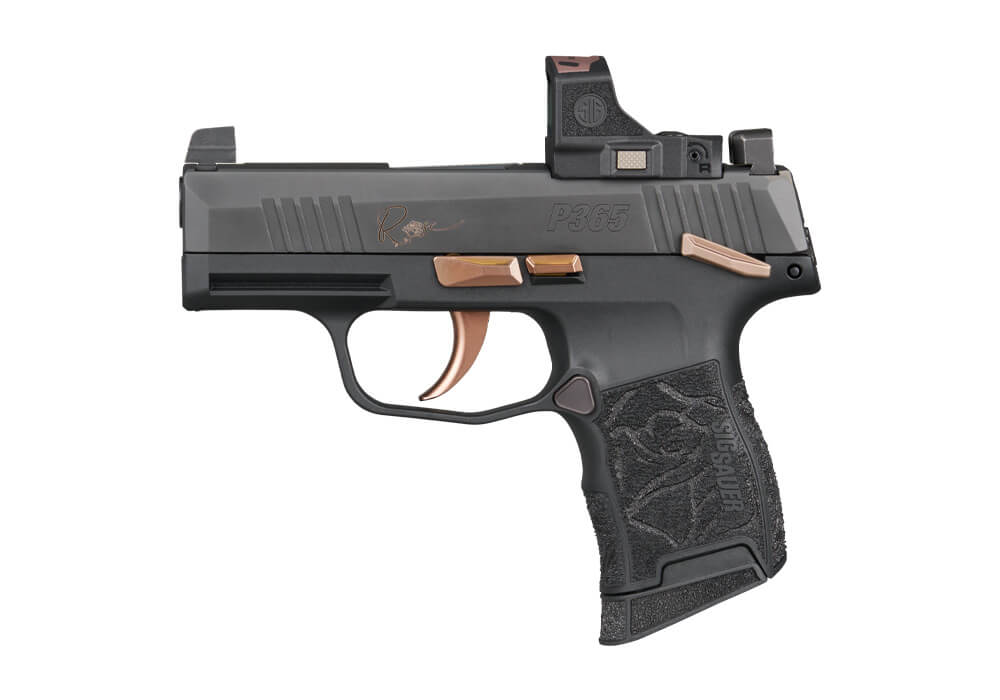
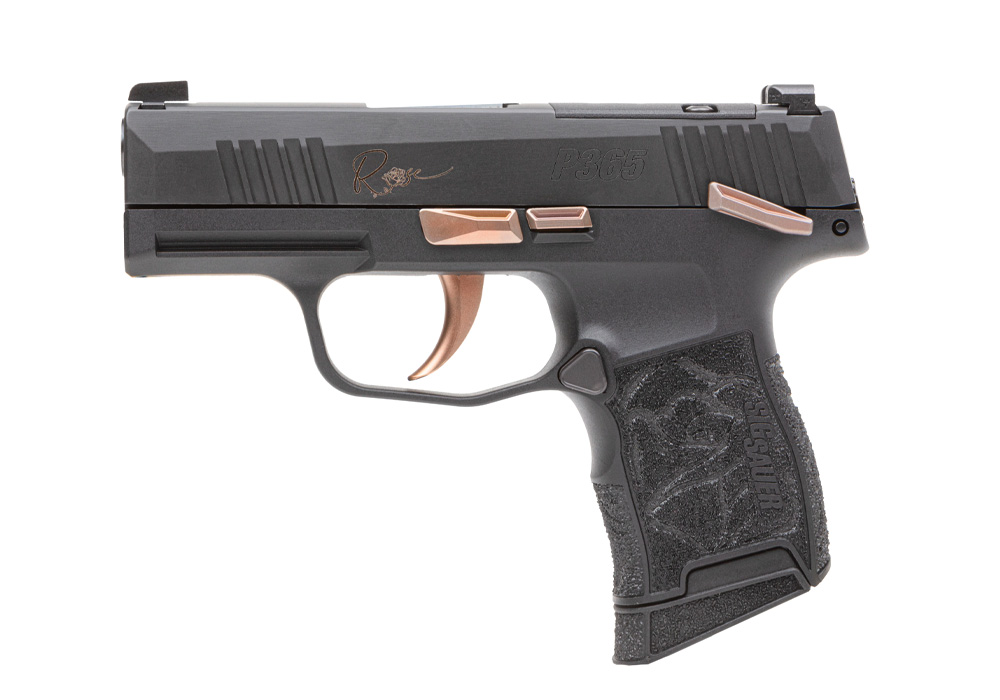
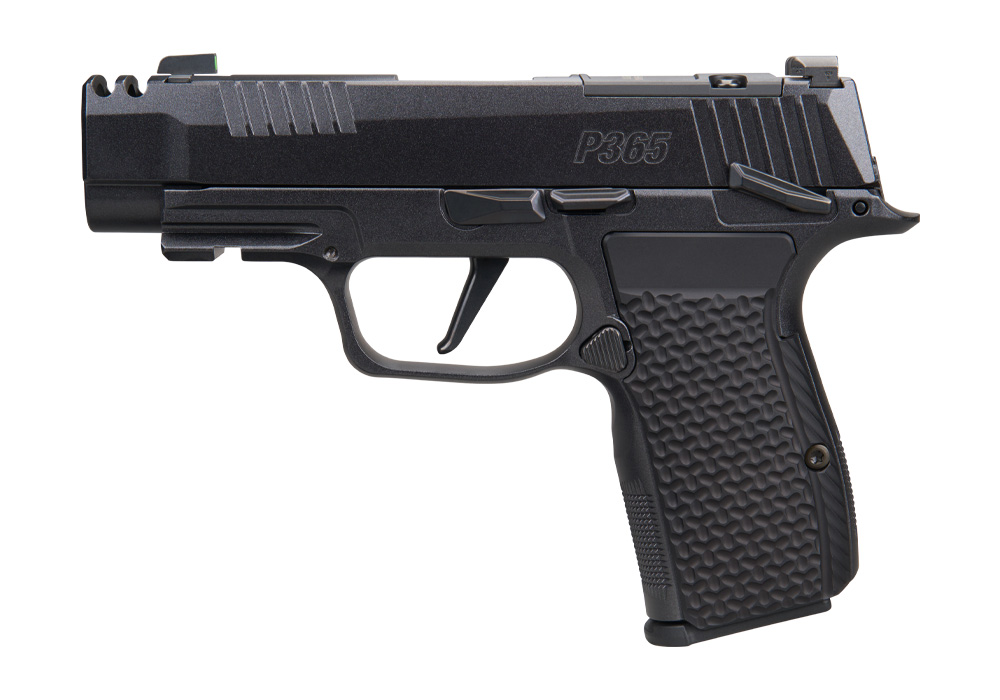
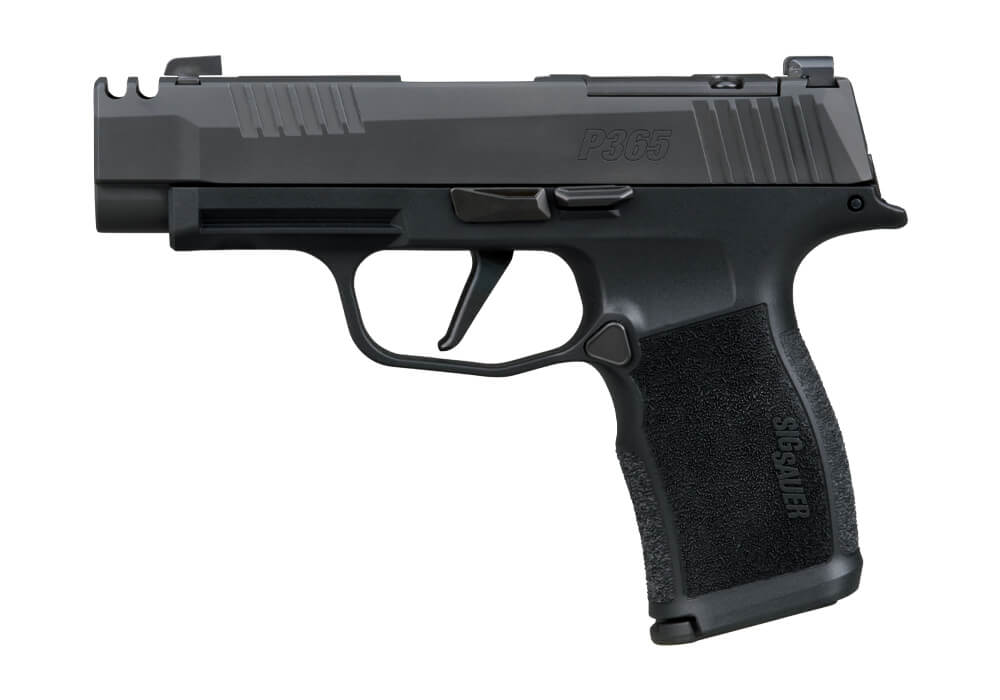
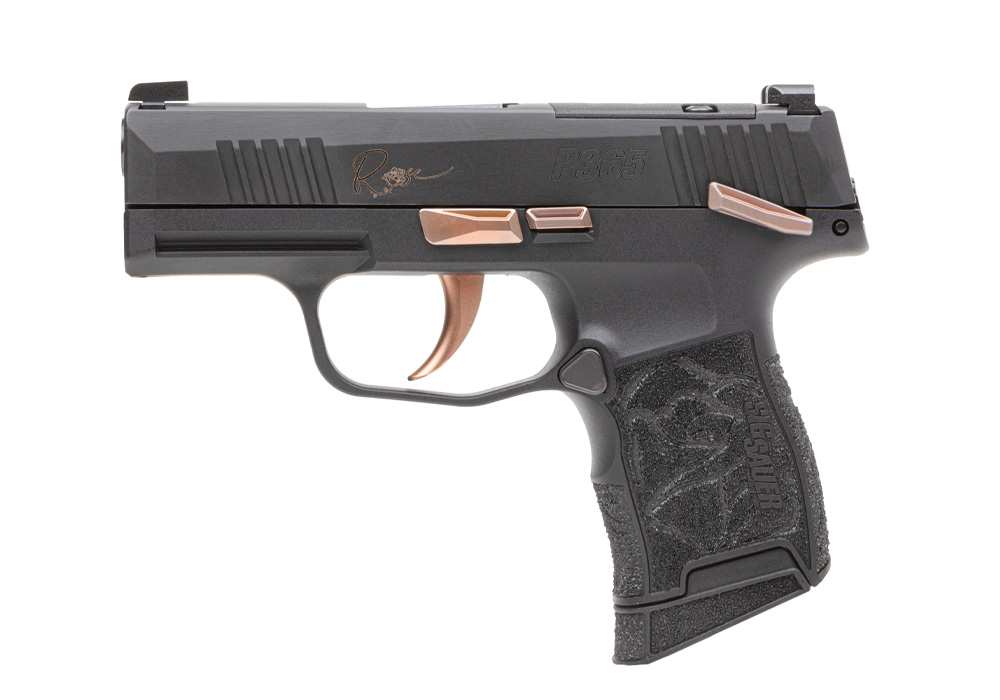
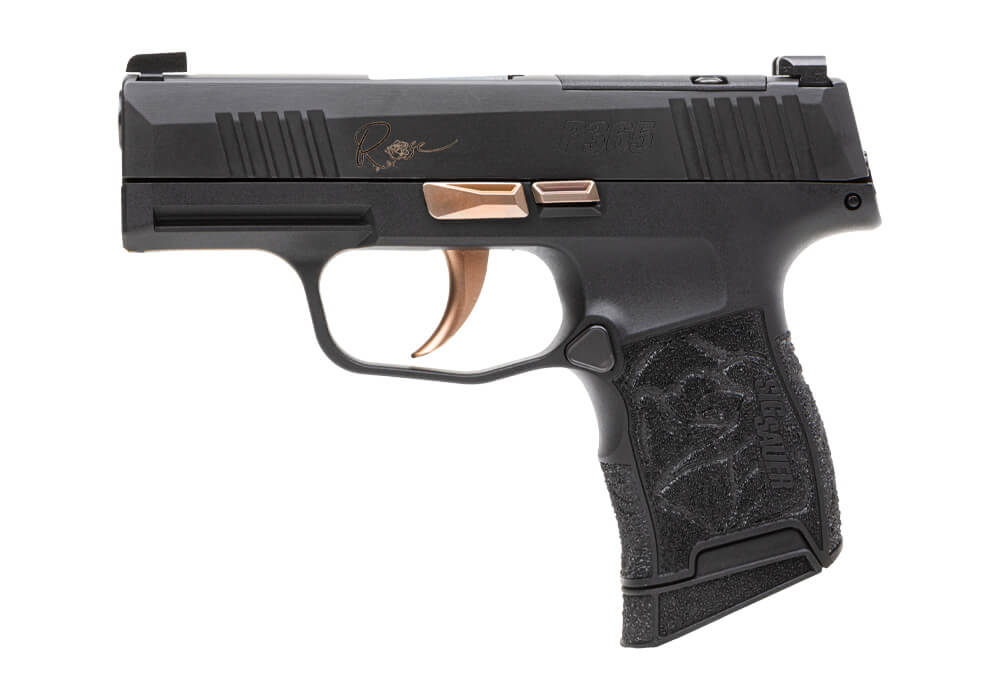
A .380 caliber self-defense pistol is typically a compact, semiautomatic handgun chambered for .380 ACP, a cartridge also known as .380 Auto. These pistols are often considered for lawful personal protection because many combine modest dimensions with a weight that is practical for everyday carry. The cartridge is shorter than 9mm Luger, and the two are not interchangeable, even though both names sometimes appear in conversations about compact handguns. Within the .380 category, size and handling vary considerably. Some pistols prioritize a very small footprint, while others provide a longer grip, a larger sight picture, and more surface area for the hands. Those differences matter more than a photograph can show. A short grip may be convenient to carry but leave less room for the little finger; a slightly larger frame may feel steadier and distribute pressure more comfortably. Recoil also deserves a realistic description. Although .380 ACP generally produces less recoil energy than more powerful handgun cartridges in comparable platforms, an especially light pistol can still feel brisk. Frame weight, grip shape, operating system, and ammunition all influence the experience. Smaller does not automatically mean easier to handle, particularly for someone with limited hand strength or little shooting experience. Trigger reach, access to the controls, and the effort required to operate the slide are meaningful considerations alongside overall dimensions. An unloaded fitting session under qualified supervision can help reveal whether a grip settles naturally into the hand or requires an awkward stretch. For an experienced owner, a .380 pistol may fill a different role from a larger handgun; for a newer owner, it deserves the same thoughtful evaluation as any other firearm. The strongest appeal of this category is not a promise that one size suits everyone, but the range of compact proportions and handling characteristics that can support an informed, individual choice. Familiarity, responsible ownership, and a comfortable fit remain more important than choosing the smallest possible option.
Materials and construction influence how a .380 pistol feels in the hand and how it holds up to regular use. Polymer frames can keep overall weight down, while aluminum-alloy and steel frames introduce different balances of weight, rigidity, and feel. Steel slides and barrels are common, but the protective finish, surface treatment, and quality of fit also deserve attention. Stainless steel resists corrosion rather than eliminating the need for care, and a coated surface still benefits from cleaning and inspection according to the manufacturer’s directions. Grip texture is another detail that becomes more meaningful through direct contact. A sharply textured surface may feel secure in the hand yet uncomfortable against the body during extended wear; a smoother surface may feel pleasant but provide less purchase. Rounded edges and thoughtful contours can improve comfort, though neither replaces a holster designed for the exact pistol configuration. A suitable holster should fully cover the trigger guard, retain the firearm securely, and remain compatible with any attached accessories. Everyday comfort includes ordinary moments such as sitting at a desk or riding in a vehicle, not simply the impression a pistol gives while standing at a counter. Within the broader category of 380 auto pistols for self defense, differences in frame proportions and control placement can be as important as a small difference in weight. Sight visibility matters, too: clear contrast, an uncluttered sight picture, and compatibility with the owner’s vision can make practice more approachable. The spacing and shape of controls should suit the person handling the pistol without encouraging an uncomfortable grip. Magazine dimensions can also change the way the grip fills the hand, so the complete configuration matters more than an isolated measurement. Durability is best understood as a combination of sound construction, appropriate care, and reliable function over time, rather than a finish description or material name alone.
A self-defense pistol is a long-term ownership responsibility, and its suitability extends beyond the initial fit. Regular practice provides opportunities to become familiar with the firearm’s controls and recognize changes in its condition or function. Qualified instruction can be especially valuable for a first-time owner, someone returning after a long absence, or an experienced shooter adapting to a smaller handgun. A compact frame may require more concentration to handle consistently than a larger pistol, so ease of carry should not be confused with ease of learning. Ammunition must match the chambering marked on the firearm and comply with the manufacturer’s recommendations; similar cartridge names are not a substitute for checking compatibility. Routine care should follow the owner’s manual, including its guidance on cleaning, lubrication, inspection, and service intervals. Lint, perspiration, and ordinary handling can affect a frequently carried firearm, even when it has not seen much range use. A finish that looks clean from the outside does not tell the whole story, and unusual wear or unreliable operation calls for evaluation by a qualified professional. Secure storage is equally central to ownership. A locking storage solution should prevent unauthorized access, especially by children, while meeting applicable legal requirements. Carry, transportation, storage, and transfer rules vary by jurisdiction and should be understood before a purchase or change in intended use. If a pistol is being considered as a gift, the recipient’s eligibility, preferences, and ability to handle it comfortably matter more than the element of surprise, and the transfer must follow applicable law. Ultimately, .380 caliber self-defense pistols appeal to people seeking a compact firearm without treating portability as the only consideration. The most suitable choice balances manageable dimensions, usable sights, accessible controls, dependable construction, and a realistic commitment to training and care. No caliber or feature set guarantees a particular outcome; thoughtful selection and responsible ownership give the category its practical value.