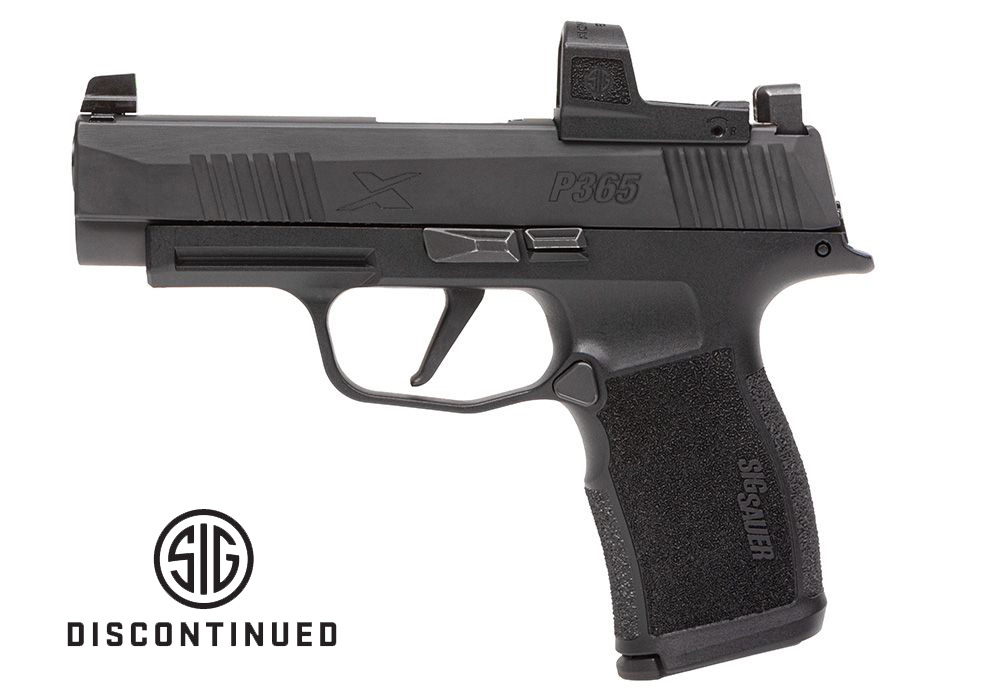
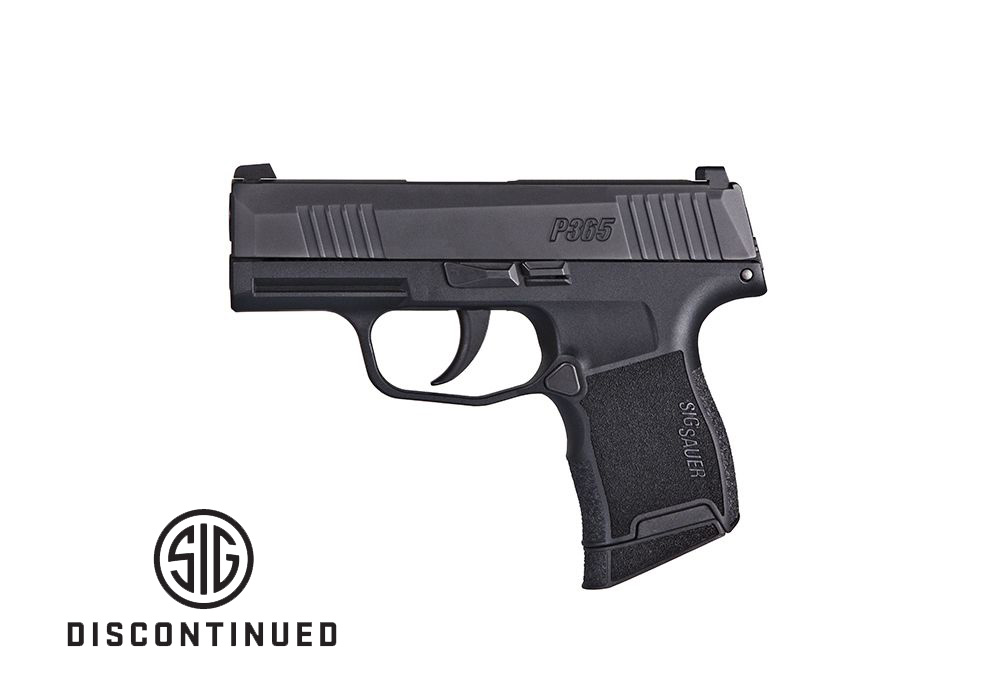
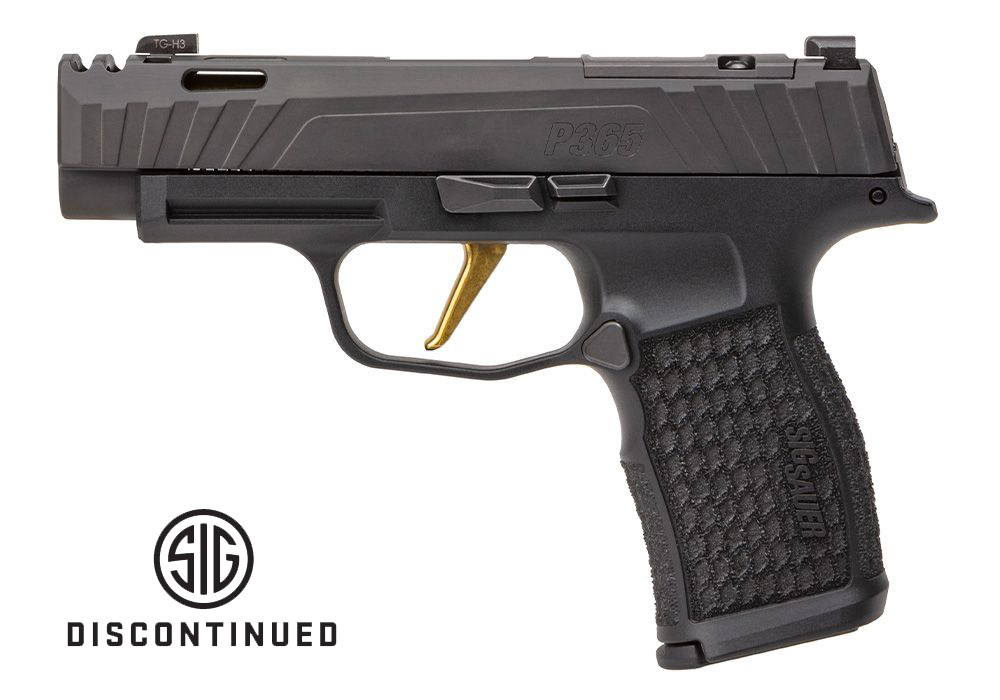
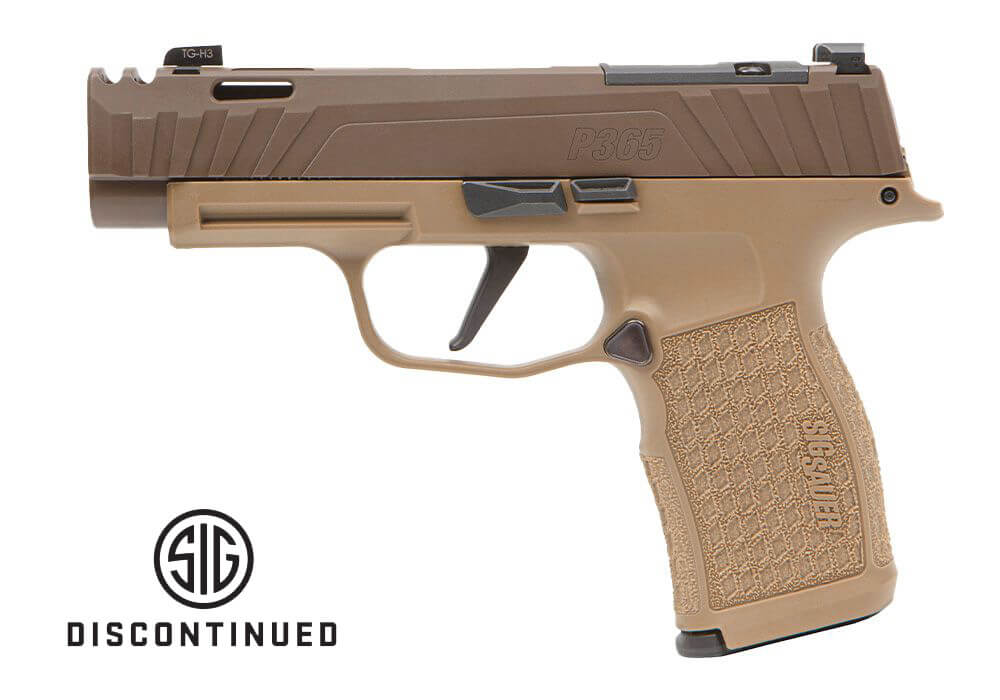
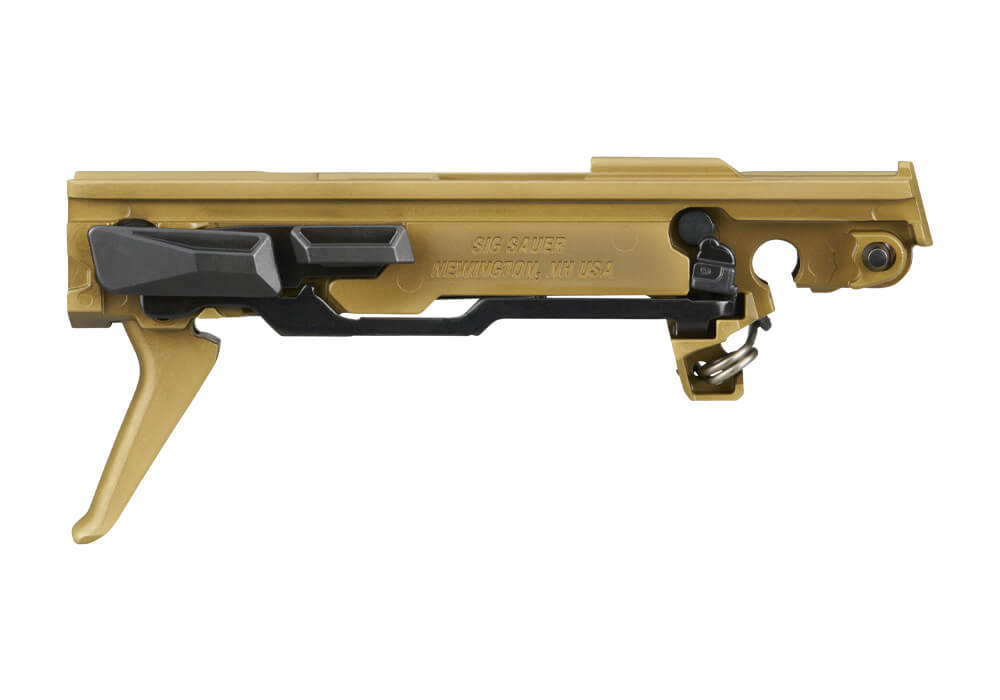
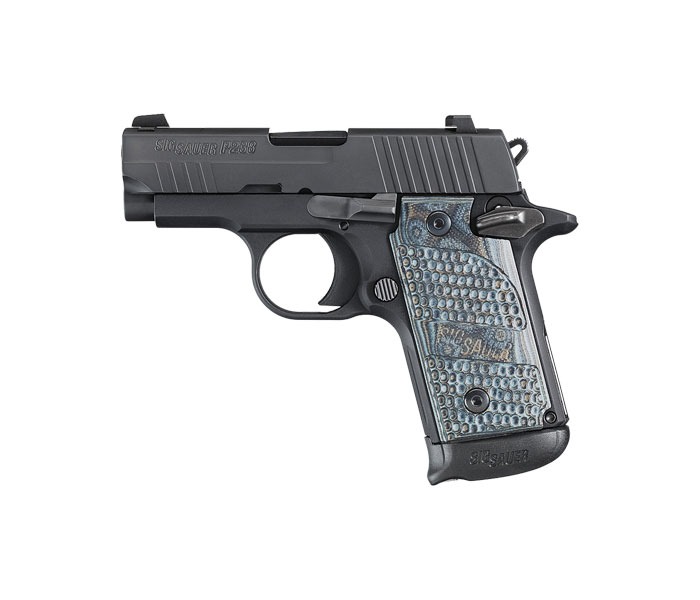
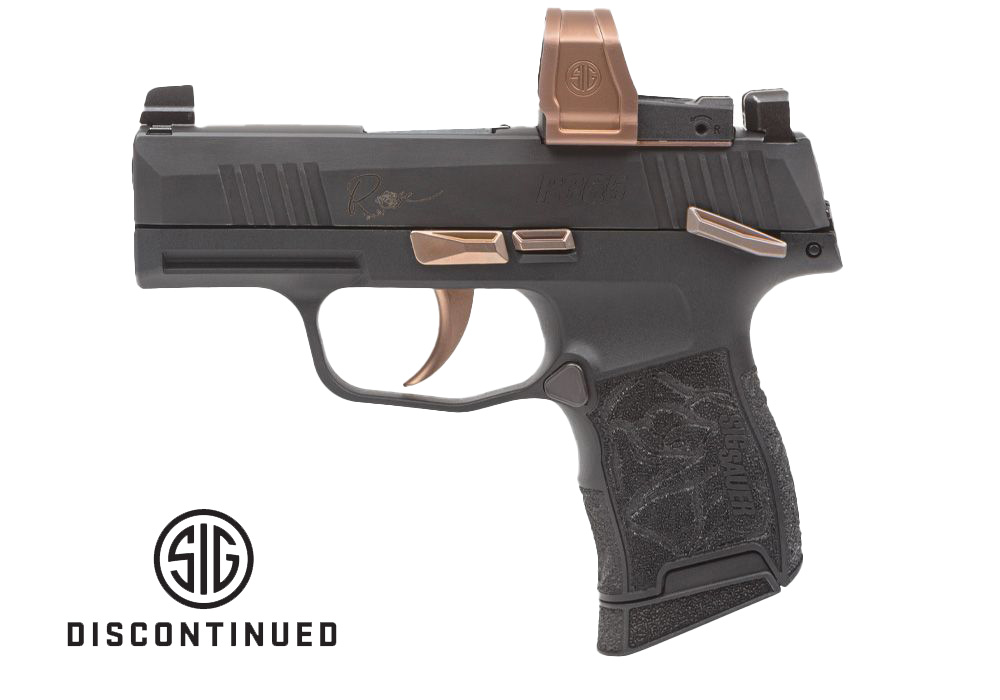
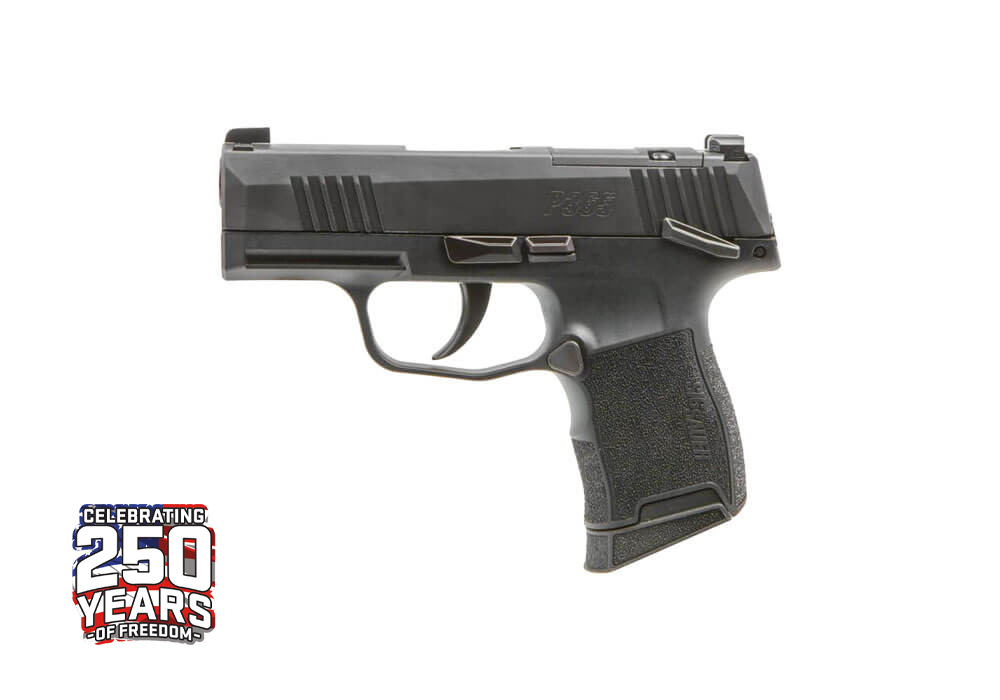
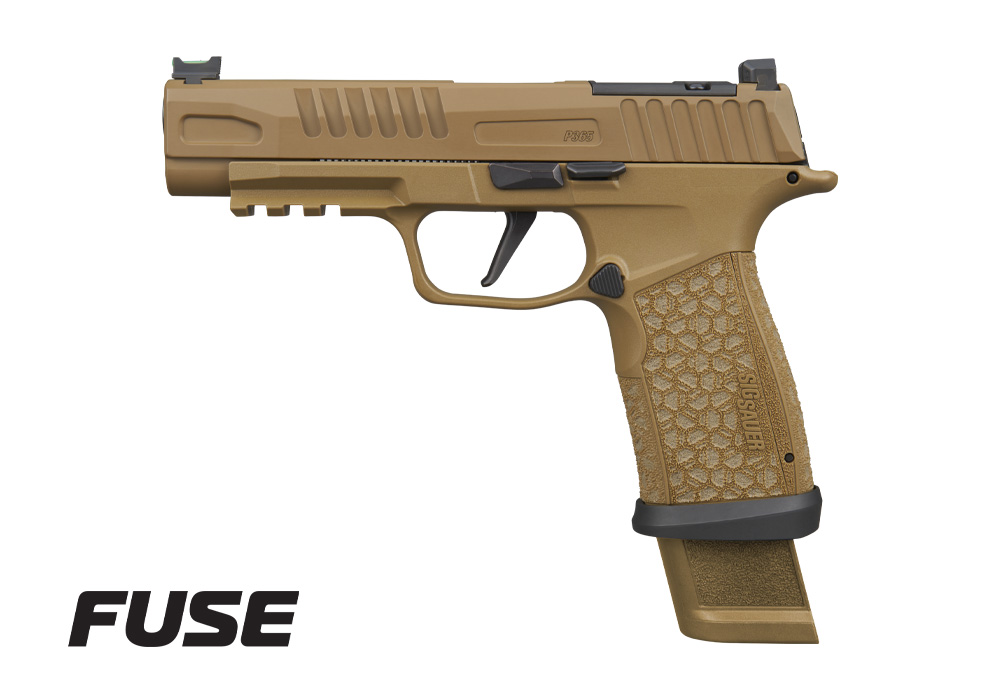
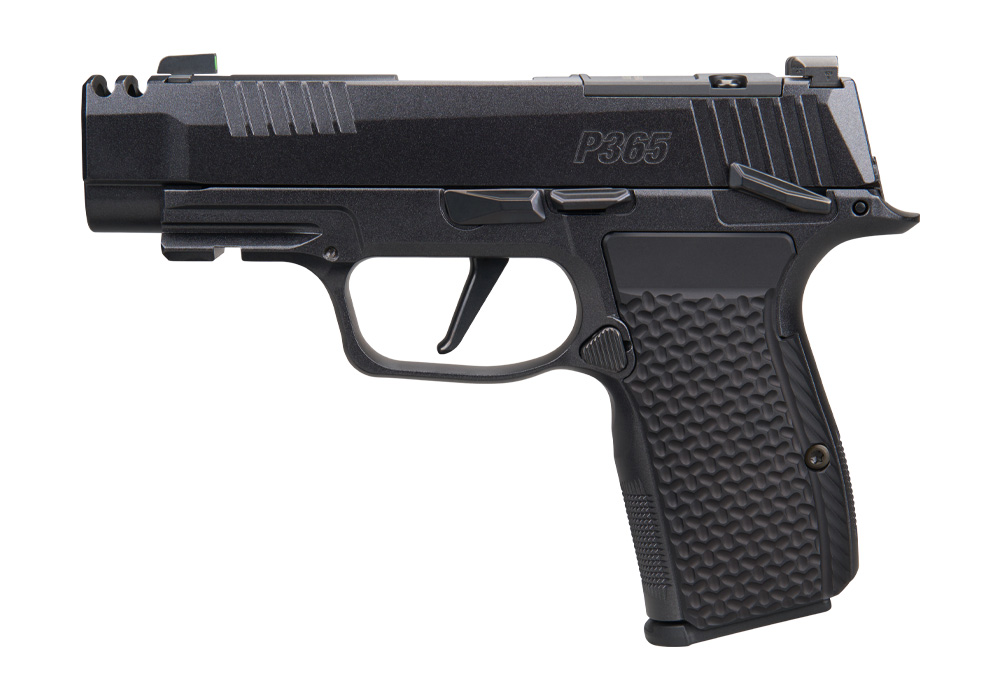
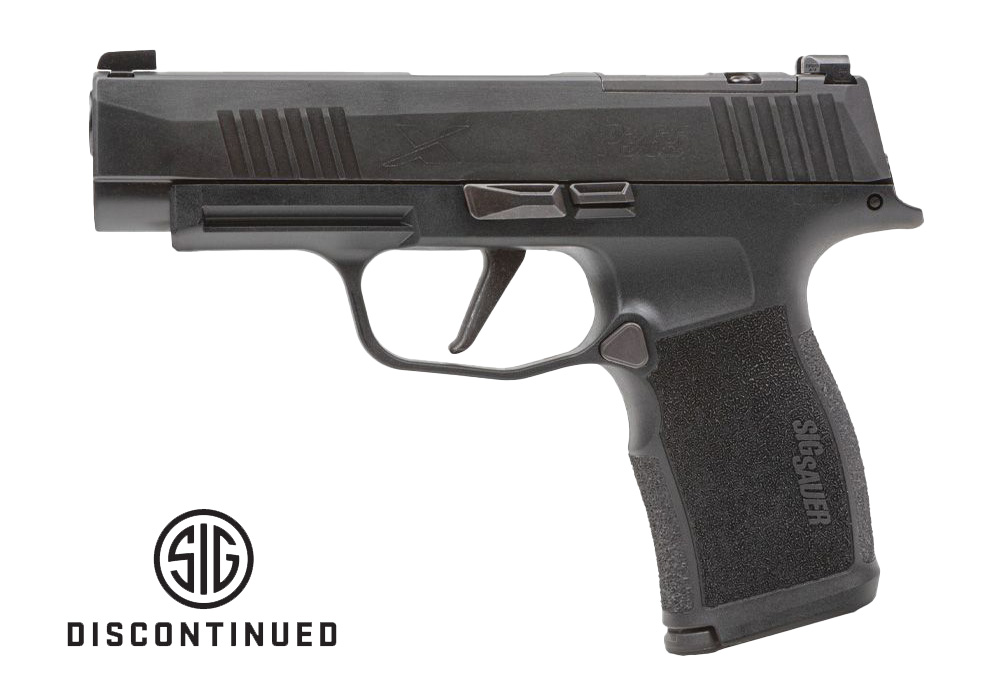
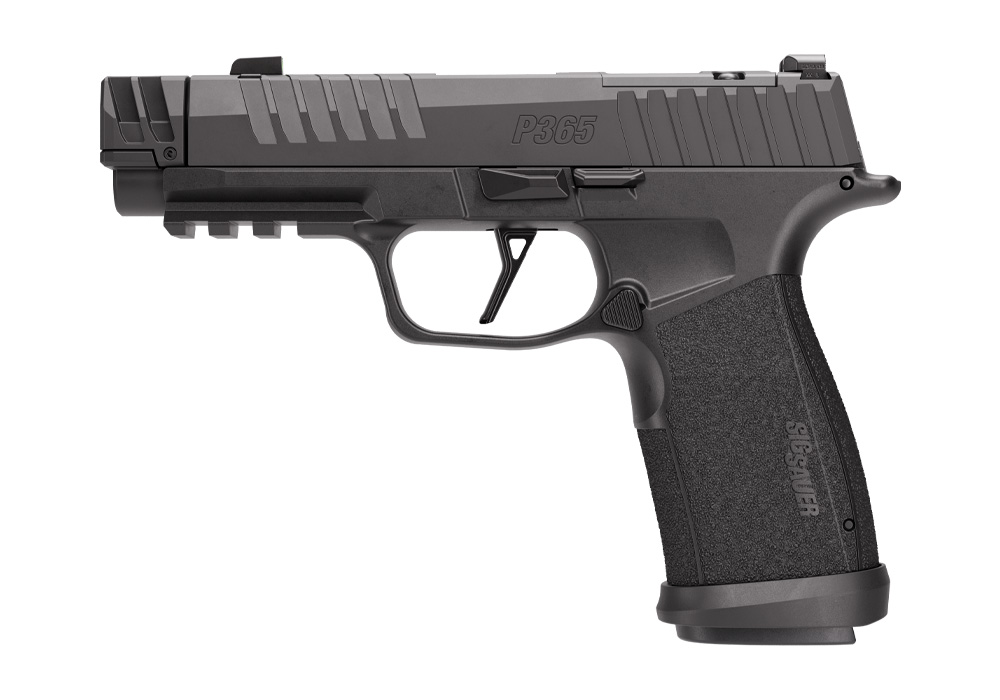
Micro compact concealed carry pistols are designed for people who value a discreet, lightweight sidearm without stepping down to an extremely small caliber. Many modern examples are chambered in 9mm and use a barrel measuring close to 3 inches, a slim frame, and a short grip that can disappear beneath an untucked shirt, light jacket, or other everyday cover garment. Depending on the model and magazine configuration, standard capacity commonly falls in the 10- to 13-round range, while extended capacity magazines can provide additional rounds along with a longer gripping surface. These dimensions make micro compact pistols a practical choice for concealed carry during the warmer seasons, when lighter clothing can make larger handguns more difficult to hide, and during cooler months, when they can ride comfortably beneath a sweatshirt, overshirt, or coat. Their compact footprint also makes them appealing for licensed carriers who spend long hours driving, walking, working at a desk, or moving through crowded public spaces. A well-fitted inside-the-waistband holster is the most common carry method, with placement selected according to body shape, clothing, draw comfort, and local regulations. Pocket carry may be appropriate for certain smaller pistols, but only when the firearm and a pocket-specific holster are designed for that purpose; the trigger guard must remain completely covered, and the pocket should never contain keys, coins, phones, or other objects alongside the firearm. No matter the carry position, the pistol should remain secured in a quality holster that fully protects the trigger, stays in place during movement, and allows a consistent draw. Buyers comparing micro compact concealed carry pistols should look beyond the size listed on the box. Grip texture, slide serrations, control placement, sight visibility, trigger reach, and the ease of inserting or removing a magazine all influence how naturally the pistol handles. A narrow frame may conceal exceptionally well, but a grip that is too short or too smooth can make the firearm harder to control. Features such as an optics-ready slide, accessory rail, interchangeable grip modules, or ambidextrous controls may also help a buyer tailor the pistol to personal preferences, provided those additions do not interfere with concealment or holster fit.
The small dimensions that make these pistols easy to carry also create important considerations at the range. A lightweight micro compact often produces a sharper, faster-moving recoil impulse than a heavier compact or full-size handgun, and the abbreviated grip leaves less room for the support hand. That does not make the platform unsuitable for new shooters, but it does make a proper fit and deliberate practice especially important. When comparing options, a shooter should be able to reach the trigger without shifting the firing hand, operate the magazine release without breaking a secure grip, and establish a full, repeatable hold. A few minutes of dry practice with an unloaded firearm, following the manufacturer’s instructions and all applicable safety rules, can help build a consistent draw stroke and grip before live fire begins. At the range, begin with slow, carefully aimed shots at a manageable distance, then gradually work on follow-up shots, reloads, and drawing from the chosen concealment garment under qualified supervision. Recoil control, sight tracking, and reliable trigger operation matter more than a specification alone. Ammunition selection should follow the manufacturer’s recommendations, and any defensive ammunition should be tested for reliable feeding and comfortable control in the specific pistol before it is carried. Optics-ready models can accommodate a compact red dot sight, which may help some shooters maintain a clear aiming reference, but an optic adds height, weight, cost, and another piece of equipment that requires training. Traditional iron sights remain a straightforward and dependable choice for many carriers. The best setup is the one that can be carried securely, drawn safely, handled confidently, and practiced with consistently. As one relatable example, a person who carries during a commute may favor a slim pistol with a flush magazine and minimal printing under a tucked-in overshirt, then keep an extended magazine available for practice or as a spare. Someone who spends more time outdoors or wears layered clothing may prefer the improved hand position of an extended grip and the added control of a slightly larger configuration. These are personal decisions, and comfort often determines whether a carry plan is followed consistently rather than left at home.
Micro compact concealed carry pistols can serve first-time licensed carriers, experienced shooters seeking a lighter everyday option, and responsible family members selecting a legally transferred firearm as a gift for an eligible adult. A gift should never be a surprise that bypasses the recipient’s preferences, training, or legal requirements; the recipient should be able to choose a suitable size, caliber, controls, and carry system, and all transfers must comply with federal, state, and local law. Before purchasing, review permit requirements, storage rules, transportation restrictions, magazine regulations, and any limitations on where firearms may be carried. Safe storage is equally important. A lockbox or quick-access safe can help keep the pistol secured from unauthorized users while still supporting a practical home routine, and ammunition should be stored according to the owner’s safety plan. Regular inspection, cleaning, and lubrication should follow the manufacturer’s instructions, with particular attention to the condition of the holster, magazines, sights, and any optic. Buyers who want refined materials, upgraded finishes, specialized controls, or a more tailored presentation may also explore Luxury Micro Compact Pistols while keeping concealment and reliability at the center of the decision. Ultimately, a micro compact pistol is not defined only by its short barrel or slim outline. It is part of a complete system that includes the firearm, holster, ammunition, training, storage, and the habits of the person carrying it. Taking time to handle several configurations, confirm the fit of the grip, practice with the intended clothing, and seek instruction from a qualified professional can make the transition from choosing a pistol to carrying it responsibly far more comfortable.