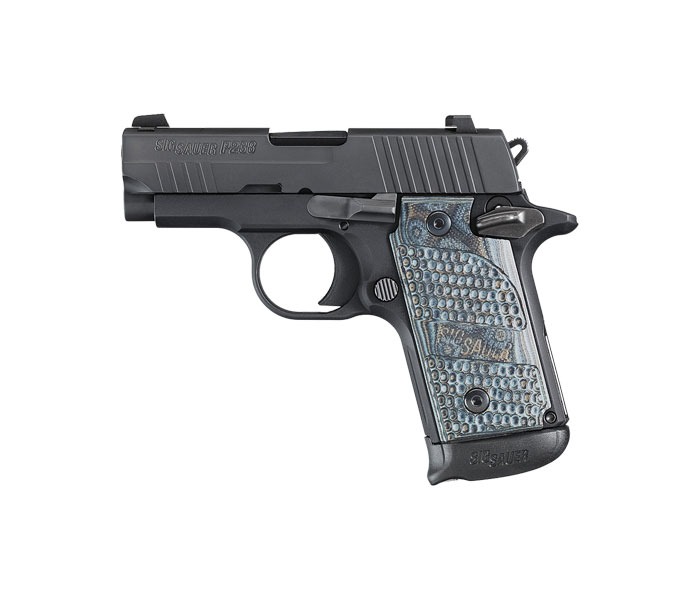
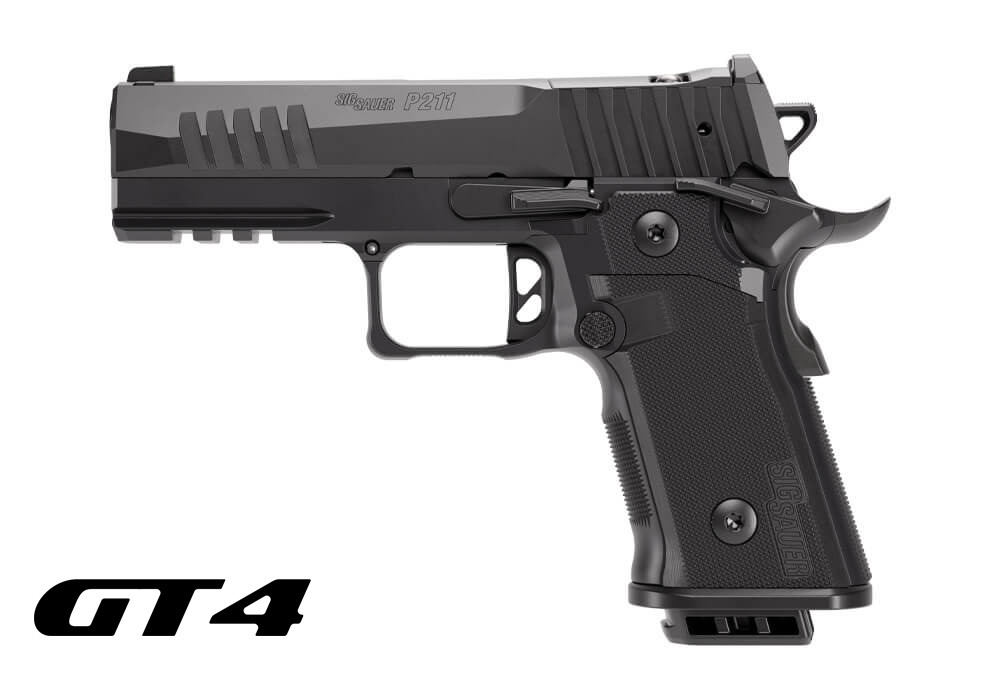
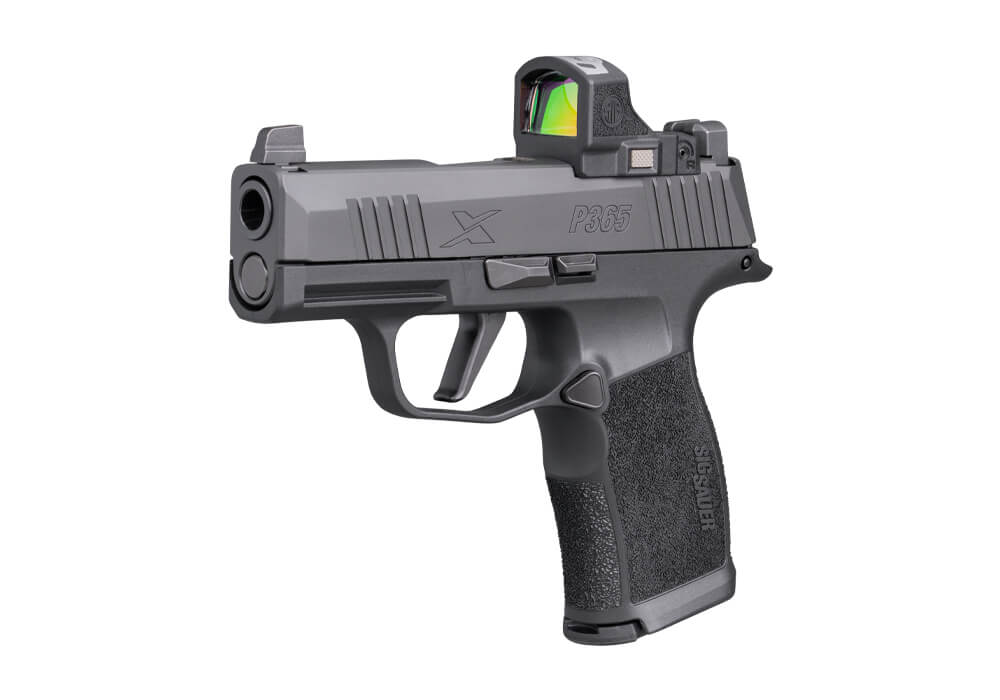
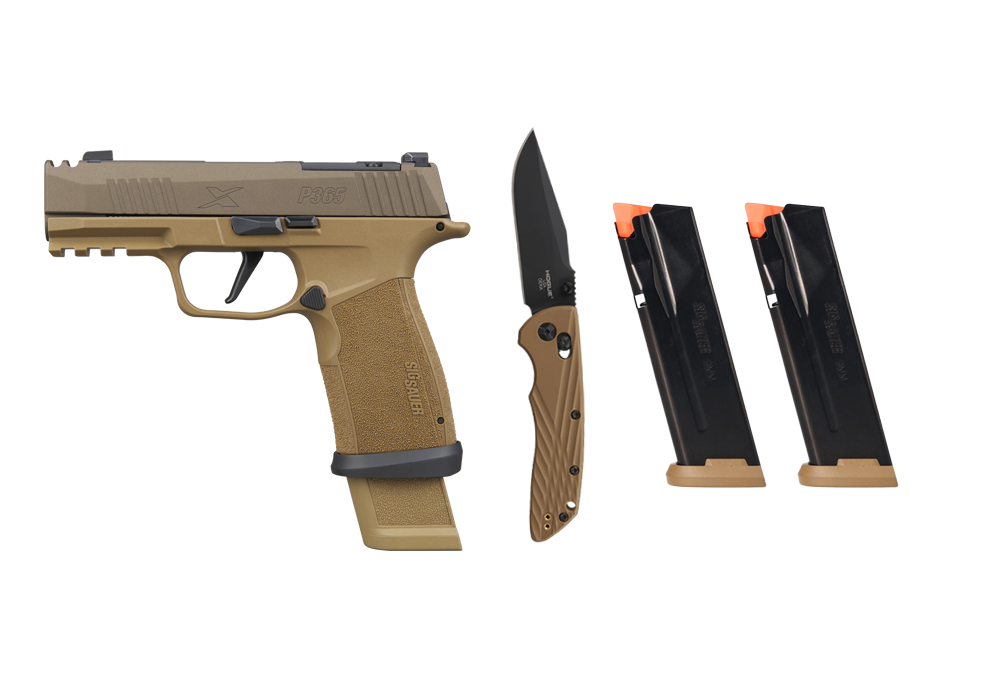
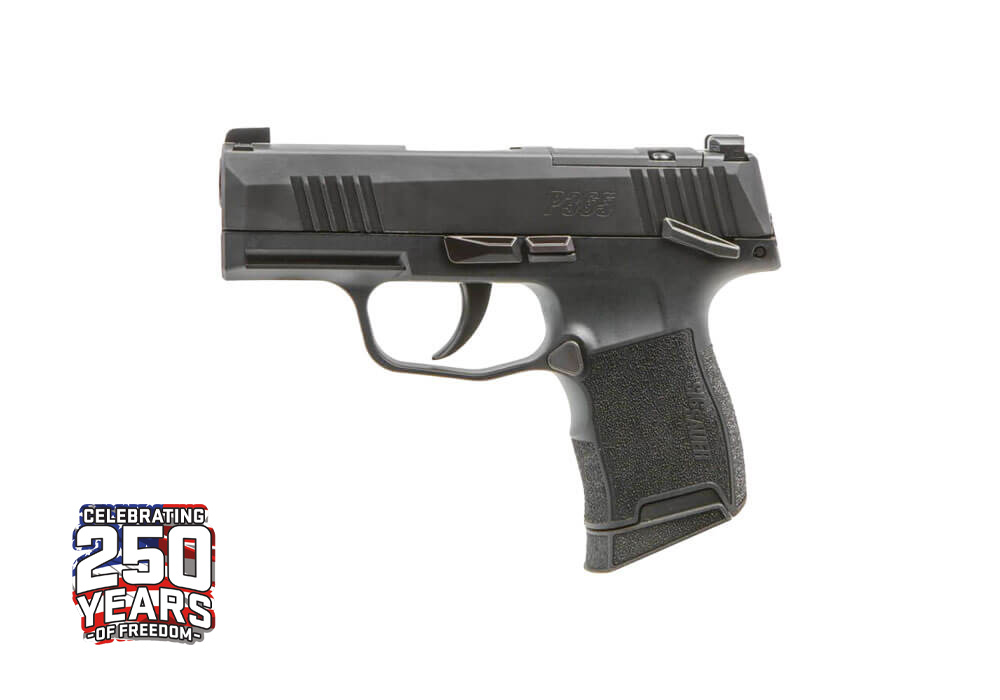
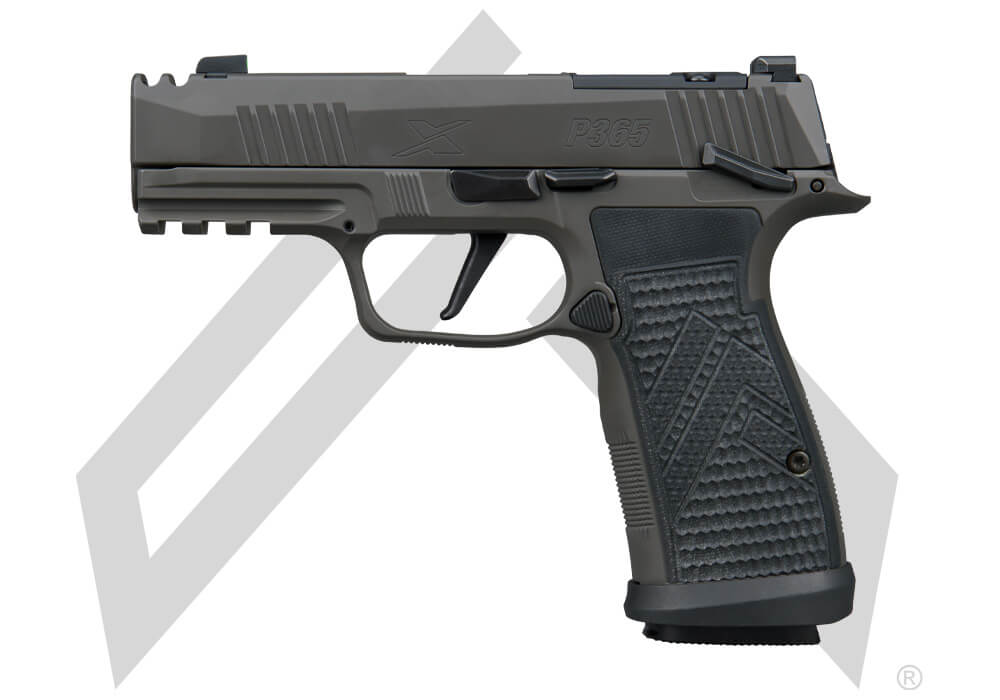
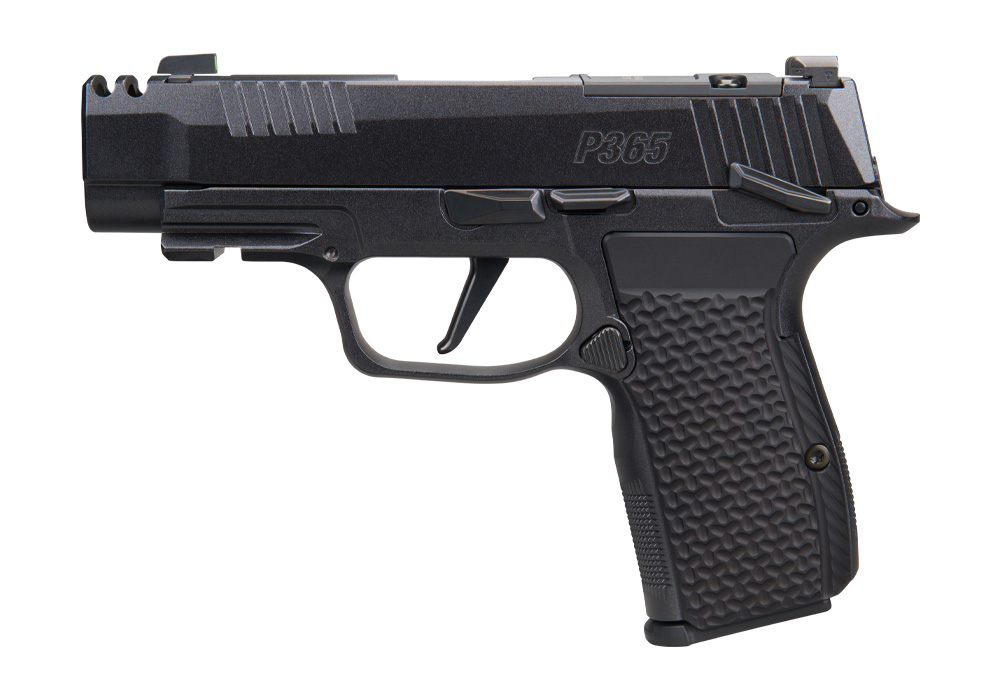
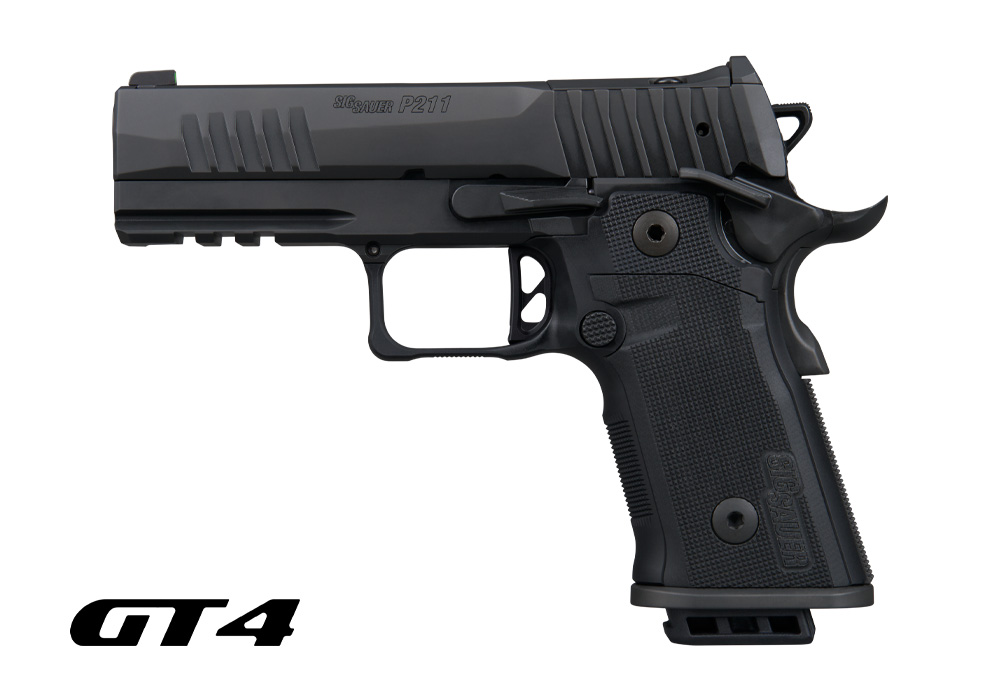
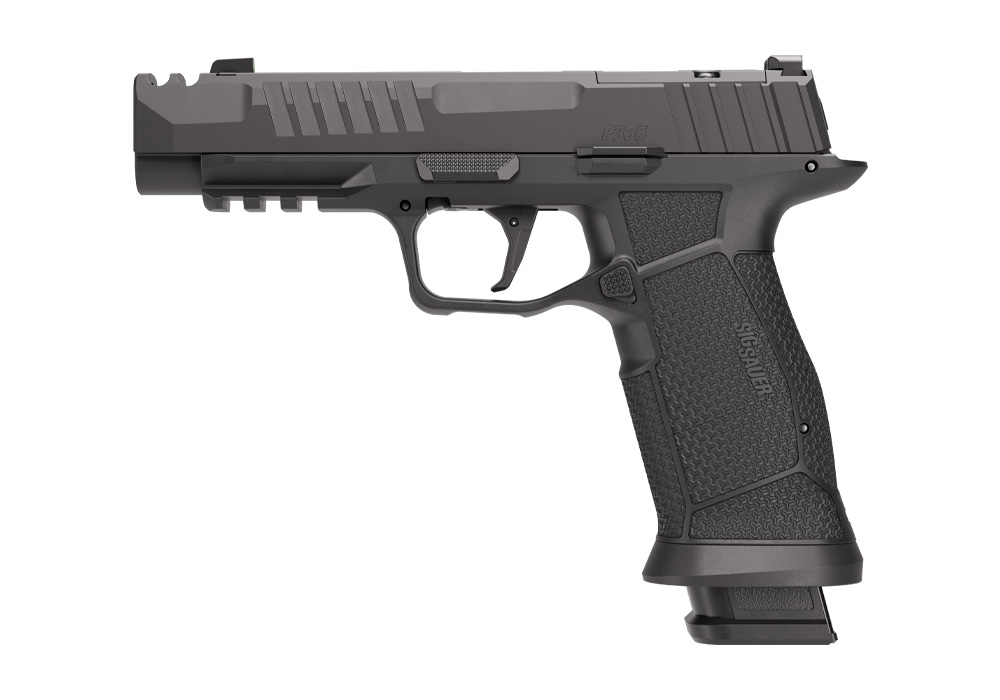
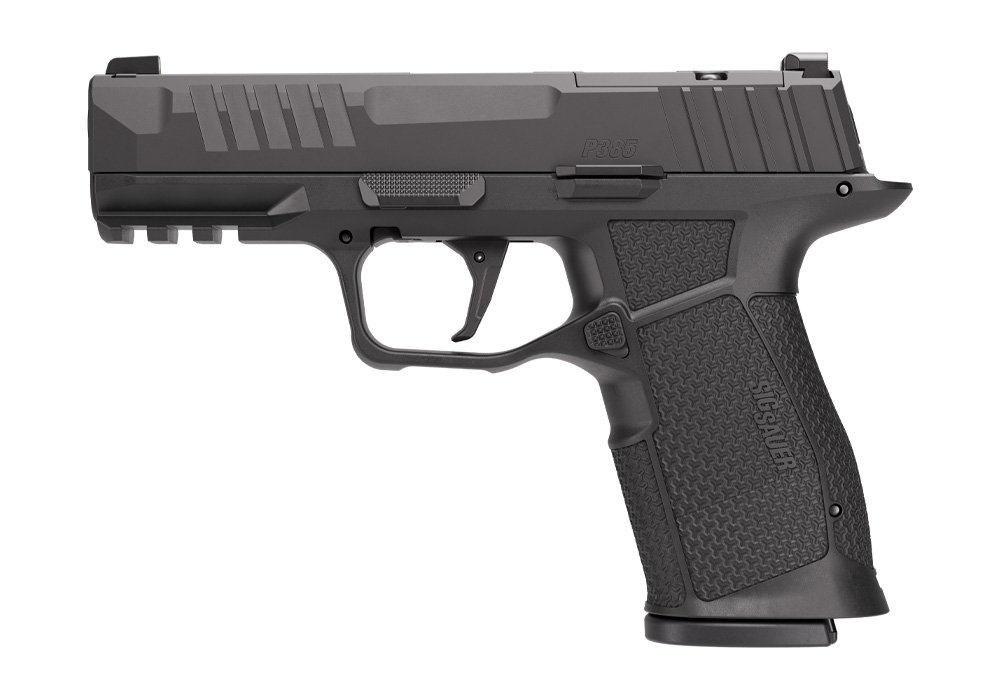
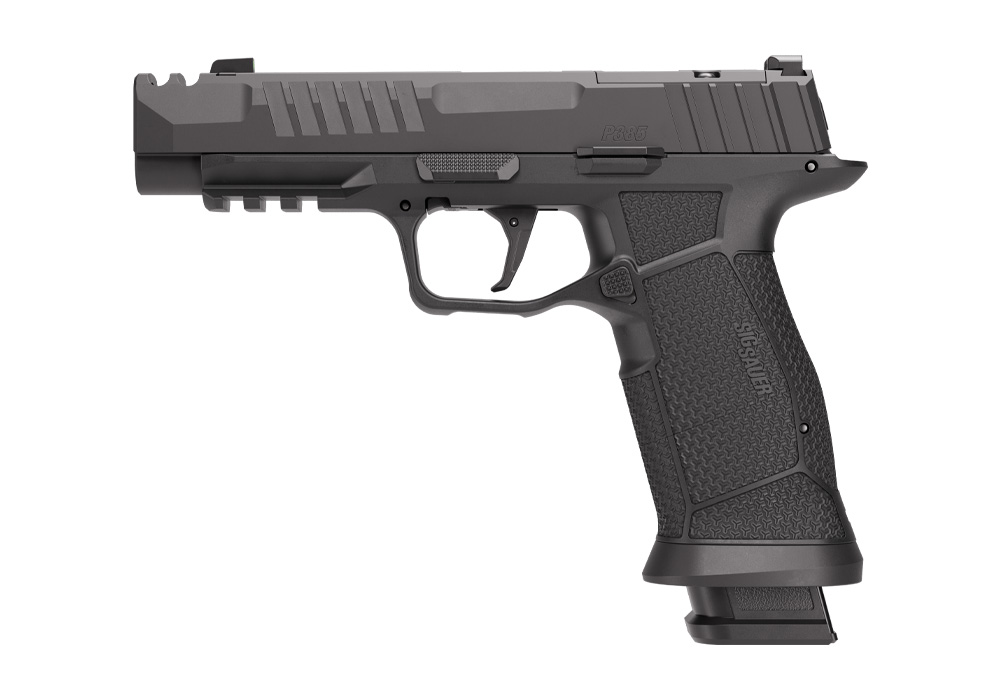
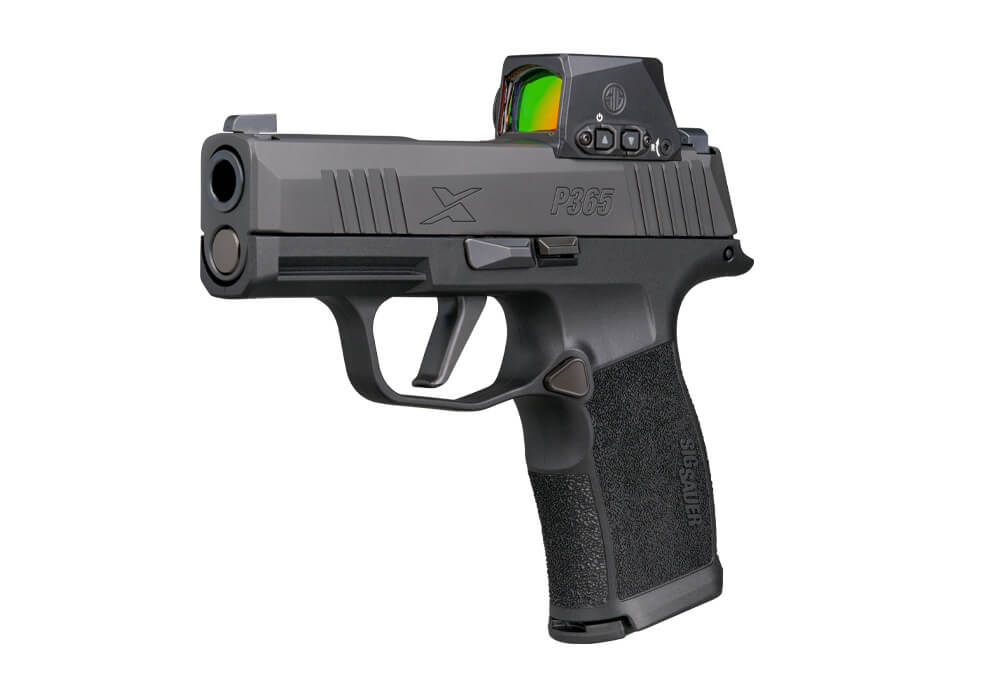
Compact pistols with new slide designs bring updated gripping surfaces, sight interfaces, and exterior profiles to a familiar, space-conscious handgun format. Depending on the configuration, those updates may include deeper front and rear serrations, a factory optics cut, revised slide contours, or openings associated with a particular barrel and slide system. The practical distinction is in the details: a new slide profile can change how a pistol feels during routine handling, which sights it accepts, and whether it fits an existing holster. For shoppers comparing compact pistols, those differences deserve as much attention as overall size or finish. Serrations provide texture where the hand contacts the slide, but their usefulness depends on their depth, spacing, and placement—not simply how aggressive they look in a photograph. A heavily textured slide can feel secure in the hand while also feeling abrasive against clothing, so the balance matters for lawful concealed carry. Rounded edges and a less angular profile may feel more comfortable during everyday wear, although holster design remains an important part of that experience. Factory optics cuts are another common feature, providing a mounting interface for a compatible compact electronic sight. Optics-ready does not necessarily mean every sight mounts directly: some configurations require a specified adapter plate, and compatibility should always be confirmed against the manufacturer’s documentation. Conventional sights still matter, too, whether they serve as the primary sighting system or complement an optic. Sight height, visibility, and the relationship between the sights and the slide cut can vary considerably. A compact pistol with an updated slide is therefore best understood as a complete configuration rather than a collection of styling changes. The appeal is not just a sharper silhouette in the display case. It is the possibility of finding a handgun whose dimensions, controls, sight options, and handling characteristics suit the owner’s lawful purpose without unnecessary bulk. Actual specifications are more useful than broad labels when comparing what each configuration offers.
Slide material, finish, and construction add another layer to that comparison. Stainless steel is a common slide material, valued for its corrosion resistance, but it still benefits from routine cleaning, appropriate lubrication, and dry storage. A stainless steel slide may have a dark surface treatment rather than a bright metallic appearance, so color alone does not identify the underlying material. Shoppers interested in that distinction can also explore Compact Pistols With Stainless Steel Slide when comparing construction and finish options. Surface treatments can influence resistance to wear and corrosion, while texture and sheen affect appearance and the feel of the exterior. During the cooler months, changing layers, damp outerwear, and transitions between outdoor air and heated interiors make regular inspection and care especially relevant. Updated slide designs can also include relief cuts or openings, but these features do not all serve the same purpose. A cut that reduces slide mass is not automatically a recoil-control feature, and an opening in the slide does not necessarily indicate a ported barrel. Porting and compensating features belong to specific engineered systems, with their own maintenance needs and operating characteristics. Their presence alone is not a guarantee that a pistol will feel softer or perform better for every shooter. Recoil feel also depends on ammunition, overall weight, grip dimensions, and the complete operating system. For most buyers, the more useful comparison is how the whole pistol fits the hand and supports comfortable, consistent range practice. A short slide does not always mean a short grip, and two handguns described as compact can differ noticeably in height, width, and weight. Those measurements influence both carry comfort and the amount of gripping surface available. A slightly larger compact may feel more settled in the hand, while a smaller configuration may be easier to accommodate in a suitable carry setup. Neither advantage exists in isolation. Reviewing the complete dimensions, unloaded weight, included sights, and manufacturer-supported accessories gives the visual appeal of a new slide design some practical context.
These pistols may appeal to experienced owners looking for updated sight compatibility, licensed carriers evaluating a more comfortable setup, or newer buyers seeking a manageable handgun for supervised instruction and recreational target shooting. Some shoppers may also be considering a compact pistol for lawful home defense, where secure storage, training, and household circumstances deserve careful attention alongside the purchase itself. The best fit is personal in a very ordinary sense: fingers should have comfortable room on the grip, controls should be accessible, and routine handling should not feel like a struggle. A pistol that looks ideal behind glass can feel quite different during an in-person evaluation with a qualified retailer. Where available, a supervised range rental can provide useful perspective before committing to a purchase. That experience often reveals details a specification sheet cannot convey, such as whether a textured edge irritates the hand or whether the sights are easy to distinguish under typical range lighting. For owners who intend to carry, confirm holster compatibility with the exact slide profile, sight arrangement, and any factory-installed features. Similar dimensions do not guarantee an appropriate fit, and a suitable holster should securely retain the firearm and fully cover the trigger guard. Ownership costs also extend beyond the handgun: a secure storage solution, eye and hearing protection, cleaning supplies, suitable ammunition, and professional instruction all belong in the budget. An optic-equipped configuration may involve additional expenses for a compatible sight, approved mounting components, or professional installation. Maintenance requirements and warranty support are worth reviewing before checkout, particularly when a slide incorporates specialized features. If a firearm is being considered as a gift, the recipient’s preferences and eligibility should guide the decision, and all applicable purchase and transfer requirements must be followed through the appropriate licensed retailer. Throughout ownership, follow the manufacturer’s safety instructions and keep firearms secured against unauthorized access. A thoughtful purchase brings together appealing design, verified compatibility, comfortable fit, and responsible ownership—qualities that remain useful long after the novelty of a new slide profile has faded.