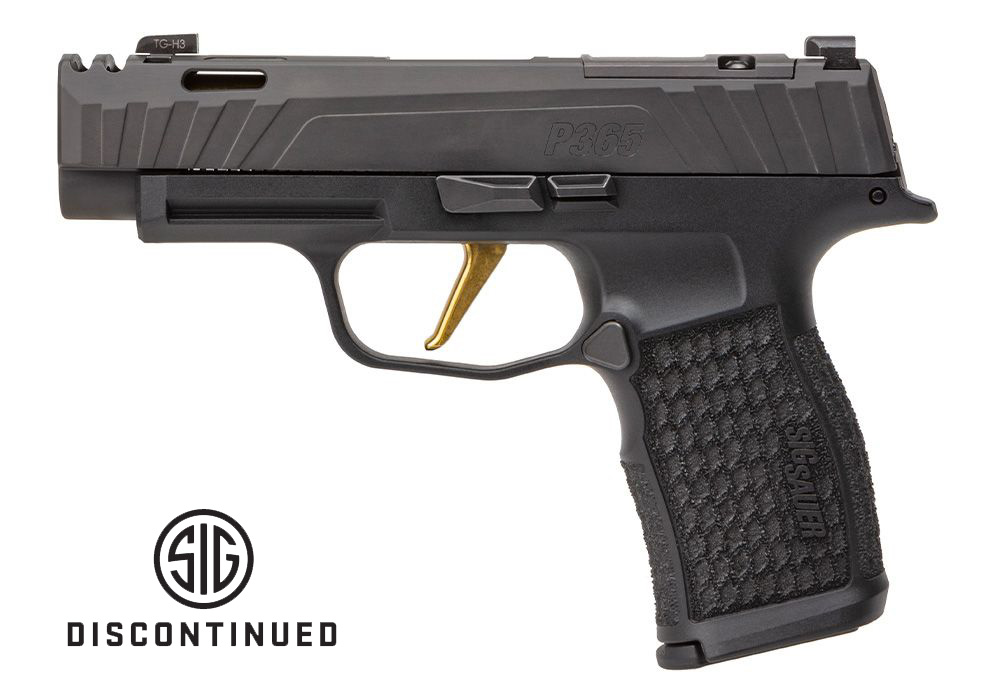
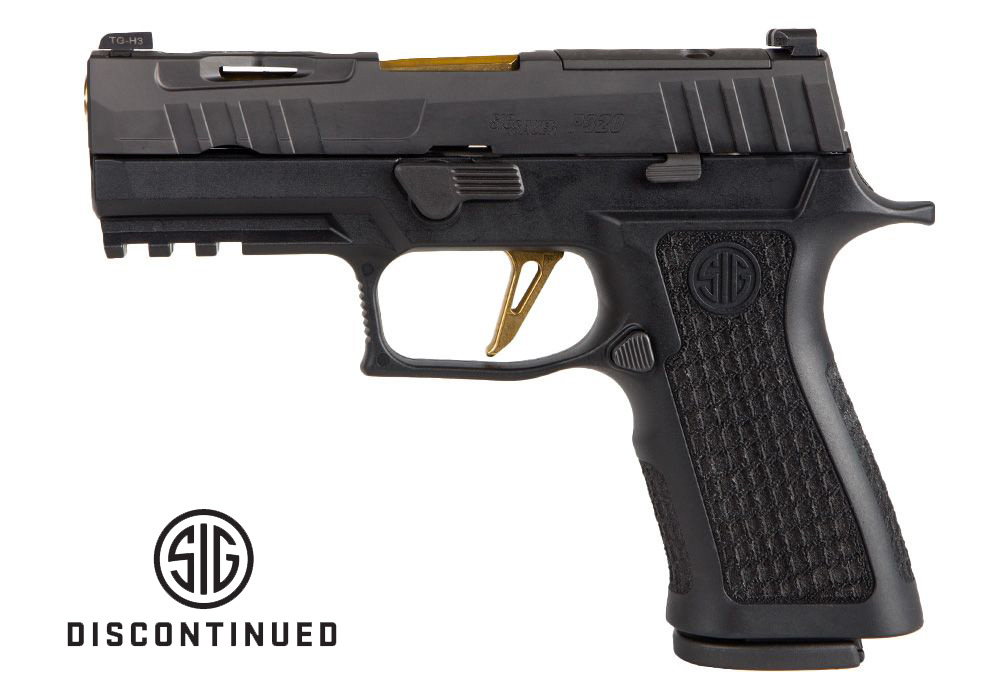
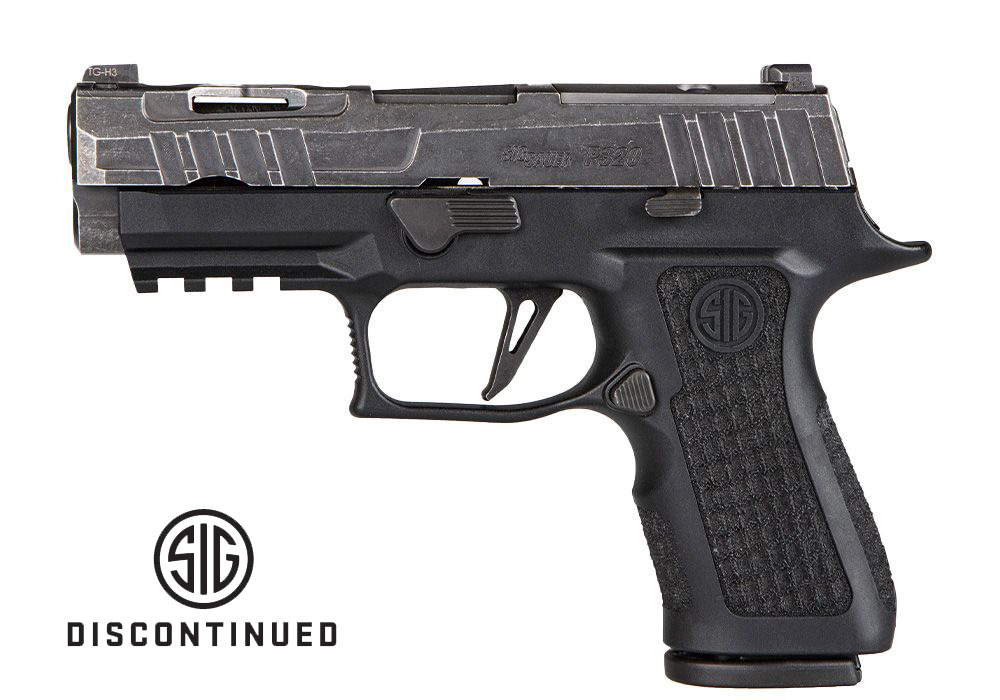
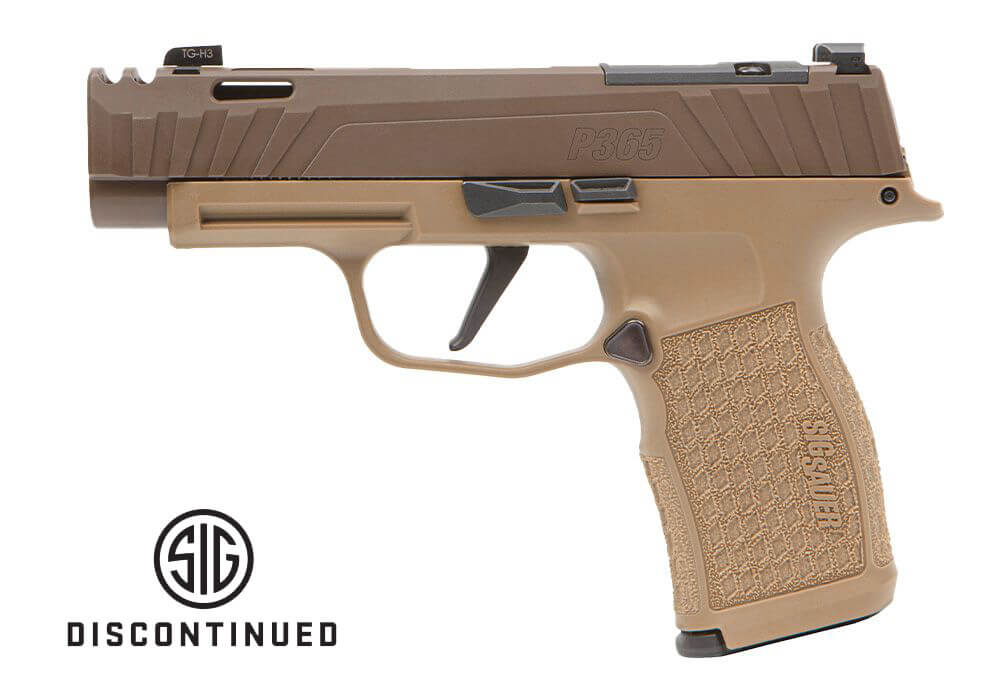
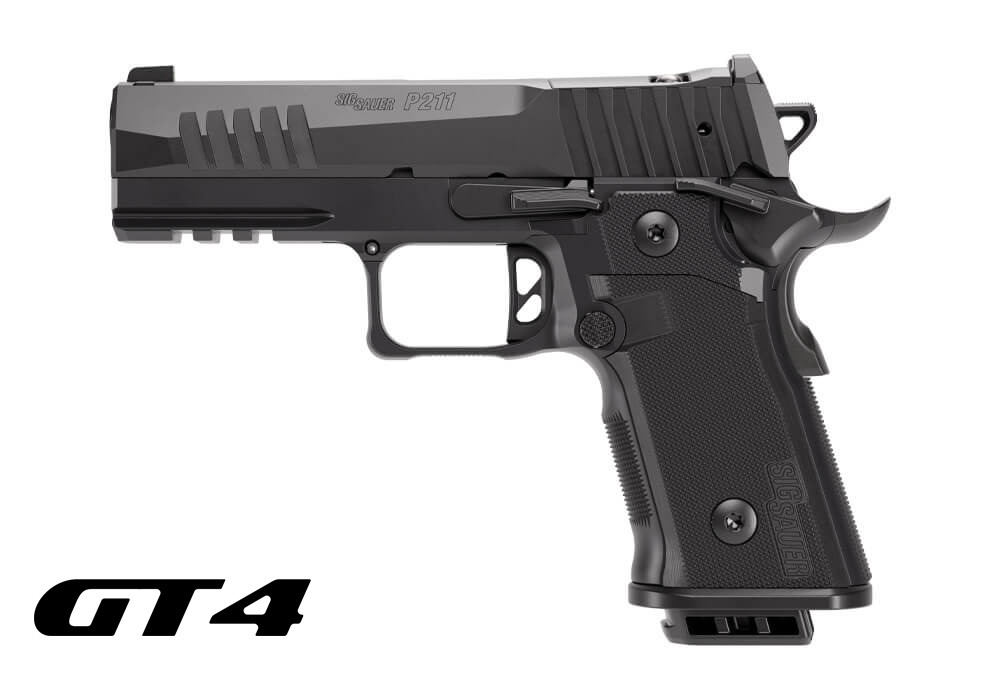
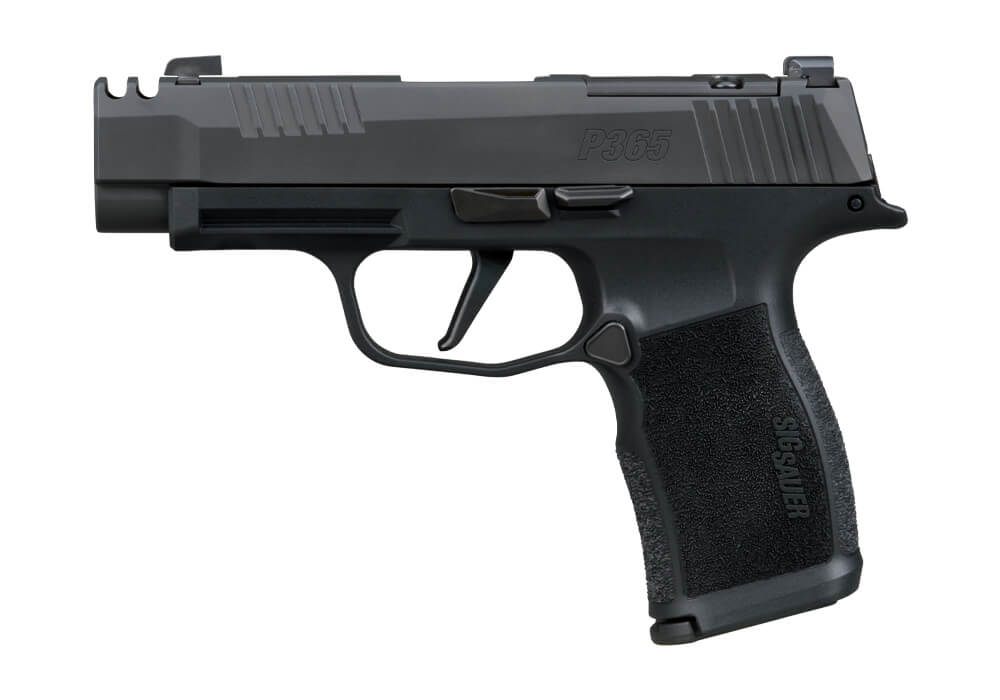
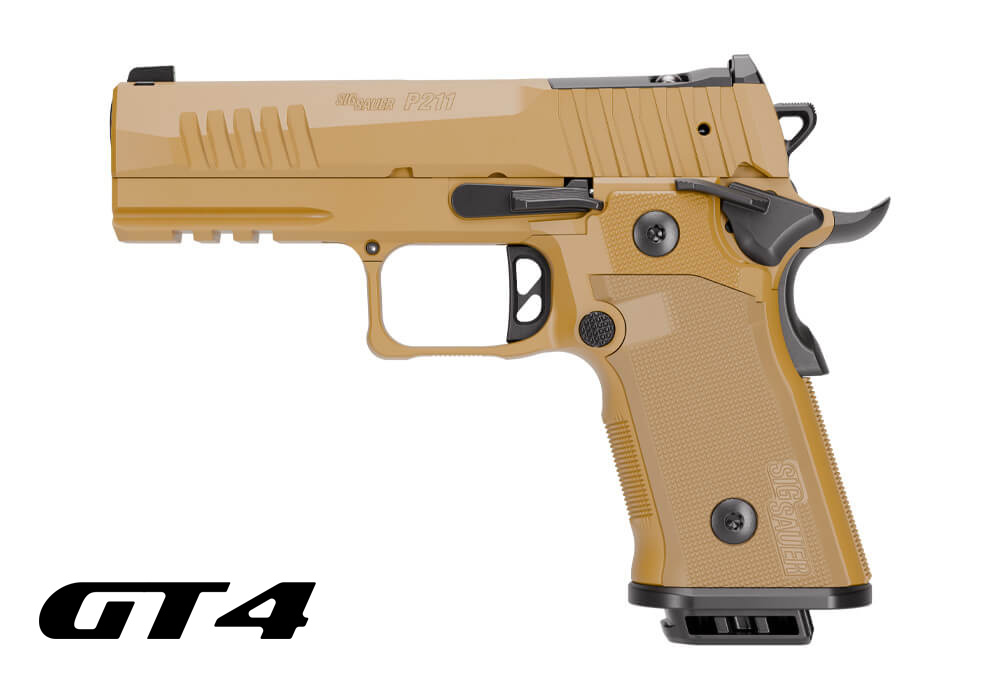
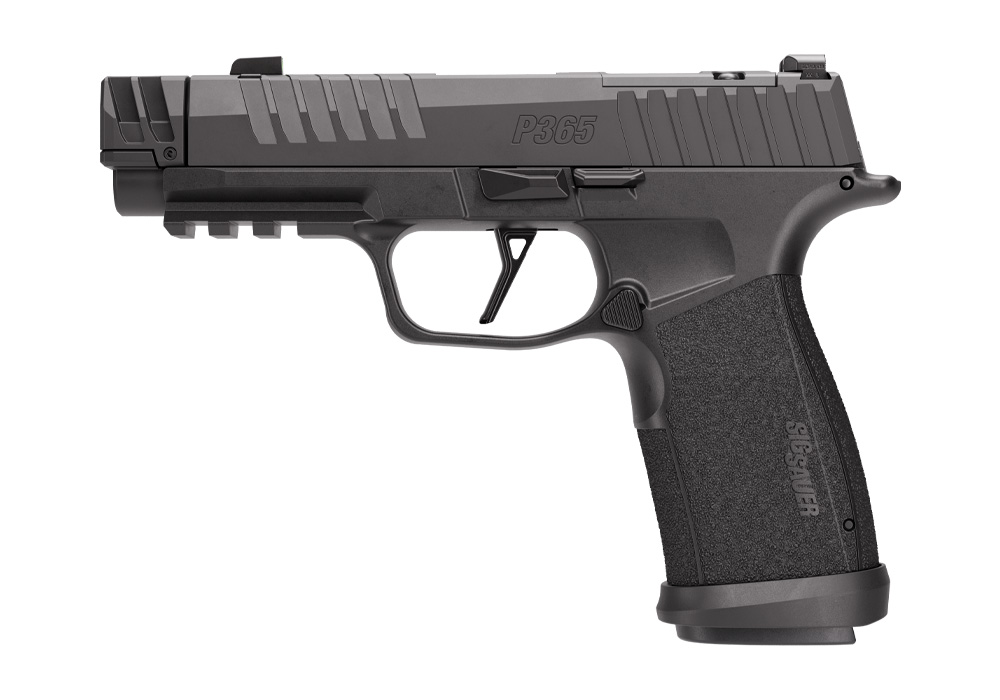
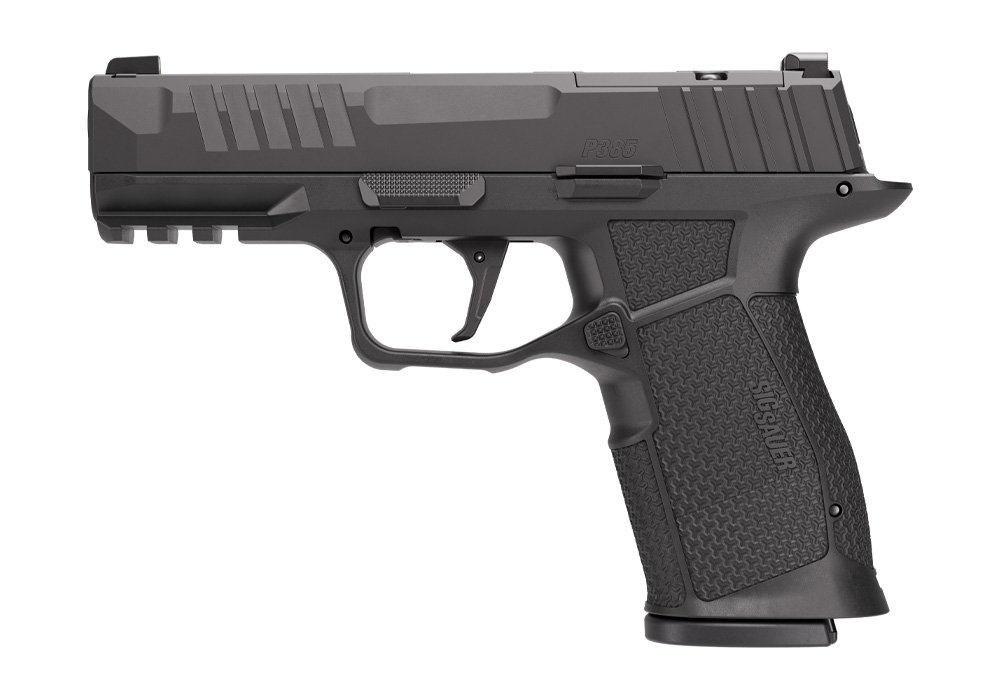
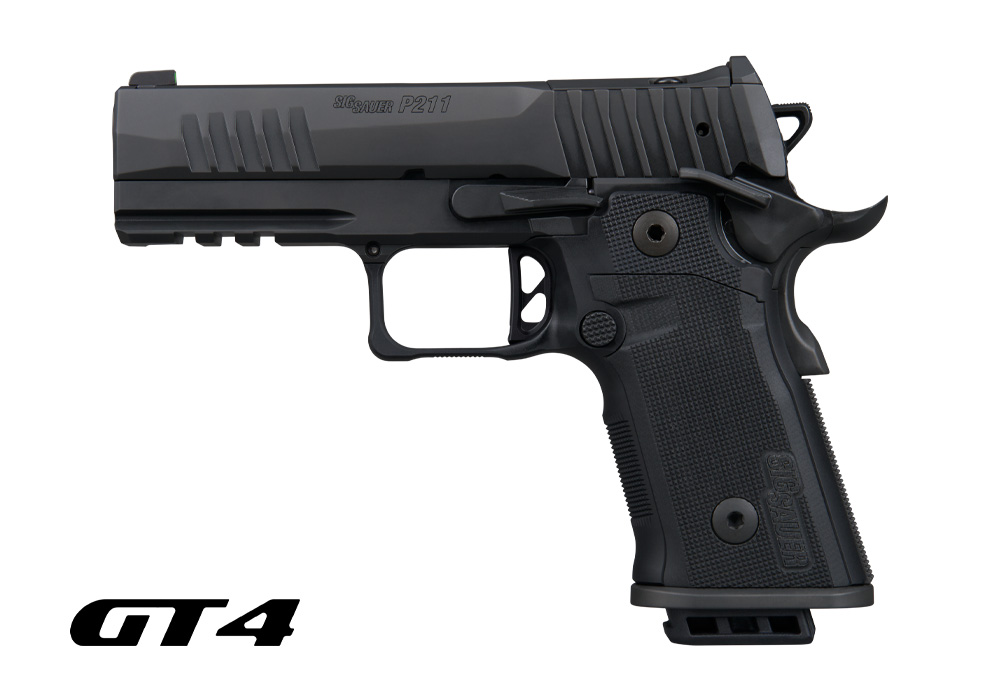
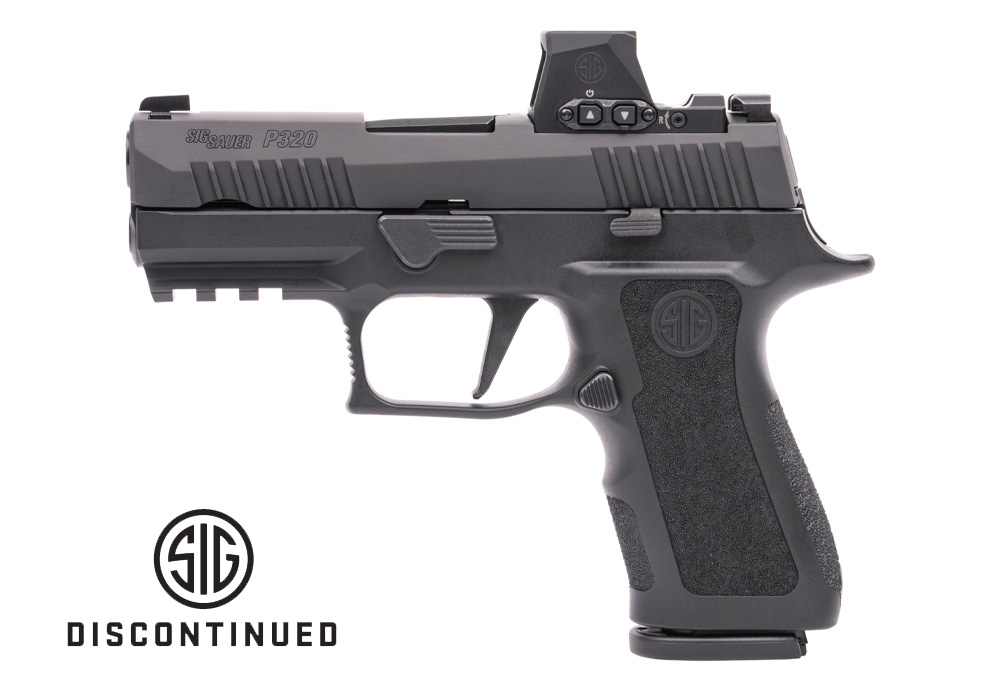
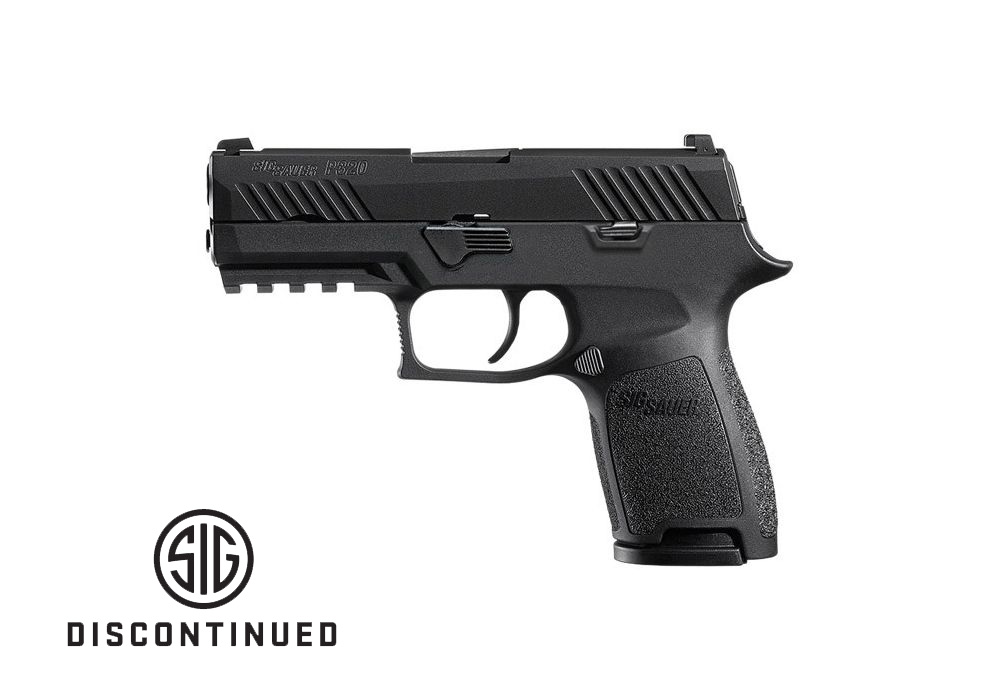
Compact pistols with slide serrations combine a smaller handgun profile with textured grooves that give the fingers additional purchase on the slide. Those cuts can help support a secure grip during slide manipulation, especially when the available gripping surface is shorter than on a full-size pistol. Serrations may appear at the rear, toward the front, or in both locations, depending on the design. Rear serrations provide texture near the back of the slide, while front serrations offer an additional gripping area farther forward. Their usefulness depends on more than placement alone: groove depth, spacing, angle, and edge shape all influence how the surface feels in the hand. Broad cuts can feel different from closely spaced grooves, and a sharply defined pattern may provide noticeable traction without being the most comfortable choice for every person. For someone accustomed to a larger handgun, a compact slide can feel quite different because there is less surface to grasp. A smaller-handed shooter may appreciate the proportions, while someone with larger hands may prefer more room around the gripping area. Serrations help address that contact point, but they do not eliminate recoil spring resistance or guarantee easy operation. Hand strength, slide dimensions, and the overall mechanism remain important considerations. The texture on the slide also serves a different purpose from texture on the grip: slide serrations support handling of the moving upper assembly, while grip texture helps stabilize the pistol in the hand. Neither feature should be judged solely by how aggressive it looks. A useful serration pattern offers accessible purchase without unnecessarily rough edges against the fingers or interference with nearby controls. Compact and micro-compact labels describe broad size categories rather than a universal set of measurements, so overall length, height, width, and weight provide a clearer picture of how a handgun will fit an intended role. Within this category, slide serrations are a practical design detail that deserves attention alongside those dimensions.
Slide material and surface treatment contribute to durability just as much as the serration pattern contributes to handling. Compact handgun slides commonly use steel, with stainless steel and treated carbon steel offering different approaches to corrosion resistance and surface protection. Stainless steel is corrosion resistant, not corrosion proof, and its performance still depends on the alloy, finish, maintenance, and exposure to moisture or residue. A dark exterior does not necessarily identify the underlying metal, since coatings and other treatments can change the appearance of either type of steel. Shoppers interested in that material distinction can also explore Compact Pistols With Stainless Steel Slide. The frame introduces another set of considerations. Polymer frames can help limit overall weight, while metal frames contribute a different balance and feel; neither material alone determines how comfortable or durable a complete handgun will be. Rails, controls, grip geometry, and manufacturing tolerances all play a part in the finished assembly. Serrations themselves can collect lint, skin oils, and range residue, making the grooves worth including in routine care. A textured surface that looks clean from a distance may still hold debris along its recessed edges. Manufacturer-approved cleaning supplies and methods help preserve finishes without unnecessary abrasion, and lubrication should follow the instructions for the particular firearm rather than a general assumption that more is better. Fit assessments, cleaning, and maintenance belong with an unloaded firearm and careful adherence to the manufacturer’s safety procedures. Regular attention also gives the owner an opportunity to notice unusual wear, damaged edges, or changes in how the slide feels. Normal contact marks are not automatically evidence of a problem, but changes in function warrant evaluation by a qualified professional. For a handgun carried regularly or used often at the range, durability is best understood as the combined performance of its materials, protective surfaces, mechanical fit, and consistent care.
Intended use helps put these features in perspective. For lawful concealed carry, a compact pistol’s shorter grip and reduced overall dimensions may be easier to accommodate under everyday clothing, but comfortable carry depends heavily on the complete setup. A properly fitted holster should be designed for the firearm’s configuration, provide appropriate retention, and fully cover the trigger area. Slide shape, sights, and any compatible optic can affect holster fit, so serrations are only one part of the exterior profile. For recreational range use and supervised instruction, the same compact dimensions can offer convenience while presenting a different shooting experience from a larger handgun. Lower weight and a shorter grip may influence perceived recoil and the amount of hand contact available, depending on chambering, ammunition, and the individual design. Someone choosing a first compact handgun may value approachable controls and a comfortable grip more than an especially bold serration pattern. An experienced owner seeking a smaller alternative may pay closer attention to familiar control placement, grip angle, and sight presentation. Finger reach to the trigger and access to controls matter as much as whether the slide texture feels secure. A grip that seems comfortable during a brief evaluation can feel different over an extended practice session, particularly if its contours concentrate pressure in one area of the palm. Gloves can also change contact with the serrations and access to controls, making compatibility relevant for those who regularly wear them. Sight visibility, trigger characteristics, magazine fit, and support for accessories should be evaluated as separate features rather than assumed from the presence of front or rear grooves. Responsible ownership includes qualified instruction, familiarity with the firearm’s operating instructions, secure storage that prevents unauthorized access, and compliance with applicable laws. The strongest match is a compact handgun whose dimensions, controls, surface texture, and maintenance requirements suit the person using it. Slide serrations contribute to that match when their placement and shape provide useful purchase within an otherwise comfortable, manageable design.