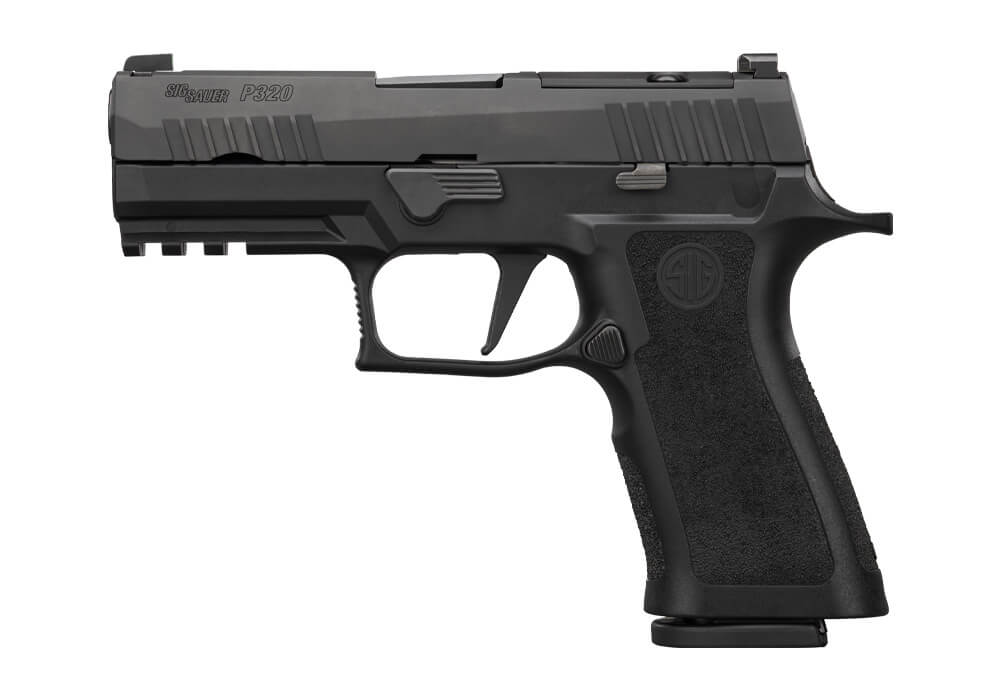
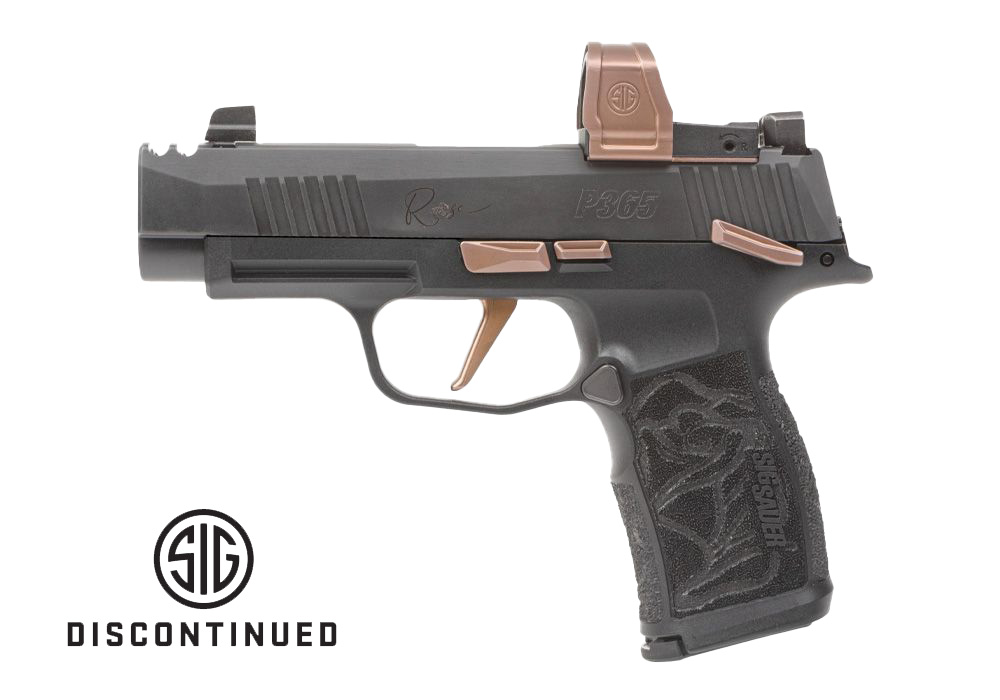
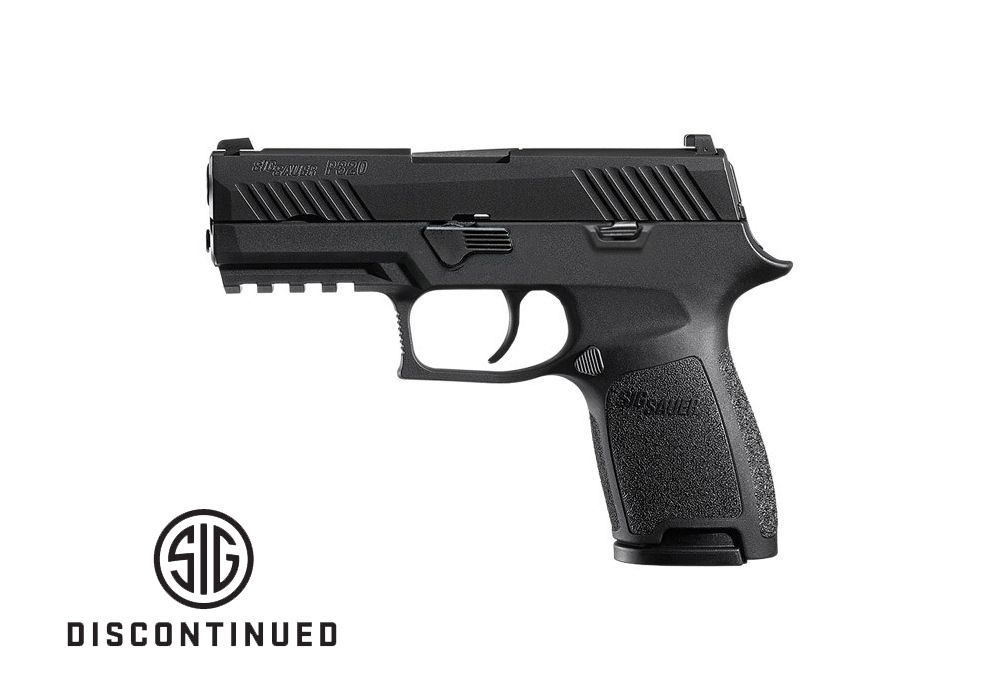
Compact pistols with pleasurable shooting characteristics bring together practical dimensions, approachable handling, and features that help make time on the range more comfortable and rewarding. The compact class occupies a useful middle ground between full-size pistols and smaller concealed-carry designs, offering enough grip and sight radius for confident control while remaining easy to transport, store, and handle. Many shooters begin their search with a compact 9mm because the cartridge offers a broad selection of training and defensive ammunition, but the most enjoyable shooting experience depends on more than caliber alone. Frame shape, grip texture, bore axis, trigger movement, slide mass, recoil spring tuning, and overall weight all influence how a pistol feels from the first shot through a full range session. A lower bore axis can help reduce muzzle rise by keeping the barrel closer to the shooter’s hand, while a clean trigger with a predictable break and tactile reset can make deliberate practice feel more natural. Ergonomics matter just as much: a grip that fills the hand without creating pressure points, controls that are easy to reach, and sights that are quick to align can turn a compact pistol into a comfortable and confidence-building choice. For many owners, the best fit is the one that settles naturally into the hand, points without excessive adjustment, and allows the shooter to maintain a consistent grip as the pace of fire changes. During the cooler months, when range visits may involve gloves, layered clothing, or shorter outdoor sessions, controls and grip surfaces that remain easy to operate are especially valuable. Anyone considering a purchase should handle prospective options where permitted, compare grip circumference and reach, and confirm that the pistol can be safely stored and operated in accordance with local laws and range rules.
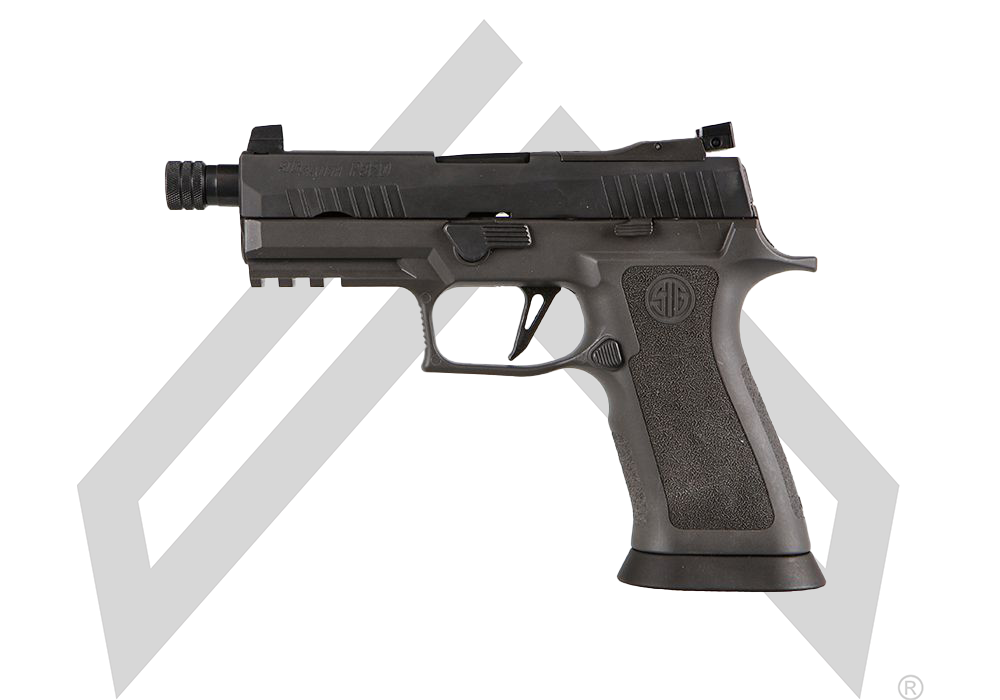
Pleasurable shooting is often closely connected to recoil management. Compact pistols have less mass and a shorter grip than full-size models, so they can feel more energetic in the hand, particularly with defensive loads or extended practice sessions. That does not mean a smaller pistol has to be unpleasant to shoot. Added frame weight can soften the rearward impulse, and a well-shaped grip can distribute that impulse across the palm instead of concentrating it near the web of the hand. Factory porting or an integrated compensator may redirect expanding gas upward to help reduce muzzle flip, supporting quicker sight recovery between shots. Some designs use a rotating-barrel system or other mechanical arrangement intended to moderate the movement felt by the shooter, while carefully tuned slide and recoil systems can contribute to a smoother cycle. These features should be evaluated as part of the complete design rather than treated as substitutes for proper technique. A compact pistol with excellent recoil characteristics still benefits from a firm, high grip, balanced stance, relaxed shoulders, and consistent trigger control. Ammunition selection also makes a difference; standard-pressure range ammunition is often a comfortable starting point for practice, while any defensive ammunition should be tested for reliable function and controllability before it is trusted. Shooters who want a more refined experience may also compare models with adjustable backstraps, interchangeable grip modules, extended or standard capacity magazines, optic-ready slides, and factory-fitted compensating features. Sight radius, sight visibility, and the option to mount a compatible red-dot optic can influence practical accuracy, especially as lighting changes from bright outdoor conditions to an indoor range. Those focused on structured practice, action shooting, or match participation may also want to explore Compact Pistols for Competitive Shooting while comparing features that support fast, repeatable presentations and controlled follow-up shots.
These pistols can serve a wide range of responsible owners, from newer shooters seeking an approachable platform for learning fundamentals to experienced enthusiasts who appreciate a compact handgun that remains engaging during extended practice. A compact pistol may be selected for home protection, lawful concealed carry where permitted, training, recreational target shooting, or competition, although each intended use calls for its own balance of size, controls, ammunition, and accessories. Someone with smaller hands may prioritize a narrower grip and shorter trigger reach, while another shooter may prefer a fuller grip that provides more leverage and comfort during rapid strings. Shooters with larger hands should pay attention to slide bite, pinky placement, and whether the support hand can make solid contact without interfering with controls. A pistol can also be a thoughtful gift for an experienced adult shooter when the recipient’s preferences, local regulations, and safe-storage arrangements are already understood; firearms should never be given casually or without confirming that the recipient can legally possess and responsibly use one. New owners benefit from professional instruction, supervised range time, and a deliberate familiarization process that covers loading, unloading, aiming, trigger discipline, malfunction response, cleaning, and secure storage. Eye and ear protection should be worn on every range visit, and all ammunition should be verified for compatibility before use. A quality belt, holster designed for the specific pistol, magazine pouch, lockable storage solution, and appropriately chosen training ammunition can be just as important to the overall experience as the handgun itself. Before purchase, review applicable federal, state, and local requirements, confirm shipping and transfer procedures, and select accessories that preserve safe access to the trigger. With the right fit and realistic expectations, a compact pistol can offer a satisfying combination of control, portability, and accuracy—one that feels composed during slow-fire practice, steady during repeated drills, and comfortable enough to encourage consistent, responsible training throughout the year.