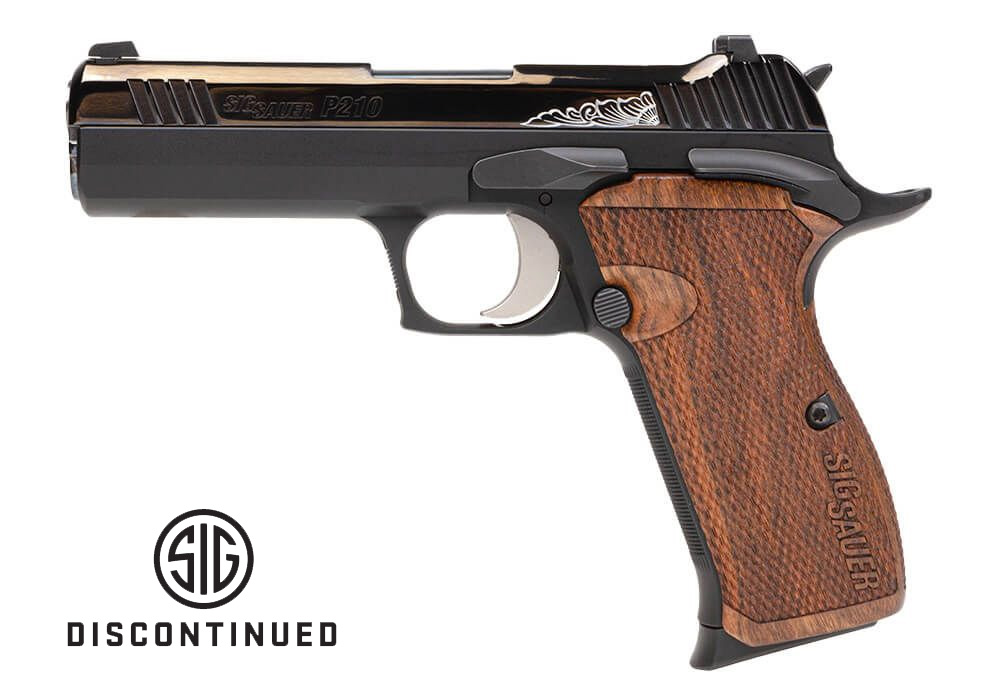
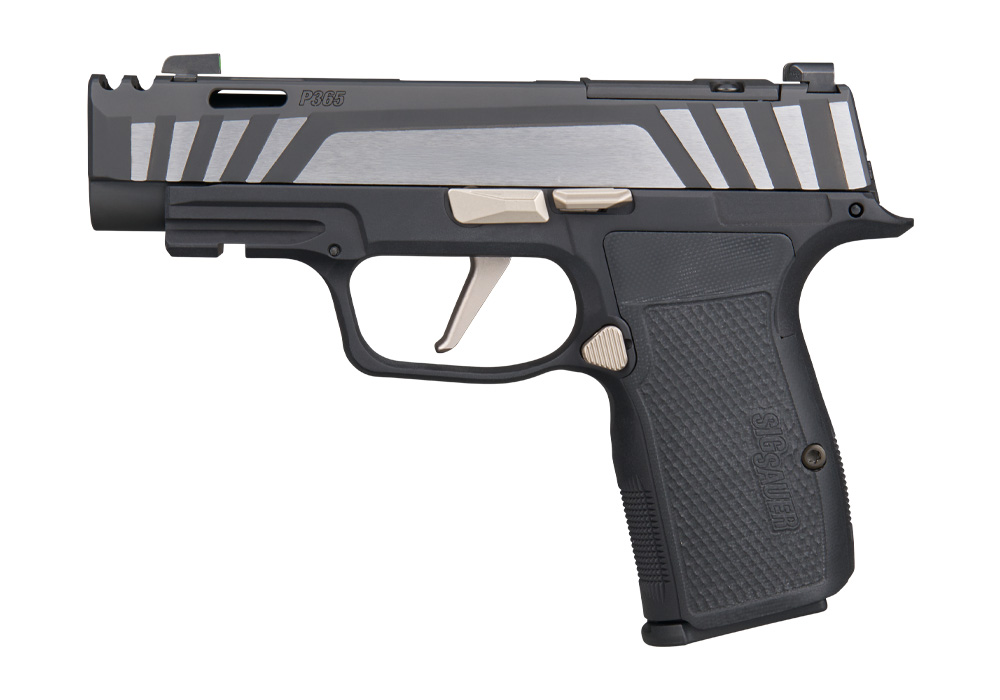
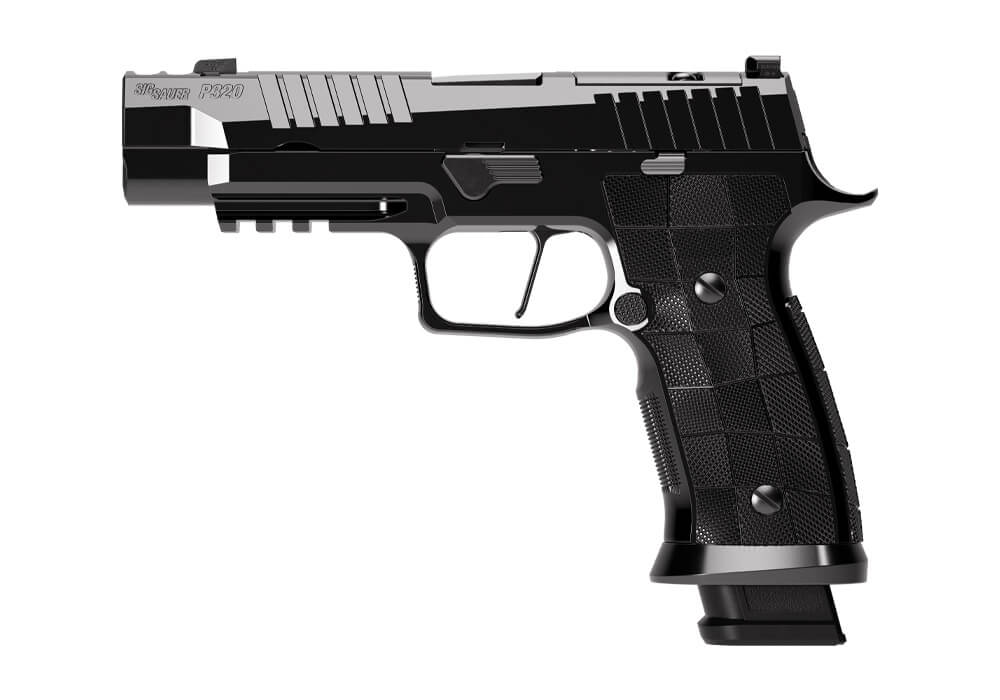
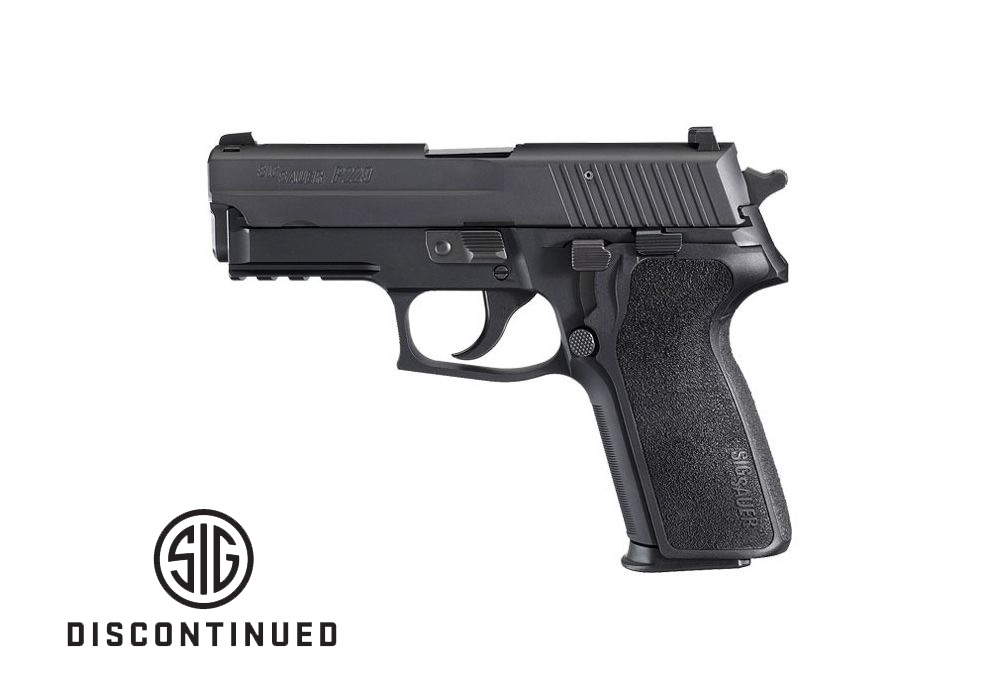
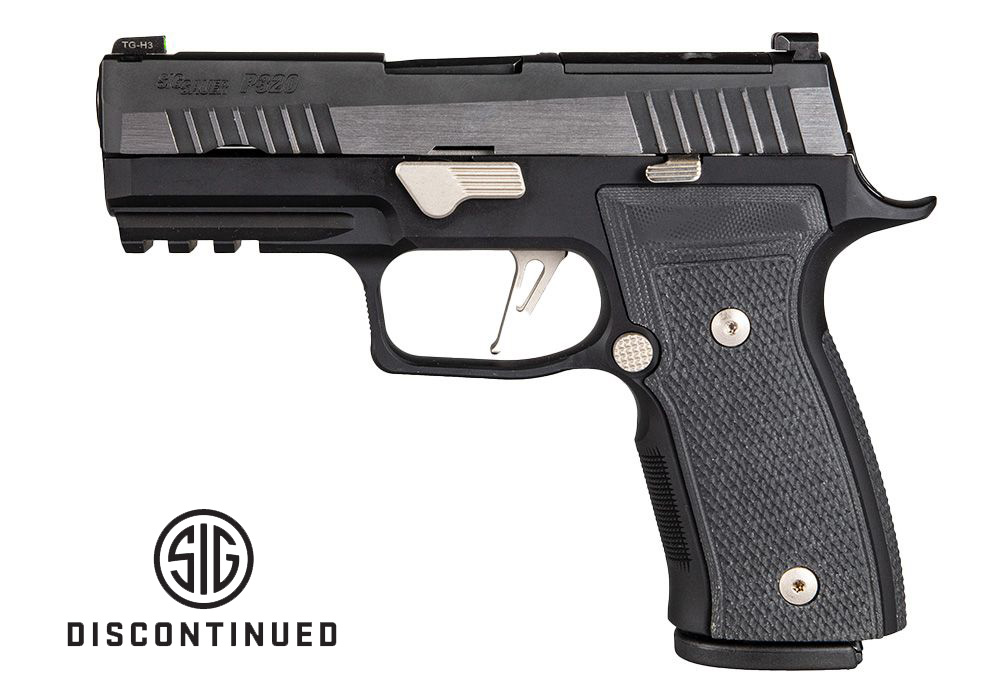
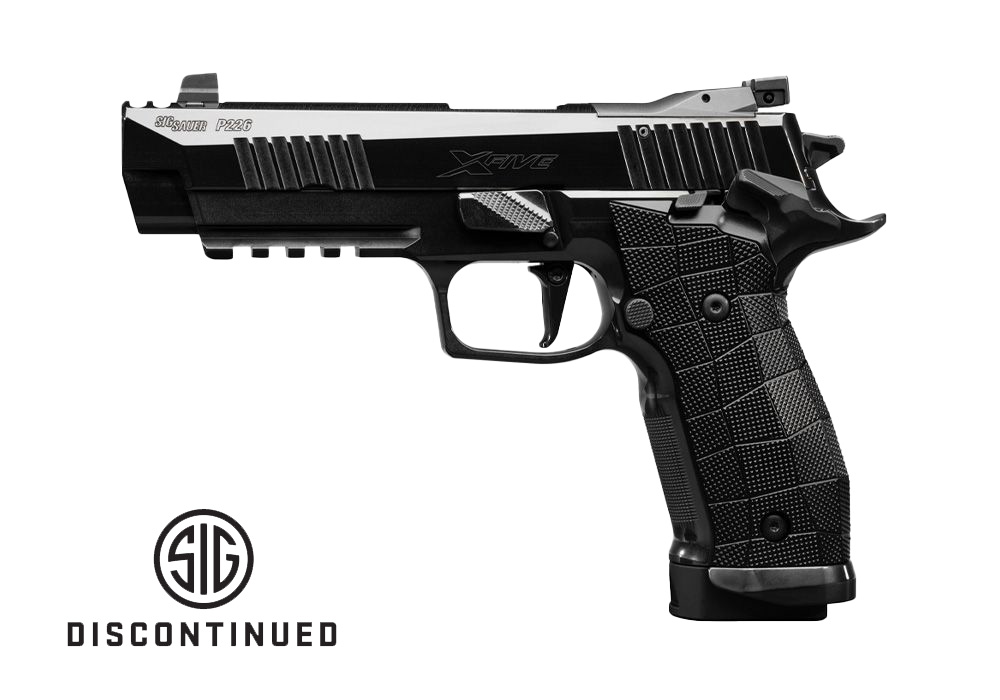
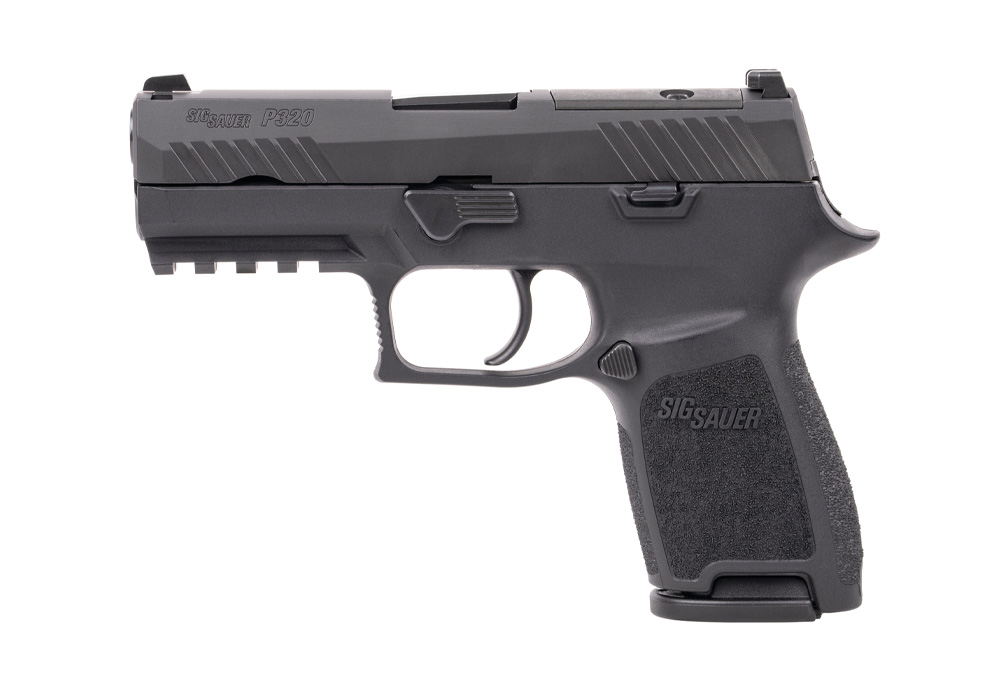
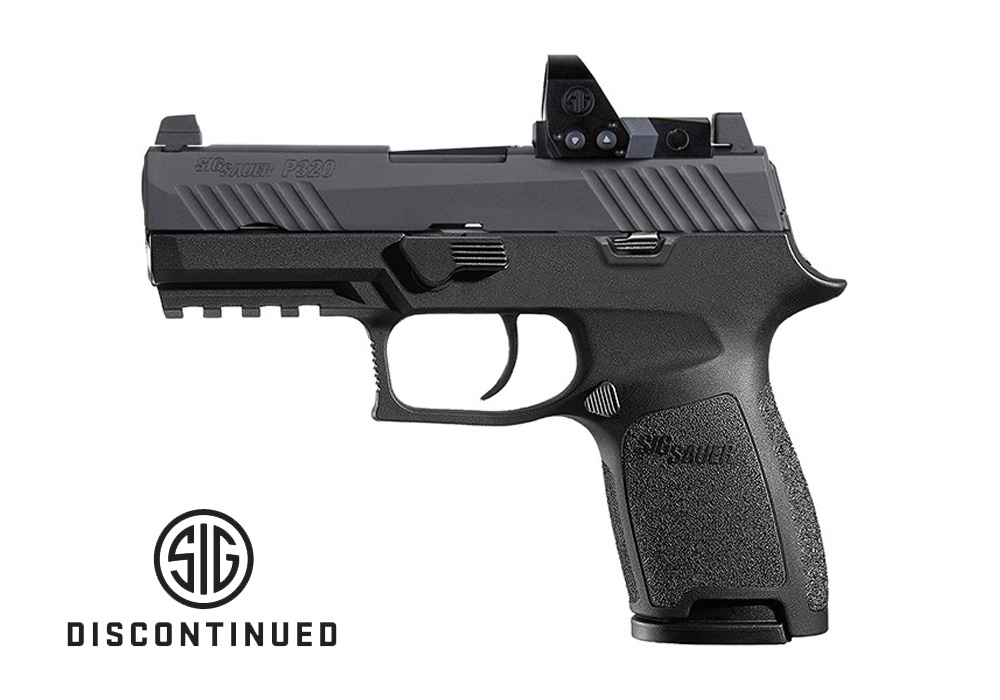
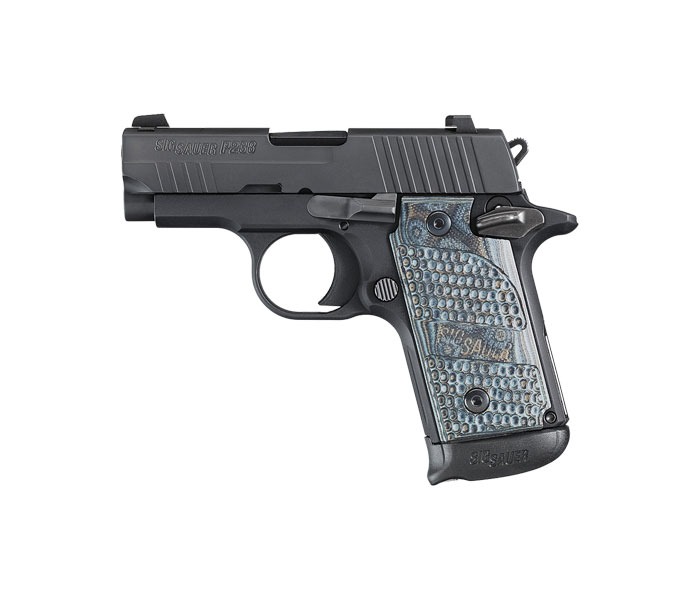
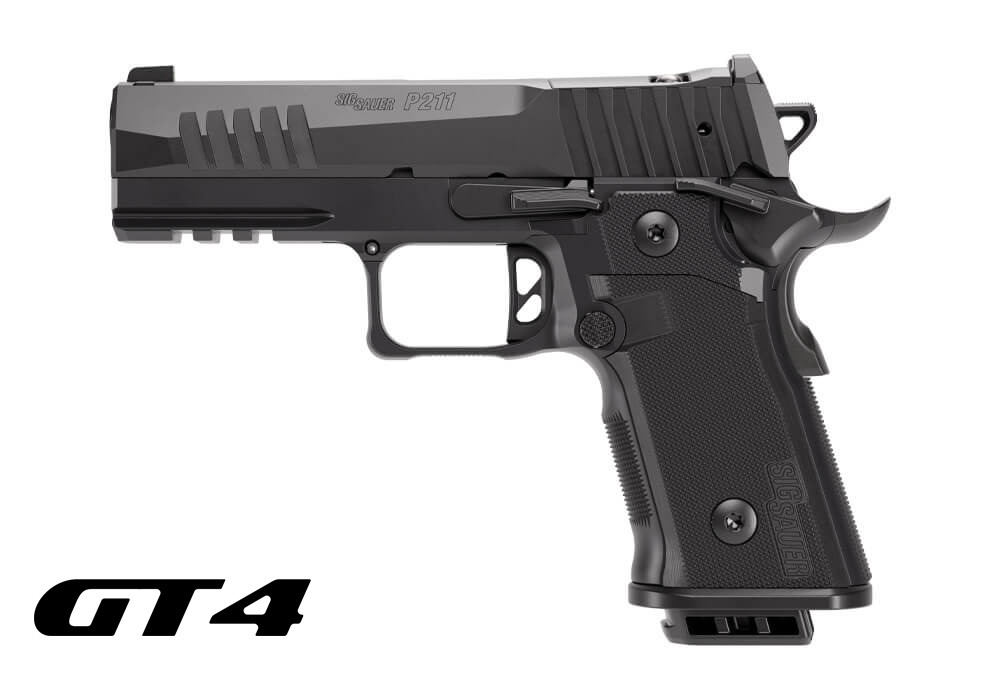
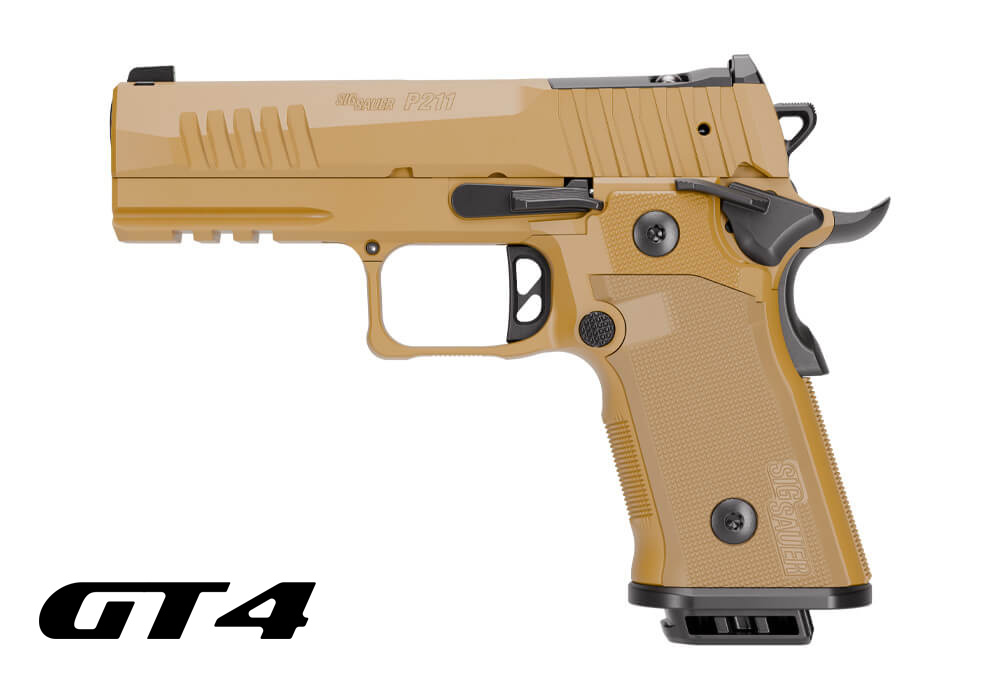
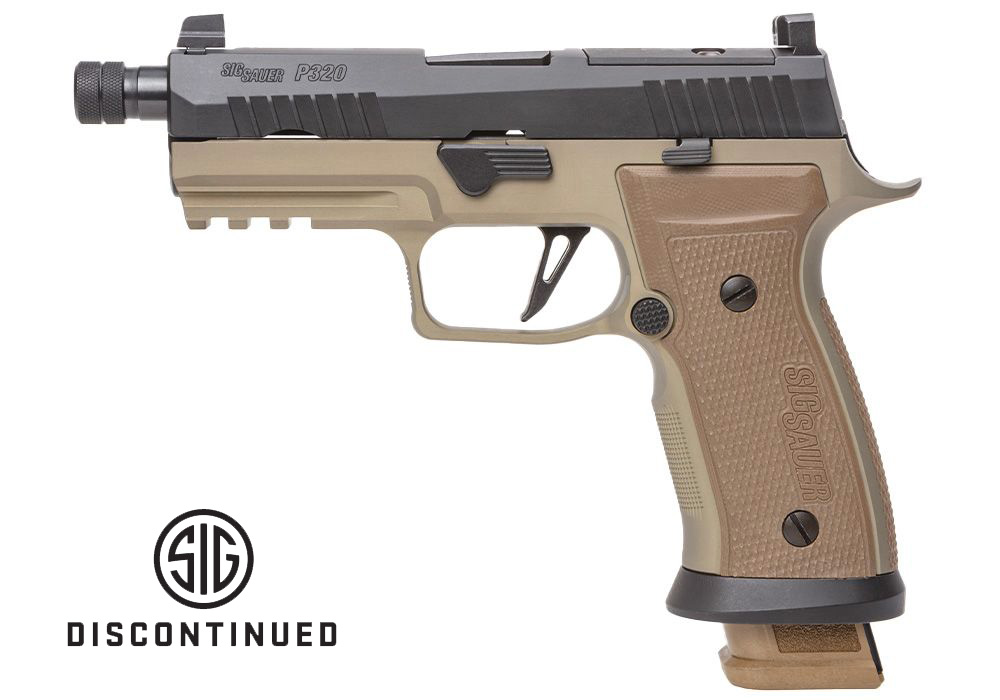
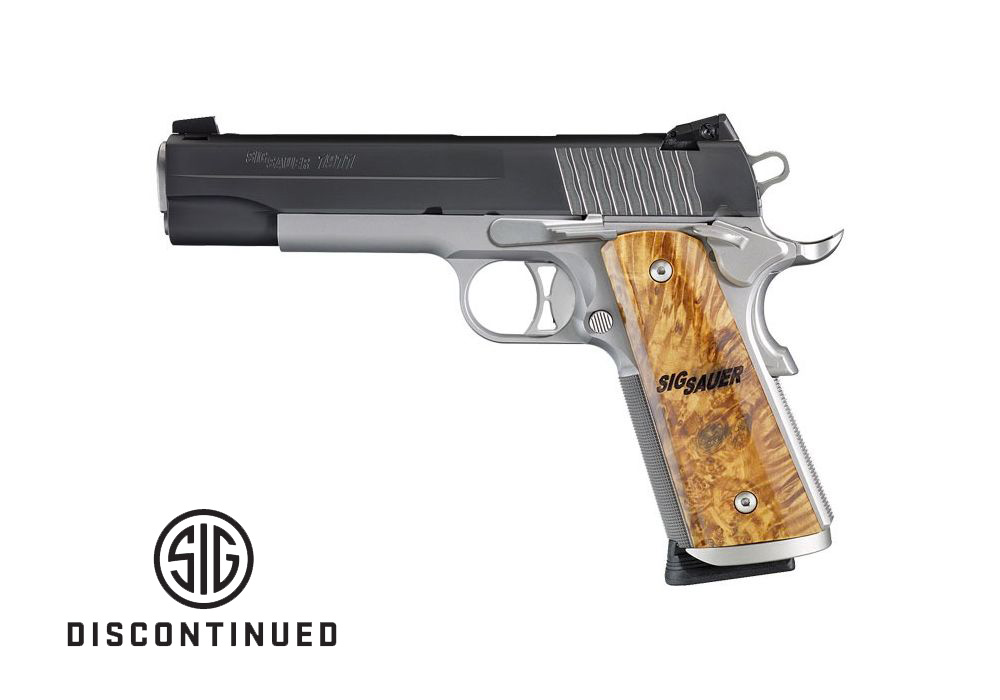
Compact pistols with a polished slide pair a relatively small handgun profile with a reflective metal finish that highlights the slide’s contours, flats, and machining details. The defining feature is the surface treatment, not a particular operating system, caliber, or set of dimensions. A polished slide can range from a restrained sheen on selected surfaces to a brighter finish across much of the exterior, with contrasting serrations or darker components adding visual depth. Against a dark polymer or metal frame, that contrast gives the pistol a distinctive appearance without requiring elaborate decoration. Polishing and protective finishing are not interchangeable, however. Polishing refines surface texture; corrosion resistance depends on the underlying material, any additional treatment, and ongoing care. Stainless steel is often associated with bright slides, but appearance alone does not establish the metal type or its resistance to wear. A bright surface may also result from plating or another finishing process, so the stated specifications matter more than a photograph’s shine. Likewise, a polished exterior does not by itself establish reliability, accuracy, or mechanical quality. Those qualities depend on the complete firearm, its condition, compatible ammunition, and proper maintenance. Within the compact category, dimensions vary enough that two pistols with similar descriptions can feel quite different in the hand. Slide length, frame width, grip height, and unloaded weight all contribute to the overall character. The compact designation generally describes a smaller format than a comparable full-size handgun, but it is not a universal measurement. For shoppers who appreciate both mechanical design and visual detail, the appeal lies in that combination: a manageable physical footprint and a finish that brings attention to clean lines and carefully defined edges. A polished slide can suit a range-focused purchase, a collection centered on contrasting finishes, or lawful personal carry, provided the firearm’s actual features fit the intended role.
Fit deserves as much attention as finish when considering a compact pistol. A grip that looks proportionate in a photograph may leave less room for the little finger than expected, while a slightly longer frame can feel more settled during supervised range practice. Grip circumference, contour, and texture affect comfort, and control placement matters for people with different hand sizes or limited hand strength. The ability to handle the firearm safely and operate its controls comfortably is more important than choosing the smallest outline. An in-person fit assessment with a qualified retailer or instructor can clarify differences that dimensions alone cannot convey. Compact pistols also vary in operating system, trigger characteristics, sight arrangement, and slide resistance; none of those details can be inferred from a polished exterior. Smaller size does not automatically mean lighter weight, and lighter weight does not necessarily mean a more comfortable shooting experience. Comfort at the range reflects several factors together, including firearm weight, grip fit, ammunition, and the shooter’s experience. For someone who expects regular practice sessions, readable sights, a comfortable grip, and straightforward maintenance may matter more than a particularly bright finish. For lawful carry, secure retention and a correctly fitted holster that fully covers the trigger guard are essential considerations. Holster compatibility should be confirmed for the precise firearm configuration rather than assumed from a broad size category or a similar appearance. Sight height and installed accessories can affect fit as well. A polished slide may show contact marks from repeated holstering, particularly on prominent edges or broad reflective flats. That is worth considering for anyone who wants a pristine presentation finish on a frequently handled firearm. The right balance is personal: some owners value a surface that stays visually uniform with minimal attention, while others enjoy the character and contrast of polished metal enough to accept more visible fingerprints and fine handling marks.
Care for a polished-slide compact pistol begins with the firearm manufacturer’s maintenance instructions and any guidance specific to its finish. A soft, clean cloth can help address fingerprints on exterior surfaces, while approved cleaning and protective products support routine maintenance without introducing unnecessary abrasion. Household metal polish is not a universal solution: it can affect coatings, soften the appearance of markings, or change the original surface treatment. A bright slide should not be treated as an invitation to buff every visible mark away. Abrasive pads, aggressive compounds, and improvised refinishing can alter appearance and potentially affect important dimensions if applied beyond the exterior finish. Questions about scratches, plating wear, or restoration belong with the manufacturer or a qualified gunsmith. Before any cleaning or inspection, follow the prescribed unloading procedure and keep ammunition separate from the work area. Regular maintenance should address the whole firearm, not just the reflective surfaces; a gleaming exterior is not a substitute for proper inspection, cleaning, and lubrication. Storage also deserves attention. A locked storage solution that prevents unauthorized access is fundamental, and clean contact surfaces help reduce unnecessary scuffing during handling and storage. For a collection, consistent lighting makes differences between polished flats, satin areas, and darker accents easier to appreciate without confusing reflections with the actual finish. Shoppers drawn to decorative metalwork may also appreciate Compact Pistols With Engraved Slide, where patterned detail offers a different visual emphasis from polished surfaces alone. Engraving and polishing describe separate treatments, and neither replaces the need to evaluate materials, fit, and maintenance requirements. Whether the priority is understated contrast, a brighter presentation, or a compact firearm suited to regular range visits, the most satisfying choice aligns appearance with practical ownership. Clear specifications, comfortable handling, appropriate storage, and realistic expectations about surface wear give the polished finish a useful context: a distinctive aesthetic within a firearm selected for its complete design, not its shine alone.