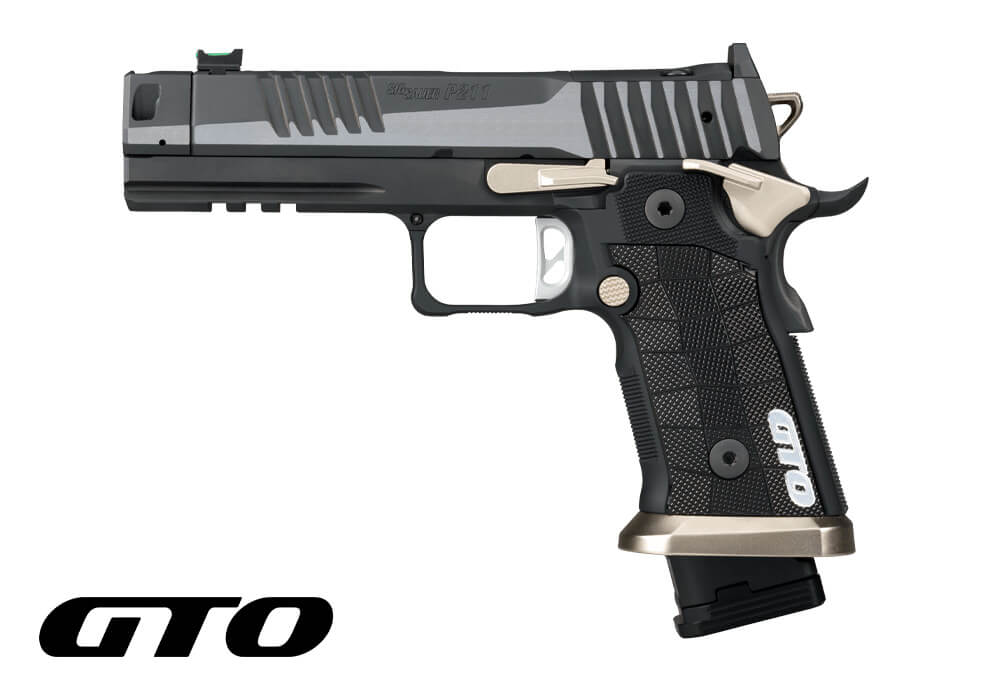
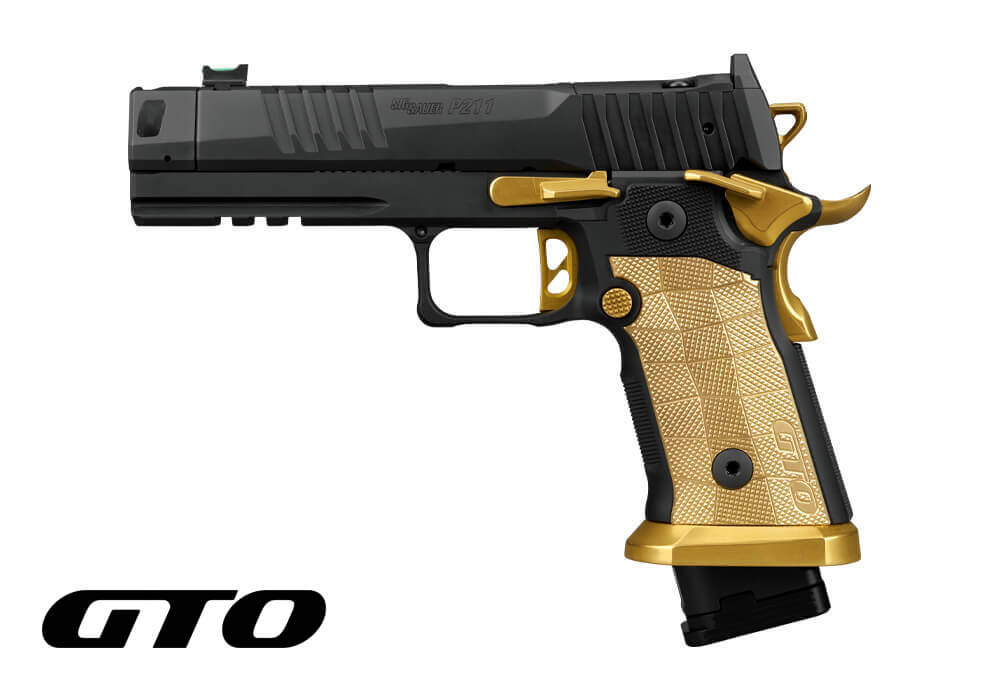
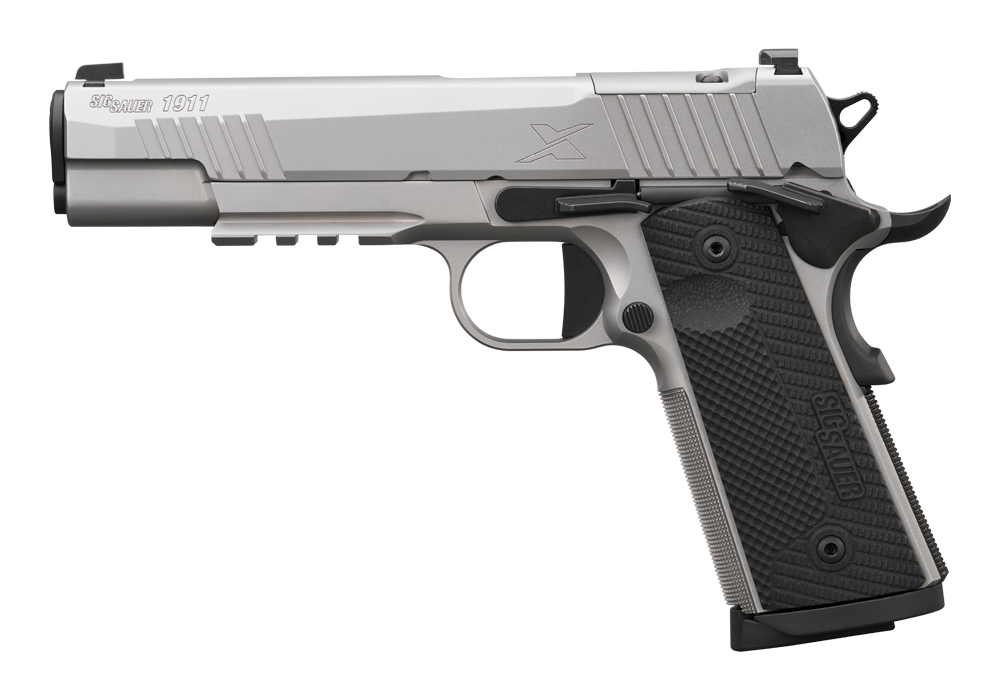
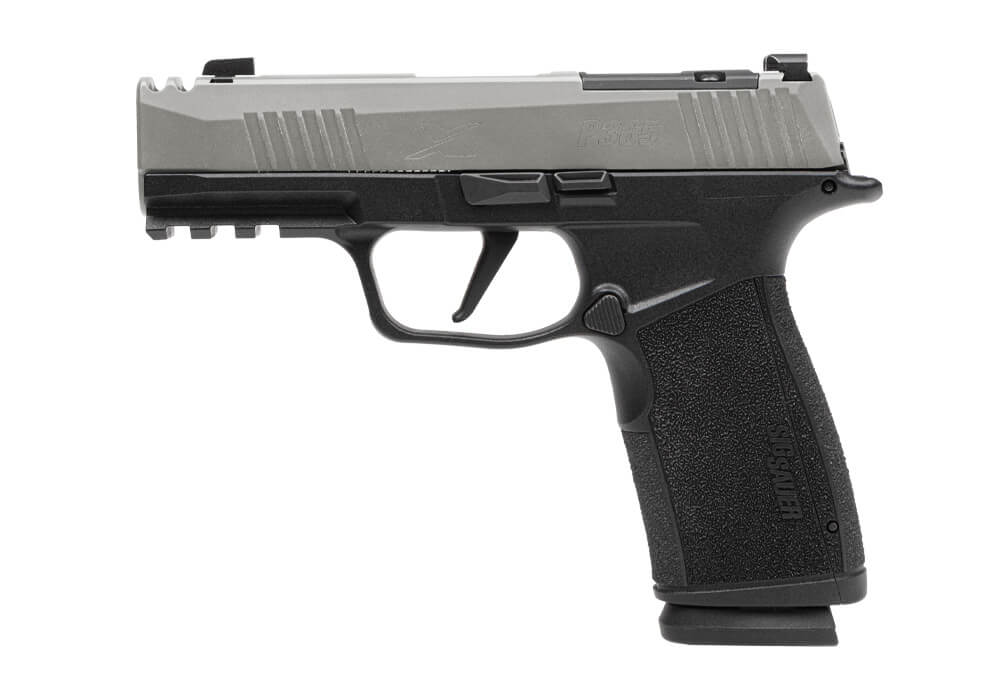
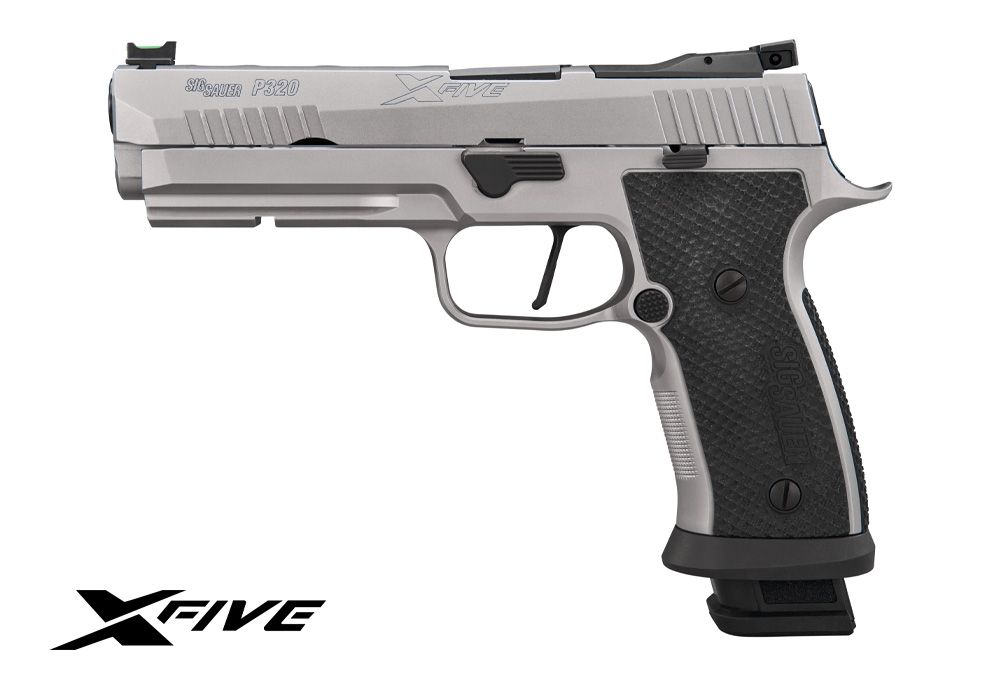
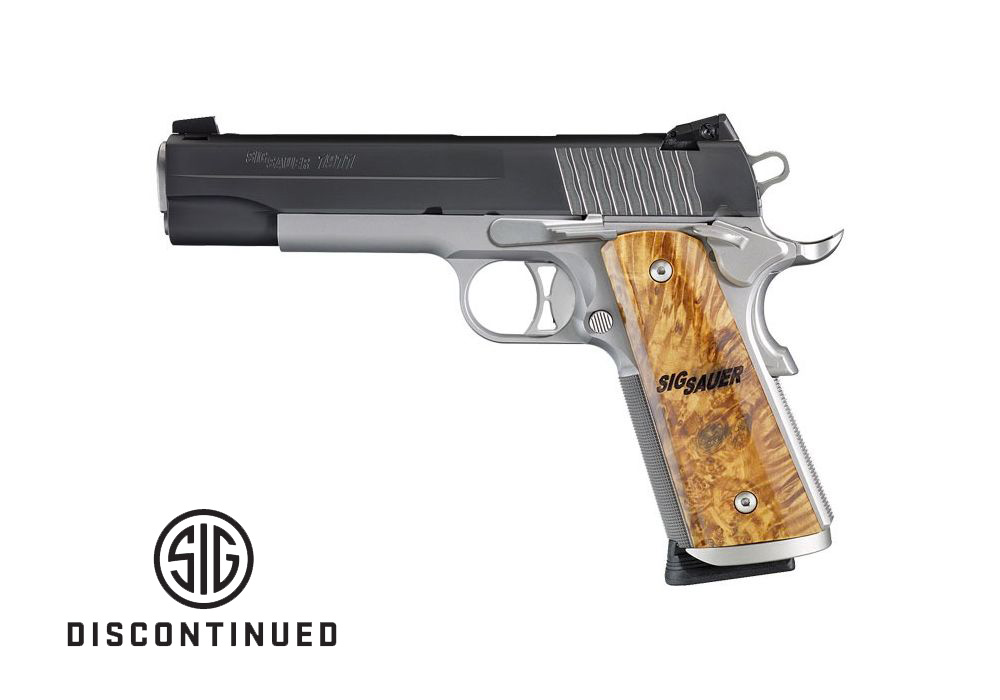
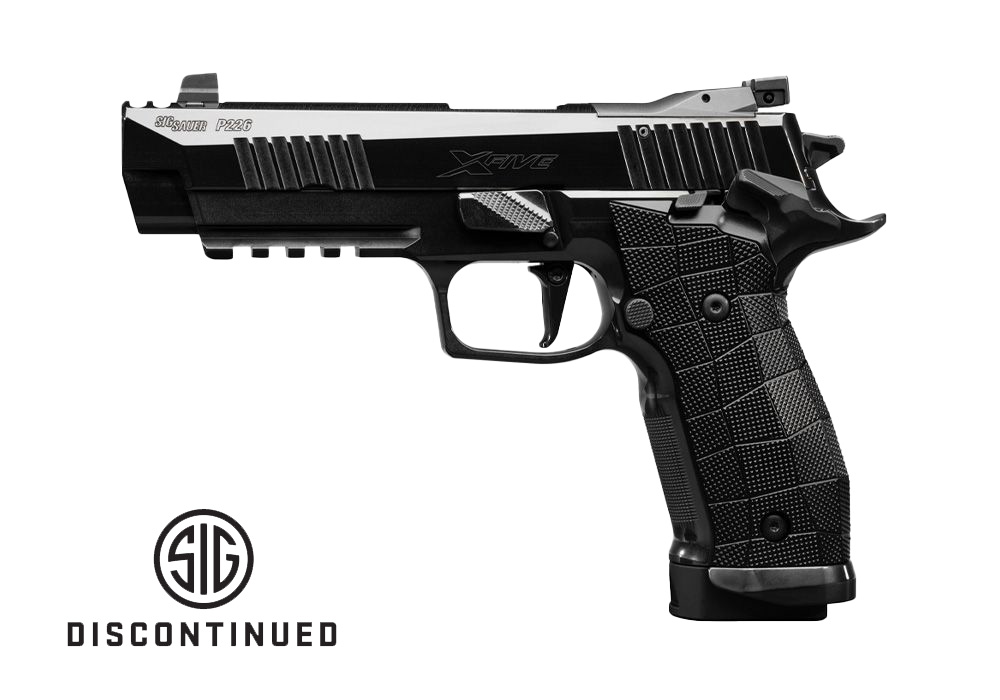
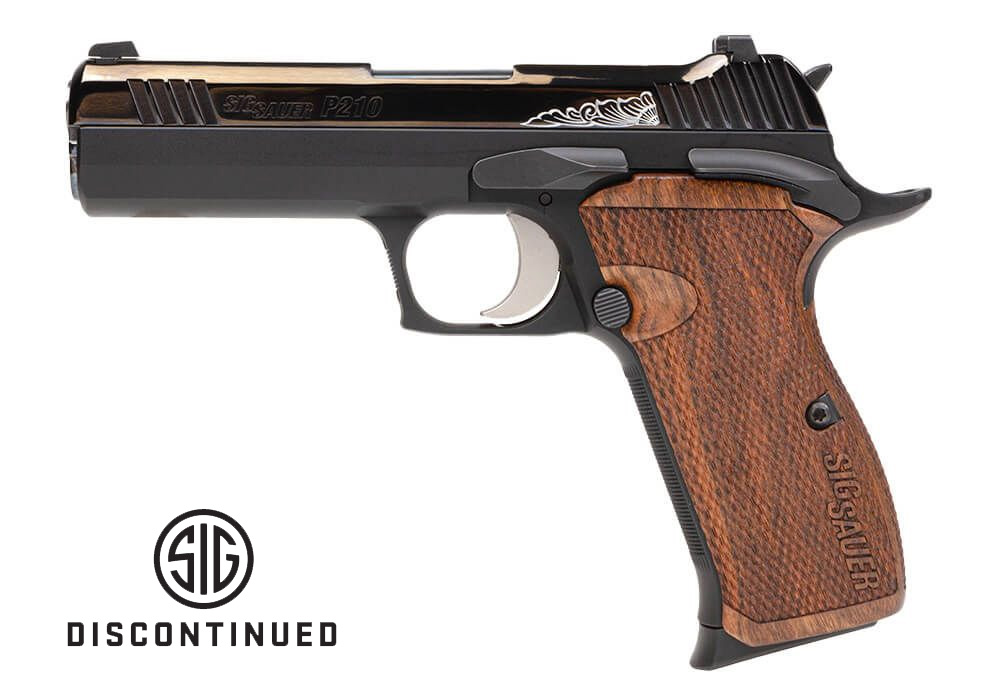
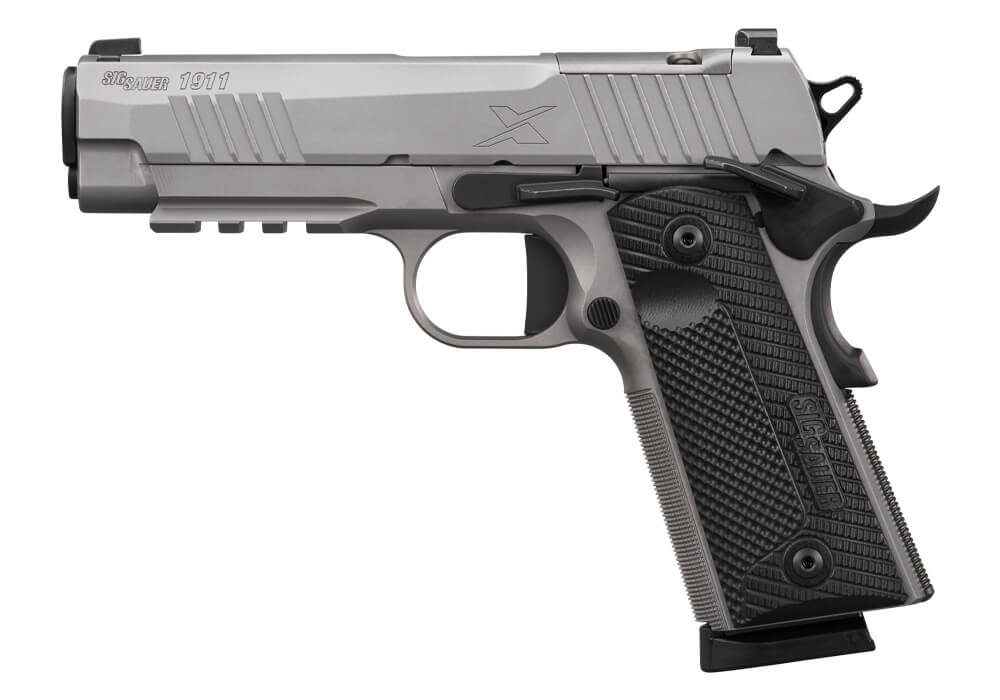
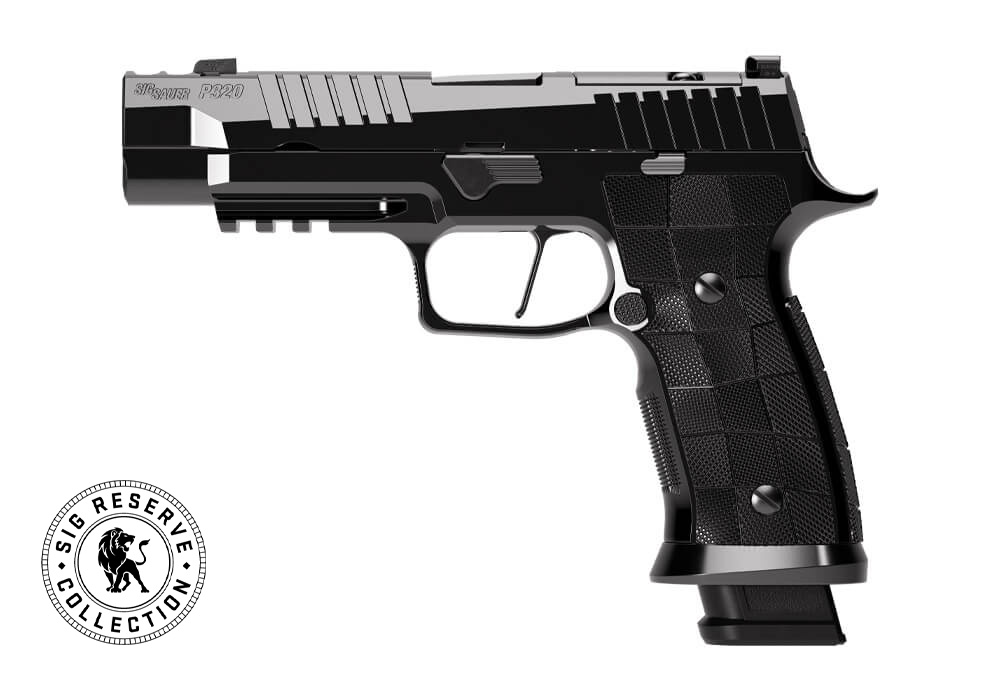
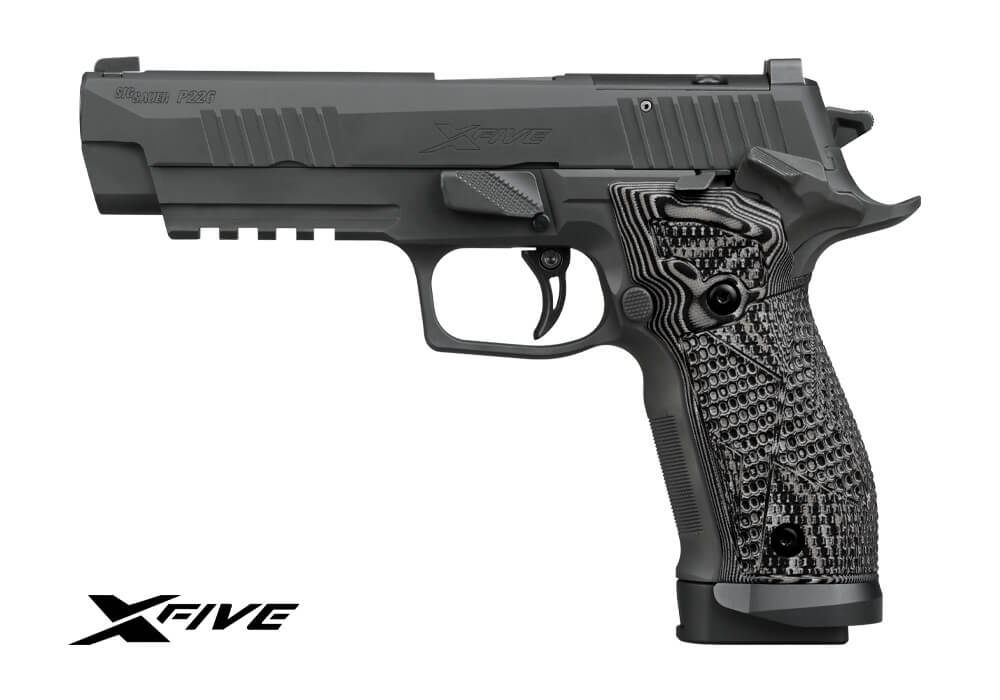
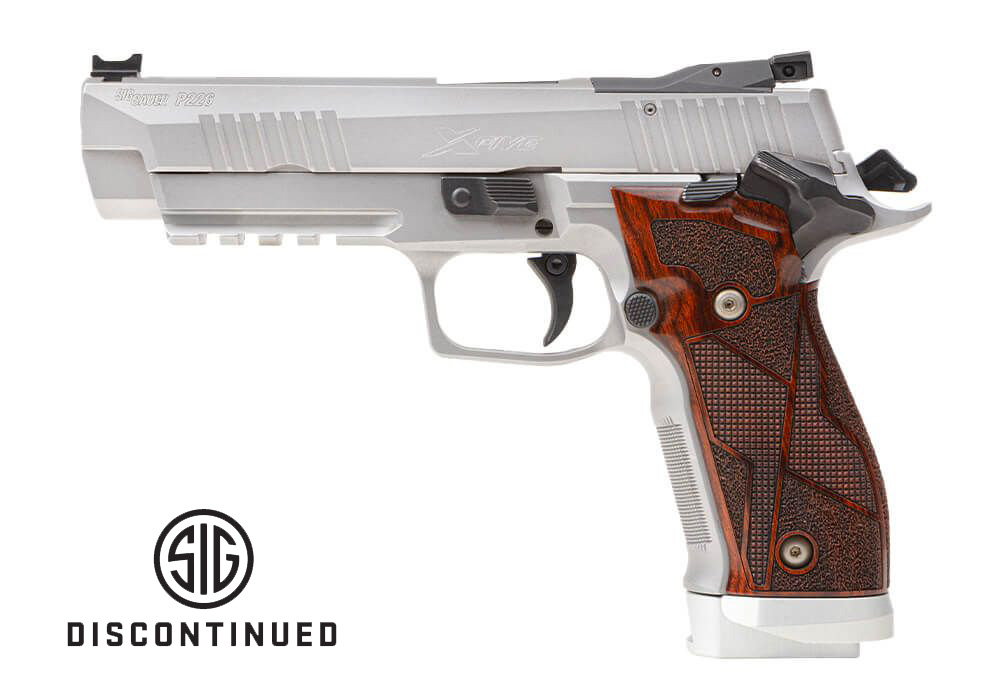
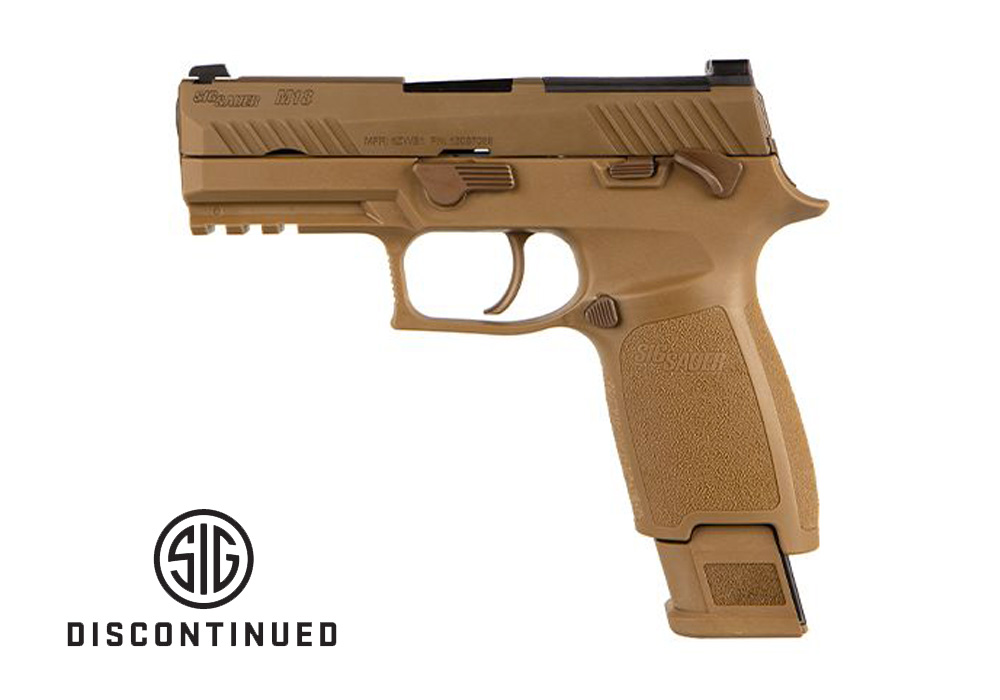
Pistols with polished stainless steel slides combine a bright, reflective appearance with a slide material valued for corrosion resistance and durability. Stainless steel describes the underlying metal, while polishing describes the surface finish; the two qualities are related but not interchangeable. A silver-colored slide is not necessarily stainless steel, and a stainless steel slide does not necessarily have a mirror-like surface. Depending on the design, polished side panels can contrast with brushed contours, subdued upper surfaces, textured gripping areas, or a darker frame. That interplay gives these pistols a distinctive appearance without changing the basic considerations that matter in any handgun: reliable function, comfortable handling, suitable dimensions, and compatibility with the intended use. Stainless steel contains chromium that supports a protective surface layer, helping the metal resist corrosion during ordinary handling and use. It is not rustproof, however, and perspiration, residue, or prolonged contact with moisture can still affect its condition. Polishing can create a smoother surface that is easier to wipe clean, but it does not automatically increase hardness or prevent scratches. Fine handling marks and fingerprints may actually be more noticeable on a highly reflective surface than on a subdued finish. For someone who appreciates carefully finished metalwork, those characteristics are part of understanding the material rather than a reason to overlook it. A polished slide can lend visual definition to the lines of a pistol, highlighting its contours and the contrast between metal and grip surfaces. The appeal extends to recreational shooters, enthusiasts who enjoy maintaining an attractive firearm, and collectors interested in differences in finish and construction. Whether the preference is for understated contrast or a brighter presentation, the most satisfying choice balances appearance with the practical qualities that remain important after the first impression: secure handling, consistent operation, manageable weight, and a finish suited to the attention it will receive.
Fit is especially important because a polished stainless steel slide says little about how a pistol will feel in the hand. Grip circumference, trigger reach, frame shape, and the position of the controls all influence comfort and confidence. A grip that feels natural during a brief inspection may feel different over an extended range session, particularly if its texture creates pressure points or requires frequent readjustment. The slide’s gripping surfaces also deserve attention. Smooth polished panels serve a different purpose from serrations or other textured areas intended to support secure manipulation; visual refinement should coexist with practical access to those surfaces. Overall dimensions and weight help distinguish a pistol suited to regular range practice from one selected for lawful carry or another permitted purpose. A steel slide contributes to the firearm’s weight, but polishing itself does not add meaningful mass, and finish alone cannot predict recoil. Frame construction, barrel length, ammunition, grip fit, and the pistol’s operating system all influence the shooting experience. Heavier is not automatically better, just as a smaller profile is not automatically easier to handle. For shoppers comparing a particular chambering alongside this material preference, the 9mm Pistols With Stainless Steel Slide category provides a related way to narrow the search. Sight visibility is another consideration separate from the shine of the slide. Some designs combine reflective sides with a less reflective upper surface, helping preserve the desired appearance while limiting distracting reflections near the sight picture. Sight configuration, mounting provisions, and holster compatibility depend on the individual firearm rather than the finish category. A holster should match the pistol’s exact configuration, protect the trigger area, and retain the firearm securely; contact points can also leave visible wear on polished surfaces over time. These practical details help place the finish in perspective: it is a defining visual feature, not a substitute for suitable fit or dependable performance.
Care for a polished stainless steel slide centers on preserving both the surface and the firearm’s mechanical condition. Fingerprints, skin oils, and residue can interrupt the clean reflection that gives polished steel its appeal, so routine attention often has a visible benefit. Manufacturer-approved cleaning products, appropriate lubrication, and a clean, soft cloth are generally more suitable than abrasive household cleaners or improvised polishing compounds. A product intended to brighten decorative metal may be unsuitable for a firearm, particularly where contrasting finishes, markings, or other materials are present. Repeated polishing is not the same as ordinary cleaning and can alter surface details or finish uniformity; refinishing concerns belong with a qualified professional. Cleaning and inspection should always follow the firearm manufacturer’s instructions, with the pistol unloaded and ammunition kept away from the work area. The exterior deserves attention, but a bright surface cannot establish the condition of internal components or confirm that maintenance is complete. Likewise, stainless steel construction does not eliminate the need for lubrication at the specified points or periodic inspection for wear. Regular holster use, contact with hard objects, and grit caught in a cloth can leave marks, even when the underlying steel remains serviceable. For an owner who wants to preserve a crisp appearance, keeping cleaning materials free of debris and avoiding unnecessary abrasion can matter as much as the choice of cleaner. Secure storage should prevent unauthorized access and avoid prolonged contact with moisture-retaining materials, following the manufacturer’s recommendations and applicable laws. A polished-slide pistol may also appeal as a considered gift for an eligible, experienced enthusiast, but personal fit, the recipient’s preferences, and all legal transfer requirements take priority over presentation. Across collecting, recreational shooting, and other lawful uses, the enduring attraction is the combination of distinctive metalwork and practical construction. Understanding the difference between finish, material, and function supports a choice that remains rewarding through regular handling, responsible ownership, and appropriate care.