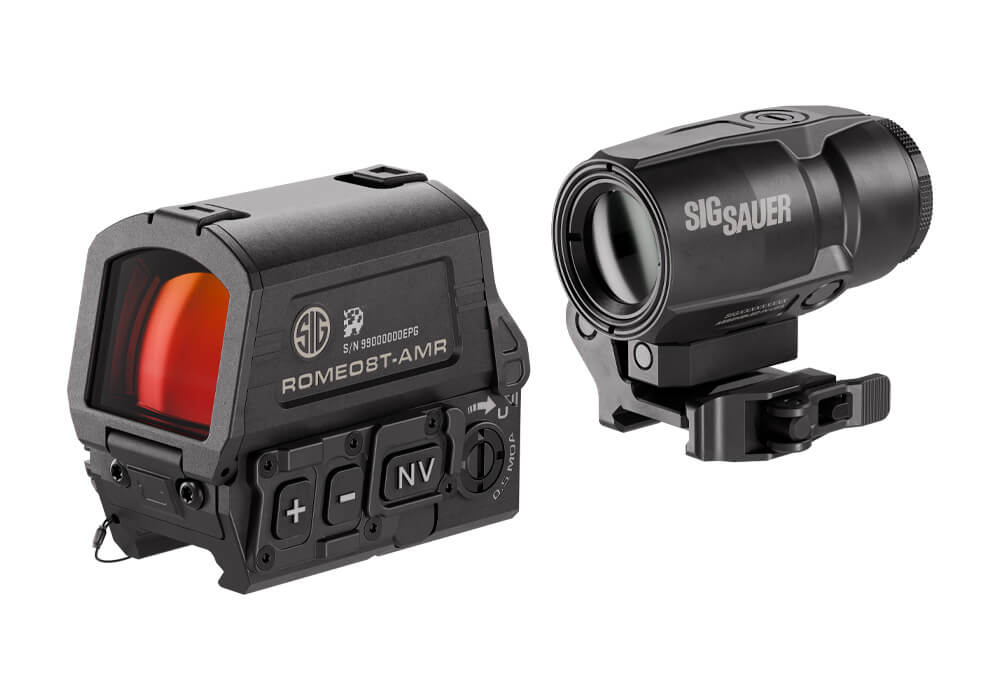
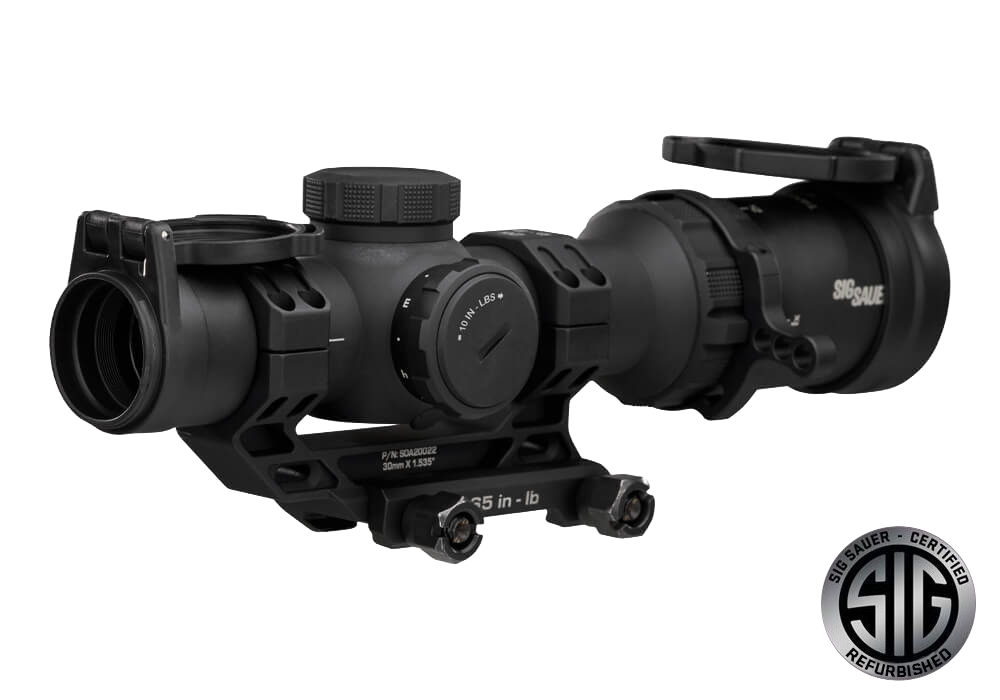
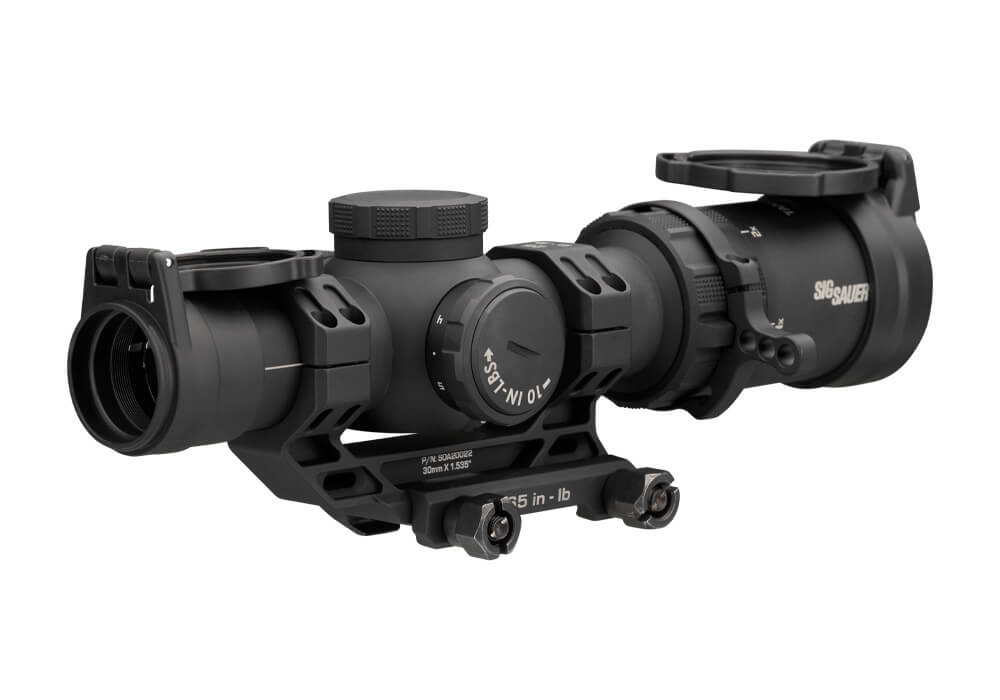
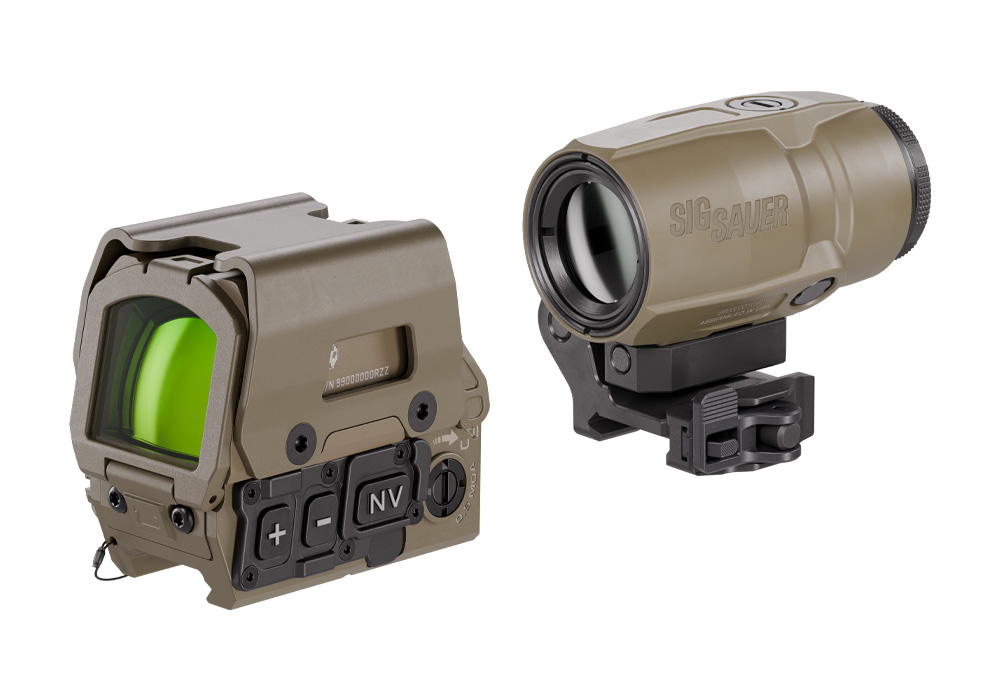
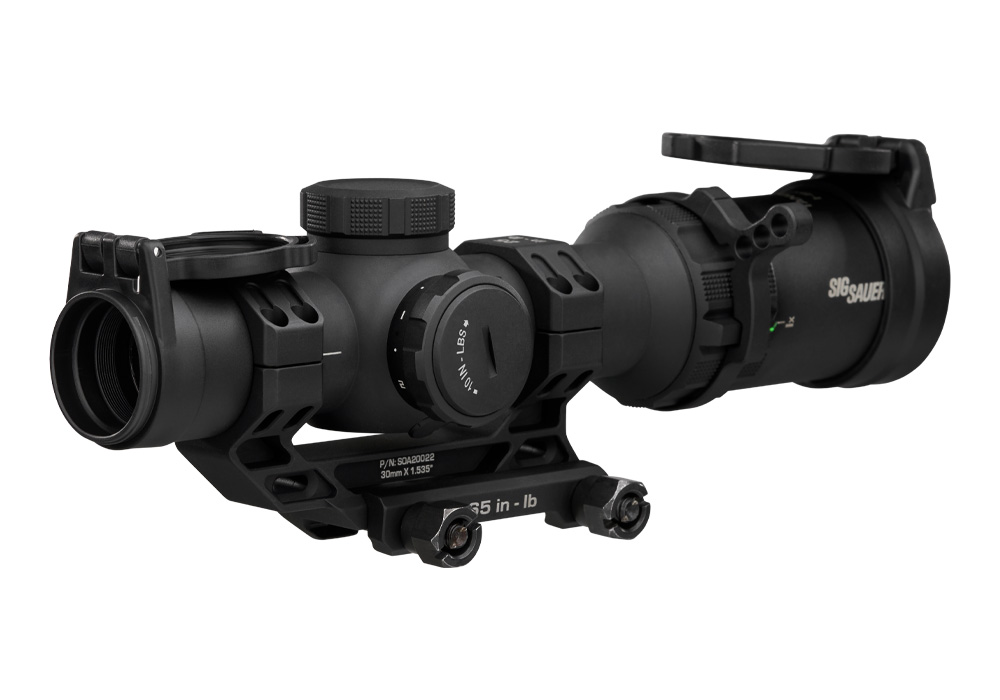
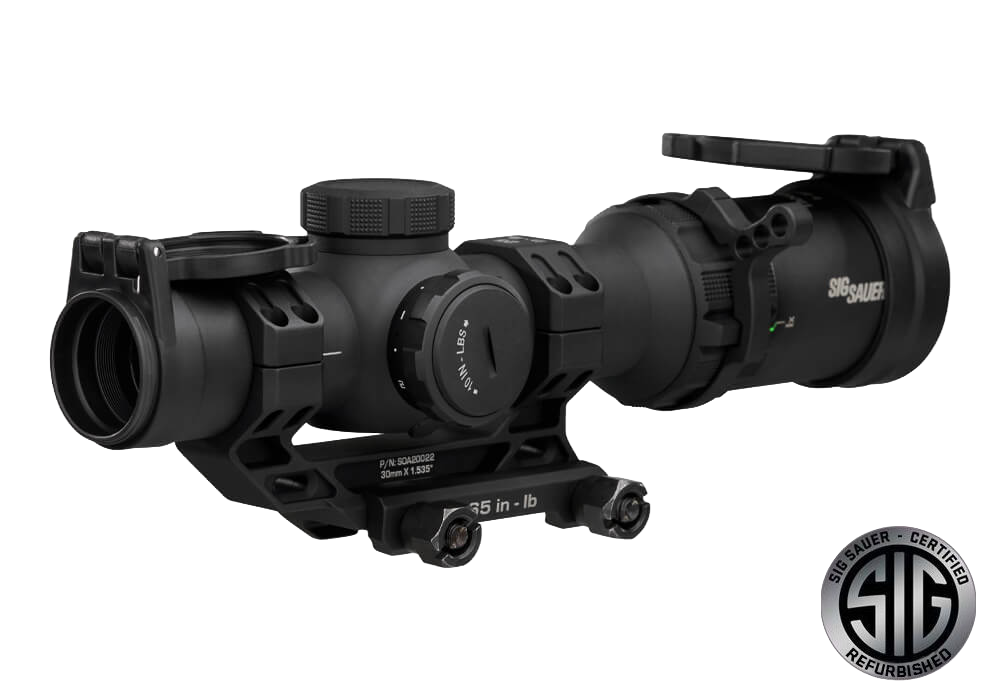
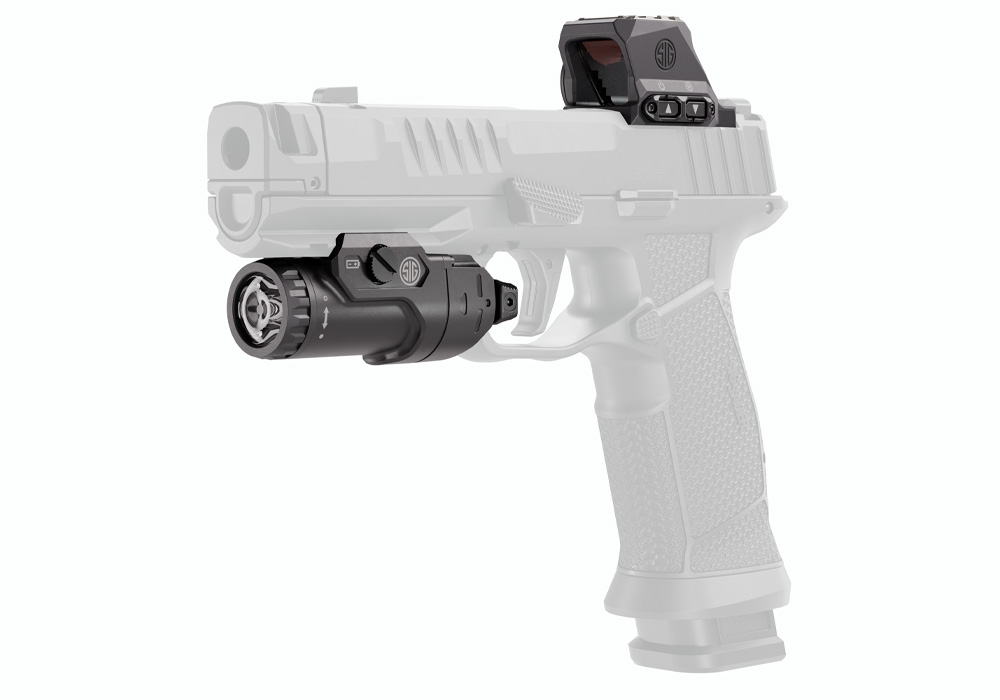
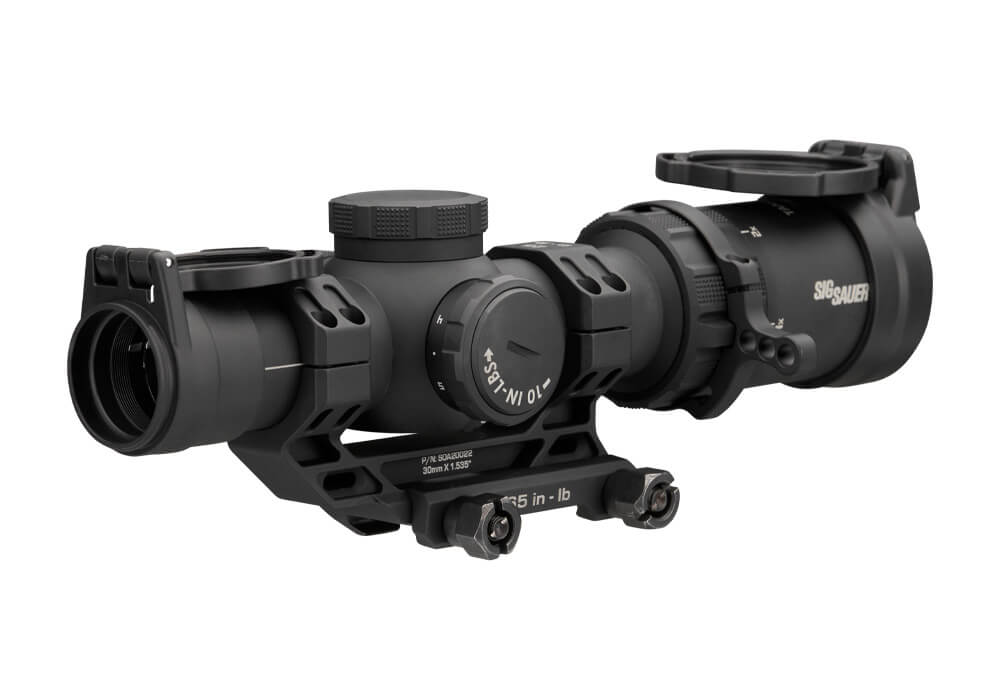
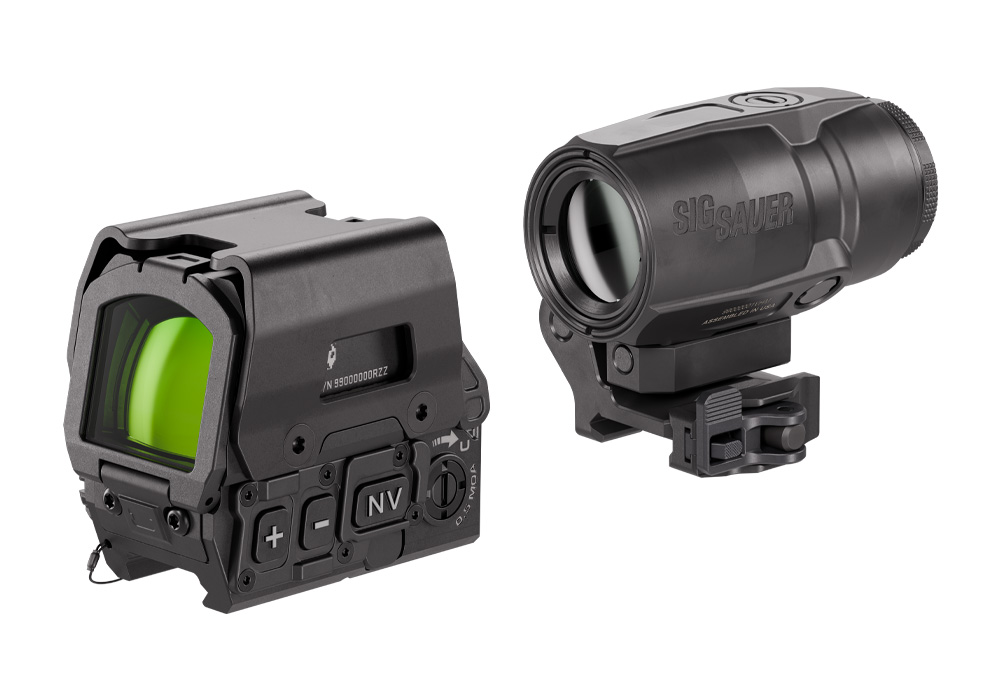
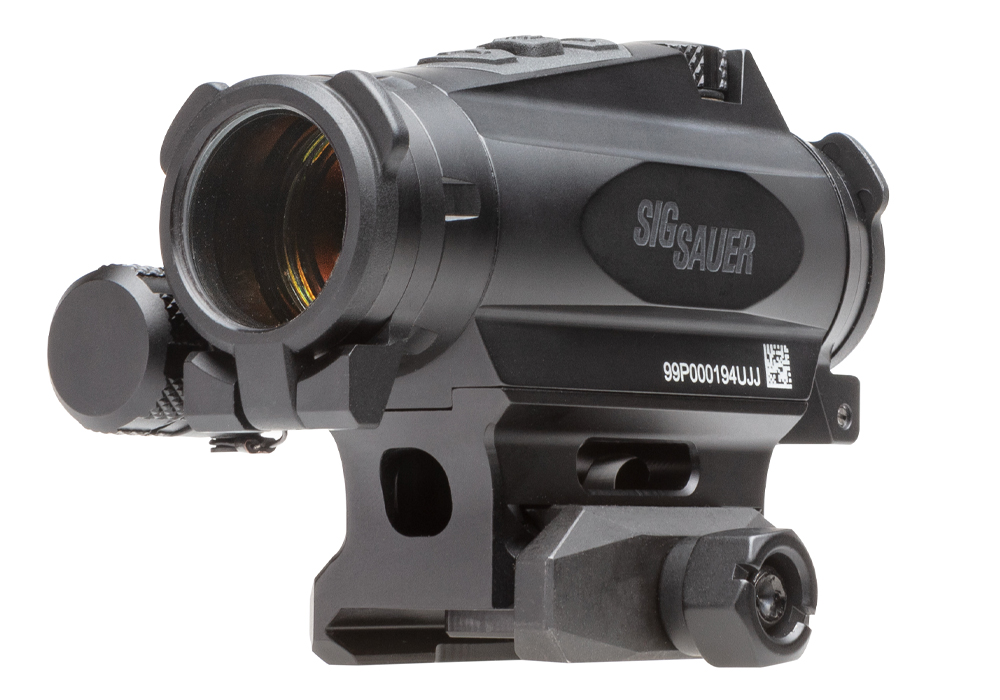
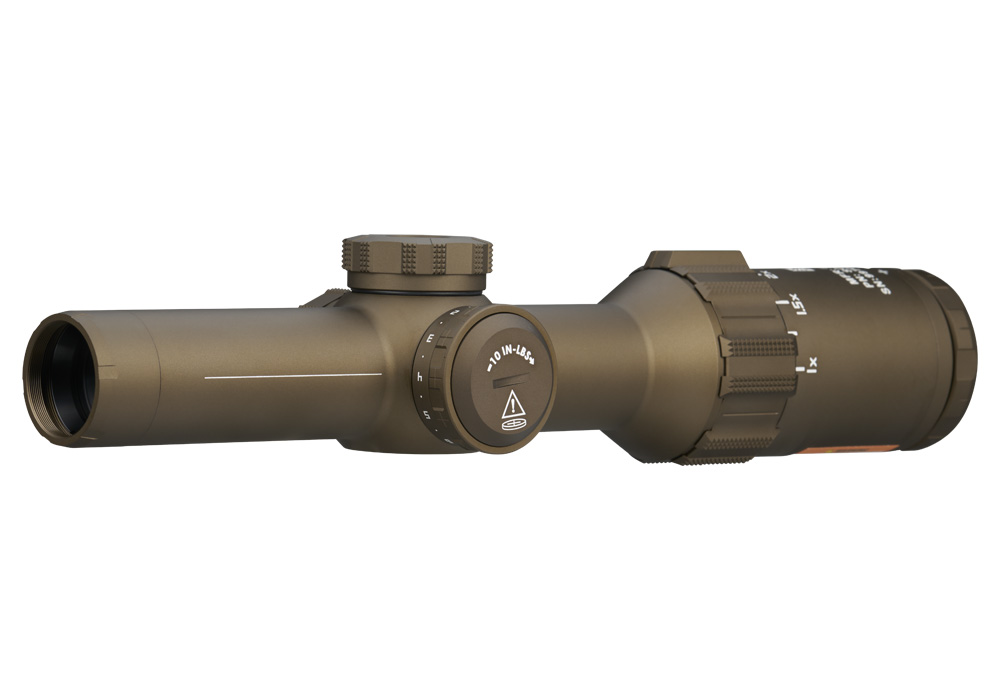
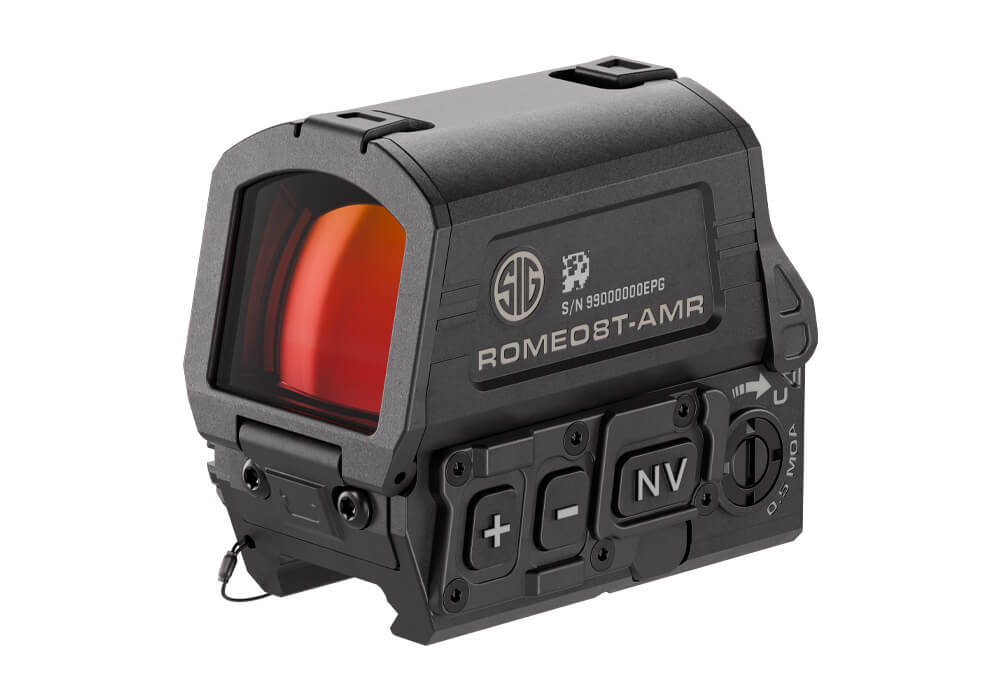
Compact tactical optic bundles bring a compact aiming optic together with selected accessories, such as a magnifier, a mount, or protective components, in a coordinated package. Contents vary by configuration, so the bundle description matters more than the word “bundle” alone. A red dot or reflex sight generally presents an illuminated aiming reference without magnification, while an accompanying magnifier enlarges the view through the optic. Other packages focus on the sight and its mounting hardware rather than additional magnification. These combinations appeal to recreational shooters, range regulars, and firearm owners who prefer to evaluate compatible components together instead of sorting through unrelated accessories. Compact describes the physical footprint, not a universal performance standard: housing dimensions, mounted height, overall weight, and the room occupied by each accessory all contribute to how a setup feels. On a range bench, a shorter sight body may leave more space around neighboring equipment; inside a fitted case, the height of the complete assembly can matter just as much as its length. A suitable package balances the intended use of the firearm with a clear view, accessible controls, and a comfortable position behind the optic. An illuminated dot can provide a simple visual reference for ordinary range sessions, while optional magnification can help reveal finer details on paper targets. Neither feature replaces safe handling, proper instruction, or familiarity with the equipment. Reticle appearance also deserves attention. Dot size, brightness adjustment, and the way an individual’s vision perceives an illuminated mark can influence comfort more than a photograph suggests. People who wear corrective lenses may benefit from evaluating a similar sight in person when possible, because the same reticle can look different from one viewer to another. The most suitable compact optic bundle is not necessarily the one with the most components. It is the combination whose included parts, mounting requirements, and handling characteristics suit the owner’s existing equipment and regular use.
Materials and construction help distinguish a compact optic intended for regular range use from one selected primarily for its dimensions. Aluminum housings are common because they balance structural strength with manageable weight, although the alloy, housing design, and protective finish vary. Recessed lenses and protective covers can help shield exposed glass during transport, but neither feature makes an optic immune to damage. Lens coatings may reduce reflections and support image clarity; their benefits should be considered alongside the quality of the glass and the overall optical design. With magnified components, eye relief and the usable viewing area deserve particular attention. A combination that looks tidy in a photograph may feel less comfortable when used with eye protection or from a normal shooting position. Fit involves more than whether a mount attaches to a rail. Mounting interfaces, optic footprints, sight heights, and clearance around adjacent components must agree with the intended platform. A bundle can coordinate certain parts without guaranteeing compatibility with every firearm, so included hardware and stated requirements should be checked carefully. Manufacturer documentation or a qualified installer can resolve uncertainties without relying on appearance alone. For packages organized specifically around rifle platforms, Compact Rifle Optic Kits offers a related category to consider alongside the configuration requirements of the firearm. Durability should receive the same attention as fit. Published recoil ratings, water-resistance specifications, and warranty terms provide more useful context than broad claims of toughness. Sealing around controls and battery compartments matters, as does the condition of those seals over time. Battery type, access, and stated operating life also affect ownership: a familiar battery format may simplify routine replacement, while an accessible compartment can reduce unnecessary handling of the assembly. Operating-life estimates depend on brightness settings and other conditions, so they should not be treated as a fixed replacement schedule. Clearly marked controls and readable adjustment indicators can make routine checks less frustrating, particularly for an owner learning unfamiliar equipment. Each of these details contributes to whether the complete package remains practical beyond its first range session.
Care and storage have a direct effect on the condition of compact optics, especially when several components share a small amount of space. Dust on a lens, residue around a control, or grit caught beneath a cover can turn an otherwise straightforward range visit into an equipment-maintenance task. Routine care should follow the manufacturer’s directions, with loose debris removed before the glass is wiped and only suitable lens-cleaning materials used on coated surfaces. A soft brush, a clean optical cloth, and an approved cleaning solution are generally more appropriate than a shirt sleeve or household cleaner. Solvents intended for other firearm components should be kept away from optical surfaces and seals unless expressly permitted by the optic manufacturer. Any inspection or maintenance involving a mounted optic should begin with the firearm unloaded and handled according to its safety instructions. Protective covers and a padded case help limit contact with other equipment during transport, while separate compartments keep small accessories from rubbing against lenses or finishes. Storage deserves a practical check as well: a case should close without pressing against adjustment controls, covers, or attached components. Before routine use, owners can review the optic’s condition and battery status according to its documentation, leaving damaged mounts, questionable hardware, or uncertain installation work to a qualified professional. These considerations are especially relevant when choosing an optic bundle as a gift. An experienced range enthusiast may already have a preferred mounting arrangement, reticle style, or battery format, while a newer owner may need professional assistance confirming compatibility. Knowing the recipient’s equipment and preferences is more useful than choosing solely by the number of accessories included. Documentation, protective accessories, and clearly identified components can make ownership easier, but they do not replace training or responsible handling. For an owner seeking a compact, coordinated optical setup, lasting satisfaction comes from clear glass, appropriate fit, dependable construction, and care suited to the equipment—not simply from fitting more pieces into a smaller package.