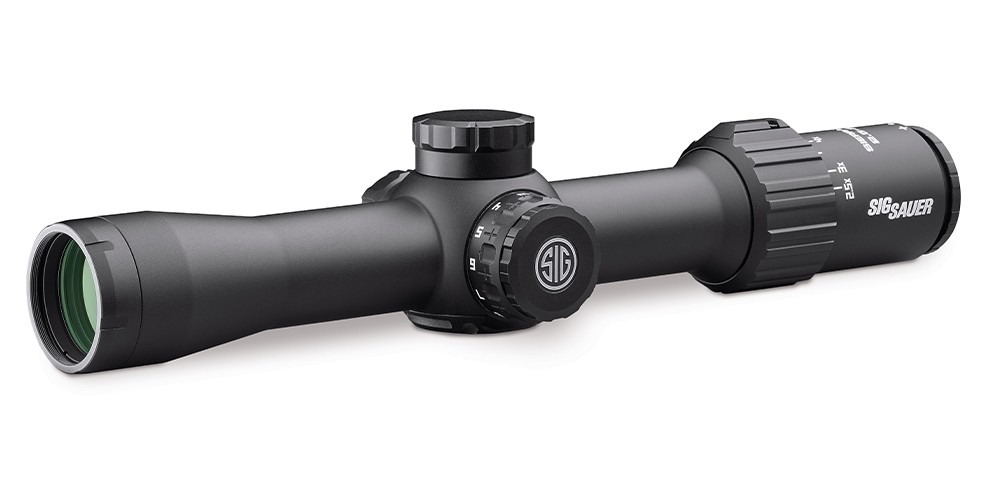
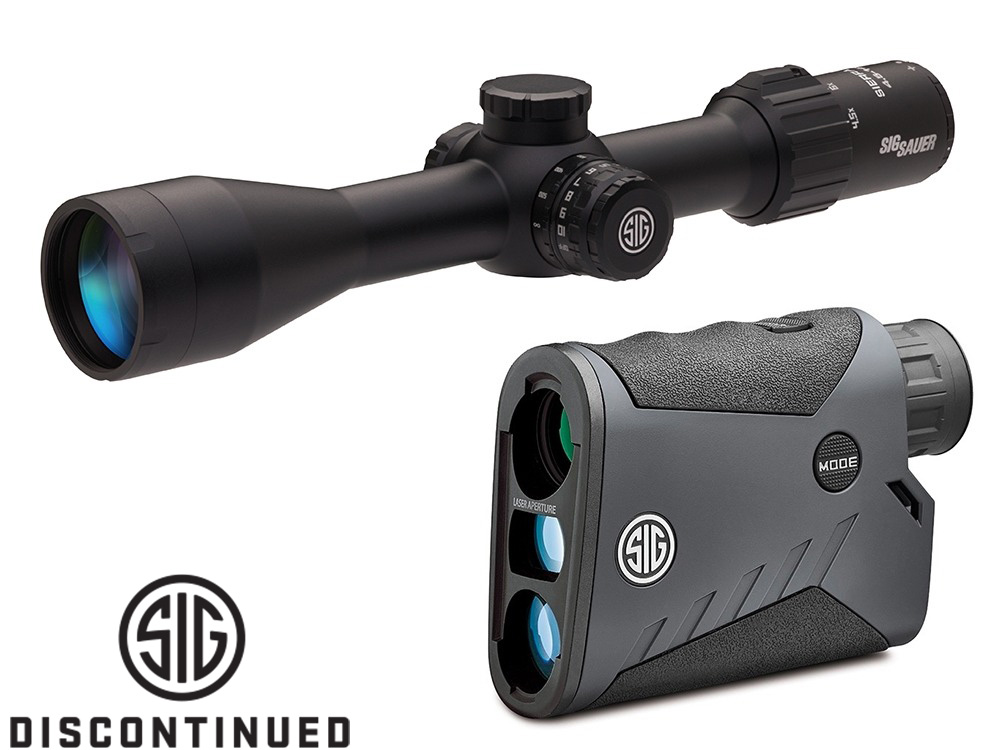
Ballistic profile optics bundles combine compatible sighting equipment with tools that organize ballistic information for a particular rifle and ammunition combination. Depending on the package, that can mean a riflescope paired with a rangefinder, connected electronics, companion software, or a combination of these components. A ballistic profile stores information that supported software uses to estimate trajectory and present relevant aiming references. In a connected system, distance measurements can pass between compatible devices, with calculated information appearing in an app, a rangefinder display, or the optic itself. The exact experience varies by system: some emphasize information on a separate screen, while others bring supported references into the sight picture. The value of a coordinated bundle lies in how its components work together, rather than simply how many pieces it contains. For hunters and recreational target shooters, a compatible arrangement can keep related information within a familiar interface instead of spreading it across unrelated tools. However, the word “bundle” does not mean that every package includes a rangefinder, mounting hardware, software access, or every connected feature. Included components, supported functions, and device requirements remain important distinctions. Wireless connectivity alone does not establish compatibility, either; equipment must support the appropriate communication system and software requirements. A useful product description should distinguish between an optic that displays ballistic information and one that relies on an external device for that information. Profile storage and organization also matter for owners who maintain more than one sporting setup, especially when clear labeling helps keep different configurations separate. These systems are best understood as information tools, not substitutes for sound judgment or familiarity with the equipment. Their calculations depend on the information supplied and the functions supported by the connected components. For shoppers comparing ballistic profile optics bundles, the most meaningful starting point is the complete experience: what measures distance, what manages the profile, where information appears, and which pieces are intended to communicate with one another.
Optical quality, physical fit, and construction deserve as much attention as connected features. A clear image should remain useful across the magnification range, with readable markings and controls that are easy to distinguish without unnecessary searching. Magnification preferences differ between someone spending an afternoon observing small targets from a bench and someone carrying a sporting rifle over uneven ground. Higher magnification is not automatically the better choice; field of view, overall size, weight, and viewing comfort all influence how an optic feels in regular use. Eye relief and the viewing position are particularly important when evaluating whether a scope suits the firearm and its owner. Mount compatibility involves more than choosing rings that look appropriate. Tube diameter, mounting interface, ring height, and clearance around adjacent components all affect fit, and those details should agree with the equipment specifications. A bundle can coordinate the electronics without resolving every mounting requirement. Construction details provide another useful point of comparison. Aluminum housings are common because they balance structural strength with manageable weight, while protective finishes help limit surface wear from handling and transport. Lens coatings can support light transmission, contrast, and resistance to routine smudging, although coated glass still requires careful treatment. Sealing, stated water resistance, and recoil suitability should be evaluated through the manufacturer’s published specifications rather than appearance alone. Controls should feel deliberate, battery compartments should remain accessible, and protective covers should suit the way the equipment will be carried. Reticle design is another part of the overall package. The Ballistic Reticles collection offers a related category for shoppers considering how aiming references appear within an optic. Fine markings, bolder reference points, illumination, and the relationship between the reticle and magnification each shape the viewing experience. Digital features do not replace these fundamentals. A well-coordinated system still needs readable optics, a comfortable fit, and construction appropriate to its intended sporting use.
Intended use helps bring these considerations into focus. A target shooter who usually works from a stable bench may welcome a larger optic and a separate display, while a hunter carrying equipment for hours may place greater importance on compact dimensions, protected controls, and fewer loose accessories. Someone who already uses compatible electronics may be looking for a coherent addition to an established setup; another shopper may prefer a coordinated starting point rather than assembling individual components with uncertain interoperability. Ease of ownership matters in either case. App requirements, supported phone operating systems, account requirements, battery types, and access to software updates can influence the experience long after the equipment is first unpacked. Clear documentation and accessible support are especially useful when several electronic components need to remain compatible. Care is generally straightforward but should follow the instructions supplied with each component. Loose grit should be removed before wiping lenses, and optical surfaces benefit from a clean lens brush, suitable microfiber cloth, and cleaning products approved for coated glass. Household cleaners and abrasive materials can harm finishes or coatings. Protective caps and padded storage help prevent scratches and repeated contact between components during transport. Equipment should be clean and dry before being enclosed for storage, with battery care guided by the manufacturer’s recommendations. Cables, covers, and small accessories are easier to keep track of when stored together rather than loose in a range bag. Ballistic profile optics bundles can also be thoughtful gifts for an experienced sporting enthusiast, but compatibility makes them more personal than a general-purpose accessory. Knowing the recipient’s existing optic, mounting arrangement, preferred electronics, and intended use is more valuable than choosing the most elaborate feature list. For both gifts and personal purchases, the strongest fit is a coordinated system that suits the owner’s equipment, presents information clearly, and remains practical to maintain through regular use.