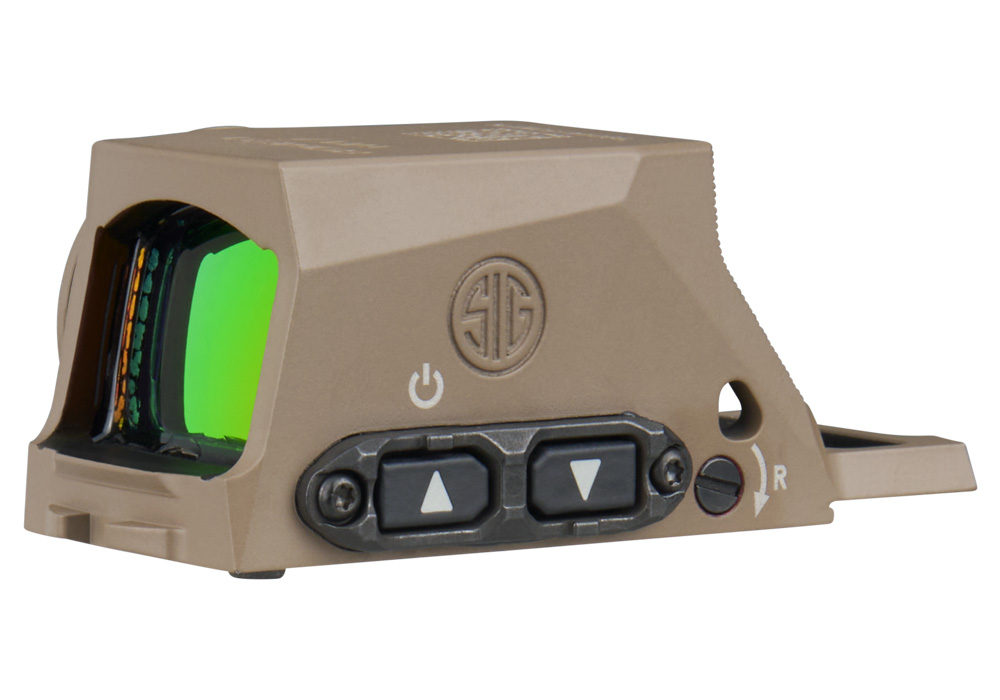
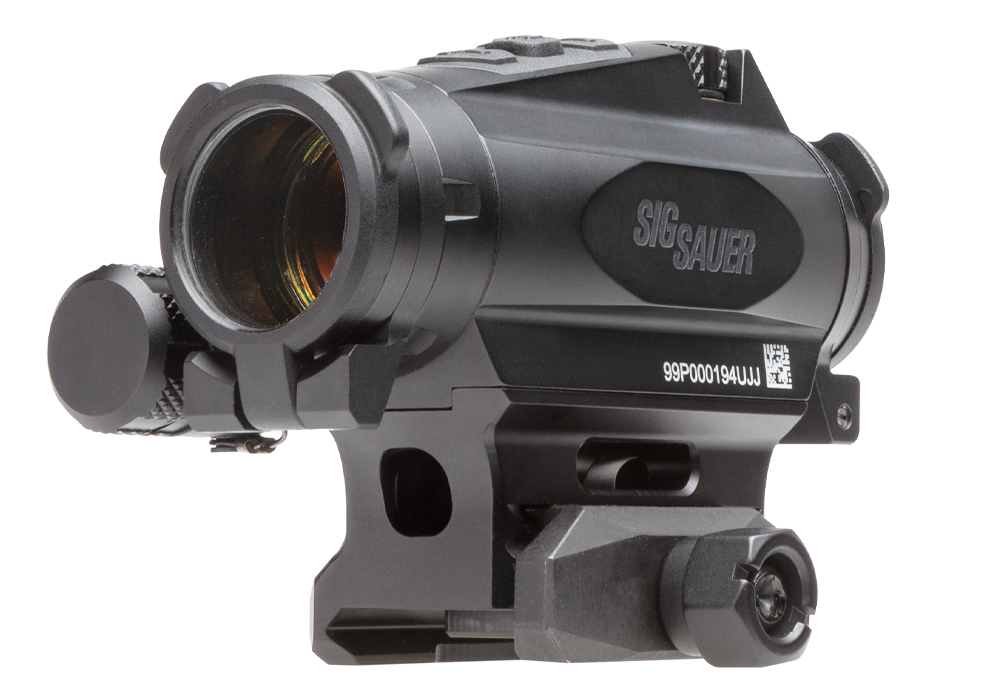
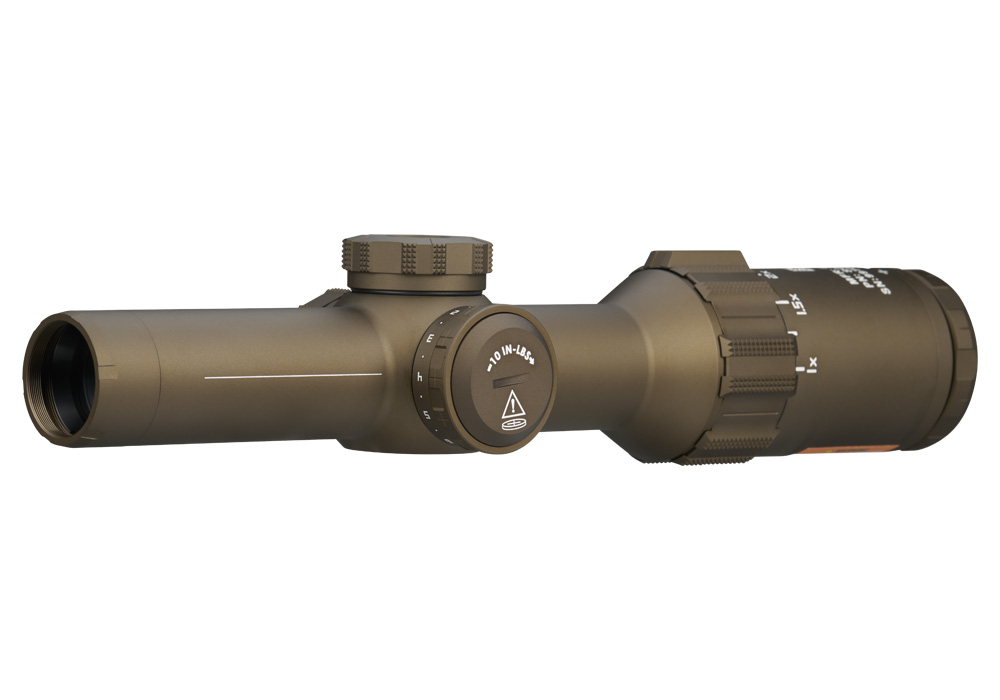
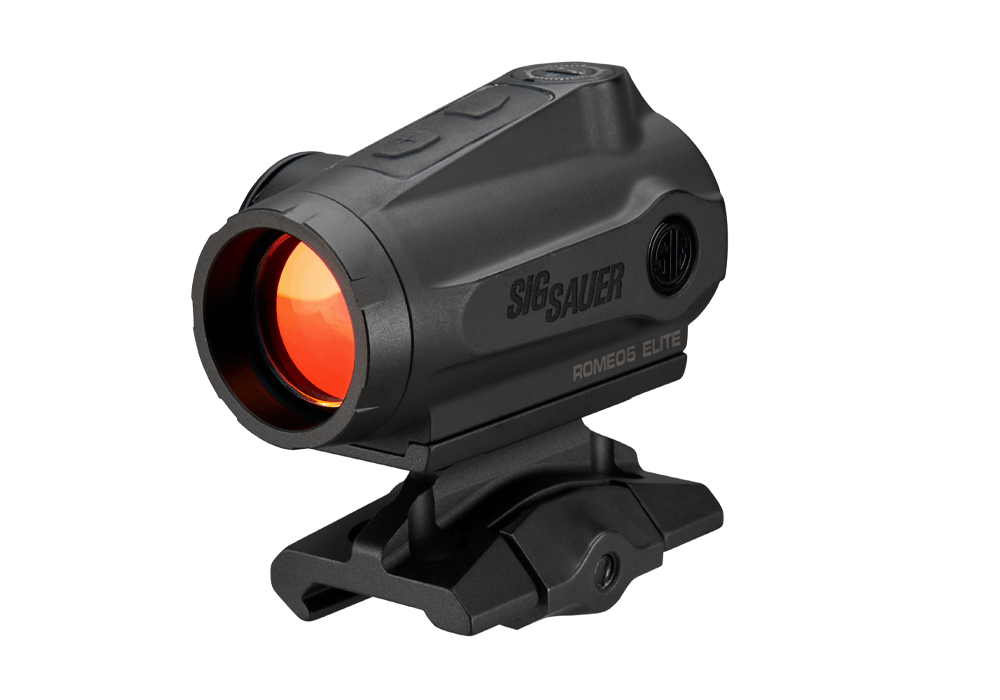
Ballistic reticles have become a trusted companion for shooters seeking precision and adaptability across a wide range of shooting scenarios, from hunting in open fields as the days grow longer to fine-tuning marksmanship skills at the range during cooler evenings. These innovative reticles, often referred to as BDC (Bullet Drop Compensator) or grid-style designs, are engineered to provide immediate visual references for bullet drop, windage, and even moving targets—without the need to adjust turrets on the fly. For those who have spent time glassing distant ridges or tracking game through shifting light, the value of a well-designed ballistic reticle becomes clear: it simplifies complex calculations and brings confidence to every shot. Whether you’re dialing in for a challenging long-range steel match, zeroing a rifle for an upcoming hunt, or simply enjoying a day at the range, these reticles offer a distinct advantage by allowing shooters to compensate for gravity and wind in real time. The familiar sig cross hair, enhanced with additional aiming points or cascading dots, turns a standard optic into a versatile tool that adapts to different calibers, bullet weights, and environmental conditions. Many experienced shooters appreciate the flexibility of MRAD or MOA-based systems, which use precise angular measurements for those who prefer to pair their reticle with a ballistic calculator, while others gravitate toward BDC formats tuned for popular ammunition profiles.
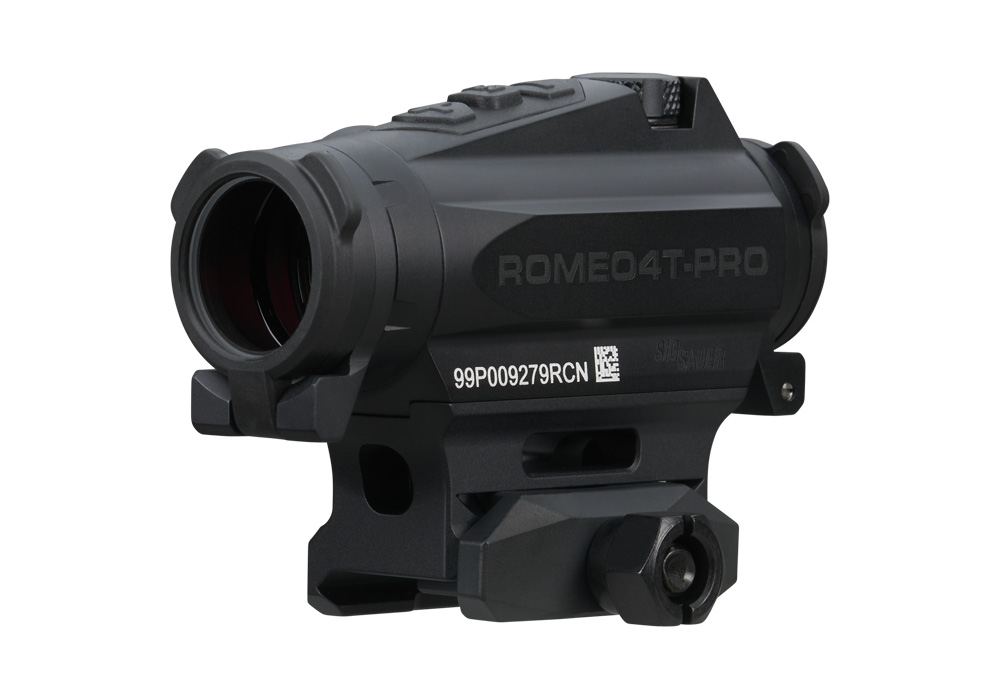
When considering a ballistic reticle, it’s important to think about your primary shooting activities and the distances you expect to engage. Hunters gearing up for early-morning outings or late-afternoon sits will appreciate the speed and simplicity of a BDC reticle, especially when quick follow-up shots are needed and there’s no time to adjust turrets. Precision shooters, on the other hand, may lean toward “Christmas tree” reticles with their expanded grids for advanced windage and elevation holds, making them well-suited for dynamic field conditions or competitive environments. These reticles can be visually complex at first glance, but with practice, their intuitive layout becomes second nature, allowing for rapid corrections and improved accuracy. For those exploring the differences between optic platforms, comparing models like the romeo8h and romeo8t can highlight subtle but important distinctions in reticle design, durability, and user interface—factors that can influence your experience in the field or on the range. Ballistic reticles also make thoughtful gifts for enthusiasts looking to upgrade their setup, whether it’s a seasoned hunter preparing for the fall or a new shooter eager to learn the fundamentals of long-range accuracy. As the seasons shift and the opportunities for adventure expand, investing in a quality optic with a well-designed ballistic reticle ensures you’re prepared for whatever lies beyond the next ridge or downrange target.
For those interested in exploring the latest advancements in red dot technology combined with ballistic reticles, there are dedicated options designed to deliver fast target acquisition and uncompromising reliability. These optics are ideal for a variety of platforms, from modern sporting rifles to tactical carbines, and are well suited for users who demand both speed and precision. To discover more about these versatile solutions and find the right fit for your needs, visit our selection of Ballistic Reticle Red Dot Sights.