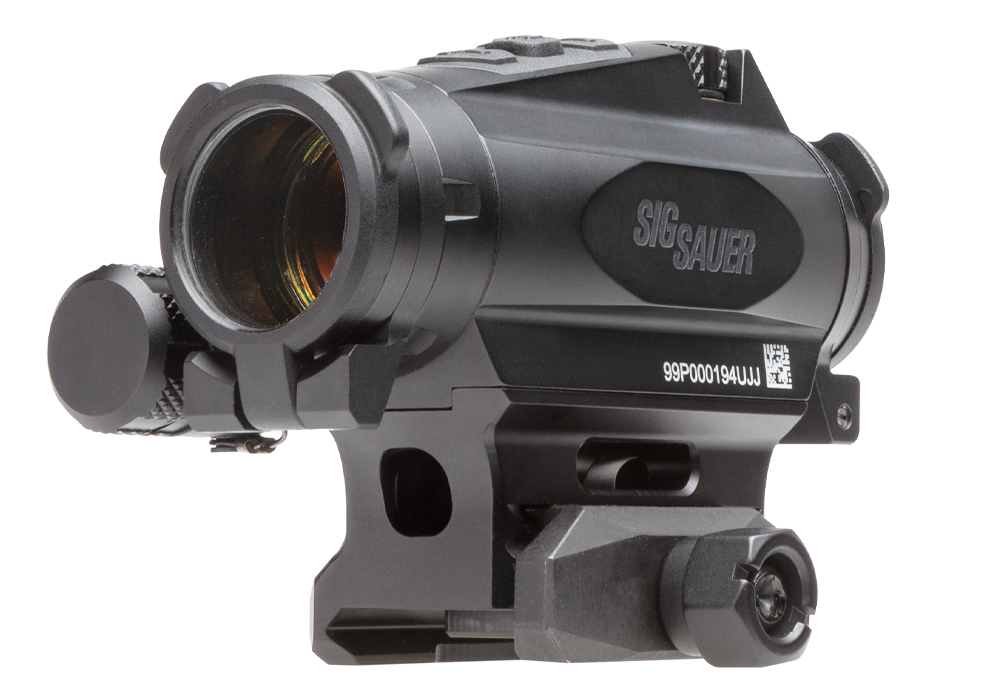
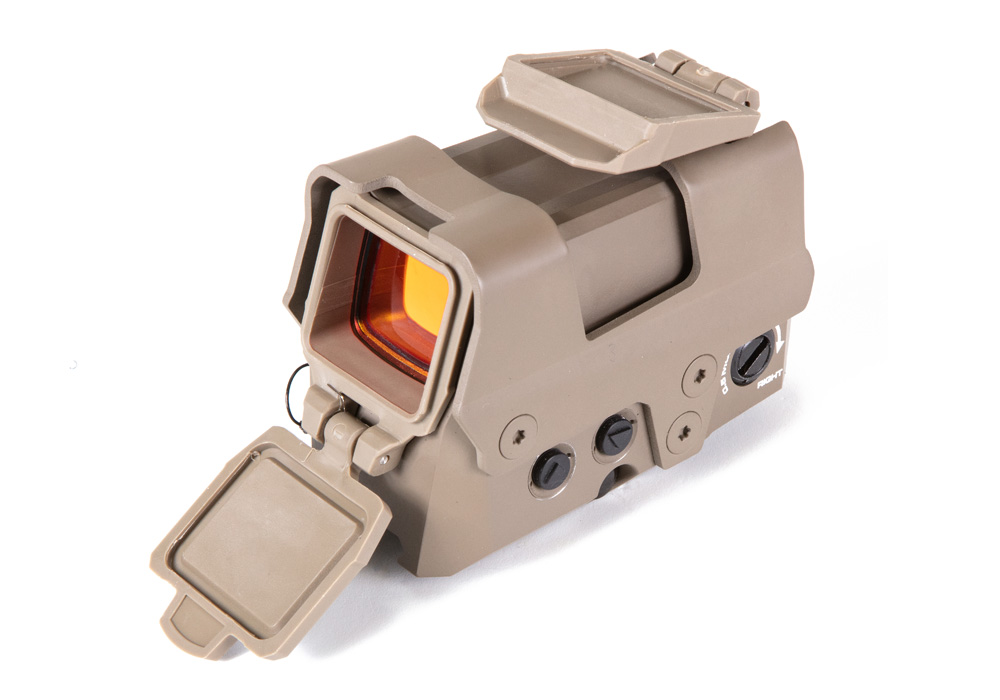
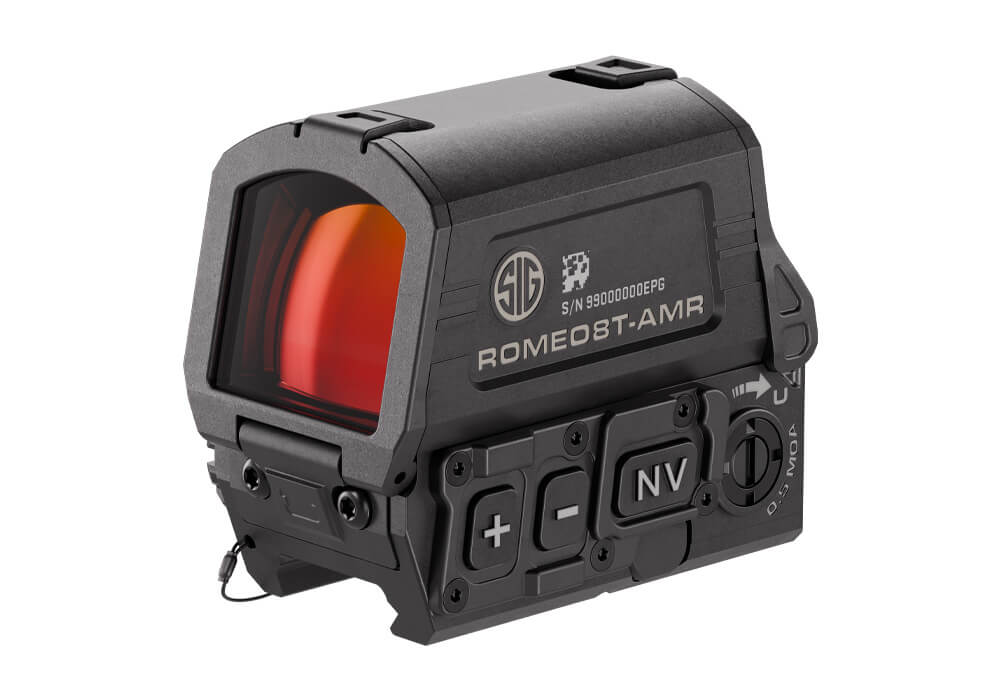
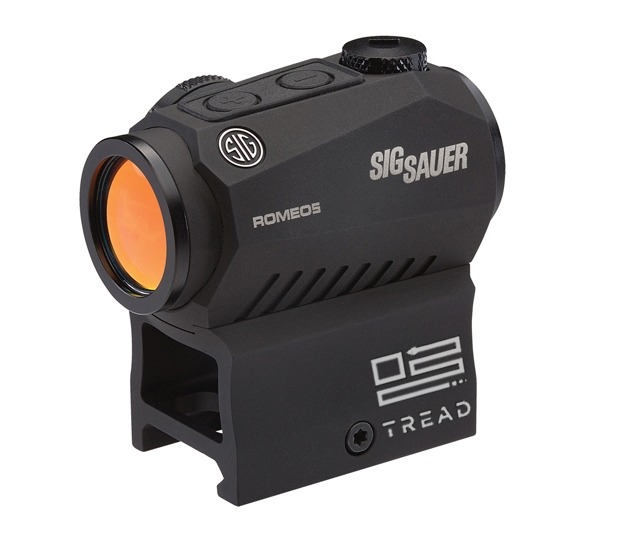
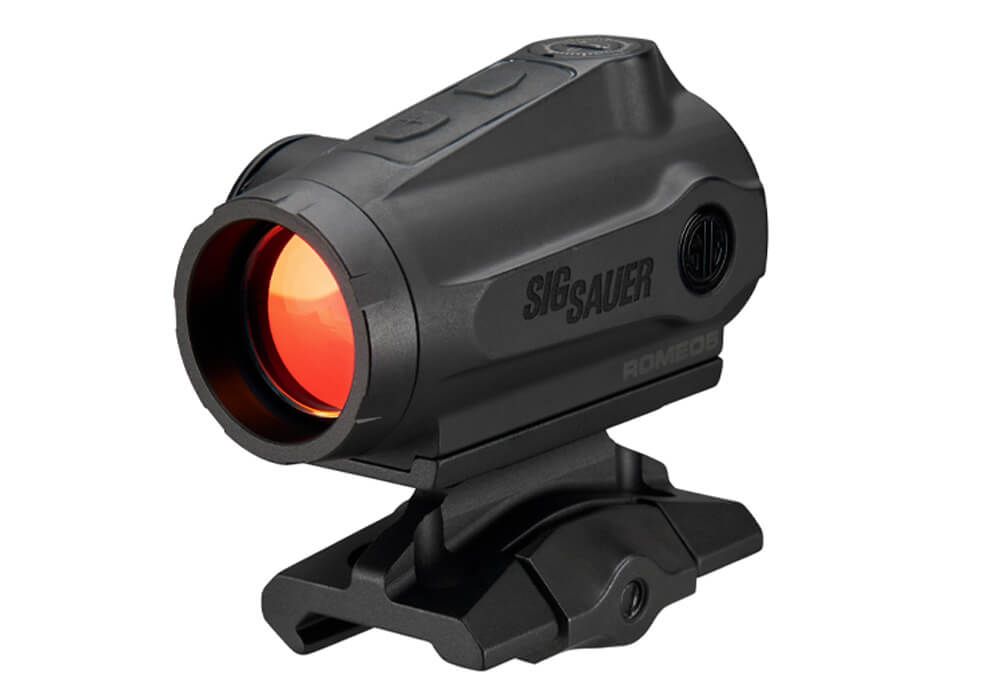
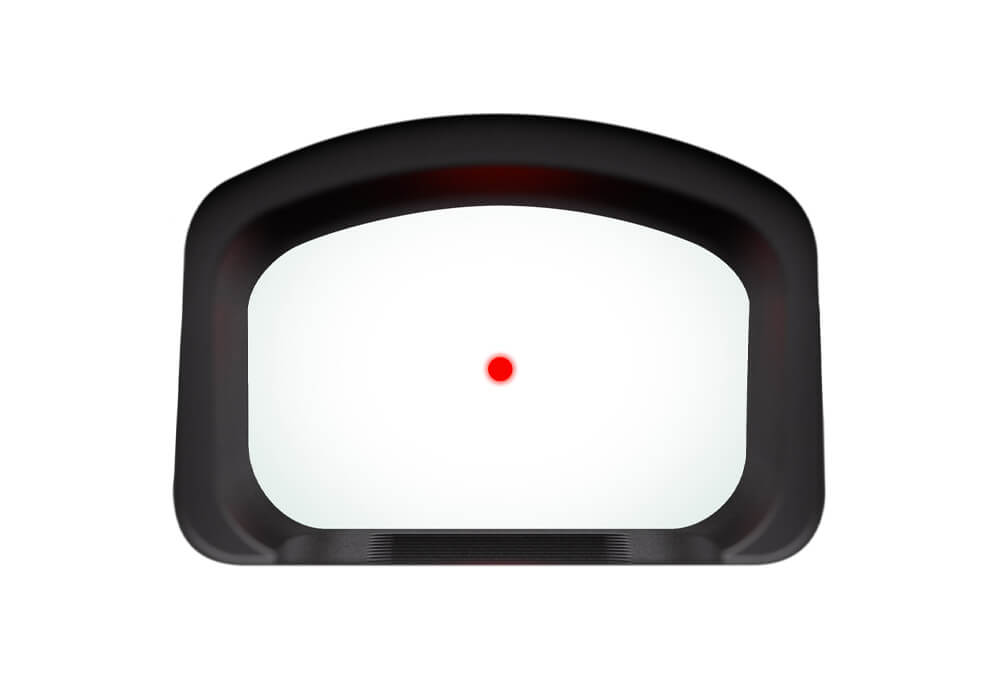
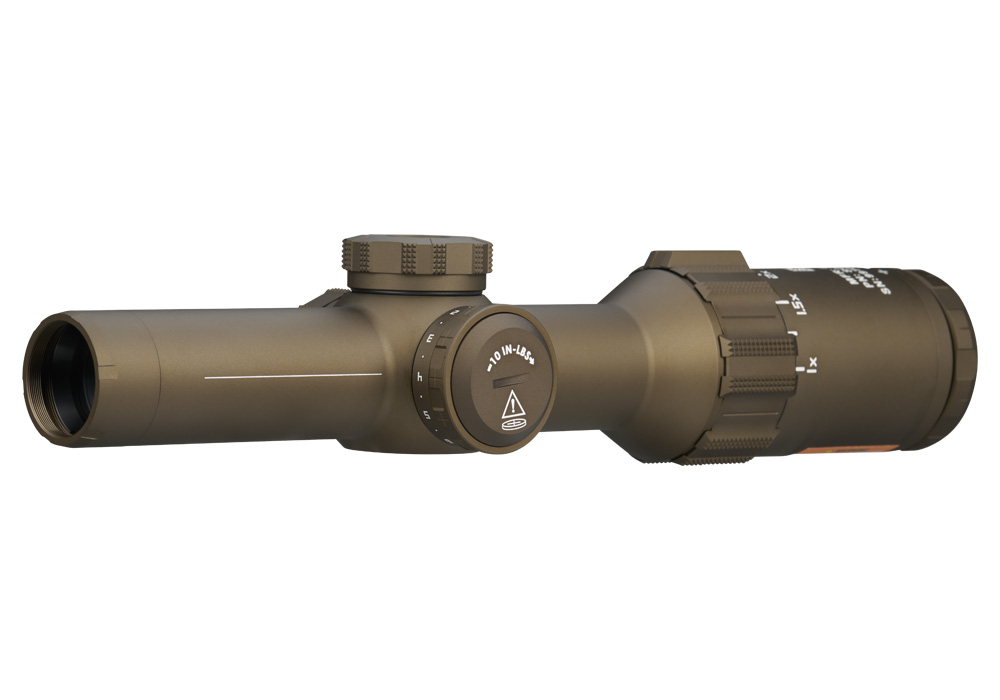
Ballistic reticle red dot sights pair an illuminated central aiming point with additional reference marks that help account for a projectile’s curved trajectory at different distances. Depending on the design, those references may appear as smaller dots, short lines, or other elements beneath the primary aiming point. The result is a sight picture that retains the uncluttered feel of a red dot while offering more information than a single dot alone. These optics generally provide a nonmagnified view, support both-eyes-open aiming, and allow flexible eye placement rather than requiring the precise viewing position associated with many magnified scopes. For recreational target shooters, competition participants, and hunters using compatible firearm platforms, that combination can suit activities involving targets at varied distances. A center dot can remain easy to distinguish against a broad paper target, while secondary marks provide a consistent visual reference when the shooting distance changes. The important distinction is that a ballistic reticle supplies references, not automatic measurements or guaranteed results. Its markings relate to a particular set of ballistic assumptions, and their usefulness depends on factors such as ammunition, projectile velocity, sight height, and the firearm’s established zero. Manufacturer reticle diagrams explain those assumptions and identify whether the pattern includes elevation references alone or additional features. A circle around a center dot does not, by itself, establish that an optic has ballistic reference points, nor does every multi-element reticle provide dedicated wind references. Clear documentation therefore matters as much as the appearance of the illuminated pattern. When comparing ballistic red dot sights, look for a reticle that remains legible at a comfortable brightness and provides useful information without crowding the target. A simple, well-defined pattern is often easier to interpret than a busier design whose finer details are difficult to distinguish. The best fit depends on the actual viewing experience, the intended activity, and the relationship between the optic and the firearm—not simply the number of marks visible in the window.
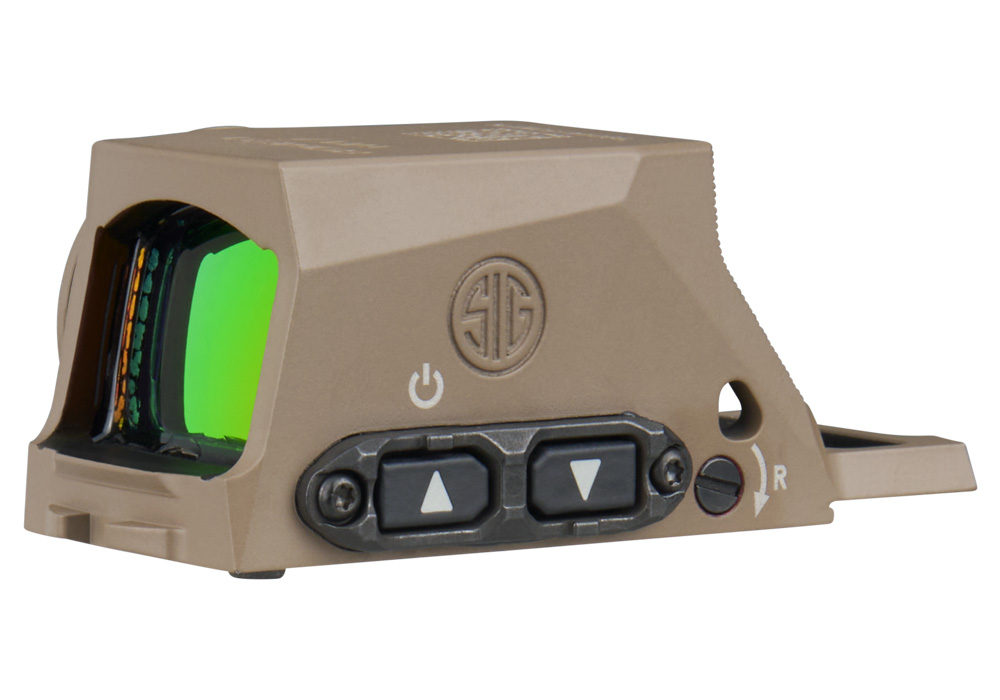
Construction and mounting compatibility deserve equal attention because even a clear reticle cannot compensate for an unsuitable fit. Aluminum housings are common in this category, with differences in alloy, wall thickness, protective geometry, and finish affecting overall weight and resistance to everyday wear. Anodized surfaces help protect exposed metal, while recessed lenses or protective housing contours can limit contact with surrounding equipment. Enclosed designs shield the emitter within the optic; open designs have a different protective layout and may require closer attention to debris around the emitter path. Neither housing style should be judged by appearance alone. Published specifications for recoil resistance, sealing, and compatible mounting systems provide a better basis for comparison. Mounting footprint, rail interface, fastener requirements, and permitted hardware dimensions must match the host platform and any adapter involved. Two sights with similar dimensions may use different attachment patterns, so visual similarity is not proof of compatibility. On a rifle or carbine, mount height also influences cheek position and how naturally the viewing window aligns with the eye. On other compatible platforms, overall height, slide clearance where applicable, and access to controls may be more significant. Consider the complete arrangement, including protective covers, backup sights, and any magnifier intended for use behind the optic. Magnifier compatibility is not universal, and alignment, mounting space, and clearance all need confirmation. A magnifier can make the target and reticle appear larger, but it does not give the reticle new ballistic information. Lens quality, coatings, and window dimensions also shape the experience: a generous opening can feel less restrictive, while good optical clarity helps keep target details recognizable. Some tint is characteristic of many reflex sight systems, though its appearance varies. Balance those viewing qualities against bulk and weight, especially on equipment carried through a lengthy range session. A compact housing, accessible controls, and a secure, properly matched mount can contribute more to everyday satisfaction than a long feature list.
Day-to-day usability often comes down to details that become noticeable only after time behind the sight. Brightness adjustment should offer a clearly visible aiming point without overwhelming the target or causing the reticle to appear unnecessarily broad. Dot size is commonly expressed in minutes of angle, and a larger dot covers more of a distant target than a smaller one. That tradeoff matters when choosing between a bold visual reference and a finer aiming point. The appearance of the reticle also varies from person to person; astigmatism and other vision differences can cause an illuminated dot to look stretched, clustered, or uneven. When practical, evaluating the sight with the corrective lenses normally worn for shooting gives a more useful impression than judging a photograph of the reticle. Battery type, control placement, and battery-compartment access deserve similar consideration. Published battery-life figures depend on stated settings and operating conditions, and features such as motion activation or automatic brightness adjustment are not standard across every design. A compartment accessible without removing the optic can simplify routine maintenance, although the manufacturer’s instructions remain the authority for service procedures and any subsequent checks. Lens care should be gentle: remove loose grit before using approved optical cleaning materials, avoid abrasive fabrics, and keep solvents away from surfaces unless their use is expressly permitted. Inspect the housing and mounting hardware periodically, with the firearm unloaded and handled safely, and follow the specified fastening requirements rather than relying on guesswork. Protective covers and suitable storage help preserve lens surfaces between outings. For a gift recipient, verified compatibility and a known reticle preference are more valuable than selecting solely by appearance. Shooters whose hunting needs place greater emphasis on magnification and viewing finer target detail can also explore Ballistic Reticle Scopes For Hunting as a related optic category. Ballistic reticle red dot sights serve a distinct purpose: combining an accessible, nonmagnified sight picture with additional trajectory references in a compact optical system. Matching that purpose to the firearm, the user’s vision, and the intended activity helps keep the choice grounded in practical benefits.