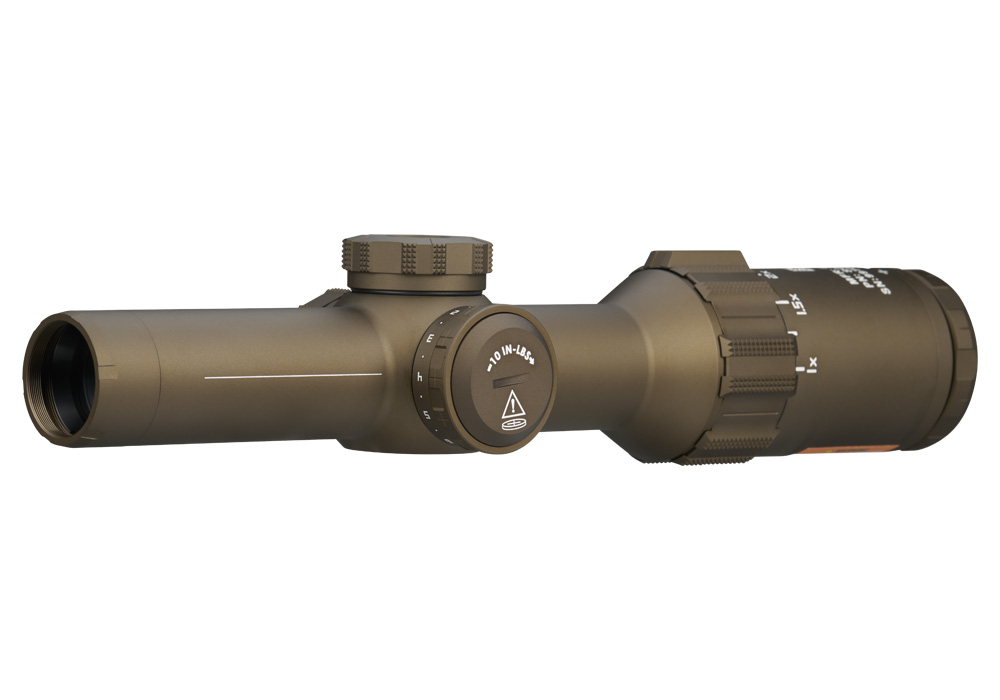
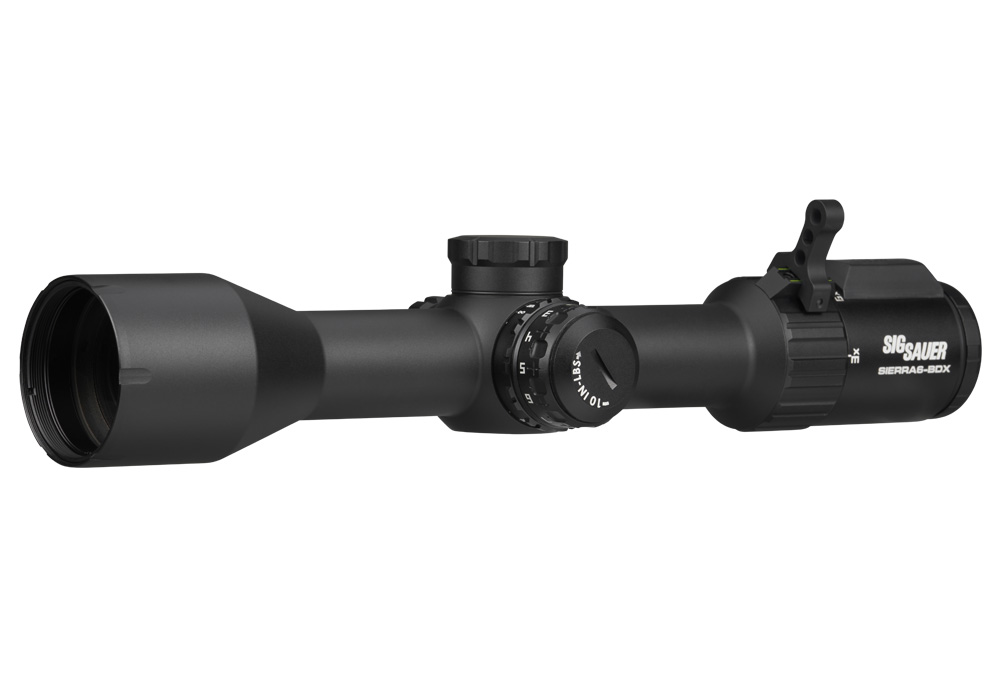
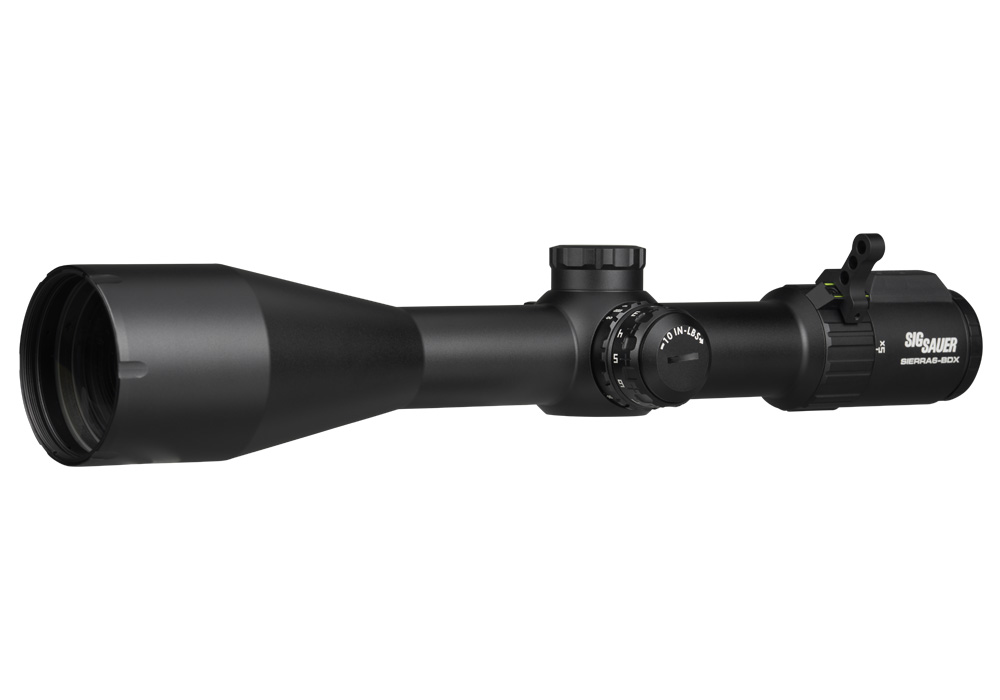
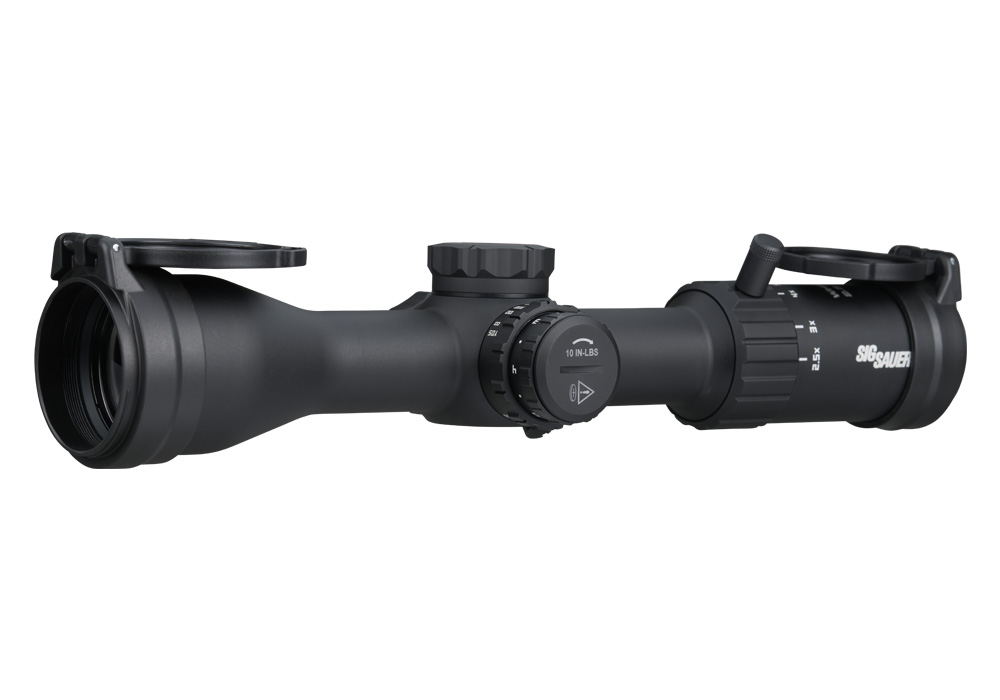
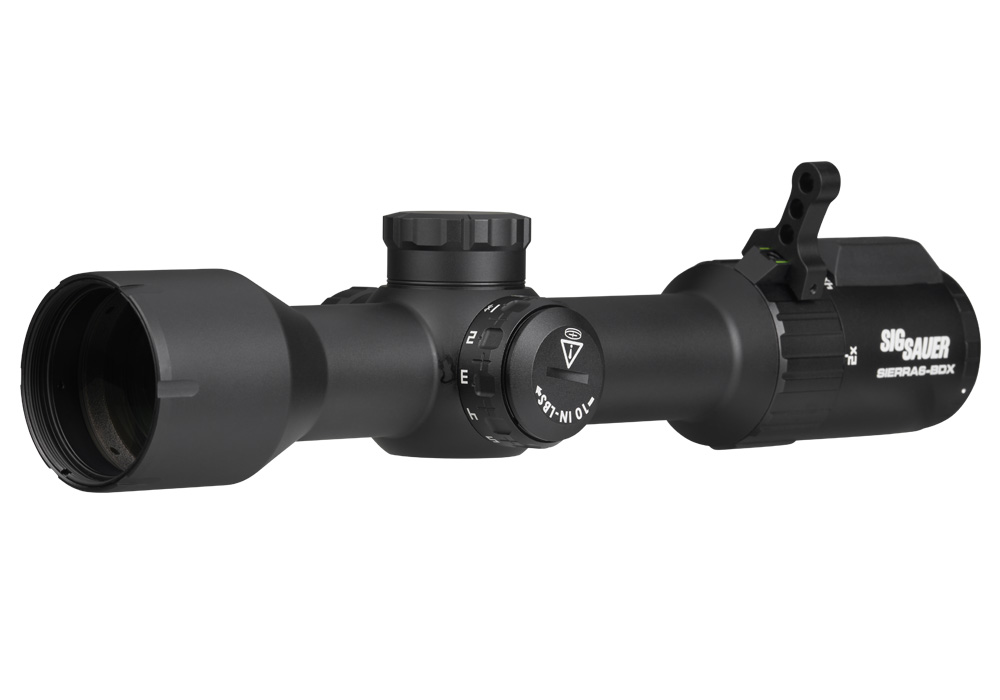
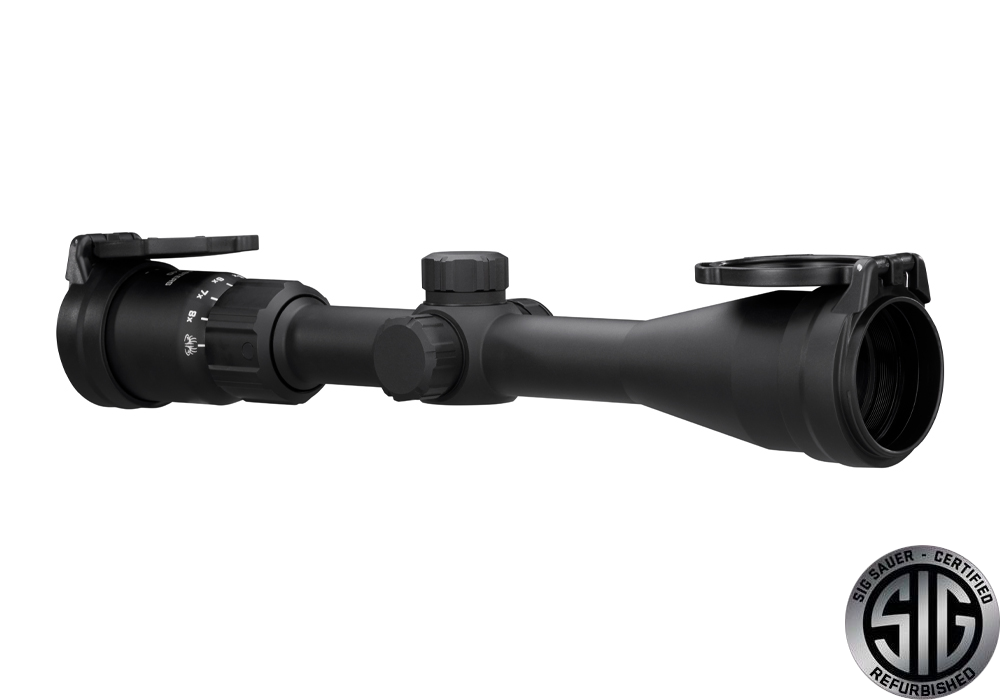
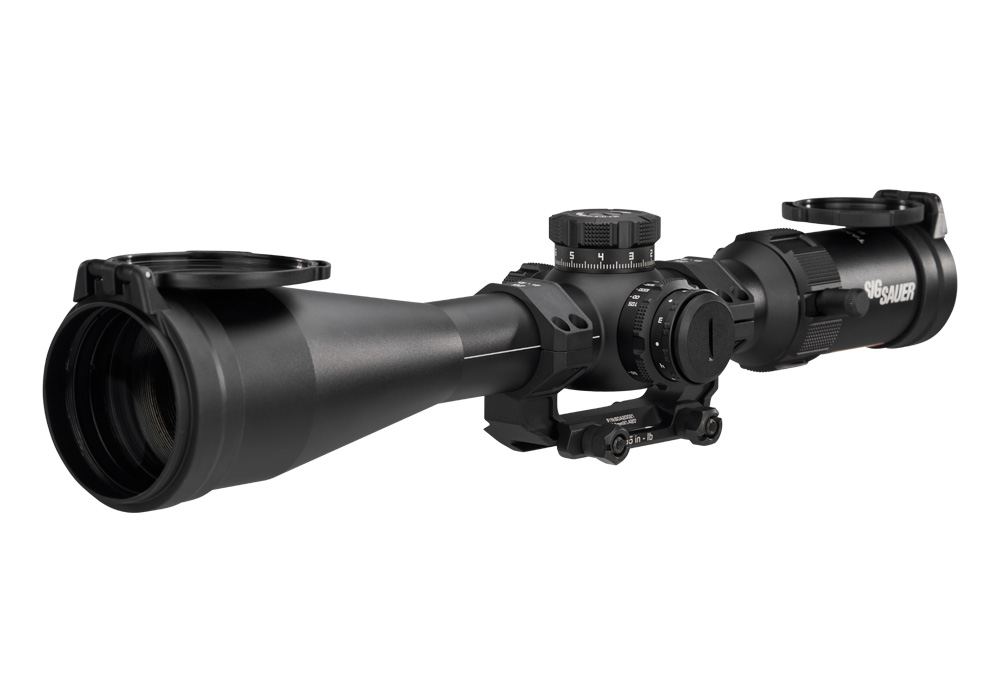
Ballistic reticle scopes for hunting are designed to help hunters account for bullet drop and, in some reticle styles, wind drift without immediately reaching for the elevation or windage turrets. Instead of relying only on a single central crosshair, these scopes use carefully spaced aiming references below and around the center point. A bullet drop compensating, or BDC, reticle may include hash marks or dots associated with estimated distances such as 200, 300, or 400 yards, while an MOA- or MIL-graduated reticle uses angular measurements as an internal ruler for more detailed holdover and windage corrections. Christmas tree-style reticles take that concept further with a broader grid of elevation and wind references, giving experienced hunters more aiming information when conditions, distance, and shot angles change. The right choice depends on the way you hunt, the cartridge and load you use, and the amount of information you prefer to see through the optic. Someone who spends most of a hunt in dense timber or rolling woods may appreciate a clean BDC or simple hunting reticle that keeps the sight picture open and easy to read. A hunter who regularly glass across open fields, mountain basins, or expansive western terrain may prefer graduated MOA or MIL references for more deliberate distance and wind calculations. Before choosing, compare the reticle design with the ammunition you plan to shoot and confirm its holdover references through a proper range session. Ballistic marks are based on particular bullet speeds, ballistic coefficients, sight heights, and environmental conditions; they are useful aiming references, not a replacement for confirming point of impact with your own rifle and load. A well-organized collection of options can be found through Hunting Reticles, where hunters can consider different reticle layouts alongside the rest of their optic requirements.
Magnification and focal-plane design also play an important role in how a ballistic reticle behaves in the field. With a first focal plane, or FFP, reticle, the reticle grows and shrinks with the image as magnification changes, so its subtensions and holdover references remain proportionally accurate throughout the scope’s power range. This can be useful when a hunter moves from a broad, low-power view to a more detailed sight picture and still wants to use the reticle for ranging or corrections. A second focal plane, or SFP, reticle stays the same apparent size as magnification changes. Its holdover marks are generally calibrated for a specified magnification, often the highest setting, though the fixed reticle can look less busy and may be especially comfortable for hunters who favor straightforward aiming at conventional distances. Illumination is another consideration during the cooler months, when hunts often begin in dim morning light or end as the last usable light fades. An illuminated center point or partial reticle can help distinguish the aiming reference against a shadowed animal or dark background, but brightness should be adjusted carefully so the reticle remains visible without overpowering the target. Other practical details matter just as much: generous eye relief can make mounting and shooting positions more forgiving, a forgiving eyebox can help when a quick shot comes together from an awkward rest, and a useful magnification range should match the terrain rather than simply offering the largest possible top-end power. Objective lens size affects light transmission, overall weight, and mounting height, while a durable, weather-resistant construction is valuable when glassing through damp grass, blowing snow, or sudden autumn weather. Check tube diameter and ring compatibility before purchasing, and consider how the scope’s weight will affect a rifle carried over long ridgelines or through thick cover.
A ballistic reticle scope is most useful when it becomes familiar before the hunt. Spend time at the range confirming a precise zero, then record the actual impact points at the distances represented by the reticle. If the scope uses a BDC system, verify where each mark places the bullet with the selected ammunition rather than assuming the printed distance labels will match perfectly. For MOA or MIL reticles, practice making small, repeatable corrections and learn the difference between holding for a correction and dialing the turret. Wind, elevation, temperature, and angle can all change the result, particularly as distance increases, so responsible hunters should know their equipment’s limits and follow all applicable regulations, seasons, and ethical shot guidelines. A compact range card secured to the rifle or stored with other field gear can provide a useful reminder of confirmed holds, while a simple practice routine helps make those references second nature when a legal opportunity appears. These scopes can be a thoughtful gift for a new hunter building a first dependable setup, an experienced family member preparing for a trip across open country, or anyone upgrading an older optic for clearer aiming references. The best gift is matched to the recipient’s rifle, cartridge, mounting system, eyesight, and hunting environment; when those details are known, a ballistic reticle can add practical versatility without making the sight picture unnecessarily complicated. During the transition from early fall into winter, when changing light and weather can make field conditions unpredictable, a properly selected and carefully zeroed scope helps keep attention on safe handling, clear target identification, steady shot placement, and the real experience of moving through the landscape.