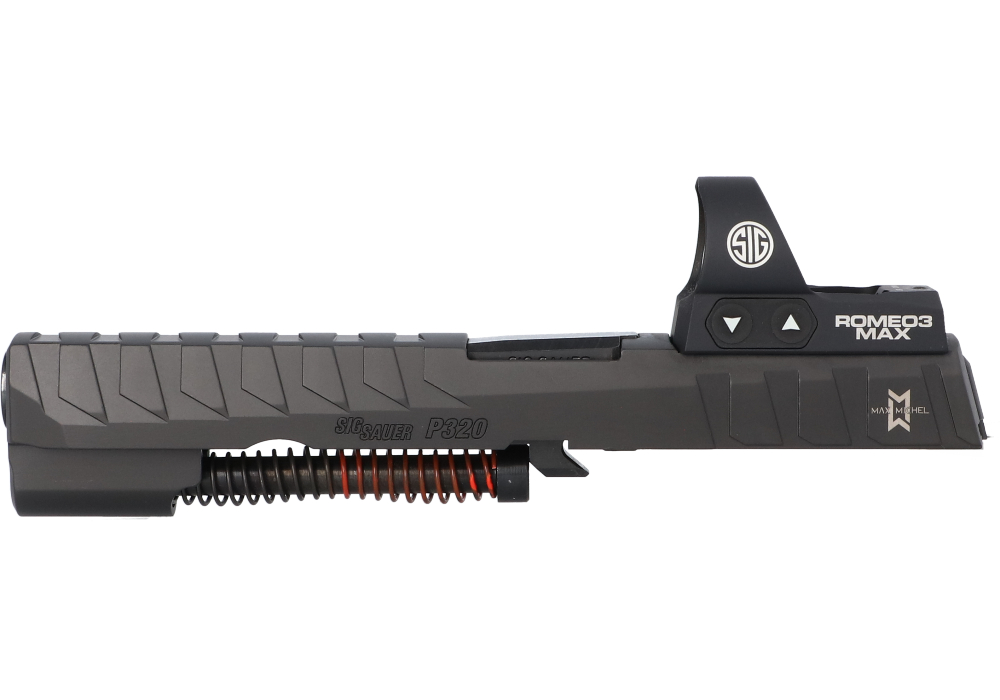
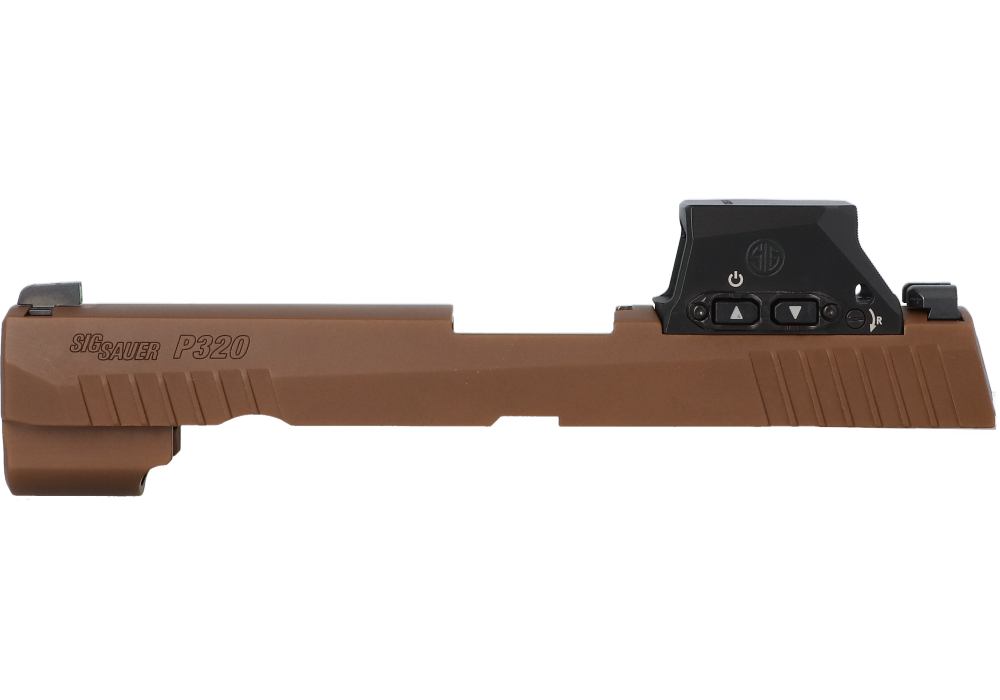
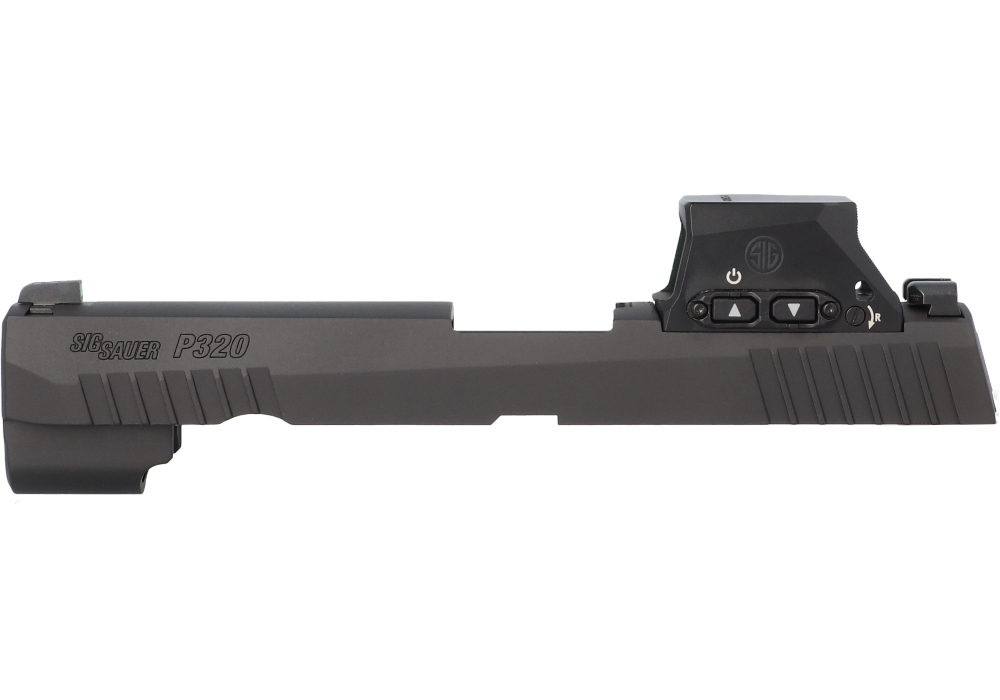
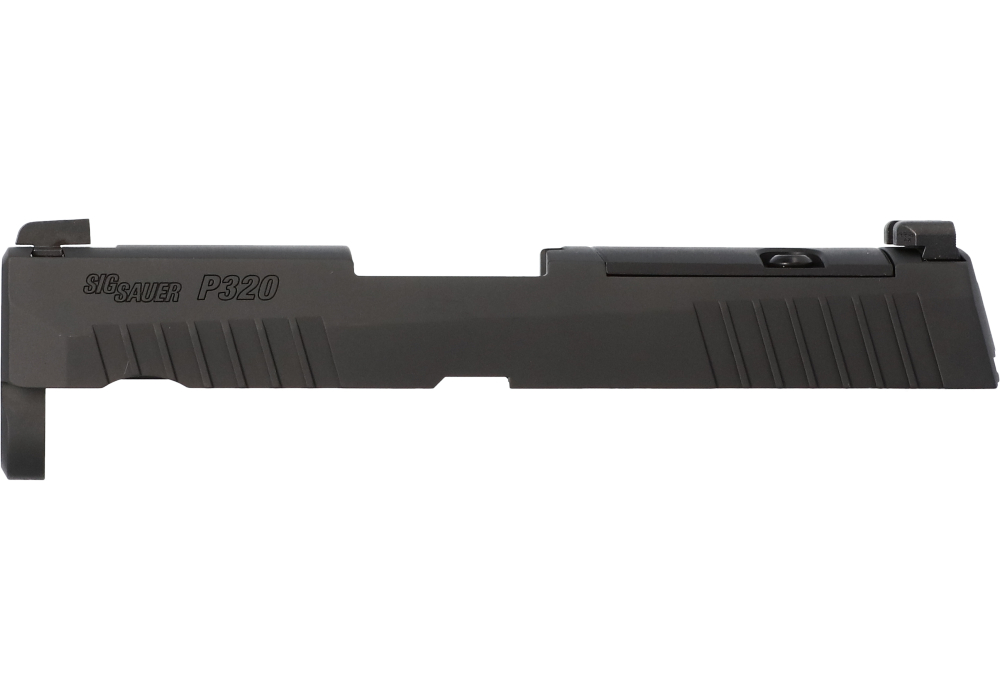
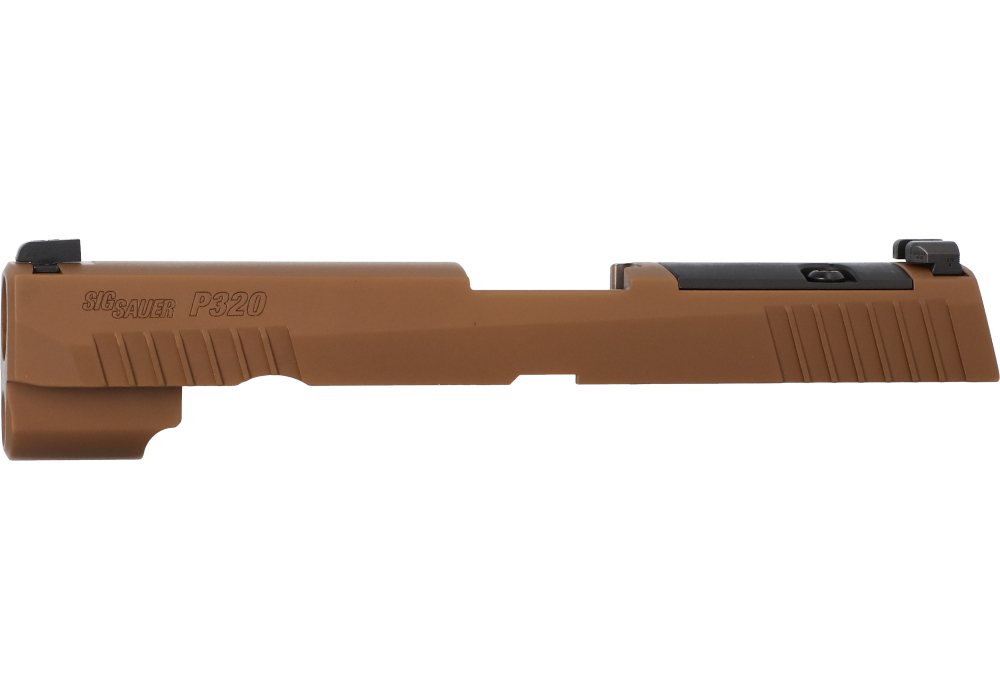
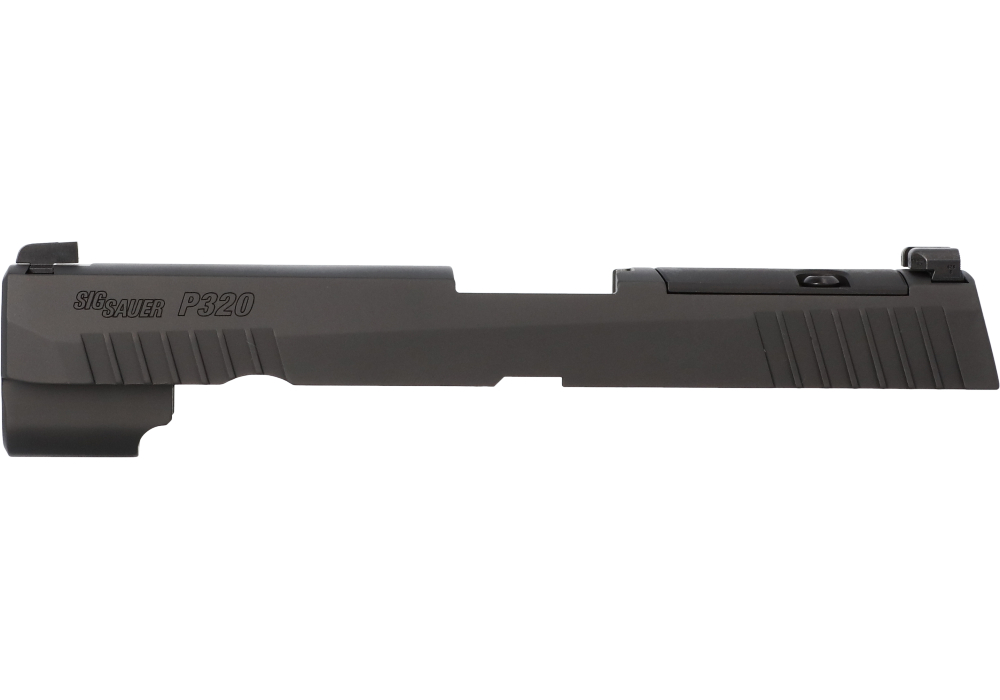
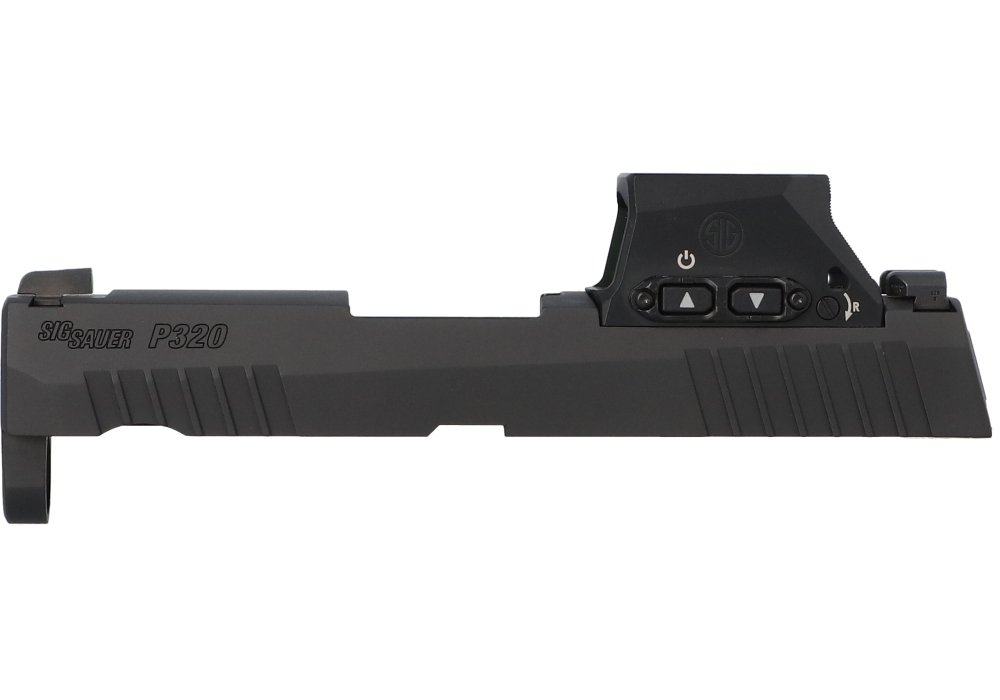
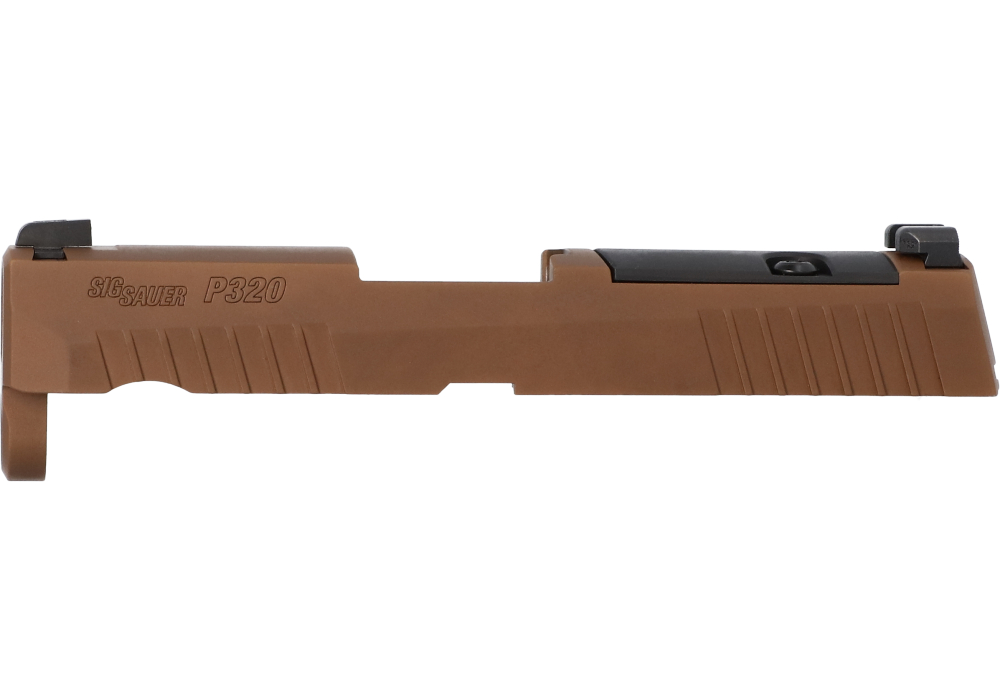
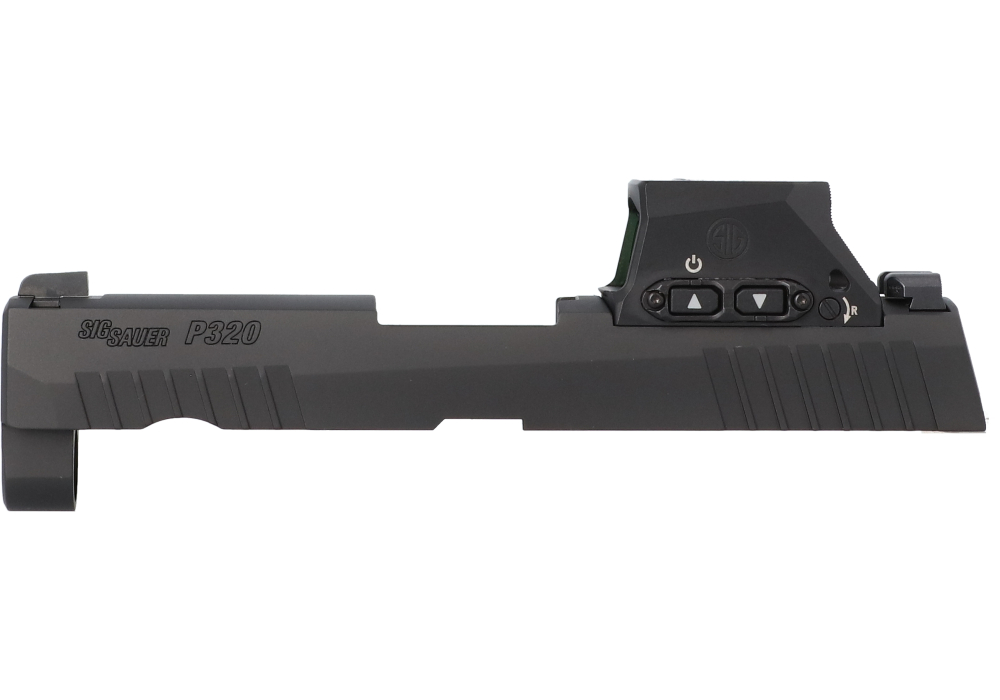
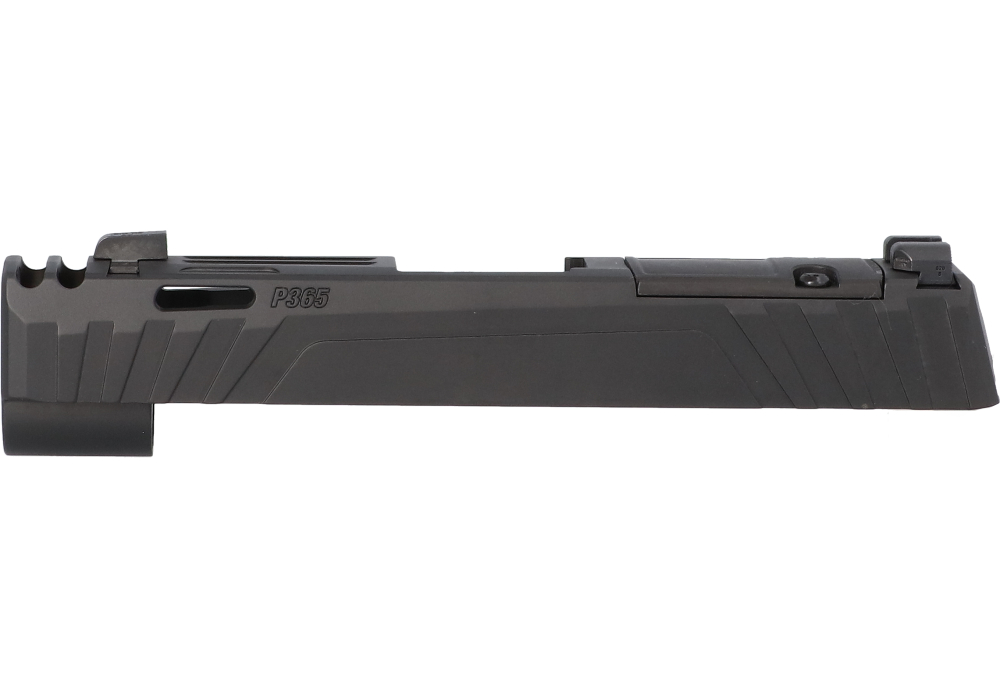
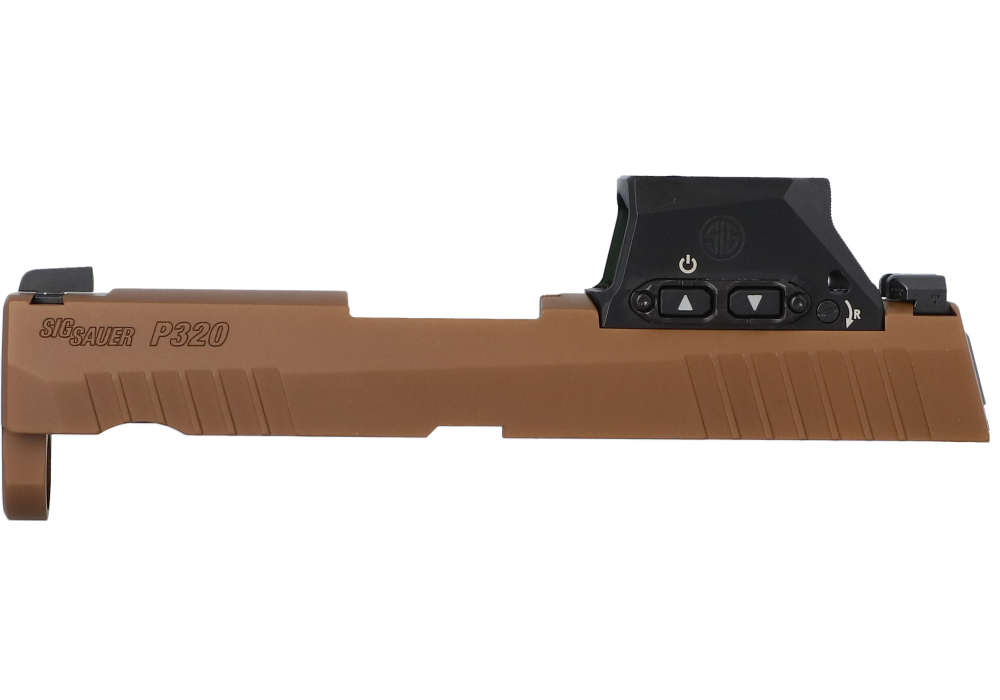
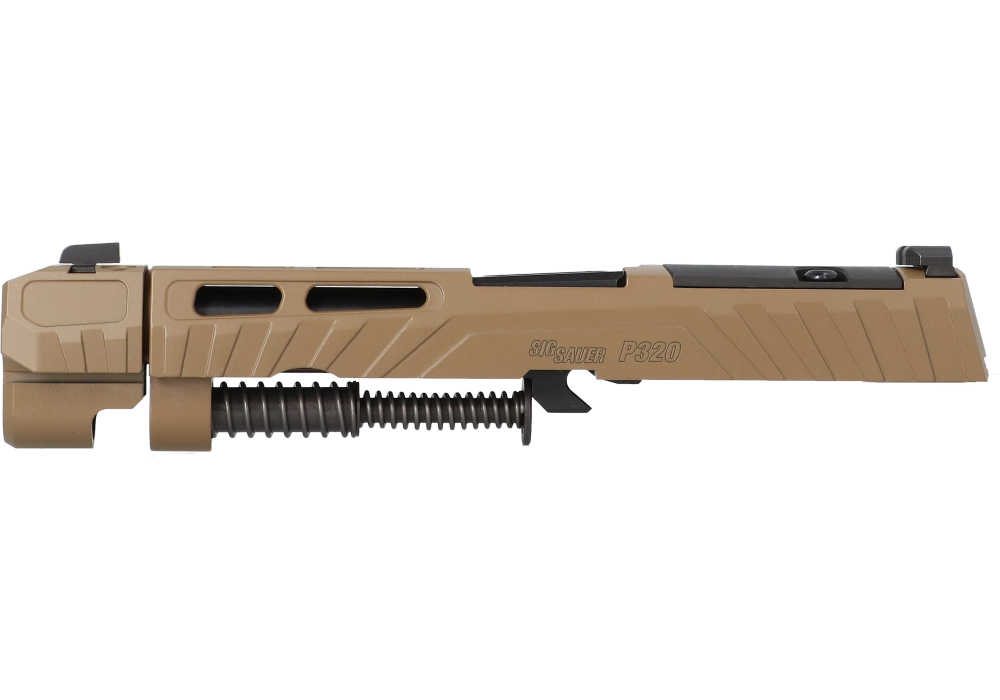
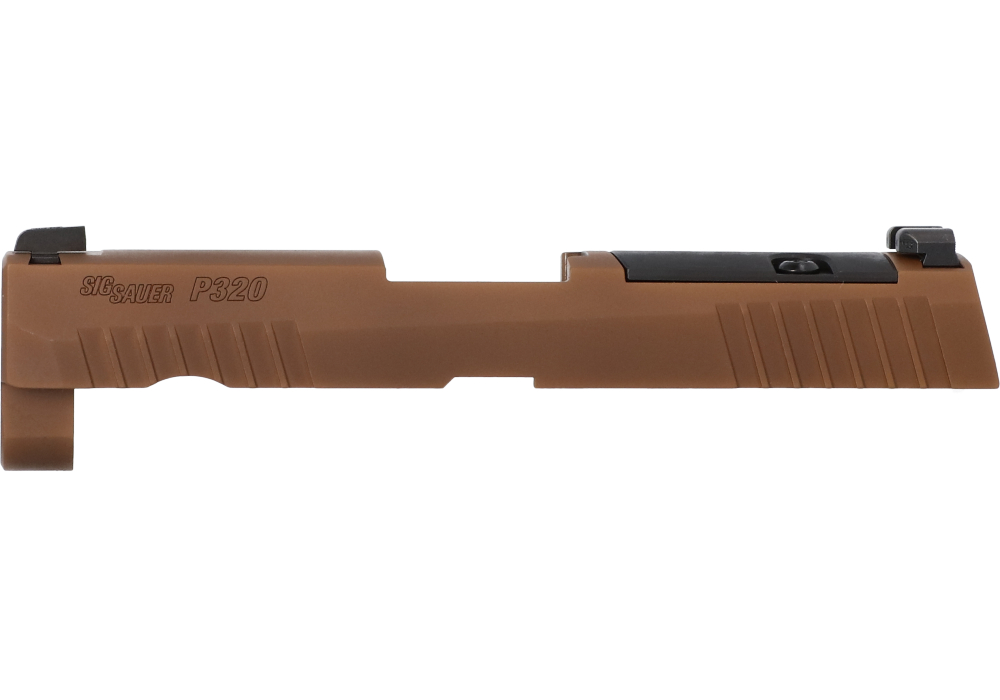
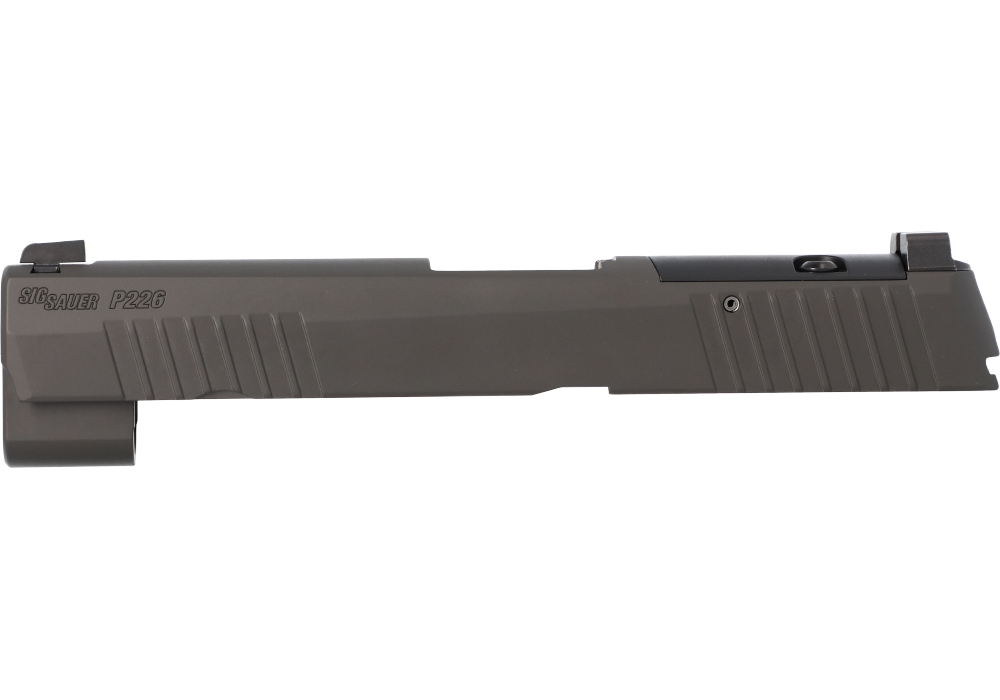
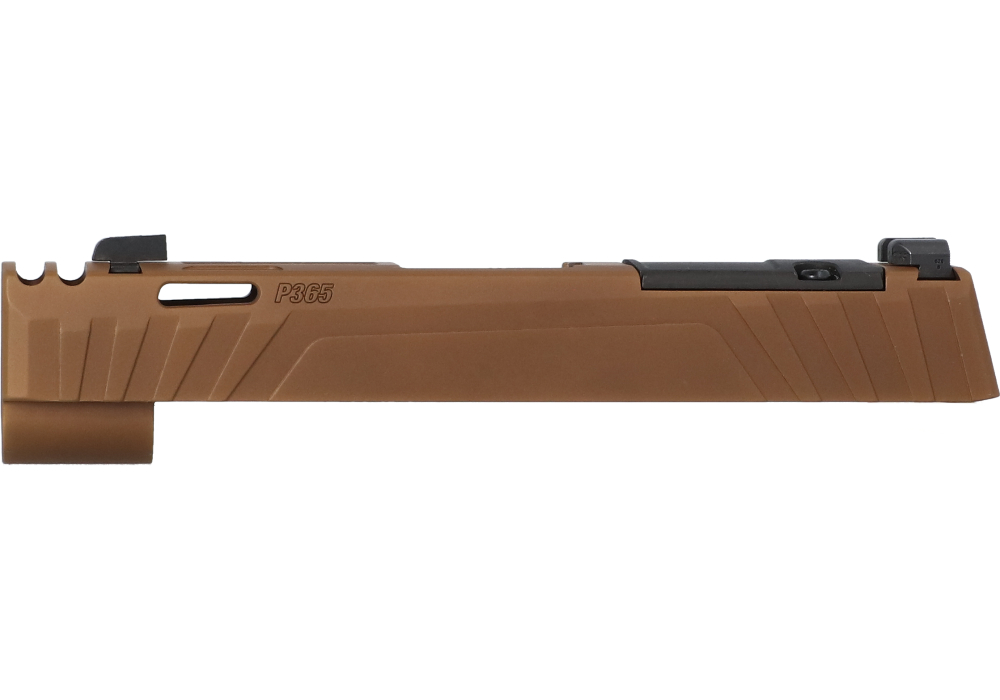
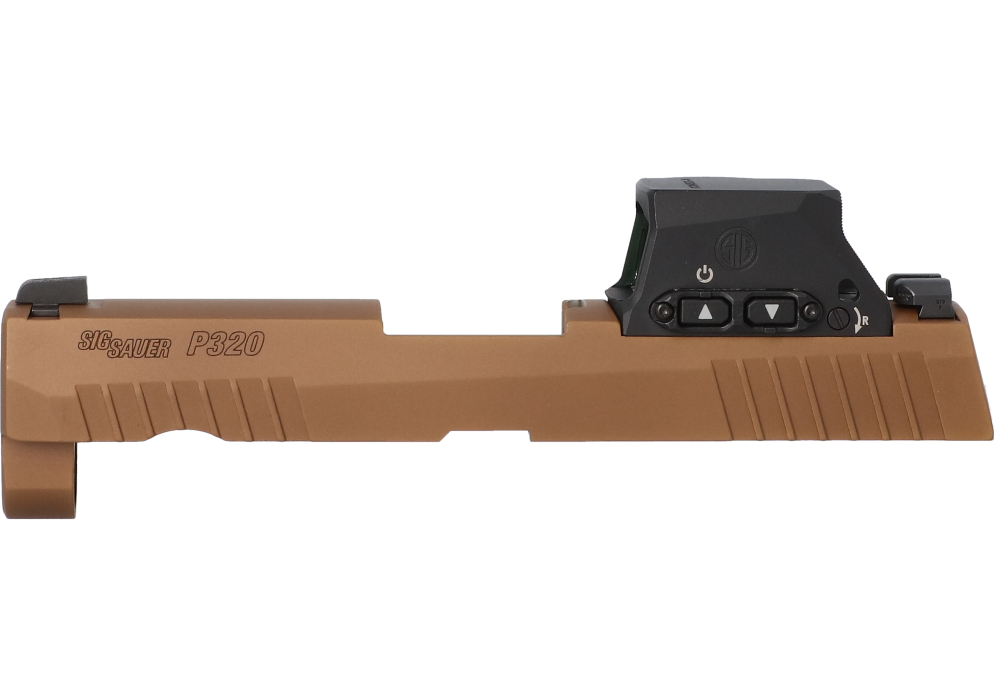
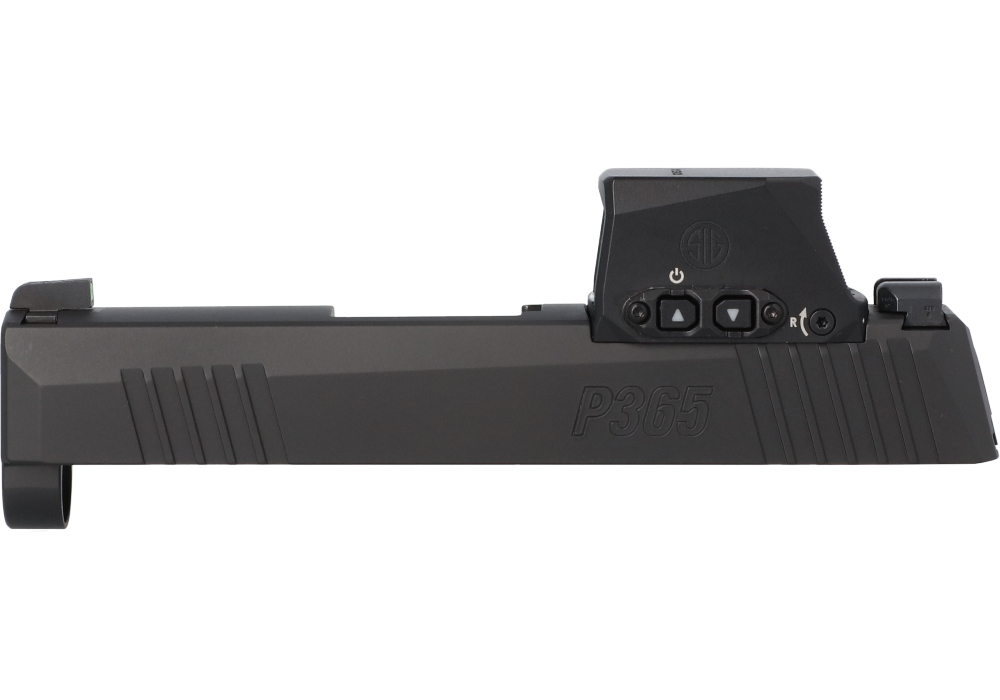
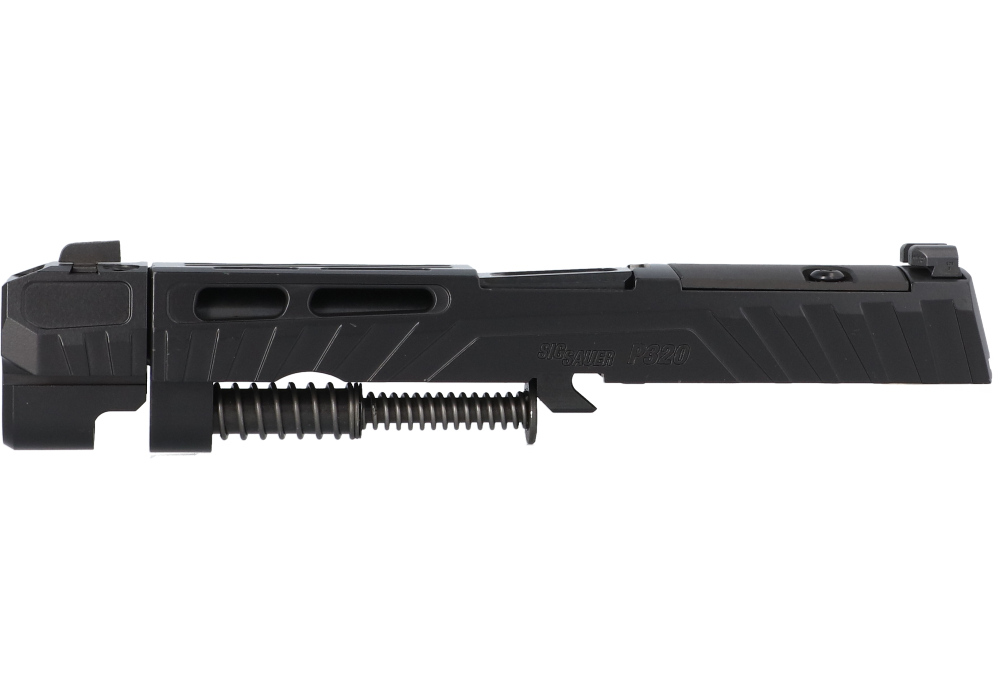
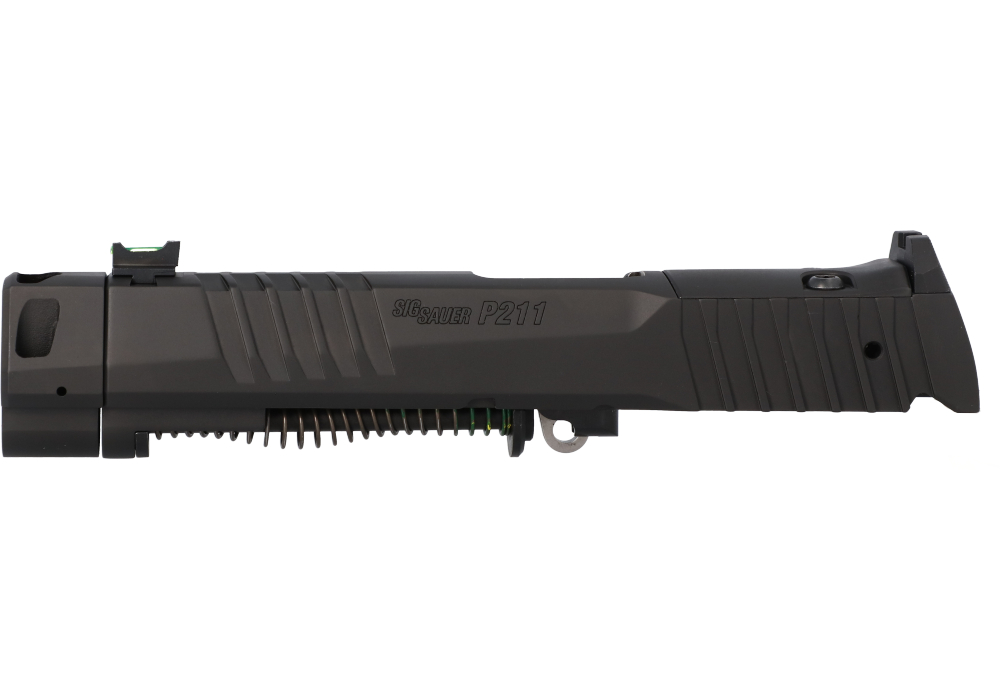
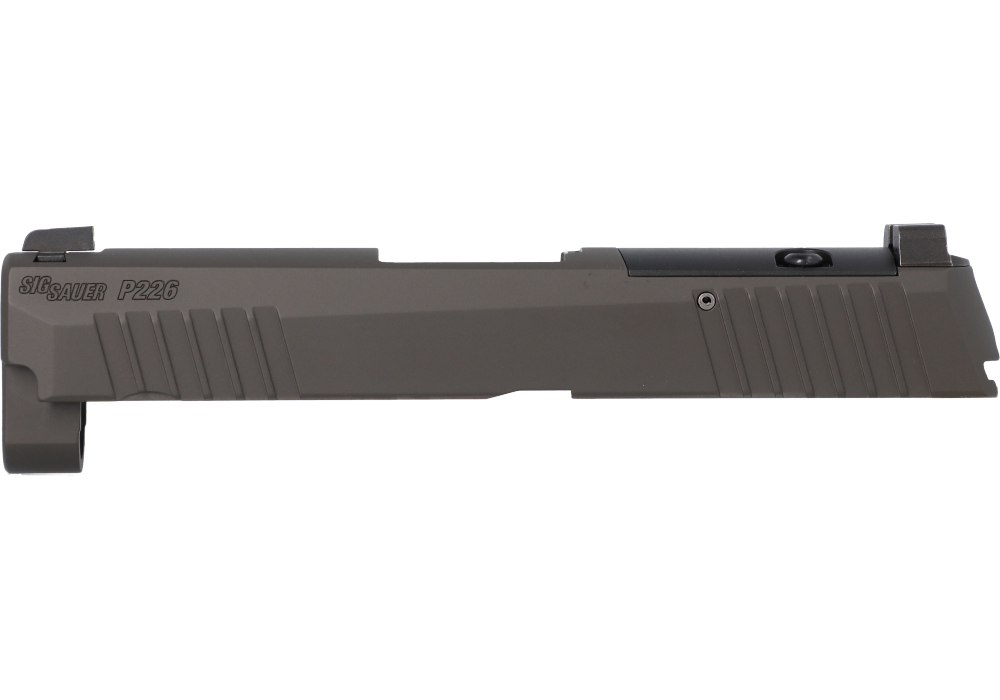
Complete slide assemblies are preassembled upper units for compatible semiautomatic pistols. They combine a slide body with a specified set of installed components, offering a more consolidated option than a stripped slide or a selection of individual parts. Depending on the assembly, those components may include sights, an extractor, firing components, a barrel, and a recoil spring assembly. The word “complete” does not establish a universal contents list, so the stated configuration remains important: some assemblies include a barrel and recoil components, while others require those components separately. Complete slide assemblies differ from the individual components grouped under Internal Slide Parts, which address component-level service needs rather than a complete upper assembly. For owners evaluating a replacement for a worn assembly or selecting a manufacturer-approved configuration for an existing pistol, fit begins with the exact firearm platform. Model family, frame configuration, generation, chambering, and slide length can all affect compatibility. Two pistols with similar outlines or familiar model names may use different mechanical interfaces, so appearance alone is not a reliable basis for selection. The barrel and recoil system must also be appropriate for the slide and host firearm, with compatibility supported by the relevant manufacturer’s specifications. An assembly described for one configuration should not be assumed suitable for another simply because the dimensions look close. This distinction matters to recreational range users, shooting-sports participants, and owners seeking a replacement upper assembly without sourcing every internal component individually. A complete assembly can simplify the selection process, but it does not eliminate the need to confirm what is included, what firearm it supports, and whether professional inspection is appropriate. The most useful product details identify those boundaries clearly, allowing shoppers to distinguish a suitable assembly from one that merely looks similar. Documentation should also clarify whether installed components are intended to remain together as a specified assembly and identify any limits on supported configurations.
Materials and construction influence how a pistol slide tolerates repeated cycling, routine handling, and the friction associated with normal operation. Steel is common because the slide must provide strength, dimensional stability, and durable bearing surfaces within a relatively compact structure. Depending on the design, descriptions may identify stainless steel, other steel alloys, protective surface treatments, or combinations of those features. The underlying material and the surface finish perform related but different jobs: the material provides the structural foundation, while a treatment or coating can contribute to wear resistance, corrosion resistance, and surface protection. Neither should be judged by color alone. A dark finish can represent different treatment processes, and an exposed metallic appearance does not explain the full material specification. Machining quality also matters, particularly around functional interfaces, sight locations, and the surfaces that interact with other firearm components. Exterior details deserve attention for practical reasons as well. Slide serrations provide textured contact surfaces, while edge profiles and overall dimensions influence how the assembly interfaces with compatible holsters and other equipment. An optic-ready configuration introduces another set of compatibility requirements. Mounting interfaces, cover plates, and approved mounting hardware vary, so an optic-ready label does not mean every sighting device fits every slide. Installed iron sights likewise differ in profile and intended application; their relationship to an optic-equipped configuration depends on the specifications of the complete setup. For a range-focused pistol, clear sight presentation and familiar handling may carry more weight than a particular cosmetic finish. For an assembly intended for a holstered firearm, verified equipment clearance and manufacturer-supported compatibility deserve close attention. These considerations are about choosing a coherent configuration, not assuming that a distinctive appearance establishes suitability. A well-described complete slide assembly connects its materials, dimensions, sights, and included components to a clearly defined host platform. Those details help separate meaningful construction information from cosmetic preferences without treating either as a substitute for confirmed fit.
Long-term ownership also depends on care, inspection, and realistic expectations about wear. A durable finish can help protect a slide, but it does not remove the need for maintenance or make every mark a mechanical concern. Contact areas can develop visible wear through normal cycling, while residue can collect around the breech face, extractor area, and other working surfaces. Cleaning and lubrication requirements should follow the firearm and assembly manufacturers’ instructions rather than a universal routine, since finishes, internal components, and maintenance intervals can differ. Any inspection or maintenance should take place with the firearm unloaded and ammunition kept separate from the work area. Uncertain fit, unusual wear, damaged components, or changes in operation call for evaluation by the manufacturer or a qualified gunsmith rather than assumptions based on appearance. Records are useful here: retaining the assembly specifications and service information provides a reliable reference when questions arise later. For someone who spends regular time at the range, that documentation can make it easier to keep maintenance consistent across several compatible configurations without confusing their requirements. For a less frequent shooter, it offers a straightforward way to confirm the correct care recommendations after time between range visits. Storage matters too; a clean, protected environment helps preserve metal surfaces, and periodic inspection can reveal concerns before the next planned outing. If a complete slide assembly is being considered as a gift for an experienced firearm owner, confirmed platform compatibility and the recipient’s intended use are more helpful than guessing from finish preferences alone. Across these situations, the strongest selection balances mechanical fit, clearly identified contents, durable construction, and supportable maintenance requirements. Complete slide assemblies are best understood as platform-specific mechanical assemblies, with each feature evaluated as part of the entire firearm rather than as an isolated visual upgrade. That perspective keeps attention on dependable fit and responsible ownership throughout the assembly’s service life.