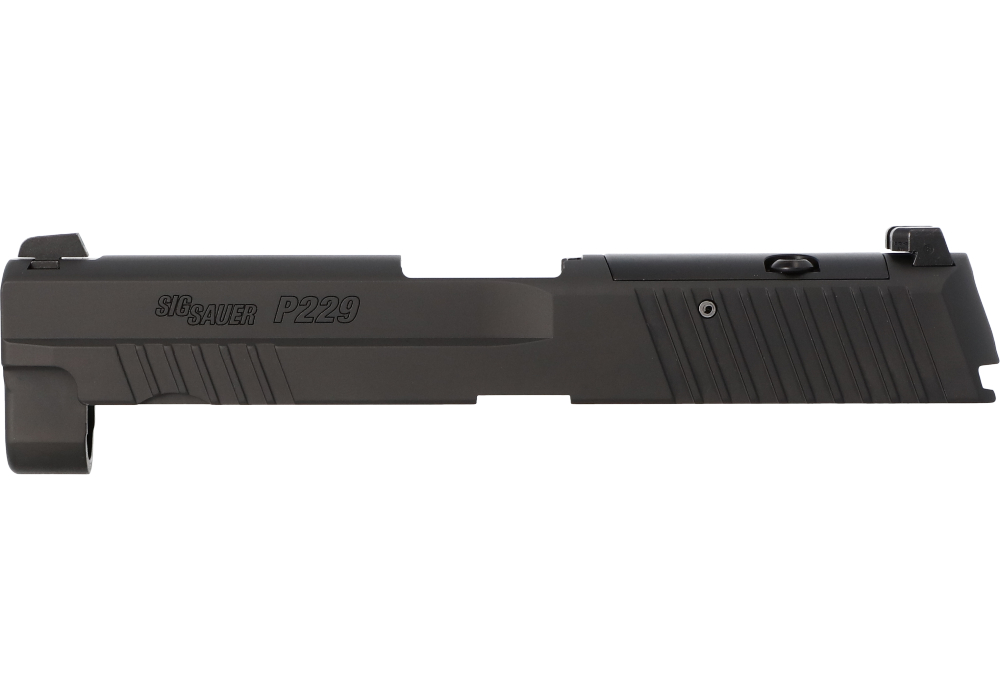
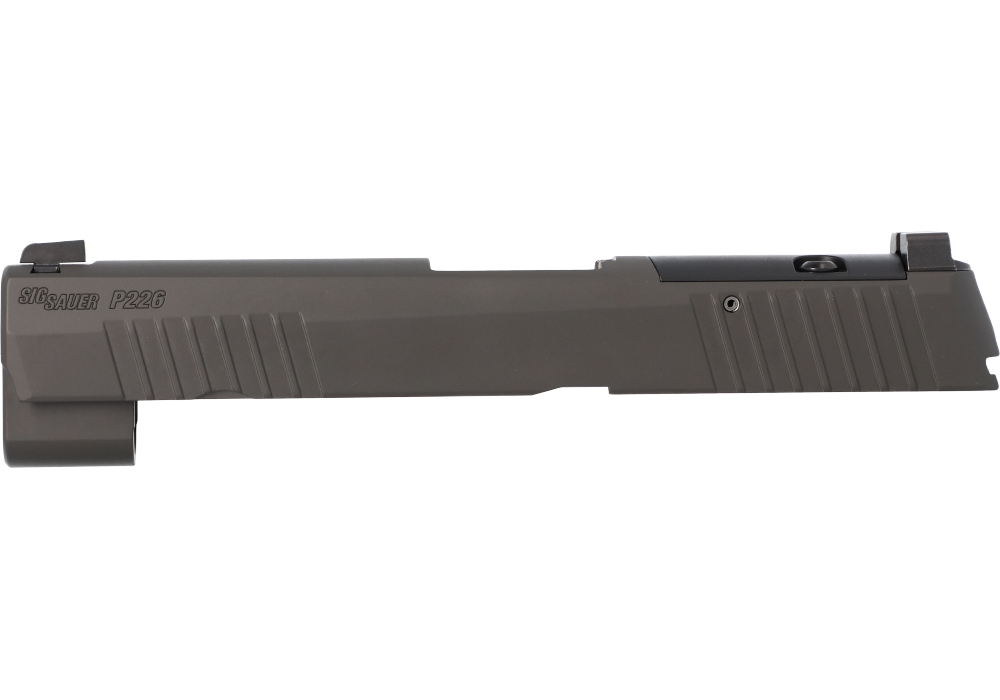
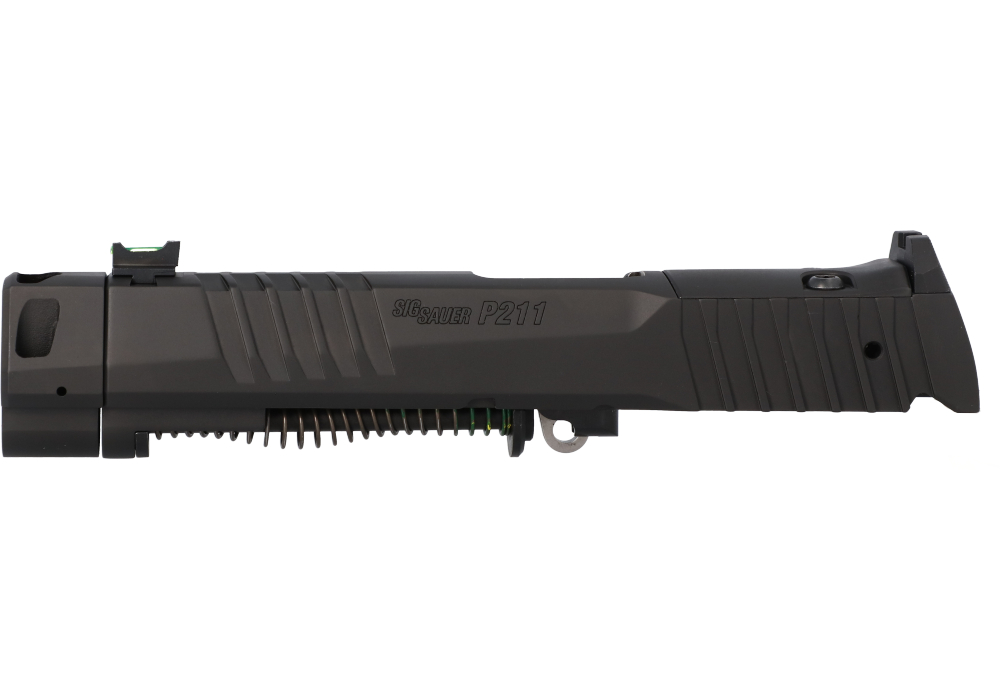
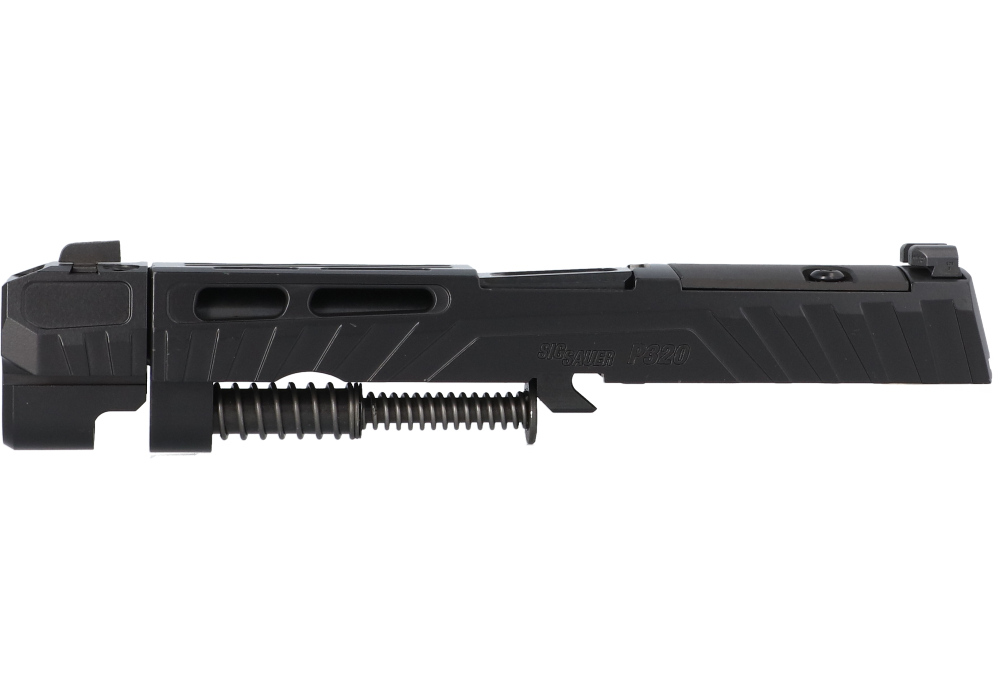
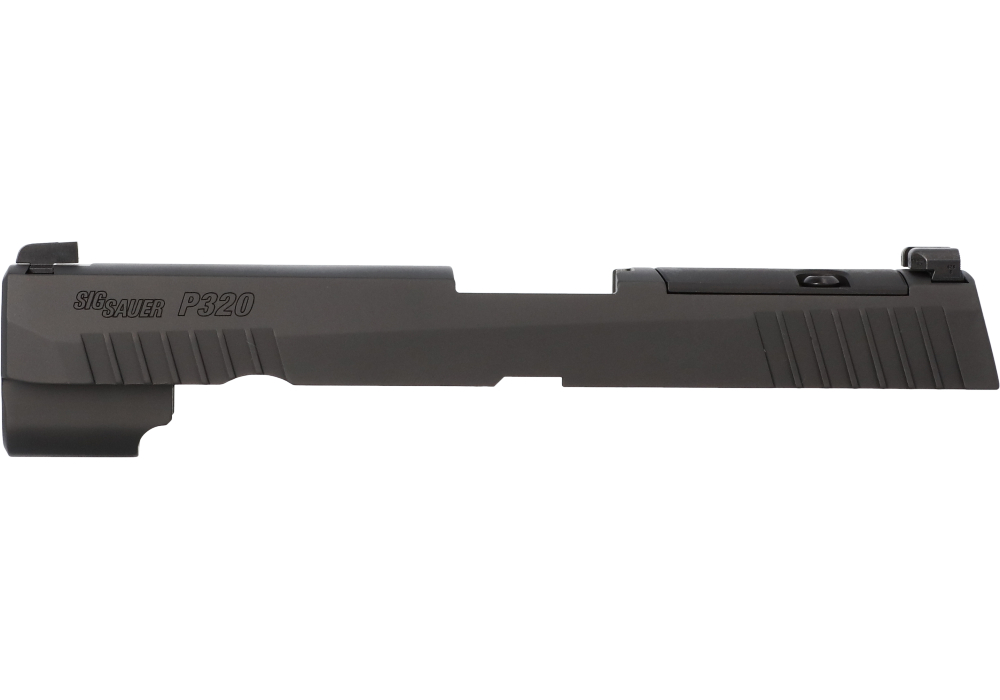
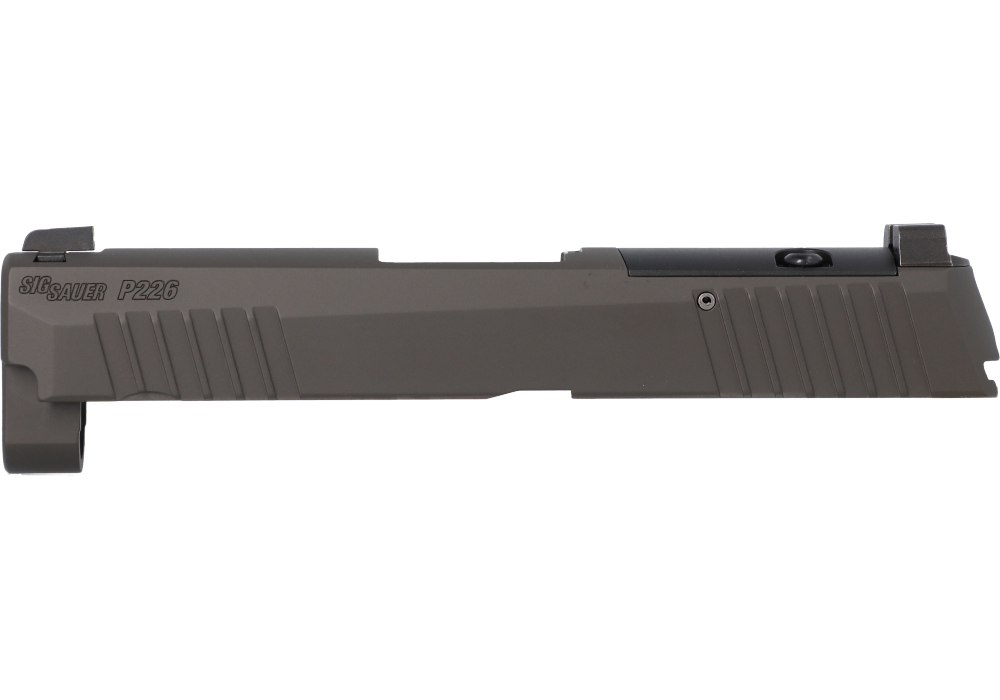
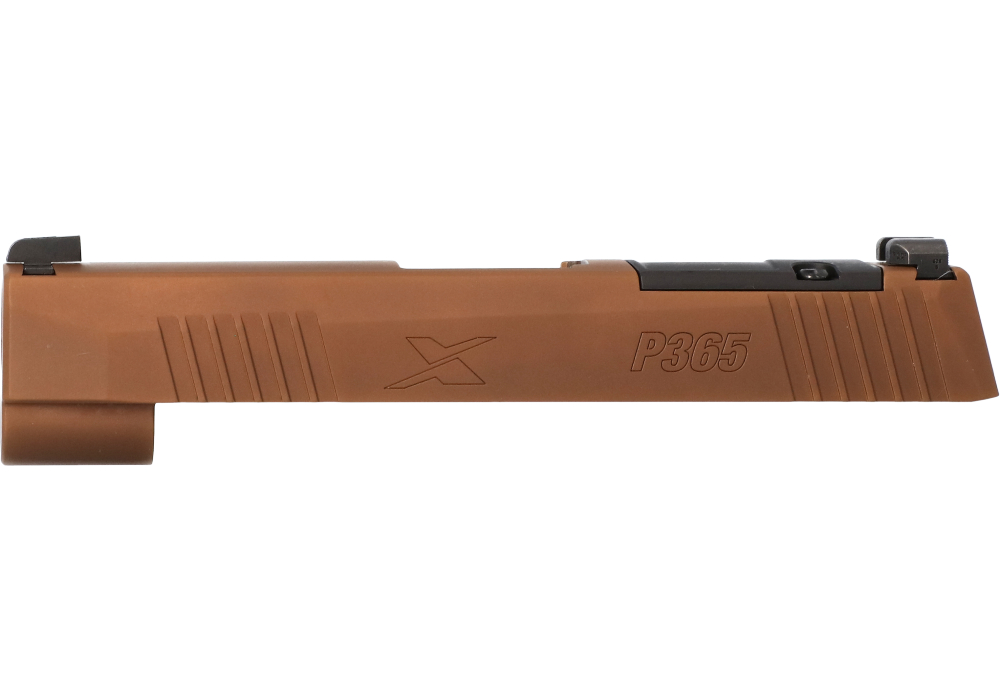
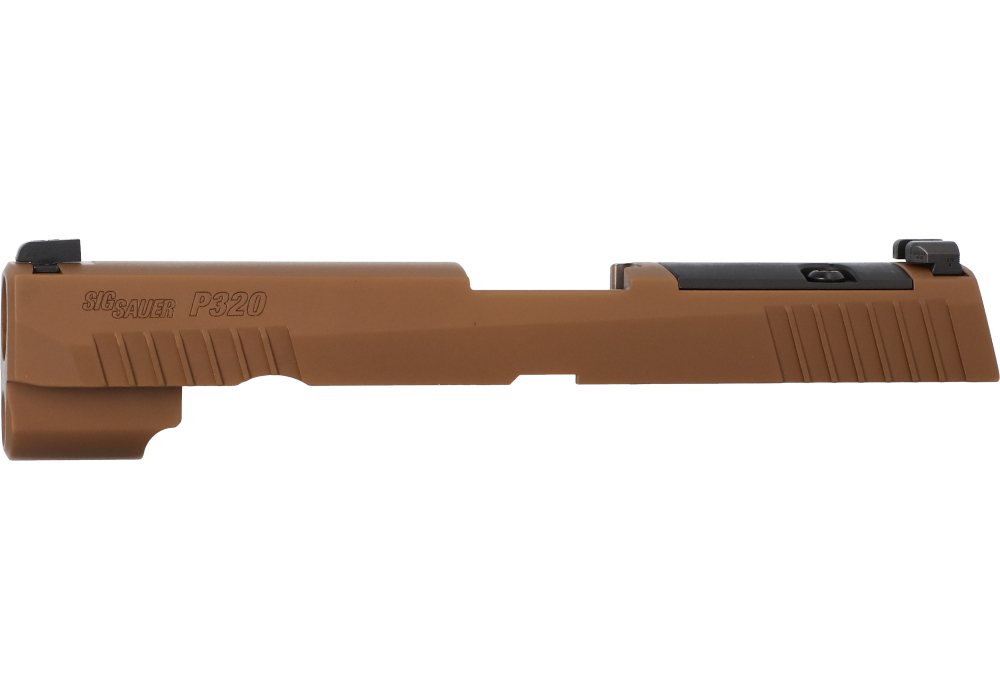
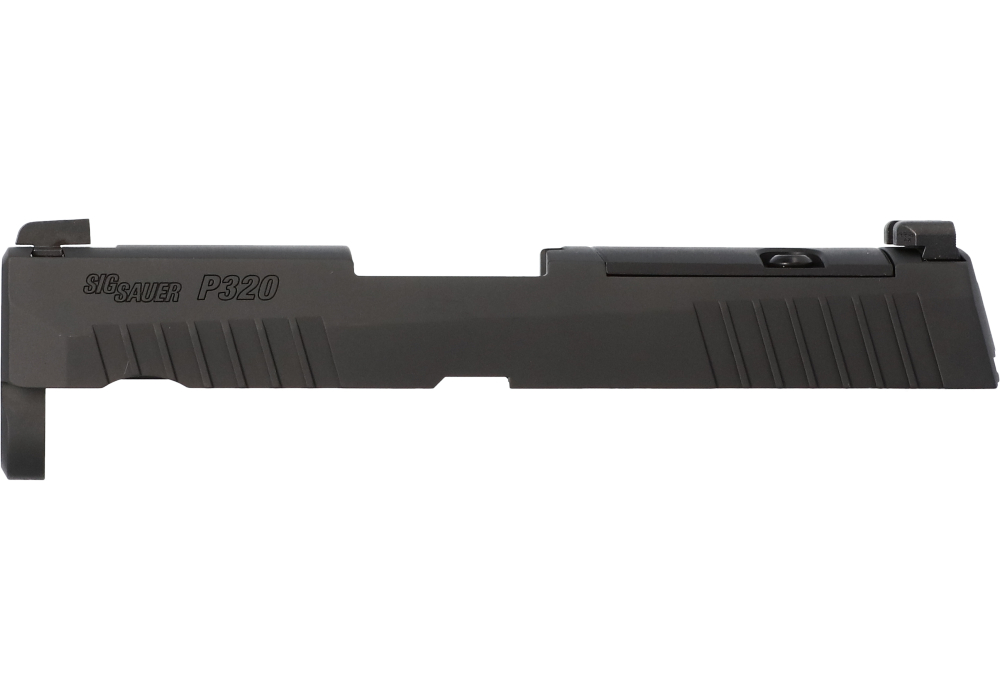
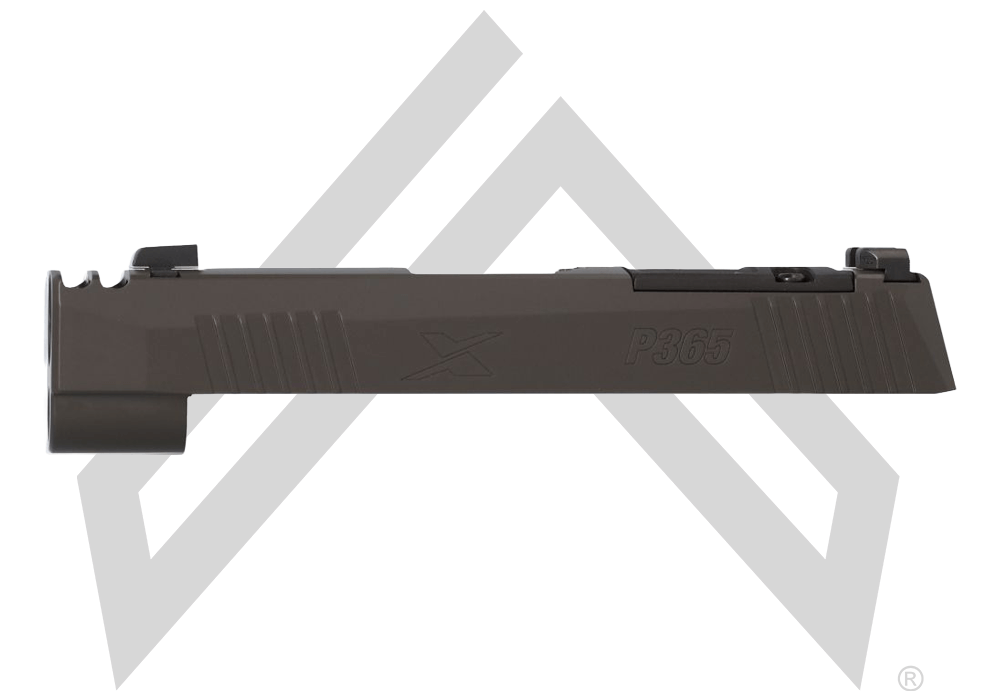
A complete slide is an assembled handgun slide with specified internal components already installed, offering a more integrated option than a stripped slide that requires separate internal parts. The slide forms the moving upper portion of a semiautomatic pistol, houses key firing components, and supports the sights. Depending on the configuration, a complete slide assembly may also include a barrel, recoil spring assembly, sights, or an optic mounting interface. Those details matter because “complete” does not describe an identical set of components across every configuration. The included-parts list establishes exactly what belongs to the assembly and what remains separate. For someone replacing a worn slide or seeking a different sight configuration on a compatible pistol, that distinction helps set clear expectations before any work begins. Fit is equally important: a slide must match the intended platform, frame configuration, and other components identified in its specifications. Similar appearance, comparable dimensions, or a shared family name alone does not establish compatibility. Slide length, barrel length, recoil system requirements, and platform revisions can all affect whether an assembly is appropriate for a particular handgun. A compact configuration and a longer configuration may look closely related while relying on different supporting parts. Sighting arrangements deserve the same attention. Conventional iron sights, optic-ready interfaces, mounting covers, and sight heights describe different configurations rather than interchangeable features. An optic interface is not universal, and the mounting requirements for any sight must align with the slide’s documented specifications. A complete slide therefore represents more than an exterior shell: it brings together a defined combination of components, dimensions, and sighting features. Clear specifications make that combination easier to understand, especially when comparing an assembly intended to preserve a familiar setup with one that introduces a different sight arrangement. The most useful comparison begins with the handgun’s exact configuration and the assembly’s stated contents, not with appearance alone.
Materials and surface treatments shape how a complete slide holds up to repeated movement, routine handling, and contact with a holster. Steel is common in handgun slide construction because it provides the strength and wear resistance this demanding component requires. The particular alloy, heat treatment, machining, and protective finish all contribute to its service characteristics; a finish name by itself does not describe the entire construction. Depending on the assembly, a treated or coated surface can help resist corrosion and surface wear, though no finish eliminates the need for appropriate care. Areas that contact a holster or other moving components may develop visible wear over time. Cosmetic marks and changes in surface sheen are different from cracks, deformation, or other signs that warrant professional inspection. Exterior details also influence everyday handling. Serrations provide textured contact areas, while the slide’s profile affects how it fits with compatible holsters and accessories. An optic mounted above the slide can change clearance requirements even when the underlying pistol configuration remains otherwise familiar. For a handgun that spends time in a holster, the relationship among slide shape, sight height, and holster fit is a practical consideration, not simply an aesthetic one. Care should follow the firearm manufacturer’s instructions for approved cleaning products, lubrication, inspection, and service intervals. Residue and lint can collect around exterior recesses and sighting components, while perspiration and fingerprints can leave contaminants on exposed surfaces. Abrasive tools or incompatible chemicals may damage a protective finish or sight markings. A clean, dry storage environment supports long-term condition, but routine inspection remains important for equipment that sees frequent handling. Any concern about unusual wear, component condition, or proper assembly belongs with a qualified gunsmith or armorer. A complete slide is a working mechanical assembly, and its condition deserves the same attention as the rest of the firearm.
Complete slides can serve several needs, from restoring a compatible handgun with a worn or damaged upper assembly to establishing a consistent configuration for regular practice. An owner who prefers a familiar sight picture may value an assembly that retains the same general arrangement, while someone considering an optic-ready configuration will need to account for the documented mounting interface, suitable sights, and any associated holster requirements. These are distinct use cases, and neither calls for treating every assembly as a universal fit. For recreational range use, frequent training, or organized competition where permitted, suitability depends on the complete firearm configuration as well as the rules of the activity. A longer sighting arrangement or a different exterior profile may suit a particular preference, but the slide alone does not determine accuracy, reliability, or safe handling. Ammunition compatibility, the condition of the firearm, and the shooter’s training remain part of the larger picture. When comparing complete assemblies with Replacement Slides, the included-parts list is more informative than the category name alone: a replacement may be a bare slide or a more fully assembled unit. That distinction is particularly useful for owners who want fewer separate component decisions without assuming that installation or compatibility verification is unnecessary. Documentation also matters beyond the initial selection. Keeping the assembly’s specifications and service information with the firearm’s records helps preserve an accurate account of its configuration, especially if a qualified professional later inspects or services it. For a gift, exact compatibility and the recipient’s preferences are essential; a visually appealing assembly is not a substitute for confirmed fit. Across these situations, the strongest foundation is straightforward: clearly identified contents, documented compatibility, suitable materials and finishes, and care consistent with the manufacturer’s requirements. Those details give complete slides their practical value as defined assemblies rather than collections of unrelated parts, supporting an informed choice for a particular handgun and its intended use.