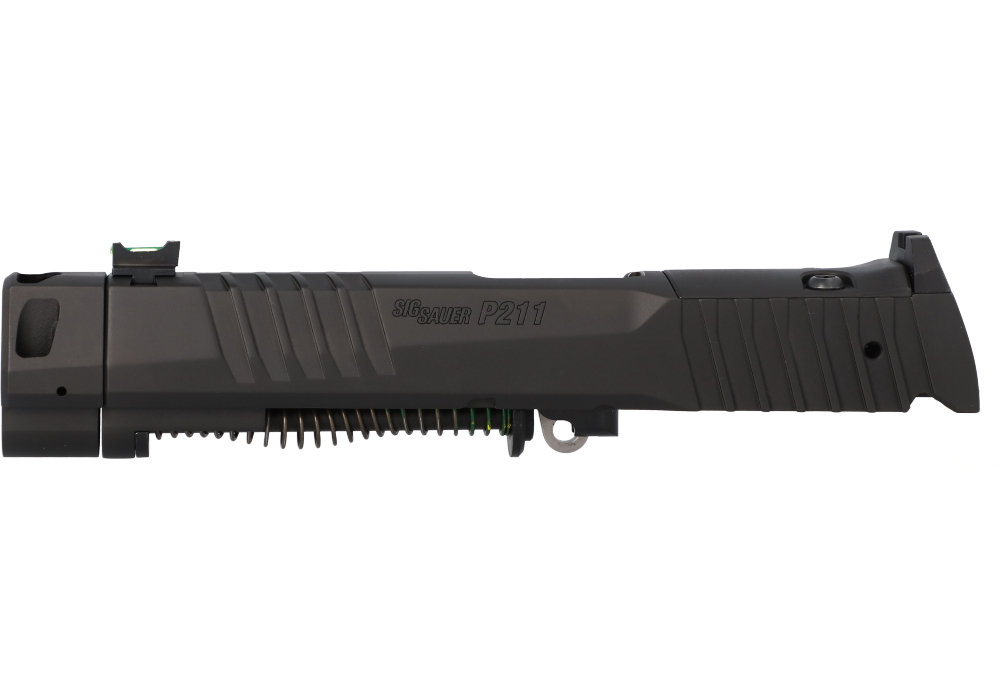
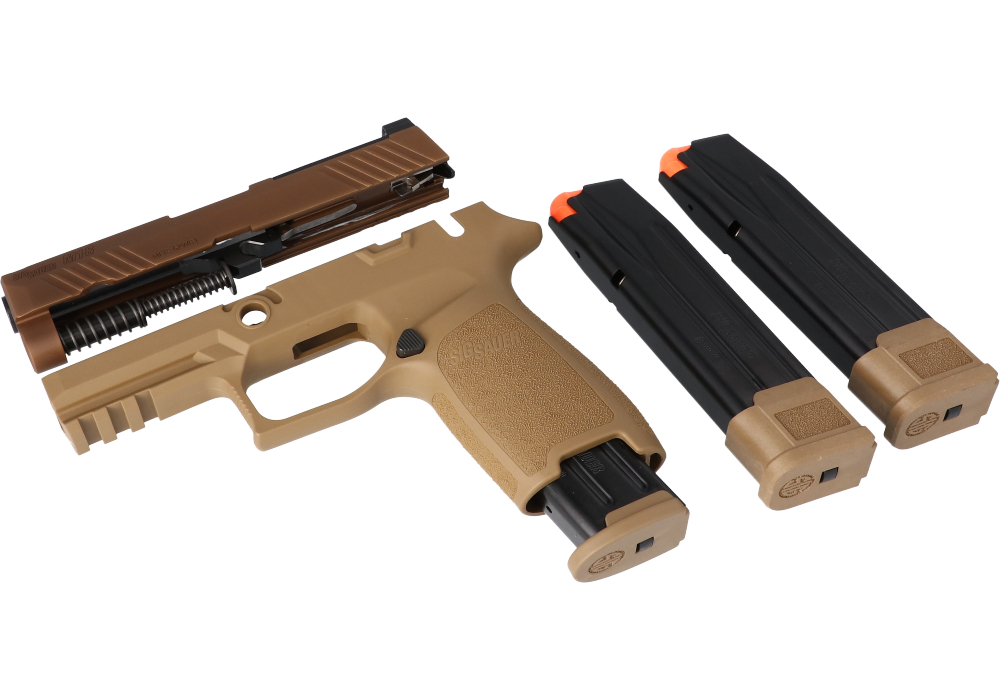
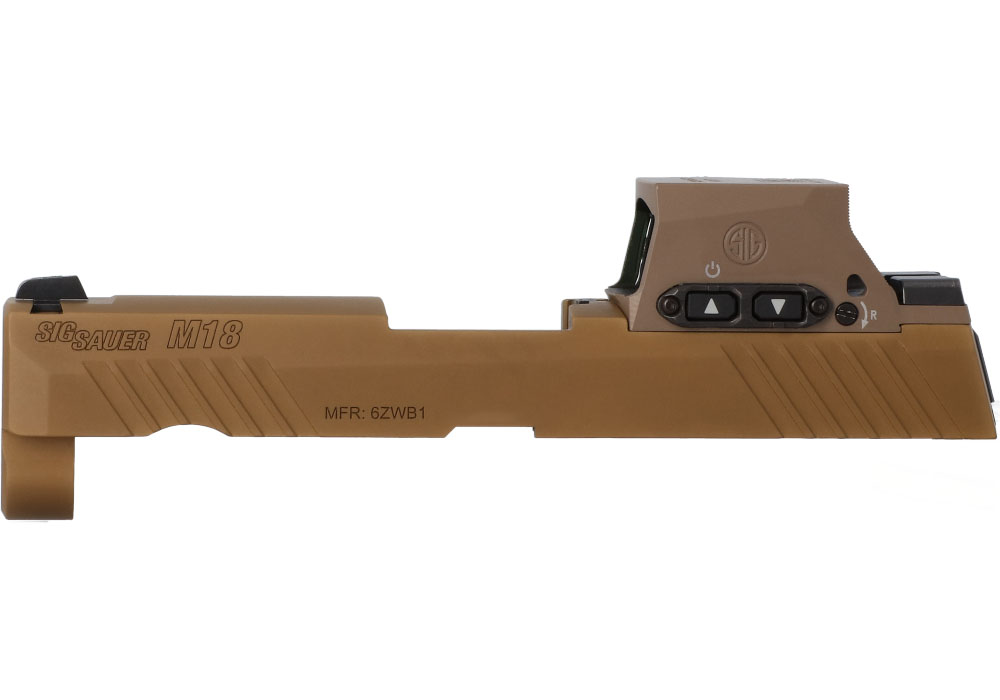
Slide kits are a practical way to configure, refresh, or complete the upper portion of a compatible semi-automatic pistol. Depending on the kit, the package may include a slide, barrel, recoil spring assembly, sights, optic-ready cuts, or the small internal components required to finish a stripped slide. Some buyers select a complete slide assembly for a straightforward replacement, while others choose a slide completion kit when they already have the major components and need the firing pin, extractor, safety plunger, springs, and related hardware. Conversion and caliber-focused options can provide another path for experienced owners who want to tailor a compatible platform for a different use, provided every component is designed to work together. A well-matched slide kit can help restore a worn upper assembly, support a dedicated training setup, or make it easier to configure a pistol around a preferred sighting system. It is also a useful consideration for shooters who spend time at the range and want a setup that feels familiar from the first magazine, whether their priority is a conventional sight picture, a red dot-ready configuration, a particular barrel length, or a balance of compact handling and controllable recoil. For those comparing options, Replacement Slides offer another category to review when a complete kit is not necessary. Because slide kits are built around exact dimensions and interfaces, buyers should begin with the pistol’s model, generation, frame size, caliber, and existing configuration rather than choosing by appearance alone. Even small differences in breech-face design, extractor geometry, firing pin dimensions, guide rod fit, or optic footprint can affect compatibility. Reviewing the manufacturer’s specifications and confirming the intended use of every included part helps prevent mismatched components and unnecessary returns.
The right slide kit depends on how the pistol will be used and which parts are already on hand. A complete assembly can be appealing to an owner who wants a more efficient installation, especially when the slide, barrel, and recoil spring assembly have been selected as a working combination. A completion kit is better suited to someone finishing a stripped slide and sourcing the remaining internal parts in one coordinated package. Shooters who practice with multiple configurations may value a spare slide assembly as a way to keep a preferred setup ready while another upper is being cleaned, inspected, or fitted with a different sighting arrangement. This can be especially convenient during cooler months, when range time often calls for thoughtful preparation and a reliable equipment checklist before heading out. Optic-ready slides deserve careful attention to footprint, mounting hardware, and sight height, since an optic and backup sights must work together without creating an awkward or obstructed sight picture. Iron-sight configurations also benefit from checking front and rear sight compatibility, dovetail dimensions, and the relationship between sight height and ammunition impact. Barrel and recoil spring specifications matter just as much; they influence fit, cycling, and the overall balance of the pistol. Standard and extended capacity magazines should be verified for compatibility with the frame and intended configuration, while ammunition selection should always follow the firearm and component manufacturer’s guidance. A slide kit may be purchased by an experienced competitor, a recreational range shooter, a professional who maintains duty equipment, or a careful owner replacing worn parts after years of use. It can also be a thoughtful gift for a knowledgeable firearm enthusiast, but the recipient’s exact platform and preferences are important enough that a gift card or a coordinated purchase may be more practical than guessing at fitment.
Installation and inspection deserve the same attention as selection. Firearms should be completely unloaded before any work begins, with the chamber, magazine well, and surrounding workspace checked visually and physically according to established safety practices. Owners who are unfamiliar with slide disassembly, small spring-loaded components, or function checks should use a qualified gunsmith rather than relying on trial and error. After installation, the pistol should be inspected for proper movement, secure retention, correct sight or optic mounting, and any signs of interference before it is used for live fire. A competent professional can also identify worn frame rails, damaged locking surfaces, incorrect springs, or other conditions that a replacement slide kit will not correct. Once the assembly has been verified, initial testing should take place in a controlled range environment with appropriate eye and ear protection, beginning with deliberate function checks and following all applicable laws, storage requirements, and transport rules. Keep small components organized during installation; a tray, labeled containers, and a clean bench can prevent a tiny spring from disappearing into the edge of a work area. Many owners find that recording the final configuration, optic settings, ammunition type, and maintenance date makes future troubleshooting much easier. As the seasons shift and schedules become busier, a little preparation keeps equipment ready for the next range visit without rushing an important repair or upgrade. Slide kits are ultimately about compatibility, purpose, and dependable assembly: when the platform, components, and intended use are carefully matched, they provide a flexible way to maintain or personalize a pistol while preserving the disciplined handling habits that responsible firearm ownership requires.