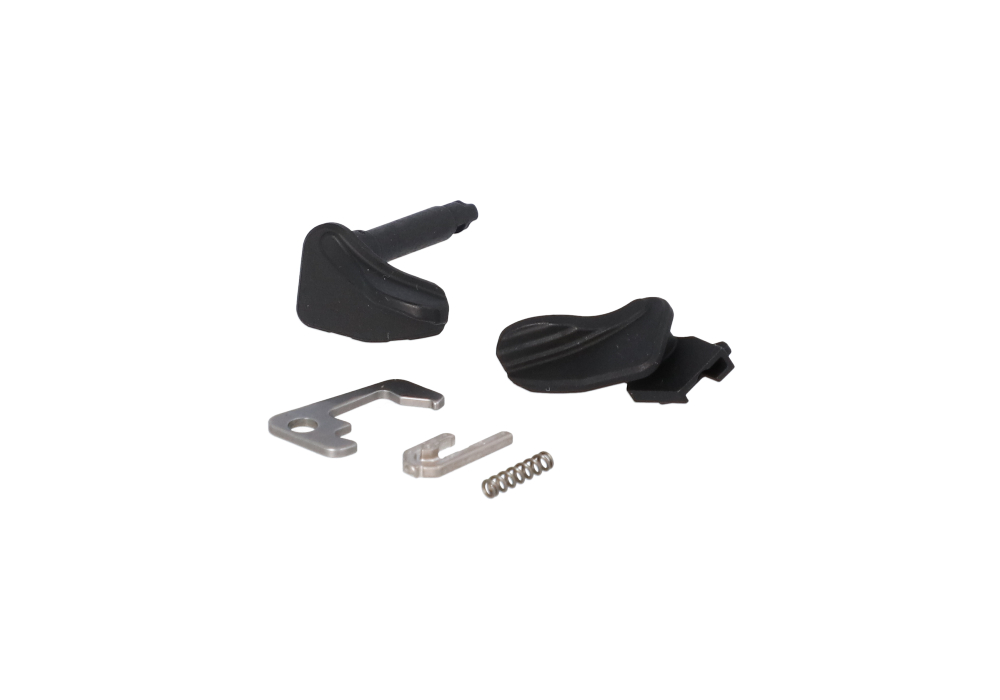
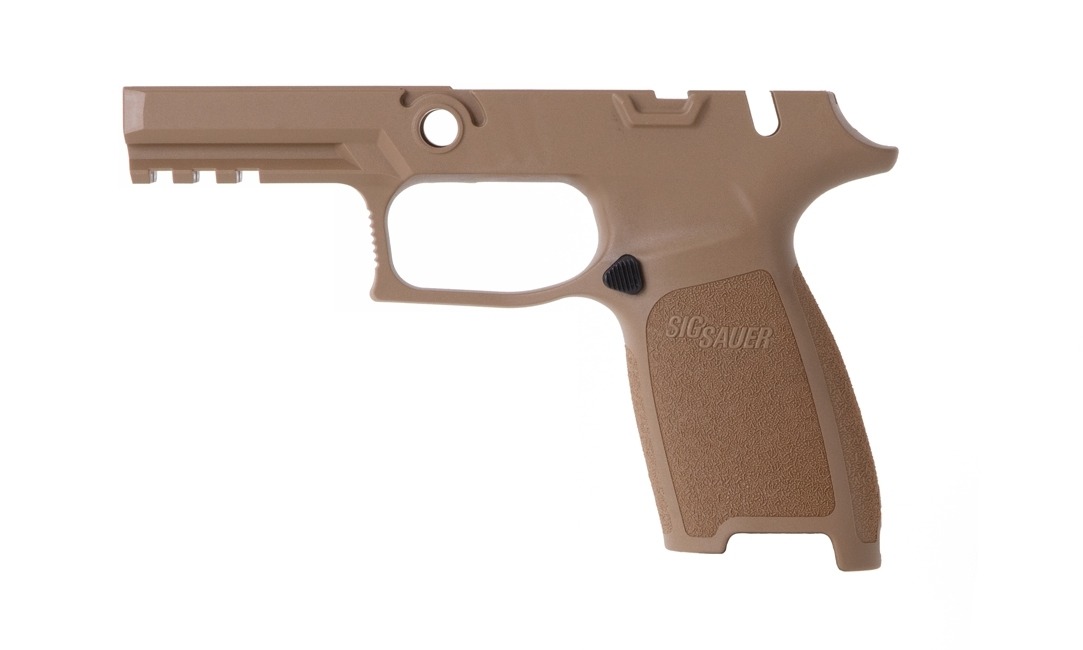
Control parts kits are collections of firearm controls and related operating components intended for compatible pistol or rifle platforms. Depending on the configuration, a kit may include parts such as a trigger, slide catch lever, takedown lever, magazine catch, springs, pins, or other small pieces that influence how a firearm is manipulated. These components are often selected for replacement, maintenance, restoration, or a carefully planned customization project. A well-matched control parts kit can help bring worn controls back to dependable function, replace a damaged component with a compatible factory-style part, or provide a more consistent interface for an owner who spends time training with the same firearm. The small details matter: the shape of a trigger, the texture of a lever, the reach to a magazine catch, and the amount of resistance felt during operation can all affect how naturally a firearm fits the hand. For a broader selection of related options, browse the Control Kits collection. Because control parts are designed around specific firearm platforms, the most important first step is confirming exact compatibility. Check the make, model, generation, frame or receiver configuration, and any designation that separates one version from another. A kit intended for one platform may not fit another, even when the two firearms appear similar at a glance. It is also worth reviewing whether the package is intended for a standard or extended capacity configuration, whether it is designed for a particular frame size, and whether the listed components match the controls already installed. Product descriptions, compatibility charts, owner documentation, and manufacturer specifications are useful references before placing an order. When a component is being replaced after damage, inspect the surrounding parts as well; a worn pin, spring, or contact surface may point to a larger maintenance need. Buyers should also confirm what is and is not included, since some kits contain a group of controls while others focus on a single replacement assembly or provide additional small hardware for a specific installation.
These kits may appeal to several kinds of firearm owners. A regular range visitor may want replacement controls on hand before a long training session, especially when a familiar setup has developed noticeable wear from repeated use. A concealed-carry owner may be looking for a compatible replacement after years of daily handling, holster contact, and routine practice. A competition shooter or serious enthusiast may choose a kit as part of a broader setup tailored to hand size, preferred reach, or a particular shooting discipline. For an individual who enjoys maintaining a collection, control parts can also be a practical addition to a workbench drawer, stored alongside cleaning supplies and other platform-specific spares. They can make a thoughtful gift for an experienced firearm owner when the recipient’s exact platform and configuration are known, though a gift card or a conversation about compatibility is often safer than guessing. The best kit is not necessarily the most elaborate one; it is the one that matches the intended firearm, the owner’s experience, and the purpose of the replacement. Consider how the firearm is used in real life. A control that feels ideal during a slow afternoon at an outdoor range should still be easy to locate with a firm, consistent grip, whether the shooter is wearing gloves during cooler months or working through a structured practice session in warmer weather. Finish and material can also influence the overall feel and appearance, while the design of the control may affect how it interfaces with the shooter’s preferred grip and carry method. These are personal decisions, but they should remain grounded in compatibility, safe function, and applicable regulations rather than appearance alone.
Firearm control parts should be treated as functional components, not universal accessories. Installation can involve small springs, pins, retaining features, and relationships between moving parts that are easy to overlook when working without the appropriate experience or tools. If you are unfamiliar with the platform, if the kit changes the operation of a safety-related control, or if the firearm is intended for defensive use, have the work completed or inspected by a qualified gunsmith. After any replacement or customization, the firearm should be checked according to the manufacturer’s safety guidance, including verification that controls move as intended and that the firearm is unloaded whenever it is being handled, examined, or transported for service. Avoid mixing loose parts from different kits unless compatibility is clearly established, and retain the original components when practical so the firearm’s configuration can be documented. It is also wise to review local and state requirements before purchasing or installing firearm components, since laws and regulations can vary by jurisdiction and may change over time. Once the parts are installed and inspected, function should be evaluated in a safe, controlled setting with appropriate eye and ear protection and a clear understanding of the firearm’s operating instructions. A good control parts kit should disappear into the experience: the trigger should present a familiar surface, the levers should be easy to identify by touch, and the controls should work predictably every time they are used. Whether you are replacing a worn component, preparing a well-used range firearm for another season of practice, or helping an experienced owner keep a favored platform in dependable condition during the cooler months, careful selection and professional attention can make the project more worthwhile.