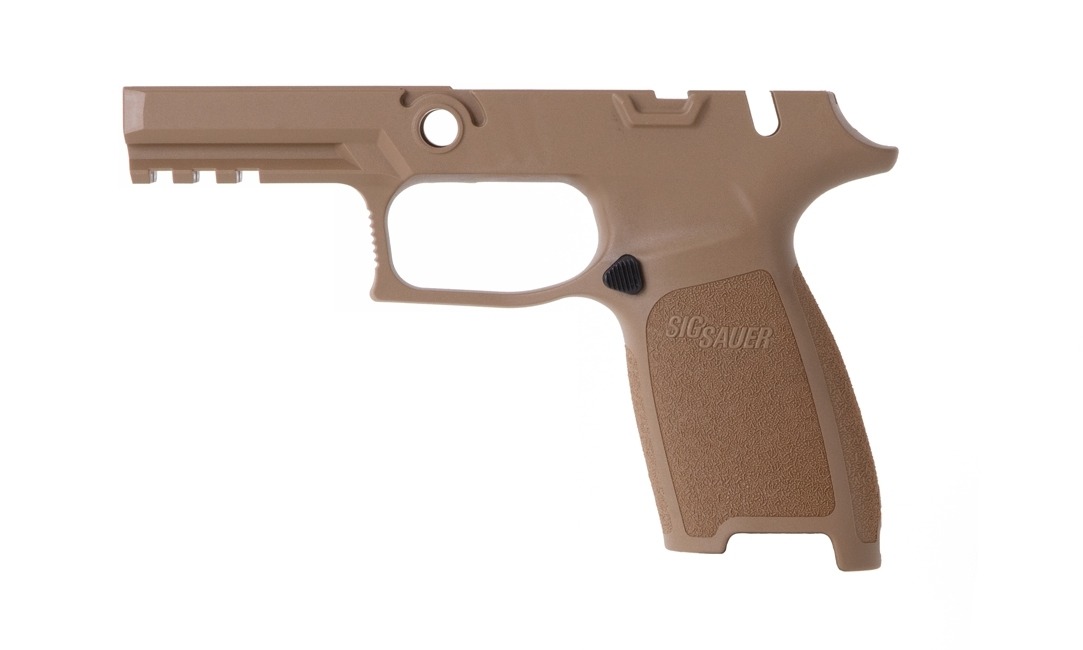
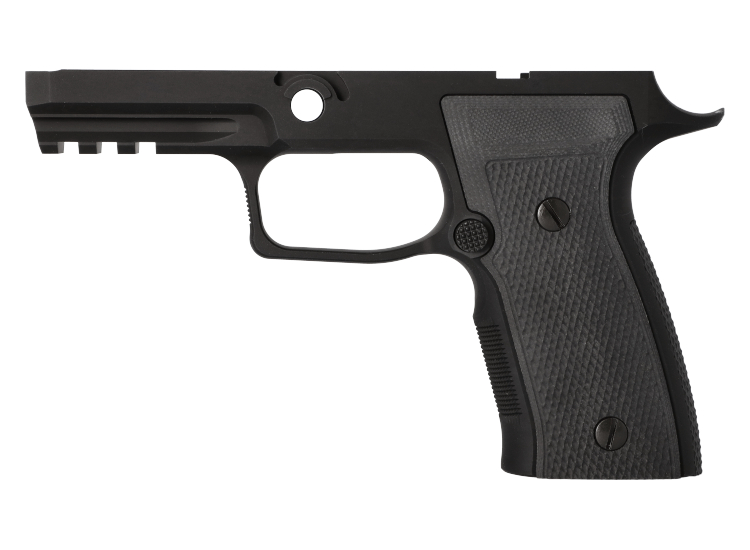
Custom color pistol grip modules bring a different look to a familiar handgun while keeping fit and handling at the center of the selection. In a compatible modular pistol design, the grip module forms the exterior grip and accommodates the removable fire control assembly. It is a structural component, not simply a decorative sleeve or a set of grip panels. Changing that exterior can give a pistol a more understated appearance, a contrasting accent, or a distinctive combination of color and texture. Neutral shades, earth tones, and brighter finishes each create a different visual effect, especially where the grip meets the slide and other controls. A single-color treatment can emphasize the shape of the grip, while a multicolor pattern can highlight contours or provide contrast around textured areas. The underlying material and finishing process matter as much as the color itself. Polymer is common in this category because it offers relatively light weight and allows grip contours, texture, and structural features to be formed into the module. Depending on the design, color may be integral to the material or applied as a separate surface finish. Those approaches can differ in appearance, feel, and wear characteristics, so the individual description should establish what the finish actually involves. A matte surface may look quite different from a finish with a slight sheen, even when both share a similar shade. Product photography can help show those differences, although lighting and screen settings can affect perceived color. For an owner coordinating several exterior components, subtle differences in tone are worth considering rather than assuming every similarly named color will match exactly. Custom color pistol grip modules are ultimately about personalizing the part of the handgun that meets the hand. Their appeal can be visual, practical, or both, but a different color alone does not establish better accuracy, reliability, or safety.
Compatibility is the first requirement for a replacement pistol grip module. The module must match the intended pistol platform and the relevant configuration, including grip length, fire control assembly fit, magazine compatibility, and any required manual safety provisions. Similar outlines do not establish interchangeability, and a shared color or general size description is not enough to confirm a proper match. Grip length and grip circumference also describe different characteristics: one influences the space available for the fingers and the relationship with the magazine, while the other affects how the hand wraps around the pistol. A shooter with shorter fingers may prefer a contour that permits comfortable access to the controls without shifting the hand unnecessarily. Someone with larger hands may value additional palm support or a shape that avoids crowding the fingers. Neither preference can be settled by appearance alone. Backstrap shape, frontstrap contour, trigger guard clearance, and the transition beneath the rear of the frame all contribute to how a module feels during ordinary handling. Texture deserves equally close attention. A pronounced surface can provide a more distinct contact point for the hand, while a less assertive texture may feel more comfortable against clothing during lawful concealed carry. For regular range practice, a consistent grip surface can help the pistol feel familiar from one session to the next, although comfort remains individual. Color customization and texture customization are related choices, not interchangeable features; a colored module is not necessarily stippled, and a textured module does not necessarily have an added coating. Shoppers interested in more defined surface patterns can also explore Custom Stippled Grip Modules for Pistols. Any change in exterior dimensions, accessory rail geometry, or trigger guard shape may also affect holster compatibility. A holster that fits the original configuration should not automatically be assumed to fit another module correctly. For a pistol used regularly, preserving appropriate fit with existing equipment is more important than achieving an exact cosmetic match.
Durability depends on the module’s material, surface treatment, construction, and use. A colored surface can develop visible wear at raised edges or repeated contact points, and a finish that looks uniform when new may gradually take on a more used appearance. That does not mean every mark affects function, but cosmetic wear and structural damage are different matters. Cracks, distortion, or damage around attachment and support areas warrant evaluation rather than being treated as ordinary finish wear. Care should follow the instructions for both the module and its finish, since a cleaner suitable for one firearm component may not be appropriate for a coated polymer surface. A soft cloth and a compatible cleaning product can help remove handling residue without unnecessary abrasion. Recessed texture may hold lint or residue, making gentle attention to those areas useful; aggressive scraping or unapproved solvents can damage the surface instead of improving it. Keeping the grip clean also makes it easier to inspect its condition and appreciate the details of the color treatment. For range enthusiasts, collectors, and owners who enjoy a coordinated appearance, a custom color module can make a familiar configuration feel more personal without requiring every exterior component to match. A contrasting grip can be deliberate, while a restrained tone can complement an otherwise simple setup. As a gift, this category works best when the recipient’s exact platform, configuration, and preferences are already known. Guessing at compatibility or choosing an especially assertive texture for someone else can turn a thoughtful accessory into a poor fit. Selection should therefore balance the visual effect with the recipient’s usual handling preferences and intended use. Any fitting or configuration change should follow the firearm manufacturer’s instructions, with the firearm unloaded and ammunition kept separate from the work area; uncertain compatibility or fit calls for a qualified professional. The most satisfying choice combines a finish worth looking at with the correct dimensions, suitable texture, and care requirements the owner can comfortably maintain.