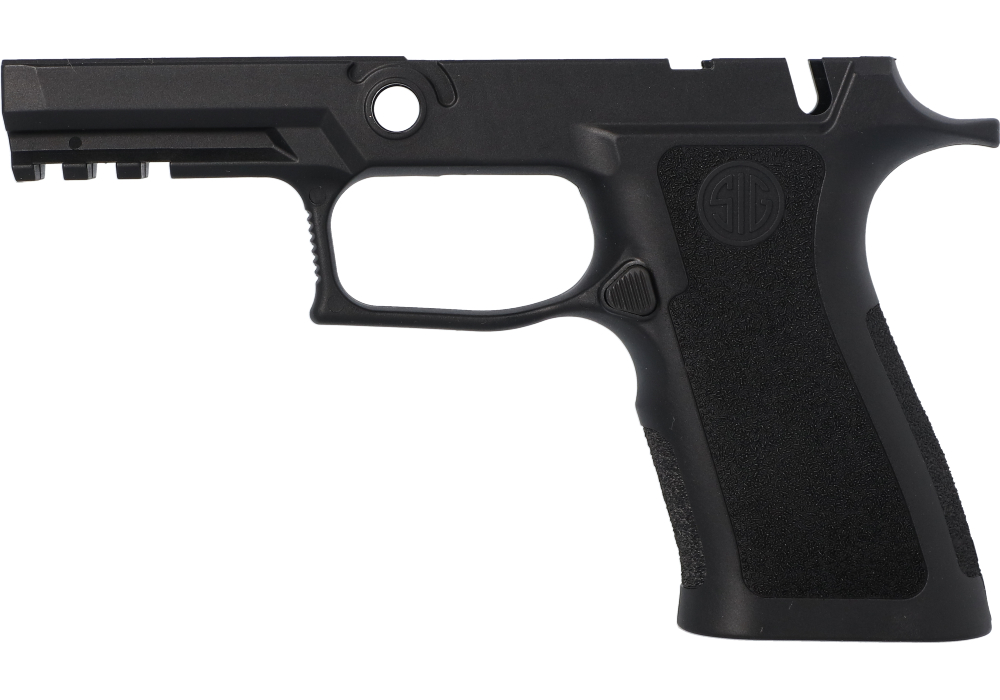
Custom fit sandpaper grip modules for pistols pair model-specific fit with a granular gripping surface that feels noticeably different from smooth polymer or lightly molded texture. Their appeal is straightforward: a firm, tactile contact area can help keep the pistol from shifting in the hand, especially when palms become damp or extended range sessions reveal the limits of a smoother surface. The term “sandpaper” describes the abrasive feel, but products within this category can differ in construction, coverage, and texture intensity. A replacement grip module changes the grip housing on a compatible modular pistol, while a pre-cut adhesive wrap adds texture to an existing grip. These are distinct product types, so it is worth reading each description closely rather than assuming every textured option includes a complete module. Likewise, “custom fit” usually refers to contours and cutouts tailored to a particular pistol configuration, not necessarily a grip individually shaped to the buyer’s hand. The most useful starting point is the exact pistol model, size, and generation, followed by the manufacturer’s stated compatibility. Similar-looking grip housings are not automatically interchangeable, and differences around controls, backstraps, and magazine openings can matter. Once fit is confirmed, consider where the texture sits: front and rear gripping surfaces, side panels, or broader wraparound coverage. A heavily textured side panel may feel reassuring in the palm but less comfortable against the body. More restrained coverage may suit someone who wants added traction without an abrasive surface at every contact point. Think of the difference between briefly holding a textured grip at a counter and spending a full afternoon with it. The first impression tells you how pronounced the texture feels; sustained contact tells you whether that texture suits your hands. A good match balances traction, shape, and comfort rather than treating the roughest available finish as the best choice for everyone.
When comparing sandpaper-textured pistol grips, pay as much attention to dimensions as to surface feel. Grip circumference, front-to-back depth, and backstrap contour all influence how naturally the hand settles around the housing. A coarse finish cannot compensate for a grip that feels too large, too narrow, or awkward around the controls. For smaller hands, added material from a wrap may be noticeable even when the layer looks thin. For larger hands, the location of textured areas can be as important as overall coverage, particularly if the fingertips land beyond the main gripping panels. Product photographs can help show coverage, but written specifications and compatibility notes should settle questions about what is included. Check whether a listing is for a bare housing, an adhesive grip set, or a component package, and avoid assuming that pictured accessories accompany the purchase. Installation requirements also vary. Some adhesive products are intended for user application, while replacement modules depend on the pistol’s design and may call for qualified assistance. Follow the manufacturer’s directions, including any preparation, fit checks, or restrictions, rather than treating all grip products as equally simple to install or remove. For long-term ownership, look for clear care guidance and information about the textured surface. Granular finishes can collect lint, residue, and dirt, and abrasive surfaces can gradually change with use. Adhesive edges also deserve consideration wherever the grip contacts a holster or clothing. During the cooler months, gloves and heavier layers introduce different contact points, so a texture that feels comfortable against a bare palm may interact differently with the rest of your setup. Compact-pistol owners can also explore Long Lasting Grip Modules for Compact Pistols when comparing fit and durability considerations. Whatever the pistol size, the sensible purchase is the compatible option whose dimensions, texture, and care requirements align with everyday use—not simply the one with the boldest appearance.
Sandpaper grip modules and wraps often appeal to recreational target shooters, competition participants, and pistol owners who prefer a more pronounced gripping surface. At an outdoor range, a warm palm inside a glove or moisture lingering after a passing shower can make surface texture feel more consequential than it did at home. An abrasive finish can provide useful traction in those conditions, but it does not guarantee accuracy, eliminate movement, or replace sound handling practices. Comfort remains personal. Someone who enjoys a coarse texture during a short session may find that same surface tiring after repeated contact, while another person may prefer its distinct feel to a softer alternative. For a pistol carried close to the body, consider the surfaces beyond the hand as well. Rough side panels can rub skin, catch fabric, or wear clothing, particularly where the grip presses against an inner layer. A less abrasive finish or more selective coverage may be a better fit for that use. Holster compatibility should be verified separately, especially when a replacement housing changes external contours; model compatibility alone does not establish that every existing accessory will still fit. Appearance can play a role in the decision, too, though a uniform finish and cleanly matched edges matter more over time than a striking product photograph. For a gift, grip accessories are best suited to an owner whose exact pistol configuration and texture preferences are already known. These are fit-dependent purchases, not one-size-fits-all extras, and a well-intended choice can miss the mark if the recipient prefers a different contour or a gentler surface. Confirming the needed configuration and reviewing the return policy can help keep the purchase practical. Whether the goal is replacing a worn grip surface, choosing a different feel for regular range visits, or finding a compatible housing with a preferred texture, prioritize clear specifications and realistic expectations. The right grip should feel like a comfortable part of the pistol’s overall fit, with texture that serves the owner’s routine rather than demanding that the routine change around it.