Cyber Monday is a familiar occasion to look over the shooting gear that goes along on recreational range visits, whether it’s for personal use or for someone who spends their free time at the range. A short visit to an indoor facility puts different demands on personal gear than an afternoon at an outdoor club. Someone who checks in, spends an hour at an assigned lane, and heads home may prefer a compact setup that’s easy to keep together. At a club where the parking lot is a long walk from the benches, balanced weight and comfortable contact points tend to matter more. There’s also a difference between gear that looks tidy laid out on a table and gear that stays organized when bench space is limited. A sensible layout leaves frequently used belongings easy to reach without having to unpack everything else. Smooth fabrics are less likely to catch against one another in a tightly packed setup, while sturdy woven panels can be useful on surfaces that regularly brush against bench edges. A firmer construction can help gear hold its shape, while flexible construction can be easier to pack into an already crowded space. Neither is a measure of quality on its own. The better comparison is how the material behaves where it gets the most contact. An edge that repeatedly rubs against a rough bench needs a different finish from a surface that rests against the body for most of the walk in. Even the feel of a seam can matter: stitching that sits flat against a shoulder is easier to live with than a raised edge that feels fine for the first few steps but starts to rub halfway to the benches. Those small differences tend to tell more about day-to-day comfort than the heft of the material alone.
Fit is best judged with the rest of the range setup in mind. Gear that feels comfortable while standing still can shift when someone sits at a bench, reaches to sign in, or bends to pick up their belongings. On wearable gear, check where edges and seams sit through those ordinary movements. A close fit need not feel restrictive across the shoulders, and extra room is only useful if the material doesn’t bunch where it meets other gear. For personal protective gear, the fit of the whole setup matters as much as the fit of each part on its own. Anything worn together should sit as intended without shifting or interfering with the fit of another piece, and the facility’s requirements should guide the choice. Durability is similarly practical. Wear tends to show first where material folds repeatedly, where seams carry weight, or where an edge scrapes against a hard surface. A reinforced contact point can matter more than thicker material across an entire surface, especially when that extra weight has to be carried on every visit. Care is worth considering before settling on a material, too. Some surfaces wipe clean easily, while textured fabrics may take longer to clear of grit. If gear has been exposed to range residue, follow the facility’s guidance for handling it and the manufacturer’s directions for cleaning rather than assuming that ordinary household care is appropriate. Check for loose stitching, worn contact surfaces, and parts that no longer sit securely before putting gear away. Giving cleaned gear time to dry as directed also helps keep moisture from lingering in folds or against adjoining surfaces. Over time, those habits make it easier to distinguish ordinary cosmetic wear from a change that affects fit or function.
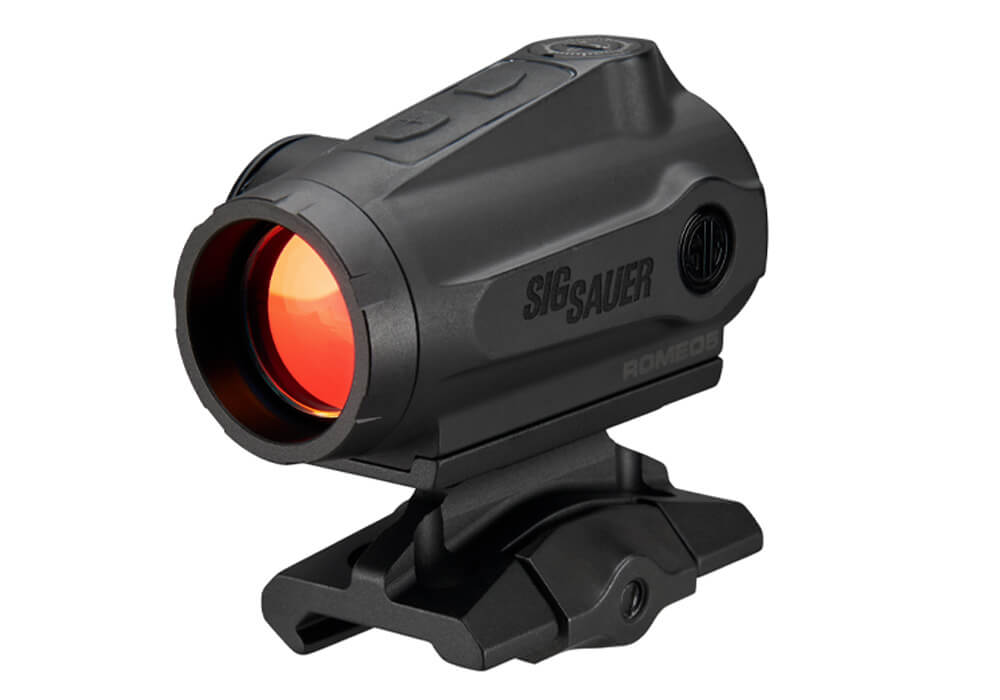
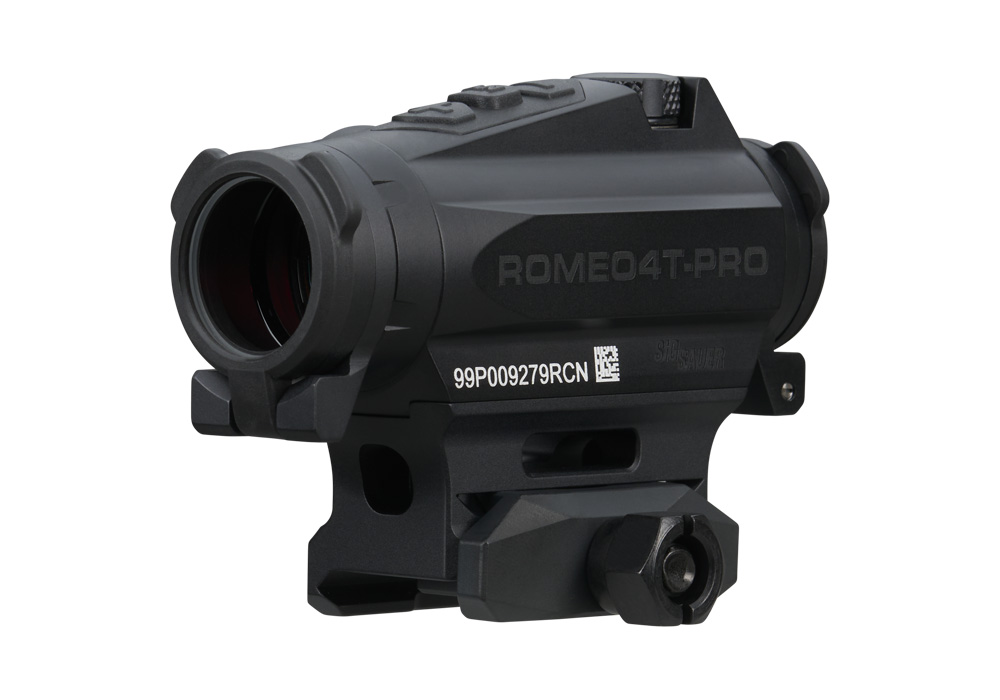
Shooting gear can be a thoughtful holiday gift for a recreational range visitor, a club member, or someone who has recently started attending supervised range sessions. The best clues usually come from the way the recipient already spends time there. A person who visits the same indoor facility after work may appreciate gear that fits neatly into an established routine, while someone who spends longer stretches at a club may pay more attention to comfortable carry and materials that stand up to regular use. If a recipient mentions that personal belongings get jumbled between check-in and the bench, an easy-to-navigate layout is a more useful consideration than extra room alone. If the complaint is that gear feels awkward on the walk back to the parking lot, a more compact shape or better weight distribution may matter more. Fit is more personal than it looks from the outside. Two people who wear the same size can prefer different amounts of room through the shoulders or have different tolerances for stiff seams. For a gift that depends on precise fit, a size the recipient has confirmed is a better starting point than guessing from appearance. For a related look at the accessory side of range gear, visit Cyber Monday SIG Sauer Accessories Deals. Whether the gear is a gift or a replacement for something that has seen years of use, picture a familiar visit from start to finish: carrying everything in, finding a place for personal belongings, and packing up without leaving anything behind. Gear that suits that routine tends to earn its place through small conveniences that repeat every visit, from a seam that stays out of the way to a layout that makes sense even when there’s barely room to set things down.