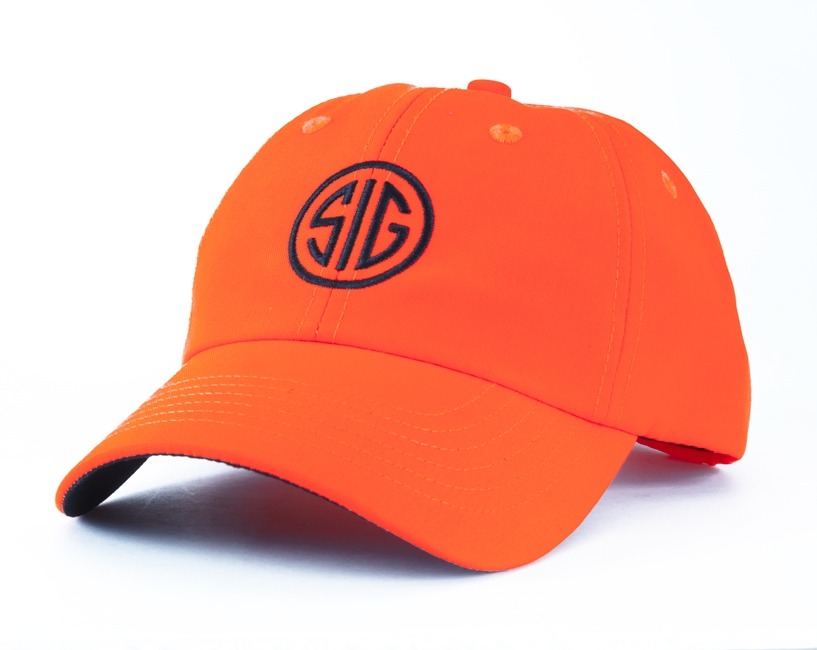
Deer hunting gear is built around a simple goal: helping hunters move through the woods with confidence, stay comfortable during long sits, and make careful, ethical decisions in changing conditions. The right setup begins with clothing that matches the terrain and weather. Quiet camouflage layers can help break up a hunter’s outline while reducing the sound of movement through brush, and a flexible layering system makes it easier to adjust as cool mornings give way to warmer afternoons or temperatures drop during the evening. Base layers help manage moisture, insulating mid layers provide warmth without unnecessary bulk, and an outer shell can add protection from wind and light precipitation. Pay close attention to fabric noise, fit, pocket placement, and freedom of movement, particularly if the clothing will be worn while drawing a bow, shouldering a firearm, or climbing into a stand. Gloves, a face covering, warm socks, and headwear are small pieces of gear that make a noticeable difference when a hunter is sitting still for hours. Scent-control clothing and accessories can also help reduce human odor, while careful storage and washing practices support the same purpose. These essentials are useful for experienced hunters refining a familiar system, new hunters building their first kit, and family members looking for a practical gift for someone who spends the cooler months outdoors.
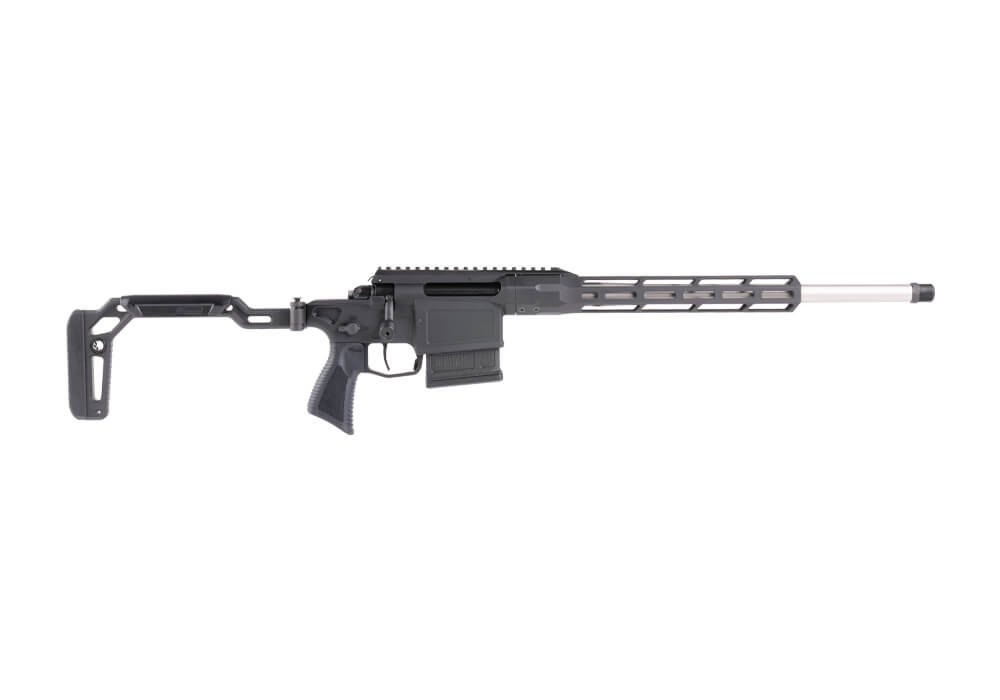
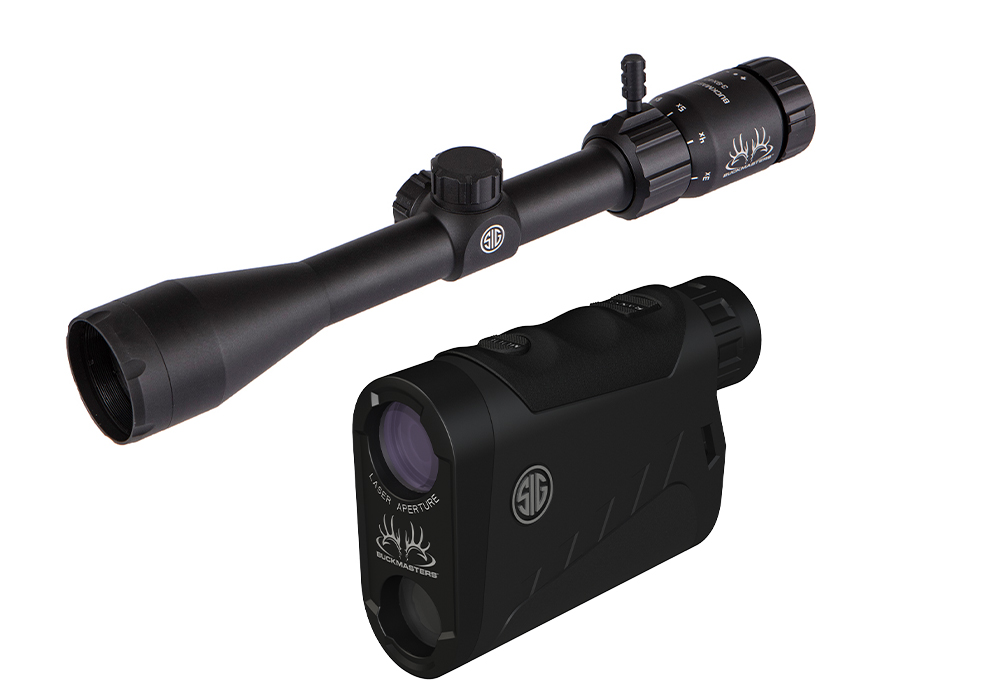
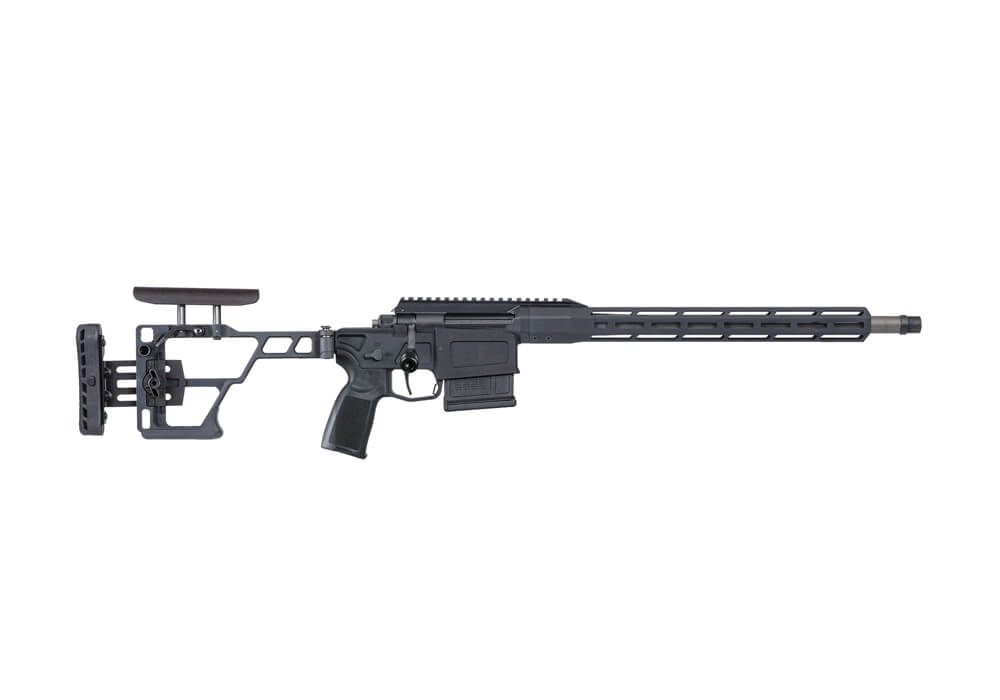
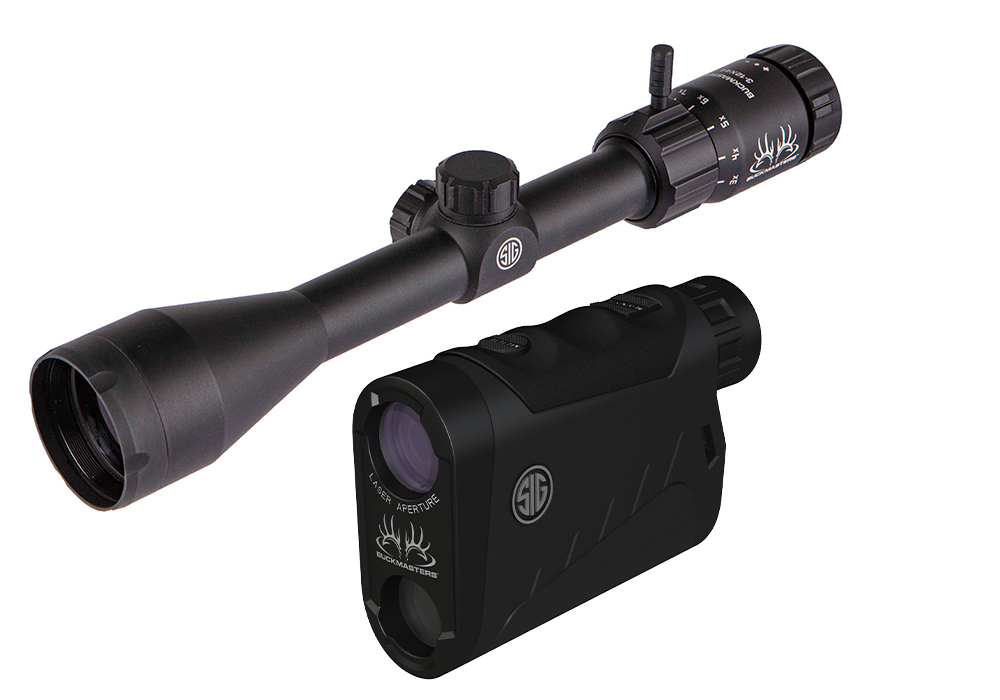
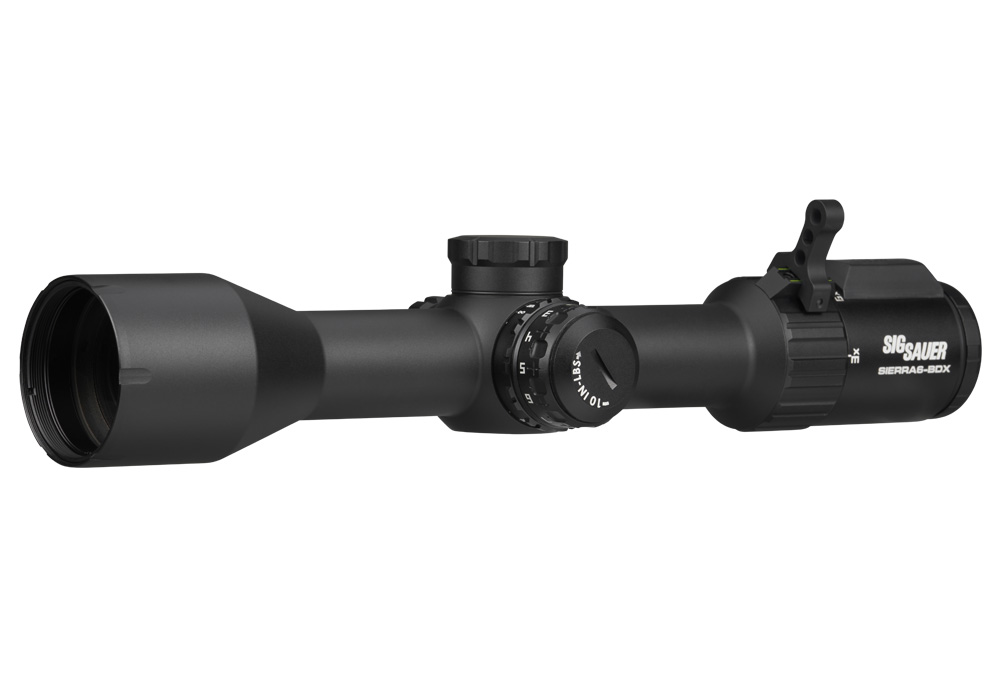
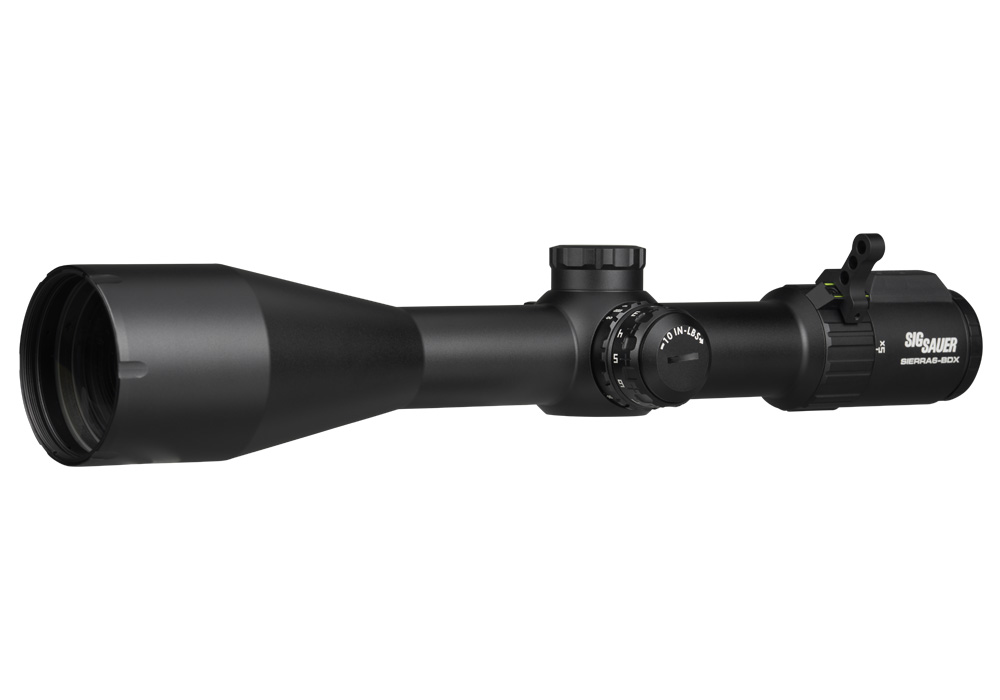
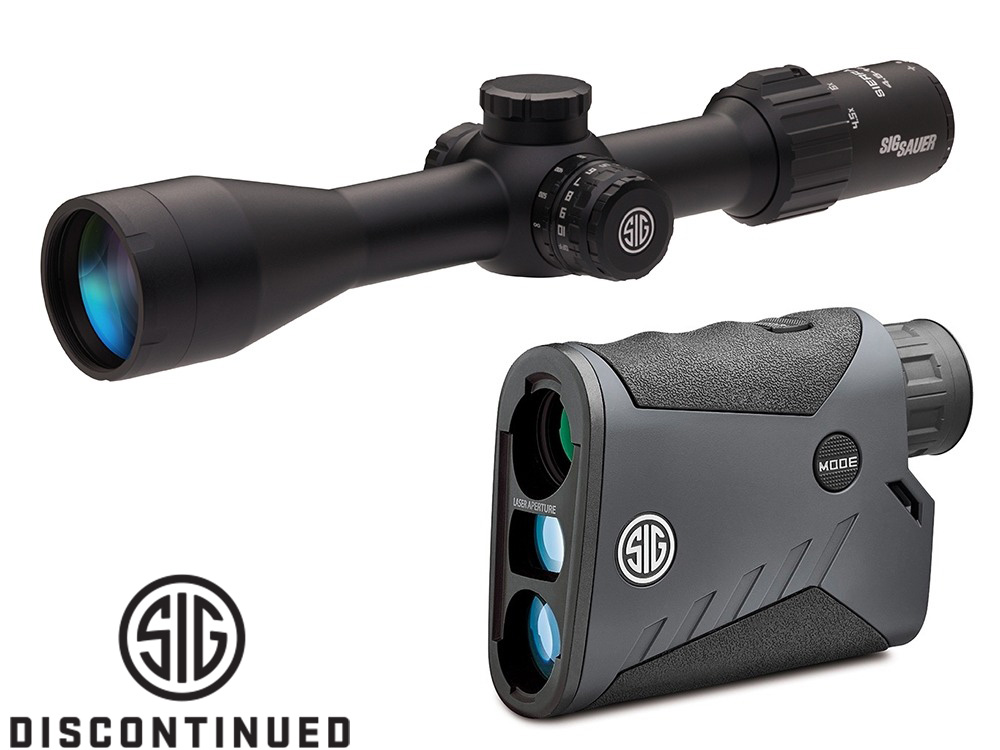
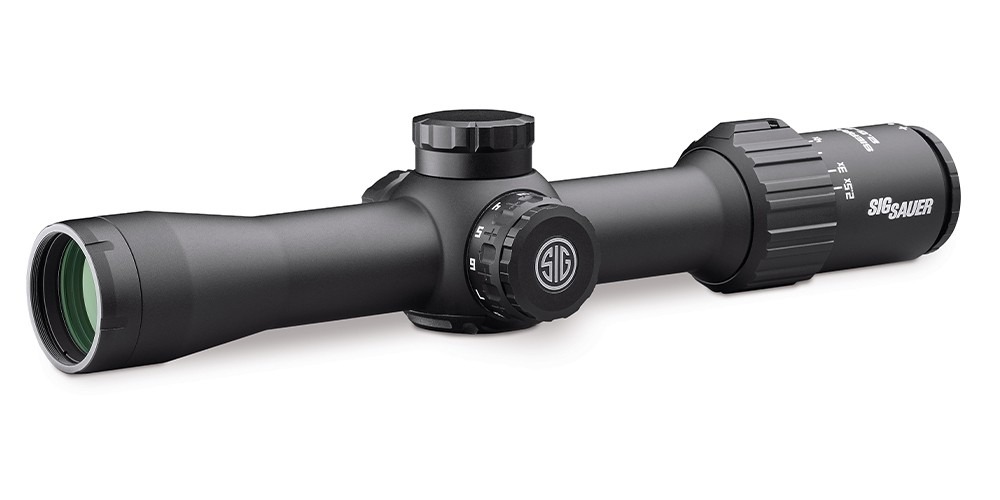
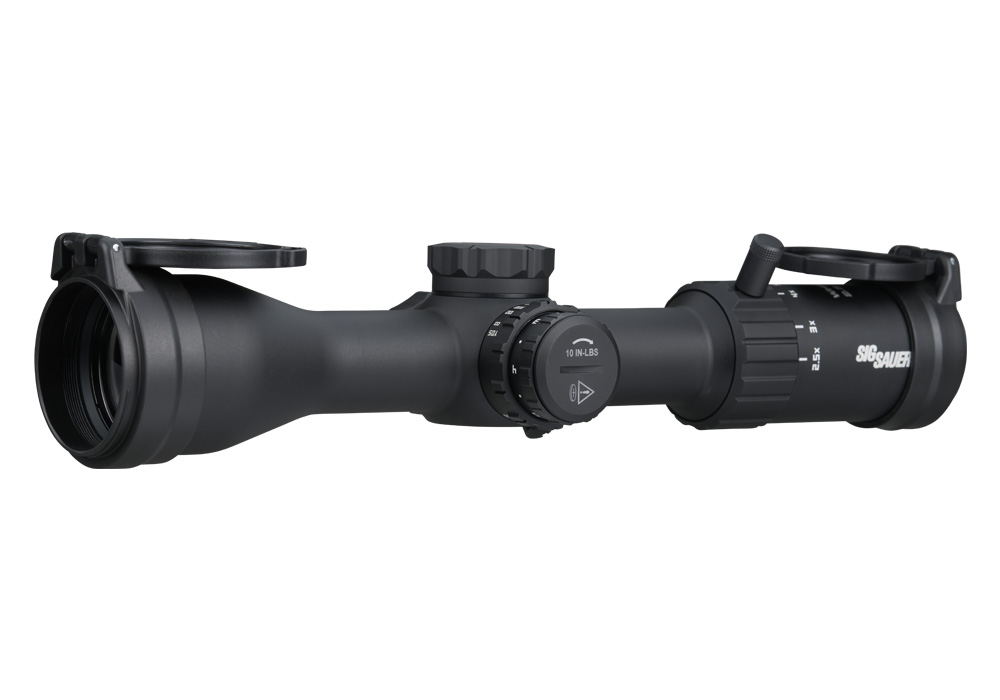
A reliable hunting setup also depends on observation, navigation, and preparation. Binoculars help reveal movement along a timber edge, across a field, or beneath a distant canopy before a hunter commits to a decision, while a rangefinder can provide a more precise understanding of distance and support responsible shot placement. Hunters choosing a rifle or bow should consider the terrain, expected shooting distances, local regulations, personal experience, and the time available for practice. Firearm hunters should pair compatible ammunition with their firearm and confirm performance at an appropriate range; bowhunters should inspect arrows, broadheads, strings, and related equipment before heading into the field. For hunters who use a riflescope, the selection should account for magnification, light transmission, reticle design, eye relief, durability, and the distances likely to be encountered. Explore Deer Hunting Scopes to compare options intended for deer hunting applications. A headlamp with dependable batteries is valuable during a predawn walk or a late return, and a map, GPS unit, or phone-based navigation tool can help maintain orientation in unfamiliar country. Consider carrying a backup power source, marking the vehicle location, and sharing a planned route with someone at home. Calls and scent products may have a place in a hunter’s strategy, but they should be used with an understanding of local rules and the behavior of deer in the specific habitat. In a blind or elevated stand, a properly fitted safety harness, secure attachment system, and deliberate climbing routine are essential parts of the gear rather than optional extras.
Field and recovery equipment deserves the same thoughtful attention as clothing and optics. A sturdy daypack can organize water, food, extra layers, licenses, gloves, first-aid supplies, communication equipment, and other essentials without creating unnecessary noise. A headlamp, spare batteries, sharp field knife, durable cutting tool, and disposable or washable protective gloves can assist with field dressing and cleanup after a harvest. Breathable game bags help protect meat during transport, while cordage, pack frames, or other load-support accessories can make a difficult pack-out more manageable in steep or wooded terrain. Before every outing, inspect straps, fasteners, batteries, optics, firearm or bow components, and any elevated hunting equipment for wear or damage. Practice safe muzzle and bow direction, keep firearms unloaded until ready for lawful use, identify the target and what lies beyond it, and follow all state and local hunting requirements. Gear choices will vary for a first-time hunter, a seasoned whitetail hunter, a youth hunter preparing with family, or someone receiving hunting equipment as a thoughtful gift, but the best choices share a few traits: they fit the user, suit the environment, support safe handling, and perform reliably when the woods are quiet and patience matters. During the changing conditions of early fall through early winter, a well-planned collection of deer hunting gear helps hunters stay focused on reading the landscape, moving carefully, and making the most of every responsible opportunity afield.