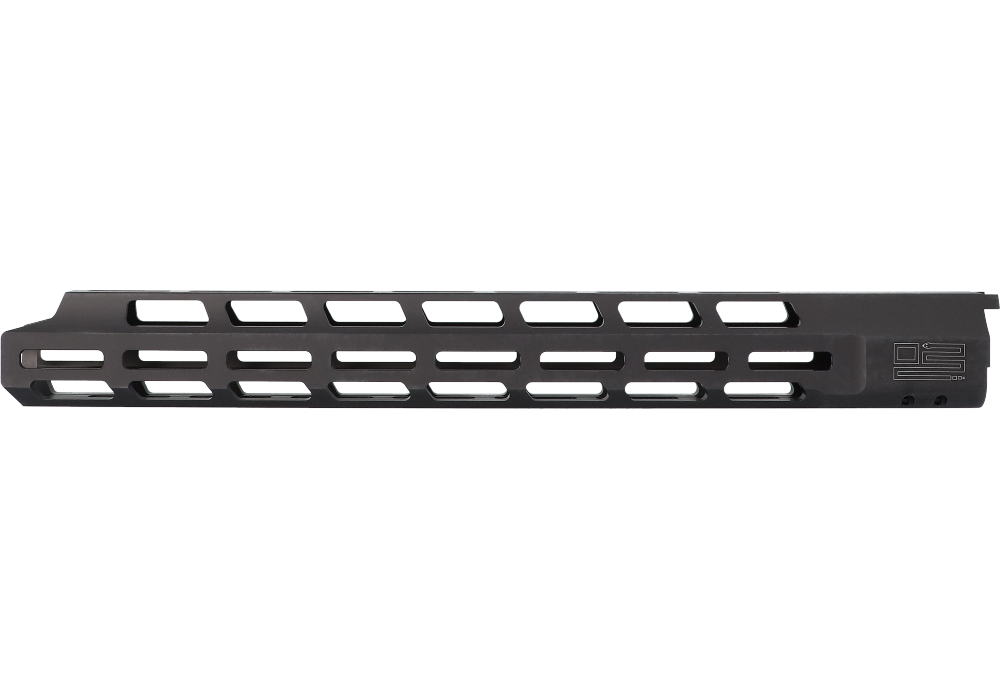
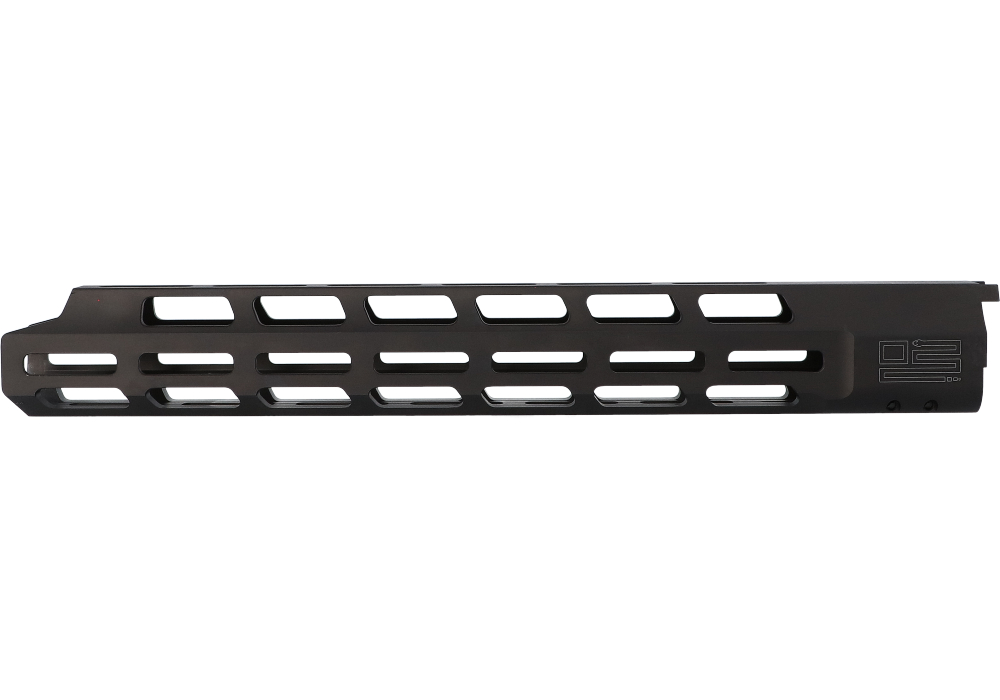
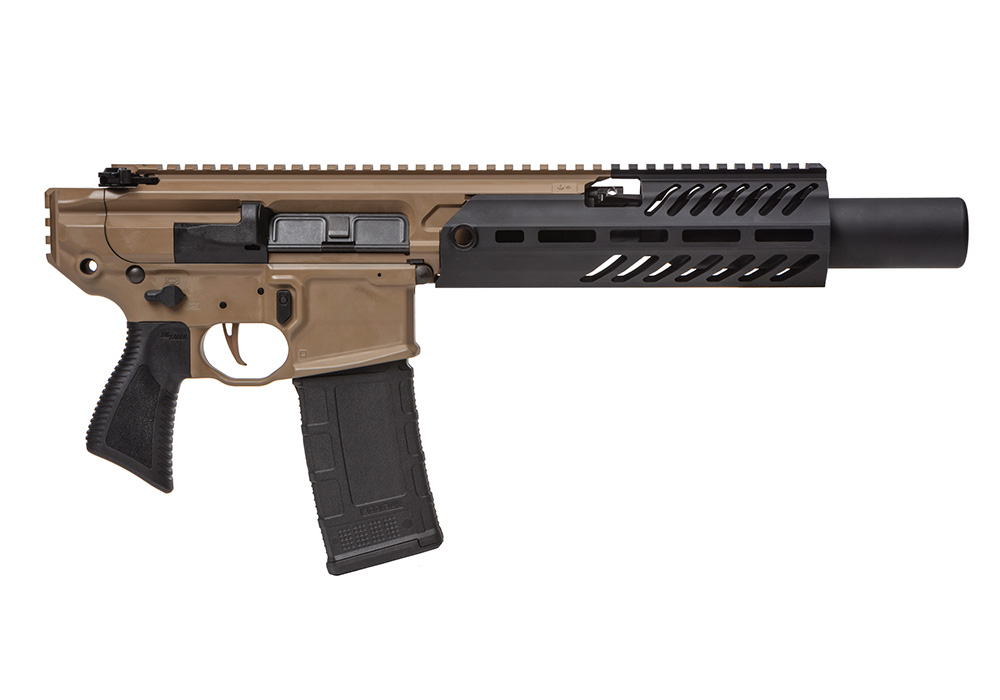
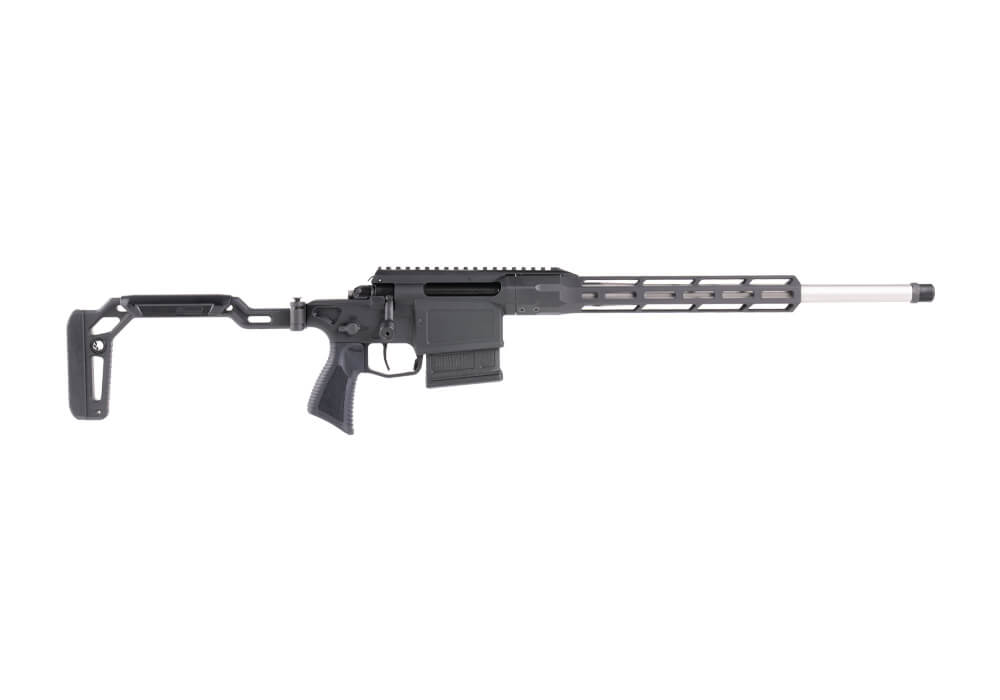
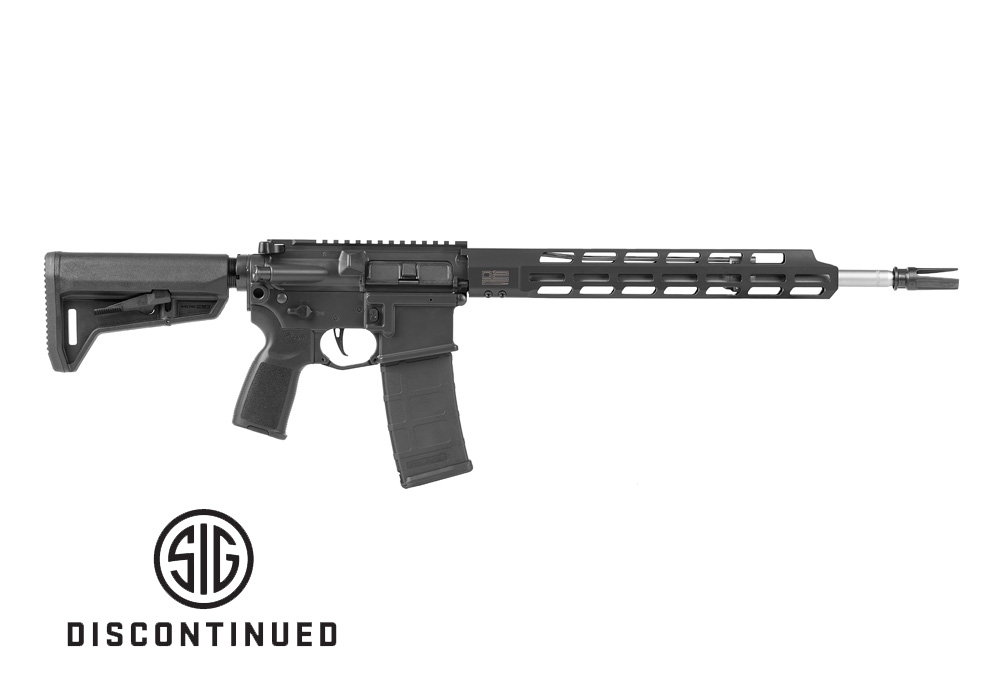
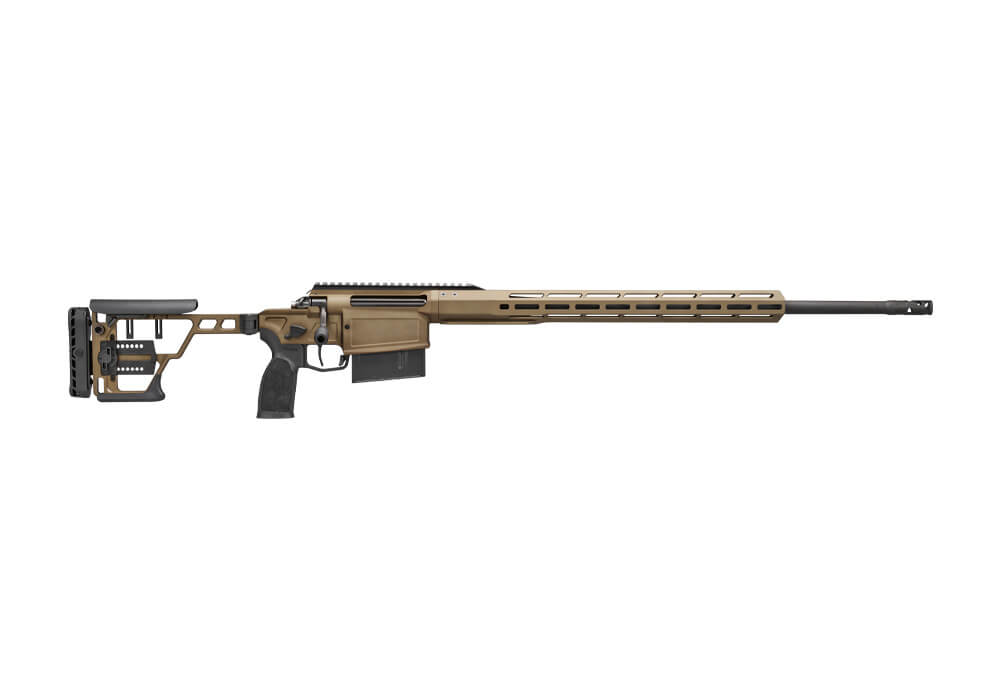
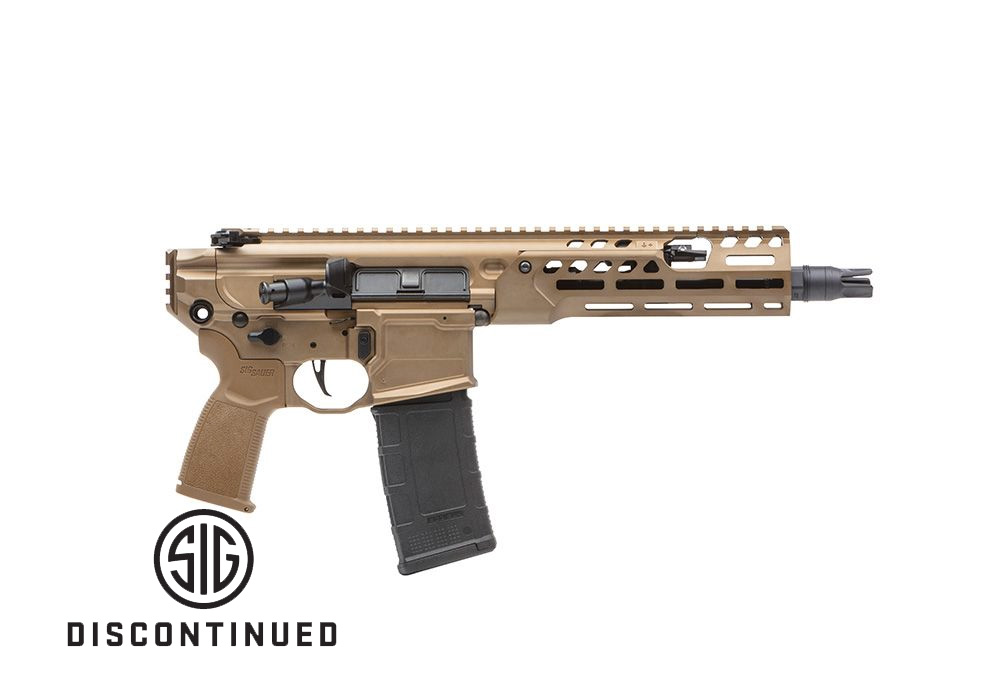
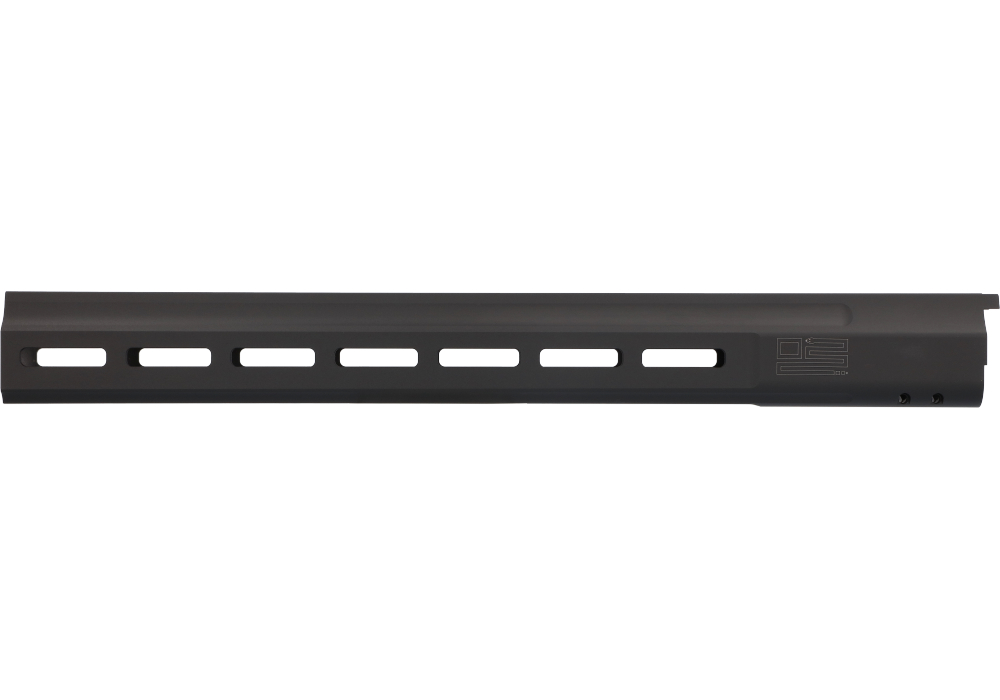
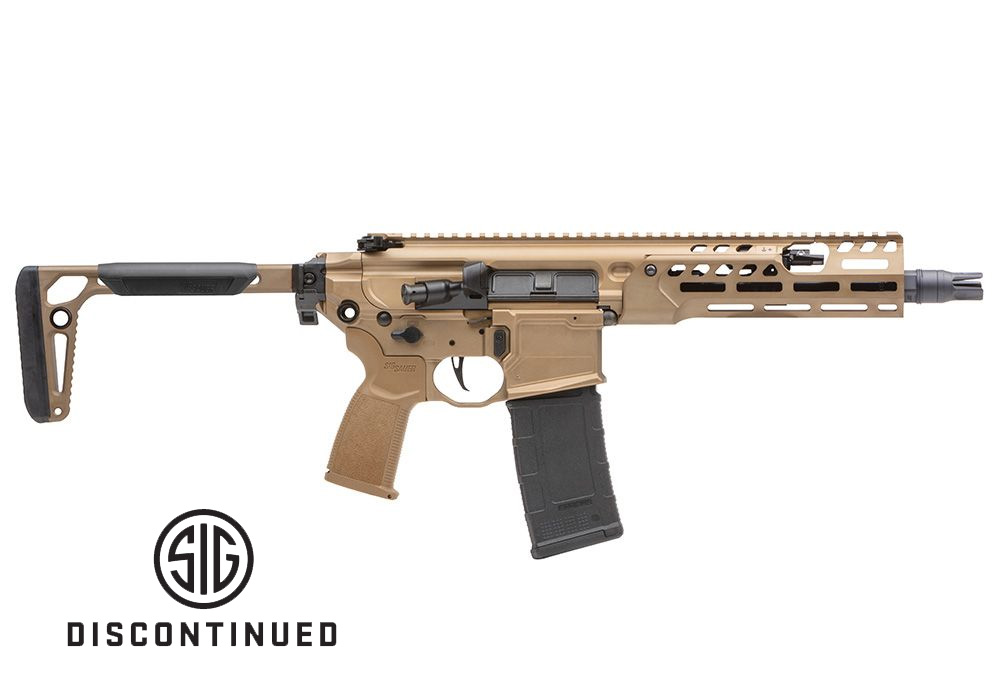
Deer hunting rifle handguards provide a supporting surface around the barrel, giving the forward hand a secure place to hold the rifle while helping limit direct contact with a hot barrel. Their value in the field extends beyond appearance: the shape, weight, and attachment system influence how comfortably a rifle carries, settles onto a rest, and balances during a long wait. A hunter walking wooded ridges may favor a slim, lightweight fore-end that stays comfortable in the hand, while someone hunting from a stationary position may prefer additional room for a sling attachment or bipod. Free-float handguards maintain clearance around the barrel rather than bearing against it. By reducing the transfer of pressure from the supporting hand, sling, or rest directly to the barrel, a suitable free-float design can support more consistent accuracy, although it cannot guarantee tighter groups by itself. Other designs use existing front and rear retention hardware, with compatibility determined by the rifle’s construction. These systems are not interchangeable simply because their external dimensions look similar. Receiver pattern, mounting hardware, barrel profile, gas-system clearance, and the manufacturer’s compatibility specifications all help determine whether a handguard belongs on a particular rifle. A separate handguard also is not a universal replacement for the fore-end of a conventional hunting stock. Length deserves equally careful consideration: a longer handguard offers more supporting surface and attachment space, while a shorter version can keep weight closer to the receiver and leave more of the barrel exposed. Barrel length alone does not establish the correct fit, and clearance around adjacent components remains important. For deer hunting, the most useful configuration is generally one that provides a comfortable hold and the necessary mounting points without adding bulk that has little purpose in the field. Reliable fit and familiar handling matter more than choosing the longest rail or the most elaborate exterior.
Materials and construction help explain the differences between deer hunting rifle handguards that otherwise appear similar. Aluminum is common because it offers a practical balance of weight, stiffness, and durability, often with an anodized finish that helps protect the surface against wear and corrosion. Carbon fiber can offer low weight and a different feel in the hand, while polymer and other composite constructions vary considerably in stiffness, texture, and heat resistance. Material labels alone do not tell the whole story; wall thickness, profile, reinforcement, mounting design, and hardware all contribute to performance. A heavily relieved aluminum handguard may feel very different from a more substantial model of similar length. Likewise, a light fore-end is not automatically the best choice if its shape is uncomfortable or its attachment points do not suit the intended use. Rounded edges and a manageable circumference can make a noticeable difference when the rifle rests across the palm for an extended period. Texture should provide purchase without feeling excessively abrasive against bare hands, gloves, or clothing. Ventilation openings allow airflow around the barrel, but an open design does not turn the handguard into an insulating barrier, and any fore-end can become warm with extended firing. Attachment interfaces deserve the same practical approach. M-LOK slots allow compatible accessories to occupy selected positions rather than covering the entire surface with rail sections. Picatinny rails provide a standardized mounting interface, while full-length rails on multiple sides can add bulk and weight. For a hunting rifle, a sling point and a stable support attachment may be more useful than numerous unused accessories. Their placement can affect carrying comfort, particularly when a sling pulls against the fore-end during a hike or catches against a pack strap. A broad lower surface may sit comfortably on a padded shooting rest, while a narrower profile may suit a hunter who values an easy wraparound grip. Total weight includes the handguard, mounting hardware, rail sections, and attached accessories, so the complete arrangement offers a more useful comparison than the handguard’s listed weight alone.
Durability also depends on how a handguard is maintained and whether its mounting system remains secure. After a hunt, dirt, plant debris, and moisture should receive attention before the rifle returns to storage, especially around openings, attachment slots, and accessible hardware. Cleaning products and protective treatments need to be compatible with the handguard material and finish; a cleaner suitable for one surface may be inappropriate for another. The manufacturer’s care directions provide the best reference, and a qualified gunsmith can evaluate unfamiliar fitment, persistent movement, or damaged hardware. A secure handguard should not be treated as a substitute for routine inspection of the complete firearm. New movement, unusual contact with surrounding components, or visible damage warrants attention before further use. Finish selection is partly practical and partly personal. A dark, low-gloss surface can complement a hunting rifle without adding a bright visual accent, although color alone says little about wear resistance or structural quality. For a focused comparison, explore Black Handguards for Hunting Rifles with the same attention to mounting compatibility, surface texture, and overall weight. Hunters who spend more time walking than sitting may appreciate a configuration that carries comfortably at the balance point, while those using a supported position may prioritize a stable resting surface and convenient sling placement. The same considerations matter when choosing a handguard as a gift for an experienced deer hunter: the exact rifle configuration and the recipient’s preferences are more useful than appearance alone. A familiar grip shape, a preferred attachment interface, or room for an existing support accessory can make the selection more thoughtful. Ultimately, a well-matched deer hunting rifle handguard should feel like a natural part of the rifle rather than an addition that demands constant attention. Sound construction, appropriate clearance, comfortable dimensions, and straightforward care support that goal, helping keep the rifle manageable through the walk in, the wait, and the return from the field.