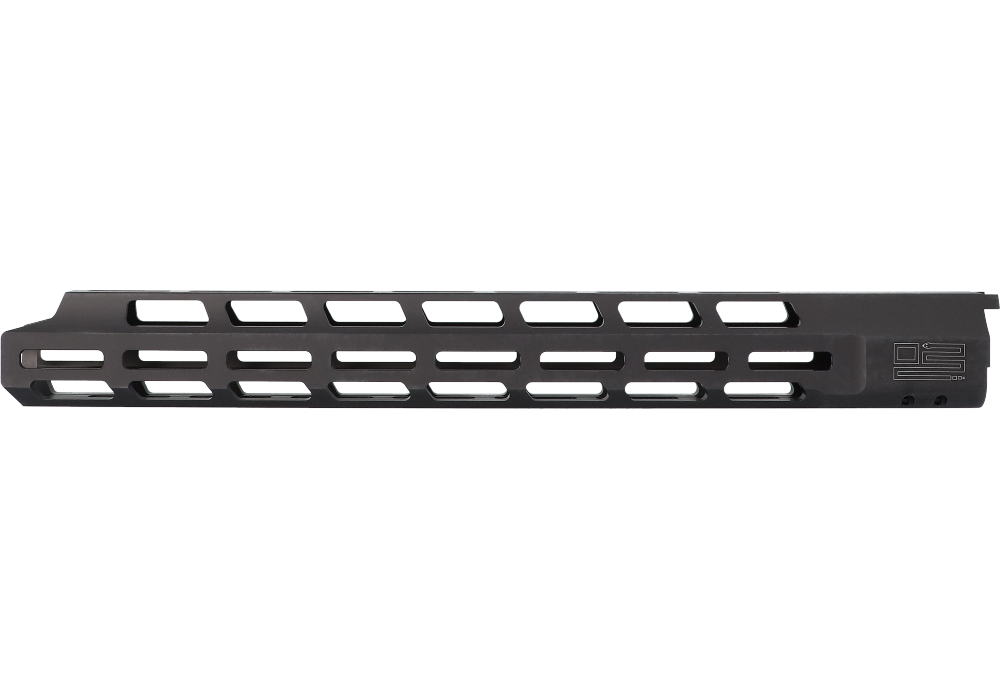
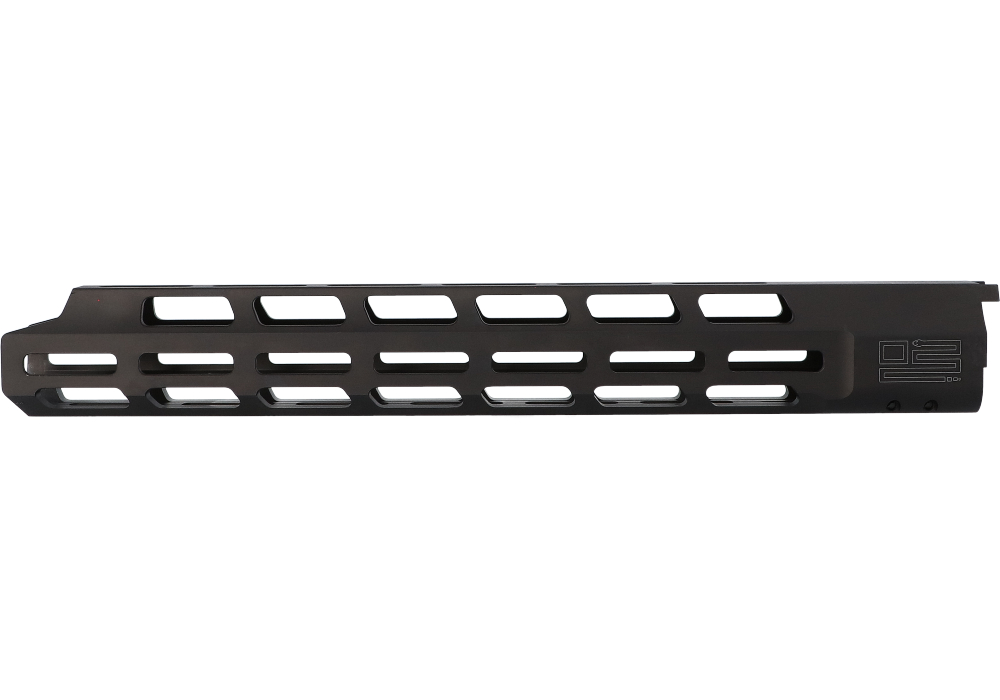
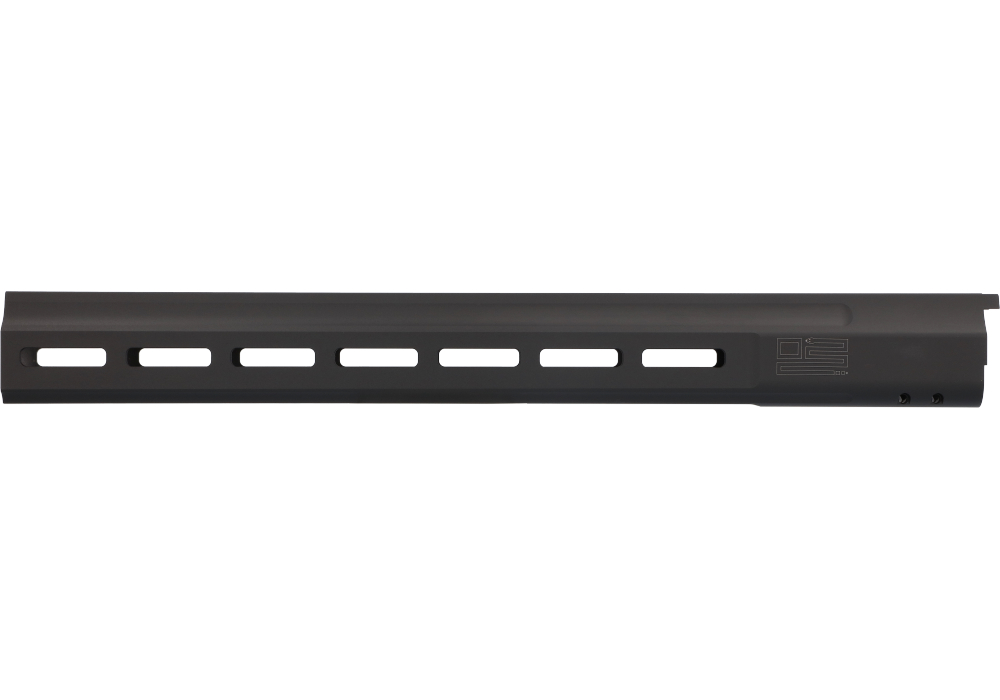
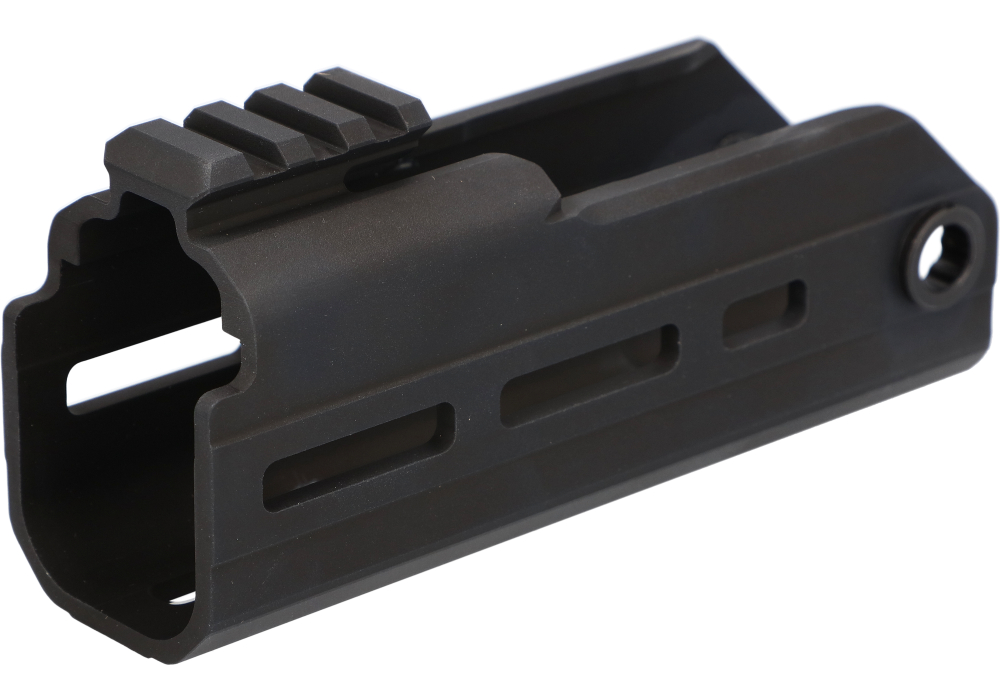
Black handguards for hunting rifles offer a practical combination of subdued appearance, accessory flexibility, and comfortable handling in the field. Their dark, non-reflective finish helps reduce unwanted glare when moving through open country, timber, or brush, while also giving a rifle a clean, purposeful appearance. For hunters who spend long hours carrying a rifle between glassing points, a well-chosen handguard can make the setup feel more balanced and easier to control. The handguard is the forward gripping surface of the rifle, so its length, diameter, weight, and texture all influence how naturally the rifle comes to the shoulder and how securely it can be held while waiting for an ethical shot. Black handguards are available in lightweight aluminum and carbon fiber configurations, with each material offering its own advantages. Aluminum is known for its durability, rigidity, and ability to support mounted accessories, while carbon fiber can help reduce front-end weight on a rifle carried over steep ground or across long distances. A slim profile may be especially appealing for spot-and-stalk hunting, where every ounce matters and the rifle is often carried in one hand or supported against a pack. A slightly larger profile can provide more room for a comfortable grip and may help manage heat during extended practice sessions. Finish and texture also deserve attention. A surface with well-defined contours or machining can provide a more secure hold when wearing gloves during cooler months, while a smoother profile may slide more easily into and out of a rifle case or pack scabbard. Black is a versatile choice for hunters who want a low-key appearance that coordinates with a wide range of stocks, receivers, optics, and accessories.
Compatibility should be the first consideration before selecting a black handguard for a hunting rifle. Handguards are not universal, and the correct option depends on the rifle’s action, barrel profile, mounting system, gas system where applicable, and the dimensions of the existing barrel nut or receiver interface. Length matters as well. A handguard should provide useful coverage without interfering with the muzzle, front sight, gas block, suppressor, or other equipment. Many hunters prefer a handguard that ends behind the muzzle device or leaves enough clearance for a suppressor, while others choose a shorter configuration to keep the rifle compact and preserve access to the barrel. When comparing lengths, measure the rifle carefully and confirm the manufacturer’s stated fitment information rather than relying on appearance alone. Free-float designs can help prevent the handguard from pressing against the barrel, which may support consistent accuracy when the rifle is rested on a pack, bipod, or shooting bag. Accessory attachment is another important distinction. M-LOK mounting slots provide a low-profile way to install a sling attachment, bipod, hand stop, barricade stop, or compact light only where it is needed, helping keep the rifle trim instead of surrounding it with unused rail. Picatinny sections may still be useful for certain accessories, but hunters often appreciate the reduced bulk of a handguard that accepts direct-mount accessories. Consider how the rifle will actually be used: a backcountry hunter may need only a sling mount and a stable bipod interface, while a hunter who practices from a blind or range bench may value additional mounting flexibility. Before installation, verify thread specifications, barrel clearance, torque requirements, and whether any specialized tools are necessary. Following the correct installation procedure helps protect the rifle and ensures the handguard remains secure through transport, recoil, and changing weather.
The best black handguard is the one that complements the entire hunting setup rather than adding features that never leave the safe. A lightweight rifle intended for mountain terrain benefits from a restrained configuration, while a larger rifle used from a stationary position may have room for additional accessory mounts and a more substantial grip. Sling placement is worth considering because the attachment point can affect how the rifle hangs while walking, climbing, or moving through thick cover. A bipod mount should be positioned so the legs deploy naturally without interfering with the support hand, magazine, or shooting position. Hunters who use a compact light for navigating camp or identifying obstacles after legal shooting hours should choose a mounting location that keeps the light protected and easy to activate, while always following local regulations and safe firearm-handling practices. The same considerations make black handguards a thoughtful gift for a hunter who is refining an existing rifle rather than replacing it. They can be especially useful for someone preparing for a guided trip, building a lighter rifle for the cooler months, or updating an older platform with modern attachment options. For hunters focused specifically on whitetail setups and related configurations, explore Deer Hunting Rifle Handguards for additional options. As the season moves from mild mornings to colder days, remember that gloves, layered clothing, and changing conditions can alter how a handguard feels in use. Check the grip with the gloves you expect to wear, inspect mounting hardware periodically, and confirm that accessories remain tight before heading into the field. Store the rifle unloaded and secured, follow all applicable laws, and confirm that any modification is appropriate for the specific firearm. With the right fit, a durable black handguard can provide a comfortable forward grip, dependable accessory support, and a clean, low-glare profile suited to hunting rifles used across wooded trails, open fields, and rugged backcountry.