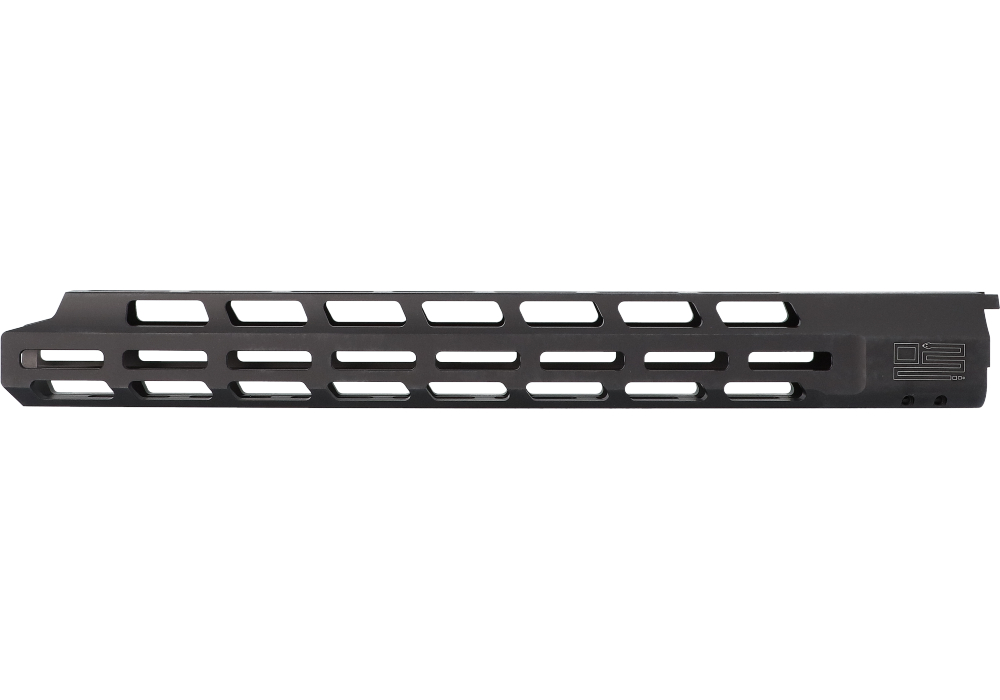
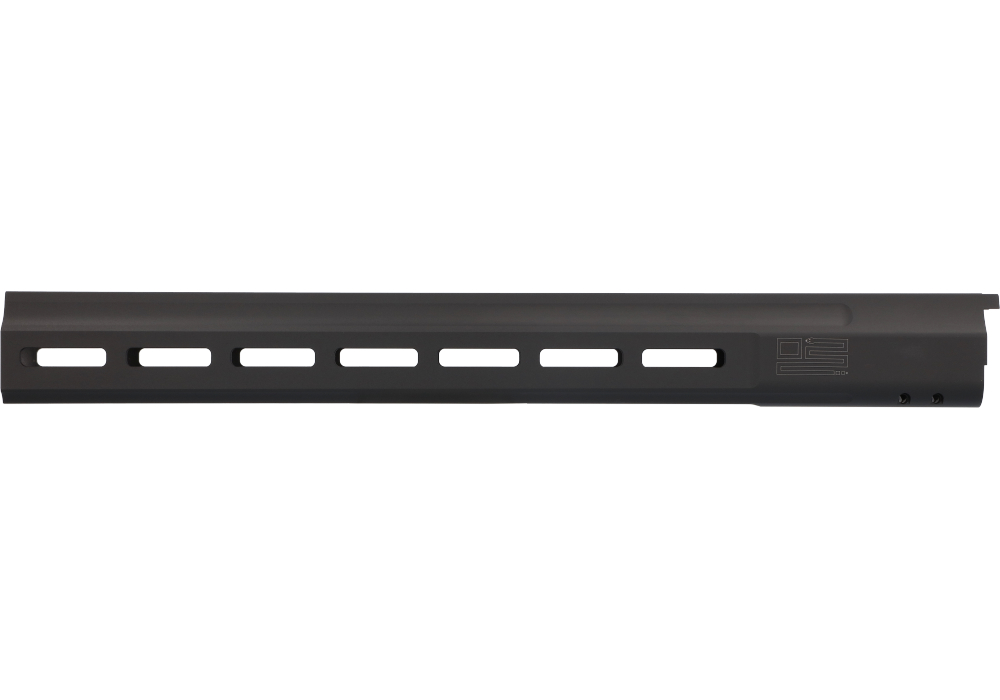
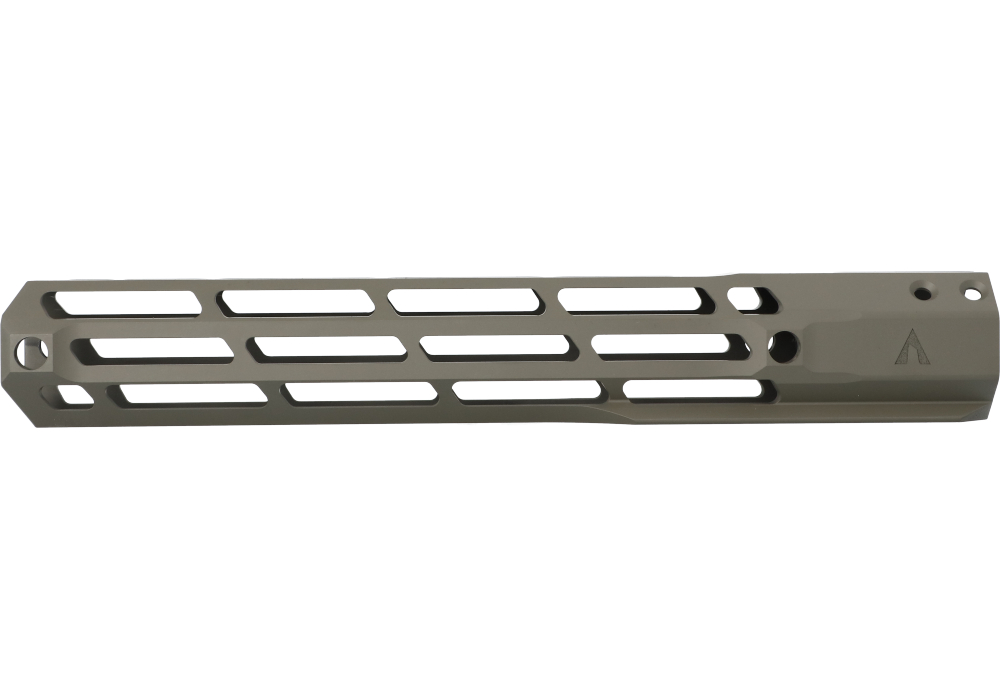
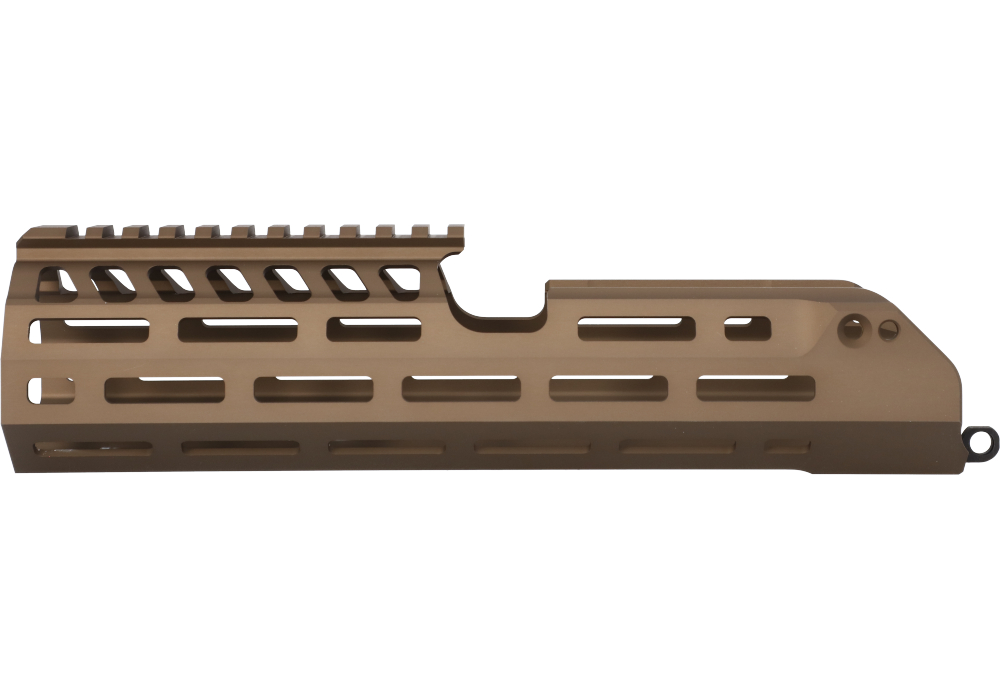
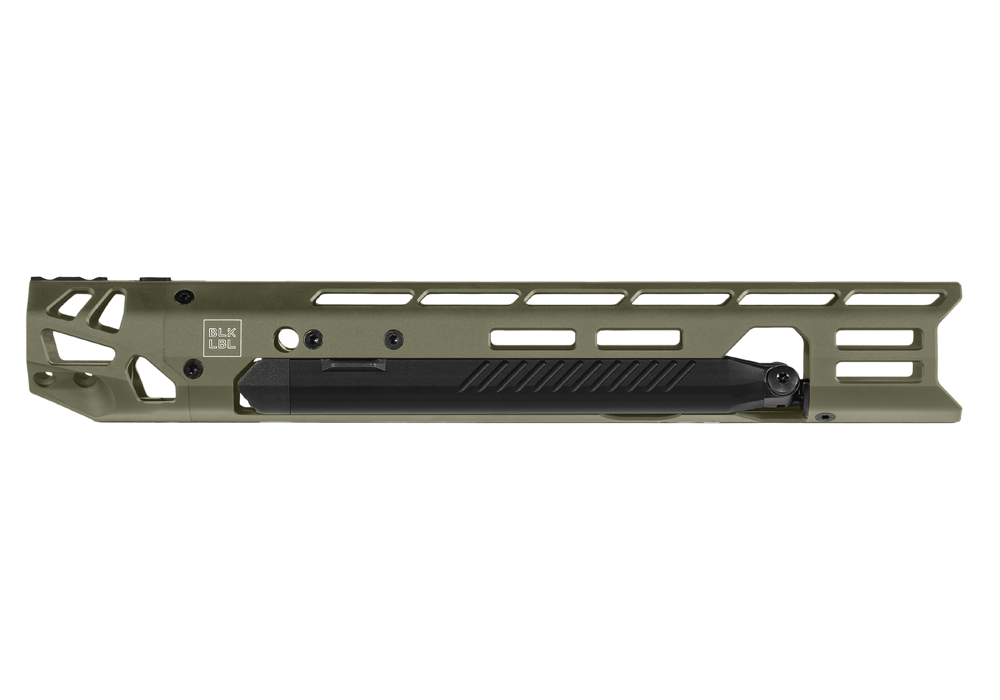
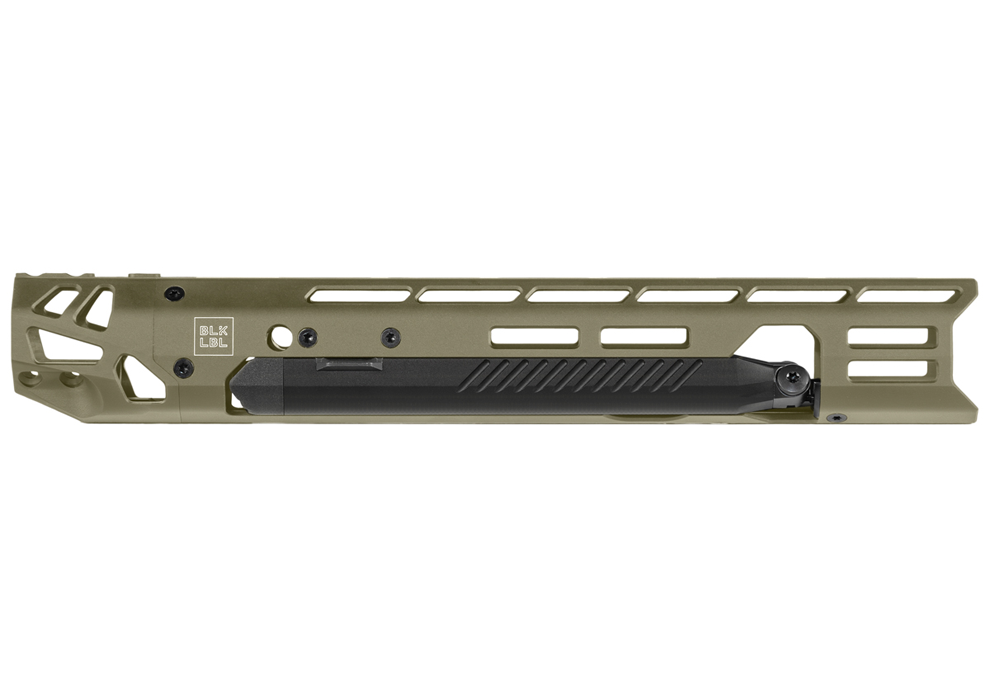
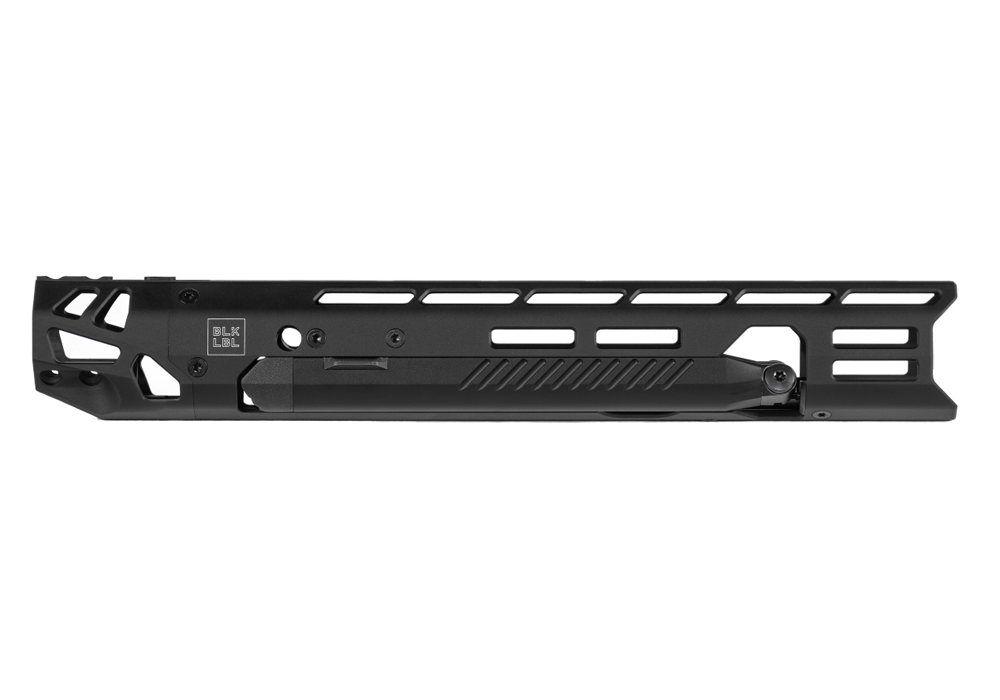
Hunting handguards are an important part of a well-planned rifle setup, especially for hunters who spend long hours carrying, shouldering, and steadying a firearm in changing terrain. A handguard surrounds the barrel area and gives the support hand a secure, comfortable place to hold the rifle while helping protect against heat during extended use. On modern sporting rifles, the right handguard can also provide practical mounting points for a sling, bipod, hand stop, or other compatible accessories. For many hunters, the best choice balances field comfort with dependable performance: light enough for a long walk through timber or open country, sturdy enough for repeated use, and shaped to provide a confident grip when wearing gloves or working from an awkward position. A free-float handguard attaches to the receiver and remains separate from the barrel, reducing the chance that sling tension, a supported shooting position, or a firm grip will place pressure on the barrel. This design is often favored for precision-oriented hunting because it helps maintain a consistent point of impact. A drop-in handguard follows a more traditional installation style and may contact or closely surround the barrel, offering a straightforward option for compatible firearms and hunters who value a simple, familiar setup. Before choosing, confirm the firearm platform, handguard mounting system, barrel profile, gas system length where applicable, and the desired overall length. A handguard that fits one configuration may not fit another, and small differences in receiver or mounting specifications can affect installation. Hunters who use a suppressor, a larger optic, or a front-mounted accessory should also consider clearance and access around the muzzle end. A careful fit makes the rifle feel like a natural extension of the body rather than an awkward collection of parts.
The mounting interface is another major consideration when comparing hunting handguards. M-LOK-style slots offer a streamlined way to attach compatible accessories only where they are needed, helping keep the rifle narrow and reducing unnecessary weight and snag points. This can be especially useful for spot-and-stalk hunting, where a rifle may brush against branches, slide across a pack, or need to move quietly through dense cover. Picatinny-style rail sections provide a continuous, highly established mounting surface and can be useful when an accessory requires that interface or when a hunter wants maximum flexibility in positioning. Full-length quad-rail designs are durable and versatile, though their added material may be more noticeable during a day of walking. Smooth, ergonomic, and skeletonized designs place greater emphasis on a clean exterior, comfortable hand placement, and reduced weight, while carbon fiber and aluminum constructions offer different blends of stiffness, heat management, and durability. Length also influences how a rifle carries and handles. A shorter handguard can leave more room around a suppressor or provide a compact feel in a blind, while a longer handguard may offer more support-hand positions and additional accessory placement for a prone or field-rested setup. The best length is the one that works with the firearm’s gas system, barrel, muzzle device, and intended hunting method rather than simply following appearance. During the warmer part of the season, a handguard that helps shield the support hand from a warm barrel can make repeated practice sessions more comfortable. During the cooler months, its shape and texture matter just as much, since cold fingers and gloves can make a smooth or overly bulky surface harder to control. Look for a balanced profile, secure fasteners, clean machining, and an exterior that will not catch easily on clothing or vegetation. Hunters who use a bipod may appreciate a mounting position that keeps the accessory centered and stable, while those who carry their rifle on a sling may prefer a handguard with a convenient, unobtrusive attachment point. Always check accessory compatibility and follow the firearm and handguard manufacturer’s installation instructions; professional installation can be a sensible choice when the system requires specialized tools, torque specifications, or changes around the barrel and gas system.
Hunting handguards can suit a wide range of users, from someone assembling a lightweight rifle for open-country pursuits to an experienced hunter refining a familiar platform for a season spent in thick woods. They can also make a thoughtful gift for a hunter who enjoys practical upgrades and spends time tuning equipment before heading into the field. A useful gift choice begins with knowing the recipient’s firearm model and whether the rifle uses a free-float or drop-in configuration, since compatibility is more important than appearance. If those details are not known, a gift card or a handguard selected with the recipient’s input may be more helpful than guessing. For deer hunters and others who prioritize a steady rest, consistent handling, and comfortable carry, our selection of Deer Hunting Rifle Handguards can help narrow the search toward configurations suited to that style of use. When preparing a rifle for the field, handle it with an unloaded firearm and verify that the handguard does not interfere with the barrel, gas system, magazine, controls, optic, or muzzle device. After installation, inspect the fasteners, confirm that accessories are secure, and test the rifle from the positions likely to be used during a hunt: standing, kneeling, sitting, from a pack, and from a supported rest. A handguard should feel comfortable after minutes of handling, not only during a quick glance at the workbench. It should give the support hand a repeatable reference point, allow the rifle to move naturally into position, and remain secure as the setup travels over uneven ground. Whether the goal is a lighter rifle for long climbs, a more adaptable platform for changing conditions, or a cleaner and more comfortable grip around the barrel, the right hunting handguard brings practical value to time spent preparing, carrying, and making the most of every careful opportunity in the field.