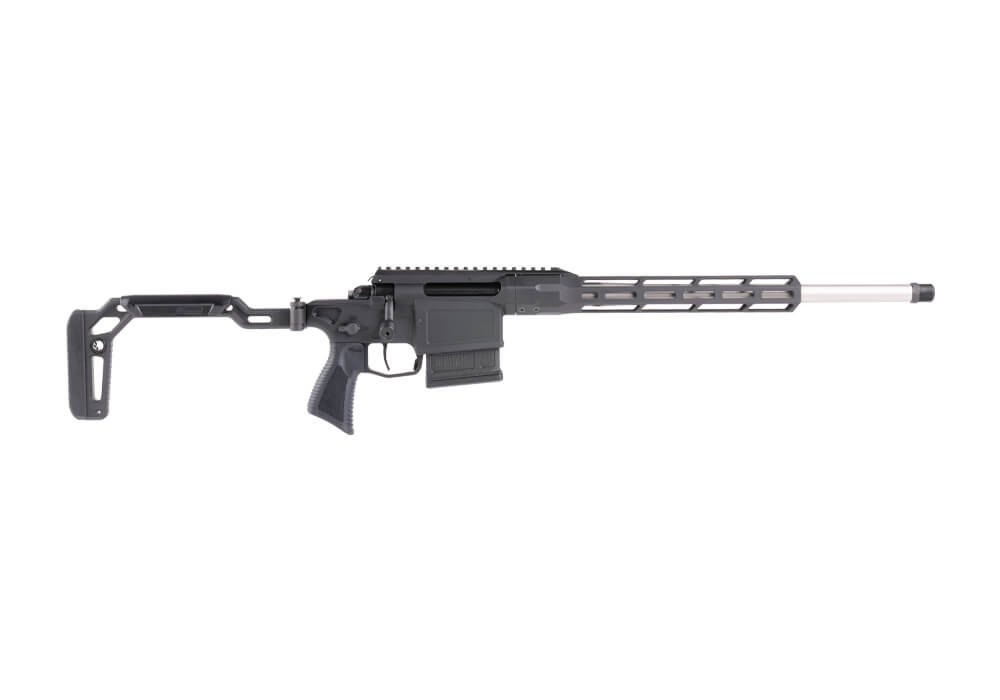
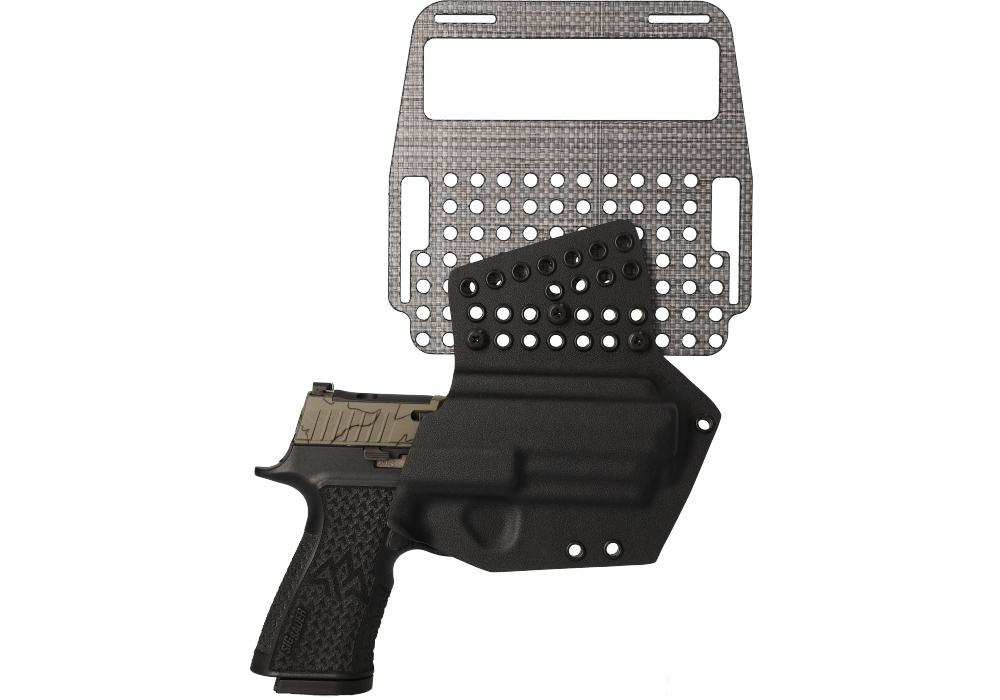
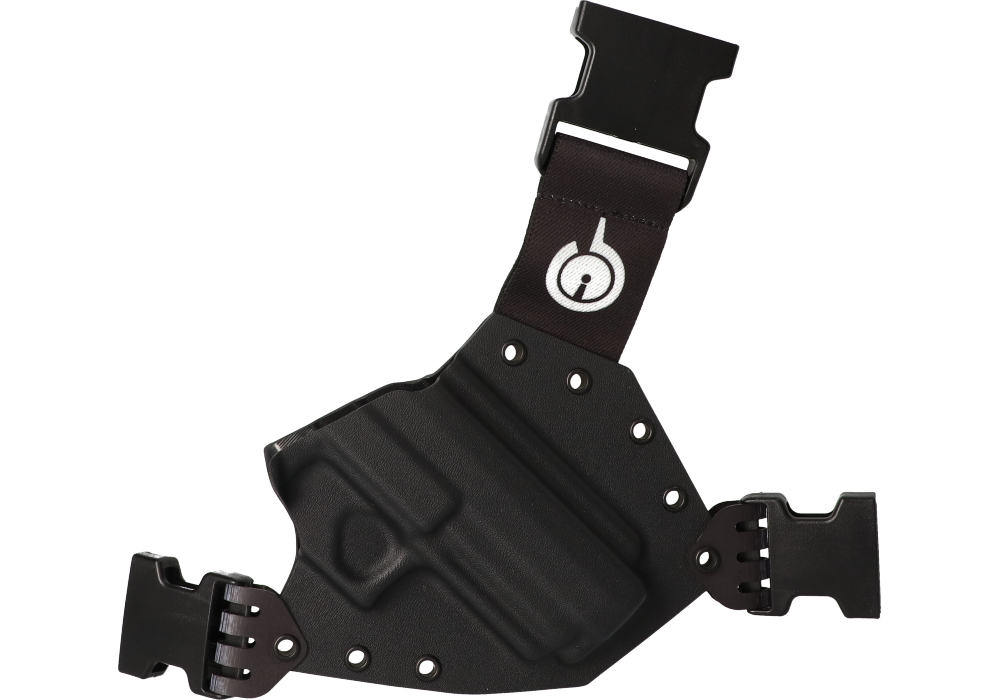
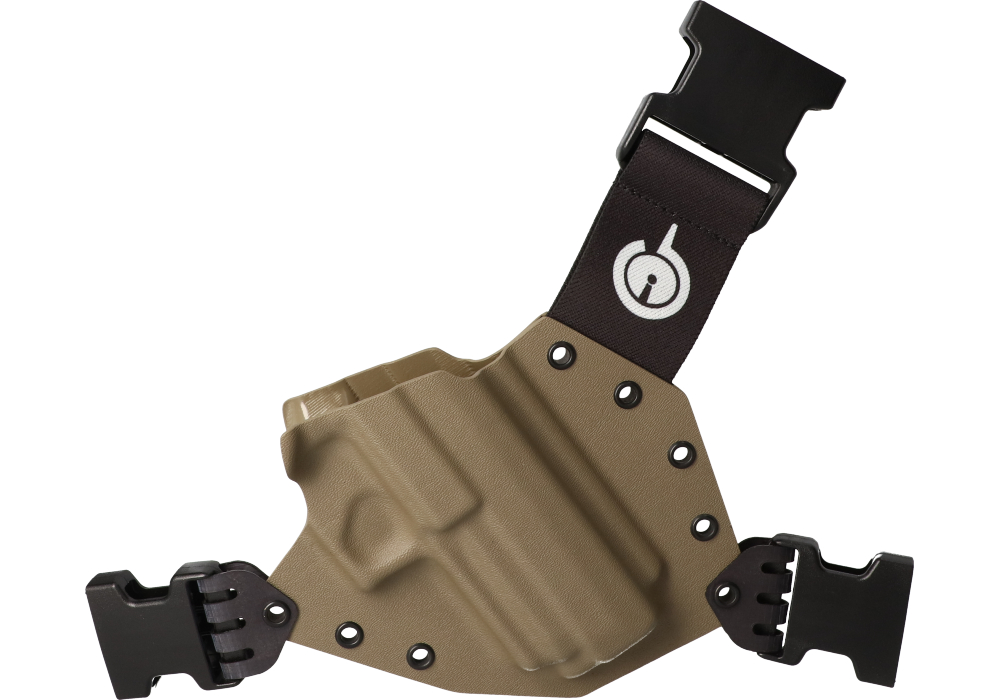
Gear for hunting should help you move quietly, stay comfortable through changing conditions, and remain prepared from the first step into the field to the final walk back to camp. A dependable firearm matched to the game and terrain is central to many hunting setups, but it is only one part of a complete system. Consider the distances you expect to cover, the vegetation you will encounter, and how much equipment you need to carry before selecting the rest of your kit. Camouflage clothing can help you blend into the surrounding environment, while a well-planned layering system keeps you adaptable as the weather shifts from cool, damp mornings to warmer afternoons and back again. Moisture-wicking base layers made from merino wool or technical synthetics help manage perspiration during a climb, and insulating midlayers provide warmth when you are sitting still. A quiet, wind-resistant outer layer can make a meaningful difference when you are easing through brush or settling into a blind. Packable rain shells are also worth carrying, even when the forecast looks favorable; a sudden shower can soak clothing, chill your hands, and turn a comfortable day into a difficult one. Look for hunting apparel that allows a full range of motion, offers useful storage without excess bulk, and remains quiet when brushed against branches or drawn into position.
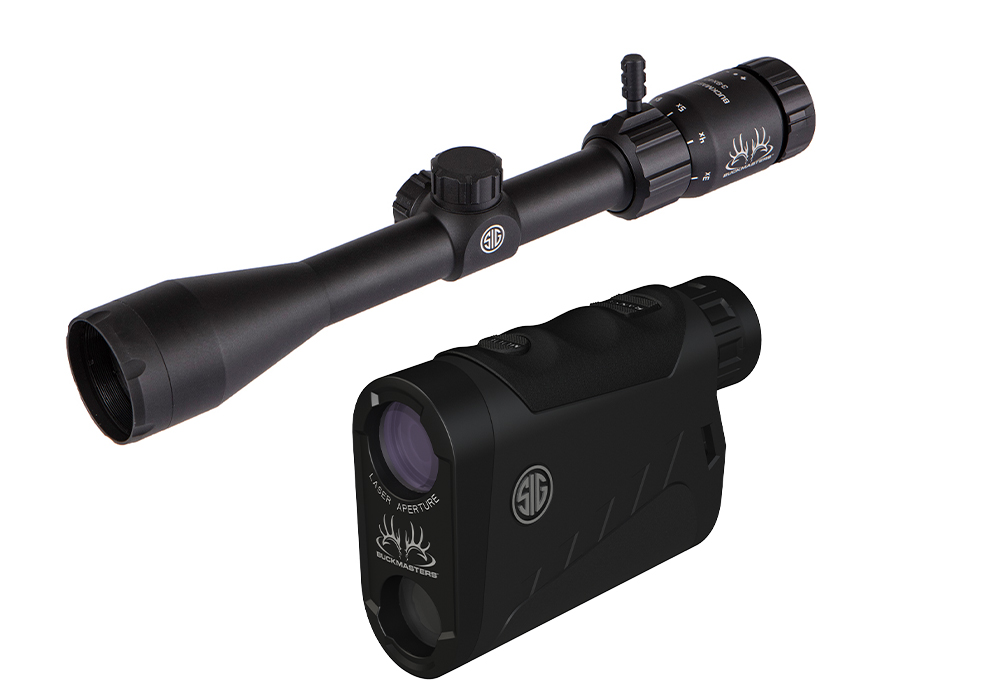
Footwear deserves the same careful attention as clothing. Supportive non-insulated boots can be a versatile choice for active hunts and milder conditions, while insulated boots are better suited to colder temperatures, stationary glassing, and late-season terrain. Waterproof construction, a secure fit, and aggressive tread can help you cross wet grass, loose soil, rocky slopes, and muddy trails with greater confidence. Break boots in before heading into the field, and pair them with socks that manage moisture without creating pressure points. A blister that begins as a minor irritation can become the detail you remember most from an otherwise successful hunt. Carrying equipment comfortably is just as important, especially when a short outing becomes a full day away from the trailhead. Day packs provide room for water, food, extra layers, field tools, and emergency essentials, while frame packs offer additional structure for heavier loads and may include practical weapon-carry attachments. A pack should sit securely on your hips and shoulders, allow access to the items you use most, and keep weight balanced rather than pulling you backward. Hunters who spend long hours behind glass may appreciate a bino harness that keeps optics close at hand while protecting them from dust, rain, and accidental impact. Browse Hunting Optics Gear to explore equipment intended to support clear observation and quick access in the field.
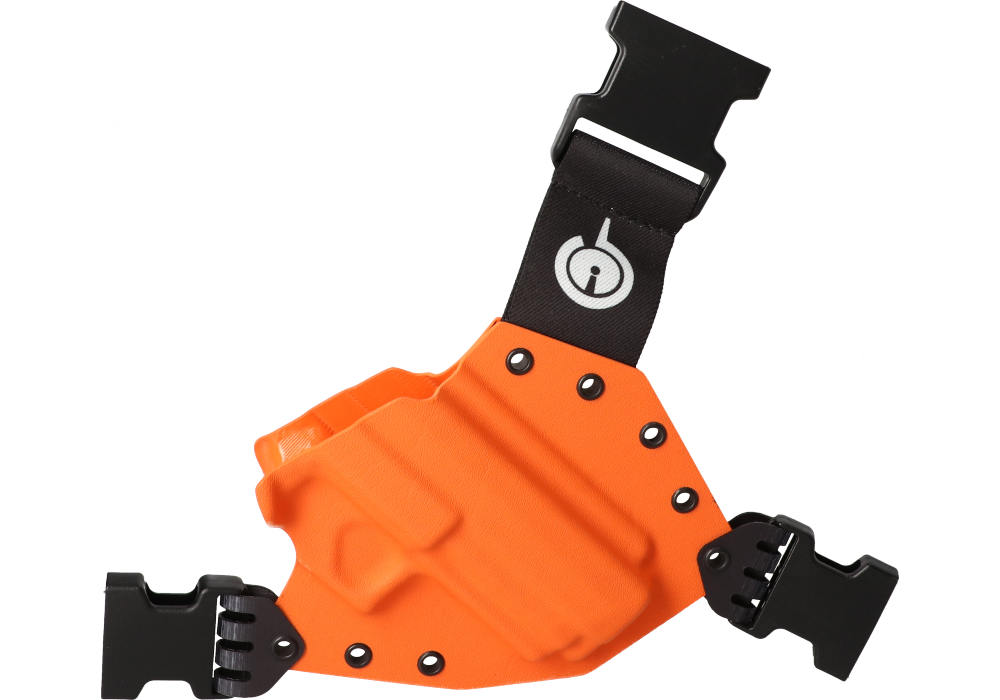
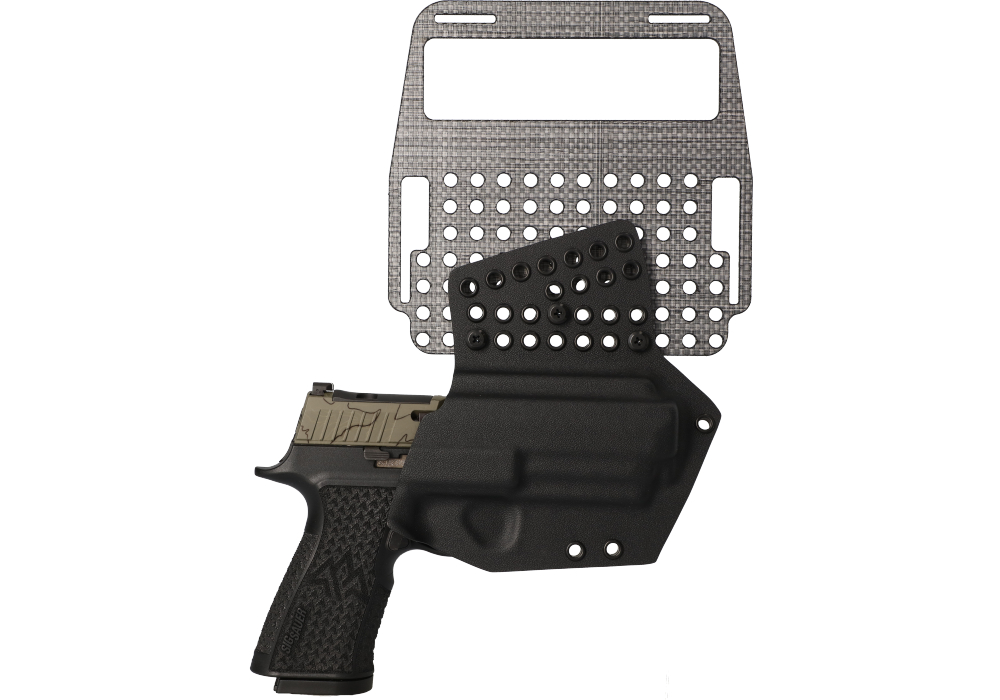
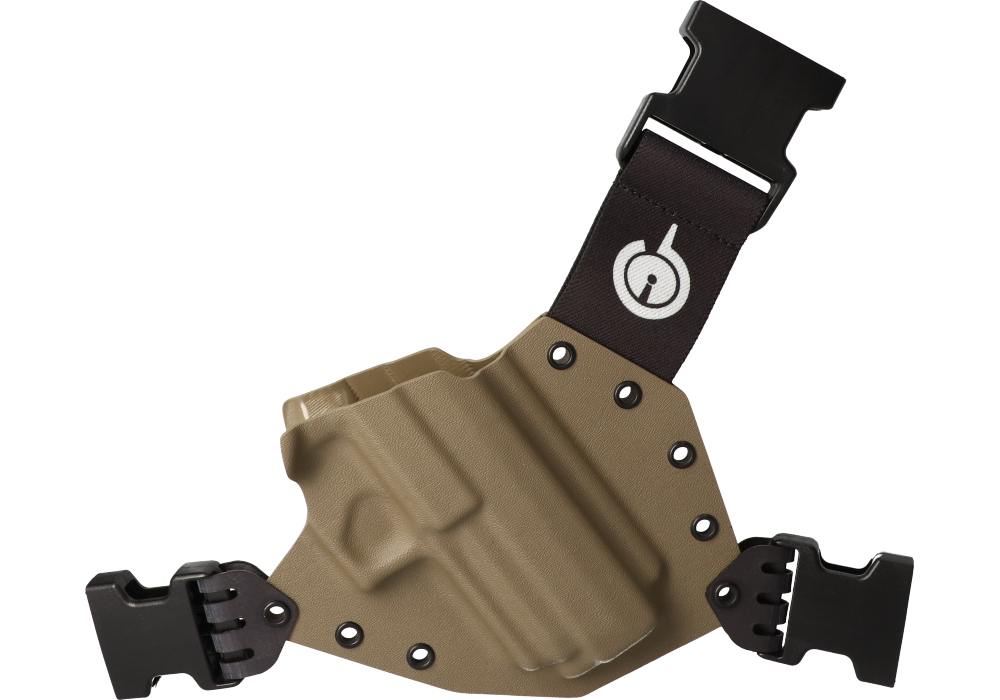
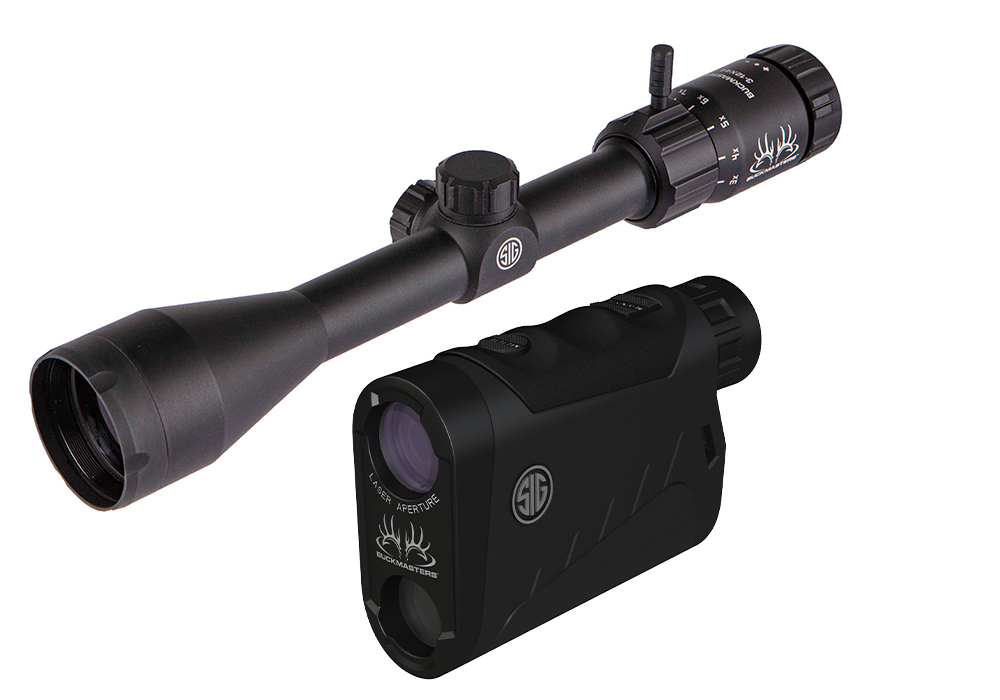
Navigation and distance awareness are valuable whether you hunt familiar ground or explore a new area. A rangefinder can provide a more precise understanding of the distance to a target, helping you make informed, ethical decisions and better understand the terrain between you and the intended shot. GPS equipment can assist with route planning, marking locations, tracking progress, and finding your way through dense timber or low light, while a compass and map remain sensible backup tools. Keep batteries protected from cold and moisture, and practice using navigation equipment before the hunt rather than learning its functions under pressure. Practical accessories often make thoughtful gifts for hunters because they are useful across seasons and experience levels. A durable knife, compact headlamp, insulated seat, game bags, gloves, and organized storage can complement an existing setup without requiring someone else to know every detail of their firearm or clothing preferences. Field dressing equipment should be selected for secure handling and easy cleaning, with a sharp blade, protective gloves, and bags suited to transporting meat. Take local regulations, access requirements, seasons, tags, and game laws into account before purchasing or using hunting equipment, and follow safe firearm handling practices at every stage. Keep the muzzle pointed in a safe direction, treat every firearm as loaded, identify the target and what lies beyond it, and use a secure case or storage solution during transport. The best gear feels dependable without demanding attention: boots that keep footing steady, layers that stay quiet, optics that remain protected, a pack that carries naturally, and tools that are ready when the field asks more of you. During the warmer parts of the season or the cooler months that follow, thoughtful gear selection helps hunters spend more time focused on the landscape, the changing light, and the experience of being prepared outdoors.