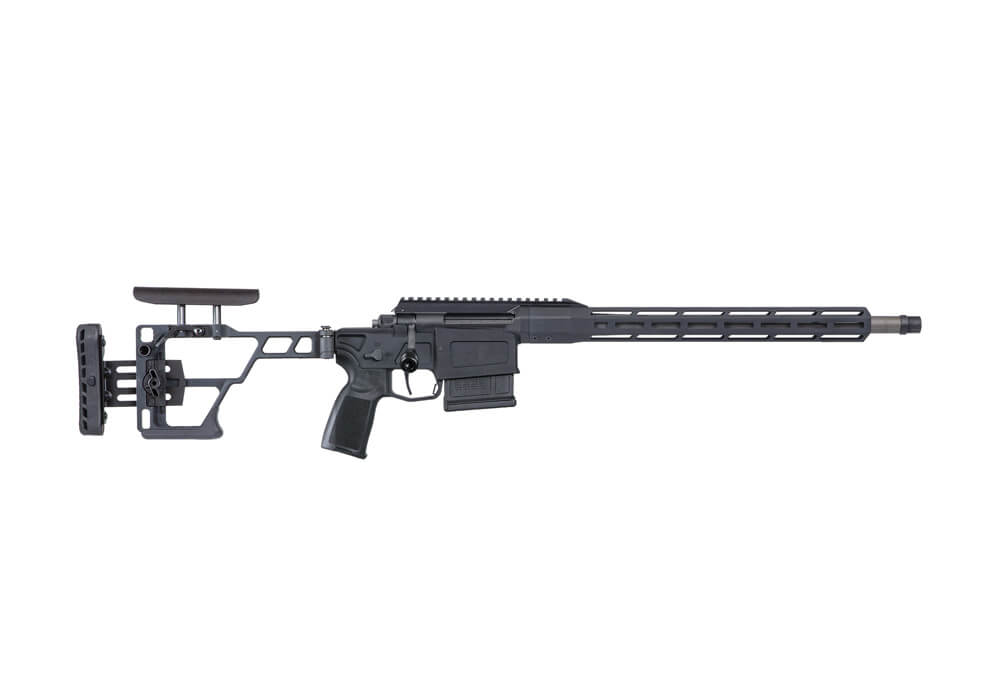
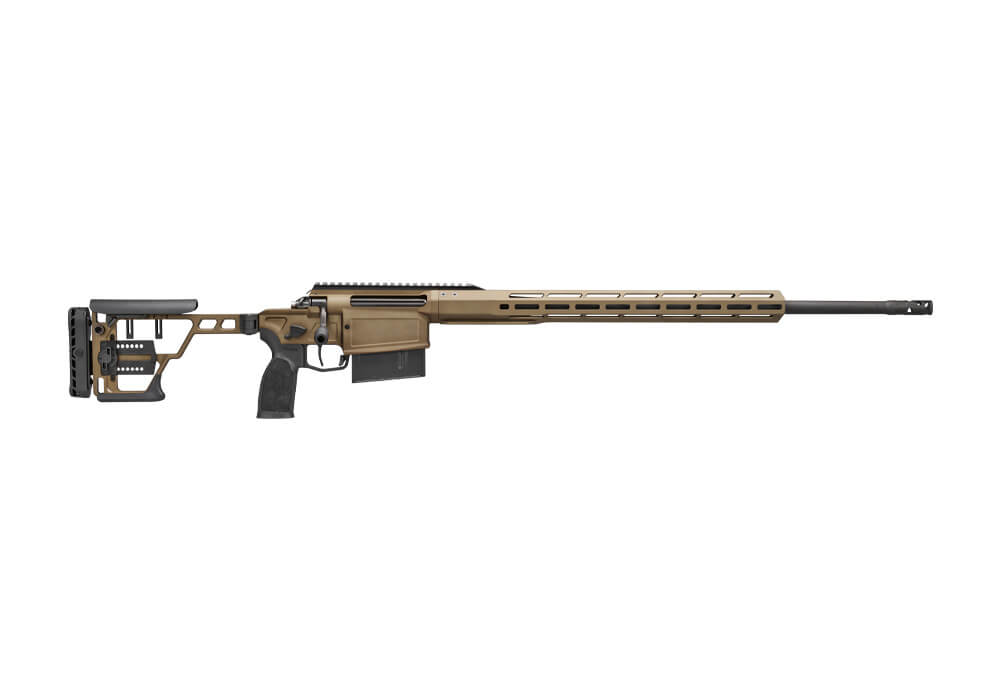
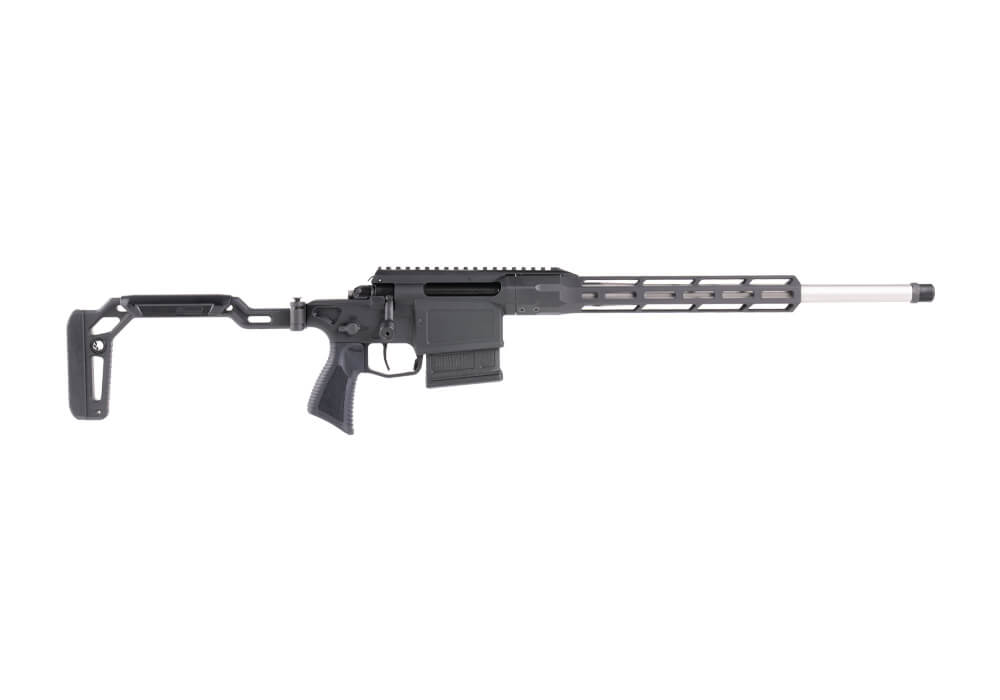
Gear for precision hunters starts with a practical balance: repeatable accuracy, manageable weight, and equipment that fits the person carrying it. A complete hunting setup may include a rifle, a riflescope and compatible mounts, a laser rangefinder, hunting ammunition, stable shooting supports, and compact care essentials. Each category serves a different purpose, but the value comes from how well the pieces work together. A rifle that feels comfortable at a bench can feel quite different after a long walk over broken ground, and a lightweight setup still needs enough stability for a controlled, deliberate shot. Stock dimensions, grip shape, recoil-pad fit, and the position of the optic all influence whether the hunter can settle naturally behind the rifle without stretching or shifting. Adjustable fit can be useful when different hunters share equipment or when the same rifle serves both field practice and hunting. Barrel profile and overall length also affect balance and carry comfort; neither a heavier barrel nor a shorter rifle is automatically the better choice for every landscape. Steel components offer strength in demanding use, while aluminum, reinforced polymers, and composite stocks can help limit weight in selected parts of the setup. Protective finishes help equipment withstand abrasion from packs, cases, and repeated handling. Precision is not just a claim about a rifle’s smallest group. It is the ability to produce consistent results with the intended ammunition, a securely mounted optic, and a realistic field position. A crisp, predictable factory trigger can support that consistency without turning the hunting rifle into a competition-only tool. Experienced hunters often value a familiar, balanced setup over extra features that add bulk. Hunters developing their skills may benefit most from straightforward controls, comfortable fit, and equipment they can practice with regularly. Those qualities support confidence built through familiarity rather than an assortment of impressive specifications.
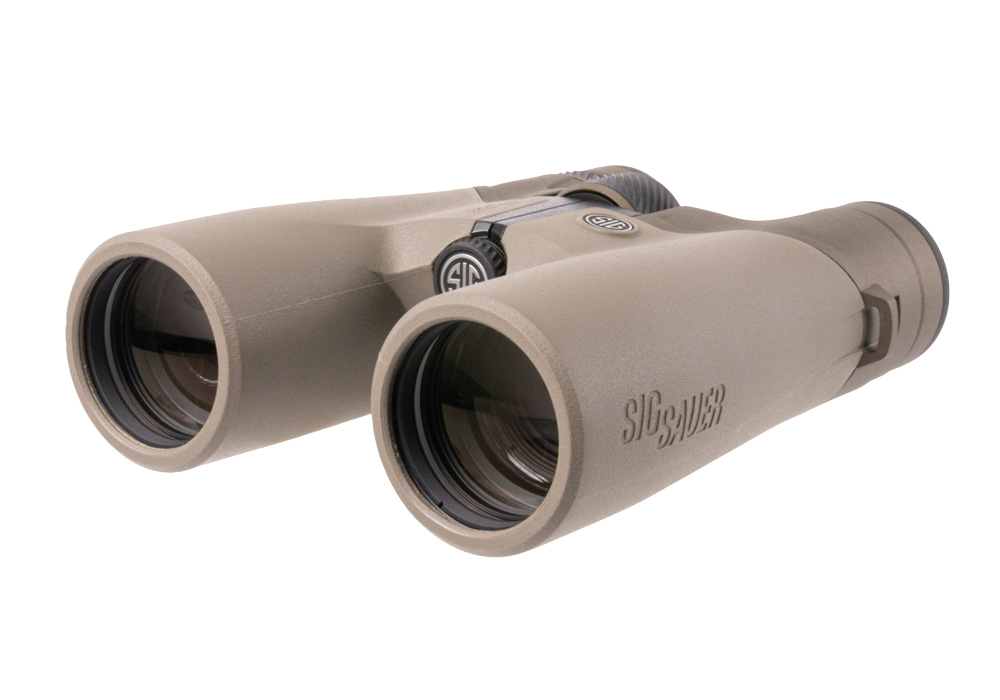
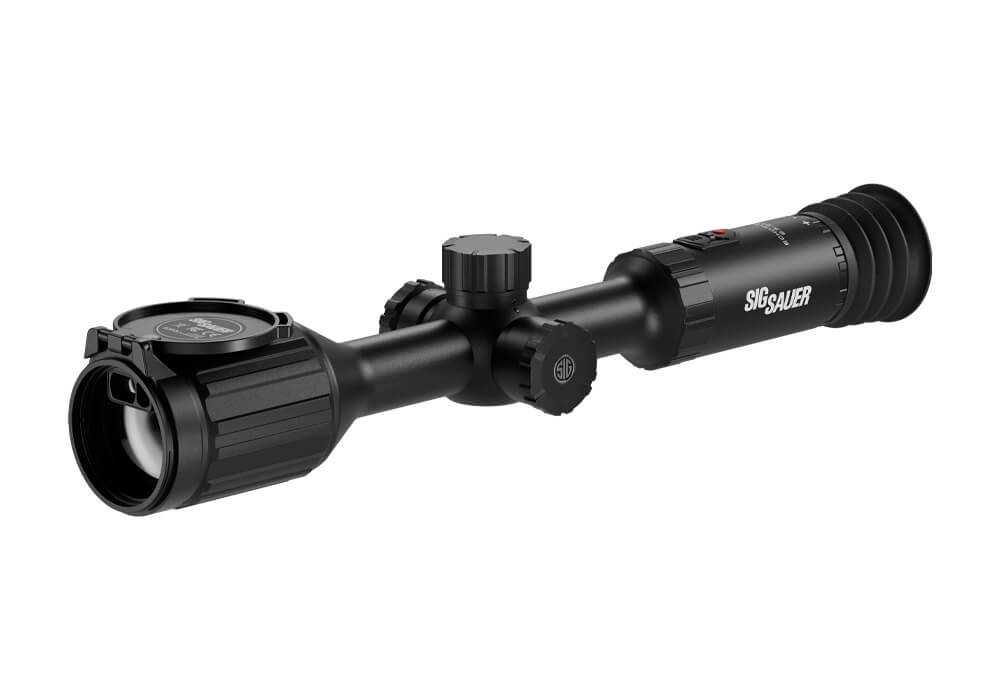
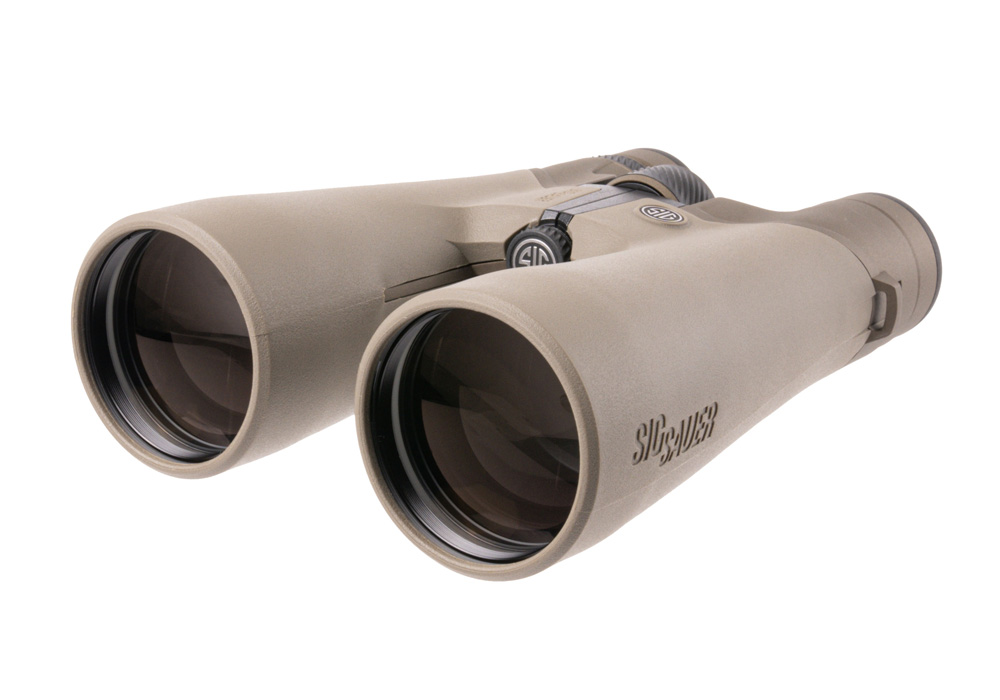
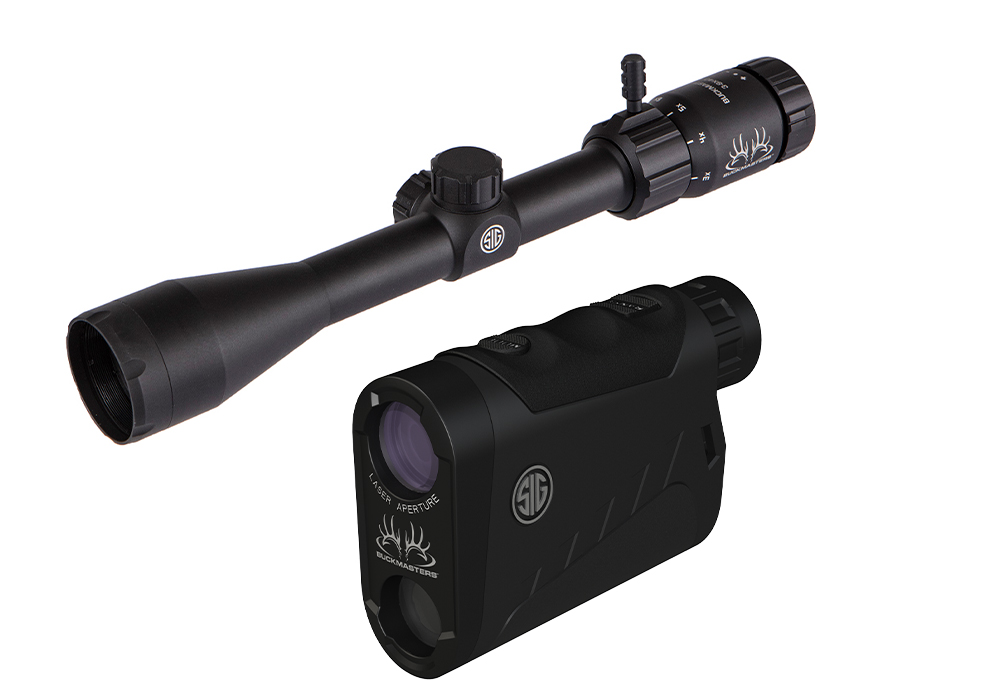
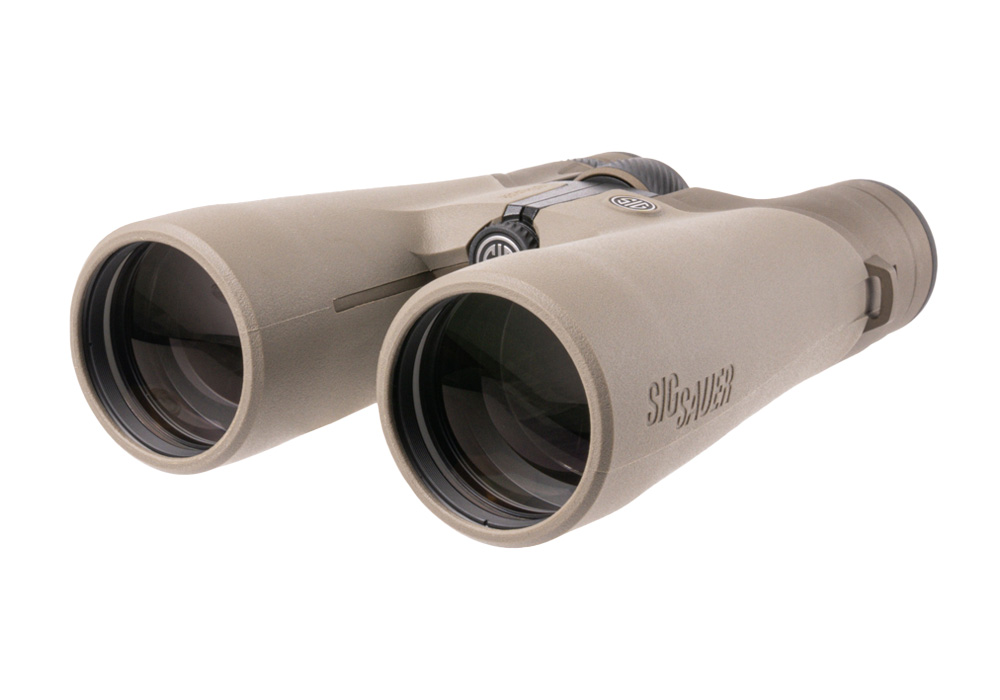
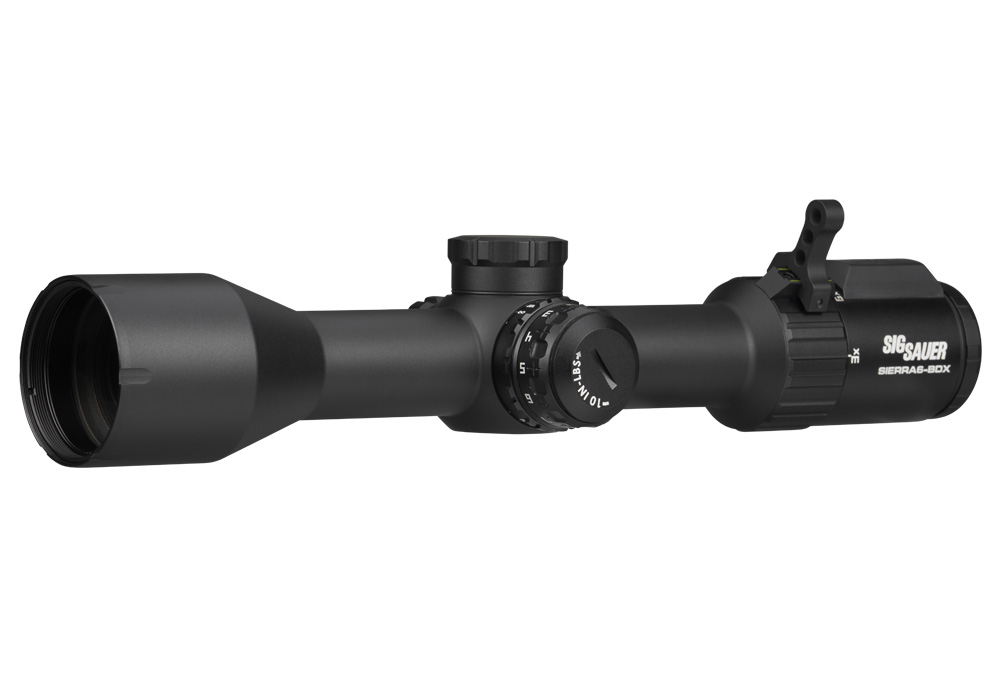
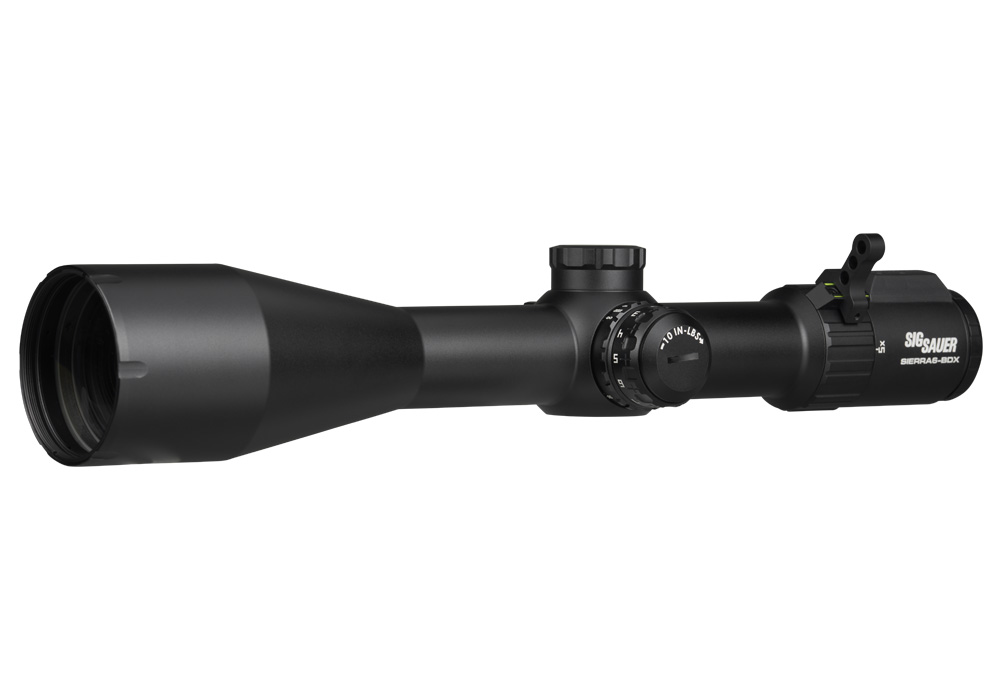
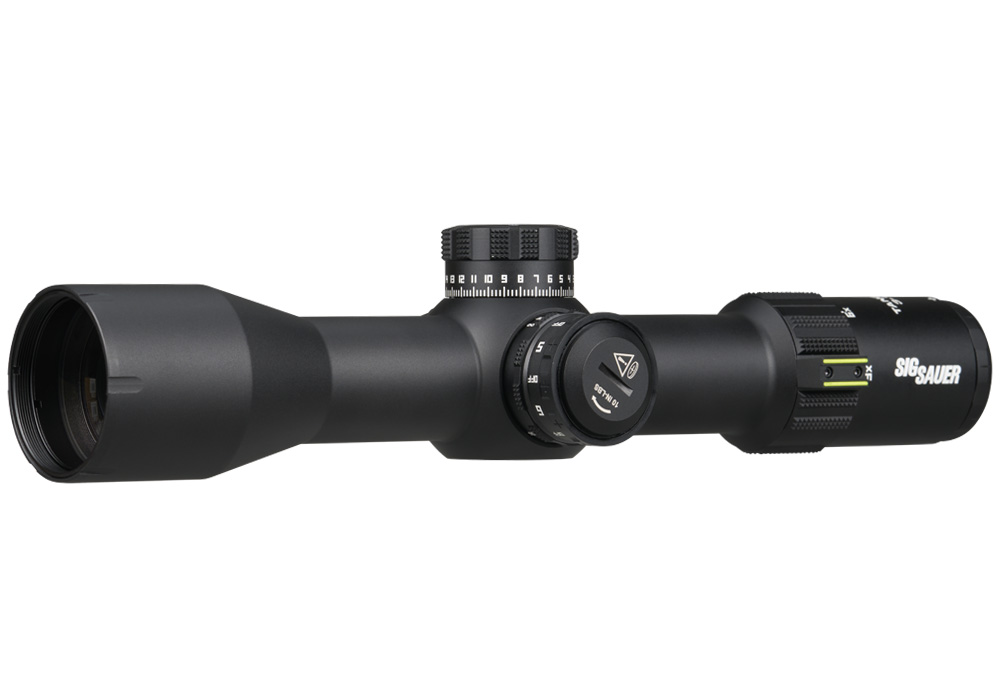
Optics give precision hunting gear much of its usefulness, but the highest magnification is not necessarily the most practical choice. A useful riflescope balances detail at distance with a field of view that allows the hunter to locate game and understand the surrounding terrain. Clear resolution, strong contrast, and an easy-to-see reticle can matter more than an unusually large magnification range, especially when an animal stands against brush or a shaded hillside. Eye relief and a forgiving viewing position also deserve attention because a scope should work with the rifle’s fit rather than force an awkward posture. Reticle design is a matter of intended use and familiarity. A first-focal-plane reticle maintains its measurement relationship to the target across magnification settings, while a second-focal-plane reticle retains a consistent apparent size and has a designated setting for accurate reticle measurements. Matching reticle and adjustment units keeps the system easier to understand, and clearly marked controls help reduce confusion during practice. Mounting compatibility is equally important: tube diameter, mount height, attachment interface, and clearance must suit both the optic and the rifle. Large objective lenses may require a taller mounting position, which can affect cheek support and overall handling. A laser rangefinder adds measured distance to the picture, helping hunters avoid relying solely on how far away an animal appears. Its usefulness depends on more than a maximum-range specification. Target size, surface reflectivity, viewing angle, and intervening vegetation can influence a reading, so dependable performance on realistic hunting targets is more meaningful than an impressive number alone. Compact dimensions, accessible controls, and a readable display are particularly valuable when the rangefinder needs to come out of a pocket without interrupting observation. Compatible ballistic tools can help organize distance and trajectory information, but their value depends on reliable ammunition data and confirmation through practice. None of these features turns every visible target into an appropriate shot; equipment supports sound judgment rather than replacing it.
Ammunition, support equipment, and care supplies complete a precision hunting setup in ways that are easy to overlook when attention stays on the rifle and scope. Hunting ammunition should match the firearm’s chambering and be appropriate for the intended game, with bullet construction selected for suitable penetration and expansion. Consistent performance in the individual rifle matters more than a match-grade label alone, and ammunition designed primarily for target shooting is not automatically suitable for hunting. Field supports address a different part of consistency: keeping the rifle steady without creating an awkward burden on the walk. A bipod can provide a compact rest where terrain allows, while a tripod may offer a more useful position above vegetation or on uneven ground. A small rear support bag can help steady the stock during practice and in suitable field positions. Leg adjustment, secure locking mechanisms, attachment compatibility, and manageable packed dimensions all influence how useful these accessories feel beyond the range. Aluminum favors moderate weight and straightforward durability, while carbon-fiber components can reduce carrying weight in some designs; construction quality and secure connections remain important with either material. Slings, protective cases, and organized storage also have practical roles, particularly when equipment moves between a vehicle, a pack, and a shooting position. Care is part of protecting that investment. Suitable lens tools help preserve optical surfaces, firearm cleaning supplies support routine maintenance, and compact tools compatible with the equipment’s fasteners can be useful for checks performed according to manufacturer instructions. Protective caps, padding, and secure storage reduce unnecessary wear between outings. For a gift, accessories with fewer compatibility requirements can be easier to select than ammunition, mounts, or firearm components that demand exact specifications. Familiarity with the recipient’s setup still helps, especially when choosing attachment systems or fitted cases. Gifts for Precision Hunting offers a related place to explore the theme with a recipient’s interests in mind. The most useful choices suit how that person hunts, practices, carries equipment, and cares for it.