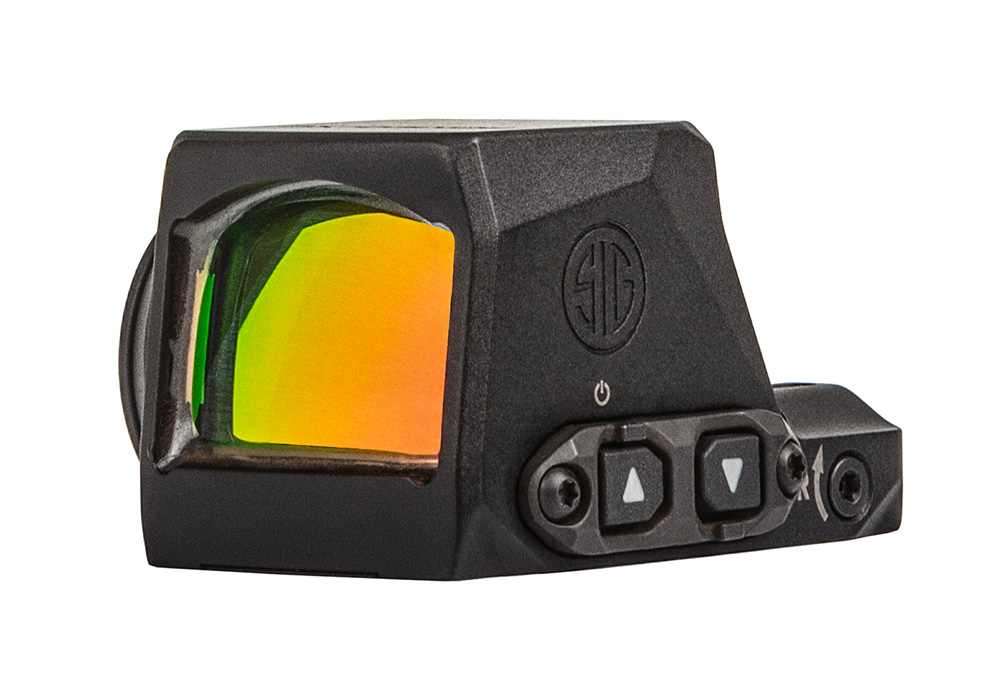
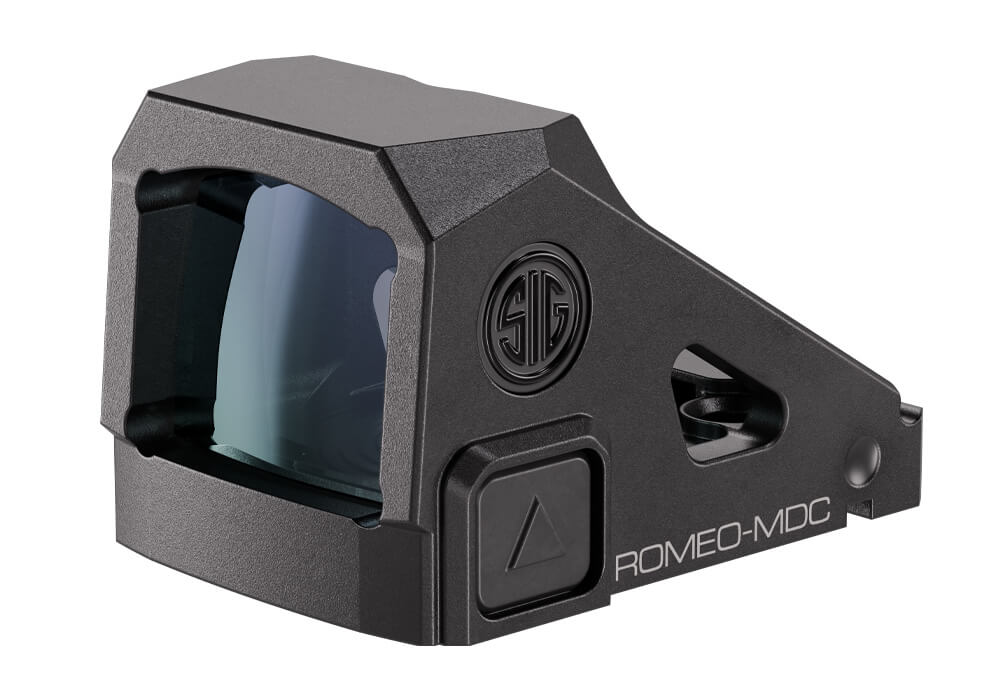
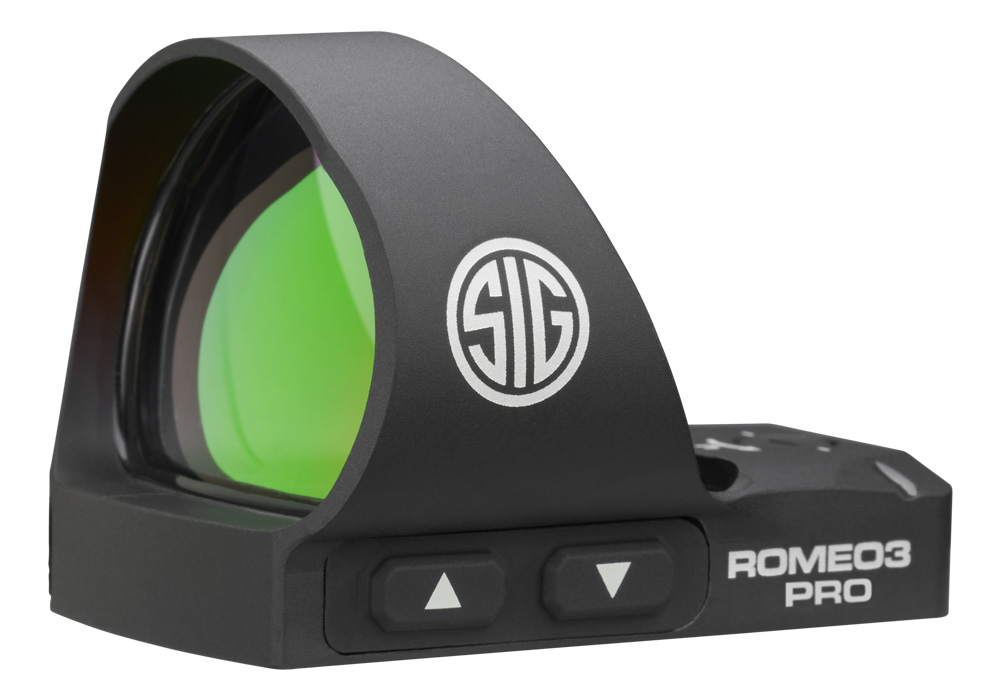
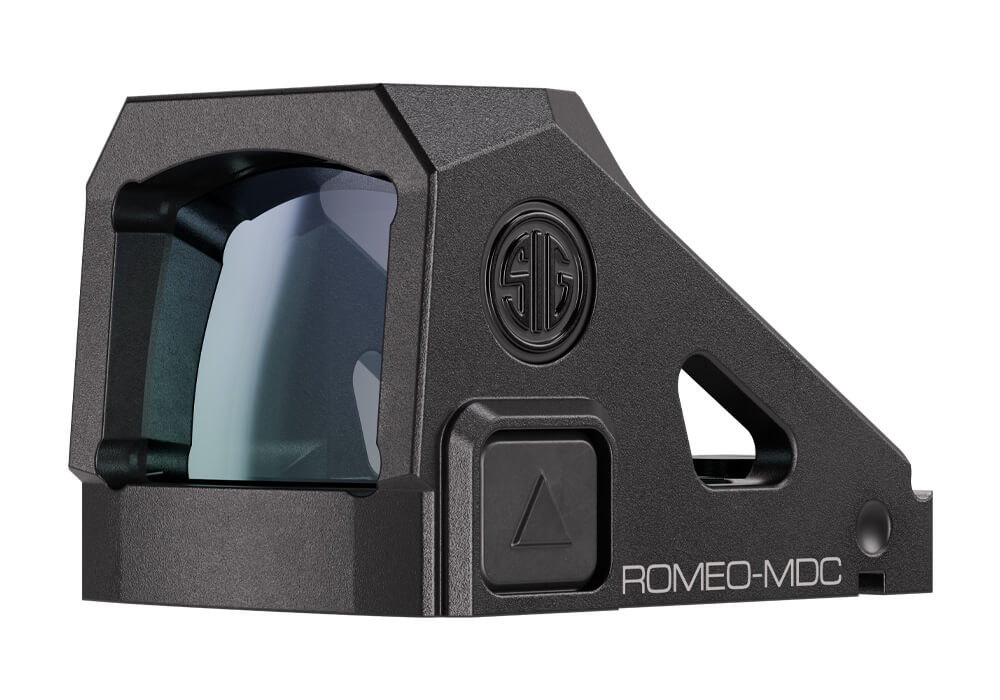
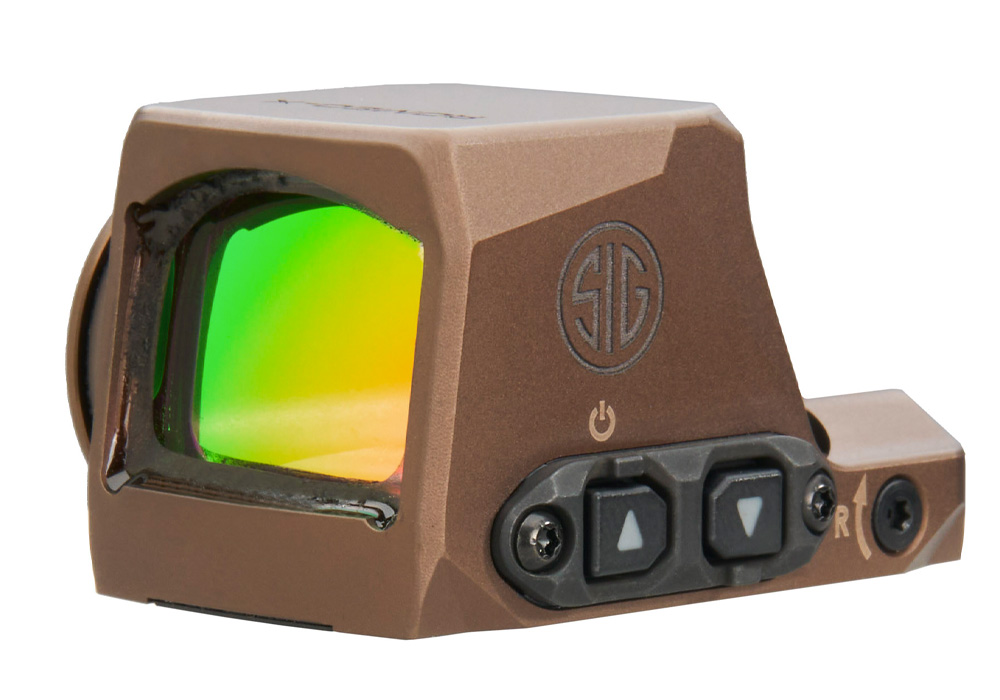
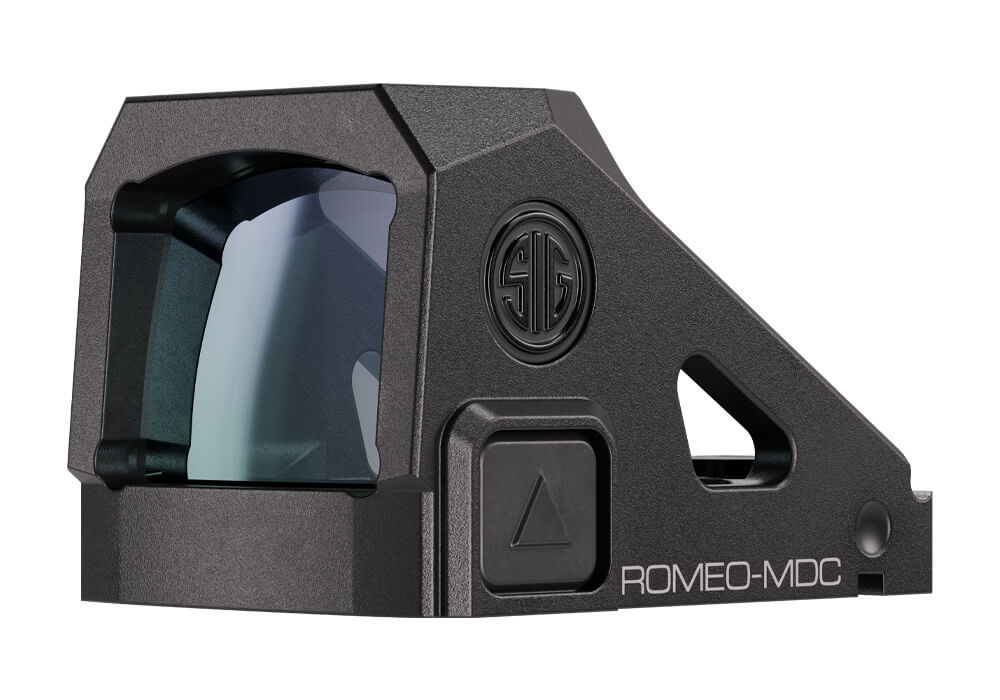
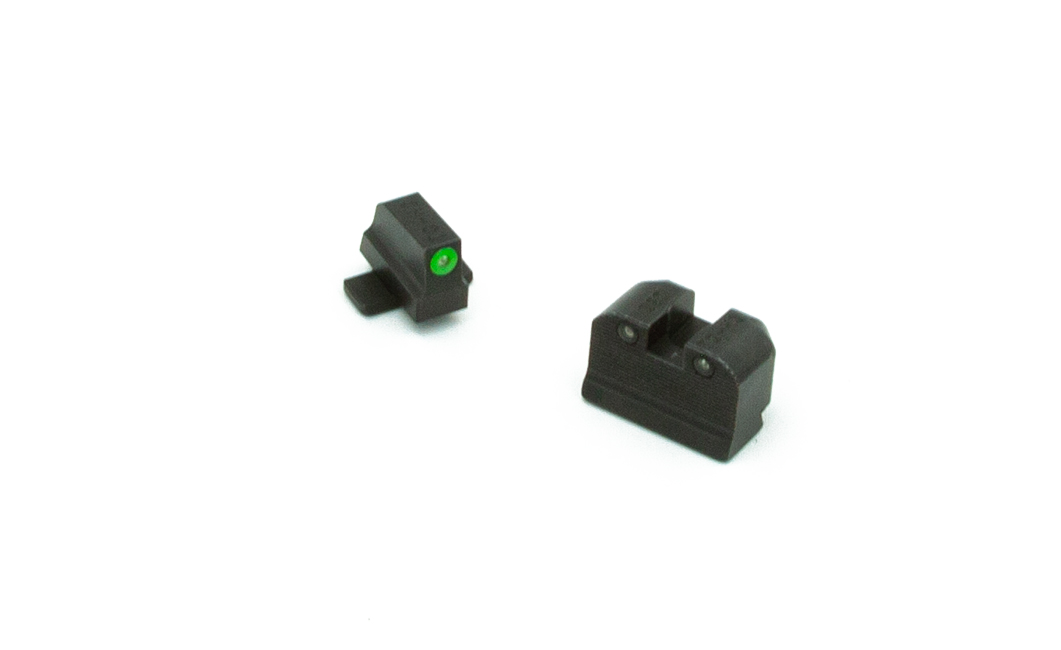
Direct mount reflex sights for pistols attach to a compatible slide cut without an intermediate adapter plate, creating a compact sighting system with fewer mounting interfaces. A reflex sight presents an illuminated aiming reference in a viewing window, offering an alternative to aligning a traditional front and rear sight. The defining feature of a direct mount is the relationship between the optic’s mounting footprint and the pistol’s slide, not its reticle shape, housing style, or power source. When those interfaces match, the optic can sit closer to the slide than a comparable setup that requires a plate. That lower mounting position may support a less bulky profile and allow compatible iron sights to remain visible through the optic window, a relationship often called co-witnessing. Neither benefit is universal: housing dimensions, slide geometry, and iron sight height all affect the result. An optics-ready pistol does not automatically accept every reflex sight directly, and a shared footprint designation does not always establish complete compatibility. Screw specifications, mounting depth, recoil-support features, and clearance around the slide cut also matter. Manufacturer compatibility information should identify the correct combination rather than leaving the fit to assumptions based on appearance. Direct mounting removes the need for a separate plate in a compatible system, but it does not eliminate fasteners, routine inspection, or the importance of proper installation. Its appeal is straightforward: a closely integrated optic and slide, without an additional component between them. For shoppers comparing pistol reflex sights, that distinction helps separate a true direct-fit option from an optic that needs an adapter for the same handgun. Compact dimensions can be especially relevant to a carry setup, while a larger pistol may offer room for a broader viewing window. In either case, the best fit depends on the complete configuration, including holster clearance and access to the sight’s controls. A qualified gunsmith can help resolve uncertain compatibility before installation, especially when the slide’s mounting specifications are unclear.
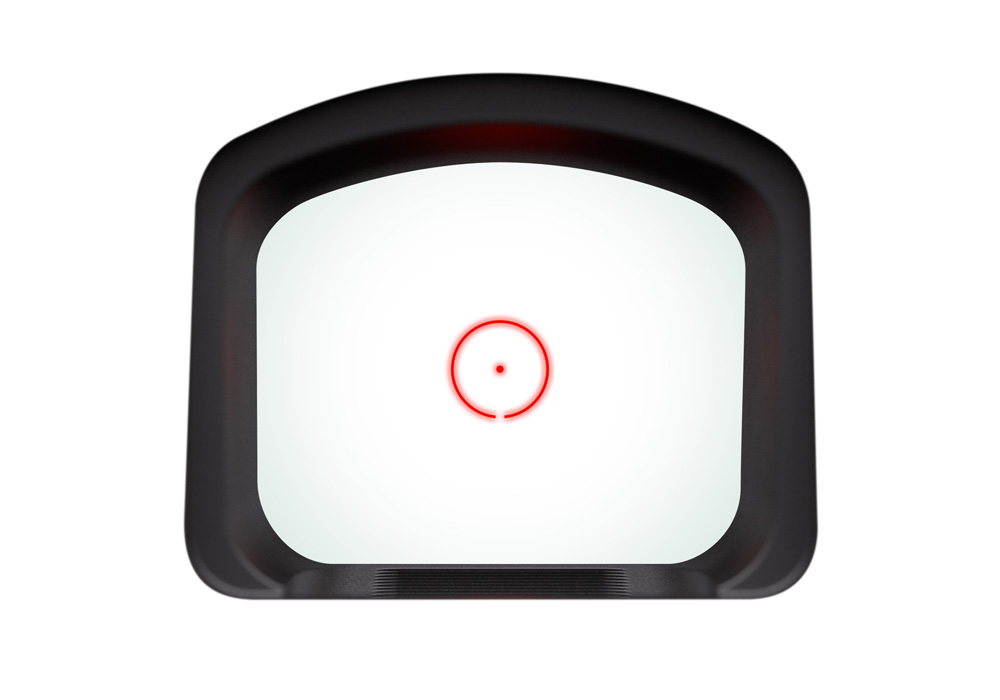
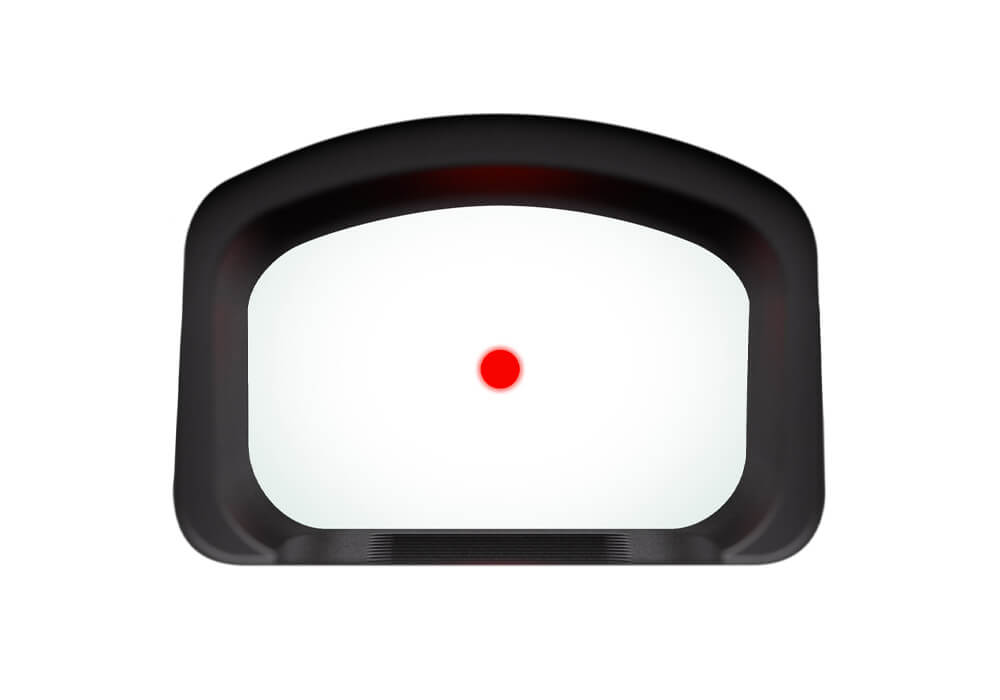
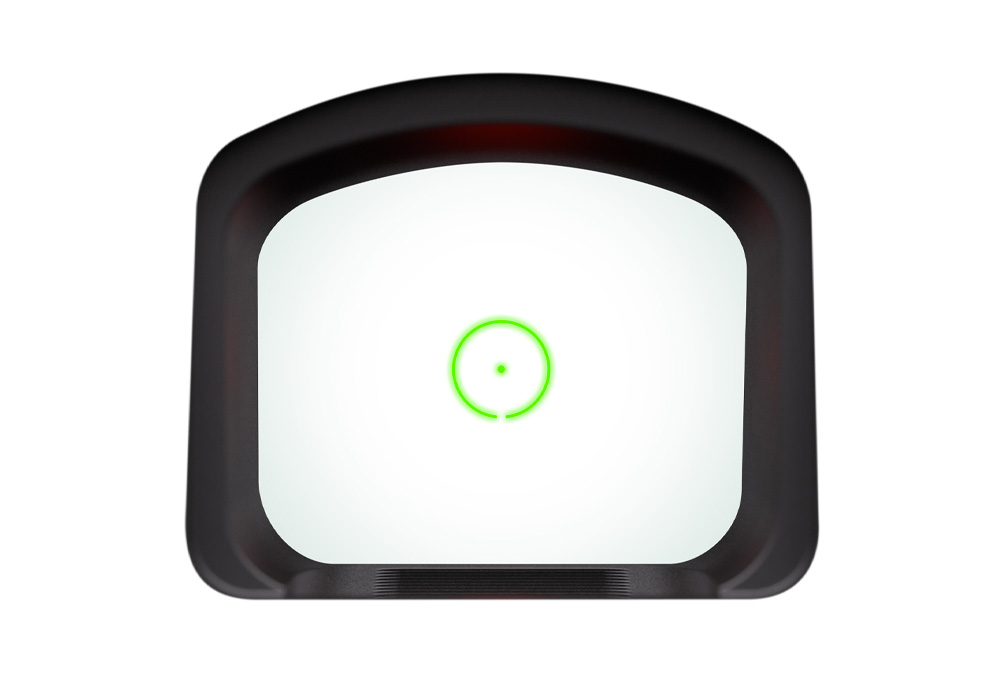
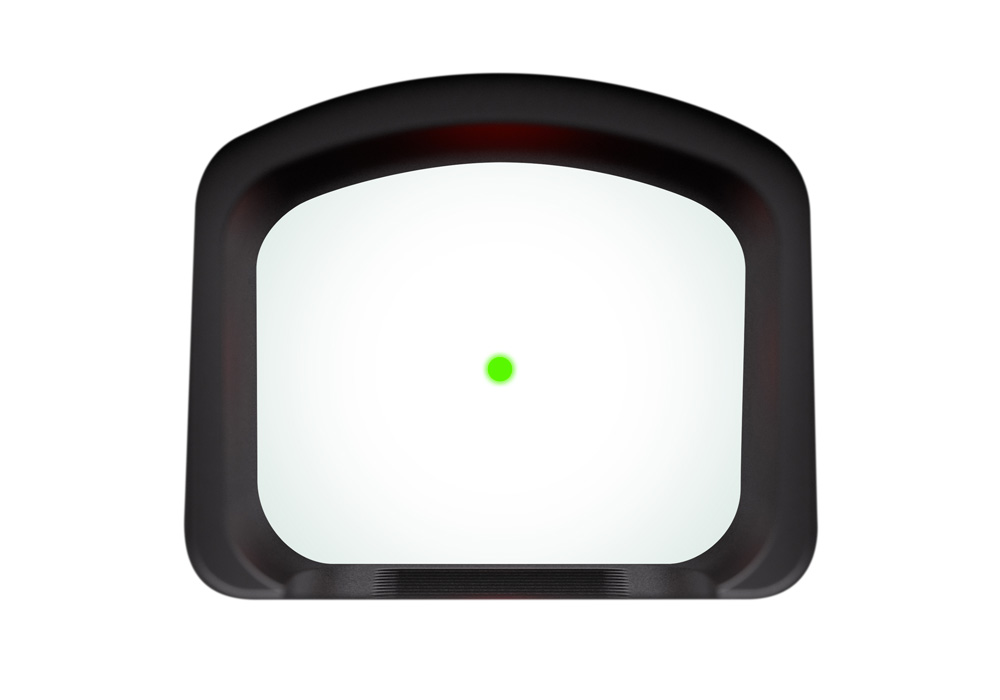
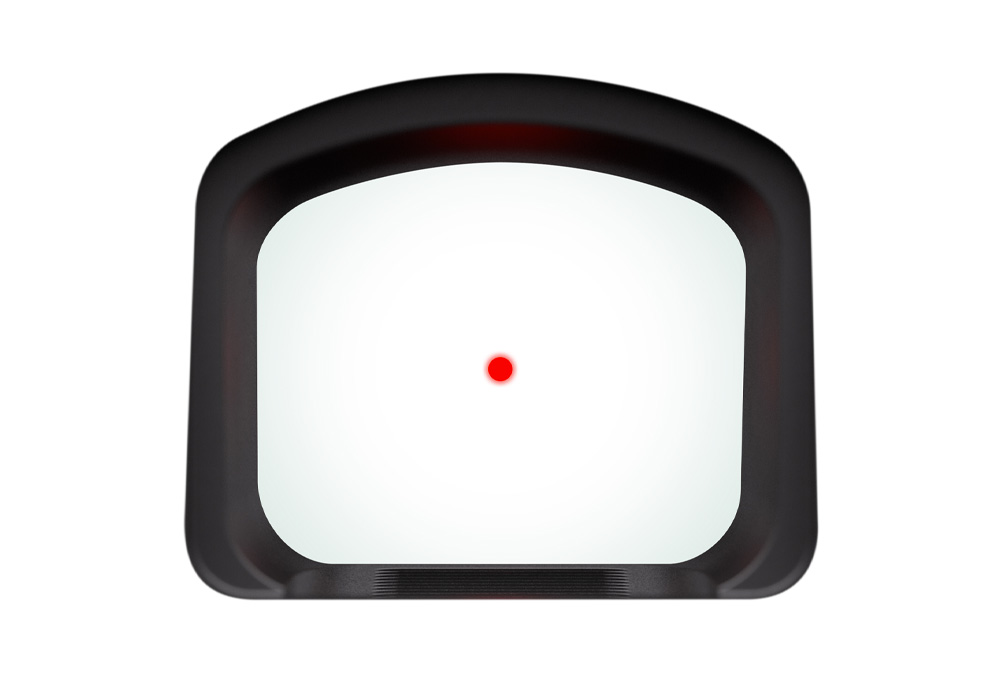
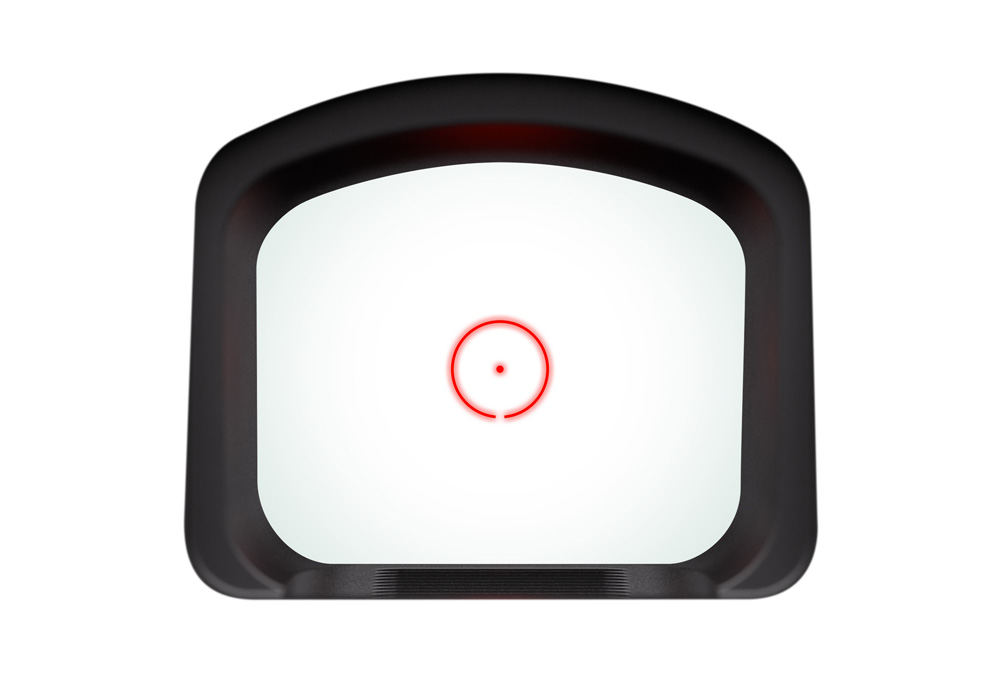
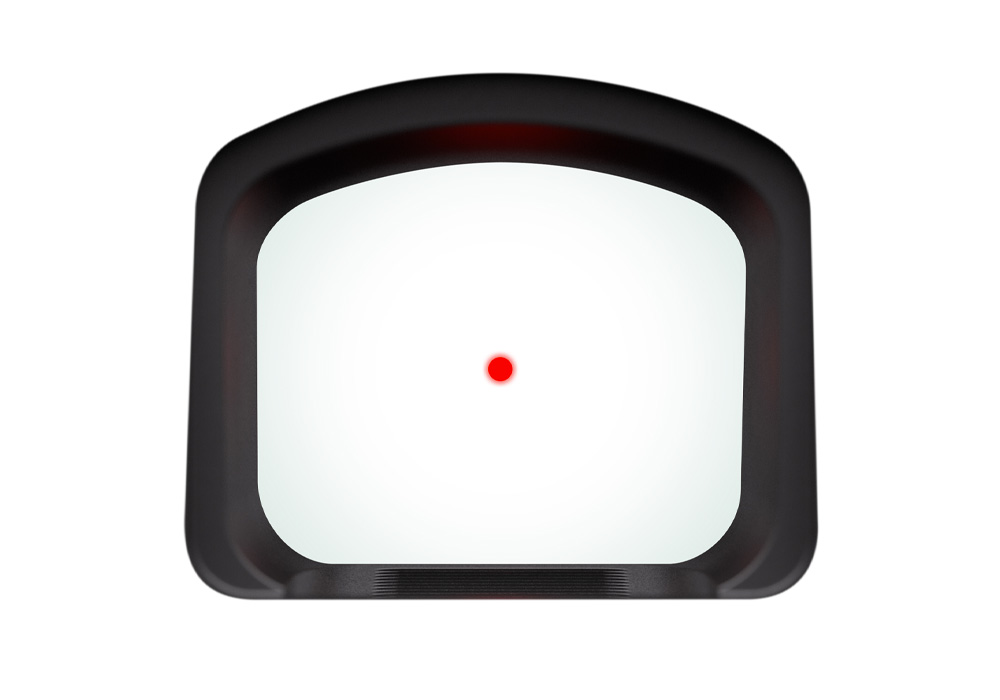
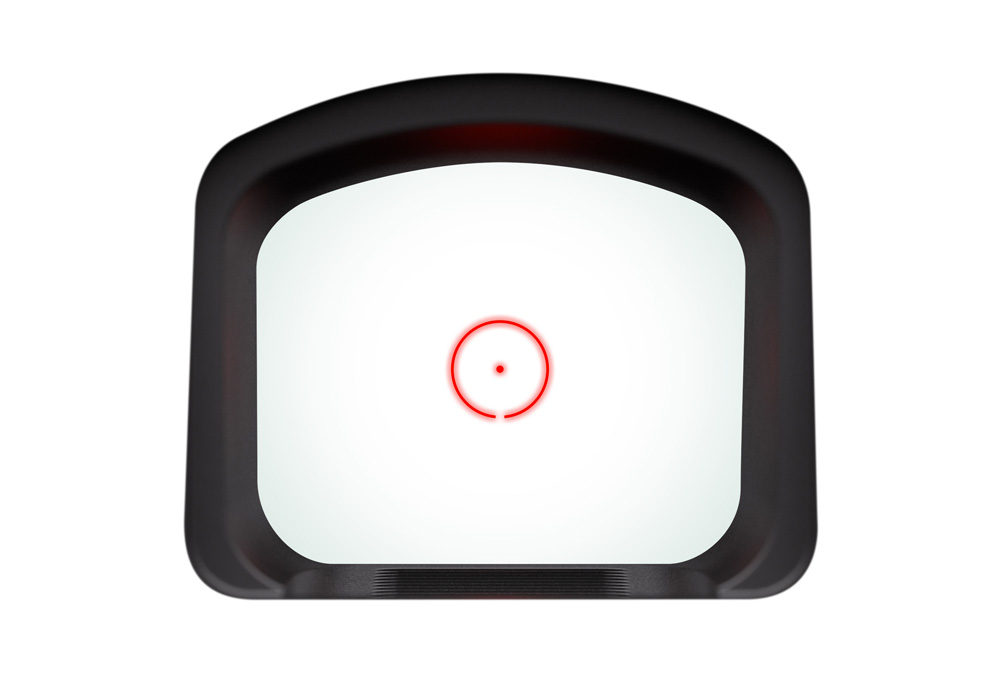
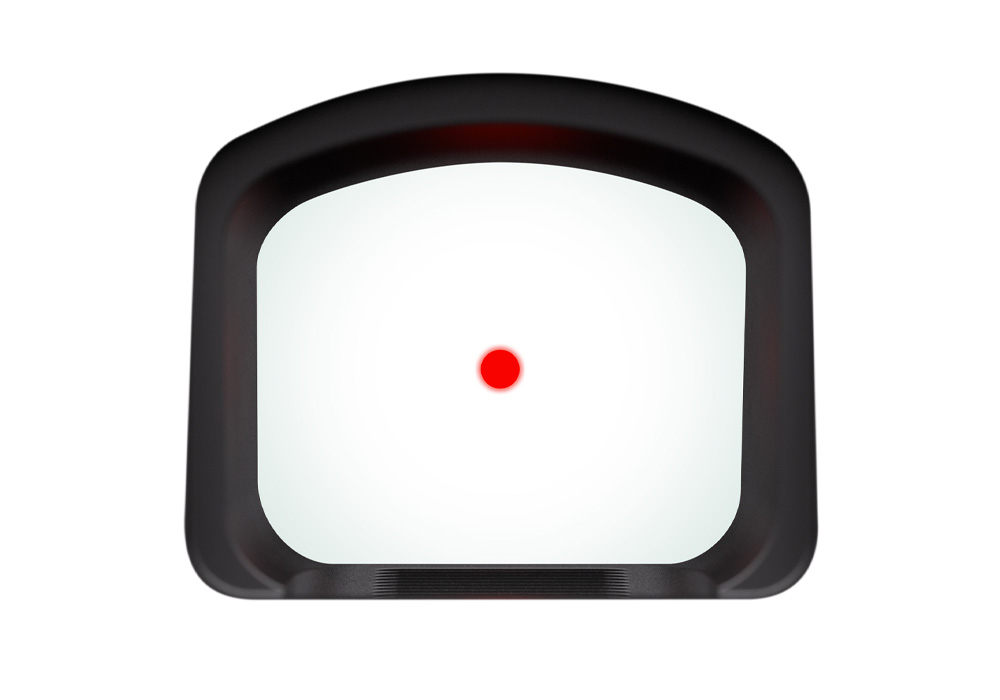
Materials and construction influence how a pistol reflex sight feels, wears, and holds up to repeated use. Aluminum housings are common because they balance structural strength with relatively low weight, while other housing materials can offer different weight and durability characteristics. Material alone does not establish toughness; the shape of the protective housing, the support around the lens, and the design of the mounting interface contribute to the overall structure. A durable exterior finish helps resist everyday surface wear, but even a rugged optic benefits from protection against hard contact and abrasive debris. Lens quality and coatings also deserve attention. A useful viewing window presents the reticle clearly without excessive distortion, and some color tint may be part of the optical design rather than a defect. Window size is only one part of the viewing experience: frame thickness, lens shape, and the position of the window above the slide all influence how open or enclosed the sight picture feels. Open-emitter designs typically leave the space between the emitter and viewing lens exposed, while enclosed-emitter designs surround that optical path with a protective housing and additional lens. An enclosure can help keep lint and debris away from the emitter, although its exterior glass still needs care. Reticle options vary as well. A single dot offers a simple visual reference, while Circle Dot Reflex Sights for Pistols pair a central dot with a surrounding circle for shoppers who prefer that presentation. Reticle appearance is personal; vision differences, including astigmatism, can change how an illuminated dot looks. Published reticle dimensions are helpful, but they do not describe every viewer’s experience. Brightness controls, automatic illumination features, and control placement add practical differences between designs. Power arrangements deserve equally close attention, from the specified battery type to whether the battery compartment is accessible with the optic installed. Battery-life figures depend on stated test conditions and settings, so they are best considered alongside the manufacturer’s maintenance recommendations rather than treated as an unconditional service interval.
Intended use brings those details together. Someone selecting a direct mount pistol optic for regular range visits may place particular value on an uncluttered window, clearly marked controls, and convenient battery access. A lawful concealed-carry setup places additional emphasis on overall dimensions, holster compatibility, and surfaces that will share space with clothing. Professional users may also need to satisfy employer or agency requirements for approved equipment, inspection, and maintenance. None of these uses makes one housing size or reticle universally preferable. A slim optic that matches a compact slide can feel appropriately proportioned, while a larger housing on the same pistol may create clearance concerns despite having a compatible mounting interface. The holster must accommodate the complete firearm-and-optic combination while maintaining its intended retention and trigger protection; an optic cut alone is not proof of a suitable fit. Long-term ownership also involves small, ordinary maintenance tasks. Lint can collect around a carry optic’s window, fingerprints can leave a haze on the glass, and residue from range use can obscure the lens over time. Care should follow the optic manufacturer’s instructions, using approved lens-cleaning materials rather than household cleaners or rough fabric. Loose grit deserves particular caution because rubbing it across an optical surface can leave scratches. Inspection of the housing, lens, battery compartment, and mounting interface helps identify wear or damage that warrants professional attention. Cleaning and inspection should take place only with the firearm unloaded and handled according to its manufacturer’s safety instructions. Battery replacement and other service should follow the specified schedule and procedures, with any required verification handled as directed by the manufacturer or a qualified professional. For a gift recipient, confirmed pistol and slide compatibility matters much more than a preferred appearance; a thoughtful selection starts with exact fit information. Across range, carry, and professional applications, the lasting value of a direct mount reflex sight comes from a compatible interface, suitable construction, readable optics, and maintenance requirements that fit the owner’s routine.