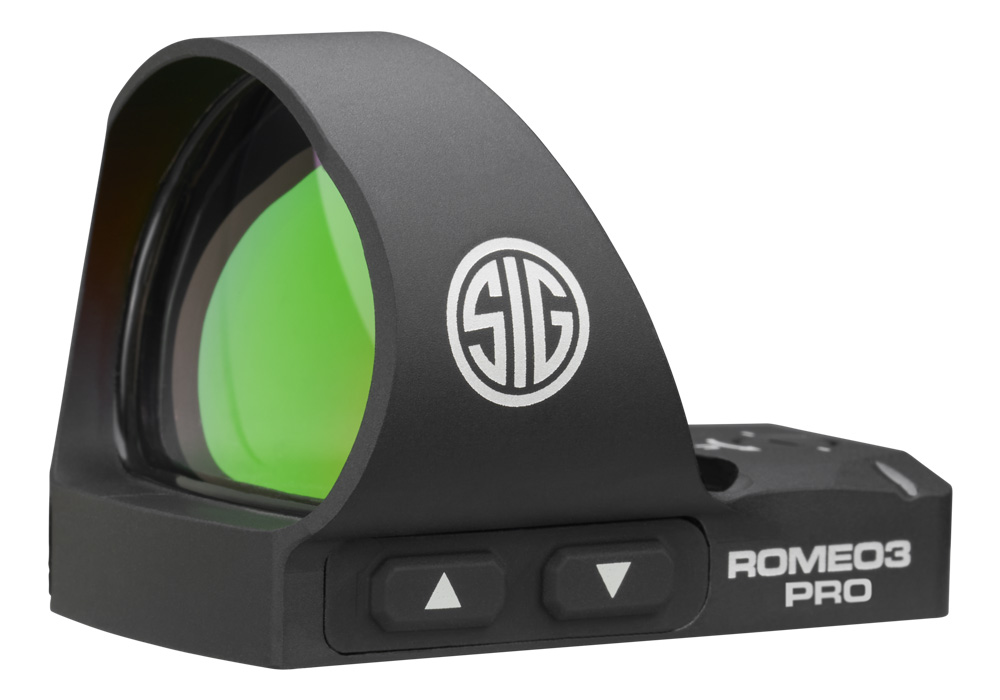
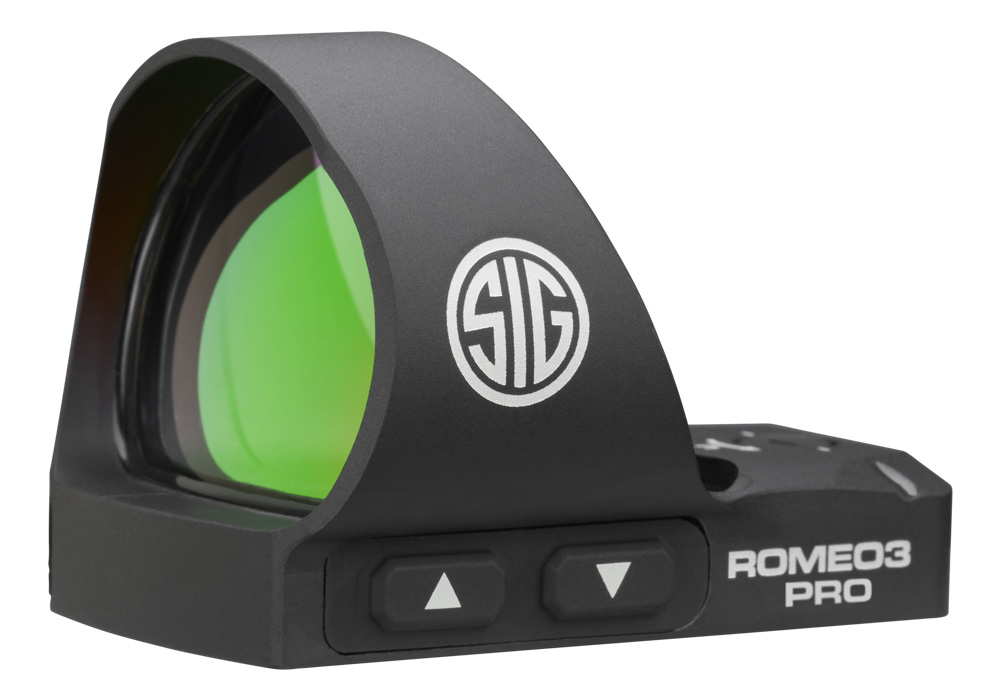
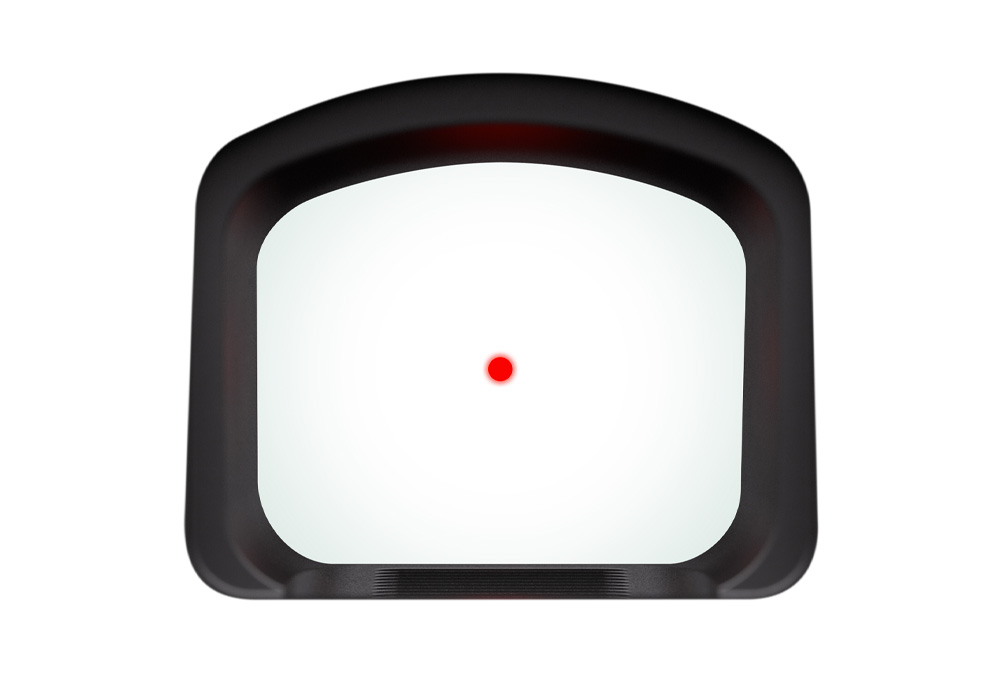
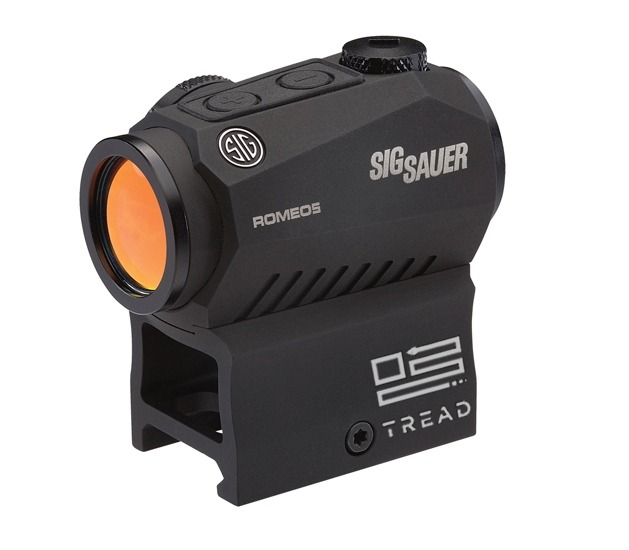
Picatinny mount reflex sights are optical aiming devices that attach to a firearm’s Picatinny rail through a compatible mounting system and display an illuminated aiming point in the sight window. Typically nonmagnifying, they provide a direct view of the target without the enlarged image associated with a magnified scope. The reticle is visible through the optic rather than projected onto the target, and many shooters find this arrangement comfortable for aiming with both eyes open. That combination suits recreational target shooting, certain competition disciplines, and hunting applications where magnification is not the primary need. A Picatinny interface follows the familiar 1913 rail pattern, but the rail connection is only one part of compatibility. Some reflex sights include an integrated rail mount, while others use a separate mount that connects the optic’s mounting footprint to the firearm’s rail. The footprint beneath an optic and the rail beneath its mount are different interfaces; a match at one does not establish compatibility at the other. Rail dimensions, usable mounting space, firearm clearance, and the mounting hardware specified for the optic all deserve attention. A sight intended for a slide-mounted application does not necessarily attach directly to a Picatinny rail without an appropriate adapter. Likewise, visually similar rail systems should not be treated as interchangeable without confirmation from their manufacturers. The broader selection of Picatinny Rail Mounted Sights provides a useful comparison point when considering different sight formats and mounting arrangements. Within the reflex category, the goal is a compatible combination of firearm, mount, and optic that places the sight window where the shooter can view it comfortably. A compact housing can help preserve space on a short rail, while a larger window may appeal to someone who prefers a more expansive view around the aiming point. Neither size alone establishes suitability; the complete setup matters more than a single dimension.
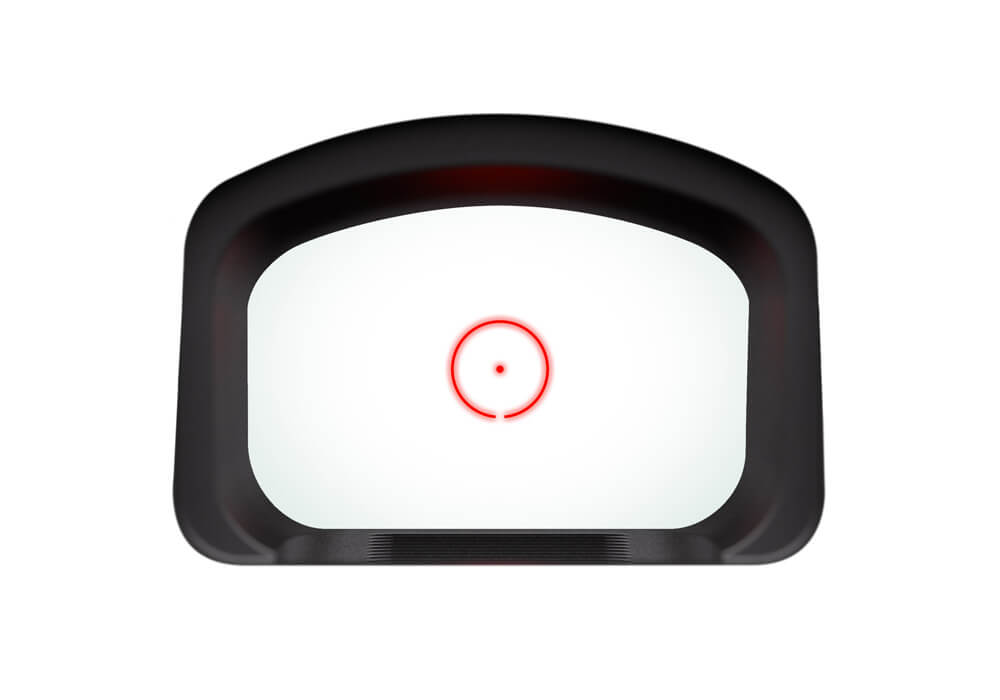
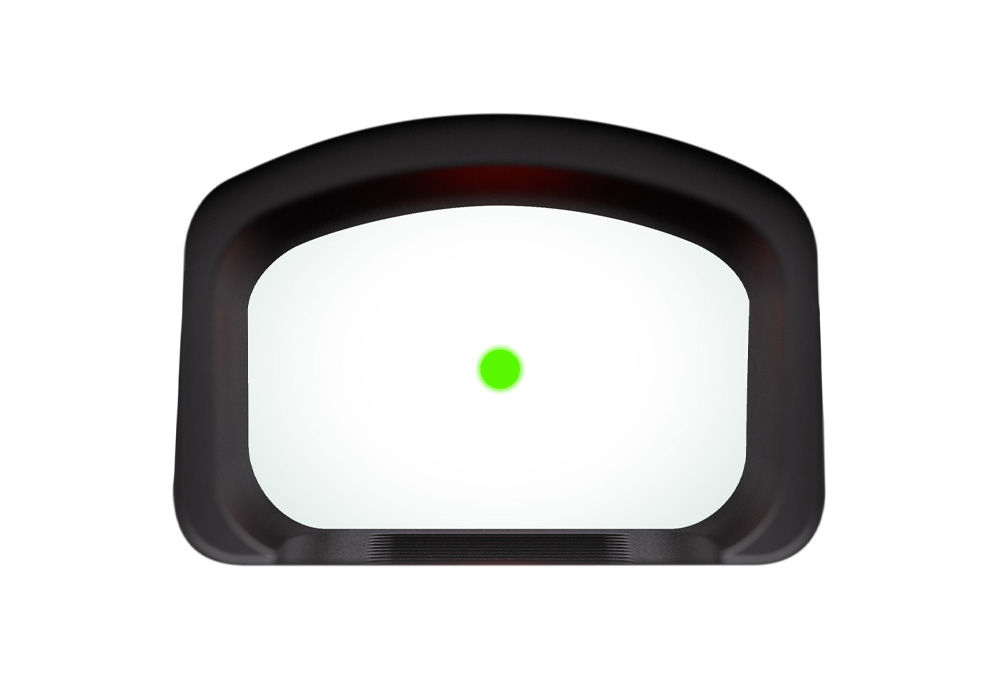
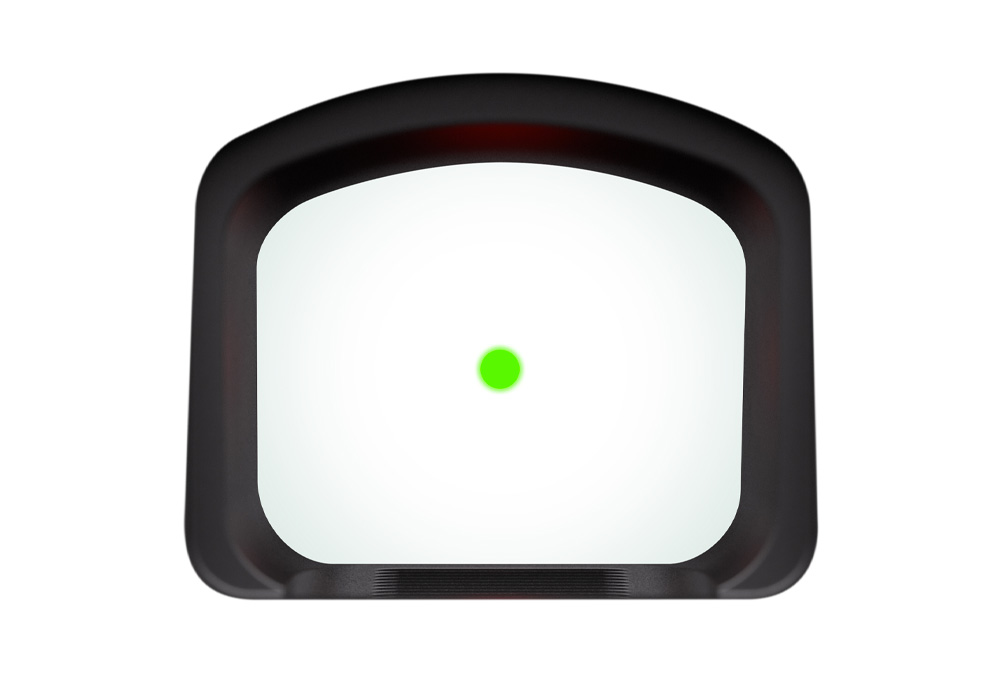
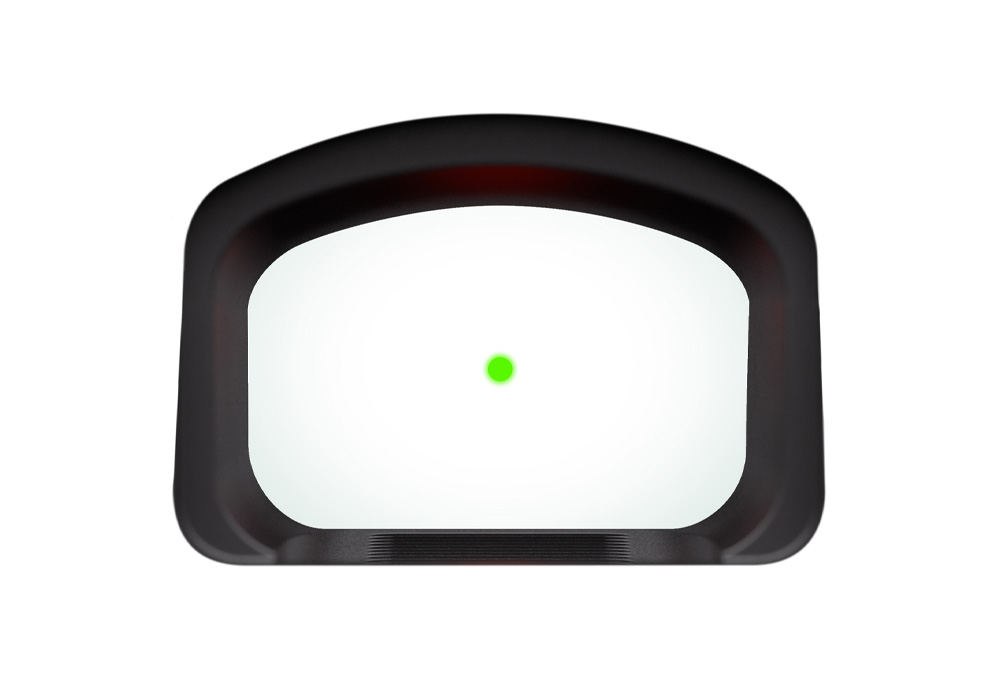
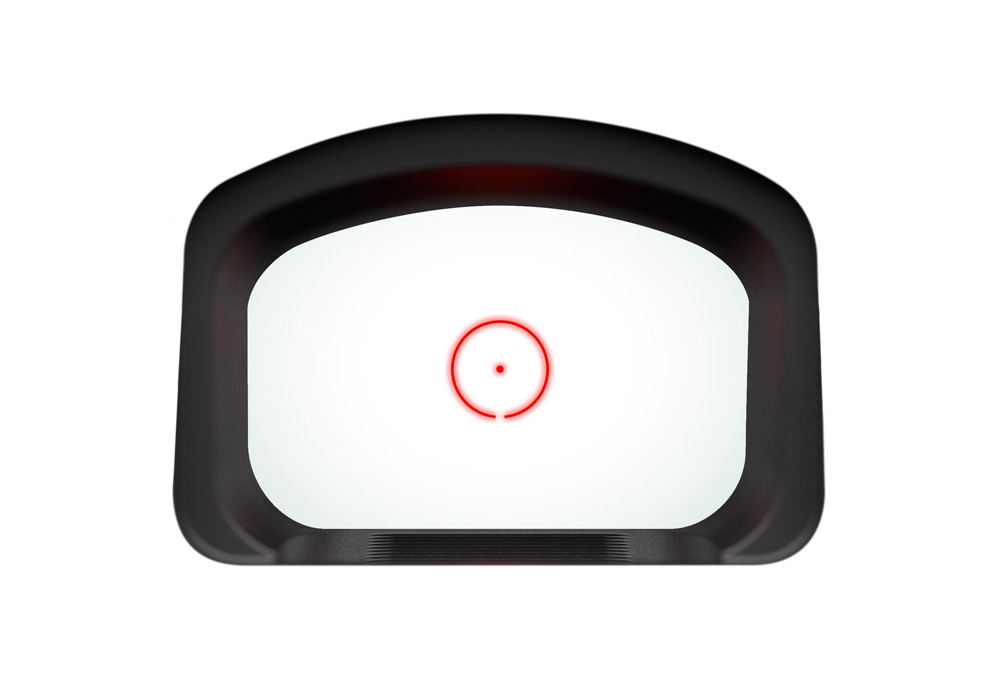
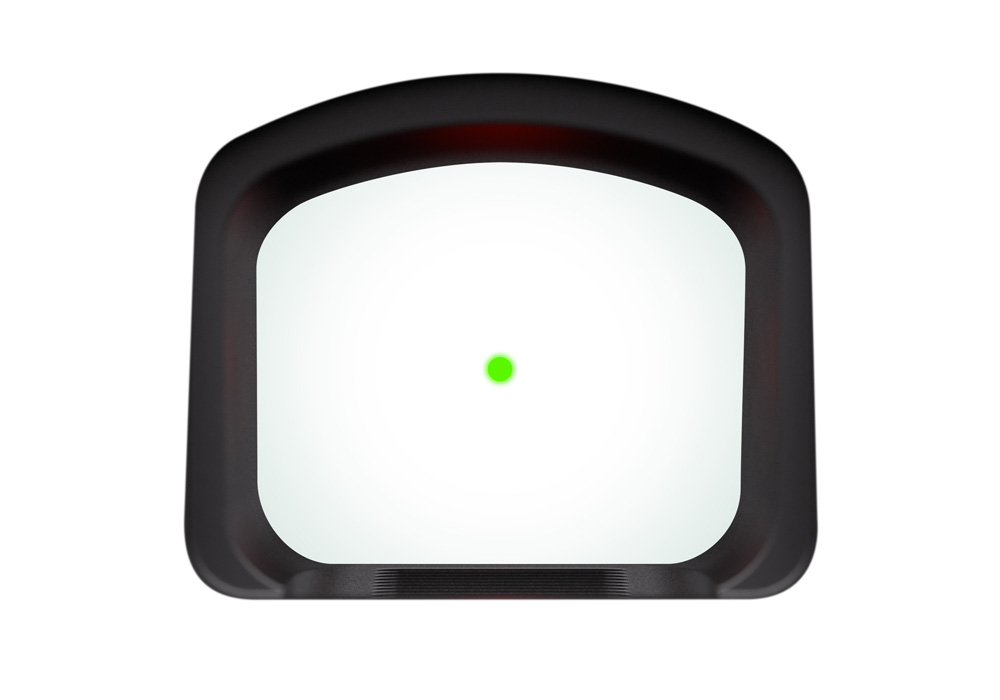
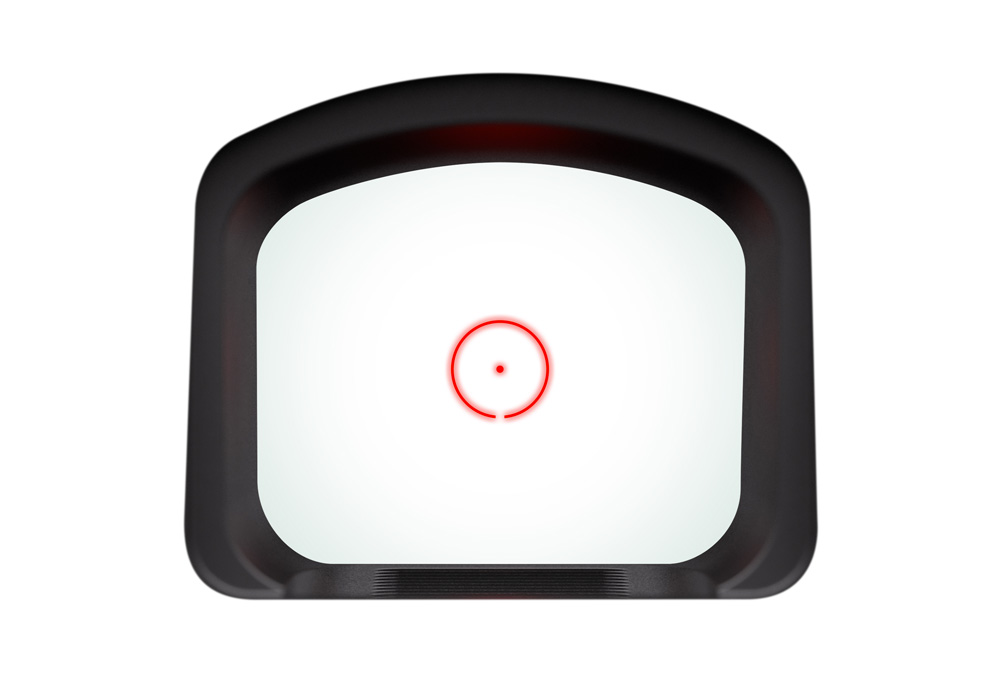
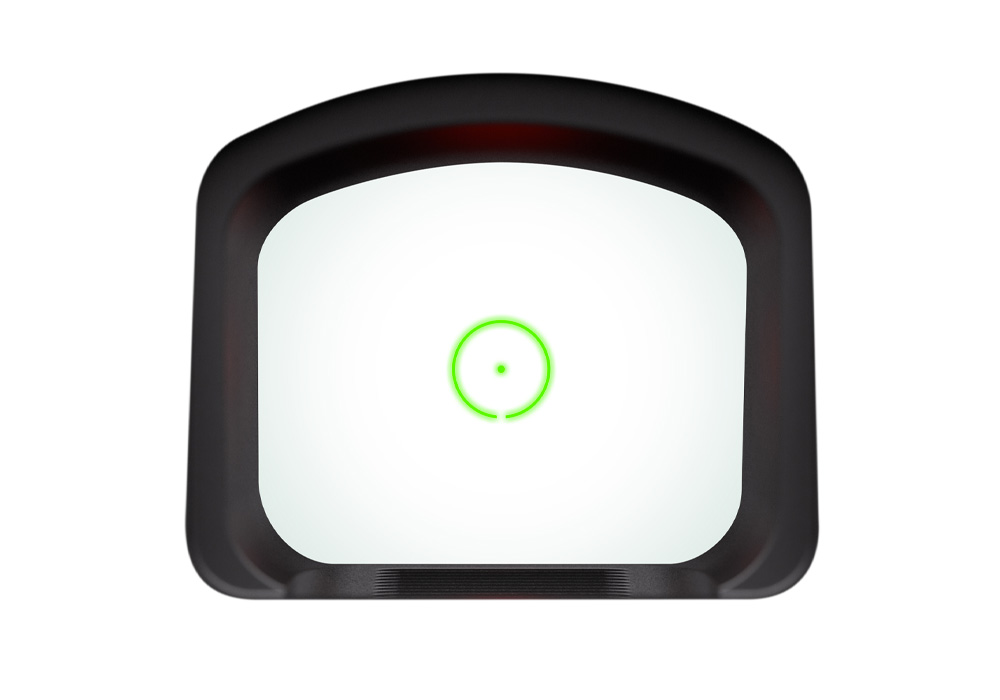
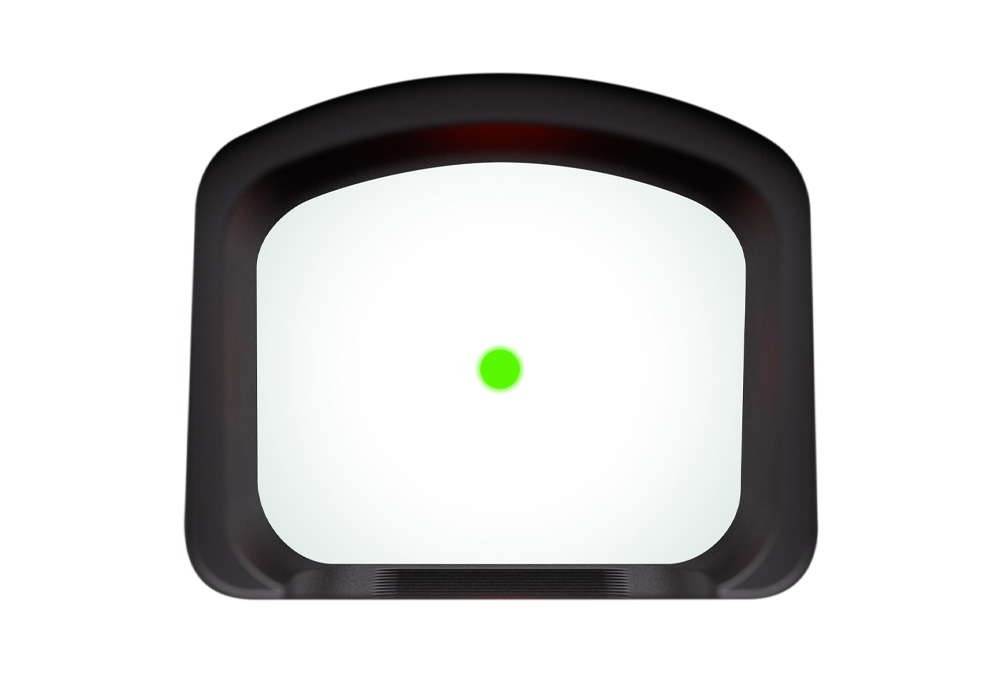
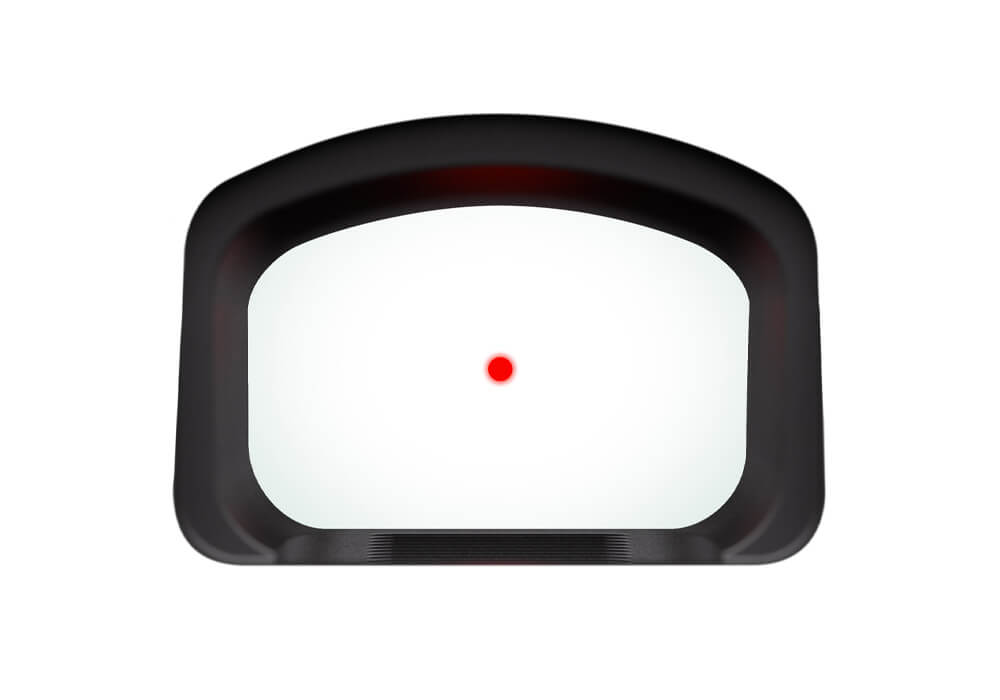
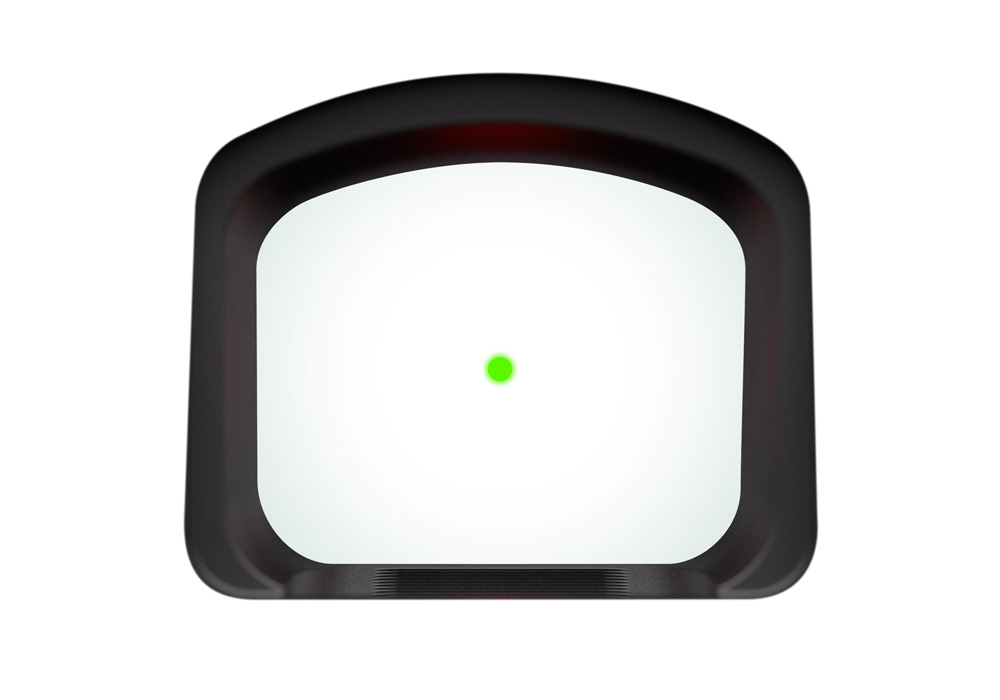
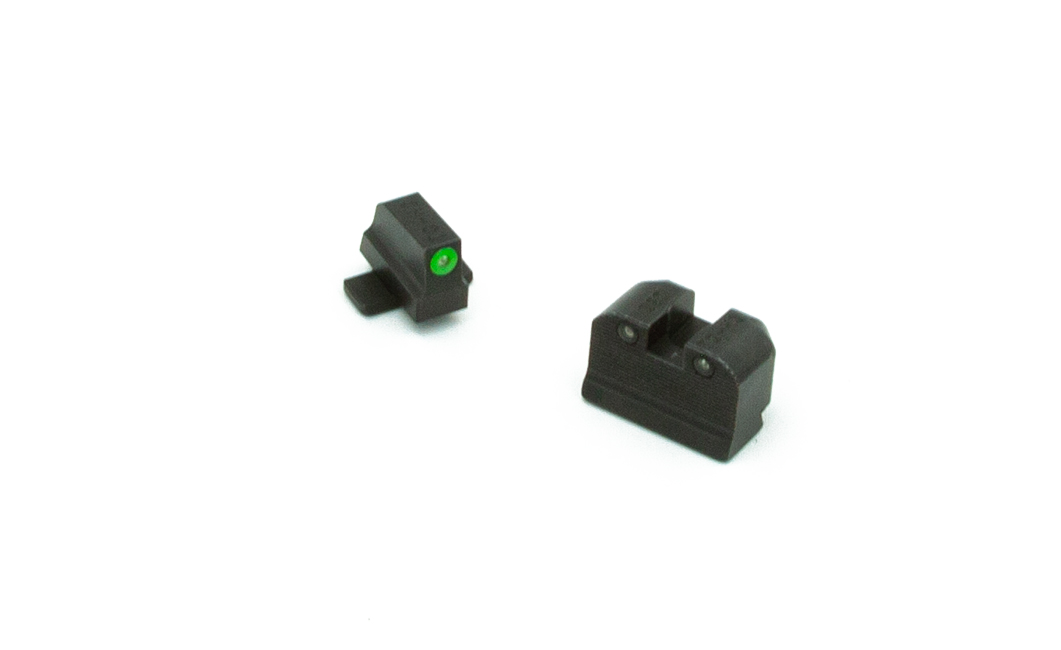
Mounting height has a substantial effect on how a Picatinny reflex sight feels in use. A lower mount may complement a firearm with a lower stock line, while a taller configuration may better suit a straight-line stock design or a particular shooting posture. The useful comparison is the relationship between the eye, stock, and sight window, not simply the height of the mount in isolation. A shooter should be able to maintain a comfortable, repeatable head position rather than lifting away from the stock or pressing down awkwardly to find the reticle. If iron sights will remain installed, their visibility through the optic depends on the complete combination of sight height, mount height, and firearm geometry. Not every arrangement supports the same alignment, and a tall mount does not automatically provide a useful view of backup sights. Reticle characteristics deserve equally careful consideration. A smaller aiming point can leave more of a small target visible, while a larger point may be easier for some eyes to distinguish against a busy background. Angular reticle measurements describe how much of the target the aiming point covers, rather than a fixed physical size at every distance. Red and green illumination offer different visual experiences, but neither color is universally better for every shooter. Individual eyesight, target color, and surrounding light all influence perceived clarity. Brightness adjustment helps keep the aiming point visible without allowing excessive intensity to obscure its edges. People with astigmatism may perceive a dot as a streak, cluster, or irregular shape, so the apparent reticle can differ from the clean circle shown in a product image. Reflex optics also vary in lens tint, window shape, control placement, and the amount of housing visible around the lens. These details become noticeable during an ordinary range session: the ease of locating a control, the clarity of a small aiming mark, and the comfort of maintaining the same position over repeated strings of fire. Generous eye relief is a common advantage of the category, although usable viewing angles and parallax behavior still depend on the optical design.
Materials, construction, and maintenance help distinguish a sight that merely fits from one suited to regular use. Aluminum housings are common because they balance structural strength with manageable weight, and protective surface treatments can help resist wear from handling. Housing shape also matters: protective contours around the lens, accessible controls, and a secure battery compartment contribute to everyday practicality. Open-emitter designs leave the emitter’s path more exposed, while enclosed-emitter designs place that optical path within a protective housing. Dust, lint, and residue can affect either the viewing surfaces or the emitter area, making construction and cleaning access relevant considerations. Lens coatings may support light transmission, reduce reflections, or help protect exterior surfaces, but their benefits and cleaning requirements vary by design. A soft brush or clean air bulb can remove loose particles before an approved lens cloth touches the glass; rubbing grit across a lens can scratch its surface or damage a coating. Solvents intended for other firearm components should not be assumed suitable for optical glass, seals, or finishes. Battery type, compartment location, illumination controls, and any automatic power features also affect ownership. Published battery runtime depends on stated test conditions and brightness settings, so it is best understood alongside the manufacturer’s qualifications rather than as a universal replacement interval. Some battery compartments are accessible without removing the optic, while others require removal and a subsequent check of the setup. Mounting hardware and recoil suitability should match the firearm and the optic’s stated specifications, with installation and maintenance following the relevant manufacturer instructions. Before handling mounting hardware or performing maintenance, confirm that the firearm is unloaded and follow its safety procedures. For a frequent range visitor, convenient controls and straightforward cleaning may be especially valuable; a competition participant may place greater emphasis on window visibility and compatibility with discipline rules. As a gift for an established shooting enthusiast, a reflex sight requires more preparation than a general accessory because rail fit, optic footprint, mounting height, and personal visual preferences are specific to the recipient. Confirming those details helps ensure the sight complements an existing setup rather than requiring unplanned changes.