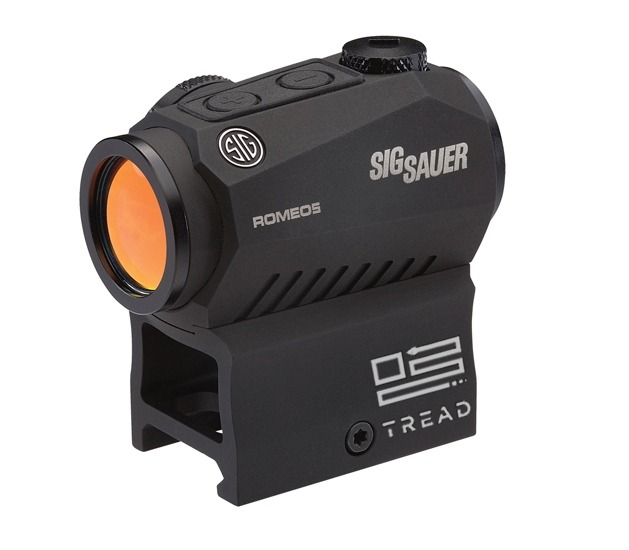
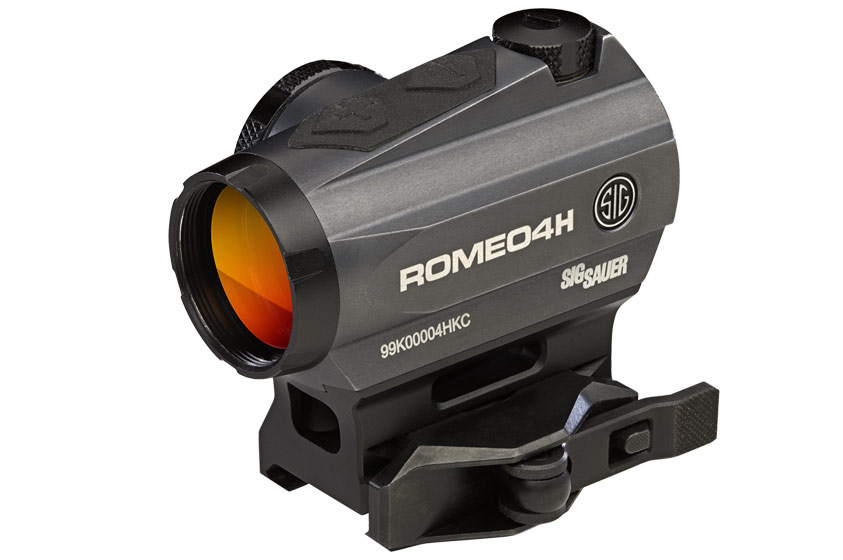
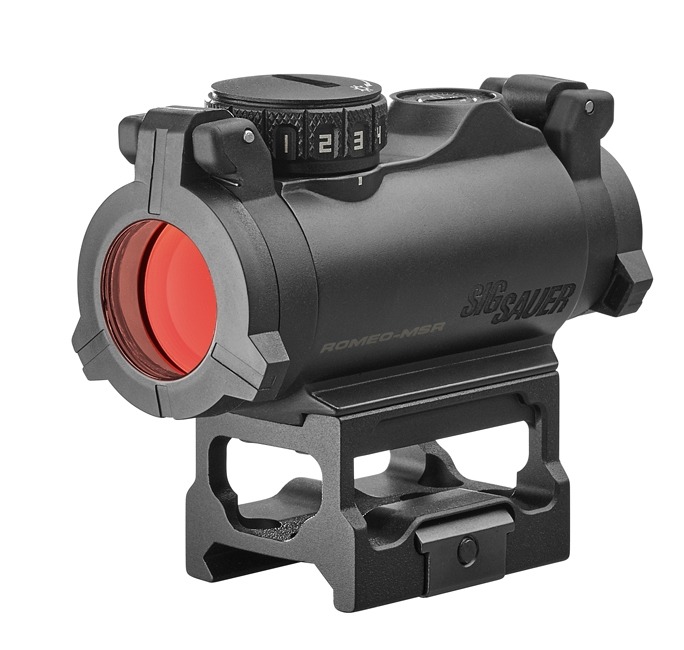
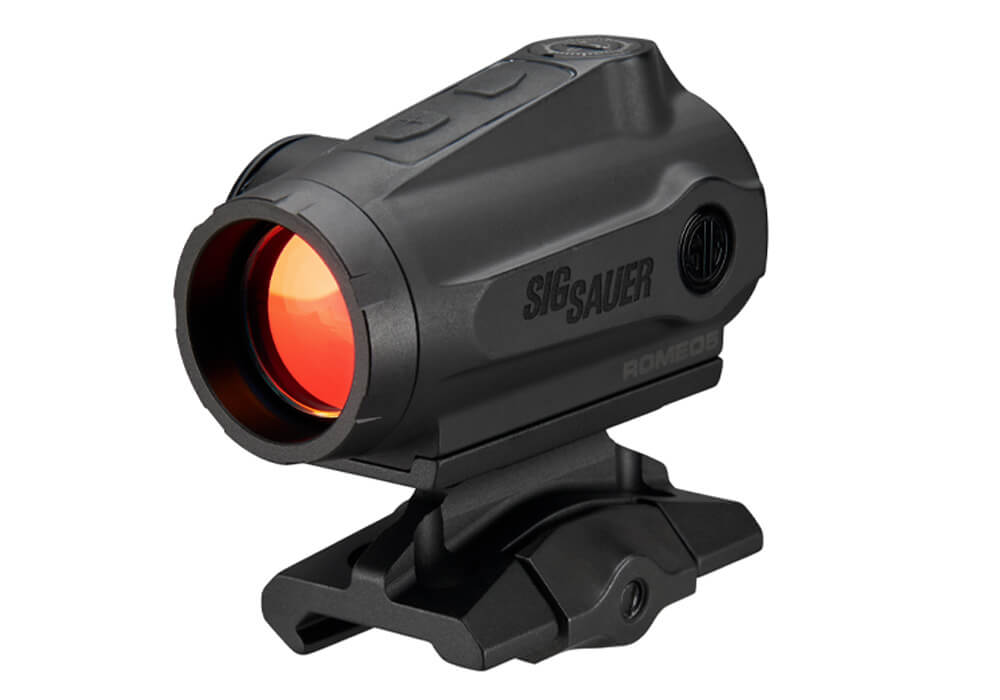
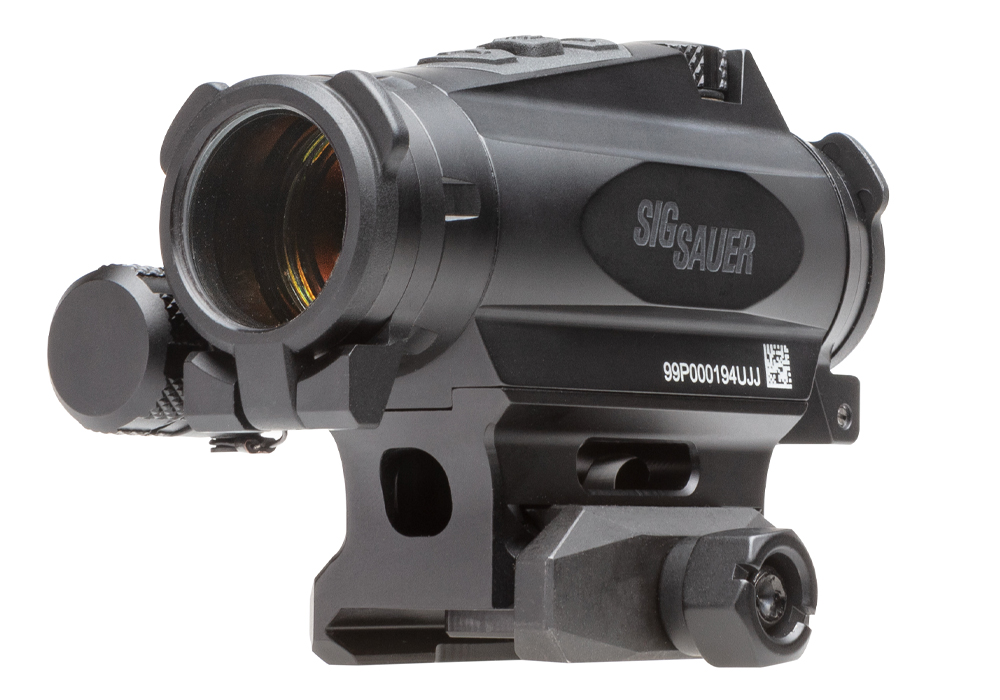
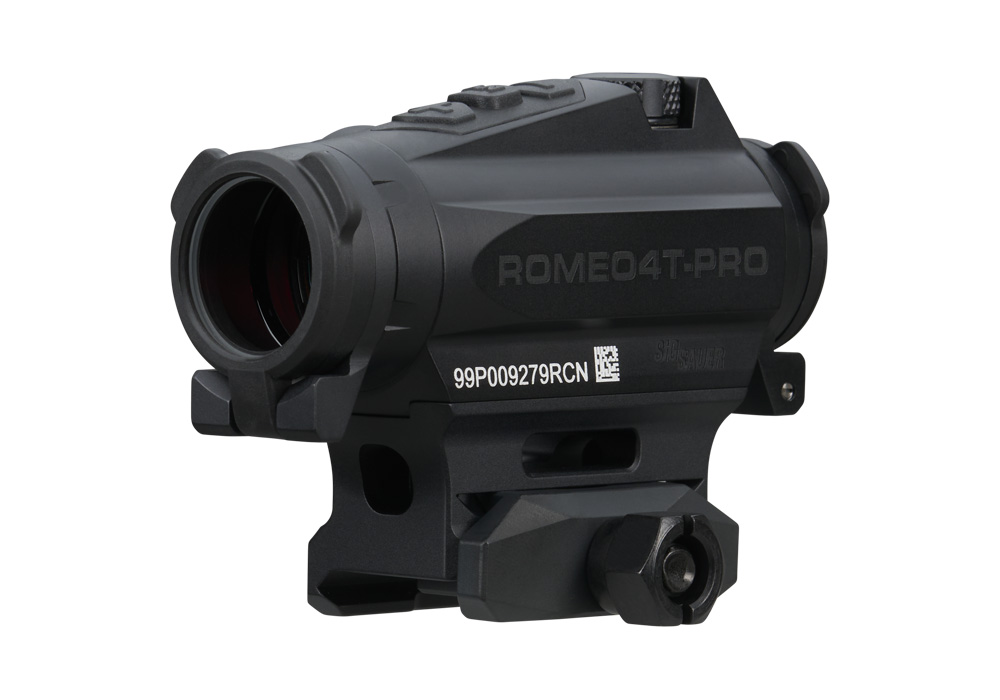
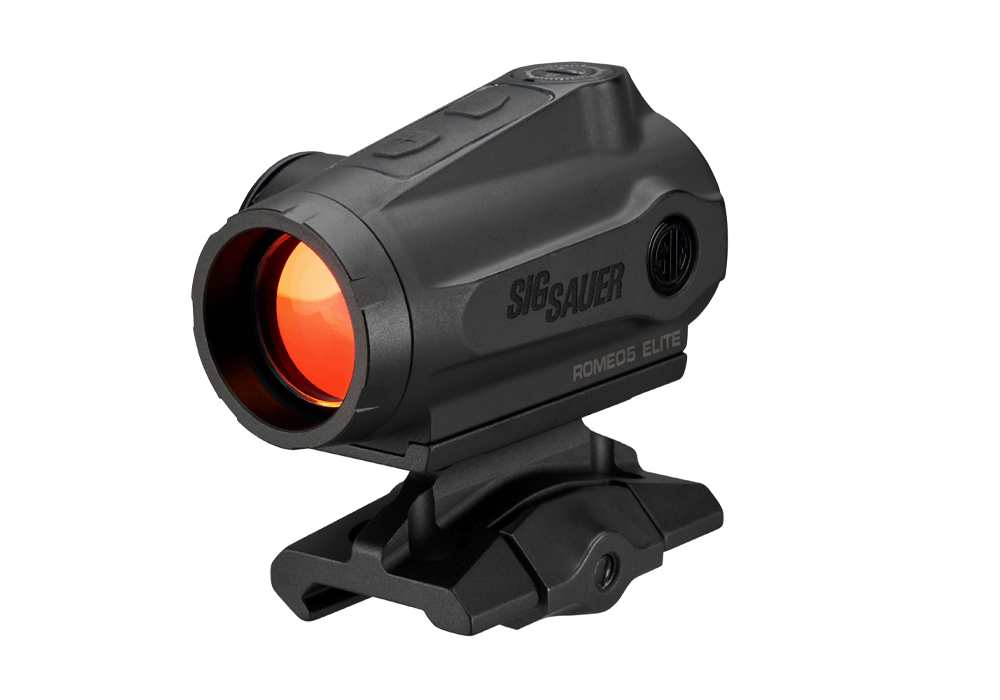
Picatinny mount red dot sights are non-magnifying optics that attach to a standardized MIL-STD-1913 rail, either through an integrated clamp or a compatible separate mount. An illuminated aiming point appears within the viewing window rather than projecting onto the target, giving the shooter a clear reference without the sight alignment required by traditional front and rear iron sights. Most designs support both-eyes-open viewing and offer generous eye relief, which can feel less restrictive than looking through a magnified scope. These qualities suit recreational target shooting, organized competition, and certain hunting applications where magnification is not the main priority. The defining feature of a Picatinny mounting system is its series of transverse slots, which accommodate the mount’s crossbolt or recoil lug and help resist movement along the rail. Attachment hardware varies: some mounts use screws or nuts, while others feature a locking lever for removal and reattachment. A sight described as rail compatible does not necessarily include every component needed for a particular firearm, so the included mount, rail specification, and intended platform all deserve attention. Rifle, shotgun, and handgun applications can involve different clearance requirements, recoil ratings, and mounting arrangements, even when each uses a Picatinny rail. A handgun accessory rail beneath the barrel, for example, is not interchangeable with an optic mounting surface above the slide. Likewise, an optic with a dedicated slide footprint generally needs a matching adapter before it can attach to a Picatinny rail. The footprint describes the optic-to-mount interface; Picatinny describes the mount-to-rail interface. Keeping those two connections distinct helps prevent a seemingly compatible combination from becoming a poor fit. For a broader view of sighting options built around this rail standard, Picatinny Rail Mounted Sights offers related choices beyond this specific optic category. The shared rail format provides flexibility, but the complete combination of sight, mount, and firearm determines compatibility.
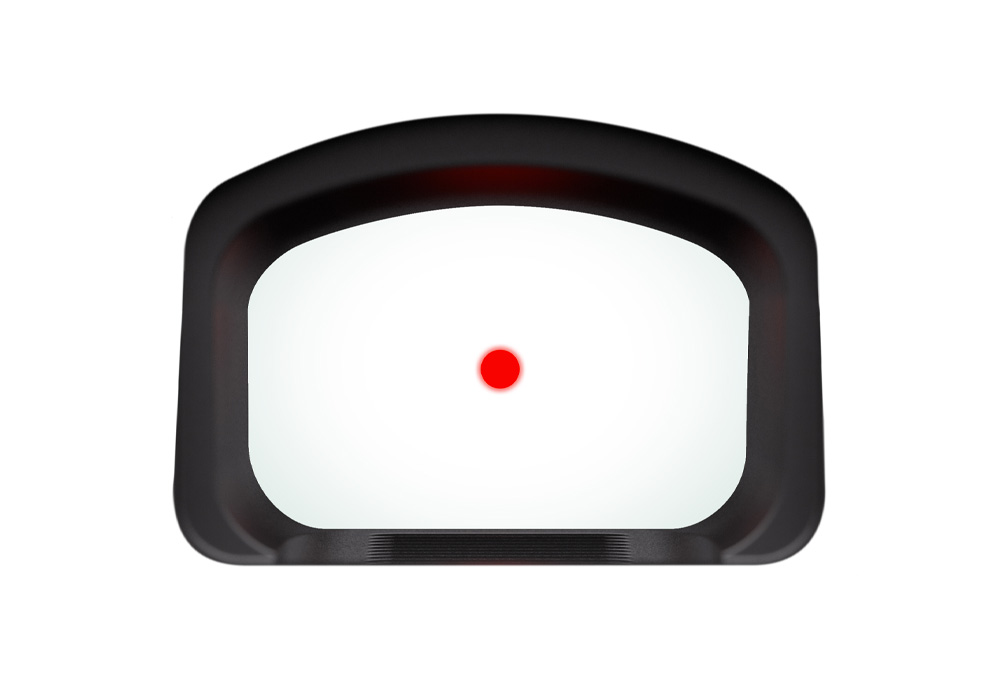
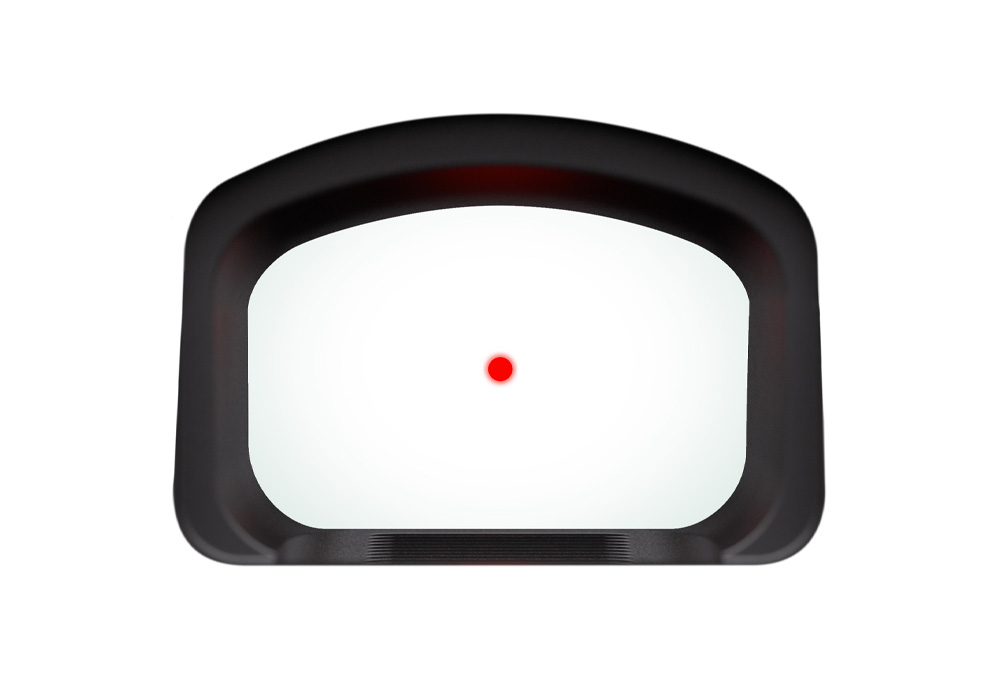
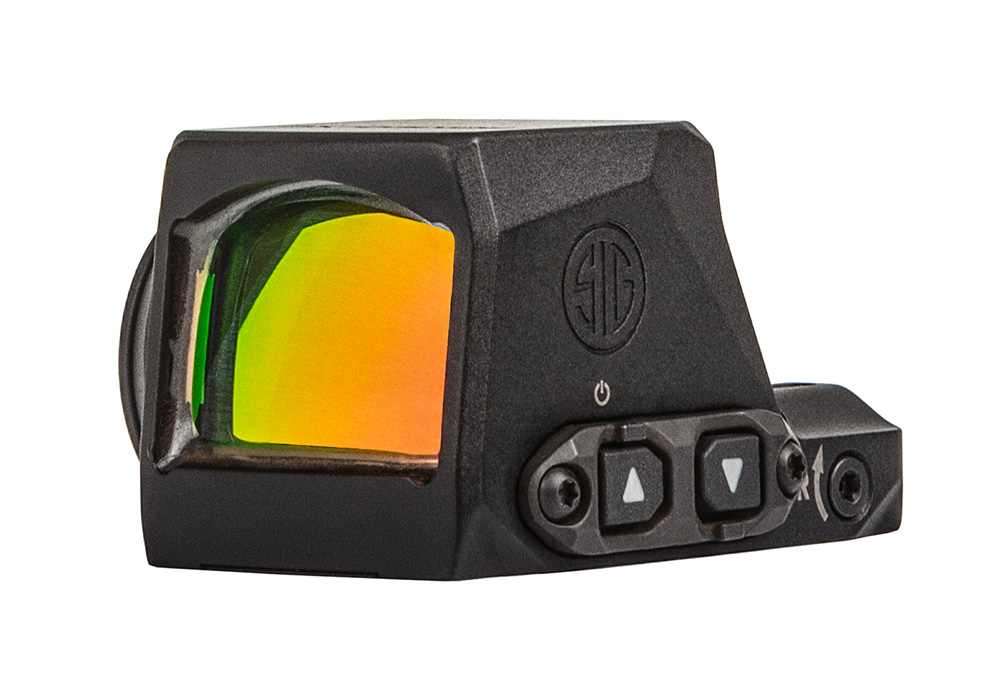
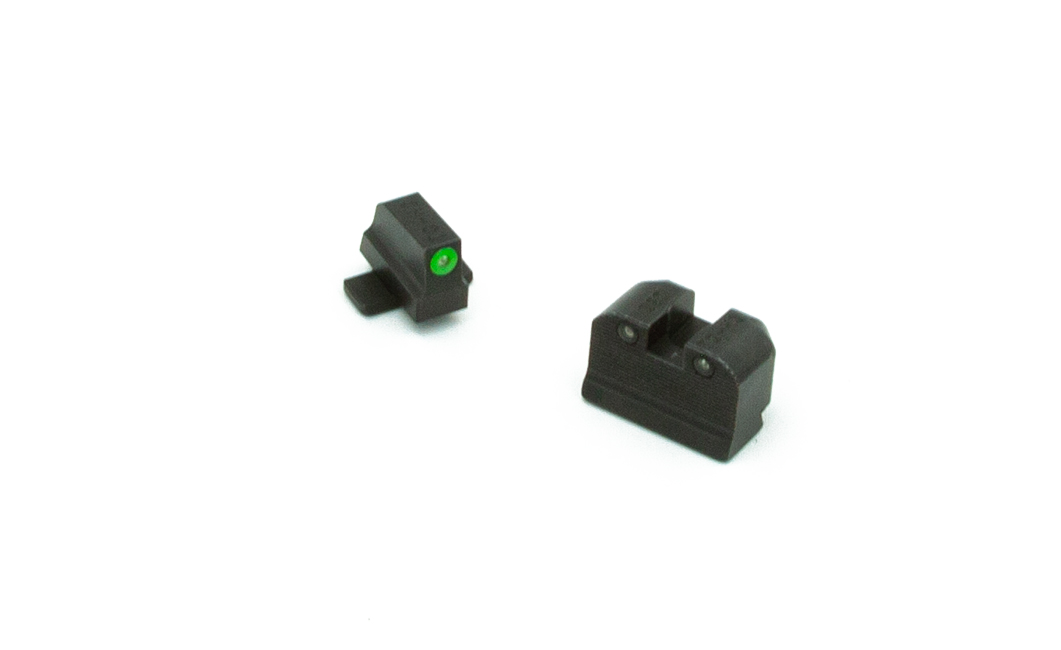
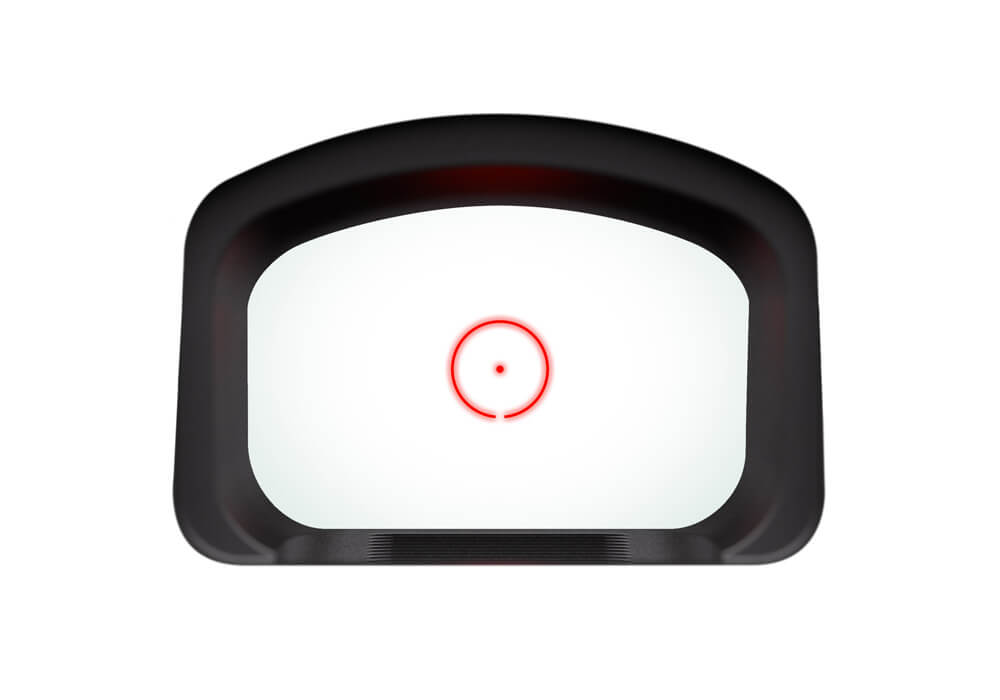
The differences between Picatinny red dot sights become more apparent when considering the view through the lens and the space around the mount. Open-reflex designs have an exposed emitter and a relatively unobstructed window, while enclosed designs place the emitter inside a protective housing. Neither configuration guarantees a better experience for every shooter: overall dimensions, lens quality, control placement, and the surrounding sight picture matter just as much. Aluminum housings are common because they balance weight and rigidity, and protective finishes help limit surface wear from routine handling. Durability also depends on the internal construction, sealing, and the recoil conditions for which the optic is rated. A compact appearance alone does not establish suitability for a particular platform. Mount height is another important distinction. A lower mount may suit some stock and receiver layouts, while other configurations call for additional height to provide a comfortable viewing position. Co-witness describes the relationship between the red dot and compatible backup iron sights when viewed through the optic. Absolute and lower-third arrangements place those iron sights at different positions within the window, but neither relationship can be assumed from the rail type alone. Sight height, iron-sight dimensions, and the firearm’s geometry all contribute. Reticle size is commonly expressed in minutes of angle, or MOA; a larger dot covers more of the target at a given distance, while a smaller dot can provide a finer visual reference. The most useful appearance is also personal. Someone looking at a sharply printed paper target may prefer a different dot size from someone who values an easily visible aiming point against a visually busy background. Brightness adjustment helps accommodate different lighting and target contrast, although an unnecessarily bright setting can make the dot appear larger or less defined. Lens coatings may introduce a slight tint, and individual vision, including astigmatism, can affect how round or crisp the dot looks. Comparing window shape, dot appearance, and the accessibility of the controls provides a more meaningful picture than judging an optic by its dimensions alone.
Everyday ownership brings a separate set of considerations, especially for shooters who want their equipment to remain straightforward to check, clean, and store. Battery type, access, and operating controls affect convenience long after the initial selection. A side-access or top-access battery compartment may allow replacement without separating the optic from its mount, while other arrangements require removal; the exact design determines what is necessary. Published battery-life figures usually reflect specified brightness settings and operating conditions rather than every possible use pattern. Automatic shutoff, motion activation, and manual brightness controls can simplify routine use, but their behavior differs between designs and should be understood before relying on them. Clear, accessible buttons are particularly useful when adjusting the sight at a range bench without shifting nearby accessories. Space also matters around lens covers, battery trays, backup sights, and other mounted equipment. A small optic with an awkwardly positioned control can feel less convenient than a slightly larger one with better access. For care, loose grit should be removed before wiping a lens, and cleaning materials should be suitable for coated optical surfaces. A soft lens brush, a clean optical cloth, and an appropriate lens cleaner help preserve clarity without unnecessary abrasion. Housing surfaces and mounting hardware benefit from periodic inspection for wear, looseness, or damage, with installation and maintenance governed by the manufacturer’s specifications. A secure attachment does not guarantee that a sight will retain its previous alignment after removal, so repeatability claims should be evaluated separately from the convenience of a quick-release lever. During storage and transport, lens protection and a padded case help prevent scratches and keep debris away from exposed surfaces. For a newer recreational shooter, simple controls and a clearly documented mounting interface may be more valuable than a long feature list. An experienced enthusiast may focus instead on housing design, adjustment consistency, or compatibility with existing equipment. These sights can also be thoughtful gifts for target shooters when the recipient’s firearm, rail arrangement, and preferences are known. The strongest match is an optic whose viewing characteristics, mounting requirements, and maintenance needs fit the person who will actually use it.