Red dot sight mounts provide the connection between a firearm and its optic, helping establish a secure, repeatable setup for range practice, competition, hunting, home-defense preparation, and duty-oriented applications. Because mounting systems are designed around both the firearm platform and the optic footprint, selecting the right mount begins with identifying what you own or plan to use. Rifle and carbine mounts commonly attach to Picatinny rails, with options that place the optic at different heights above the receiver. A lower mount may support a traditional cheek weld and an absolute co-witness with iron sights, while a taller riser can offer a more upright head position and additional clearance around accessories. Heights such as 1.93 inches or 2.26 inches are often chosen by shooters who prefer a heads-up posture, use bulky equipment, or need room for night-vision devices. A lower-third or lower-1/3 co-witness arrangement can leave the iron sights visible through the optic window without occupying the center of the aiming field. These details matter during real use: at an outdoor range on a cool morning, a mount that places the optic naturally in front of the eye can make transitions from low ready to an illuminated aiming point feel smooth and consistent. A mount should also be evaluated for rigidity, fastener quality, return-to-zero performance, and compatibility with the rail profile. Quick-detach designs can be useful when an optic needs to be removed for transport, maintenance, or backup-sight use, while a fixed mount may suit a setup that is rarely changed. Lightweight construction can help preserve the handling qualities of a compact carbine, but durability and a reliable interface remain more important than saving a small amount of weight.
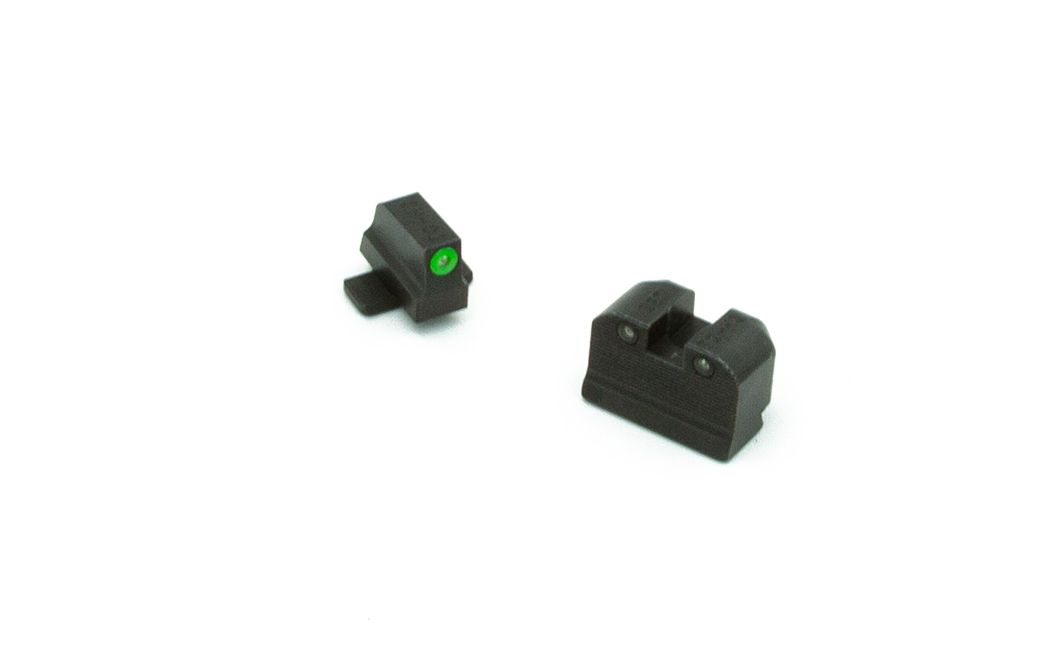
Handgun owners face a different set of considerations because a red dot mount may take the form of a slide cut, adapter plate, or dedicated interface between the optic and the pistol. The plate or slide must match the optic’s footprint precisely, including screw spacing, locating bosses, screw length, and the available clearance around the ejection port and rear sight. Common footprint families include RMR-pattern, K-series, and Docter/Venom-style configurations, but similar-looking mounting patterns are not automatically interchangeable. A plate intended for one footprint may not properly support another, and using incorrect screws can damage the optic or interfere with slide operation. Pistol adapter plates are a practical option for firearms prepared to accept interchangeable plates, especially when a shooter wants flexibility across several compact optic patterns. A dedicated slide cut can provide a clean, low-profile installation, although it may require professional fitting and careful attention to iron-sight height. Shotgun and rimfire users may choose mounts that clamp to a vent rib, attach to a dovetail, or use an existing receiver interface without drilling or permanent modification. These solutions can be appealing for sporting shotguns, compact rimfire platforms, and firearms that are shared among family members or used for small-game outings during the cooler months. Before ordering, compare the mount’s listed platform type with the exact firearm model, rail or rib dimensions, optic footprint, and the manufacturer’s installation requirements. Firearms should be unloaded and made safe before any fitting or inspection, and a qualified gunsmith can help with drilling, tapping, slide work, torque specifications, or installations where alignment is critical. Once installed, confirm that the optic sits squarely, the fasteners are tightened according to the applicable instructions, and the sight is zeroed again after any change to the mounting system.
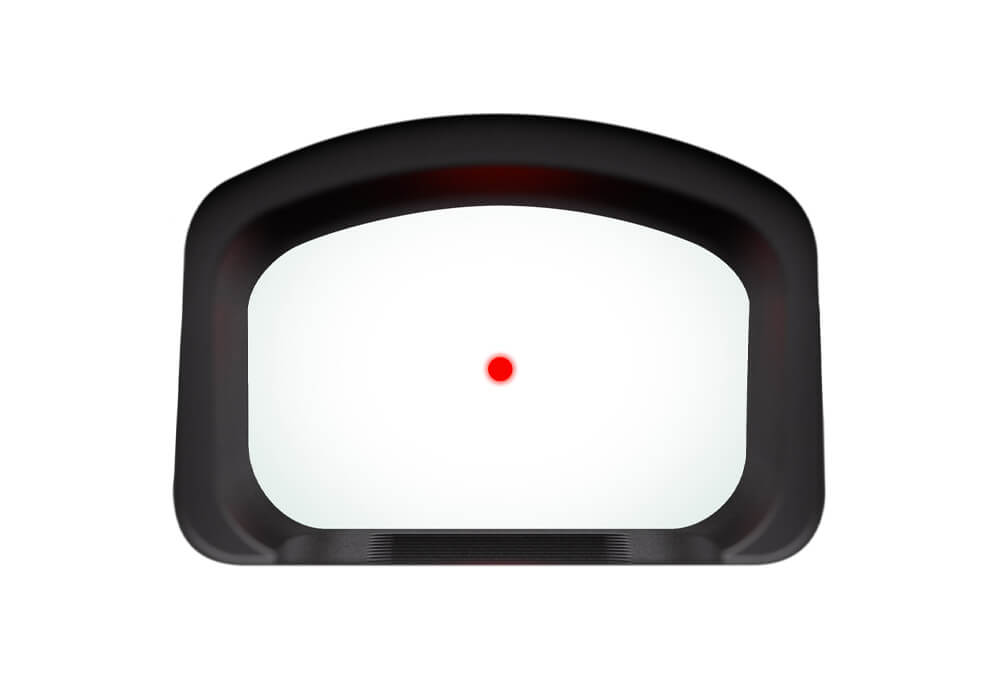
For setups that combine a magnified optic with a secondary aiming option, offset and piggyback mounts place a compact red dot at an angle or above the primary optic. A 45-degree offset mount allows the firearm to rotate slightly for close-range aiming while the magnified sight remains in place, which can be useful when distances and target sizes change quickly. A top-mounted or ring-mounted configuration can provide a secondary aiming point without removing the primary optic, although the added height and weight should be considered alongside the rifle’s balance and storage requirements. The best red dot sight mount is the one that fits the firearm and optic without improvisation, maintains a stable zero, and supports a comfortable presentation for the intended user. It may be selected by a first-time optic owner building a practical range setup, an experienced shooter refining a competition rifle, a hunter preparing a rimfire or shotgun, or a family member looking for a thoughtful gift for someone who enjoys responsible firearms training. Pairing a mount with the right Red Dot Reticles can help complete an optic setup, but the mount itself deserves equal attention because it establishes the foundation for alignment and repeatability. During seasonal transitions, when equipment may move between a warm vehicle, an outdoor bench, and a cooler storage area, inspect mounting screws, rail engagement, lens clearance, and zero before use. Keeping the interfaces clean, avoiding excessive thread locker, using the correct tools, and following the mount and optic instructions can protect both components over time. With the correct platform fit, mounting height, footprint, and installation approach, a red dot mount can make an optic feel like a natural extension of the firearm rather than an added accessory.