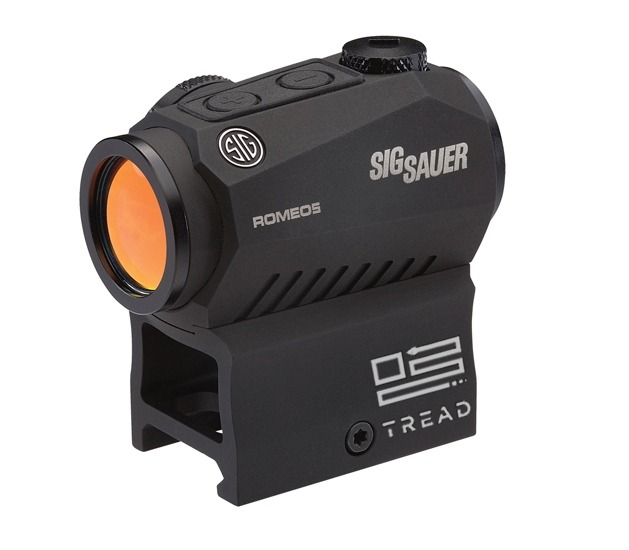
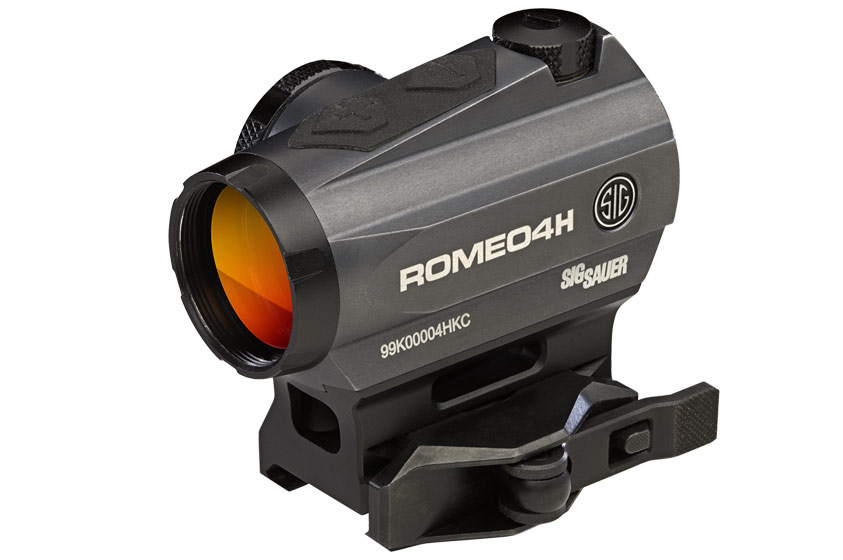
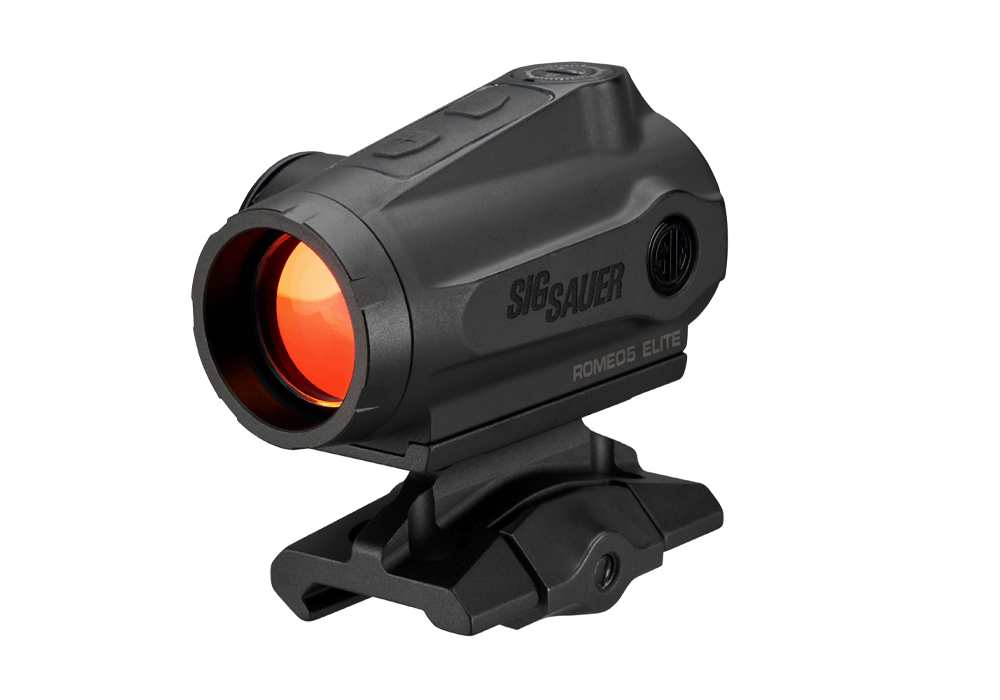
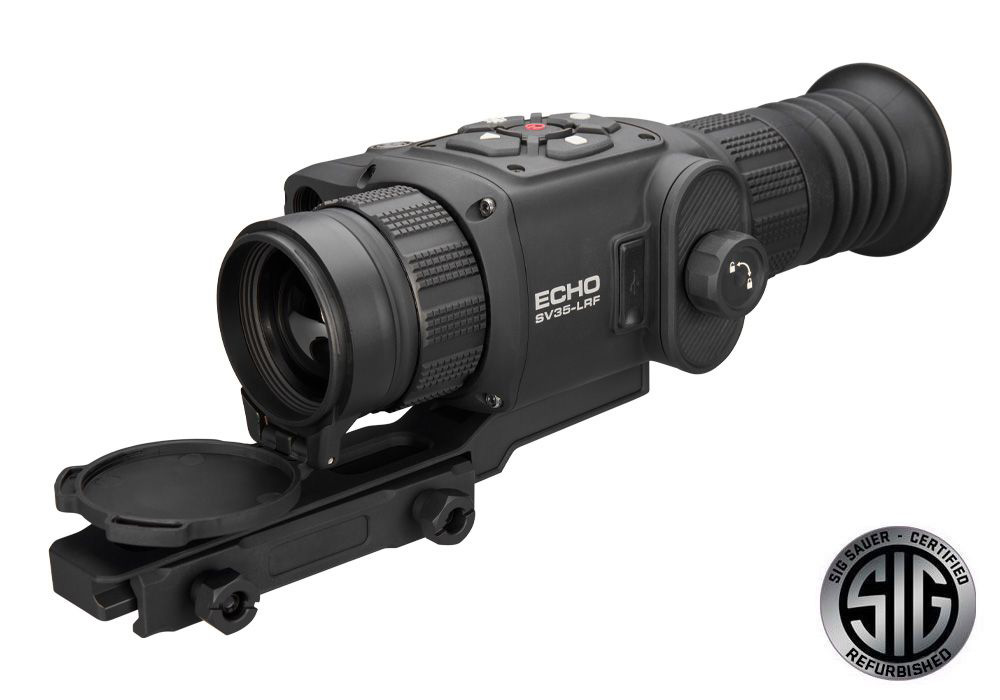
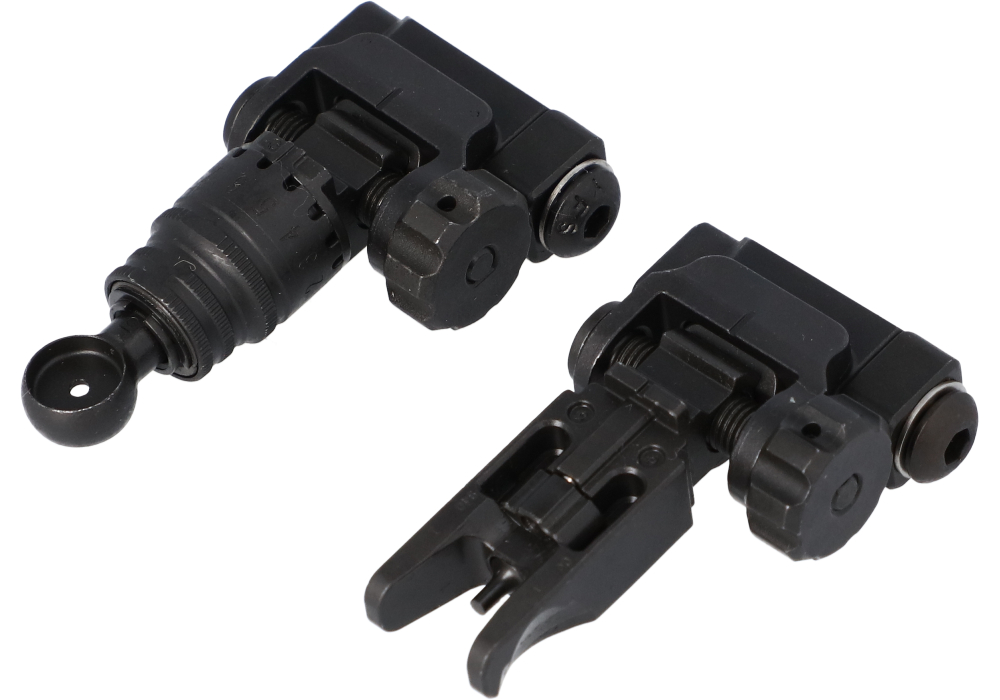
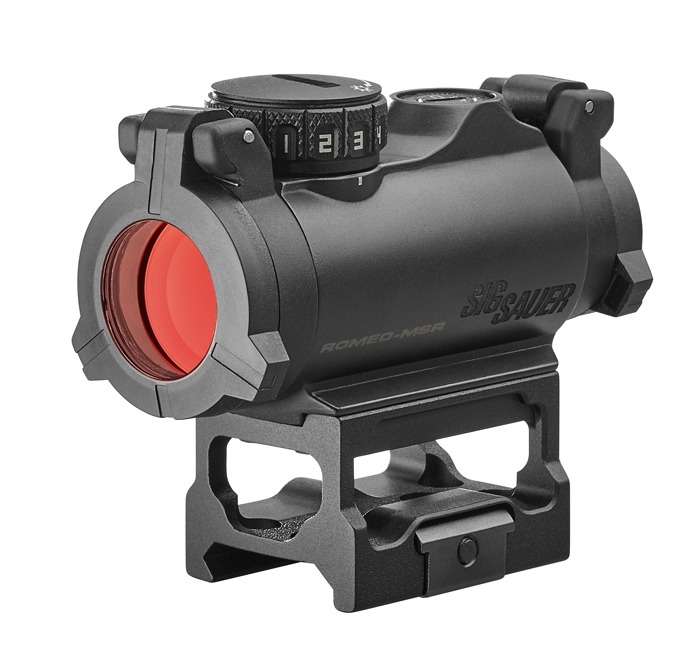
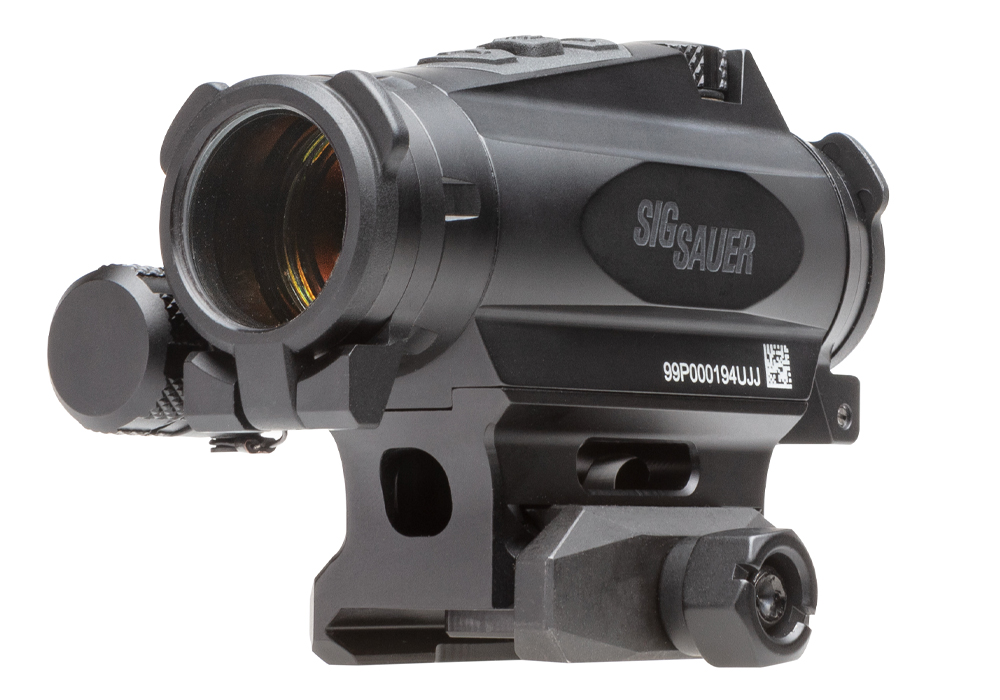
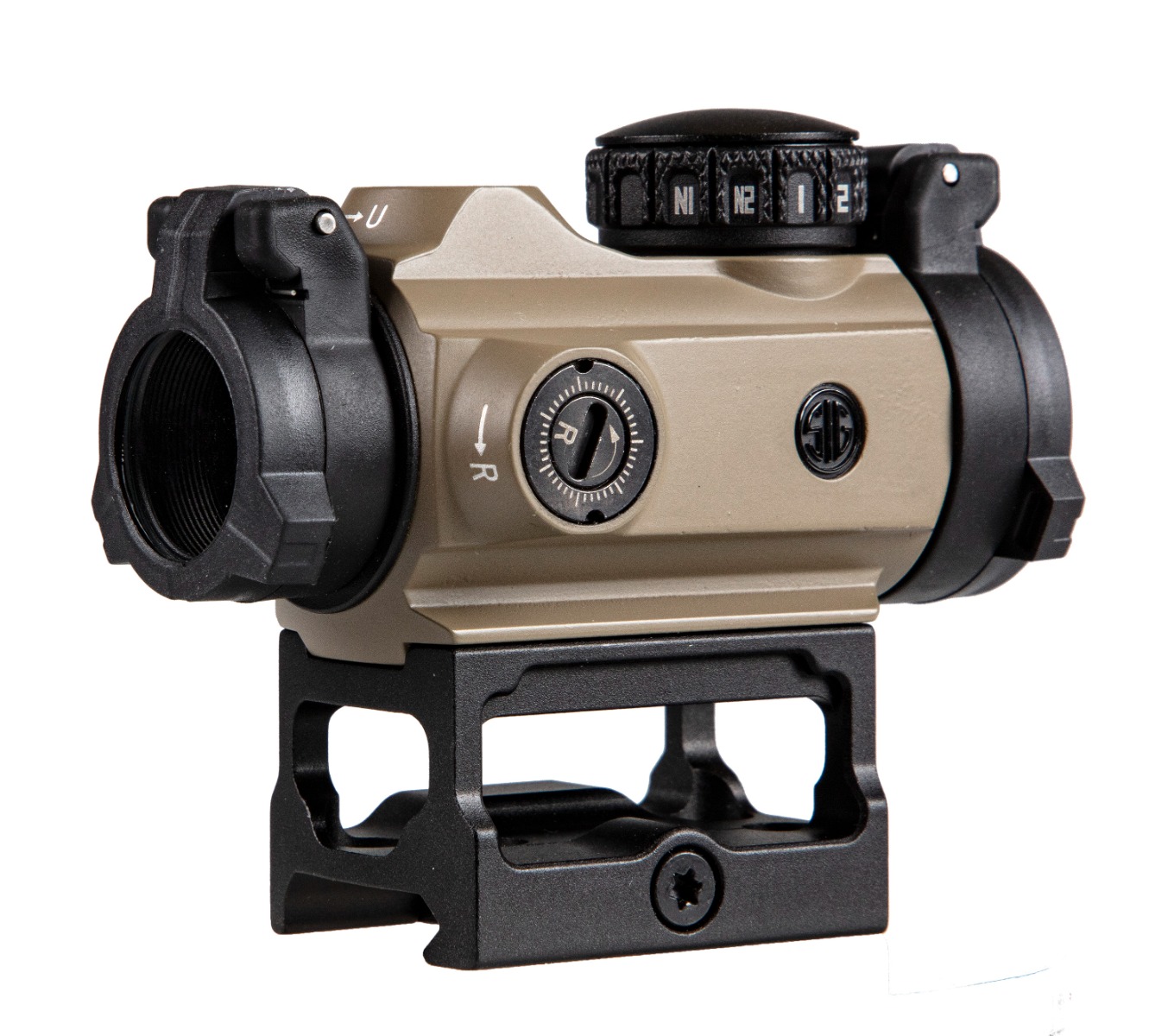
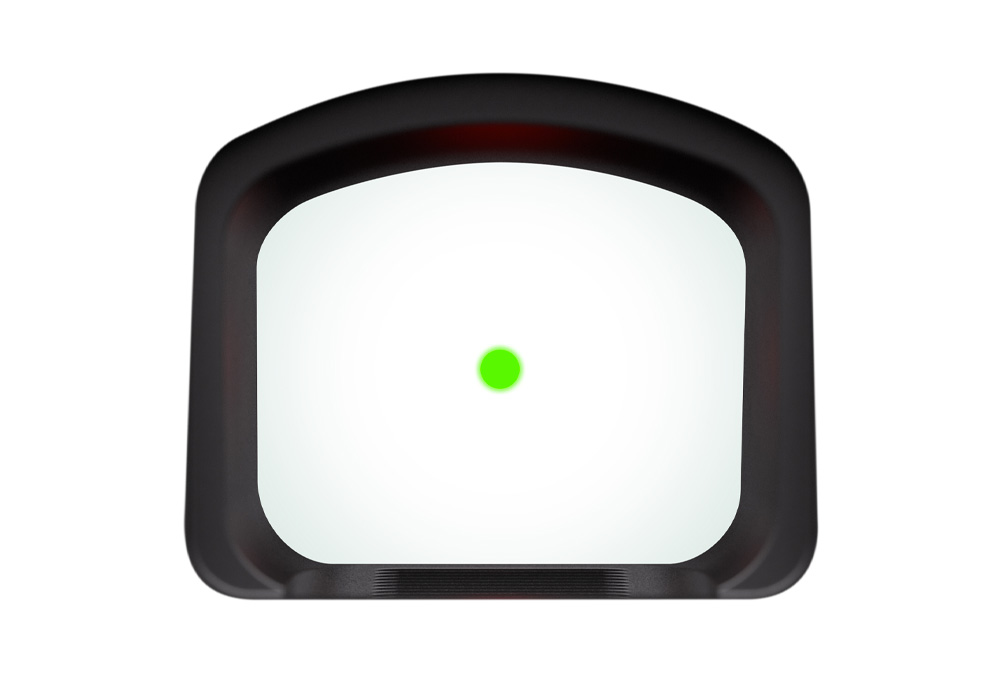
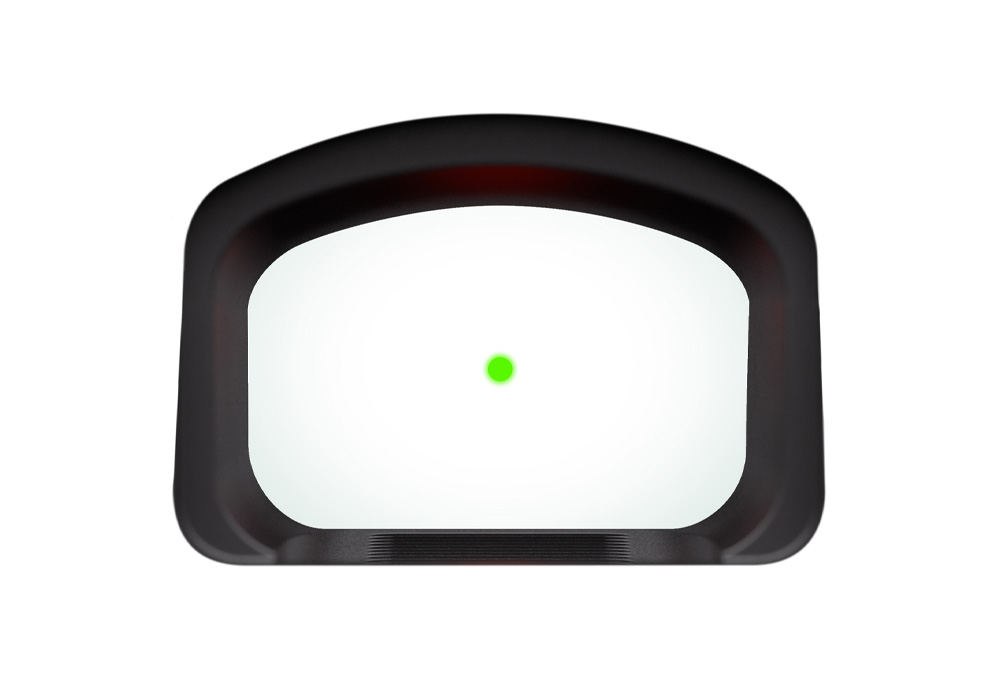
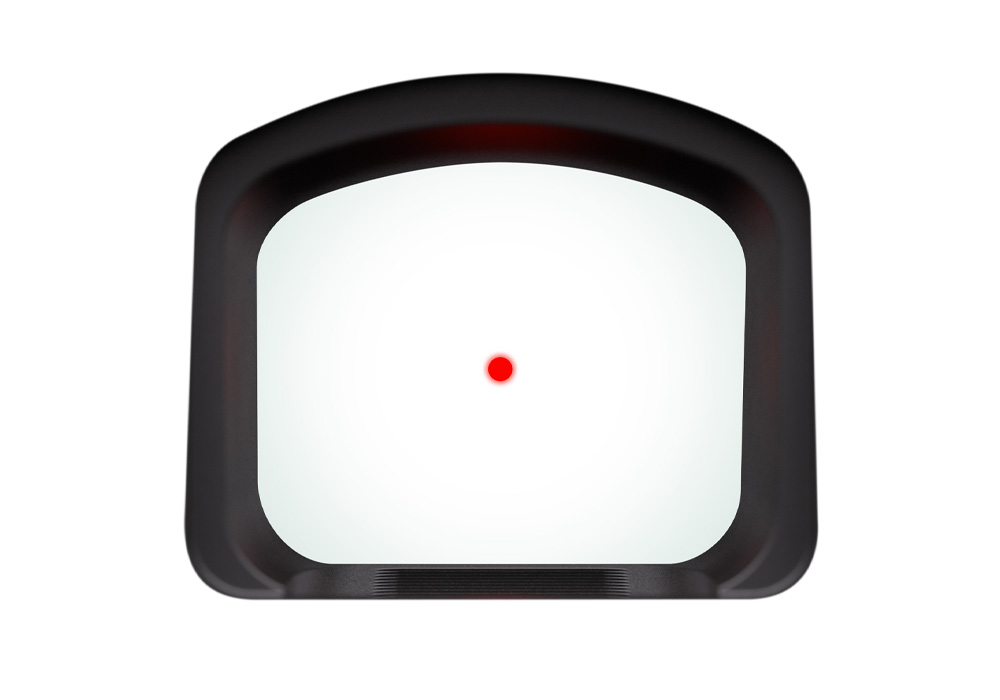
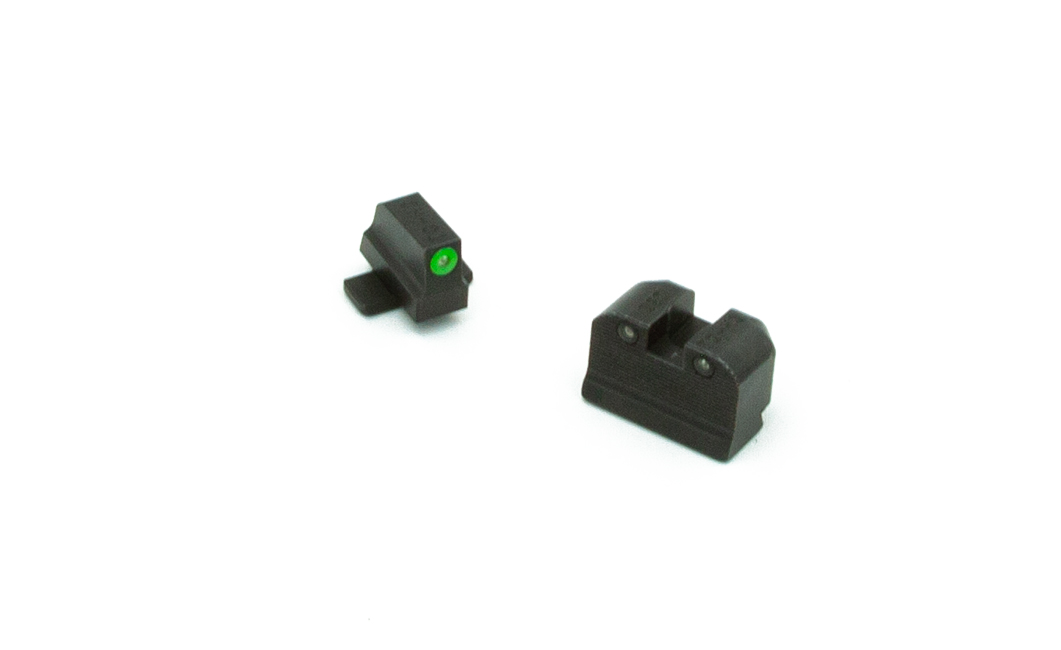
Picatinny rail mounted sights are aiming devices that attach to a standardized accessory rail through compatible clamps or dedicated mounts. The Picatinny interface, defined by MIL-STD-1913, uses a series of transverse slots that give compatible mounting hardware a secure seating position. That shared interface supports several sight categories, including fixed iron sights, folding backup sights, red dot and reflex sights, holographic sights, and magnified optics installed with suitable rings or mounts. Each category serves a different preference for sight picture, visibility, and overall firearm configuration. Fixed iron sights keep the front and rear aiming references continuously accessible, while folding sights can sit below an optic’s viewing path until needed. Electronic sights place an illuminated aiming reference in a viewing window, generally allowing more flexibility in eye position than a conventional magnified scope. Magnified optics provide a closer view of distant targets, although their eye relief and viewing position require additional consideration. For setups centered on a nonmagnified illuminated aiming point, Picatinny Mount Red Dot Sights provide another way to explore the relationship between the sight and its rail interface. The practical differences extend beyond the mounting system: window shape, adjustment controls, sight height, and the amount of space occupied on the rail all influence how comfortably a sight fits a particular setup. A recreational range shooter may prefer a simple sight picture and straightforward controls, while someone participating in organized target shooting may place greater emphasis on repeatable adjustments or a specific reticle style. Hunters may value a clear view of the target and a housing suited to field handling. Across those uses, the rail provides a common attachment platform, but it does not make every sight interchangeable. The most useful comparison starts with the type of aiming reference desired, followed by compatibility with the firearm, the mounting hardware, and any other accessories sharing the rail.
Fit involves more than whether a clamp can close around the rail. Picatinny and Weaver interfaces can look similar, but their slot dimensions and spacing differ, so compatibility should be confirmed through the sight and mount specifications rather than appearance alone. Some mounting arrangements allow cross-compatibility; others do not. An integrated Picatinny mount may simplify the connection between a sight and the rail, while a separate mount introduces additional choices involving height, footprint, and hardware. For paired iron sights, front and rear sight heights need to correspond with the intended mounting surfaces. A front sight intended for one rail height may not align correctly with a rear sight positioned elsewhere. Where an optic and backup iron sights share a setup, their relative heights determine whether both aiming references can be seen through the same viewing window. Folding sights also need enough clearance to operate without interfering with surrounding equipment. With magnified optics, ring size, mounting height, eye relief, and access to the firearm’s controls become important considerations. Materials contribute to both handling and long-term durability. Aluminum is common in sight housings because it balances structural strength with relatively low weight, while steel often appears in crossbolts, fasteners, and other areas exposed to concentrated stress or wear. Some iron sights use reinforced polymer to limit weight, although construction details and intended use matter more than material labels alone. Protective finishes can help resist surface wear and corrosion, and recessed controls or guarded adjustment mechanisms can reduce exposure to bumps during transport. For electronic sights, lens coatings, housing design, sealing, and battery-compartment construction also deserve attention. Water-resistance claims and recoil compatibility should be evaluated according to published ratings, not inferred from a rugged appearance. A compact housing can leave room for other equipment, but smaller dimensions may also mean a narrower viewing window or less space around the controls. The better fit is the one that balances visibility, weight, clearance, and durability without adding unnecessary bulk.
Care and ownership considerations help distinguish sights that suit occasional range visits from those intended for frequent use. A sight that travels regularly in a padded case still encounters vibration, handling, dust, and contact with other equipment, making secure mounting hardware and protected lenses worthwhile features. The manufacturer’s specified mounting procedure and torque values matter because overtightening can damage components, while insufficient clamping force can allow movement under recoil. Thread-locking compounds are appropriate only when specified for the hardware involved. Even a mount designed for repeatable removal and reattachment should not be assumed to preserve the exact point of impact without confirmation. Inspection and any work around a firearm should begin with the firearm unloaded and handled according to its safety instructions; professional assistance is appropriate when compatibility or installation is uncertain. Routine sight care is generally straightforward: loose debris should be cleared before optical surfaces are wiped, and lens-safe cleaning materials help protect coatings from scratches or residue. Harsh household cleaners, abrasive cloths, and unnecessary disassembly can cause problems that careful exterior cleaning avoids. Electronic sights bring additional ownership details, including battery type, replacement access, control placement, brightness settings, and whether settings remain easy to recognize during normal use. Published battery-life figures depend on the specified settings and operating conditions, so convenient battery access can be as relevant as the stated runtime. Iron sights avoid reliance on electronic illumination, but their hinges, locking mechanisms, adjustment components, and mounting points still benefit from periodic inspection. For someone receiving a sight as a gift, compatibility is more important than visual similarity to equipment already owned. Knowing the rail interface, preferred sight category, existing mount height, and intended use helps narrow the choice without guessing. A carefully matched sight can become a lasting part of a familiar range or hunting setup: unobtrusive in its mounting, comfortable in its sight picture, and practical to maintain. Those qualities make Picatinny rail mounted sights useful additions for shooters who value a consistent equipment arrangement and dependable construction.