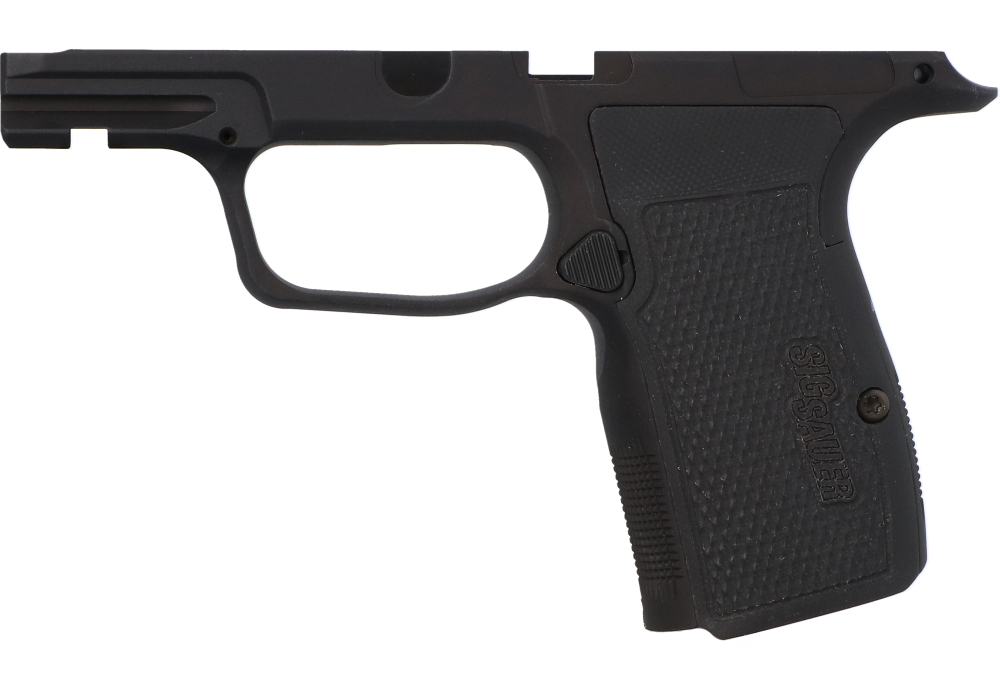
Picatinny rail mounts connect compatible accessories to a standardized cross-slot rail, providing a mechanical interface for optics, lights, bipods, and other equipment. The rail profile is defined by MIL-STD-1913, with angled side surfaces and transverse slots that allow compatible mounting hardware to engage at different positions. A standard Picatinny rail is approximately 0.835 inch, or 21.2 millimeters, wide across its outer profile. Its slots are nominally 0.206 inch, or 5.23 millimeters, wide, with center-to-center spacing of approximately 0.394 inch, or 10 millimeters. These dimensions distinguish the interface from similar-looking rail systems and help explain why visual resemblance alone does not establish compatibility. A mount typically clamps against the rail’s angled surfaces, while a crossbolt or recoil lug engages a slot to resist movement along the rail. The exact attachment design varies, so both the rail specification and the mount manufacturer’s fit requirements matter. Picatinny rail mounts encompass several distinct configurations: scope rings and one-piece optic mounts attach sighting equipment to an existing rail, receiver bases provide a rail on compatible firearm receivers, and adapter sections provide a rail interface on compatible handguards or other mounting surfaces. Risers change the height of an attachment, while offset mounts position compatible accessories away from the rail’s centerline. These categories serve different purposes and are not automatically interchangeable. Receiver bases, in particular, depend on the firearm’s receiver shape, mounting-hole pattern, and specified hardware. Compatibility with Weaver-style rails also requires care. Some Weaver-style mounts fit Picatinny rails, but a Picatinny mount’s wider crossbolt may not fit narrower Weaver-style slots, and slot spacing can differ. Manufacturer confirmation remains more useful than a general assumption that every cross-slot mount will fit every cross-slot rail. The accessory side of the connection deserves equal attention: a mount can fit the firearm’s rail correctly yet still have the wrong ring diameter, screw pattern, or attachment footprint for the equipment it is intended to support. A dependable setup requires compatibility at both interfaces.
Fit involves more than whether a clamp closes around a rail. For an optic, mount height affects the relationship between the sight line and the shooter’s position behind the firearm. A scope positioned too low may lack clearance around its objective housing, while an unnecessarily tall arrangement can make a consistent cheek position harder to maintain. Ring diameter must match the scope tube, and the available mounting length must accommodate the optic without interfering with its adjustment housing. One-piece mounts establish a fixed relationship between their ring positions, while separate rings offer placement flexibility within the limits of the rail and scope tube. Cantilever designs extend the optic’s mounting position beyond the main clamping area, which can be useful when eye relief and receiver space would otherwise conflict. Overall dimensions also affect access to controls, charging handles, ejection paths, and accessory switches. A compact mount may preserve space around a crowded receiver, but its suitability still depends on the dimensions and requirements of the attached equipment. The same attention to interface, height, and placement applies to Picatinny Rail Mounted Sights, particularly when more than one sighting component shares the rail. Intended use helps distinguish useful features from unnecessary complexity. A range rifle that retains the same optic may suit a straightforward fixed attachment, while equipment that needs regular removal may call for a compatible quick-detach design. Quick-detach mechanisms differ in adjustment, locking method, and repeatability; removal and reinstallation should not be assumed to preserve an exact point of impact without verification. A hunting setup may place greater emphasis on manageable weight, unobstructed handling, and hardware that stays secure through repeated transport. For someone selecting a mount as a gift, the recipient’s exact firearm configuration and accessory specifications are more useful than a broad description such as “fits a rifle.” Small differences in dimensions can determine whether the mount serves its intended purpose. Even a familiar-looking setup may use a different receiver base, optic footprint, or rail length, making confirmed specifications essential to a suitable match.
Materials, machining, and protective finishes influence how Picatinny rail mounts hold up to repeated use. Aluminum alloys are common because they combine relatively low weight with useful structural strength, while steel components can provide wear resistance at clamping surfaces, crossbolts, and fasteners. Some designs use an aluminum body with steel hardware, balancing weight with durability where the connection carries concentrated loads. Alloy designation alone does not describe the entire mount: geometry, machining tolerances, thread engagement, surface treatment, and hardware quality all contribute to its performance. An anodized aluminum finish helps protect the surface, while protective treatments on steel help limit corrosion. Neither finish eliminates the need for sensible care, especially around recessed screws, mating surfaces, and areas that collect residue. Clean contact surfaces help hardware seat as intended, and visible damage, distorted clamps, or worn fasteners deserve attention before further use. Cleaning methods and any lubricant or thread-treatment requirements should follow the manufacturer’s recommendations, since products that suit one component may not suit another. Specified tightening values also matter; additional force is not a substitute for correct fit and can damage threads, clamps, or an optic tube. For routine handling and transport, the mount and attached accessory form one assembly, so impacts or pressure against the accessory can place stress on the connection below it. A protective case with appropriate clearance helps keep surrounding gear from bearing against the optic or its mount. Periodic inspection is particularly relevant after transport, accessory changes, or an impact, with attention to loosened hardware and changes in alignment. Durability is ultimately about maintaining a sound connection through the intended service conditions, not simply selecting the heaviest construction. A well-matched Picatinny rail mount brings together the correct interface, suitable dimensions, appropriate materials, and hardware that can be maintained according to its specifications. That combination supports consistent positioning and practical handling without adding unnecessary bulk or complicating access to the rest of the firearm.