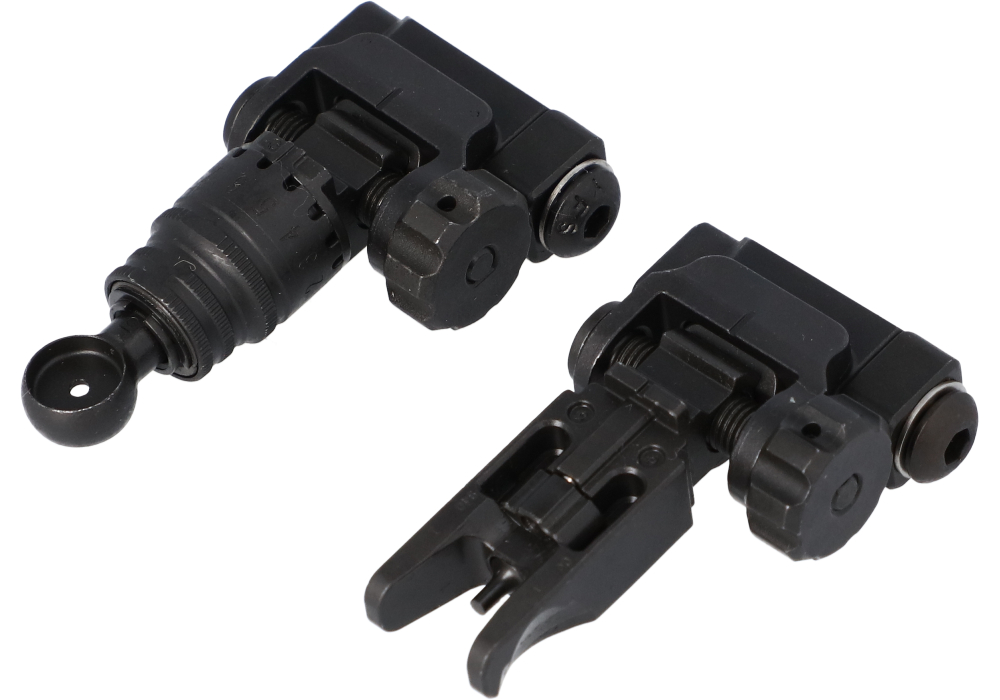
Durable sights are selected by shooters who want a dependable aiming system that can keep working through regular practice, field use, transport, and changing conditions. The best choice depends on the firearm, the way it is carried, and the sight picture that feels most natural in the hand. Rugged iron sights remain a trusted option because they require no battery, offer a straightforward aiming reference, and can be checked at a glance before use. Fixed sights provide a simple, snag-resistant profile, while folding sights can stay out of the way when another optic is in use and deploy when a backup aiming system is needed. Fiber optic sights gather available light to create a bright reference point, which can be especially helpful on an outdoor range or against a varied background. Night sights use a self-luminous or light-enhancing aiming reference for visibility during dim conditions, making them useful for shooters who train during the evening or keep a defensive firearm ready in a secure location. When comparing these options, look closely at the sight’s body material, attachment method, finish, visibility, and compatibility with the firearm. Steel and aluminum designs are often chosen for their firm construction and recoil resistance, while reinforced polymer options may offer a lightweight profile and practical flexibility. A sight should fit securely, align properly, and remain comfortable to use without creating unnecessary bulk.
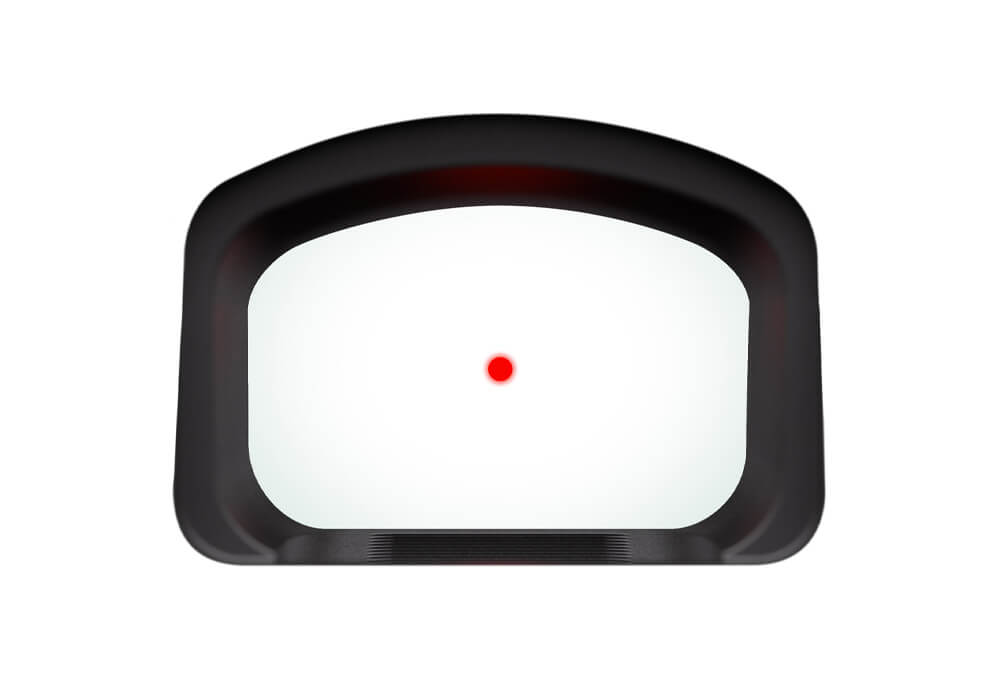
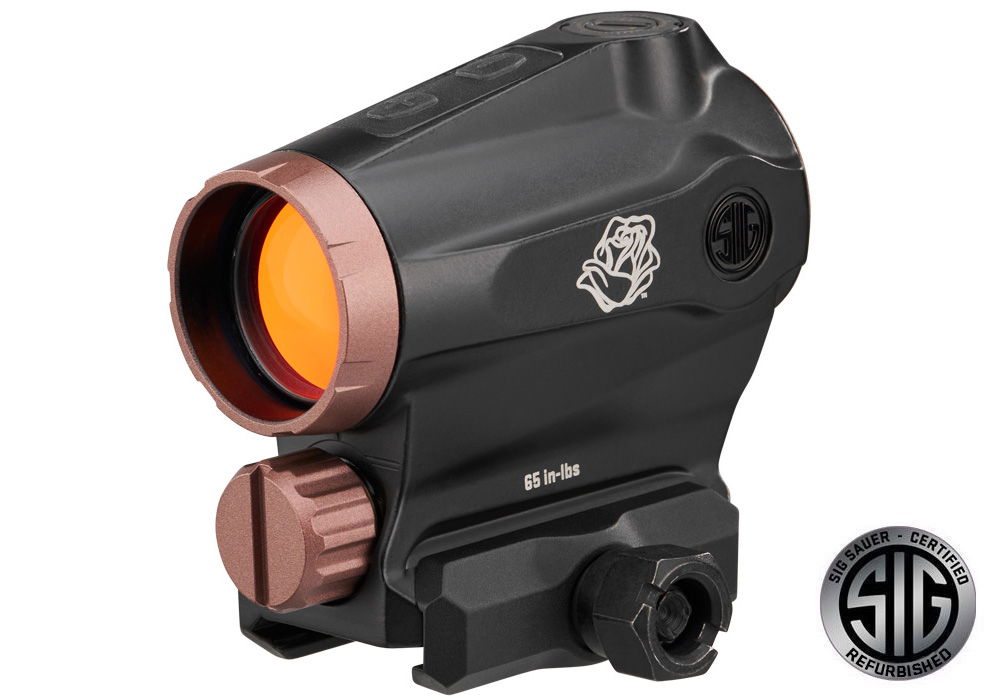
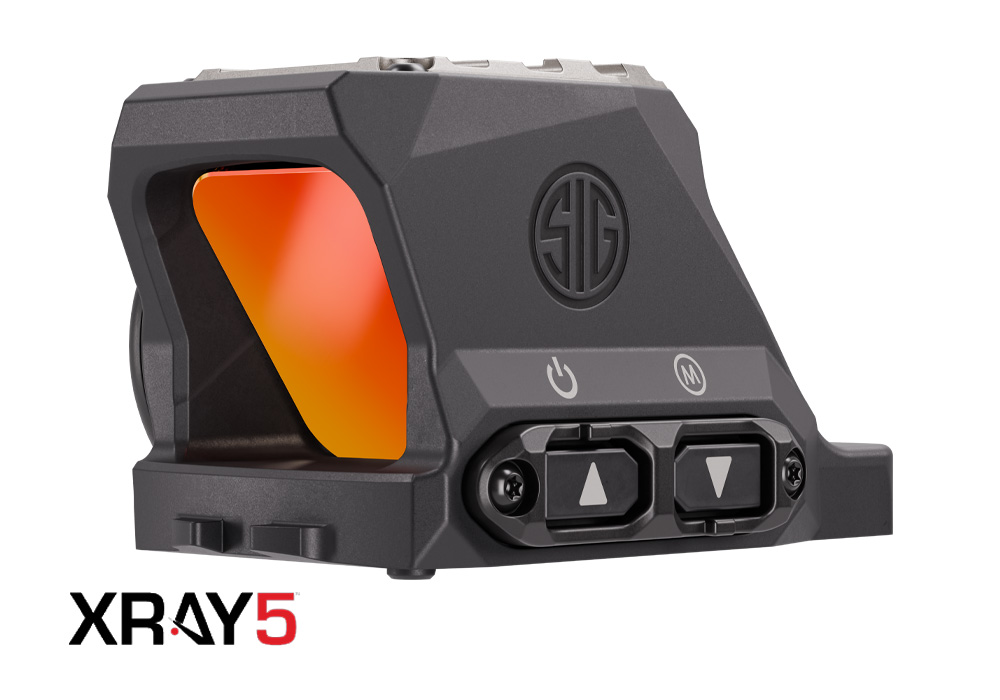
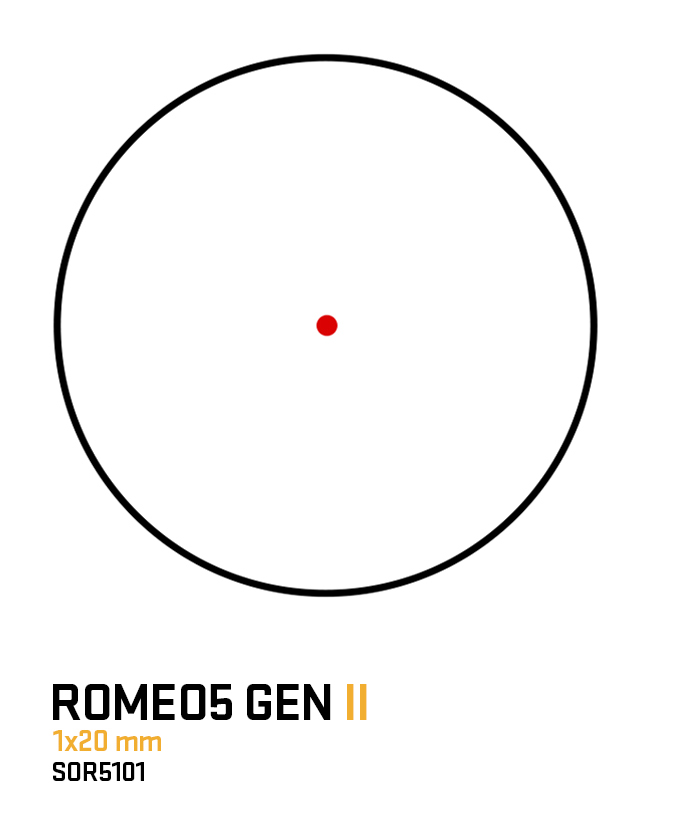
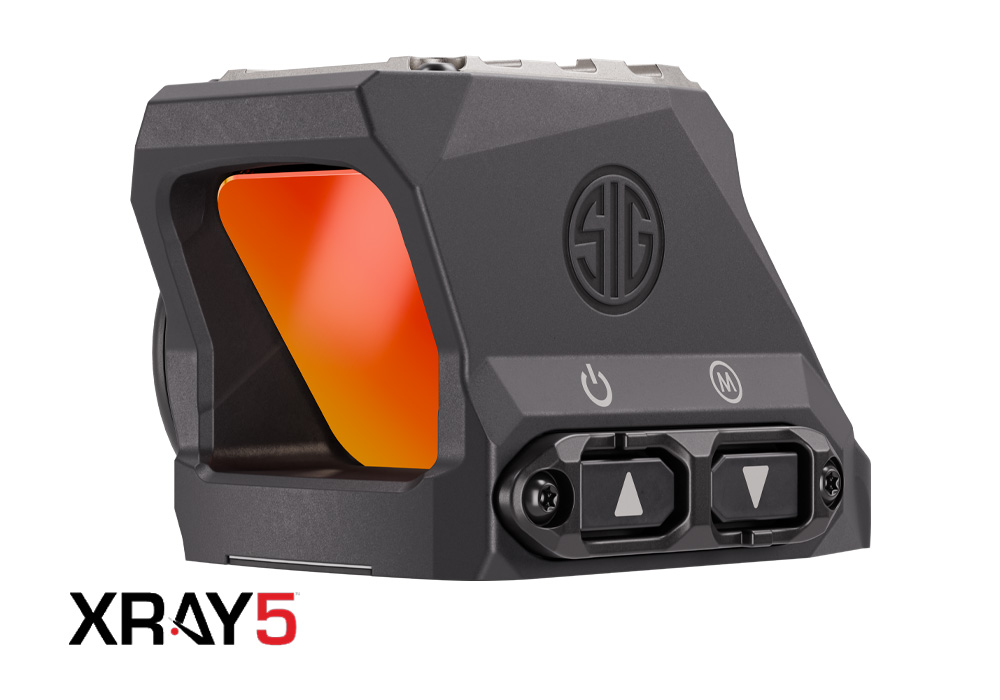
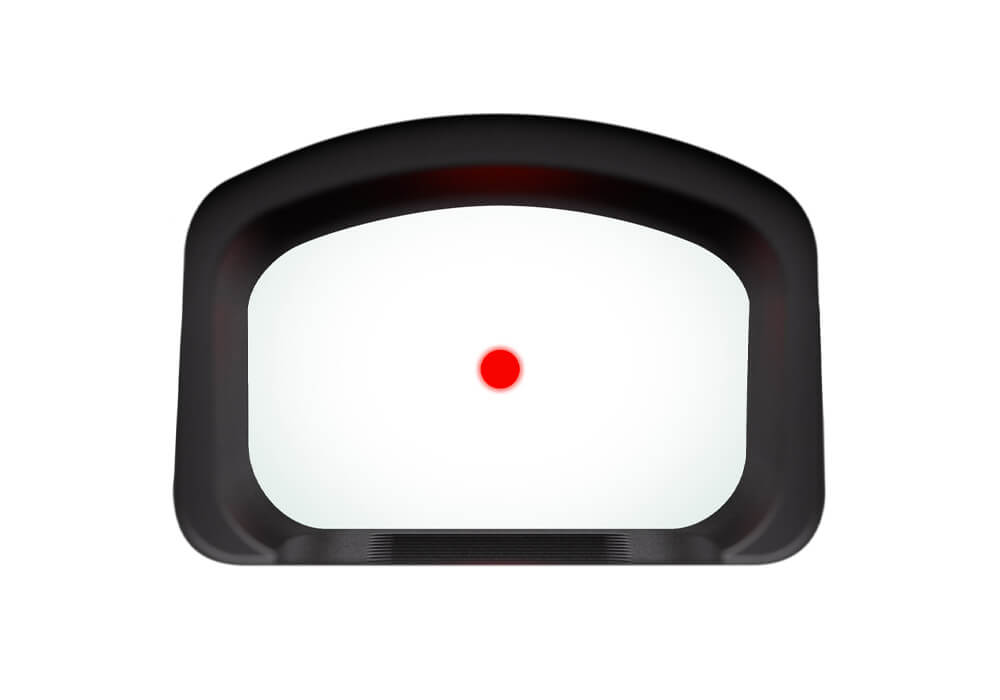
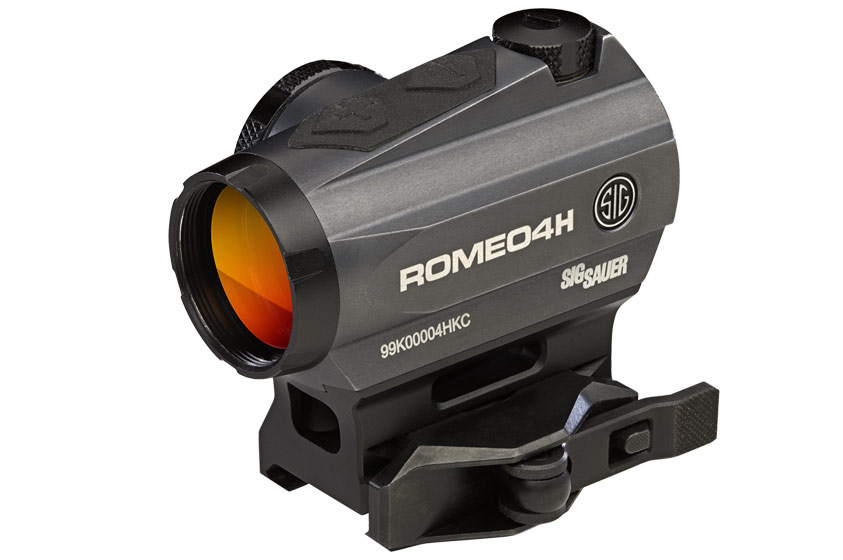
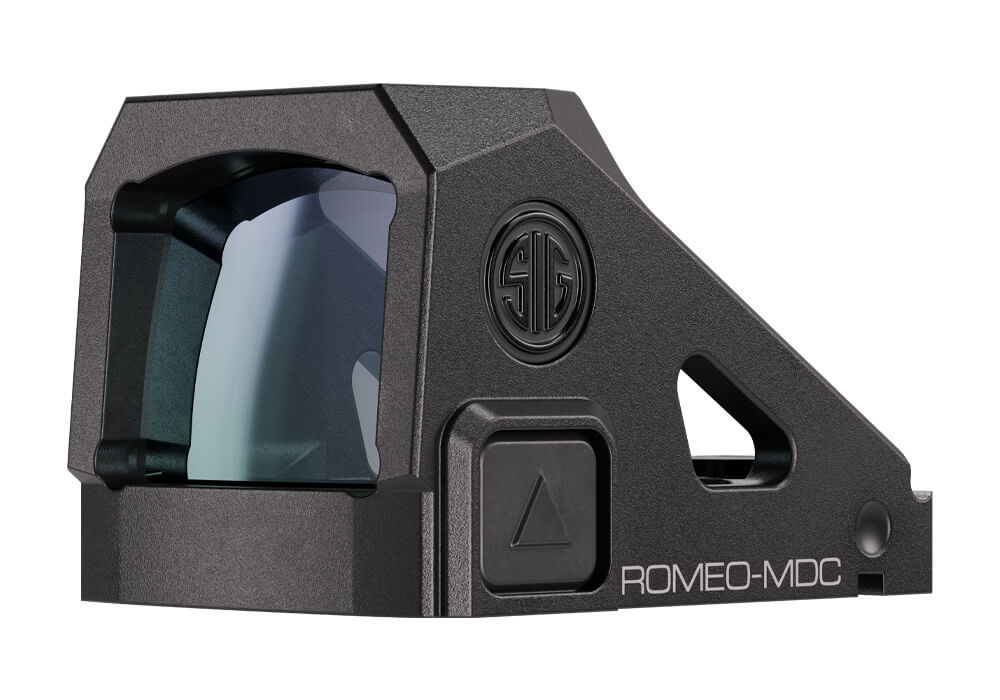
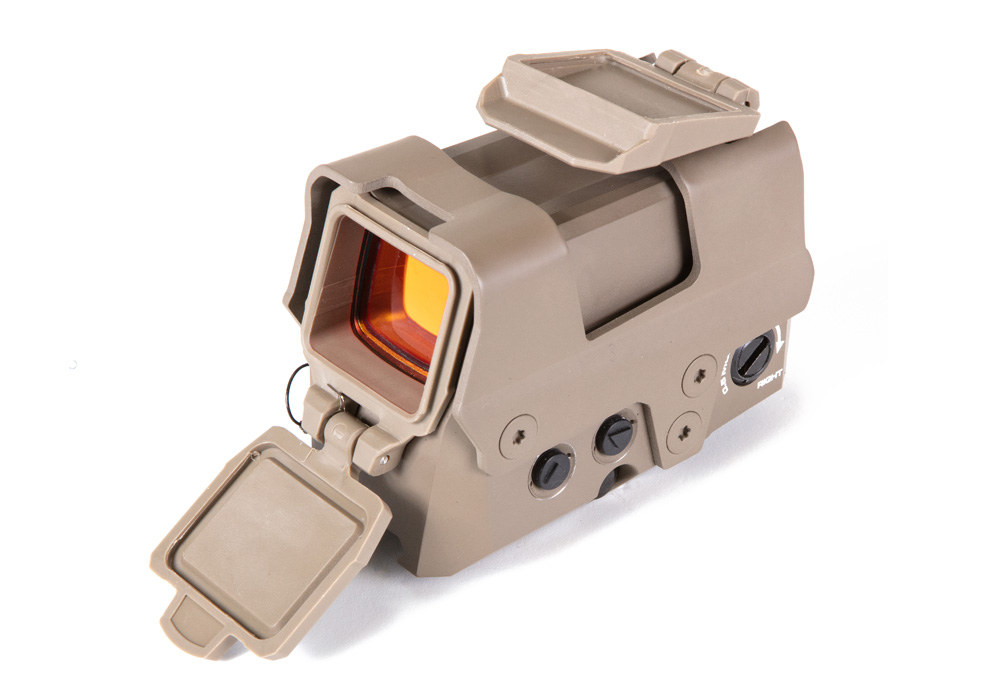
Electronic sights provide another durable aiming solution by placing a bright point or reticle on a lens, allowing the shooter to keep both eyes open and maintain a broad view of the surrounding area. These sights can be particularly useful on modern pistols, carbines, and rifles, where fast target acquisition and a clear sight picture matter. A sturdy protective housing helps shield the lens and internal components from routine bumps, vibration, and the repeated force of recoil. When evaluating a red dot or reflex sight, consider the size and shape of the viewing window, reticle intensity settings, battery access, automatic illumination features, and the mounting footprint. A larger window can feel forgiving during practice, while a compact profile may be preferable for concealed carry or a streamlined rifle setup. Some shooters favor a crisp dot for uncomplicated aiming; others prefer a reticle with additional reference points for different distances or lighting conditions. Battery life deserves attention, but it should not be the only consideration. Controls should be easy to operate, the lens should remain clear, and the optic should return to a consistent point of aim after normal handling. It is also wise to confirm the correct mounting plate, riser, adapter, or backup sight arrangement before ordering. A properly fitted sight supports confidence at the range, where a shooter can confirm zero, practice presentation, and learn how the aiming point appears under bright sun, shade, and reduced light. During the cooler months, when wet conditions and lower temperatures can become part of a regular outing, sealed construction and simple controls can be especially valuable.
Durable sights can suit new shooters building a dependable setup, experienced competitors refining their presentation, hunters preparing for changing terrain, and responsible firearm owners who value a reliable aiming reference for training and lawful defensive use. They can also be a thoughtful gift for a knowledgeable shooter, provided the recipient’s firearm model, mounting system, preferred sight picture, and local requirements are confirmed first. A sight is a personal piece of equipment: one person may prefer bold, high-contrast dots, while another may work better with a traditional front post and rear notch. Fit and training matter more than appearance alone. Before selecting a product, verify the firearm’s slide cut or receiver interface, the available mounting hardware, the height needed for co-witnessing, and whether the sight can be serviced without removing its zero. Once installed, follow the sight manufacturer’s torque guidance, use the appropriate tools, and confirm alignment at a safe range with suitable ammunition. Periodic inspection can reveal a loose fastener, a worn battery, debris around the lens, or a change in zero before those issues interfere with practice. Keeping the optic protected during storage and transport also helps preserve a clean sight picture; accessories such as Durable Lens Covers for Tactical Sights can provide an additional layer of protection when the firearm is secured, carried, or moved between locations. Whether the setup uses rugged iron sights, bright fiber optics, low-light references, or an electronic reticle, the goal remains the same: a clear, repeatable aiming point that supports careful practice and responsible handling in the conditions where the firearm will actually be used.