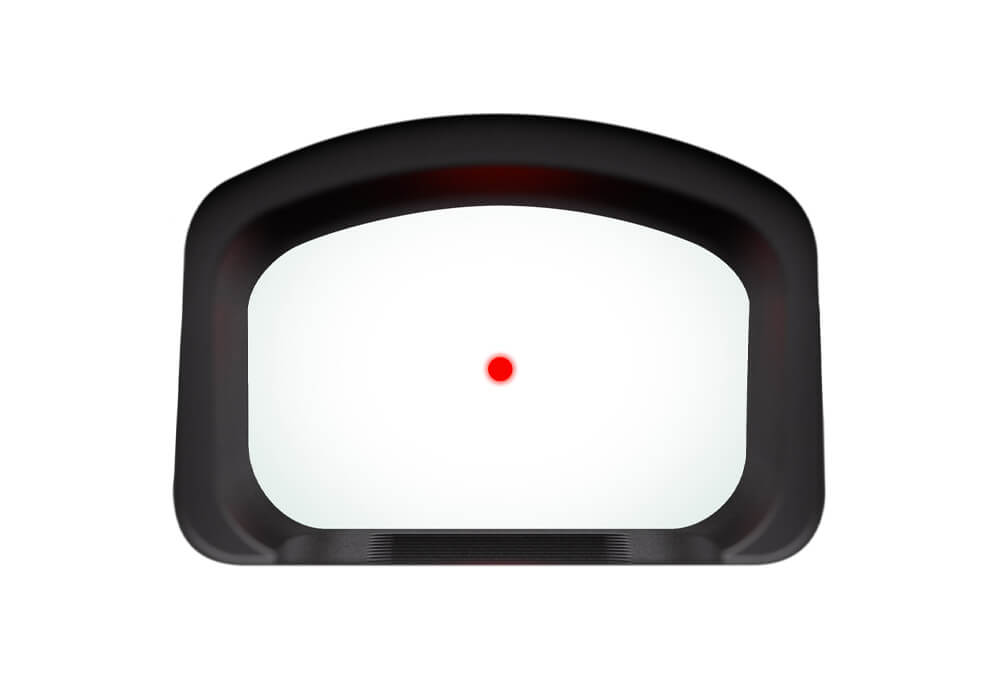
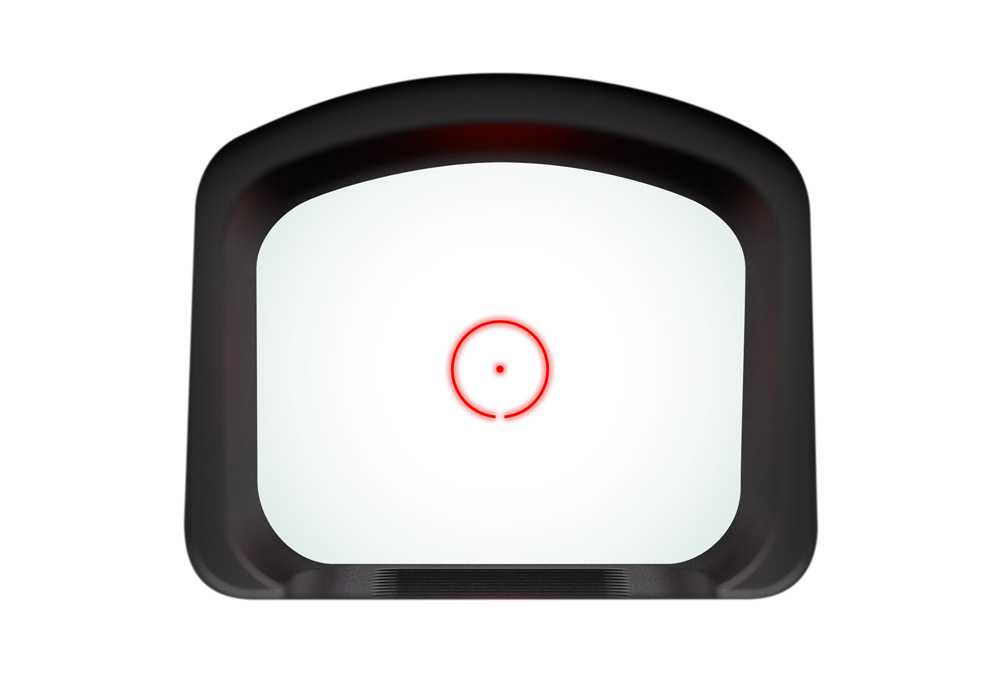
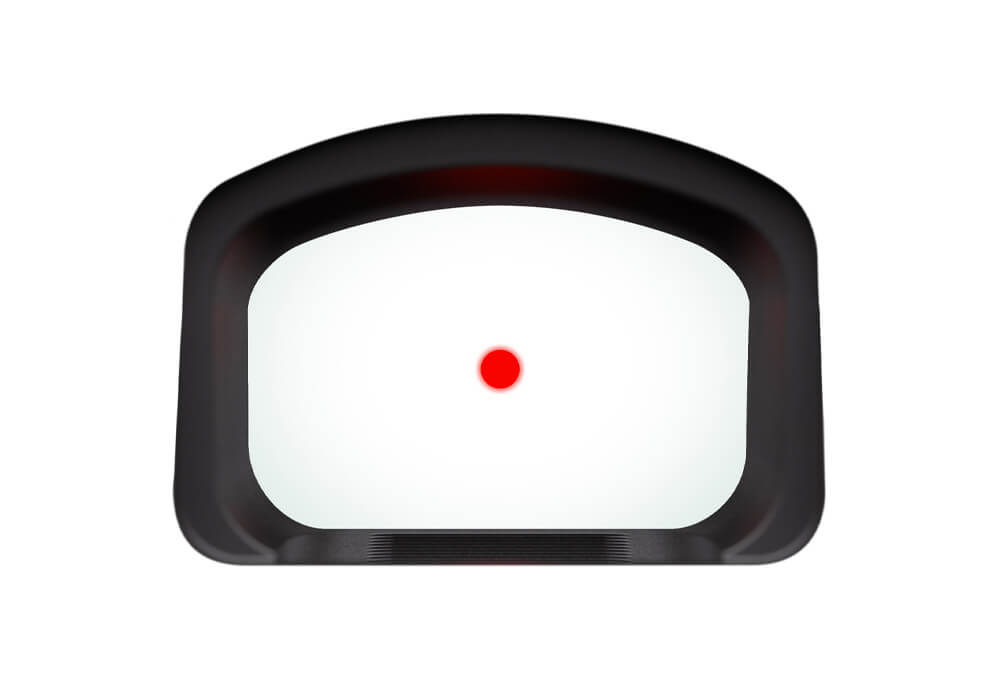
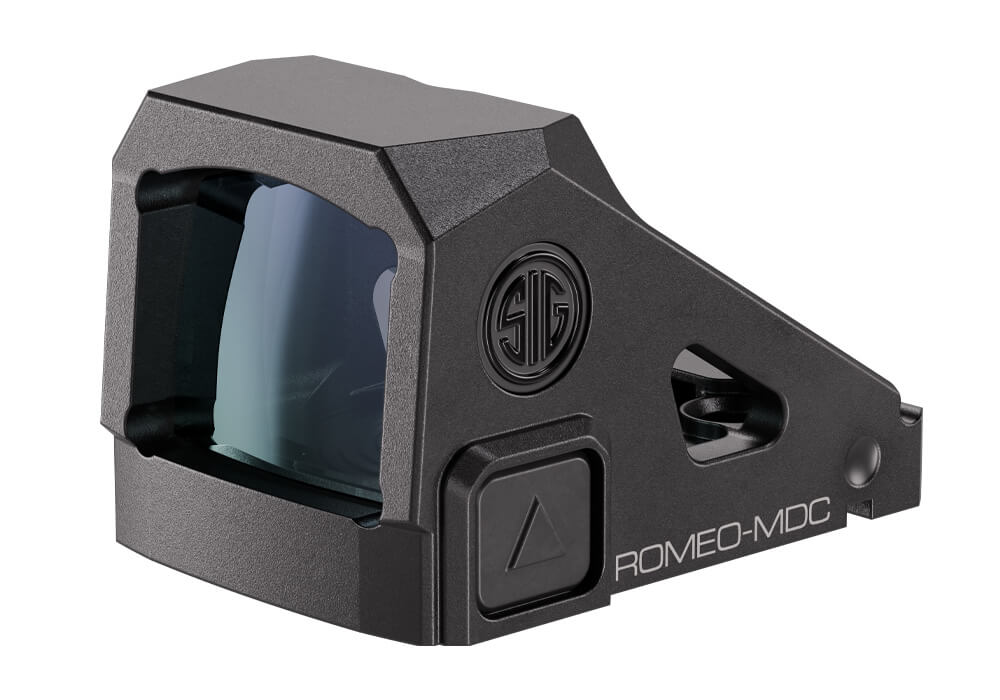
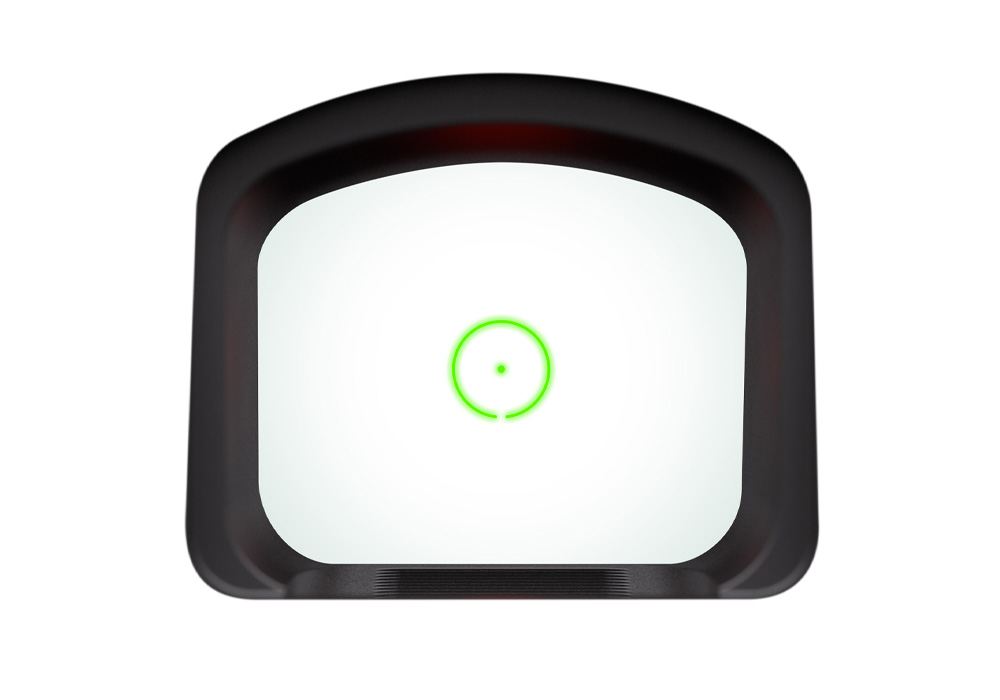
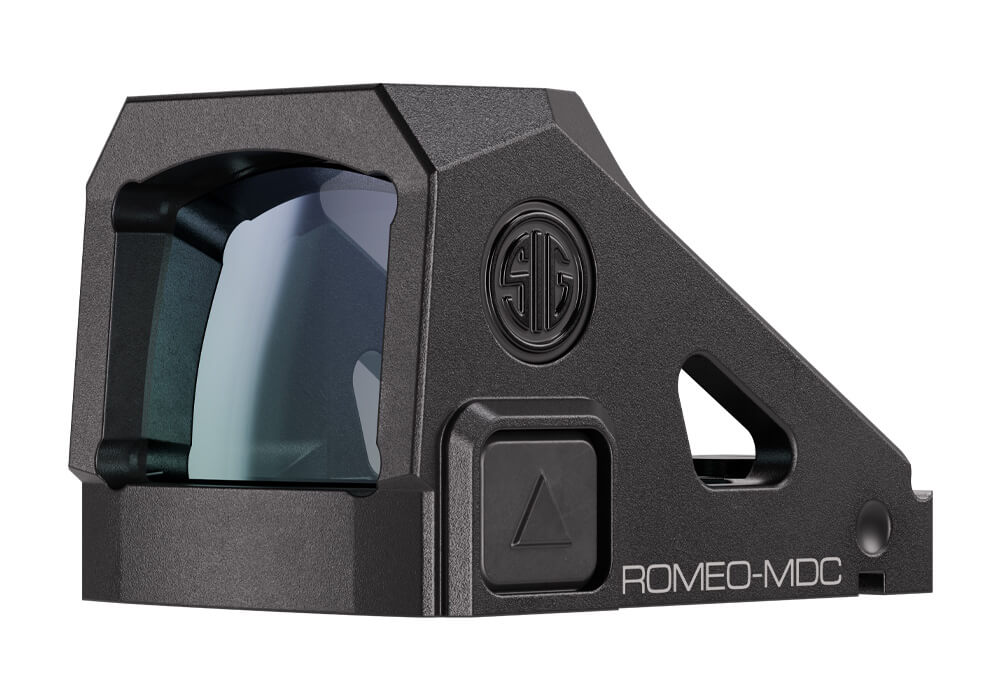
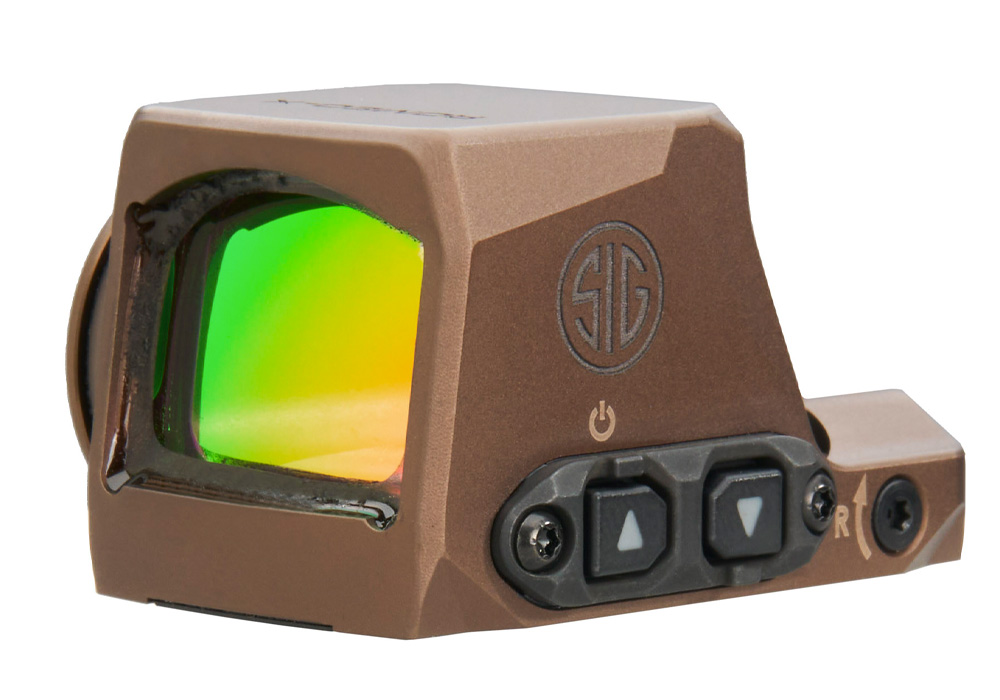
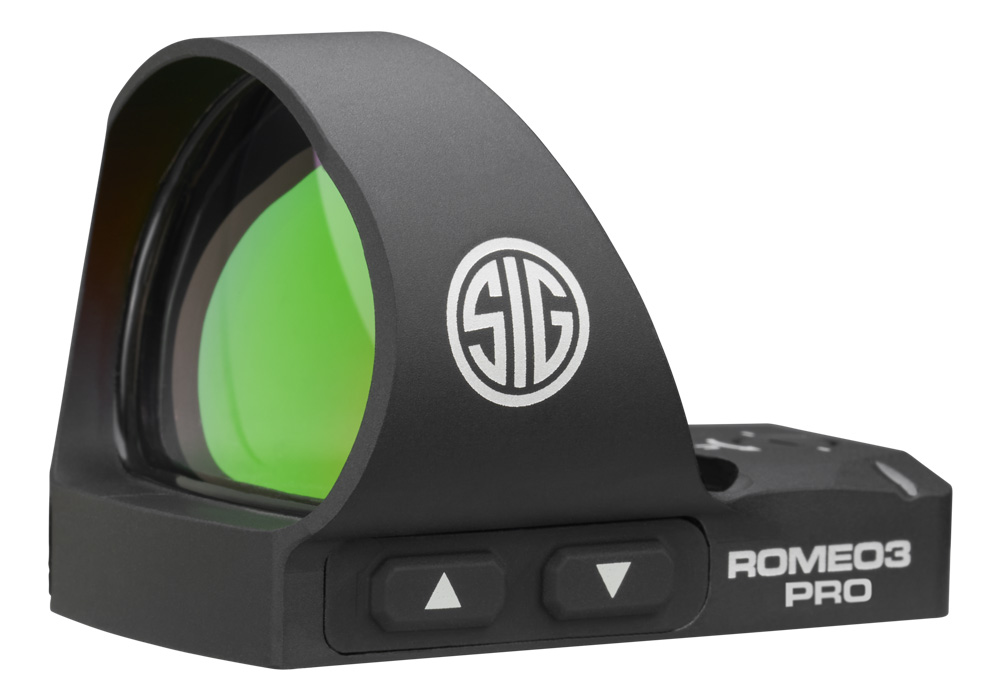
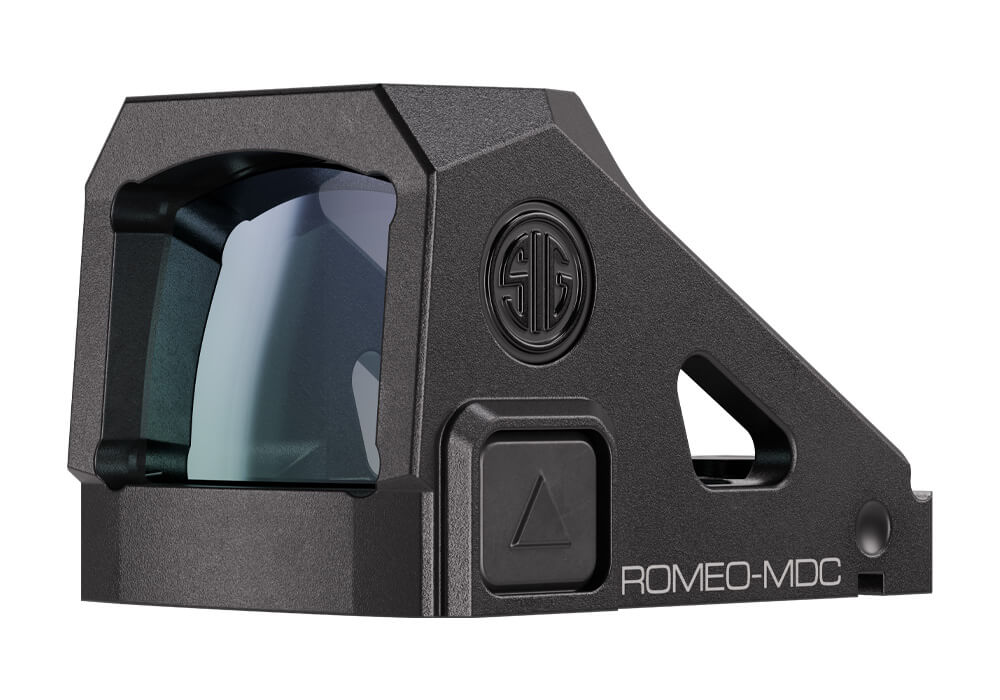
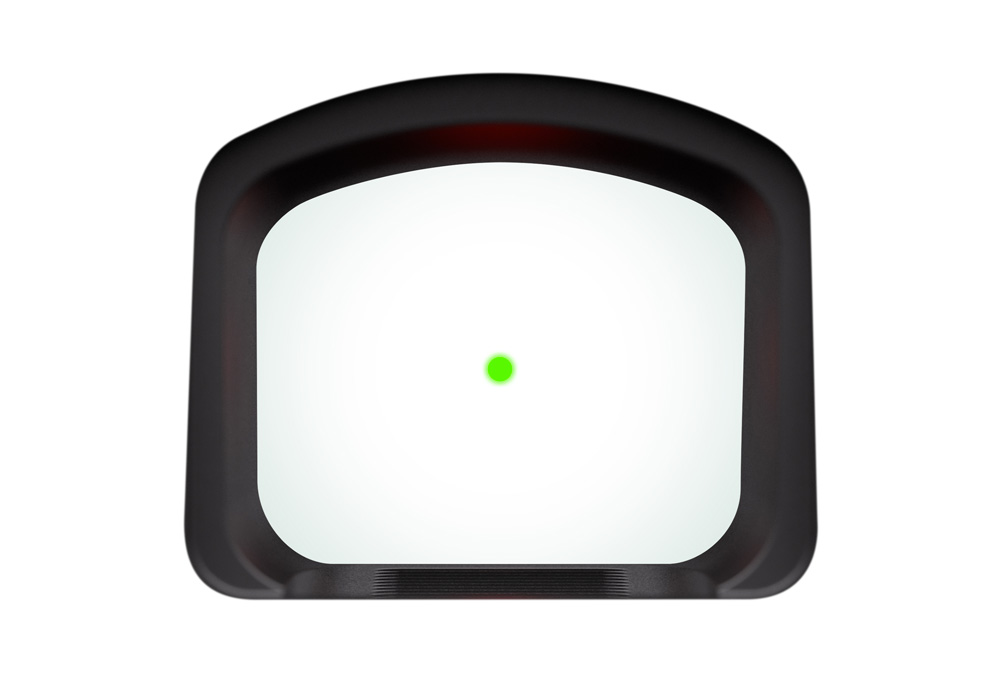
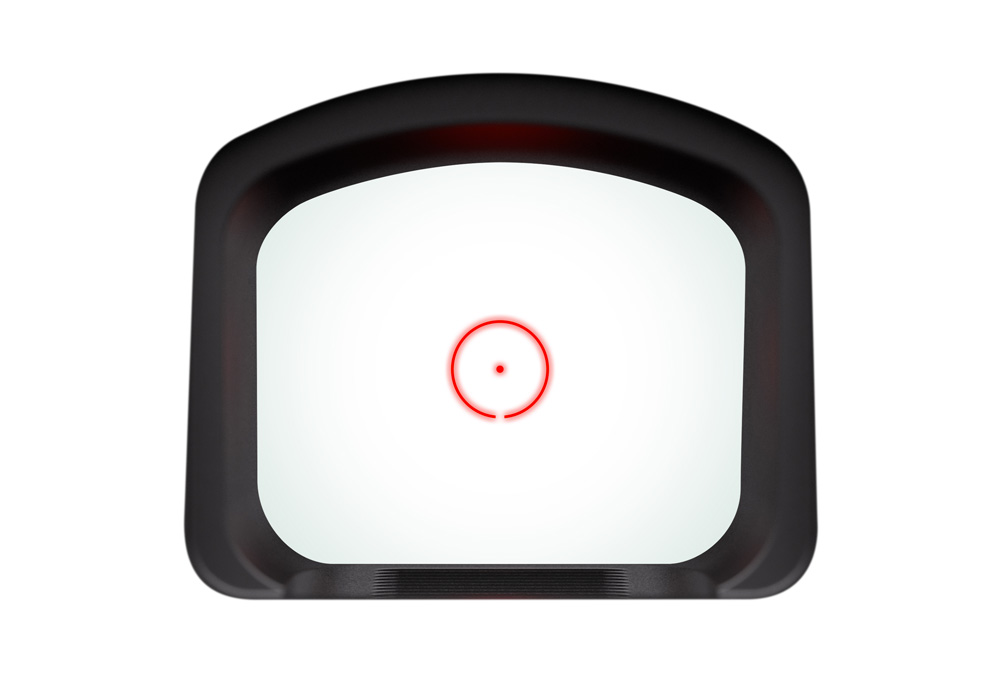
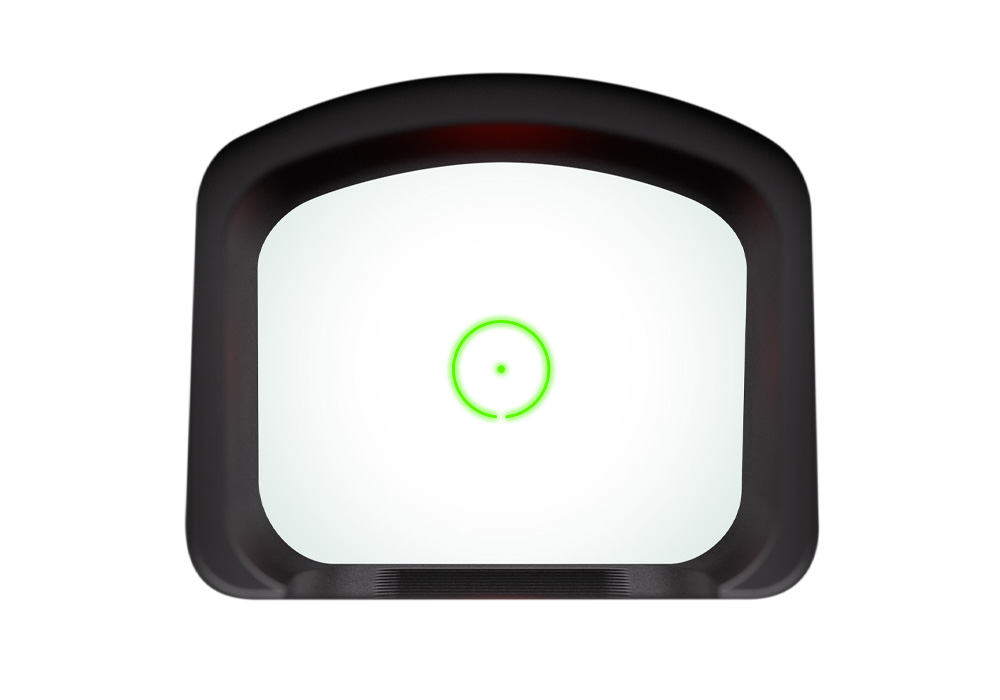
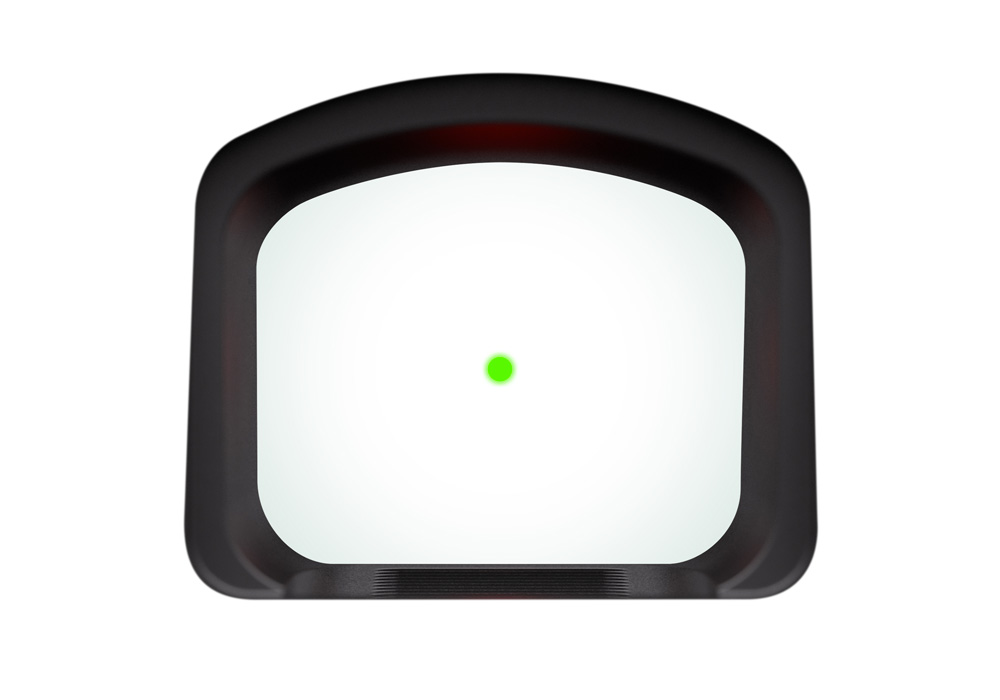
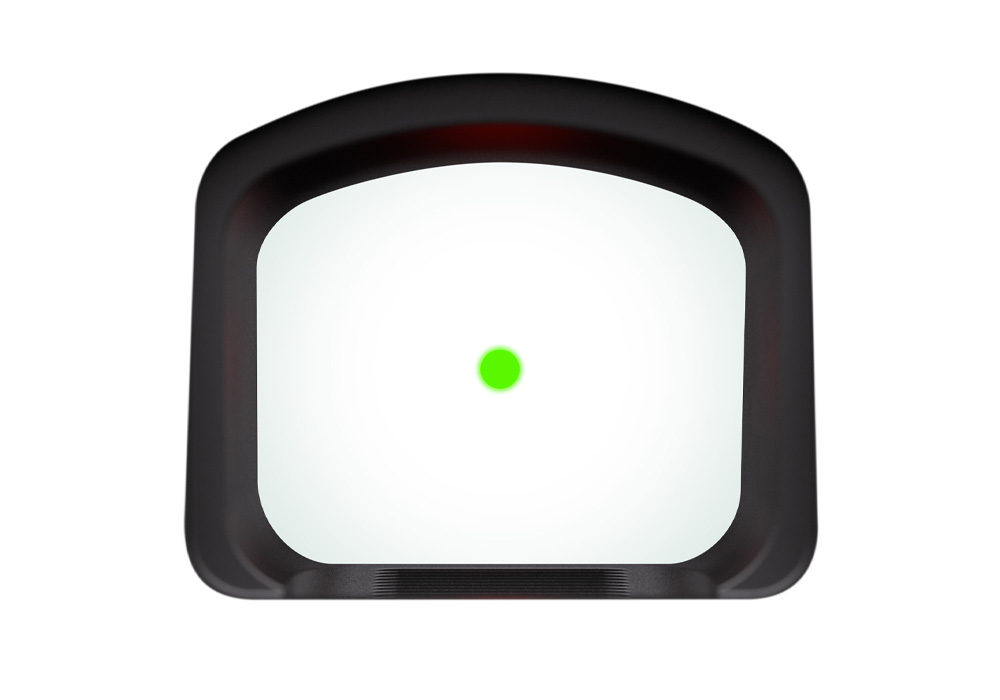
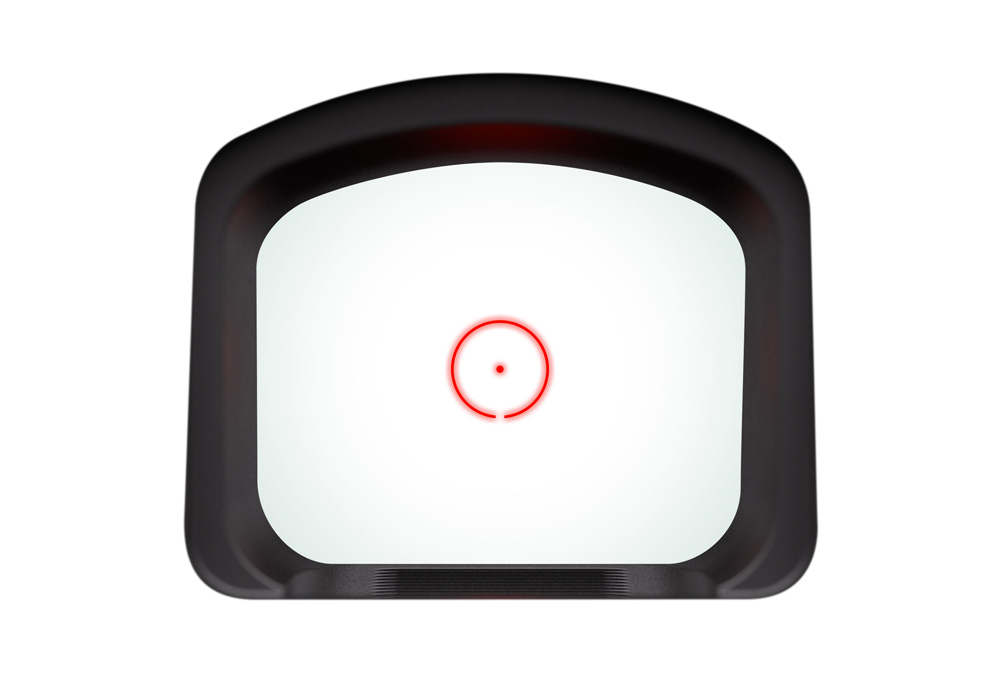
Durable reflex sights are designed for shooters who want a fast, dependable aiming reference in a compact package. Unlike traditional magnified optics, a reflex sight presents a bright illuminated dot or reticle that can be found quickly with both eyes open, helping maintain awareness of the surrounding environment. Their compact profile makes them a practical choice for handguns, carbines, and other compatible platforms where size, weight, and speed matter. A durable model is especially useful when equipment may be exposed to repeated recoil, hard contact, dust, rain, temperature changes, or the ordinary bumps that come with transport and practice. The housing is one of the first details to examine. Forged or machined aluminum, including strong 7075-T6 aluminum, and titanium construction can provide a more protective shell than softer materials, helping shield the optic from impact while supporting reliable zero retention. Shock-resistant lenses and reinforced adjustment areas also contribute to long-term confidence. Durability is not limited to the exterior, however. Sealed electronics, protected battery compartments, and O-ring construction help keep moisture and debris away from the emitter and internal components. For users who spend time outdoors during warmer weather, travel between range sessions, or train during the cooler months, these details can make an optic easier to trust when conditions change without warning. Browse this selection alongside High Performance Reflex Sights to compare compact aiming solutions suited to different setups and preferences.
When choosing a durable reflex sight, start with the intended platform and mounting system. A handgun optic must match the slide cut or mounting plate, while a carbine or other long gun may use a rail-mounted base or a height that aligns with existing sights. Footprint compatibility affects installation, replacement options, and the ability to achieve a useful co-witness with backup iron sights. It is also worth considering whether an open-emitter or enclosed-emitter design better fits the expected environment. Open designs generally offer a broad, unobstructed viewing window and a clean presentation of the aiming point, but the emitter remains exposed to lint, mud, snow, and water droplets. Enclosed designs place the emitter between protective lenses, helping prevent debris from blocking the reticle when the optic is carried close to clothing, used around dust, or exposed to wet conditions. Neither configuration is automatically right for every shooter; the better choice depends on the platform, carry method, training environment, and preferred sight picture. Reticle brightness should be adjustable enough for shaded interiors, overcast fields, and bright sunlight, with controls that can be operated without losing a natural shooting position. Battery access is another practical consideration. Top-loading compartments can simplify replacement when the sight remains mounted, while motion-activated illumination can conserve power during storage and bring the reticle to life as the optic moves. Check the manufacturer’s battery guidance, runtime specifications, brightness settings, and environmental ratings rather than relying on appearance alone. A sight that feels solid in the hand should also have clearly defined adjustments, secure controls, and a mounting solution torqued according to the manufacturer’s instructions.
These optics can serve a wide range of responsible users, from a new shooter building confidence with a modern sighting system to an experienced enthusiast refining a familiar platform. A reflex sight can be a thoughtful gift for someone preparing for structured range practice, participating in practical shooting activities, or updating a compatible firearm with a faster aiming reference. Gift buyers should confirm the recipient’s firearm model, optic footprint, preferred mounting height, and whether an open or enclosed emitter suits their use before making a selection. For many shooters, the most noticeable benefit appears during simple presentation drills: the platform is brought to a safe, ready position, both eyes remain open, and the illuminated aiming point becomes easier to locate without the visual tunnel that can accompany a narrow sight picture. Familiarity still requires practice, and a durable optic is not a substitute for safe handling, proper storage, eye and ear protection, or formal instruction. After mounting, users should verify the installation, confirm the zero at an appropriate range, and periodically inspect fasteners, lens surfaces, seals, and battery condition. A soft lens cloth can help remove fingerprints, while a protective cover can reduce dust and abrasion during transport. During outdoor sessions, it is useful to check the sight after moving between bright and shaded areas and after exposure to rain or loose debris. Choosing a rugged reflex sight means balancing construction, emitter protection, battery access, reticle visibility, mounting compatibility, and intended use. With the right match, the optic can provide a durable, repeatable aiming reference through routine practice, range days, travel, and changing conditions across the seasons.