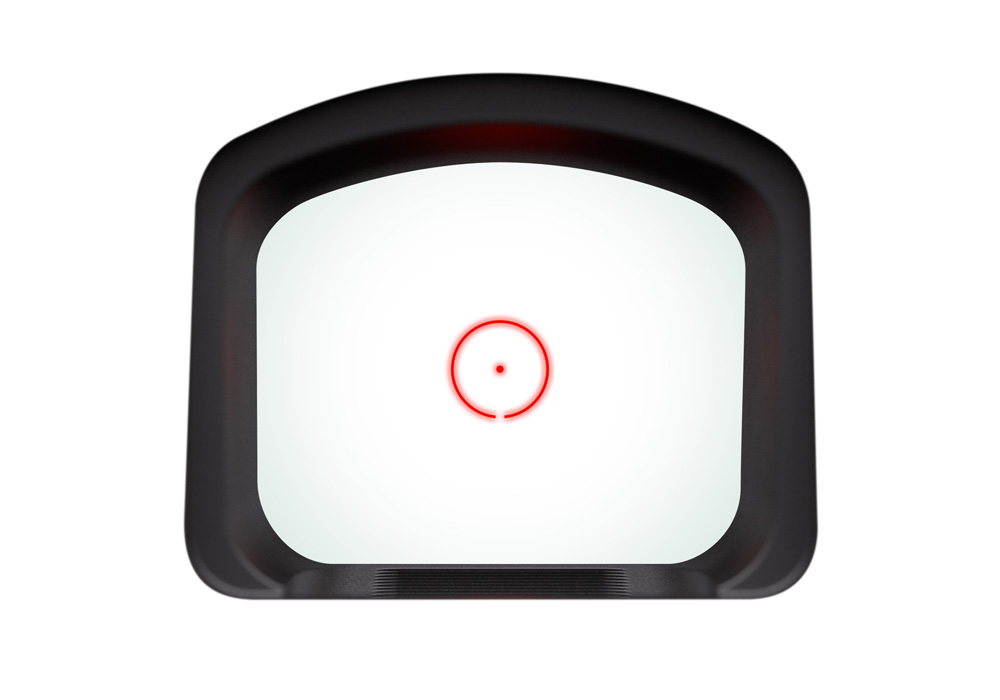
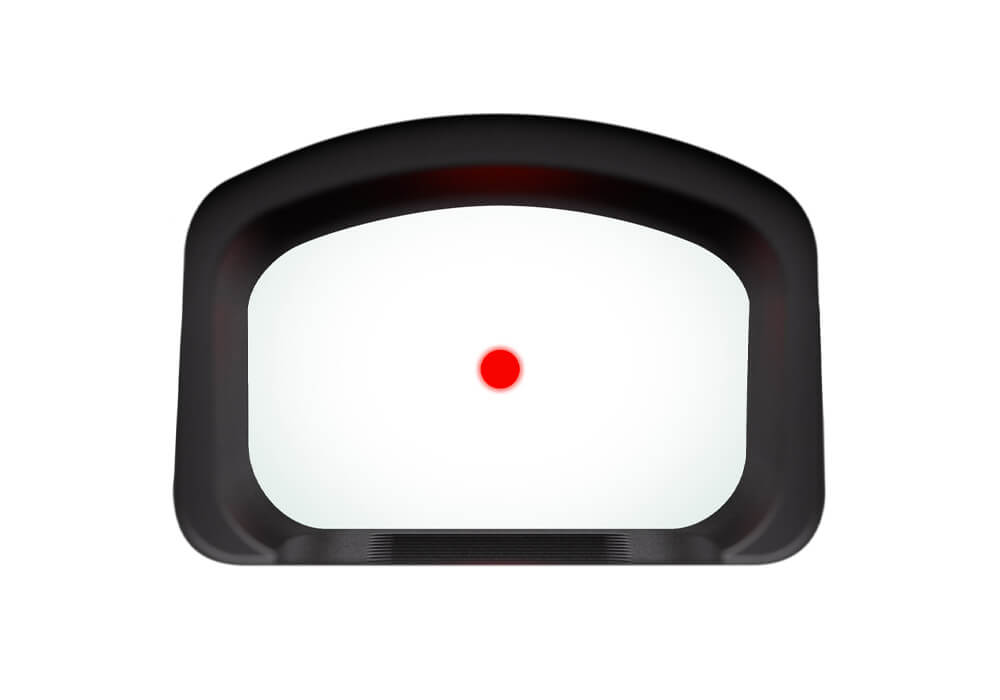
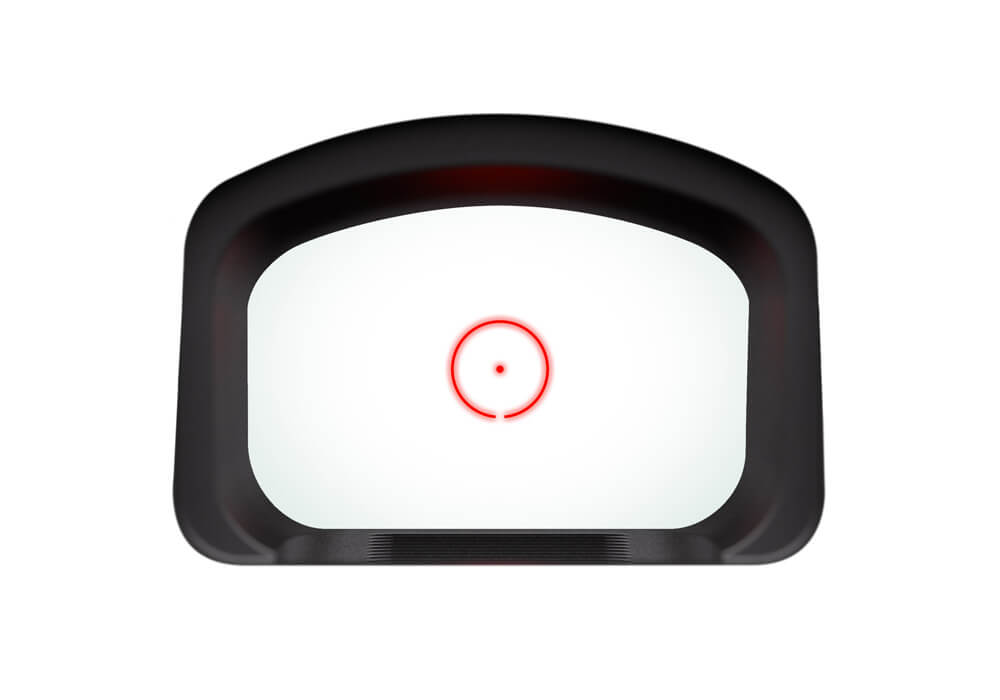
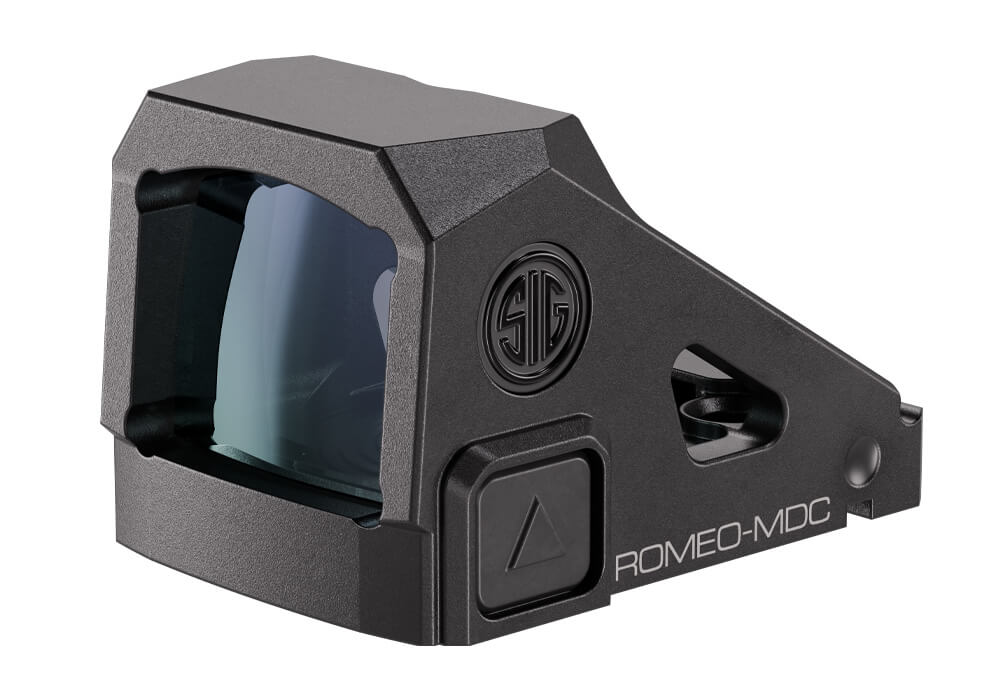
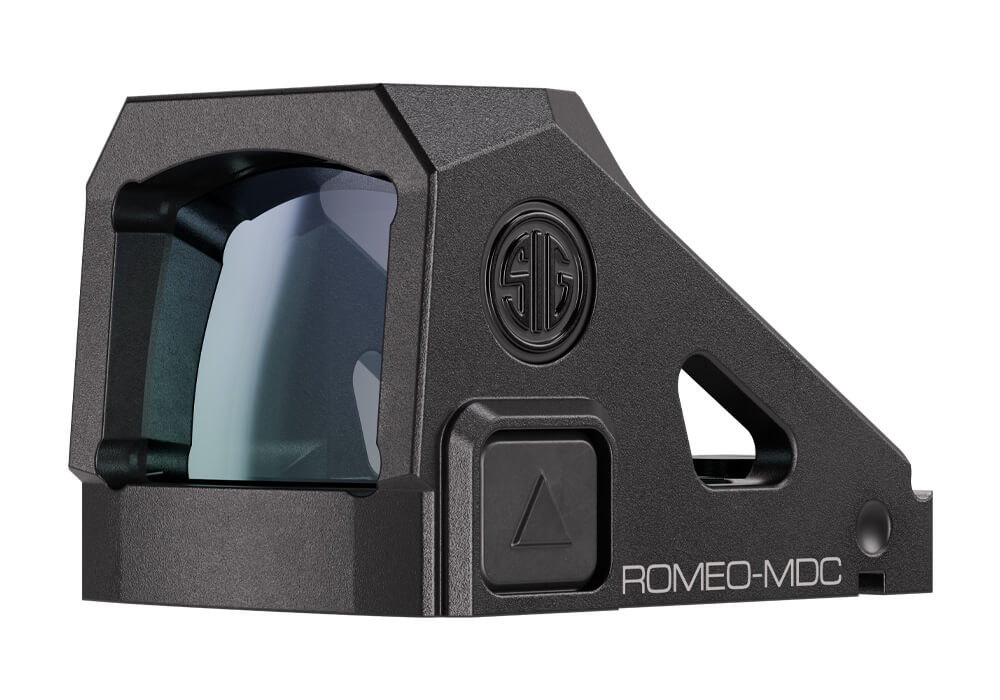
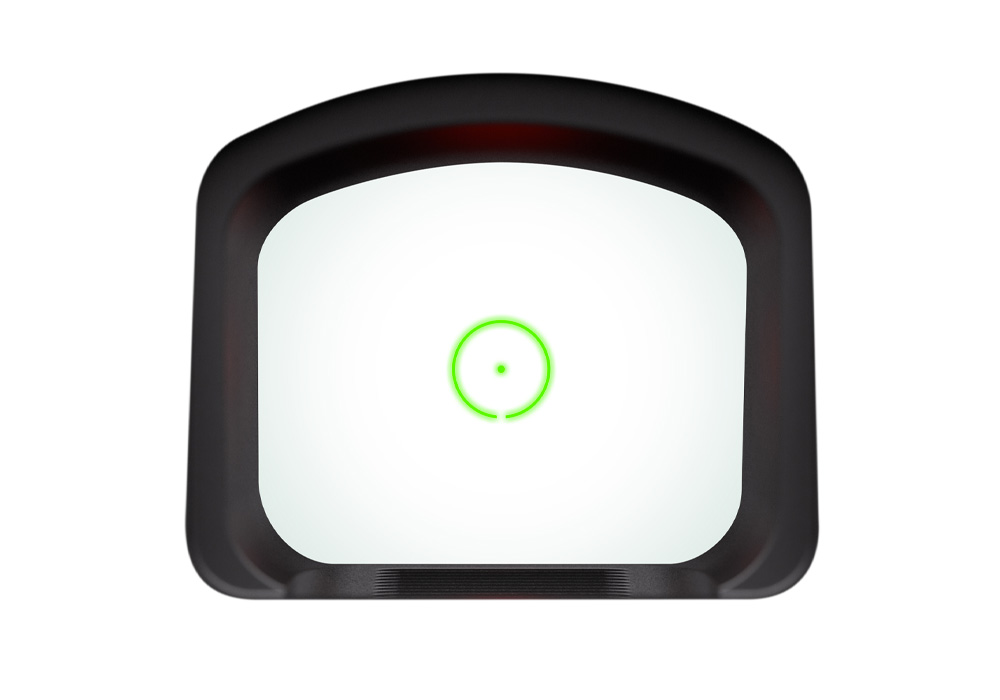
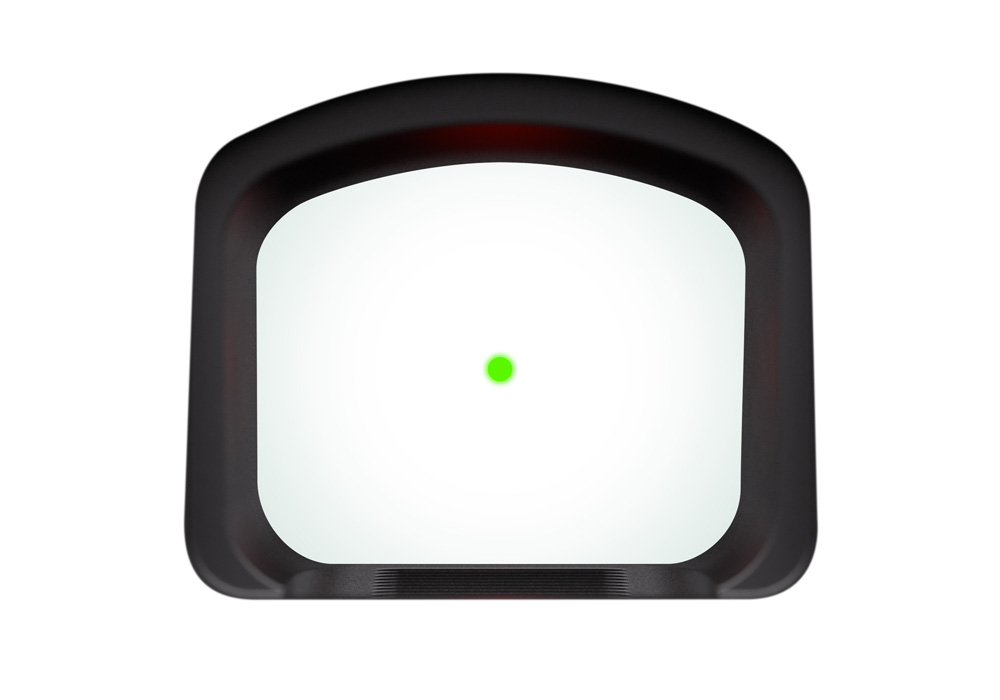
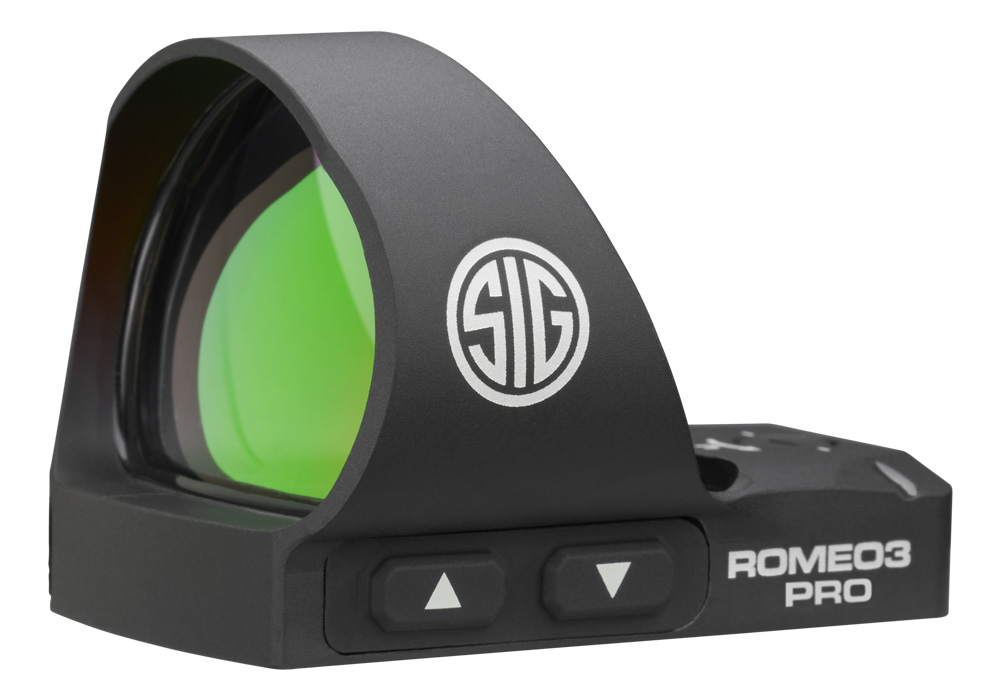
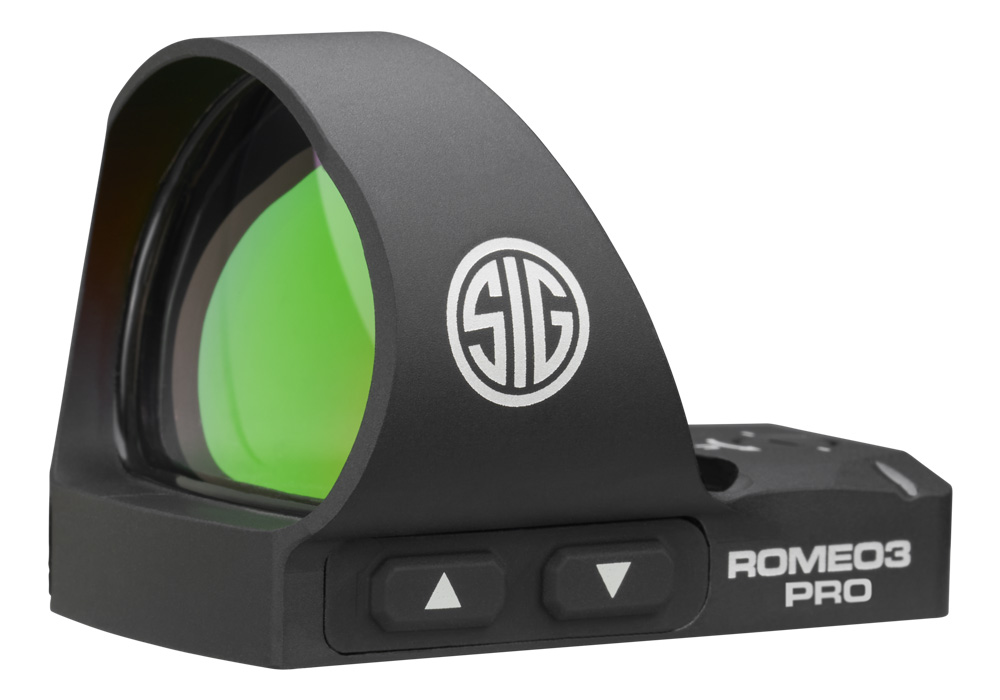
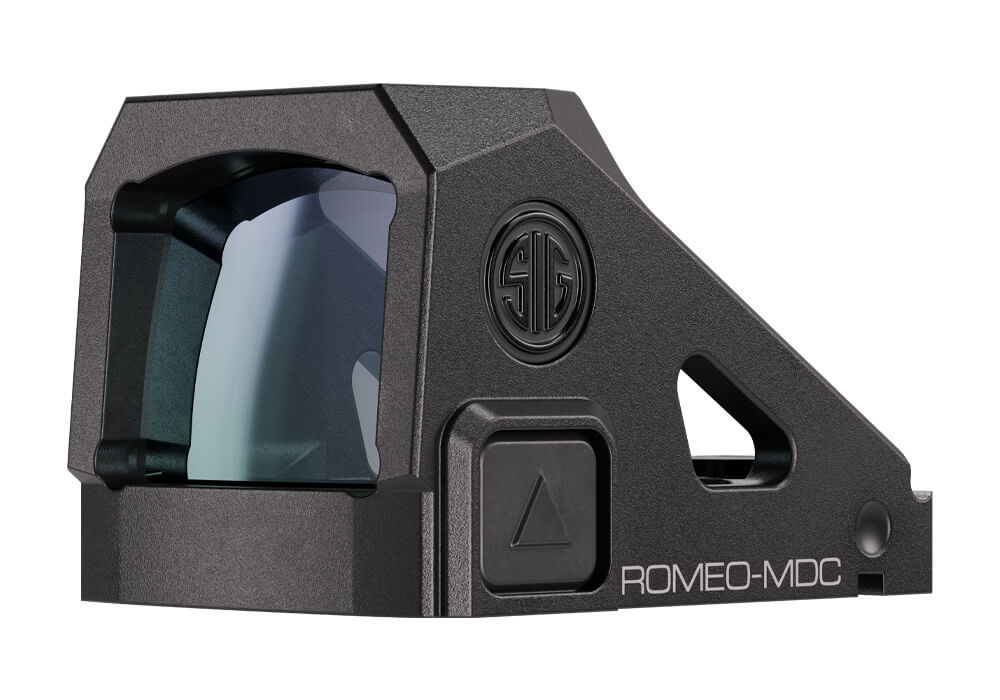
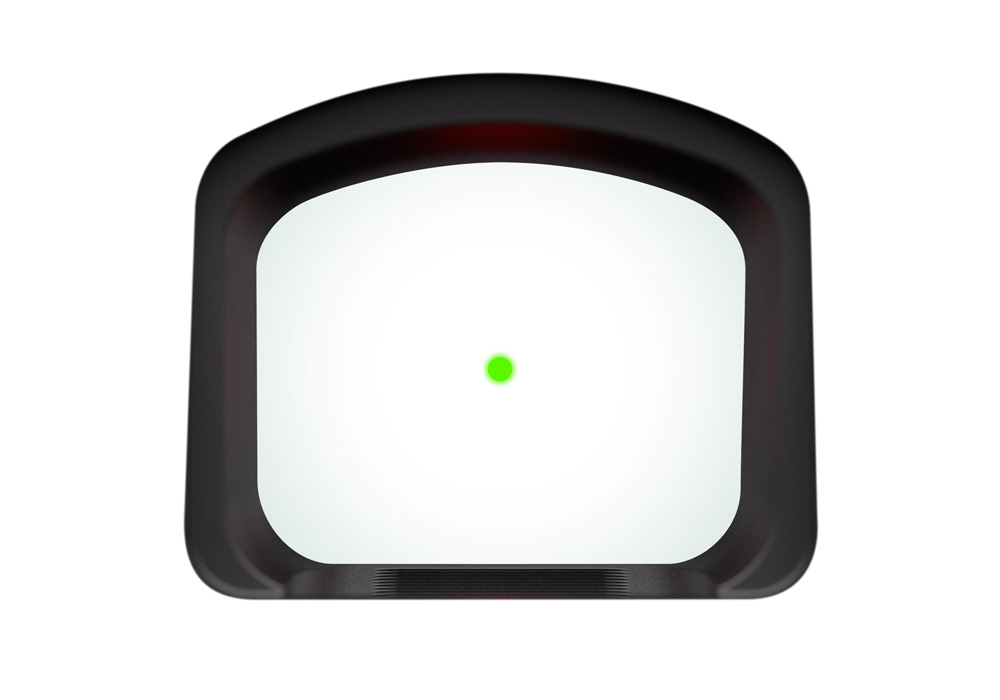
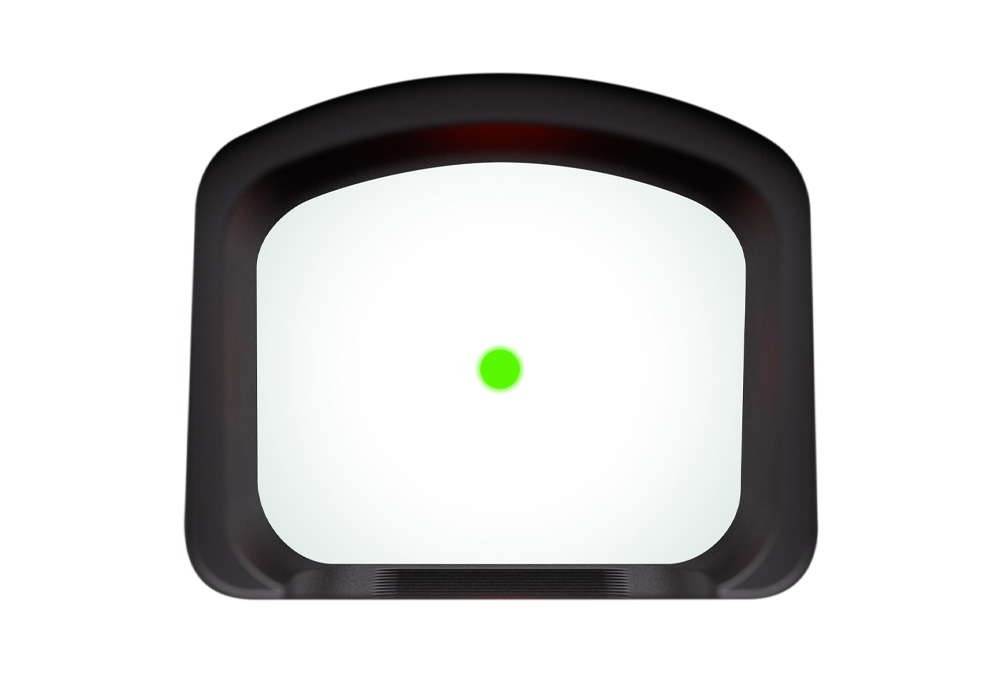
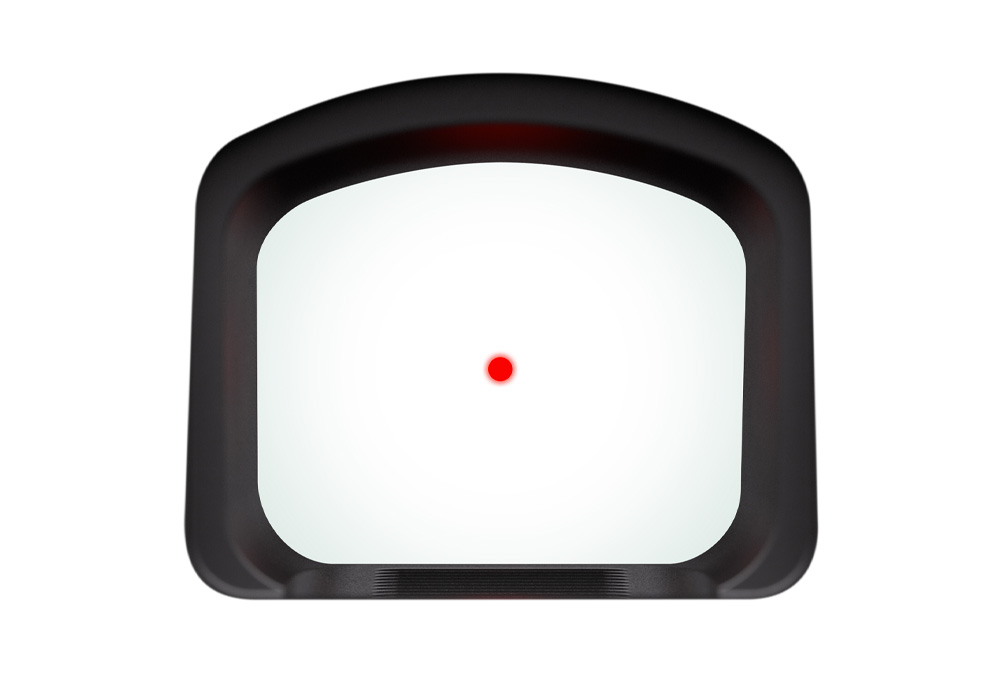
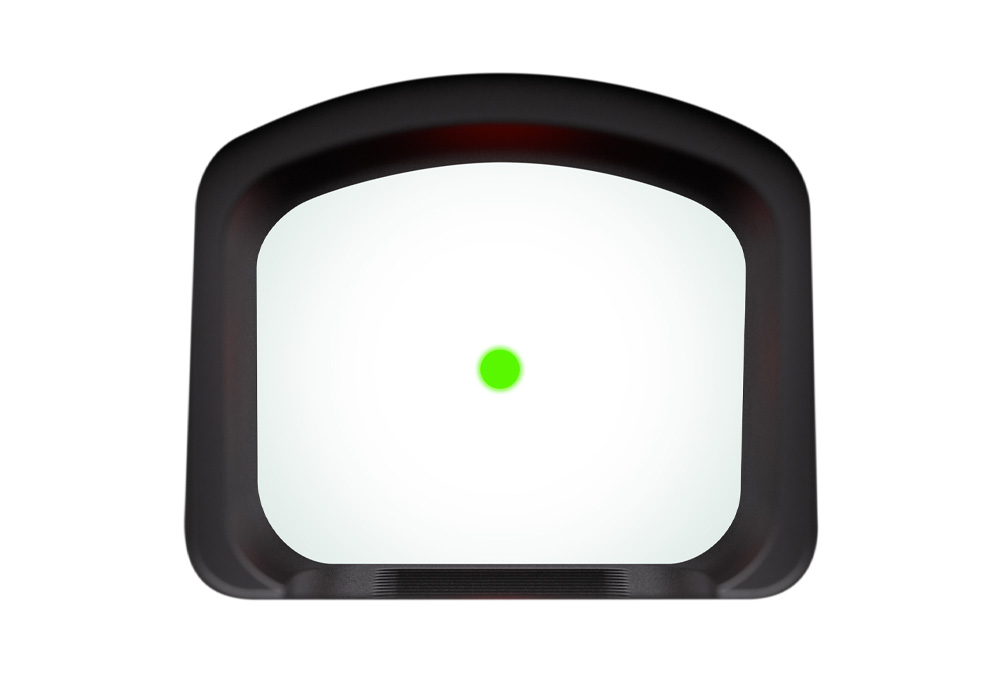
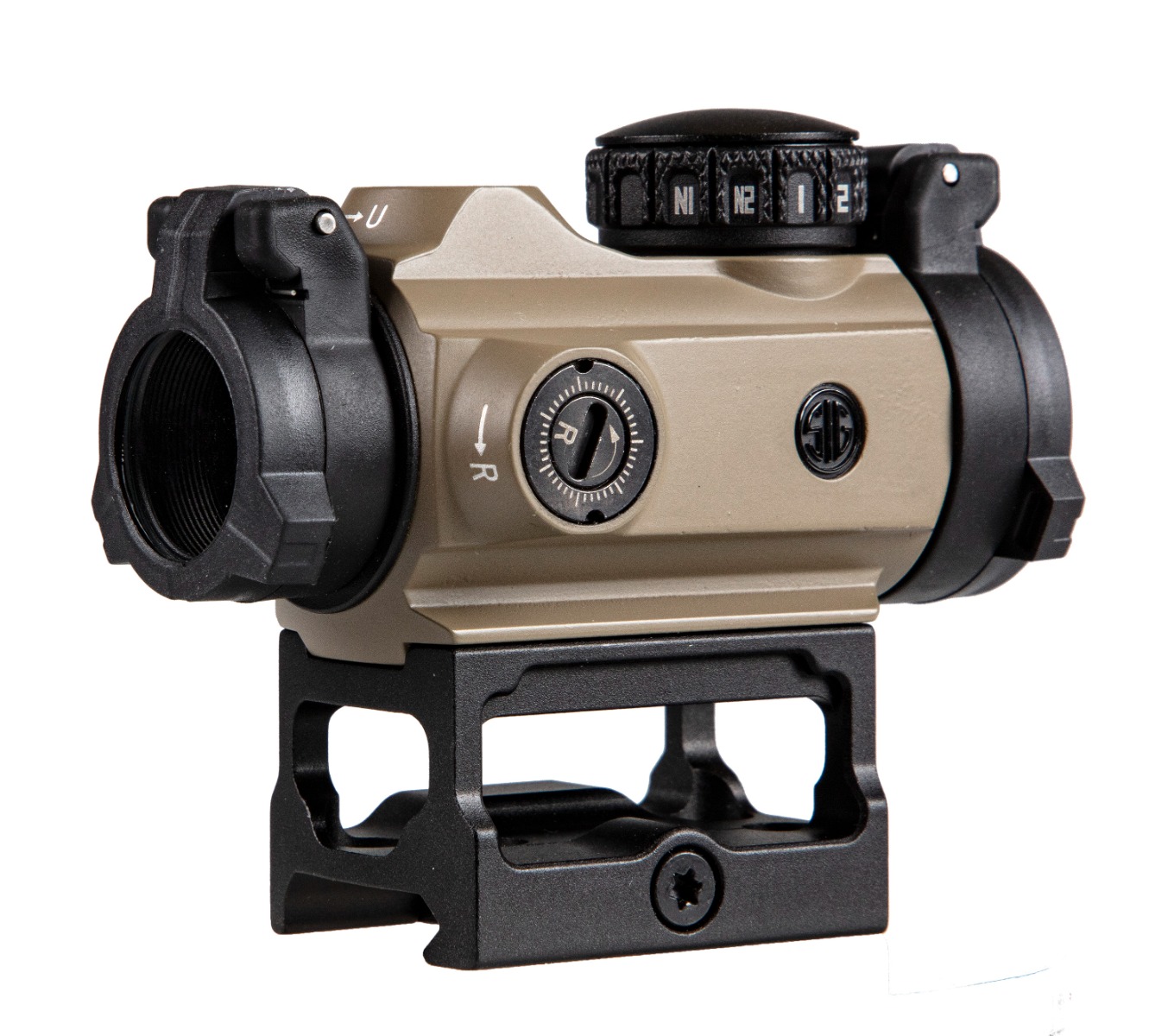
High-performance reflex sights are designed to help shooters bring a clear aiming point onto the target with speed and consistency. Unlike traditional sights that require alignment between a front post, rear notch, and target, a reflex optic presents a bright illuminated reticle within a single viewing window. This can simplify the visual task during fast-paced practice, competition, duty use, hunting, or home-defense preparation. Unlimited eye relief allows the reticle to remain visible from a range of viewing positions, while a parallax-minimized design helps keep the aiming point dependable when the eye is not perfectly centered behind the optic. These qualities can be especially useful on a handgun, where a steady presentation and quick focus are essential, but reflex sights also serve well on carbines, sporting rifles, and shotguns equipped with a compatible mounting system. For shoppers comparing options in this category, the first consideration is the firearm and its intended role. A compact optic can suit a concealed-carry pistol or a smaller handgun, while a larger window may provide a broader field of view for competition, range training, or a long gun. Reticle size also affects the experience: a finer dot can support precise aiming at distance, while a larger dot may be easier to locate during a rapid presentation or in changing light. Brightness controls should be easy to reach and intuitive to adjust, with settings that remain visible against bright outdoor backgrounds without overwhelming the target in dim surroundings. Some sights offer multiple reticle patterns, allowing the user to select a dot, circle-dot, or another aiming arrangement according to personal preference. Enclosed-emitter optics shield the light source from rain, dust, and debris, which can be valuable for users who train outdoors or carry equipment through challenging conditions. Open-emitter designs often provide a wide, unobstructed window and a slim profile. Neither format is universally best; the right choice depends on carry method, exposure to the elements, firearm configuration, and the shooter’s preferred sight picture. For additional options centered on handgun setups, browse High Performance Pistol Red Dot Sights.
Mounting compatibility deserves careful attention before purchase. A reflex sight must match the firearm’s optic cut, adapter plate, mounting footprint, or rail system, and the mounting hardware must be appropriate for that setup. Footprints can vary even among optics with similar dimensions, so checking the firearm manufacturer’s specifications and the sight documentation can prevent fitment problems. On a pistol, a low-profile installation may allow the optic to work with suppressor-height iron sights, giving the shooter a secondary aiming reference if the electronic reticle is unavailable. On a rifle or shotgun, rail placement, cheek weld, eye position, and clearance from other accessories all influence the final setup. Zero retention is another central feature. A well-secured optic should preserve its point of aim through routine handling and repeated recoil, but the user should still confirm the zero after installation, after significant adjustments, and whenever the sight or firearm receives unusual impact. Battery performance matters as well. Look for a clearly accessible power control, useful brightness adjustment, and a runtime suited to the way the optic will be stored and carried. Motion-activated illumination can conserve power by placing the sight into a low-power state during inactivity and restoring the reticle when movement is detected. Solar-assisted systems may provide an additional power source in suitable lighting, while a conventional battery remains important for dependable use in low light or enclosed spaces. Before relying on any optic, inspect the lens, verify the reticle, confirm the mounting screws remain secure, and practice presenting the firearm until the aiming point appears naturally. A clean lens cover and a soft cloth can help preserve a clear view during cooler months, when condensation, drizzle, and early darkness may complicate an outdoor session. These sights can be a thoughtful gift for a new handgun owner, a competitive shooter preparing for a match, a relative building a range setup, or an experienced outdoorsperson upgrading an established firearm. Since fit and purpose are personal, gift shoppers should confirm the firearm model, mounting interface, preferred reticle style, and local requirements before purchasing. Any installation, zeroing, and practice should follow the firearm and optic instructions, with safe handling, appropriate eye and ear protection, and a secure range environment throughout the process.