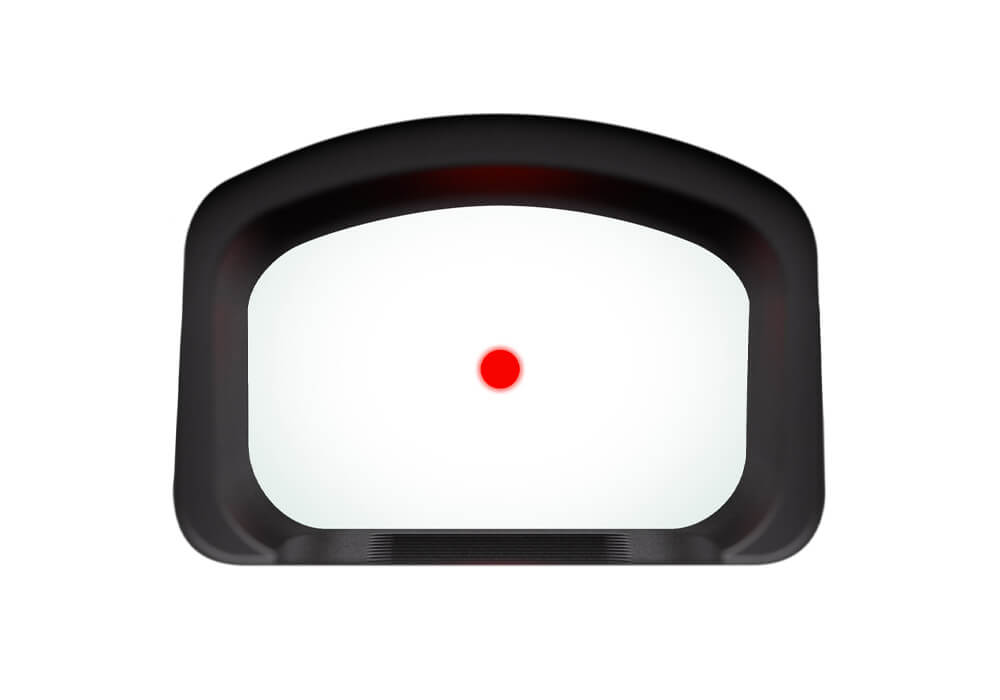
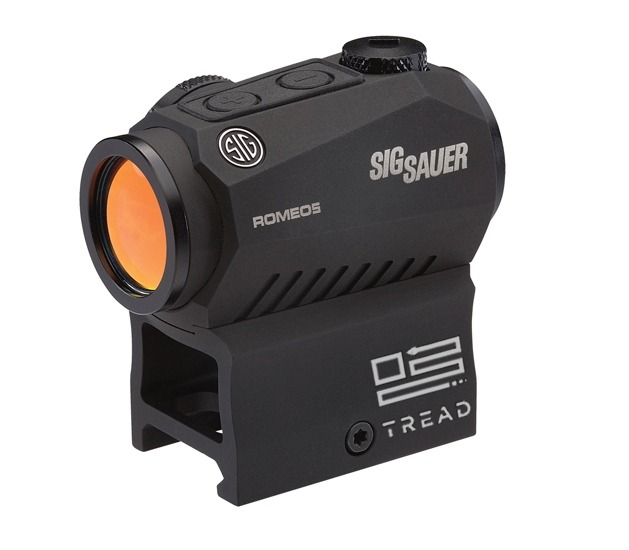
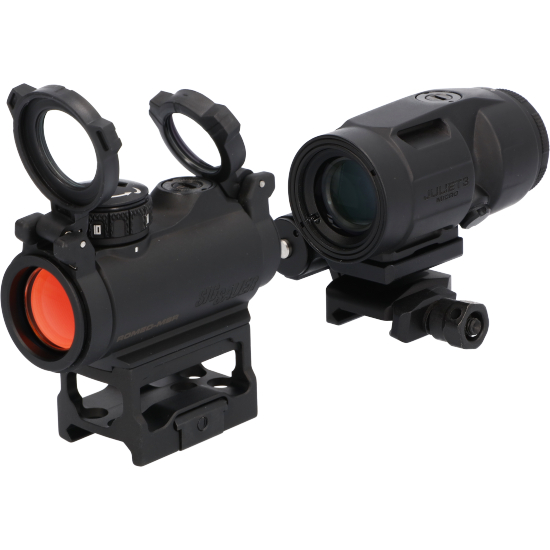
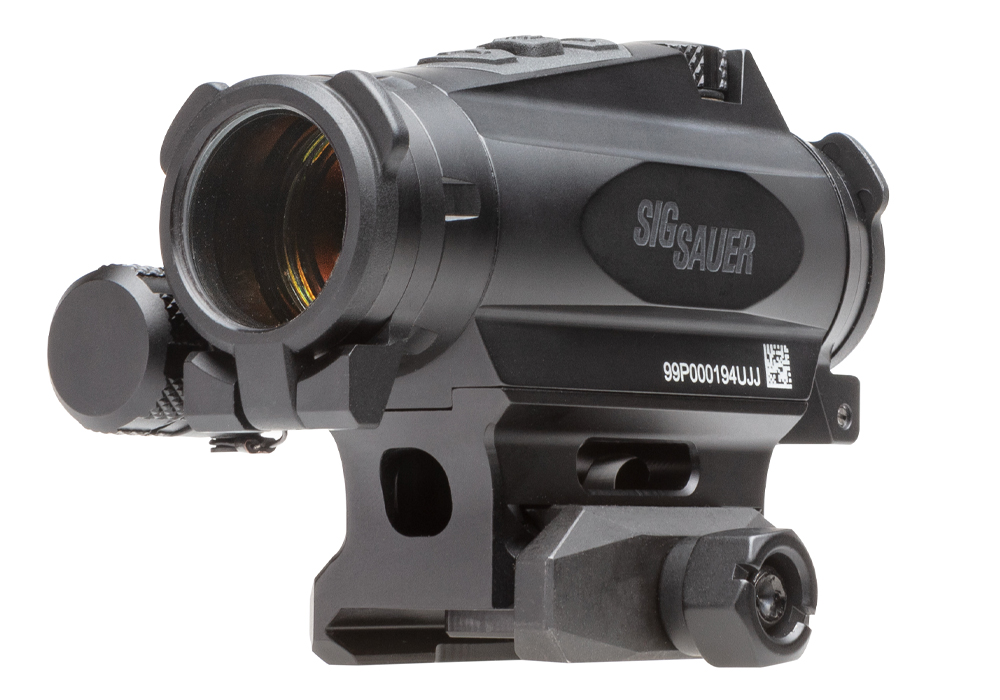
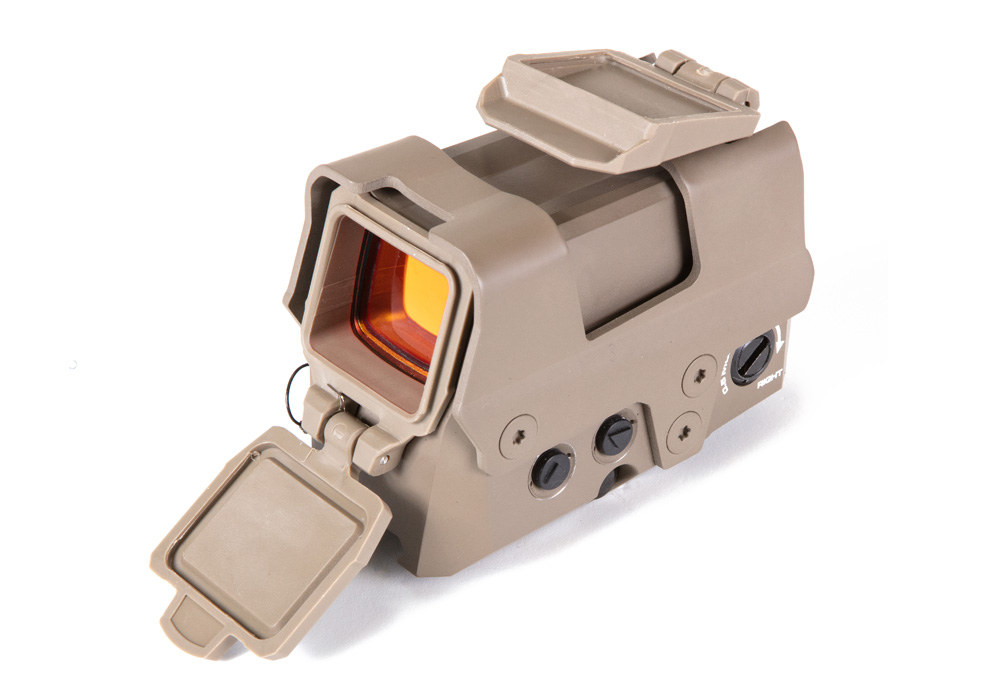
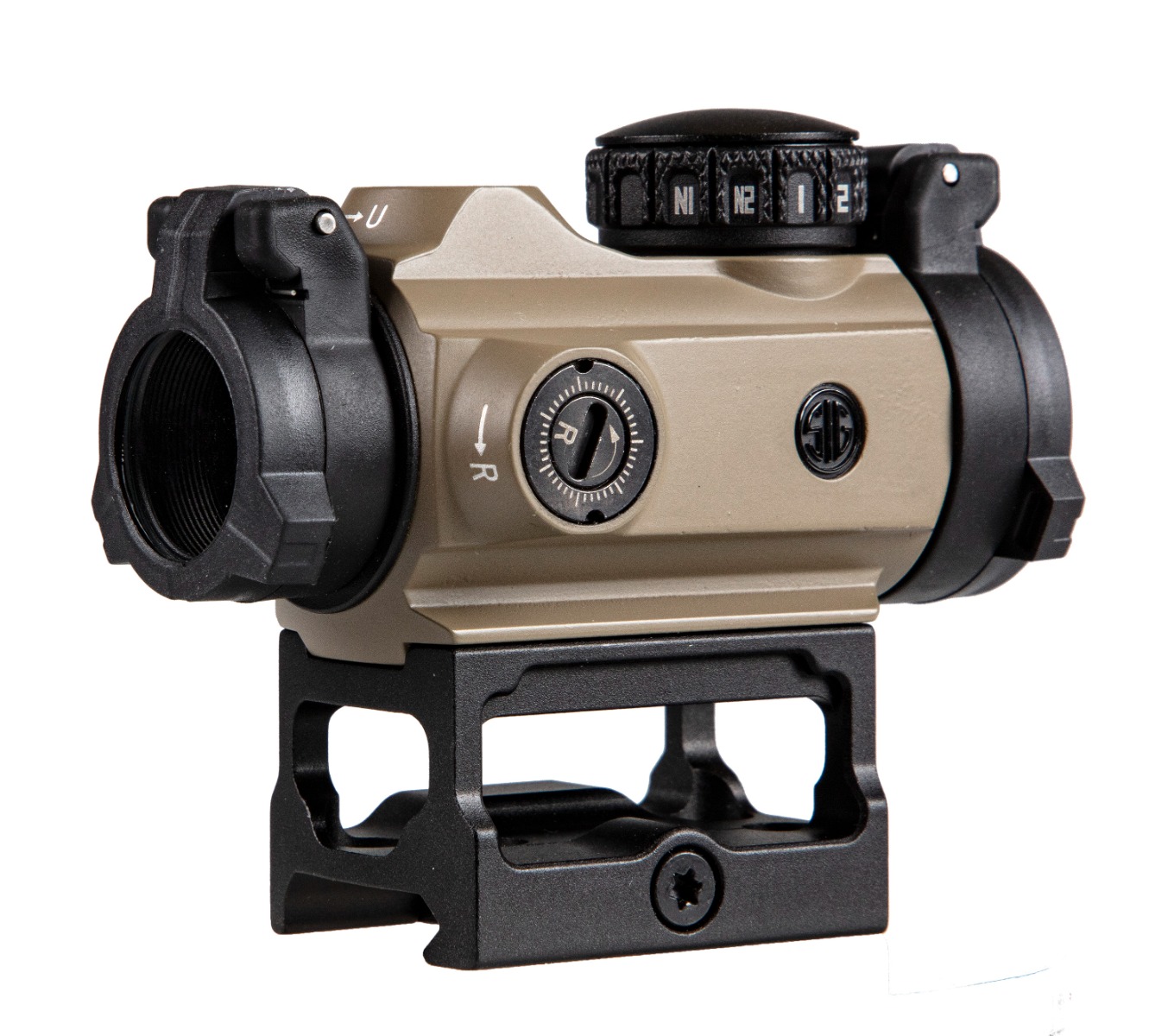
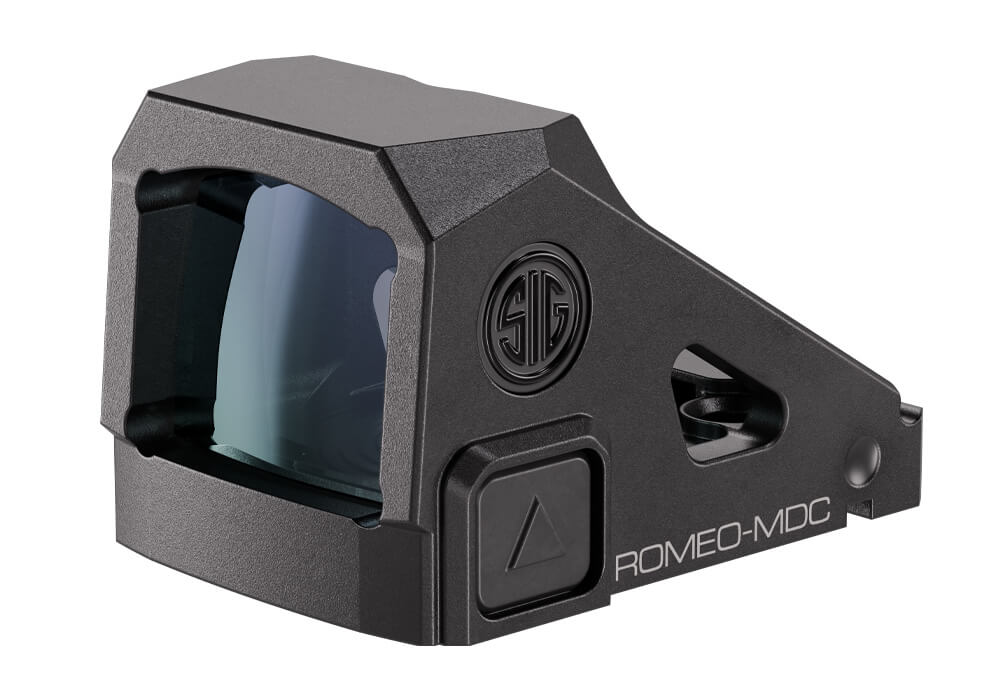
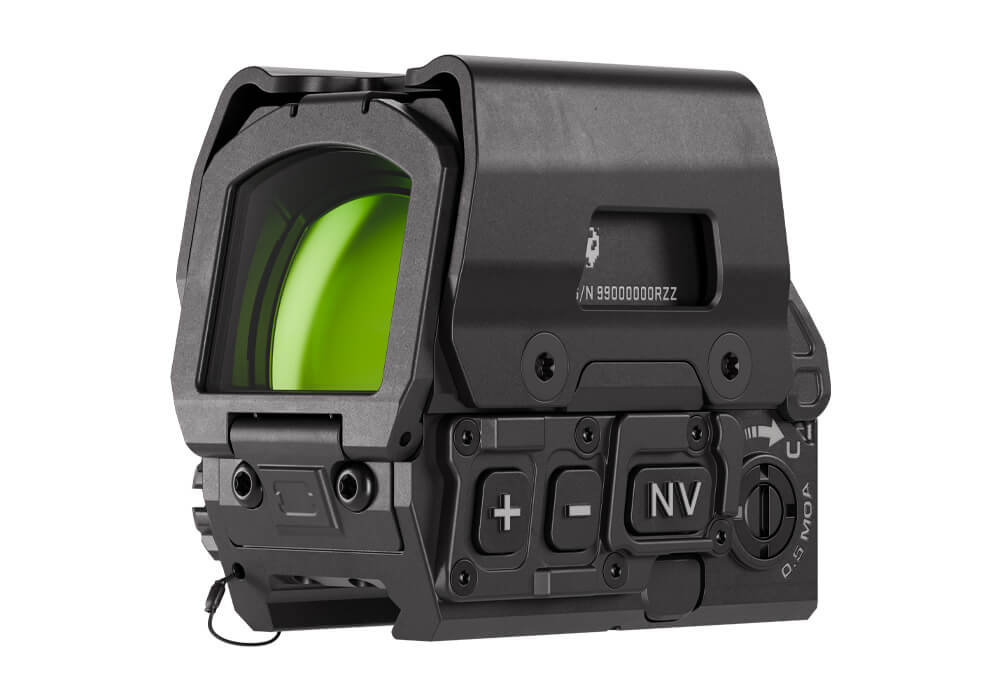
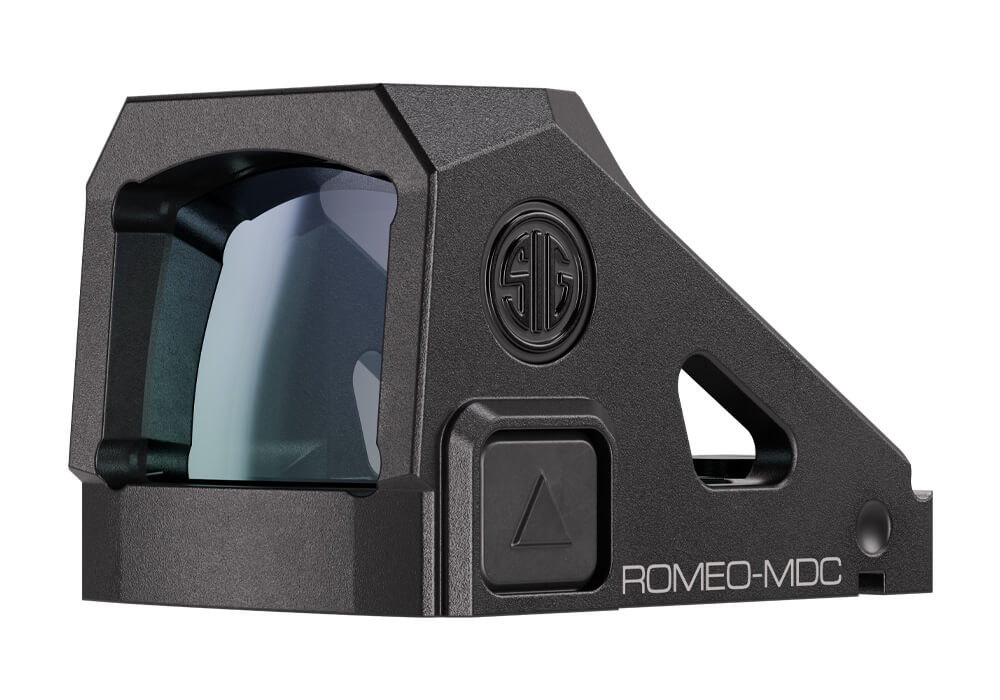
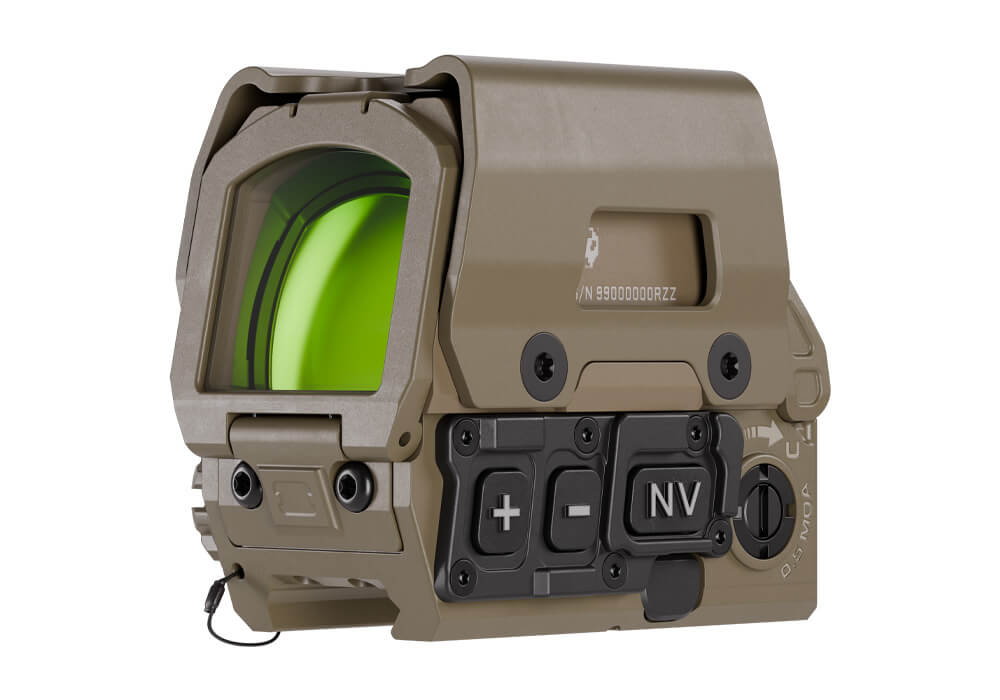
High performance pistol red dot sights give a handgun a fast, intuitive aiming system by placing a bright aiming point within the shooter’s field of view. Instead of aligning a front sight and rear sight separately, the user can focus on the target while bringing the illuminated reticle into position. This can be especially helpful during rapid transitions between targets, low-light practice, or defensive training where a clear sight picture matters. A quality pistol optic may serve concealed-carry users, home-defense owners, duty professionals, and competition shooters, although each application calls for slightly different priorities. A compact sight with a low-profile housing can complement a carry pistol, while a larger viewing window may appeal to competition shooters who value fast target acquisition. Some users prefer an open-emitter configuration for its broad, unobstructed window and slim profile. Others select an enclosed-emitter design for additional protection around the optical system, particularly when the pistol may encounter dust, rain, lint, or other debris during regular use. The best choice begins with the pistol itself. Confirm the slide cut or mounting footprint, the required plate or direct-mount system, the available clearance beneath the optic, and compatibility with the pistol’s iron sights. A secure mounting arrangement is essential, and installation should follow the optic and firearm manufacturer’s specifications, including the correct fasteners, torque values, and thread treatment where appropriate. Once installed, the sight should be zeroed with the ammunition intended for regular practice or carry, then checked again after the first range session and at regular intervals.
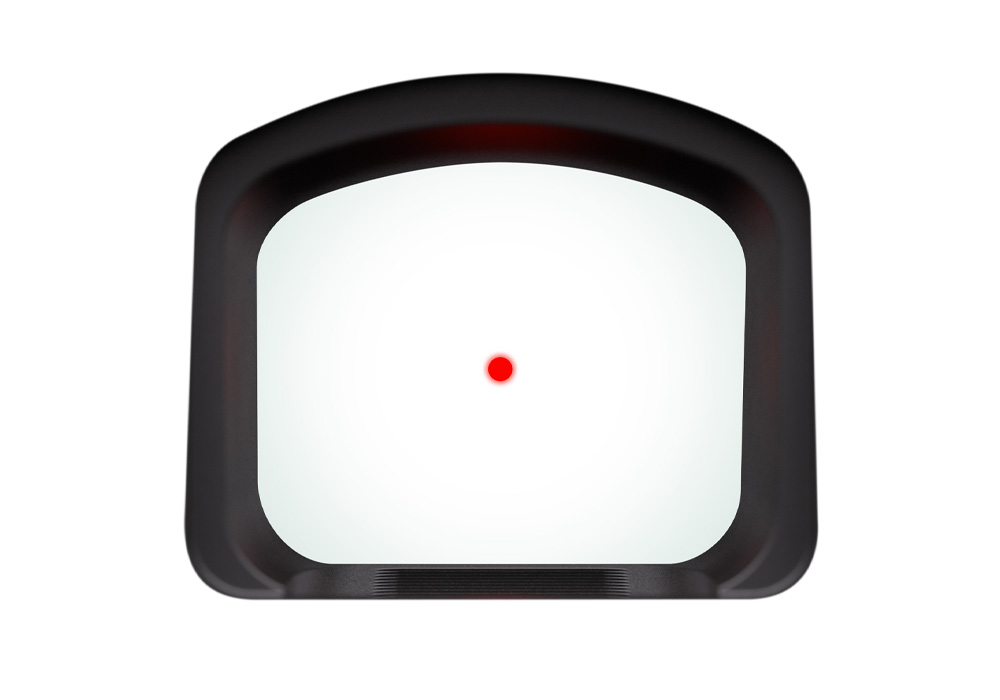
A high performance pistol red dot sight should also match the way the handgun is handled. A generous viewing window can make it easier to locate the reticle during presentation, especially for newer optic users who are still learning to bring the pistol to the same position each time. A smaller window may provide a more compact profile and can be a practical fit for a slim carry pistol. Reticle size and shape are personal considerations as well. A crisp dot may offer a simple aiming reference, while a circle-dot or multi-reticle option can provide a larger visual index for close work while retaining a precise center point for longer shots. Brightness controls should be easy to reach without disturbing the firing grip, and automatic adjustment can be useful when moving between shaded areas and bright outdoor light. Battery access is another important detail. Top-loading battery compartments allow many users to replace a cell without removing the optic, which helps preserve the established zero. Motion activation can extend readiness between practice sessions, while manual controls may appeal to those who prefer direct management of illumination. Pay attention to practical battery life claims, but remember that brightness level, reticle selection, storage conditions, and activation settings affect real-world performance. Rugged construction, sealed electronics, scratch-resistant lenses, and resistance to water, dust, and repeated recoil all contribute to dependable service. These features matter during a long range session when the pistol is handled repeatedly, but they are just as relevant for a carry gun that may spend its day against clothing, moving between indoor and outdoor environments, or riding in a secured holster during cooler weather. For a broader look at related optic configurations, explore High Performance Reflex Sights.
Choosing among high performance pistol red dot sights is ultimately a matter of fitting the optic to the pistol, the holster, the shooter, and the intended role. A concealed-carry user may place the greatest value on a compact housing, reliable activation, low-light visibility, and a profile that works with an optic-ready holster. A competitor may prioritize a wide window, a bright reticle, rapid transitions, and convenient controls during extended practice. Someone selecting a sight as a gift for a serious shooter can narrow the field by learning the recipient’s pistol model, slide footprint, preferred reticle, and usual shooting activity before purchasing; an optic that fits one handgun may not suit another, even when both appear similar at a glance. Training is part of the setup. The first few sessions should include slow presentations from a safe ready position, confirming that the shooter can find the reticle without chasing it across the window. Gradually increasing speed, practicing from different ready positions, and checking the sight in varied lighting can build a consistent index. It is also useful to keep the lens clean with appropriate optical supplies, inspect the mounting screws, monitor battery condition, and confirm zero whenever the optic is installed on a different pistol or subjected to significant handling. During the cooler months, gloves and heavier clothing can subtly change grip and presentation, so a sight with accessible controls and a clear window may be easier to use consistently. Whether selected for a compact carry pistol, a home-defense setup, or a competition handgun, the right optic should feel like a natural extension of the platform: visible when needed, secure under recoil, simple to maintain, and suited to the shooter’s established habits.