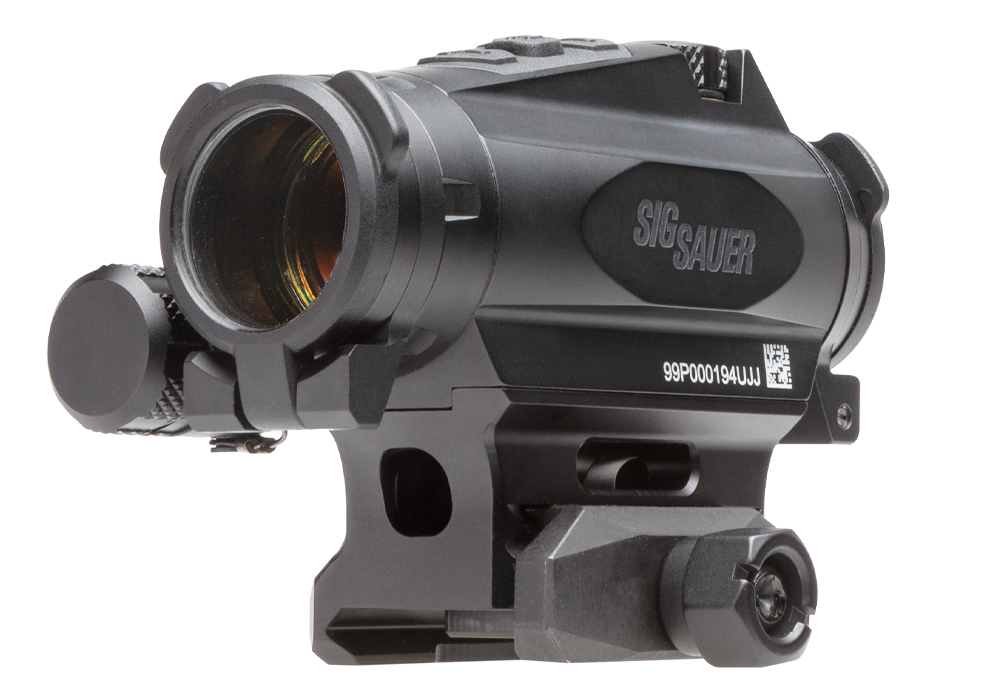
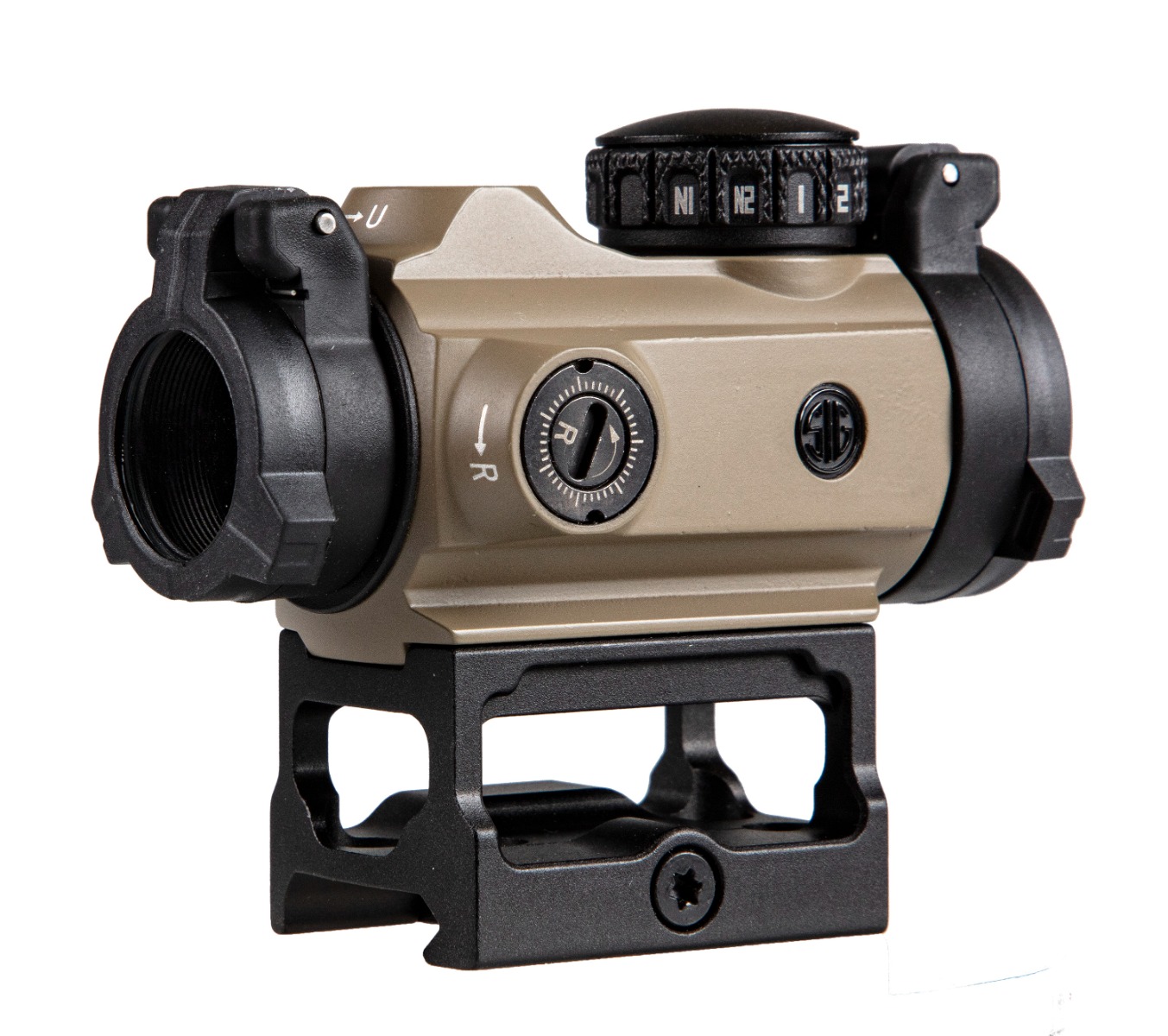
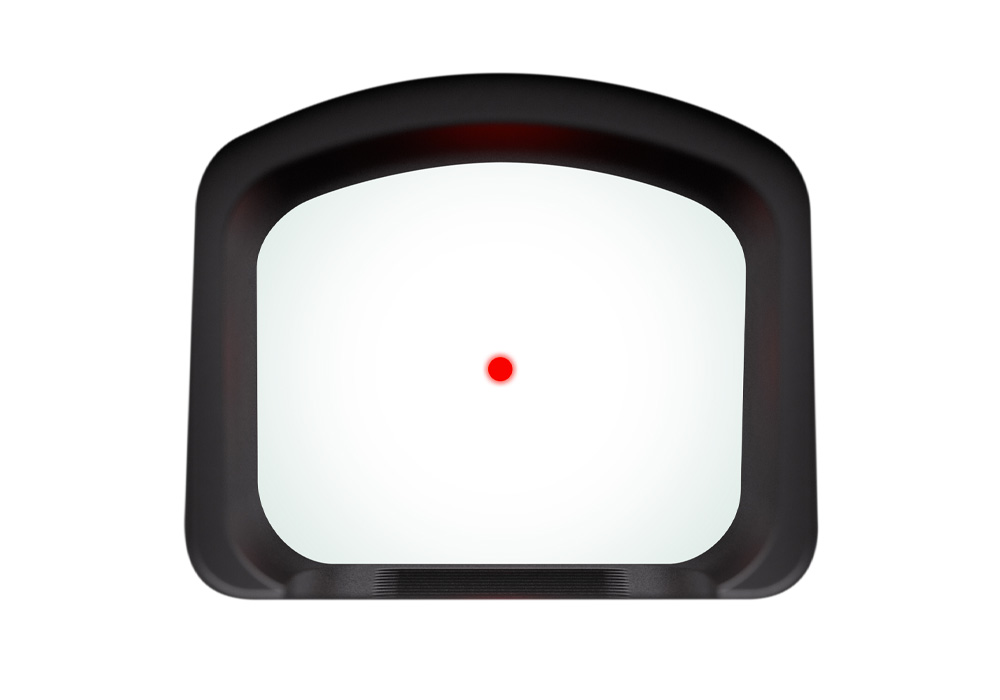
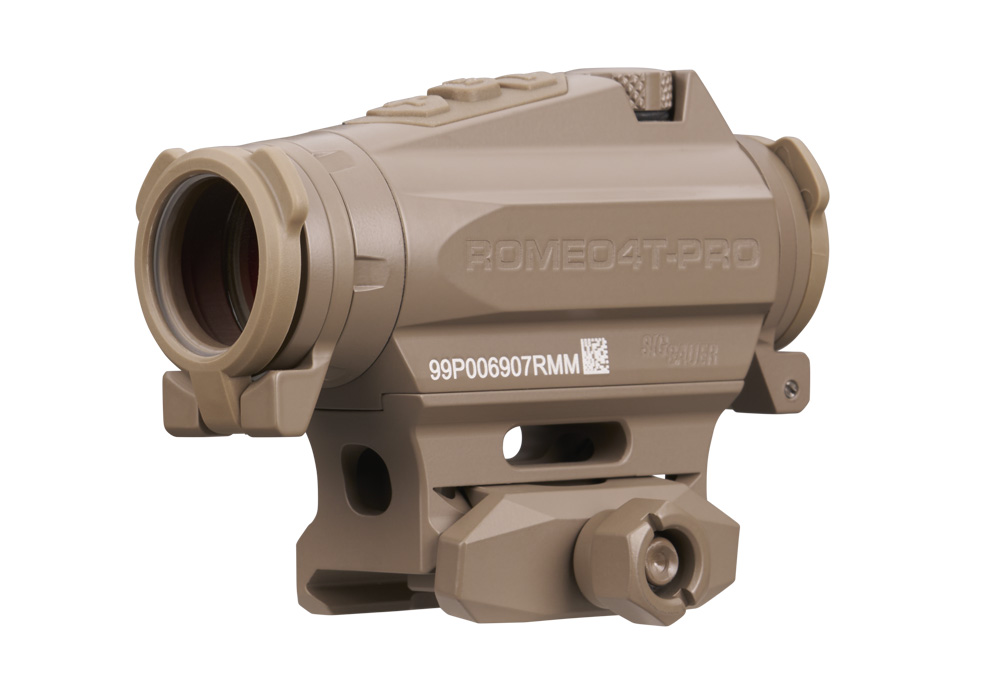
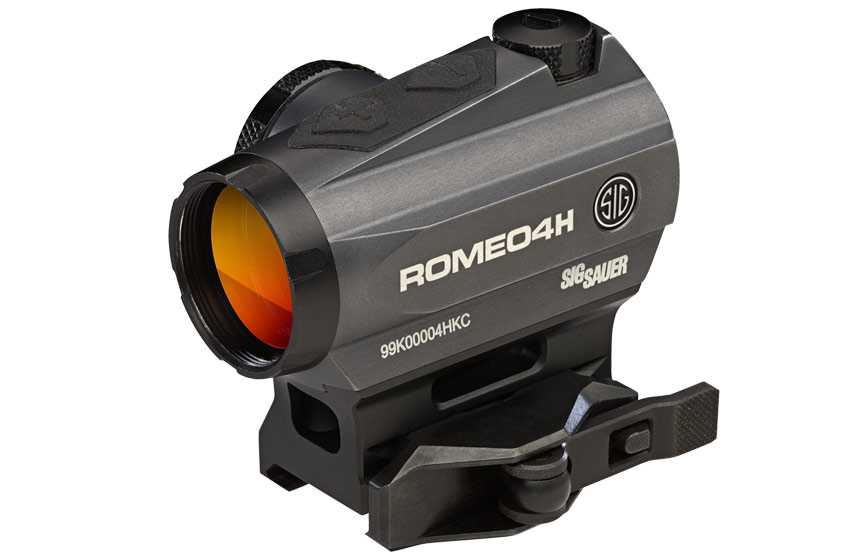
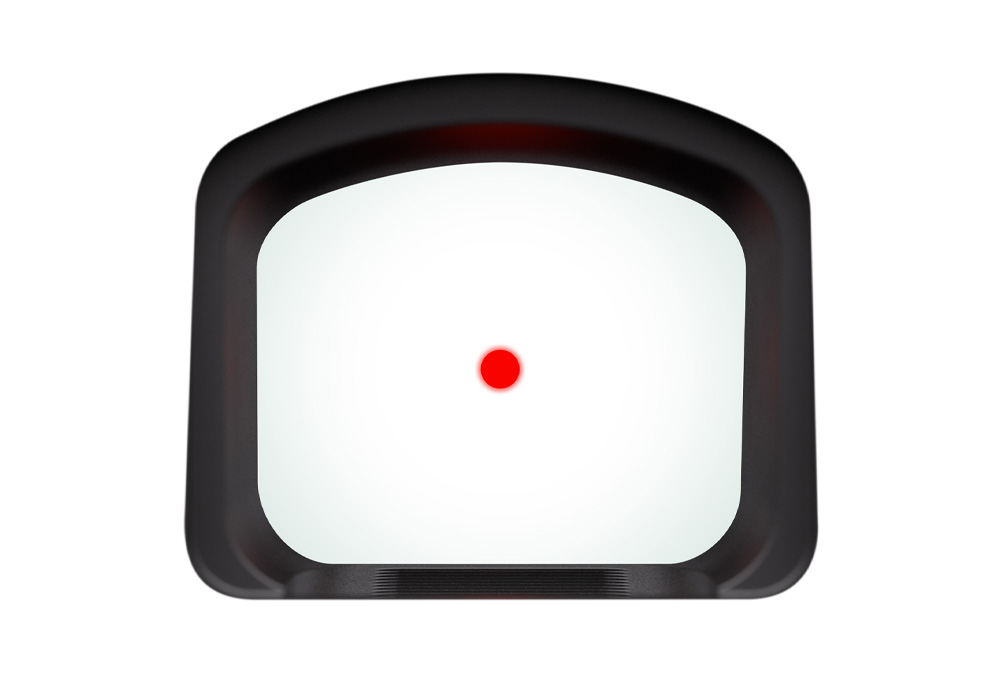
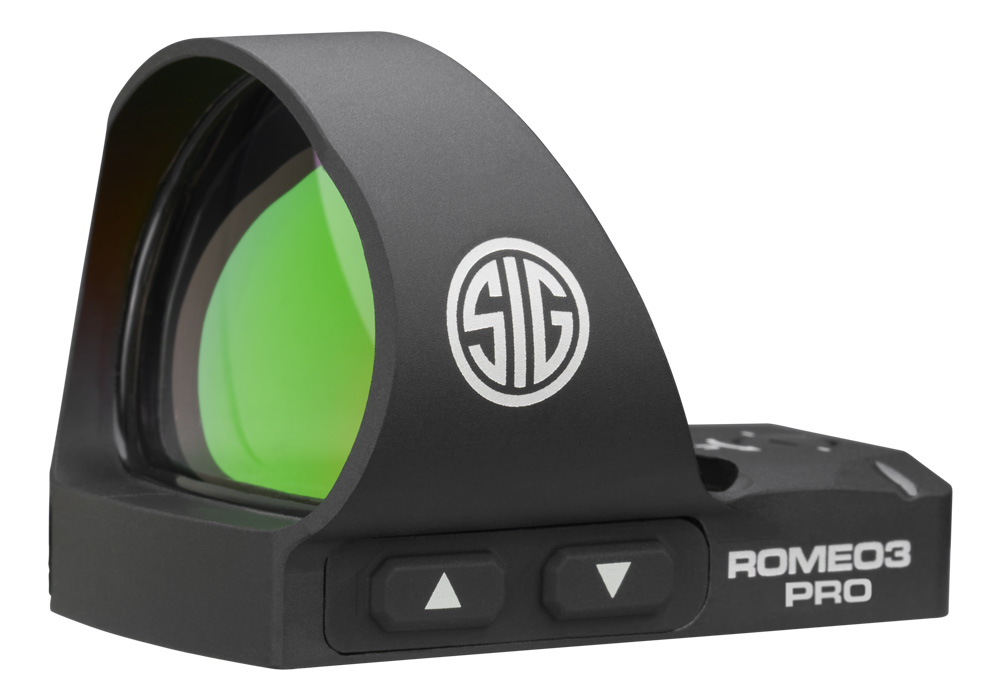
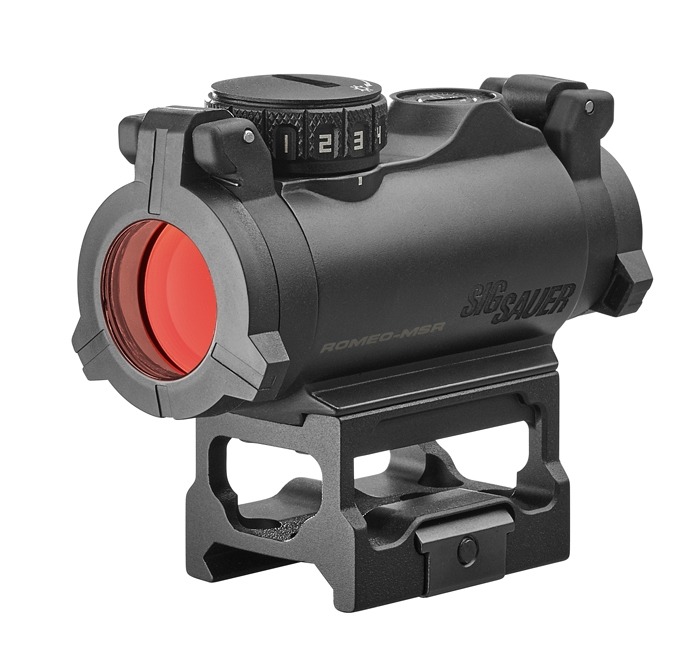
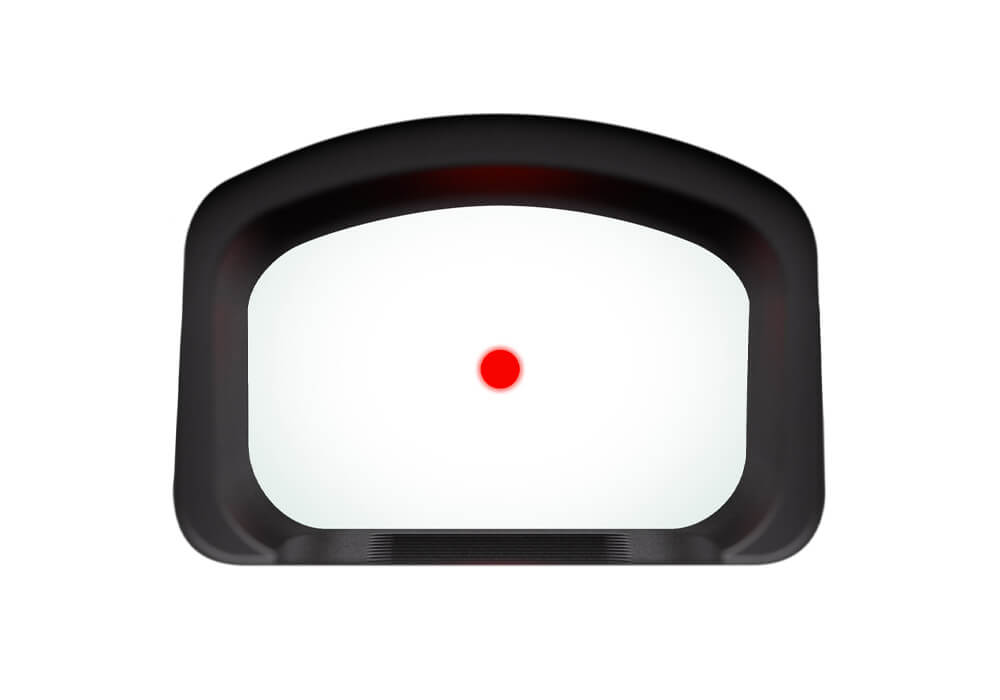
High-performance red dot sights for airguns are designed to make aiming faster, more natural, and easier to repeat, whether an air rifle is used for backyard target practice, informal plinking, pest control where lawful, or organized competition. Unlike traditional magnified scopes, a red dot sight presents a single illuminated aiming point that can be found with both eyes open, helping the shooter stay aware of the surrounding area while bringing the airgun into position. Unlimited eye relief is one of the most useful features for this type of shooting. The dot remains visible even when the shooter’s head is not perfectly aligned behind the sight, which can be especially helpful from standing, kneeling, or improvised field positions. Compact reflex and micro-dot designs also add minimal weight and bulk, preserving the quick, balanced feel that makes many airguns enjoyable to handle. When comparing options, consider the intended distance and pace of shooting. A smaller 2 or 3 MOA dot can cover less of a small target at longer range and may support more precise aiming, while a 4, 5, or 6 MOA dot is generally faster to see during close-range plinking or moving between targets. Brightness adjustment matters as well: lower settings can produce a crisp aiming point in subdued light, while brighter settings help the dot remain visible against a sunlit target. A clear sight picture, minimal glare, and smooth brightness controls can make a noticeable difference during extended sessions, particularly when moving between shaded benches and open ground as the weather changes.
Mounting compatibility deserves close attention before selecting an airgun red dot sight. Many air rifles use an 11mm dovetail rail, while others feature Weaver or Picatinny-style mounting systems, and the sight must either match the rail directly or be paired with a suitable adapter. Confirming the rail standard, available mounting space, and the height of the sight helps prevent fitment problems and supports a comfortable cheek weld. Airguns can produce a distinctive recoil impulse, especially spring-piston and gas-ram models, because the action may move both backward and forward during the firing cycle. That two-way movement can be more demanding on an optic than the kick of some conventional firearms, so a durable housing, secure mounting system, and construction intended to withstand airgun recoil are important considerations. A sight that holds zero through repeated sessions saves time and makes practice more productive. Battery life is another practical detail. Look for accessible controls, dependable illumination, and a battery compartment that can be opened without removing the sight whenever possible. Automatic shutoff or motion-activated illumination can help conserve power between sessions, while solar-assist designs may provide an additional source of illumination in suitable conditions. These features are conveniences rather than substitutes for carrying a spare battery, and the dot should always be checked for brightness and function before heading to the range or setting up a target. For a more streamlined setup, browse the Compact Red Dot Sights for Airguns collection to compare compact formats suited to airgun platforms.
A red dot sight can be a practical choice for new shooters who find traditional scope eye relief and reticle alignment difficult, as well as for experienced airgun users who want a fast sight picture for repetitive target work. It may also make a thoughtful gift for someone beginning a backyard range routine, a youth shooter using an appropriately sized and supervised airgun, or an enthusiast preparing for cooler-season practice. The best selection depends on the recipient’s airgun, rail type, shooting distance, and preferred style rather than on appearance alone. For paper targets and small reactive targets, a fine dot and precise adjustment controls may be most useful. For casual plinking, a larger, quickly visible dot can keep the session moving and reduce the time spent searching for alignment. In every case, the optic should be mounted firmly, adjusted according to its instructions, and zeroed with the same pellet type and shooting position used most often. Begin at a short, known distance with a safe backstop, confirm that the airgun is unloaded whenever it is being handled or mounted, and use appropriate eye protection during live practice. Small changes in cheek position, lighting, and pellet performance can affect point of impact, so a careful zero check is worthwhile when moving the airgun outdoors or switching between indoor and outdoor ranges. During the cooler months, gloves and heavier clothing can alter the way the stock is shouldered, while low-angle light may make lens clarity and dot brightness more noticeable. A rugged, compact red dot with reliable illumination and airgun-ready recoil resistance helps maintain a consistent aiming experience through those changing conditions, giving the shooter a simple, responsive sight picture for practice, recreation, and responsible field use.