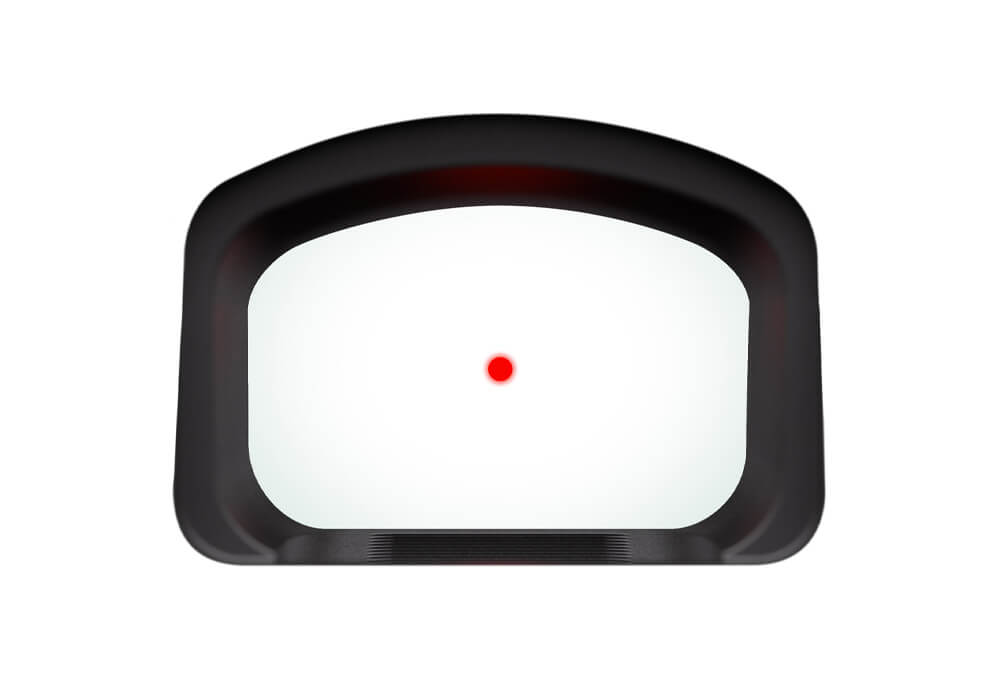
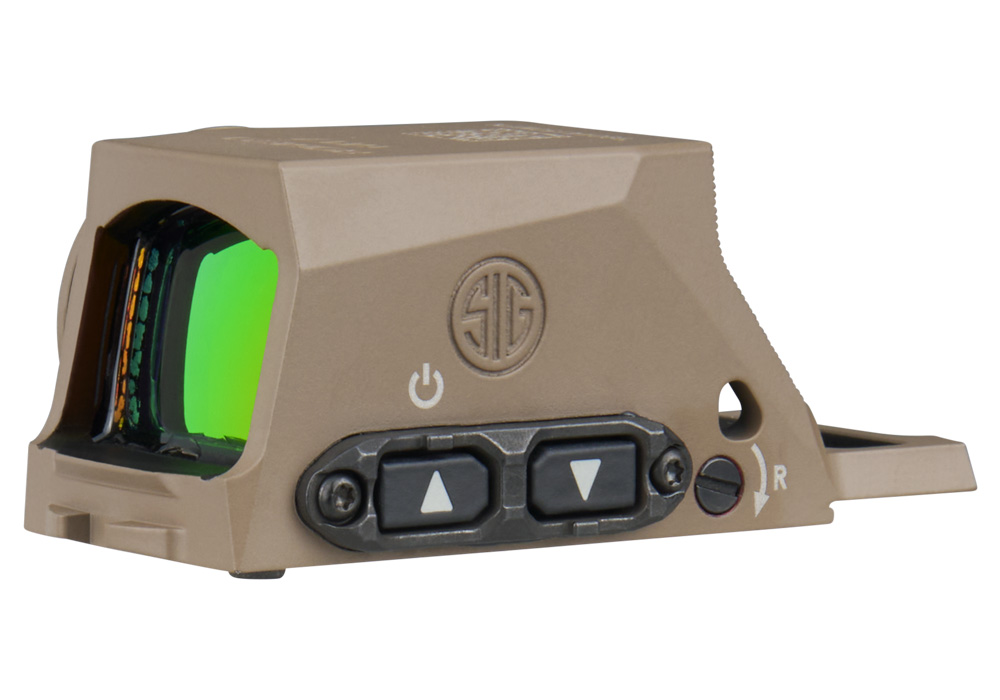
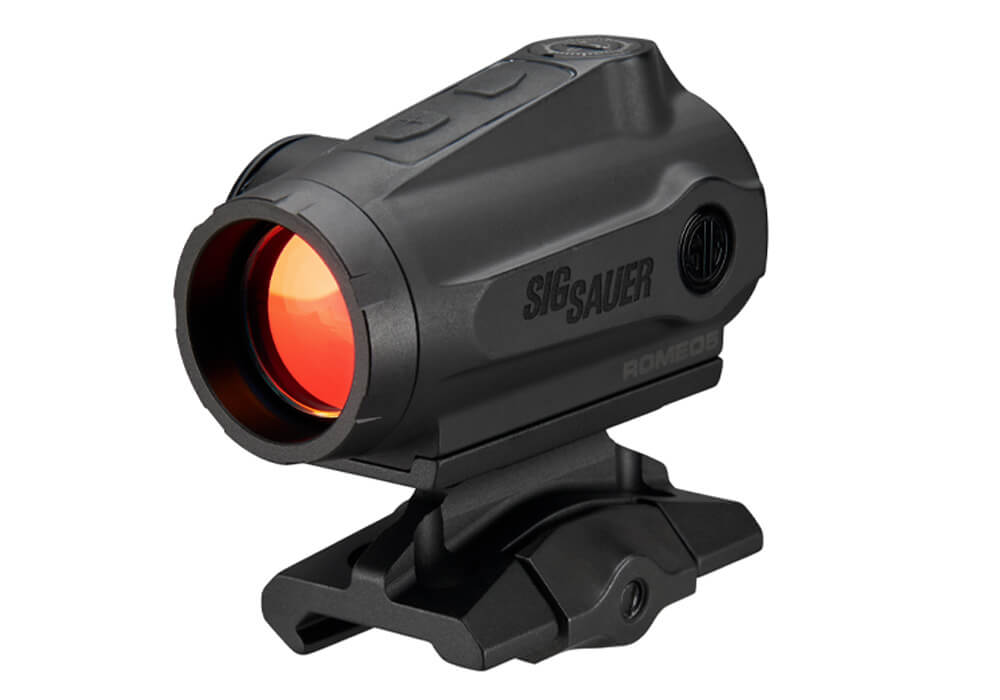
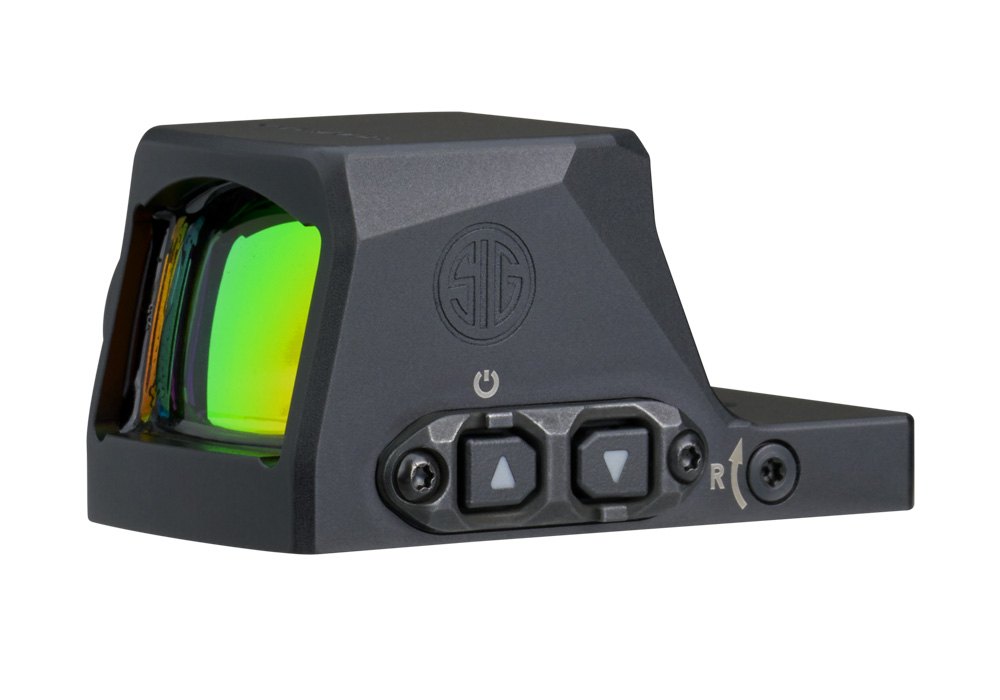
High accuracy reflex sights combine a clearly defined aiming point, clear glass, and dependable zero retention to support precise, repeatable shooting. A crisp 2 MOA or 3 MOA dot is a common choice for shooters who want a relatively fine aiming reference without sacrificing visibility. MOA, or minute of angle, describes the apparent size of the dot: a 2 MOA dot covers approximately 2 inches at 100 yards, while a 3 MOA dot covers approximately 3 inches at that distance. A smaller dot obscures less of a small target, although its usefulness still depends on brightness, eyesight, and the contrast between the reticle and the target. Larger dots can be easier to locate quickly, particularly during competition, so the smallest available aiming point is not automatically the best match for every shooter. A reflex sight presents an illuminated reticle in the viewing window rather than projecting a visible aiming mark onto the target. This design allows the shooter to maintain visual attention on the target without aligning a front sight and rear sight in the traditional way. For range practice, organized competition, and other lawful shooting activities, that uncluttered sight picture can make aiming feel more intuitive. Optical clarity matters just as much as the dot itself. Well-controlled distortion, useful light transmission, and a window that feels comfortable behind the firearm all contribute to a readable view. Some lens tint is normal in reflex optics because the lens coating helps reflect the illuminated reticle. The practical consideration is whether the target remains easy to distinguish. High accuracy also depends on consistent shooting fundamentals, suitable ammunition, secure mounting, and a correctly established zero; an optic supports those elements rather than replacing them. For someone comparing sights for small scoring rings or deliberate range sessions, a clean aiming point and stable adjustment system offer more meaningful benefits than an impressive specification viewed on its own.
Fit determines whether those optical qualities translate into a useful setup. Handgun reflex sights need a mounting footprint compatible with the slide or an appropriate adapter system, while rifle and carbine installations depend on the correct mount and rail interface. Similar-looking mounting patterns are not necessarily interchangeable, and screw dimensions, mounting depth, and clearance deserve attention before choosing an optic. On a handgun, the relationship between the optic, existing sights, and holster can be especially important. On a long gun, mounting height influences the relationship between the sight window, stock position, and any other sighting equipment. Published compatibility information provides a firmer basis for selection than appearance alone. Housing dimensions and window size also affect everyday handling. A generous window can help a competition shooter maintain a visible aiming reference through changes in shooting position, while a compact housing may better suit a smaller firearm or an existing carry setup. Neither approach guarantees greater precision; the better fit is the one that supports a consistent, comfortable view without creating interference. Materials and construction are equally relevant. Aluminum housings are common because they balance weight with structural strength, while protective finishes help limit surface wear from repeated handling. Lens placement, housing geometry, and the support around the adjustment mechanism all contribute to long-term reliability. Open-emitter designs leave the light source more exposed to lint and debris, while enclosed-emitter designs place it behind a protective window. Both require sensible care, but the distinction can matter for equipment carried close to clothing or used extensively at the range. Recoil resistance and zero retention deserve particular attention because a sharp dot is only useful when the aiming reference remains consistent. The related selection of Durable Reflex Sights places those construction considerations alongside optical performance. For equipment that travels regularly in a range bag or accompanies frequent practice, durability means more than a housing that looks substantial: it includes dependable controls, a secure mounting interface, protected lenses, and adjustments that remain stable through normal use.
Day-to-day usability often becomes most apparent after several range visits. Brightness controls should offer enough adjustment to keep the reticle visible against different target backgrounds without making it appear oversized or fuzzy. Excessive illumination can create a glowing halo that masks a fine aiming point, while insufficient illumination can make the dot difficult to locate. Eyesight also affects perceived reticle shape. Astigmatism can make a dot look stretched, clustered, or star-shaped even when the optic is functioning normally, so a dot-size specification cannot fully predict an individual viewing experience. Control placement, button feel, and access to the battery compartment are practical details worth comparing alongside optical specifications. Battery-life claims depend on stated brightness settings and operating conditions; features such as automatic shutoff or motion activation vary by design and should be understood through the manufacturer’s documentation. A battery compartment accessible without removing the sight can simplify routine maintenance, although the complete mounting arrangement still matters. Care is generally straightforward: loose particles should be cleared before the lens is wiped, and cleaning materials should be suitable for coated optics. Abrasive cloths, unsuitable solvents, and excessive pressure can harm the viewing surface. Lint around an exposed emitter can interrupt the reticle, while residue on either viewing surface can reduce contrast. Following the manufacturer’s care recommendations helps preserve both the glass and its protective coatings. Regular inspection of the housing, controls, and mounting interface can also reveal wear before it becomes a distraction at the range. These considerations make reflex sights relevant to experienced competitors, recreational target shooters, and firearm owners seeking a clearer aiming reference for regular practice. As a gift for an established shooter, a reflex sight is most appropriate when the recipient’s firearm compatibility, preferred reticle, and intended use are already known. The strongest match brings together readable glass, an appropriate dot size, dependable construction, and a fit that works with the rest of the equipment. Those qualities support confidence over repeated sessions, whether the priority is a carefully centered target group or a consistent sight picture across a competition course.