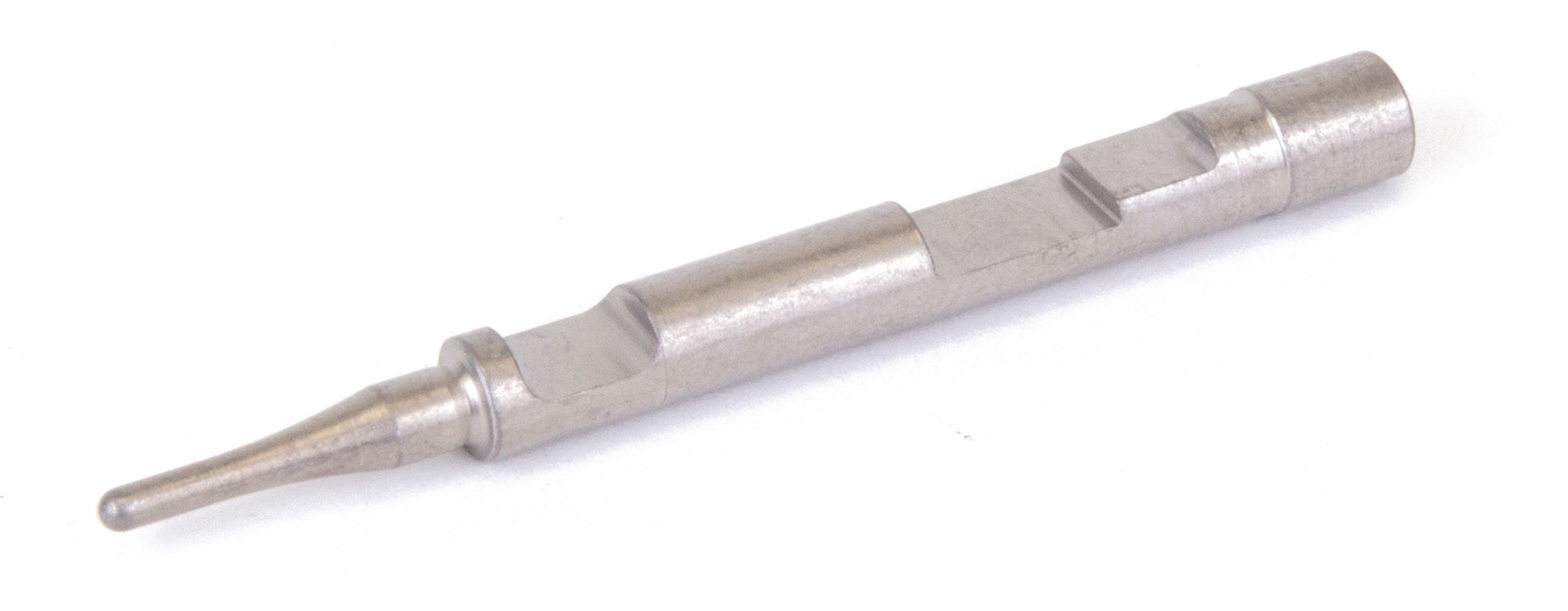
Durable triggers for 226 pistols can offer a practical way to refine the feel of an established double-action/single-action platform while preserving the familiar controls and balance that draw many shooters to it. The right trigger may provide a smoother double-action stroke, a more defined single-action break, a shorter reset, or a shape that gives the finger a consistent point of contact from shot to shot. Durability begins with materials and construction. Hardened steel components, carefully machined engagement surfaces, corrosion-resistant finishes, and properly fitted pivot points are all useful features to consider when a trigger will see frequent practice, extended storage, or demanding use. A flat trigger can provide a straight, repeatable face and a distinctive index point, while a curved trigger may feel more familiar to shooters accustomed to traditional service-pistol geometry. Neither shape is automatically better; comfort, finger placement, and the specific configuration of the pistol matter more than appearance alone. Buyers should confirm whether their 226 pistol uses a double-action/single-action or single-action-only system, as well as whether it is configured for a standard or extended capacity magazine, before selecting a replacement or upgrade component. Compatibility can also depend on the generation, internal parts, and existing controls. A trigger that fits one variation may not be appropriate for another, so reviewing the manufacturer’s fitment information and consulting a qualified gunsmith are important steps before purchase. For owners who spend cooler months indoors at a range or use the season to organize their equipment, a well-chosen trigger can be part of a thoughtful maintenance and improvement plan rather than an impulse modification.
Trigger geometry and adjustment deserve close attention. Some durable 226 trigger options use an adjustable over-travel screw to limit unnecessary rearward movement after the break, helping the shooter maintain a consistent rhythm without allowing the adjustment to interfere with safe operation. Other designs address pre-travel, which is the movement before the trigger reaches the engagement point. Reducing excess movement can make the trigger feel more deliberate, but adjustments should remain within the manufacturer’s specifications and should never compromise reliable reset, hammer engagement, or the pistol’s built-in safety features. A short-reset system can reduce the forward travel needed to prepare for a subsequent shot, an attribute often appreciated during structured range practice and competition drills. A refined trigger does not replace fundamentals: a stable grip, clear sight alignment, controlled breathing, and disciplined trigger-finger placement still determine responsible performance. Spring choices deserve similar care. A lighter mainspring may reduce perceived double-action effort, yet duty, defensive, or otherwise critical-use pistols generally call for a conservative approach that prioritizes dependable ignition with the ammunition being used. Any change to springs, leverage components, or internal engagement surfaces should be installed and inspected by a qualified professional, followed by a thorough function check in a safe environment. Test the pistol with the ammunition intended for regular use, verify that the safety and decocking functions operate correctly, and confirm that the trigger resets consistently before relying on the firearm. These considerations make durable triggers useful for experienced range shooters, competitors seeking a more repeatable interface, and owners restoring a well-used pistol’s feel. They can also be a considerate gift for an experienced 226 owner, but only when the exact pistol configuration is known; a gift card or an agreed-upon upgrade is often safer than guessing at fitment.
When comparing durable triggers for 226 pistols, look beyond a polished finish or a bold profile and evaluate the complete design. Check the material, surface treatment, adjustment method, included hardware, installation requirements, and compatibility with the pistol’s existing fire-control system. A finish designed to resist wear and corrosion can be especially useful for equipment that moves between a range bag, a vehicle, and a climate-controlled safe during changing weather. Look for clear instructions and reputable support, and be cautious of any component that promises an unusually light pull without explaining how reliability and safety are maintained. The best upgrade is one that feels predictable, returns cleanly, and complements the way the pistol is actually used. A recreational shooter may prefer a smooth double-action stroke and a crisp single-action transition for deliberate target work, while a competition-focused owner may place greater value on reset distance and an adjustable trigger face. Someone maintaining a training or duty pistol may favor a robust, factory-compatible design with minimal changes to the original operating characteristics. In every case, safe storage, responsible handling, appropriate eye and ear protection, and compliance with applicable laws remain essential. Owners exploring other dependable handgun options may also wish to browse Durable 380 Auto Pistols when comparing platforms for range use, personal collection, or an experienced shooter’s gift. With careful fitment research and professional installation, a durable trigger can provide a more consistent connection between the shooter’s hand and the 226 pistol without sacrificing the reliability and confidence that matter most.