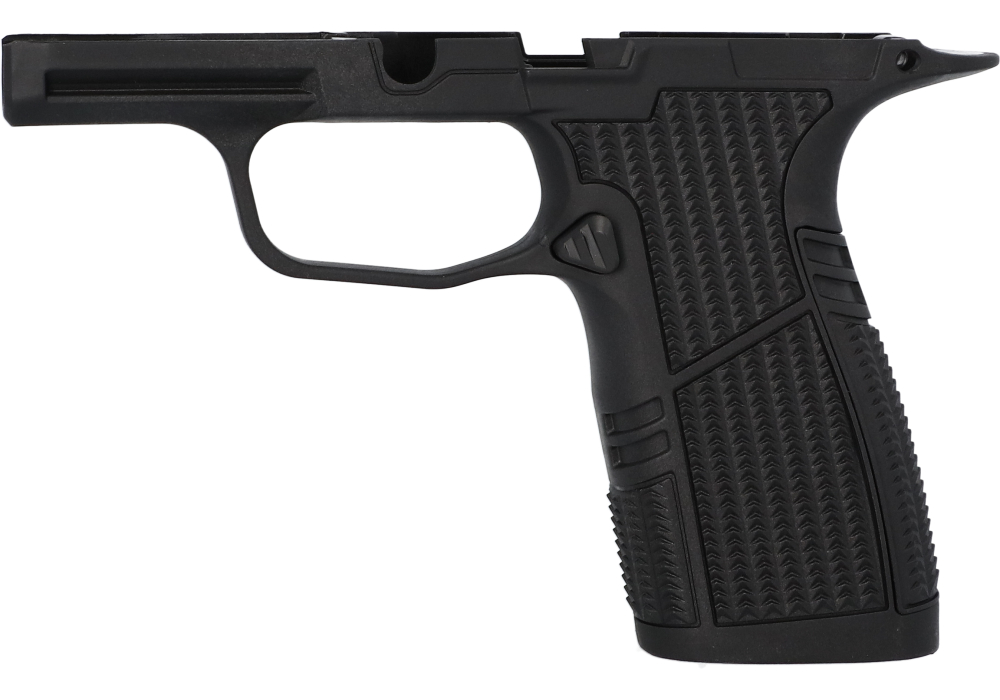
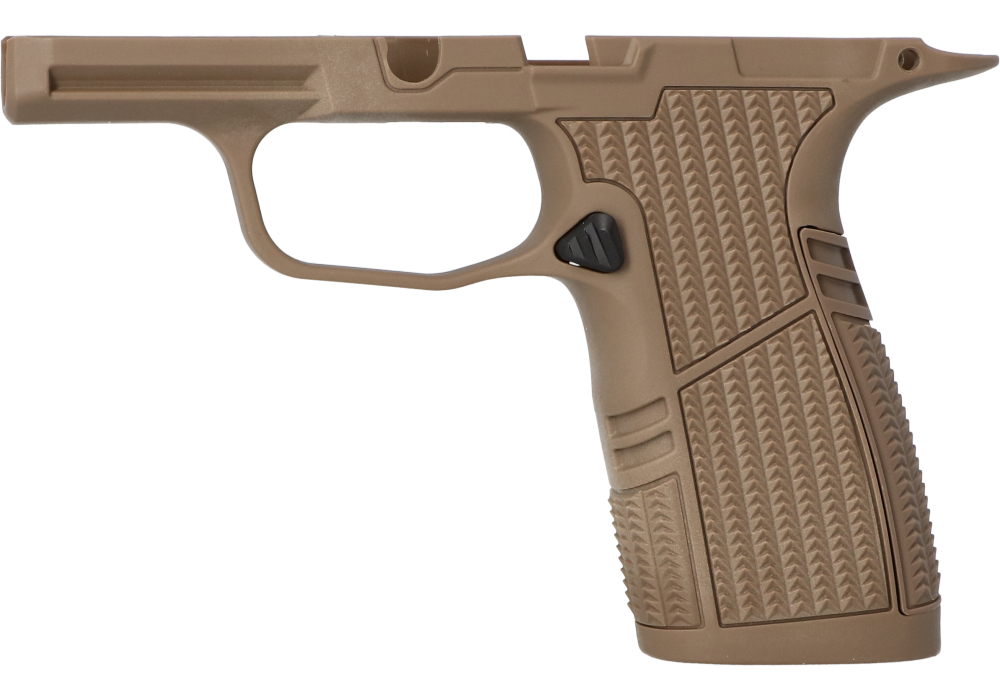
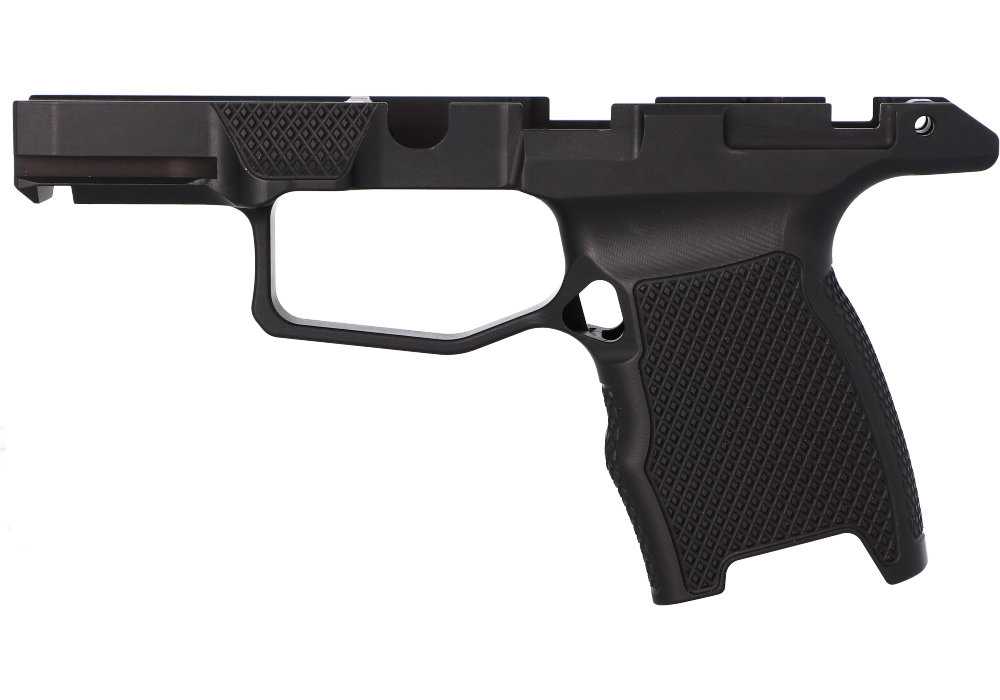
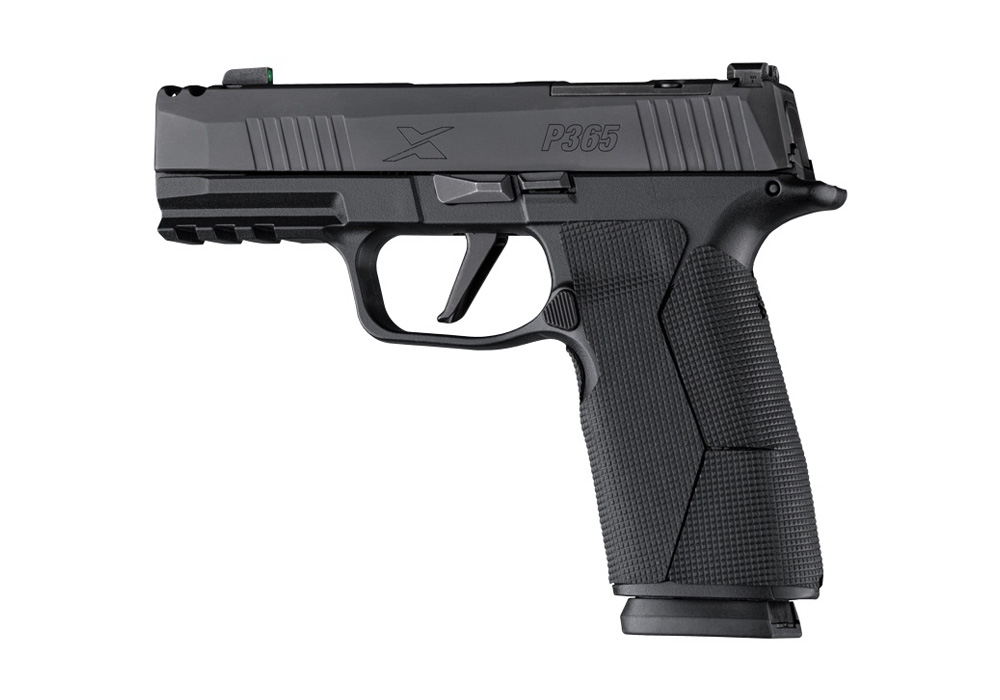
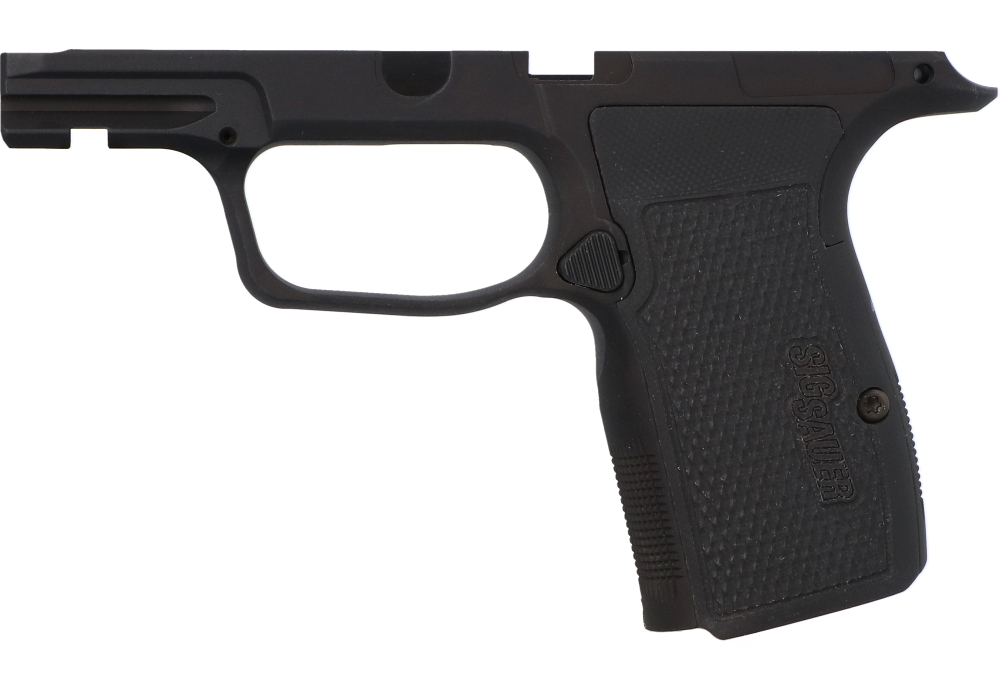
Easy Install P365 Grip Modules offer a practical way to refine the feel, fit, and appearance of a compatible compact pistol without replacing the serialized Fire Control Unit (FCU). The grip module is the frame-like component that surrounds the FCU and gives the pistol its grip angle, texture, profile, and overall hand fit. For many owners, changing this part can make a familiar pistol feel more natural in the hand, especially when adjusting for palm size, finger reach, preferred trigger access, or concealed-carry comfort. Some shooters choose a more compact profile for discreet everyday carry, while others prefer a fuller grip that gives the pinky finger a consistent resting point and provides additional control during practice. Texture is another important consideration: a pronounced surface can help maintain a steady grasp with wet or gloved hands, while a smoother finish may be more comfortable against clothing during extended carry. Buyers should confirm that the selected module matches their specific P365 configuration, including slide length, grip size, magazine fit, and whether the FCU includes a manual safety. Standard and extended-capacity magazines may require corresponding grip dimensions, so checking the manufacturer’s compatibility information before ordering helps avoid fitment issues. For shoppers comparing customization options, Custom Grip Modules for Sig P365XL provides another way to explore grip-focused upgrades for a compatible configuration. These accessories can also make thoughtful gifts for an experienced owner who already knows the feel they want from a carry pistol. A new grip module is compact, easy to wrap, and personal without requiring the giver to choose ammunition, holster dimensions, or other equipment that may depend on individual preferences. As cooler weather brings heavier clothing and different carry routines, a refreshed grip texture or profile can be especially useful when evaluating how a pistol sits in the hand and works with an established setup.
Installation is designed to be straightforward for a qualified owner who is comfortable performing basic maintenance and follows the applicable owner’s manual. Begin by pointing the pistol in a safe direction, removing the magazine, locking the slide open, and visually and physically checking that the chamber, breech face, and magazine well are empty. Ammunition should be kept away from the work area throughout the process. Once the pistol is confirmed unloaded, field strip it according to the manufacturer’s instructions: rotate the takedown lever as specified, release the slide, and move the slide assembly forward and off the frame. The FCU is the serialized component, and it can be transferred from the original grip module to a compatible replacement without altering the FCU itself. A 3/32-inch punch is commonly used to remove the rear FCU pin. Work over a clean, well-lit surface so the pin and small components remain easy to see, and avoid forcing parts that do not align naturally. After the pin is removed, support the FCU and lift its rear section from the original module, taking care not to disturb the trigger or internal components. Position the front of the FCU into the replacement module first, guide the trigger into its opening, and then press the rear of the FCU down into place. Align the pin holes and reinstall the retaining pin from the correct side until it is seated flush. The upper assembly can then be reinstalled, followed by the slide stop and takedown lever in the sequence described by the manual. Exact steps can vary by configuration, so the official instructions take priority over any general description. If the FCU, pin, trigger, safety, or other component does not seat correctly, stop and consult a qualified gunsmith rather than applying excess force or attempting an improvised adjustment.
After installation, conduct a careful function check with the pistol still unloaded and no ammunition nearby. Confirm that the slide moves normally, the takedown lever is properly positioned, the trigger operates as expected, and any manual safety engages and disengages correctly for the installed configuration. Check that the magazine inserts, locks in place, and releases without unusual resistance, then verify that the slide locks back when appropriate. A function check is not a substitute for professional inspection, and any unexpected movement, loose pin, binding, or failure of a control should be addressed before the pistol is carried or taken to the range. It is also wise to confirm holster fit after changing the grip module, since a different grip profile or accessory fit can affect retention, coverage, and draw clearance. Spend time handling the unloaded pistol with the intended grip and magazine arrangement, paying attention to whether the trigger finger rests naturally outside the trigger guard and whether the support hand can establish a repeatable hold. During the next range session, begin with deliberate, controlled practice and inspect the module and retaining pin periodically for movement. Routine cleaning, proper storage, and regular inspection help preserve the finish and maintain dependable fit over time. Easy Install P365 Grip Modules are best viewed as a focused ergonomics upgrade: a relatively simple component change that can help an owner tailor a familiar compact platform to personal comfort, training habits, and everyday carry needs while keeping safe handling and configuration-specific compatibility at the center of the process.